How to Roast Hawaiian Kona Coffee Beans? Kona Coffee Pour-Over Experience and Tips Sharing
Roasting Analysis
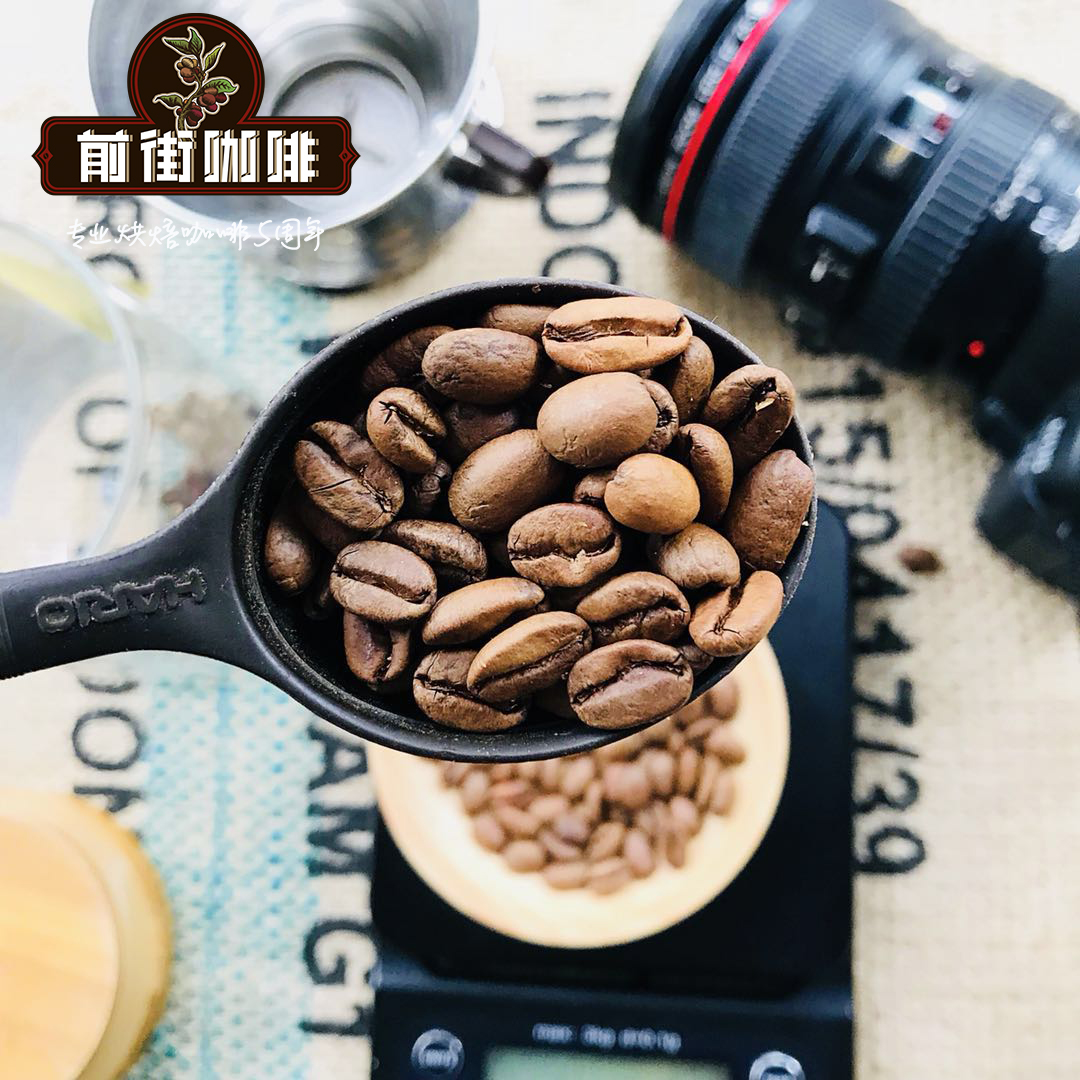
Kona, like Blue Mountain, is a low-density coffee. Low-density beans cannot take a high drop temperature. When the sweet aromatics begin to release and the bean surface turns pale yellow, moisture content is still high, so the beans need sufficient steaming time. They should feel clean and solid, with real weight in the hand. Kona should not be roasted dark: a medium-light roast, somewhere between City and Full City-, is what it wants.
FrontStreet Coffee suggests keeping detailed records before you roast, including the green beans' moisture content and density, their origin and processing method, and the temperature and humidity of the roasting room. Plan your roast curve around those figures. During the roast, note the relevant chemical and physical changes; they will help you understand the final result and refine your curve.
Roaster: Yangjia 800N, 550g green beans loaded
Roasting Curve:
Preheat the roaster to 200°C and load the beans. Set the air damper to 3. After 1 minute, adjust the heat to 150°C and leave the damper unchanged. At 5'35", when the temperature reaches 150°C and the bean surface has turned yellow with the grassy aroma gone entirely, dehydration is complete. Reduce the heat to 140°C and move the damper to 4.
At 9'30", the bean surface shows ugly wrinkles and black spots, and the aroma of toasted bread clearly shifts into coffee fragrance. This is the prelude to first crack. Listen carefully for the sound of first crack. At 9'30", first crack begins. Reduce the heat to 70°C and open the damper fully (be careful when you adjust the heat - do not cut it so far that the cracking stops). Turn off the heat at 182°C and unload at 193.4°C.
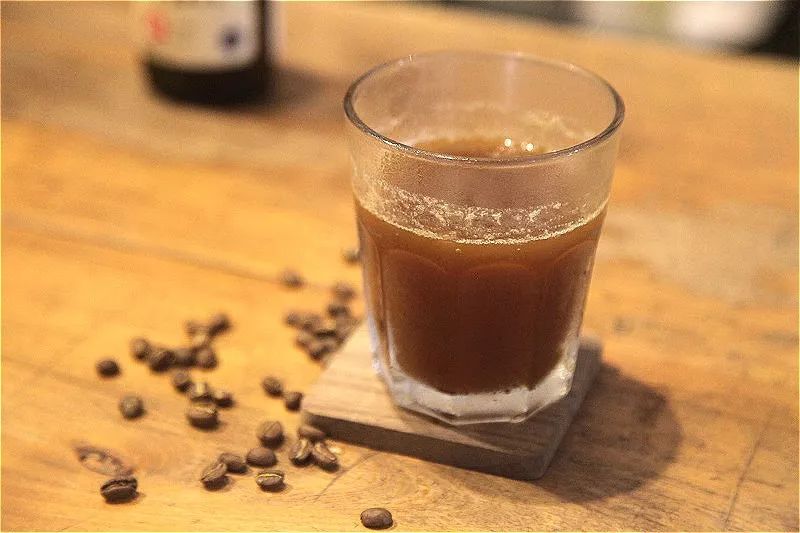
A medium roast primarily gives Kona its balanced, mellow nectar sweetness and an elegant, substantial mouthfeel that never turns heavy. In the cup it releases a mulberry aroma that carries a sweet happiness with it. The aftertaste is a smooth malt bitterness-sweetness that slides down the throat and rises again on the exhale. Left to cool, it drinks like a cup of mulberry tea.
Brewing Analysis
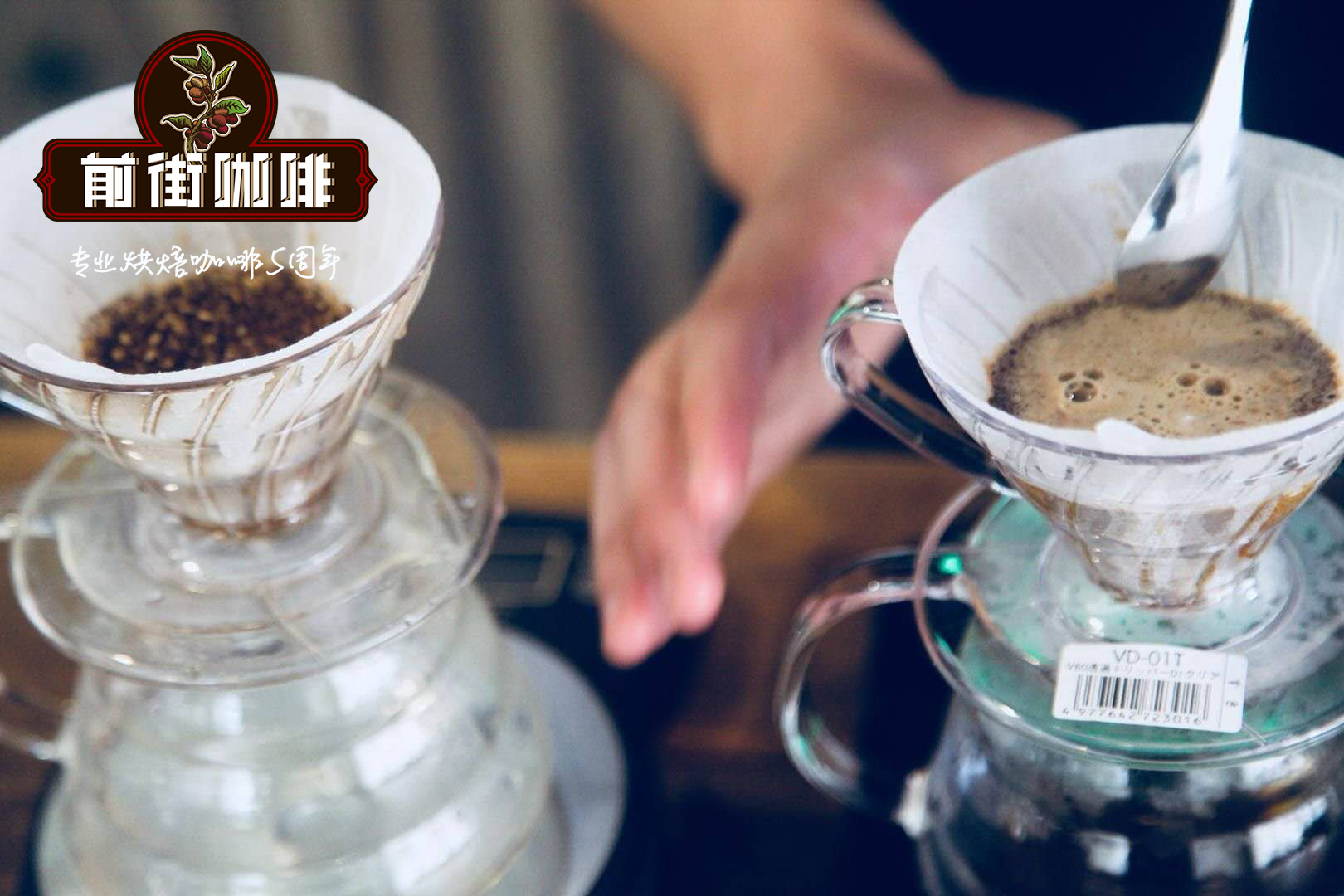
- Filter: V60
- Water Temperature: 92°C
- Grind Size: Fuji grinder setting 3.5
- Roast Level: Medium roast
- Bloom Time: 30 seconds
Flavor: Malt, mulberry, with a persistent caramel sweetness in the aftertaste.
FrontStreet Coffee's Recommended Brewing Technique: Slow, steady and continuous pouring. Use a fine stream in circular motions and pour gently so the extraction stays even. Very slowly. A stirring stick can also be used, sparingly. As a rule, make one cross-stir during the bloom so the water meets all the grounds and more aromatic compounds are released.
FrontStreet Coffee Recommendation
Drinkers who come to Kona usually stay for the same thing they find in a great Blue Mountain: balance above all, with a creamy body, gentle acidity and a clean, long finish. FrontStreet's Jamaica Blue Mountain No.1 is that classic profile at its most complete. It comes from the historic Clifton estate, which has been growing and processing coffee since the mid-eighteenth century, and its fields sit at an average of 4,300 feet (1,310.64 meters) - enough altitude, tempered by the afternoon cloud that shades the hills, generous sunlight and mineral-rich soil, to slow the ripening of the cherry and deepen the cup.
The lot is medium-dark roasted so the balance that defines Blue Mountain is fully on show, and every shipment carries the certification and origin documents that authenticate it. A genuine Blue Mountain barrel is itself a mark of the real thing, since these coffees traditionally travel in 15 kg, 45 kg and 70 kg wooden barrels. Expect nuts, dark chocolate, cream caramel and a soft sweetness opening layer by layer, with acidity, sweetness, bitterness and aroma held in harmony.
For brewing, FrontStreet suggests a Kono dripper, 15 g of coffee for one serving, and a rest of 4-7 days from the roast date counting the roast day as day one. Grind a little coarser than you would for a light roast - roughly the texture of granulated sugar - and brew with water at 87-88°C and a 1:15 coffee-to-water ratio. Pour in three stages: 30 g of water to bloom for 30 seconds, then a slow, thin stream in circles to 120 g, then a slightly quicker pour to 225 g so the bed does not clog and over-extract.
Important Notice :
FrontStreet Coffee is a long-established specialty coffee roaster in Guangzhou China, selling freshly roasted beans from its own farm in Yunnan as well as dozens of carefully selected single-origin beans from around the world for both pour-over and espresso. The products deliver consistently excellent quality and great value, with shipping within 24 hours. Guangzhou's FrontStreet Coffee shop is recommended by many coffee lovers, and the beans are now available online at the Tmall 。
FrontStreet Coffee has moved to a new address:
FrontStreet Coffee Address: 315,Donghua East Road,GuangZhou
Tel:020 38364473
 Scan and follow the En Gafei WeChat official account. Please indicate that the reprint comes from "En Gafei".