Is Costa Rican Tarrazu Coffee Good? How to Brew Sweetness from Honey Process Coffee Beans?

Let's get straight to the point. As a long-time fan of FrontStreet Coffee, you already know that Costa Rica has several coffee-growing regions, right?
If you know them, feel free to skip ahead to the next section. If not, let's go through them together with FrontStreet Coffee. According to ICAFE (Instituto del Café de Costa Rica, the Costa Rica Coffee Institute), Costa Rica has a total of eight coffee-producing regions: Tarrazú, West Valley, Tres Ríos, Guanacaste, Turrialba, Orosi, Brunca, and Central Valley. What is worth noting is that every region in Costa Rica has signed a quality improvement agreement, under which mill owners commit to producing the highest quality coffee, accepting only ripe fruit, and making sure only the best lots reach the buyer. That is why you find an interesting fact: in Costa Rica, there are only Arabica beans.
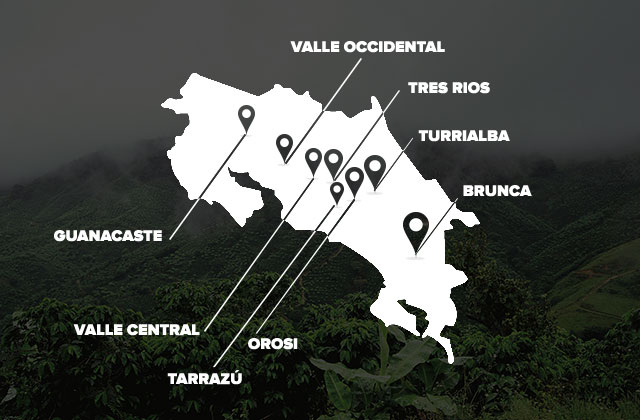
The eight regions include some low-altitude areas as well as volcanic areas above 1200 meters, where the coffee tends to be more acidic and aromatic. Every Costa Rican coffee FrontStreet Coffee selects comes from plantations above 1500 meters. Take FrontStreet Coffee's most affordable daily bean, Costa Rica Tarrazú: it is grown in regions that all sit above 1500 meters.
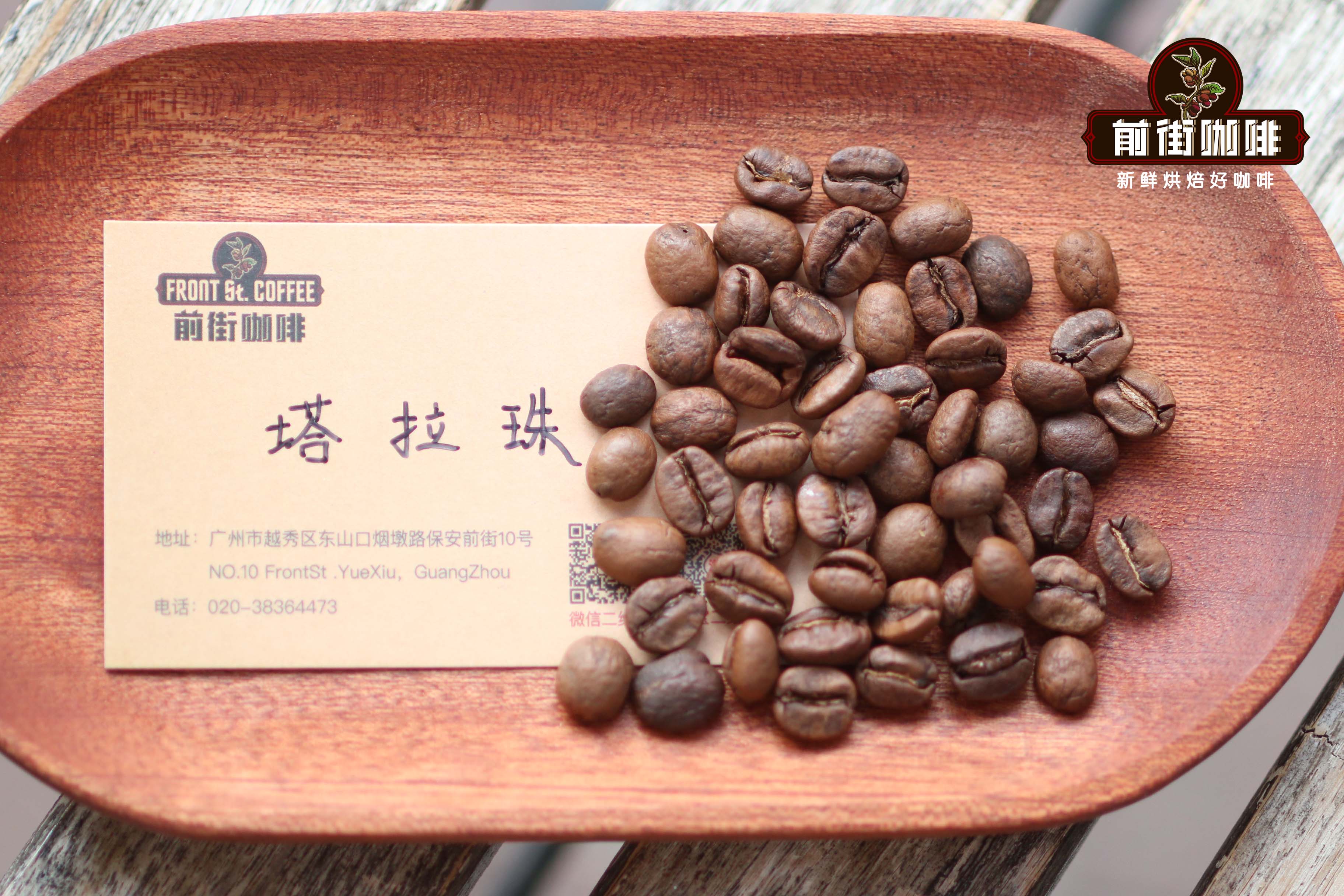
FrontStreet Coffee: Costa Rica Tarrazú Coffee Beans
Varieties: Caturra, Catuai
Altitude: 1500 meters
Processing: Washed
Grade: SHB
In Costa Rica, precipitation, relative humidity, and temperature generally decrease as altitude rises, and these differences affect the size, hardness, and flavor of the beans. According to FrontStreet Coffee's research, Tarrazú is sheltered by mountain ranges on the Pacific slope and serves as a refuge for forests and rare birds, with an excellent ecological environment for coffee. The beans are grown in small valleys and on slopes along the country's highest mountain ranges.
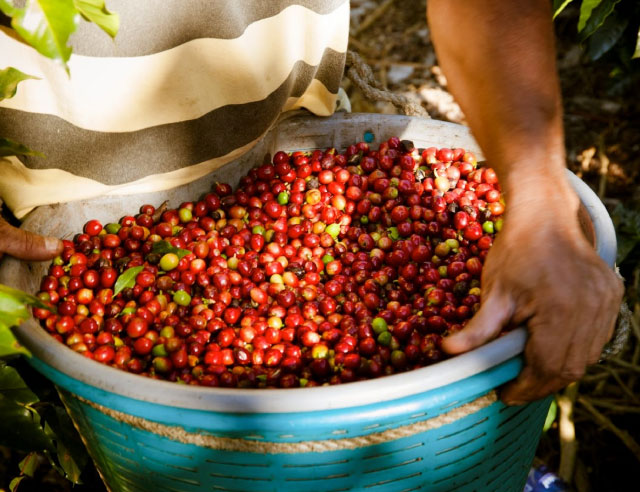
Tarrazú lies southeast of the capital, San José, and produces small, bluish, beautiful-looking Arabica coffee. Its land yields roughly 650,000 hundredweights from about 22,000 hectares, made up of small farms averaging 2.5 hectares. 95% of the coffee sold is graded Strictly Hard Bean (SHB). It is produced under ideal growing conditions, where the soil is mainly sedimentary and acidic in composition. Most plantations are shade-grown, with different tree species planted throughout the region.
FrontStreet Coffee almost always chooses washed processing for its daily beans. If you drink coffee regularly, you probably know that washed beans have a cleaner flavor. During washing, most of the mucilage is rinsed away once fermentation ends, so the terroir flavors stand out and are amplified. That is FrontStreet Coffee's main goal: letting consumers enjoy the most classic regional flavors at the best value.

Understanding Terroir Flavor
Of course, many friends do not have a clear grasp of flavor profiles, so the phrase "terroir flavor" can be confusing. Next, FrontStreet Coffee will use Costa Rica's anaerobic heavy honey-processed Blueberry coffee to compare and analyze the flavor differences between honey processing and washed coffee. As before, FrontStreet Coffee will briefly describe the coffee region information for the Giant Stone Estate · Blueberry.

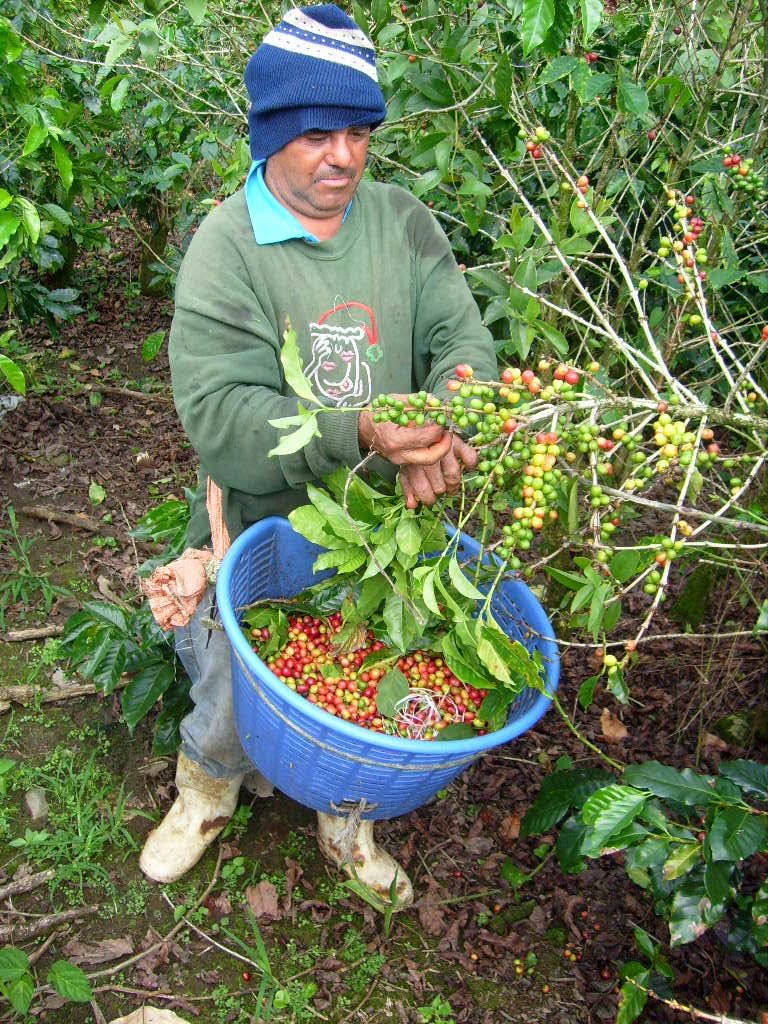
Giant Stone Estate is located in Costa Rica's Brunca coffee region. Brunca sits in the southern part of Costa Rica and consists of the states of Coto Brus, Buenos Aires, and Pérez Zeledón. Coffee cultivation began there in the late 19th century in Pérez Zeledón, largely because the first settlers came from coffee-growing areas in the Central Valley and brought deep-rooted Costa Rican coffee culture with them.
The Coto Brus Valley lies on the slopes of the Talamanca mountain range, which divides Costa Rica into two slopes, Pacific and Atlantic. This makes the region's economy almost entirely dependent on coffee. To date, there are records of 2,600 coffee producers in the area, covering 75 communities. Coto Brus has higher altitudes and more humidity, with temperatures ranging between 18 and 26°C.
Honey Processing Methods
Costa Rica's honey processing methods are conventionally ranked from best to least intense, called white honey, yellow honey, red honey, and black honey. FrontStreet Coffee will now walk through how each one is done.
White Honey:
- Remove 80-90% of the mucilage
- Dry the beans directly on raised beds
- Beans dry quickly at high temperatures, turning the parchment white
Yellow Honey:
- Remove 50% of the mucilage
- Dry the beans under low wind and moderate sun
- Rake the beans 3 to 4 times daily, with drying taking up to a week
Red Honey:
- Leave 80-90% of the mucilage on the beans
- Dry the beans on raised beds under cloudy or shaded conditions
- Rake on the morning of the first day, then only once or twice in the afternoon
Black Honey:
- Keep the mucilage as intact as possible
- Dry the beans on fully shaded raised beds
- Leave the beans completely untouched on the first day, then rake once daily; drying can take up to three weeks

The anaerobic heavy honey process, however, follows none of the flows above. Anaerobic processing is one of Costa Rica's most innovative techniques, a semi-industrial method between washed and natural processing. Coffee with the pulp removed but all the mucilage intact is placed in sealed tanks to isolate oxygen and sharpen the controlled fermentation. It is then moved to a greenhouse for about 4 days, and afterward to drying beds for 18 days at temperatures above 21°C.
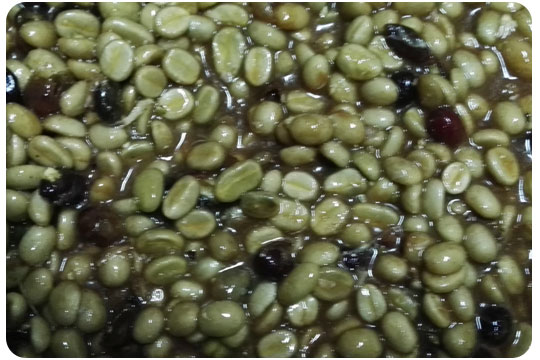
Note: Drying time and temperature depend on many variables (region, temperature, altitude, humidity, season, shade, and so on). Whether a producer uses drying beds or a greenhouse comes down to their own processing philosophy.
Coffee Tasting Comparison
Using the same brewing method, let's look at how the two coffees express themselves. FrontStreet Coffee will now give its standard brewing method.
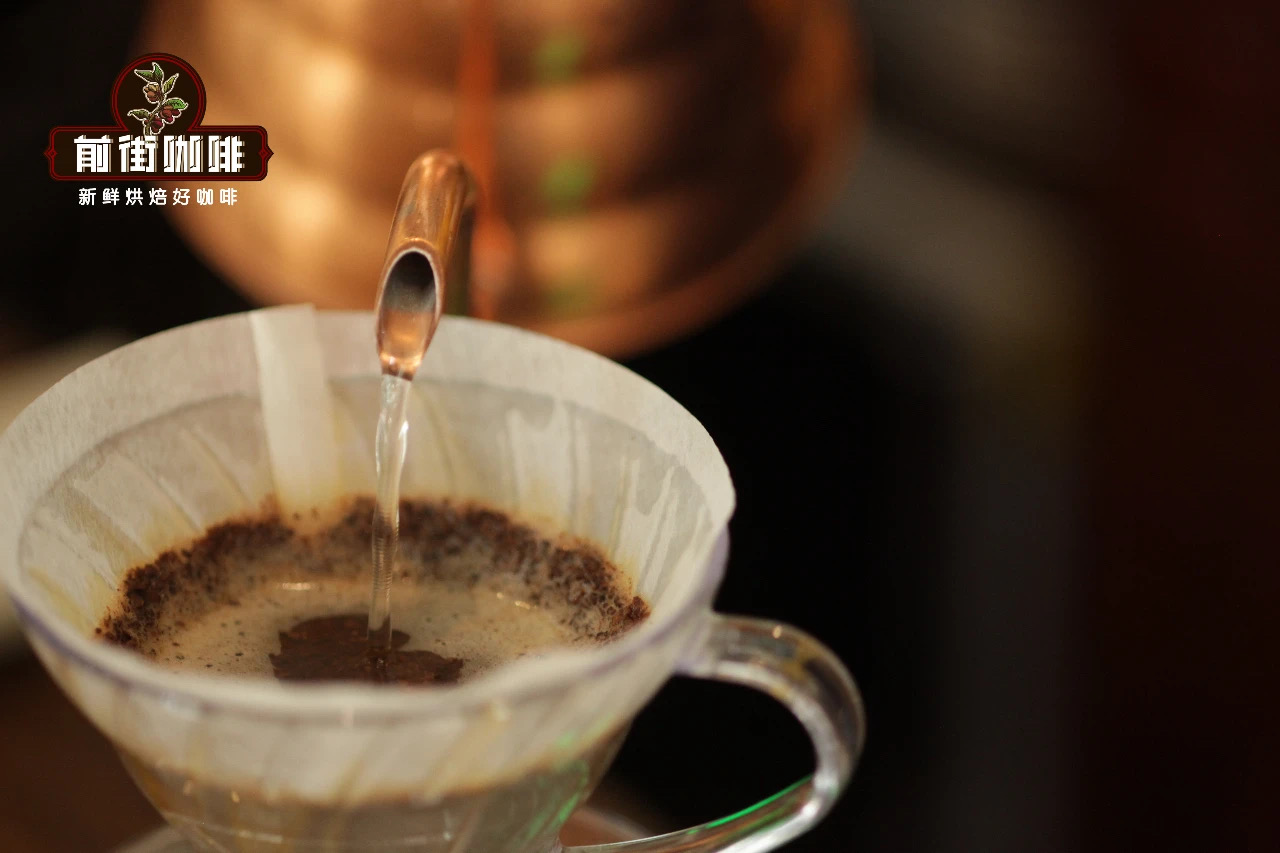
FrontStreet Coffee Brewing Parameters:
- V60 dripper
- Water temperature: 91°C
- Water-to-coffee ratio: 1:15
- Coffee amount: 15g
- Grind size: (China standard No. 20 sieve, 80% pass-through)
FrontStreet Coffee Brewing Technique: Bloom with 30g of water for 30 seconds. Using a small stream, pour in circles to 125g, then split the pour. When the water level drops and the coffee bed is about to be exposed, continue pouring to 225g and stop. When the water level drops again and the bed is about to be exposed, remove the filter cup. (Timing starts from the bloom.) Extraction time: 2'00".

Relatively speaking, the overall flavor of the Tarrazú daily bean is clean and fresh, with a rounded, gentle acidity and a hint of dark chocolate in the cup - an original coffee with classic Costa Rican flavors. The Blueberry, by contrast, is more unusual, with a very clear flavor direction.
For professional coffee knowledge exchange and more coffee bean information, please follow Coffee Workshop (WeChat official account: cafe_style). For more specialty coffee beans, please add the private WeChat of FrontStreet Coffee, WeChat ID: kaixinguoguo0925
FrontStreet Coffee Recommendation
To taste Costa Rican honey processing at its most intense, FrontStreet Coffee's Costa Rica Blackberry is the place to start. It uses black honey processing, a method that removes almost none of the mucilage: drying runs at least 2 weeks, the beds are covered to keep the strong sun from drying the fruit too fast, and the lots are turned at intervals so the sugars convert evenly without overfermenting. Medium-light roasted, it releases a rich floral aroma when ground and drinks with grape, berry, and ripe blackberry notes.
If you like your coffee sweeter and fruitier, FrontStreet Coffee's Strawberry Candy pairs a Panama Geisha with a Costa Rican coffee processed with the raisin honey method, which keeps 100% of the pectin. The cherries are floated to remove underripe and overripe fruit, dried on raised beds for at least three days, then pulped with the pectin still on before drying continues. The cup shows Geisha's floral-tea quality plus grape, raisin, and a soft fruit acidity with an almond finish. For an even more unusual profile, FrontStreet Coffee's Costa Rica Mozart is made with the same raisin honey method and brings osmanthus, pineapple, and raisin notes to pour-over, cold brew, or moka pot.
Important Notice :
FrontStreet Coffee is a long-established specialty coffee roaster in Guangzhou China, selling freshly roasted beans from its own farm in Yunnan as well as dozens of carefully selected single-origin beans from around the world for both pour-over and espresso. The products deliver consistently excellent quality and great value, with shipping within 24 hours. Guangzhou's FrontStreet Coffee shop is recommended by many coffee lovers, and the beans are now available online at the Tmall 。
FrontStreet Coffee has moved to a new address:
FrontStreet Coffee Address: 315,Donghua East Road,GuangZhou
Tel:020 38364473
 Scan and follow the En Gafei WeChat official account. Please indicate that the reprint comes from "En Gafei".