Definition and Determination of Coffee Roast Levels - Which Roast Degree is Best - Understanding Coffee Roasting Percentage
Understanding Coffee Roast Levels
Most people's grasp of roast levels is simple: sour means light roast, bitter means dark roast. Within the industry, of course, we don't classify quite so crudely. Today the more scientific basis for distinguishing roast levels is the Agtron color value (caramelization analysis value).
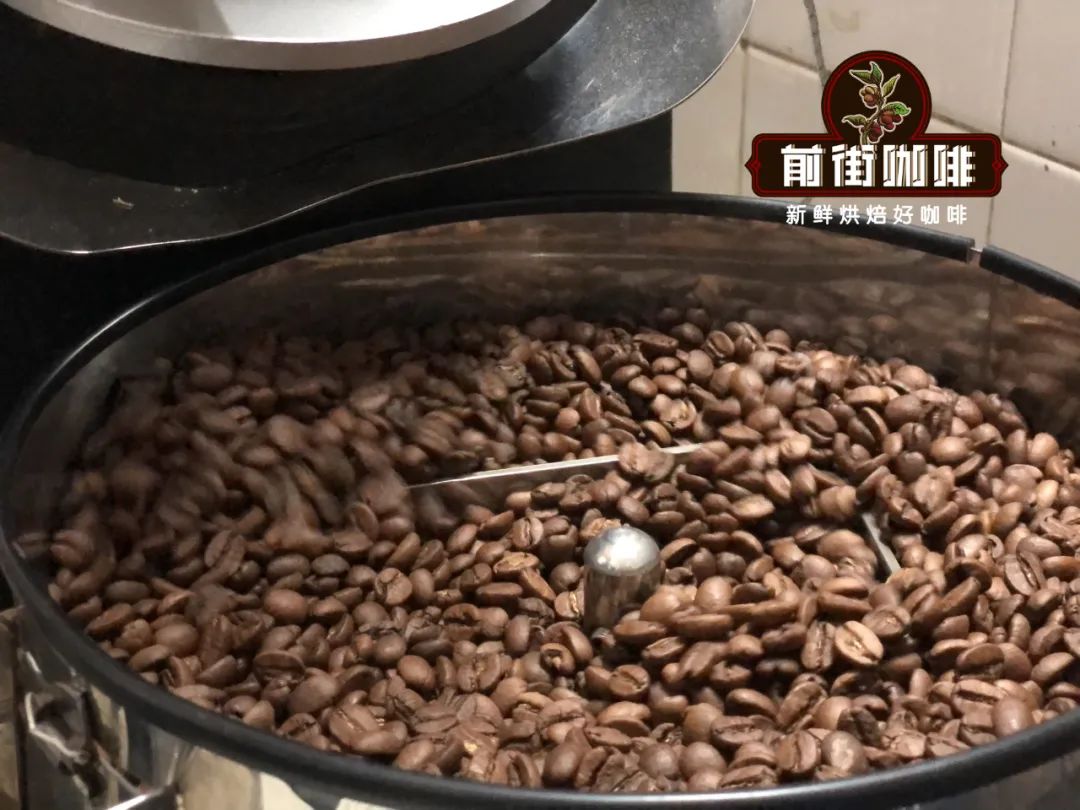
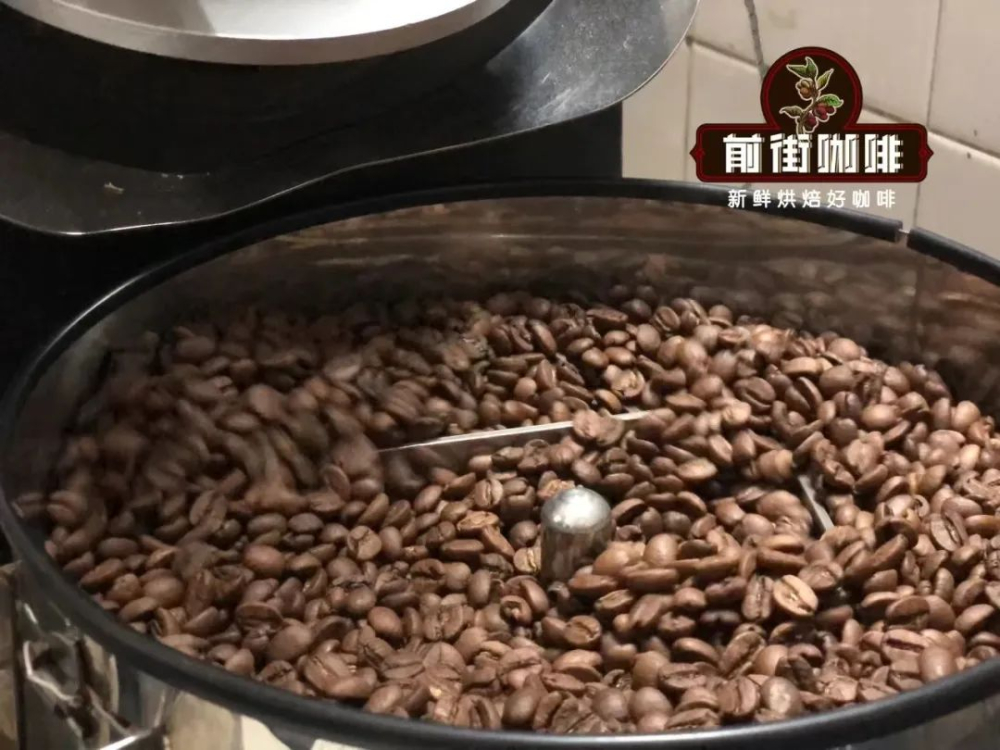
During roasting, the generally accepted boundary for "done" is first crack. Beans can be dropped from the roaster at any point after first crack: the earlier they come out, the lighter the roast; the later, the deeper.
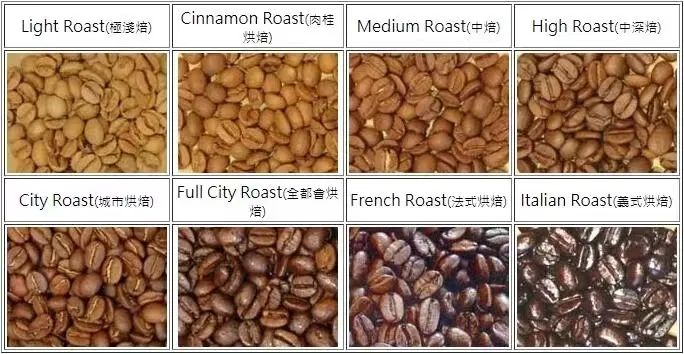
Using Agtron color values, roast levels divide into 8 categories — the higher the color value, the lighter the roast, and vice versa.
Roast Level Classifications
The lightest level is Light Roast, at Agtron 95. Beans are dropped at the peak of first crack (while they are still crackling loudly). Coffee at this level generally shows bright acidity.
At Agtron 85 comes Cinnamon Roast. Beans are dropped around the end of first crack, when the crackling has just subsided or only occasional pops remain. Coffee here leans acidic, with sweet notes emerging.
At Agtron 75 is Medium Roast. Beans are dropped shortly after first crack ends, when cracking has completely stopped. This level shows mainly sweetness with slight fruit acidity.
At Agtron 65 is High Roast. Beans are dropped between the end of first crack and the onset of second crack (after roughly 1-2 minutes of quiet). Flavors turn nutty and caramelized, balanced, with no acidity.
At Agtron 55 is City Roast. Beans are dropped at the beginning of second crack — after the quiet period, when one or two weak crackles appear. The cup grows more bitter, with heavier caramel aroma.
At Agtron 45 is Full City Roast. Beans are dropped just before second crack becomes intense. The coffee is already quite dark, with more burnt, bitter, and roasted aromatic character.
At Agtron 35 is French Roast. Beans are dropped during intense second crack, when deeper crackling is heard again. At this point the beans have begun to seep oil.
At Agtron 25 is Italian Roast. Beans are dropped at the end of second crack, after the intense sounds subside. The beans are jet black and shiny, with oils fully migrated to the surface.
Alternative Roast Level Indicators
Some roasters also use Roasting % to indicate roast level — essentially the same expression as the Agtron value. Roasting 95% equals Agtron 95, i.e., Light Roast; likewise Roasting 85% is Cinnamon Roast, Roasting 75% is Medium Roast, and Roasting 65% is High Roast.
For professional coffee knowledge exchange and more coffee bean information, please follow Coffee Workshop (WeChat official account: cafe_style).
For more specialty coffee beans, please add FrontStreet Coffee on private WeChat (ID: qjcoffeex).
FrontStreet Coffee Recommendation: The Versatility of Medium Roasts
Among the eight roast levels, medium roast is where sweetness and gentle acidity meet — the sweet spot for many drinkers, and the backbone of FrontStreet Coffee's house beans. Our Brazil Fazenda Queen Yellow Bourbon, roasted medium, shows cream peanut, chocolate, toast, and sugarcane sweetness, suiting pour-over, moka pot, and espresso alike. The Strawberry Candy Geisha blend, also medium roasted, unites Costa Rica honey coffee with Panama washed Geisha for orange-blossom honey aroma and rounded sweetness. If you lean lighter, our Yirgacheffe Gottingding sits near cinnamon roast with jasmine and bright citrus; if you prefer darker, the PWN Golden Mandheling at medium-dark gives herbal depth and dark chocolate.
Important Notice :
FrontStreet Coffee is a long-established specialty coffee roaster in Guangzhou China, selling freshly roasted beans from its own farm in Yunnan as well as dozens of carefully selected single-origin beans from around the world for both pour-over and espresso. The products deliver consistently excellent quality and great value, with shipping within 24 hours. Guangzhou's FrontStreet Coffee shop is recommended by many coffee lovers, and the beans are now available online at the Tmall 。
FrontStreet Coffee has moved to a new address:
FrontStreet Coffee Address: 315,Donghua East Road,GuangZhou
Tel:020 38364473
 Scan and follow the En Gafei WeChat official account. Please indicate that the reprint comes from "En Gafei".