The Impact of Coffee Bean Roast Levels on Flavor and Taste: What Degree of Roast Makes the Best Coffee
Introduction
Coffee flavor is shaped by many factors — the growing environment of the origin, the variety, the way green beans are processed, then roasting, and finally brewing. Every stage leaves its mark on the cup.
Different microclimates and varieties give each origin its regional character: the citrus and fruit notes of Ethiopia, the bright berry acidity of Kenya, the balanced citrus and black cocoa of Colombia, the rich herbal notes of Indonesia. In terms of processing, washed coffee has greater clarity while natural-processed coffee is fuller-bodied.
After a series of steps at origin, coffee beans are shipped around the world as green coffee and arrive at the most crucial stage before brewing — roasting.
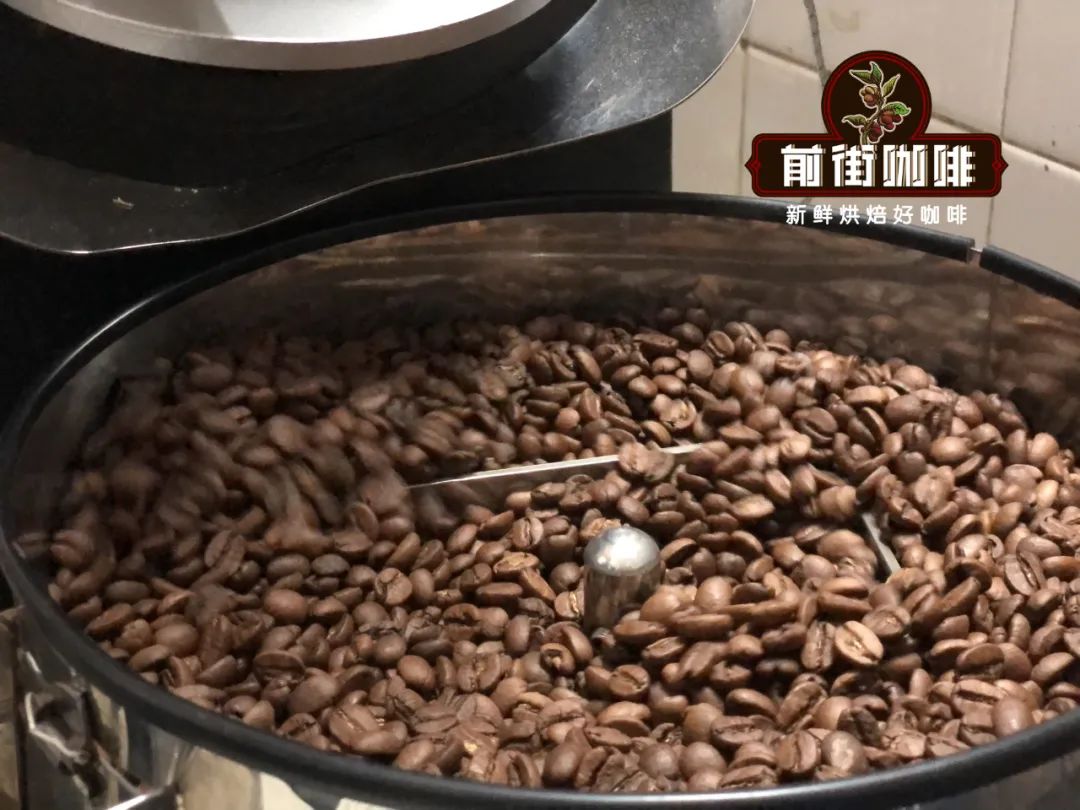
The beans we usually see are already roasted. Only after roasting do green beans develop flavor, and different roasting styles and degrees affect the taste. So how does roast degree shape the flavor profile?
How to Distinguish Roasting Degrees?
Green beans undergo high-temperature treatment in the roaster and pass through several important stages: dehydration, yellowing, then first crack, dense first crack, and — if roasting continues — second crack and dense second crack. As time and stage vary, the beans present different roast degrees.

Here we can refer to the Agtron value system from the SCA (Specialty Coffee Association) to express roast degree. The Agtron value is a measurement produced by the Agtron Coffee Roast Analyzer, a device from an American food-testing company, used to indicate how far a coffee has been roasted. The analyzer uses infrared illumination: darker-roasted beans reflect less and return lower values, while lighter roasts return higher values.
FrontStreet Coffee uses Agtron values to determine the roast degree of coffee beans — the higher the value, the lighter the roast; the lower the reading, the darker the roast.
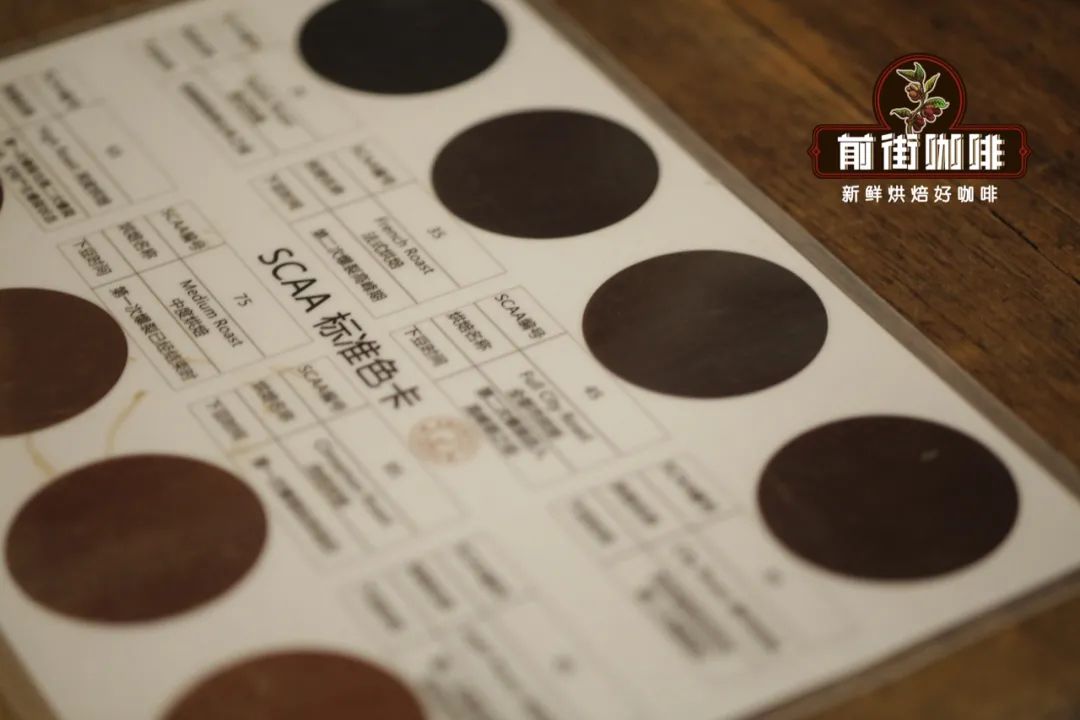
The reference standard provided by the SCA is: beans dropped at the end of dense first crack, with an Agtron value of 95, are a light roast; dropped around the end of first crack, with an Agtron value of 85, a cinnamon roast; and so on. Continuing to roast past the end of first crack to an Agtron value of 75 gives a medium roast, while an Agtron value of 65 is a dark roast.
The Impact of Different Roasting Degrees on Coffee Flavor
Roast degree has a huge impact. The lighter the roast, the more acidic the coffee tastes; the darker the roast, the more bitter and rich. This is because at a light roast the bean's inherent flavors dominate, letting you taste the regional character of the coffee itself. As the roast deepens, those inherent flavors gradually diminish while roasted flavors become ever more prominent.
This is exactly why FrontStreet Coffee, when roasting beans from many origins, avoids excessively dark profiles — to better highlight the coffee's own regional flavor. Beyond taste, mouthfeel is affected by roast degree as well.
Take FrontStreet Coffee's washed coffee beans from the Gedeb Cooperative in Yirgacheffe and Golden Mandheling as examples. These two represent completely different roast degrees. Yirgacheffe beans feature citrus and fruit-based flavors; to highlight that character, FrontStreet Coffee roasts this Yirgacheffe lighter, with an Agtron value of 80.8.

Golden Mandheling, meanwhile, is a typical Mandheling, with its characteristic herbal and spice flavors. To emphasize a richer, fuller taste, FrontStreet Coffee chose a deeper roast, with an Agtron value of 61.

These two beans, roasted so differently, show entirely different profiles in the cup. The lighter-roasted Yirgacheffe feels lighter and smoother in the mouth, while the dark-roasted Golden Mandheling is richer and more substantial.
FrontStreet Coffee Recommendation
If you want to taste how roast degree changes a single origin, Colombian coffee is a great place to start — it takes well to medium and medium-dark profiles. These FrontStreet beans are all worth trying:
FrontStreet Colombia Huila — from the province of Huila in the southern Central Cordillera, the country's most famous specialty region. Planted above 1,500 meters, where the country's key rivers converge, it enjoys abundant water and humidity. Roasted medium-dark, it emphasizes dark-chocolate and nut bittersweetness, moderate crema, and a full body. Good for pour-over and French press, and equally at home in a moka pot or espresso machine for Americano and latte.
FrontStreet Colombia La Frontera Estate Sidra — a newer experimental-processing Colombian coffee. Anaerobic fermentation is fermentation in a low-oxygen or oxygen-free environment, typically in a pressure-resistant stainless-steel tank where temperature, time, and pH can be controlled. FrontStreet's Sidra uses anaerobic natural processing, which converts more tropical-fruit aroma; roasted light-to-medium, it delivers complex, intense notes of passion fruit, grape, apricot, and dried fruit in pour-over, cold brew, drip bags, and the moka pot.
FrontStreet Premium Blend — an espresso blend built for cafés that pairs Brazil's creamy nut aroma with Colombia's dark-chocolate bittersweetness. Extraction shows a fine golden crema, and it is excellent with milk for a rich, smooth latte — very forgiving for beginners, and a fine base for Americano, cappuccino, and mocha.
Important Notice :
FrontStreet Coffee is a long-established specialty coffee roaster in Guangzhou China, selling freshly roasted beans from its own farm in Yunnan as well as dozens of carefully selected single-origin beans from around the world for both pour-over and espresso. The products deliver consistently excellent quality and great value, with shipping within 24 hours. Guangzhou's FrontStreet Coffee shop is recommended by many coffee lovers, and the beans are now available online at the Tmall 。
FrontStreet Coffee has moved to a new address:
FrontStreet Coffee Address: 315,Donghua East Road,GuangZhou
Tel:020 38364473
 Scan and follow the En Gafei WeChat official account. Please indicate that the reprint comes from "En Gafei".