Indonesian Golden Mandheling Coffee Beans: Price, Brand, and Grade Guide | How Much Does a Cup of Pour-Over Mandheling Cost
As Asia's largest coffee-producing country, Indonesia is also home to one of the region's most famous specialty coffees: Mandheling. With its exceptionally heavy body, it has long been the gold standard for drinkers who prefer their coffee on the bitter, savory side rather than the bright and fruity. In this article, FrontStreet Coffee takes a close look at our premium Golden Mandheling—where it comes from, what makes it grade-worthy, and how to brew it well.
FrontStreet Coffee Mandheling Comes from Sumatra, Indonesia
Indonesia straddles the equator, and its many volcanoes have gift-wrapped the land in fertile soil. Sumatra, the source of FrontStreet Coffee's Mandheling, is a vast island of rolling hills, where high-altitude volcanic lakes create their own microclimates and concentrated rainy seasons deliver rainfall in abundance. Coffee trees thrive here almost aggressively.
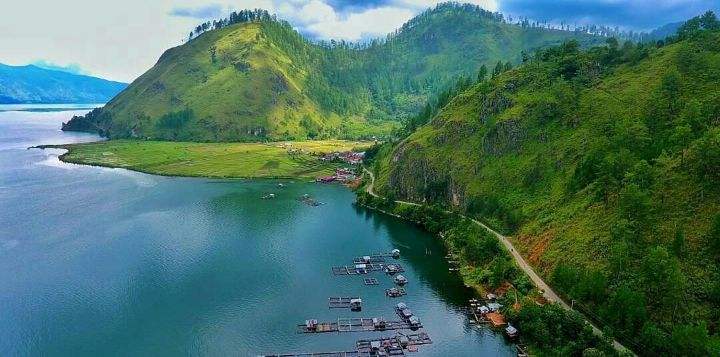
Sumatran Mandheling traditionally falls into two camps: Mandheling from the area around Lake Toba, known as Lintong Mandheling, and Mandheling from the Lake Tawar region, known as Aceh Mandheling—together, the "Two Lakes, Two Mandhelings."
Indonesia's Unique Wet-Hulled Processing
African producers can dry coffee over weeks of intense sunlight; Central and South America have refined washing infrastructure. Indonesia has neither luxury. Its wet-hulling (giling basah) method is a workaround for the island's tropical rainforest climate—perpetually hot and humid, regularly battered by typhoons. In weather this unstable, farmers must dry coffee fast before mold ruins it.
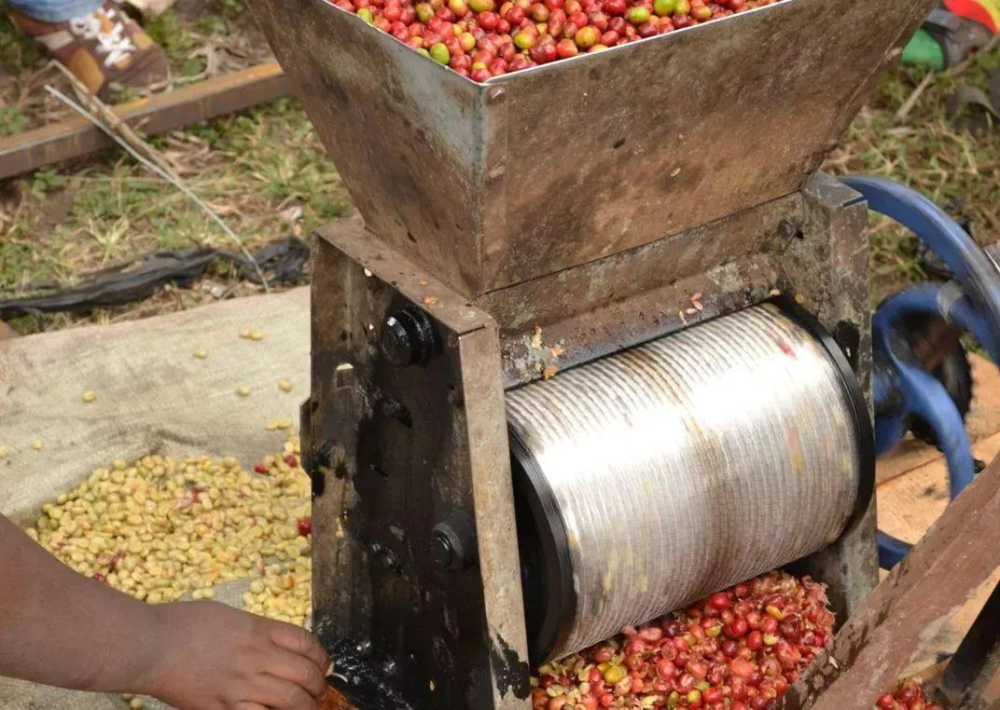
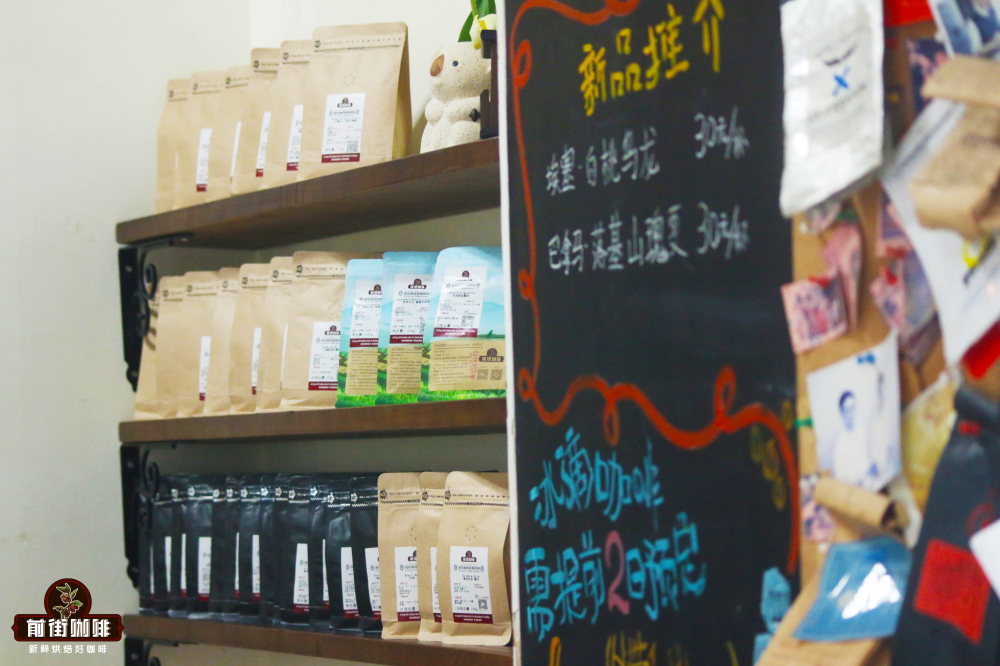
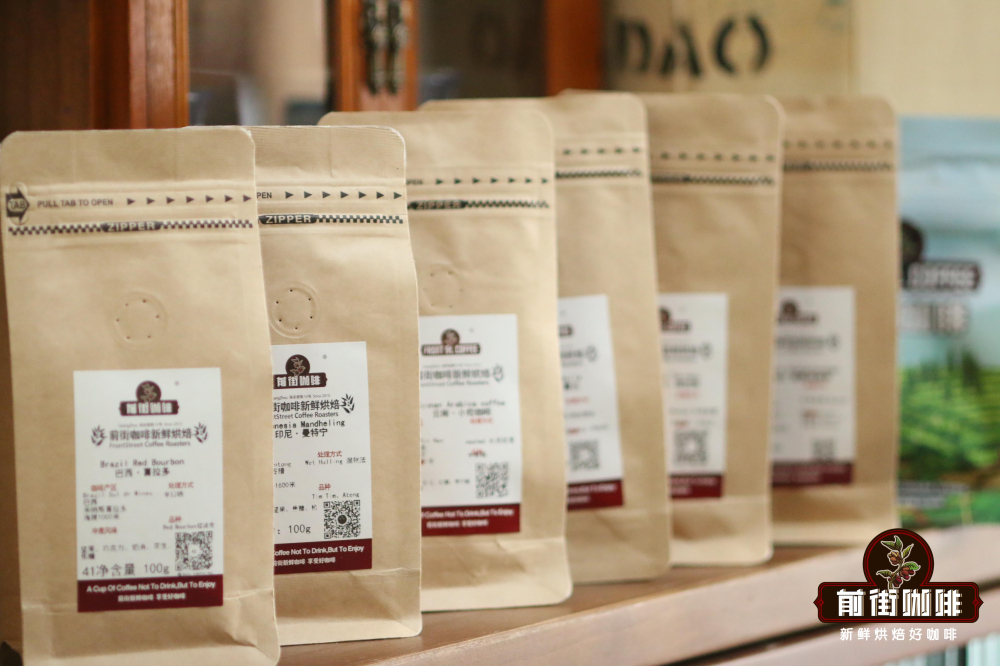
The process: remove the cherry's skin and pulp, ferment briefly, and sun-dry. At the semi-dry stage, the parchment is hulled off by machine, exposing the green beans directly to air so the final drying rushes along until moisture reaches 12%. With every step happening at 70–90% humidity, and with the beans "naked" before drying is complete, they absorb moisture—and ambient microbes—along the way. The result is coffee with woody, herbaceous, spicy, earthy aromatics found nowhere else. FrontStreet Coffee's Lintong Mandheling is wet-hulled the same way; after roasting, its acidity drops and body swells, keeping those herbal and spice notes that define Indonesian Mandheling. That's why we've added it to our daily bean series in small 100g bags at 25 yuan each—an easy, affordable entry into Southeast Asian flavors, well suited to anyone new to pour-over.
The Grade of FrontStreet Coffee Golden Mandheling
Wet hulling is rough on beans. Hauling off half-dried parchment takes heavy friction that can compress, deform, or crush green beans, and sun exposure can crack both ends. So to earn a high grade, every irregular bean has to be sorted out.
The benchmark setter is PWN, Indonesia's renowned green-coffee buyer, which applies a brutally strict multi-stage selection to its Golden Mandheling. The Golden Mandheling on FrontStreet Coffee's menu comes straight from PWN—the store even displays the original jute bags and certification documents. If you visit our Dongshankou shop, take a look.
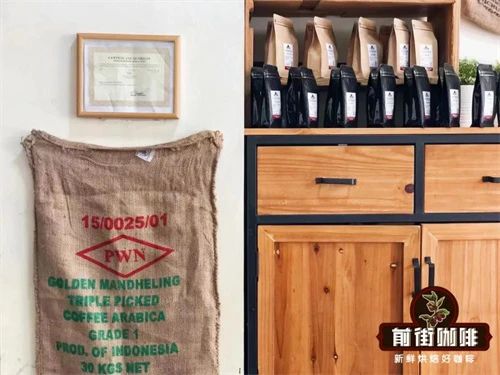
The jute bags read "Triple pick" and "GRADE 1"—Indonesia's highest grade, with three rounds of manual sorting on top. Indonesian grading is driven mainly by defect count, with bean size as a secondary criterion. Baseline national requirements: no live insects, no moldy or rotten beans, moisture no higher than 12.5%, impurities under 0.5%. Beans fall into six grades by defect rate, with top-grade G1 allowing fewer than 11 defective beans in a 300g sample. PWN then raises the bar further—fewer than 3 defects per 300g—tripling the hand-sorting to strip out flaws and push the cup's cleanliness and sweetness as high as they'll go. Before packing, PWN also runs the beans through density-based color sorting, which is why Golden Mandheling looks so uniform and translucent.
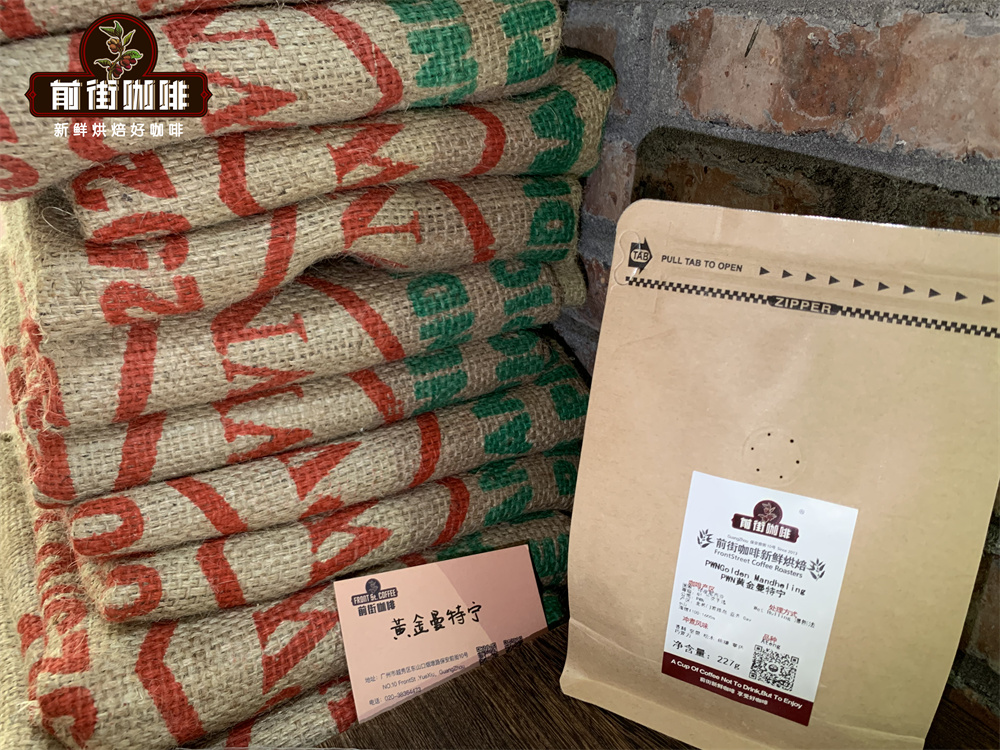
When FrontStreet Coffee received this lot, cupping was the first order of business. The very first sip showed exceptional clarity—every aroma distinct and transparent over a rich, solid mouthfeel. Our PWN Golden Mandheling sells at 89 yuan for 227g, and a single pour-over cup at the shop is just 30 yuan—genuinely affordable for this quality. We recommend it wholeheartedly to drinkers who love a full-bodied cup. And to make sure you taste the beans at their full flavor peak, FrontStreet Coffee only ever ships coffee roasted within the last 5 days.
How to Brew FrontStreet Coffee PWN Golden Mandheling
Some customers find their home-brewed Mandheling doesn't quite match the shop's cup. Every bag of FrontStreet Coffee beans carries a QR code linking to brewing parameters you can follow and adjust. Here, using our PWN Golden Mandheling, we'll walk through how our baristas approach it.
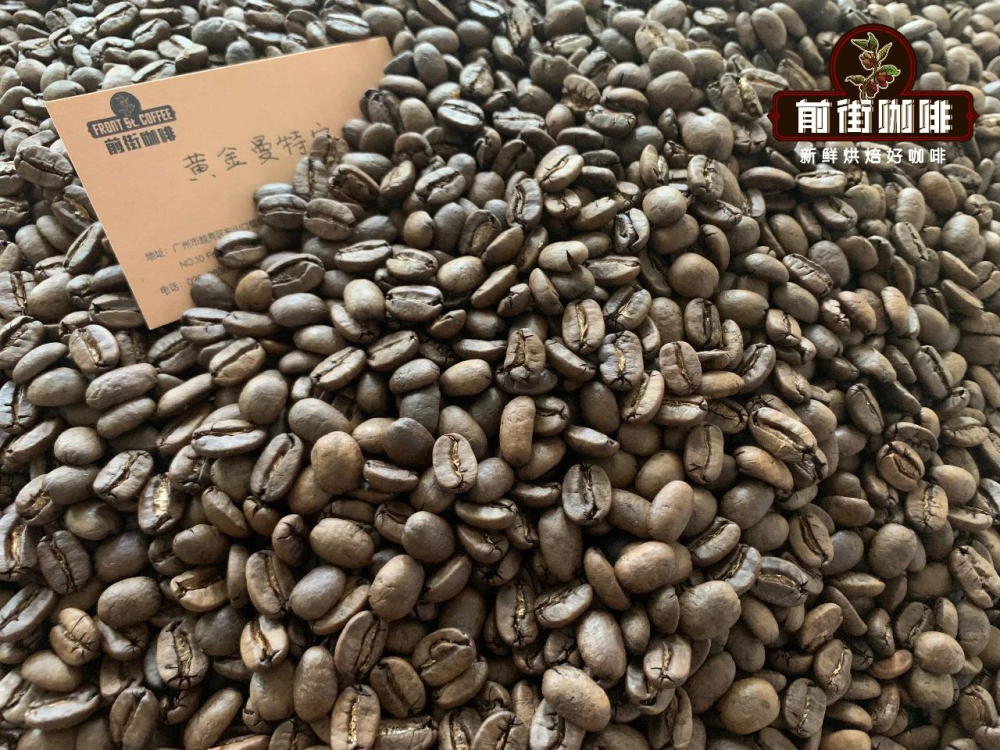
Our Golden Mandheling is roasted medium-dark. Past the medium stage, the bean's internal structure turns noticeably more porous, so ground coffee absorbs water faster. Brewed carelessly, it over-extracts and goes harsh-bitter. The trick is to rein in the extraction rate: FrontStreet Coffee uses lower water temperature and a coarser grind to keep those big bitter molecules in the bean.
Our baristas reach for the KONO dripper whenever a coffee needs body. On a KONO, the only exhaust zone is the quarter-height rib section; once the water level rises above the ribs, the dripper fills and the weight of the water builds pressure. The small outlet stretches contact time between grounds and water, letting the flow pull out more solubles for a richer, denser mouthfeel—ideal for this medium-dark Golden Mandheling, and equally good for medium-dark beans like our Jamaica Blue Mountain and Brazil Queen Estate.
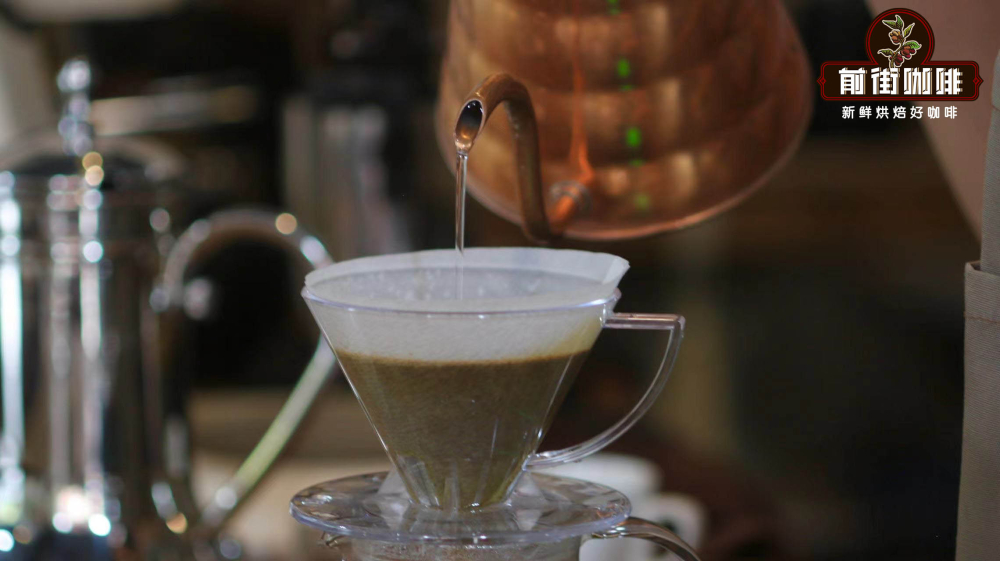
FrontStreet Coffee Golden Mandheling Pour-Over Parameters:
Water at 87–88°C, medium grind (70% pass-through on the Chinese standard #20 sieve), 15g of coffee, a 1:15 coffee-to-water ratio, three-stage pouring.
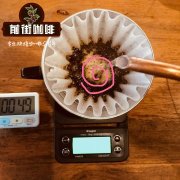
Pour twice the coffee's weight in water to wet the bed and form a dome; bloom for 30 seconds. Then pour in small concentric circles, working from the center outward, up to 125g, and pause. Once the bed drops to half the dripper's height, resume with the same fine flow for the third stage up to 225g. Remove the dripper once all the liquid has drained—about 2 minutes in total—and swirl the server to even out the cup.
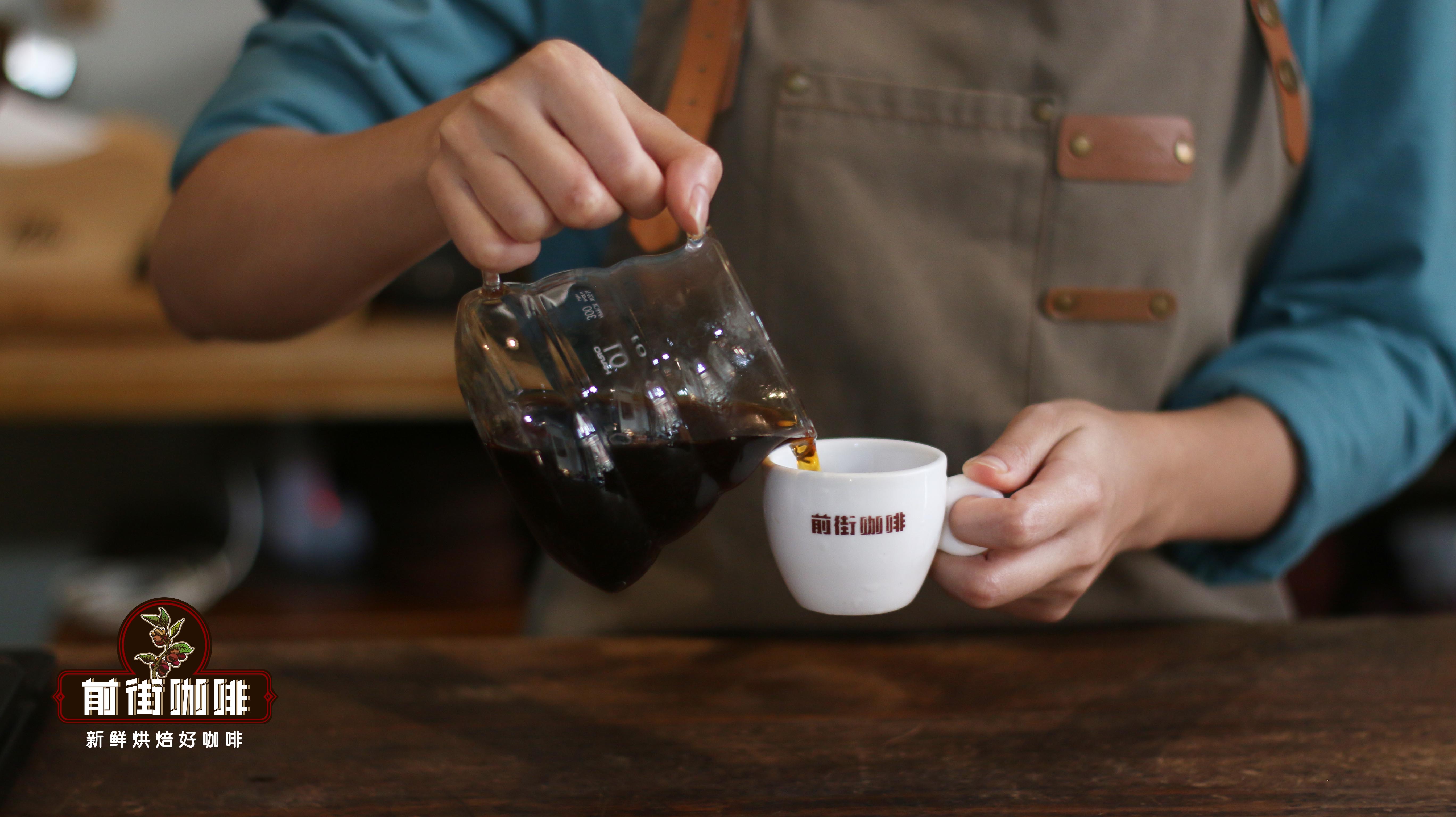
The finished pour-over is rich and intense with a clean mouthfeel, and its flavors shift as it cools, layer by layer: nut and caramel aromas laced with chocolate and cinnamon spice, a long-lasting finish, and impressive balance throughout.
Professional Coffee Knowledge Exchange
For more coffee bean information, please follow Coffee Workshop (WeChat public account: cafe_style)
For more specialty coffee beans, please add FrontStreet Coffee's private WeChat account: qjcoffeex
FrontStreet Coffee Recommendation
If the wild, earthy-herbal character of wet-hulled Sumatran coffee is what draws you in, start at the top: FrontStreet Coffee's PWN Golden Mandheling. PWN hand-sorts only plump, flawless beans—fewer than 3 defects per 300g—to produce a cup with striking cleanliness and sweetness, full roasted aromatics after the medium-dark roast, and none of the acidity that puts some drinkers off black coffee. Brewed with the three-stage pour described above, it delivers a thick, caramel-sweet body with chocolate and nut flavors; run it through an espresso machine instead and you get heavy crema and pronounced caramel fragrance.
For an everyday version of the same personality, the FrontStreet Coffee Lintong Mandheling daily bean—100g at 25 yuan—is the one to keep on hand. It's fragrant and heavy, pleasantly bitter, with clove and woody aromatics, low acidity, spice-and-mint undertones, and a strong, persistent sweetness. Those wild notes are exactly what wet hulling and Sumatra's terroir create, and exactly why some coffee lovers never leave this origin.
And if you'd rather have Mandheling's depth in your milk drinks, FrontStreet Coffee's Classic Blend is the highest-repurchase item for good reason: it layers medium-dark Mandheling over Brazilian coffee's creamy, nutty base, adding standout butter, roasted chestnut, and caramel flavors, plus sandalwood, herbal, and spice nuances—with a touch of Robusta to enrich the crema. Whether you're pouring latte art or building a Dirty's layered gradient, it handles both effortlessly.
Important Notice :
FrontStreet Coffee is a long-established specialty coffee roaster in Guangzhou China, selling freshly roasted beans from its own farm in Yunnan as well as dozens of carefully selected single-origin beans from around the world for both pour-over and espresso. The products deliver consistently excellent quality and great value, with shipping within 24 hours. Guangzhou's FrontStreet Coffee shop is recommended by many coffee lovers, and the beans are now available online at the Tmall 。
FrontStreet Coffee has moved to a new address:
FrontStreet Coffee Address: 315,Donghua East Road,GuangZhou
Tel:020 38364473
 Scan and follow the En Gafei WeChat official account. Please indicate that the reprint comes from "En Gafei".