Detailed Analysis of Geisha Coffee Bean Prices - Panama Geisha Coffee Bean Pour-Over Flavor, Taste Characteristics, and Story

In this world, all fine goods follow the principle that rarity drives value — and Geisha is arguably the finest coffee variety in the entire specialty coffee market. FrontStreet Coffee has always believed that Geisha is a must-have for coffee shops, especially Geisha from Panama's Hacienda La Esmeralda: beyond its towering reputation, it also commands an expensive price. Expensive doesn't automatically mean good coffee, of course, but as today's hottest variety, Geisha is clearly favored by cafés. Still, FrontStreet Coffee never picks a Geisha just because it is expensive or award-winning. First, it must be representative and showcase the variety's original character; second, it must express the flavor of its origin. Only after sample testing does FrontStreet decide whether to list it.
And even once listed, it isn't aggressively pushed on customers — connoisseurs excepted. Newcomers to specialty coffee need time to adapt to the flavor profiles of different origins, gradually building their discrimination and sensory skills. Accepting and appreciating these coffees in a ladder-like progression is how you accumulate real experience.
What Is Geisha Coffee?
Geisha refers to a coffee variety — spelled "Geisha/Gesha" in English, a name that coincidentally matches the Japanese word for a Geisha entertainer, which is why some people use that name too. Variety is a major factor in a coffee's overall taste, just as green apples and Red Delicious apples differ. High-altitude Geisha tends to show distinct floral aromas and refined, elegant fruit acidity — and that elegance is one reason for its worldwide popularity.
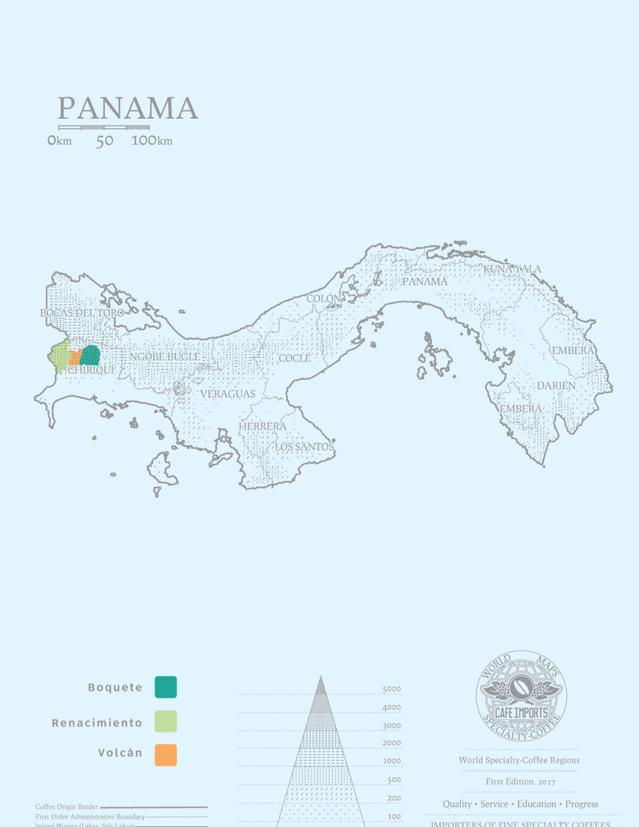
But such exquisite flavors come only from specific growing environments. Geisha is very particular about where it grows: it demands high altitude, cloud-and-mist shade or abundant shade trees, and fertile soil. Among all such places, Boquete in Panama is the most representative, and the Geisha produced there is beloved by the majority of coffee enthusiasts. The renowned Hacienda La Esmeralda is located there as well.
Where Does Geisha Coffee Come From?
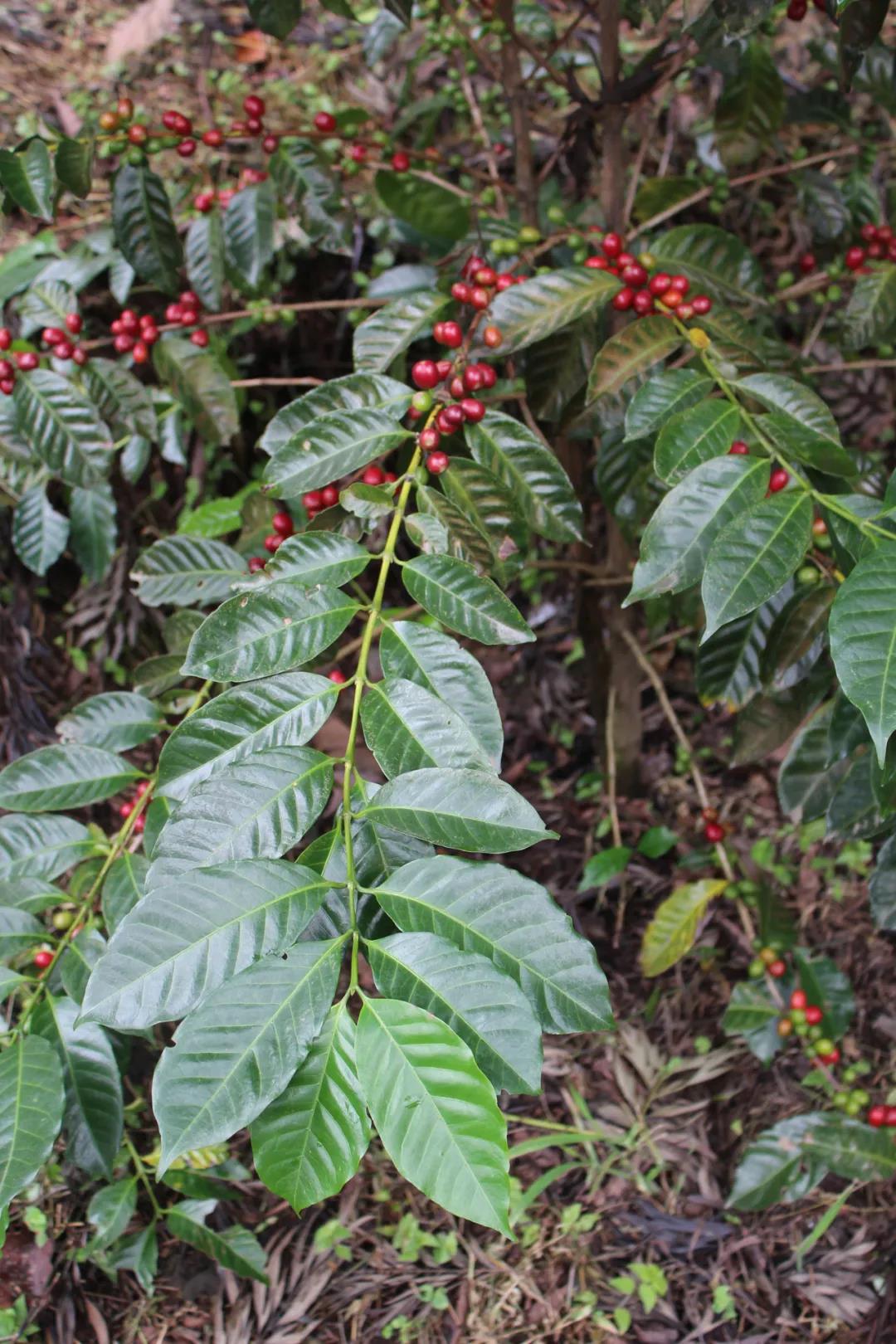
Geisha beans are slender, and their flavors are refreshing and pleasant. In both respects Geisha resembles Ethiopian coffee varieties rather than Central and South American ones. So when did Geisha reach Panama?
It was discovered in the Gesha forest of Ethiopia in 1931. Geisha was then sent to the Coffee Research Institute in Kenya, introduced to Uganda and Tanzania in 1936, introduced to Costa Rica in 1953, and brought to Panama around 1960. Even after arriving in Panama, Geisha drew no attention: its decent disease resistance but low yield meant researchers kept using it for variety improvement before it faded from view. Not until Hacienda La Esmeralda separated it from other varieties in 2003, and it won the BOP competition in 2004, did Geisha officially enter everyone's field of vision.

Panama Boquete Coffee Region
Climate made Panama Geisha what it is. Panama borders Costa Rica and Colombia, and its east-to-west geography lets cold air currents flow through the central mountains and converge at altitudes above 6,500 meters, creating a highly unique microclimate in the Boquete and Piedra de Candela regions, with temperatures and rainfall suited to plant growth. This microclimate zone is Panama's main coffee-producing area. Boquete sits on the eastern slope of the Baru Volcano — cool and foggy — and its mountainous terrain generates that unique microclimate. The cool air and frequent mist slow the maturation of the coffee cherries, much as high altitude does. Coffees from this region range from cocoa to fruit notes with slight acidity.
Besides climate, the land here is rich in nutrients, and the fertile soil provides perfect cultivation conditions, shaping many unique, high-quality coffees. Beyond natural factors there is another reason Panama coffee has gained worldwide attention. From the late 20th century onward, FrontStreet Coffee believes Panama's coffee development has been quite privileged: because the United States helped build the Panama Canal in the late 20th century and controlled it independently for a period, a large number of American elites moved south to Panama — partly for work, partly chasing business opportunities. Hacienda La Esmeralda is a witness to that era of elite migration.
Hacienda La Esmeralda
In 1964, American banker Rudolph Peterson retired, moved to Panama, and bought Hacienda La Esmeralda in Boquete, initially focused on dairy. Later his son Price resigned from his medical career to help run the farm. In 1987 he introduced Caturra and Catuai varieties, and in 1994 the estate built a washed processing plant — and from then on had its own mill. Today, Hacienda La Esmeralda's Geisha comes mainly from three areas: El Velo, Cañas Verdes, and Jaramillo.
In 1996, the Petersons bought nearby Jaramillo, whose superior environment and original varieties had excellent flavor potential. El Velo was acquired in 2012. FrontStreet Coffee considers that acquisition of high-altitude, high-producing estates a visionary decision for its time, one that secured Hacienda La Esmeralda's standing in the coffee industry. The Jaramillo estate is where the Geisha variety is cultivated: because of its low yield, the previous owner had used it only as a windbreak tree, until the acquisition revealed its extraordinary flavor. FrontStreet Coffee finds this precisely Geisha's charm — it performs better in flavor when grown in harsher environments.

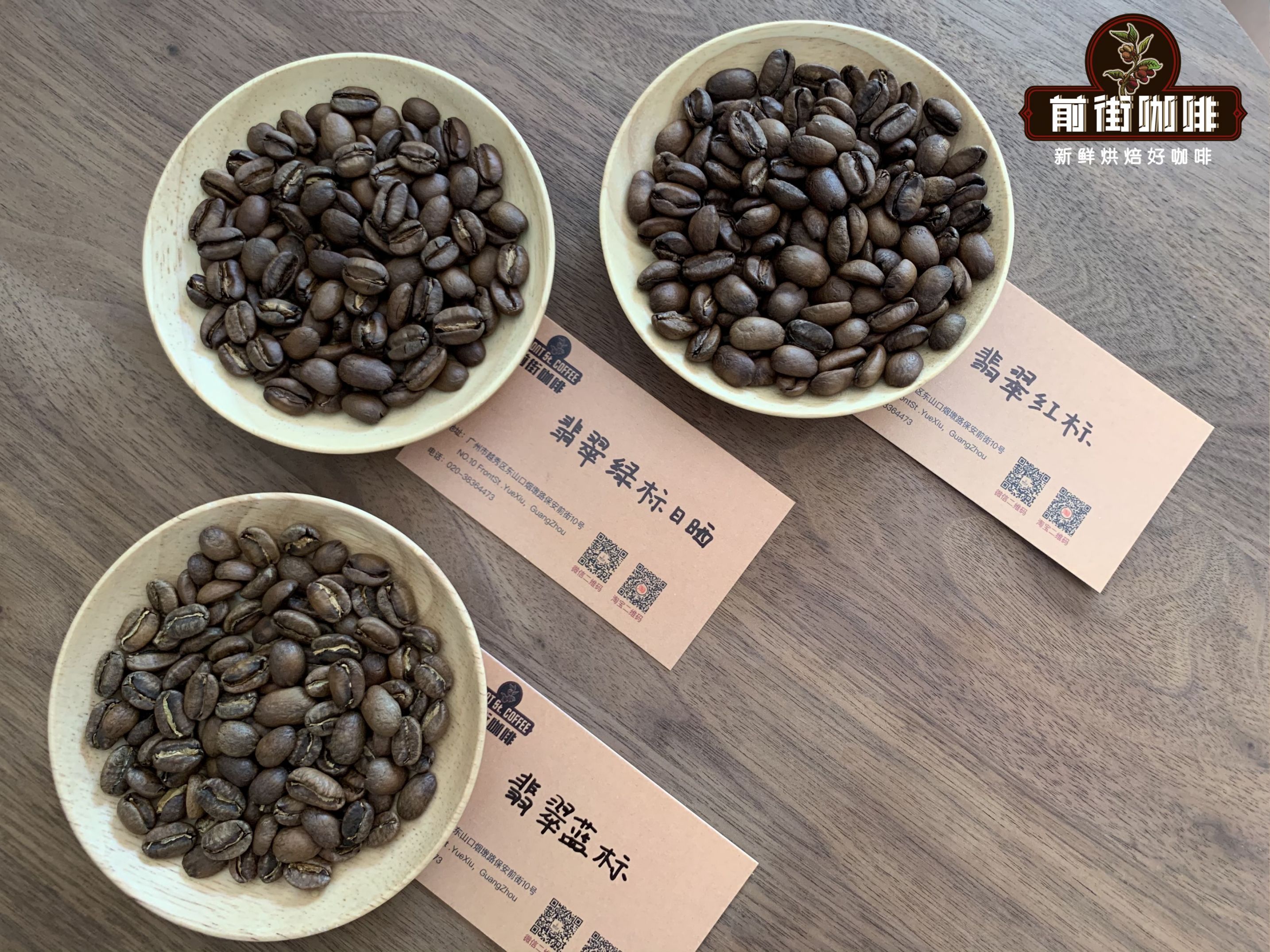
Although Hacienda La Esmeralda had initially discovered beans with standout flavor, they cupped coffees from different areas of the garden for precision and determined planting plots based on altitude. That is why we now know the Red Label, Green Label, and Blue Label Geisha grades, all classified by altitude. Starting from winning the Panama BOP competition in 2004, the estate became famous overnight. Later, expert identification confirmed the bean was the Geisha variety from Ethiopia, and the Peterson family devoted most of their energy to building infrastructure for excellent batch separation and fine processing.
Jaramillo
Annual rainfall is 4000ml, with average daytime temperatures of 19-25°C and nighttime temperatures of 11-15°C. Average altitude is 1600-1700m. The Jaramillo farm is divided into 5 plots: Mario, Noria, Reina, Bosque, and Buenos Aires.

Cañas Verdes
Annual rainfall is 3500ml, with average daytime temperatures of 16-23°C and nighttime temperatures of 10-15°C. Average altitude is 1600-1800m. It comprises 9 plots in total: Lino, Coronado, Fundador, León, Montaña, Trapiche, Chinta, Cabaña, and Tumaco.
El Velo is the newest estate Hacienda La Esmeralda purchased, with an average altitude of 1700-1900m. Besides Geisha and Catuai, it also grows a small number of exotic varieties such as Laurina, Pacamara, Mocha, and SL28. El Velo is divided into 7 plots: Guabo, Portón, Durazno, Mural, Higo, Buena Vista, and Guila.
Hacienda La Esmeralda Geisha Grading
FrontStreet Coffee believes the biggest difference in Hacienda La Esmeralda's marketing strategy compared with other estates is that it divides its coffees into five major brands based on cupping performance, varieties, and plots. The Geisha varieties carry three brands: Esmeralda Special, Private Collection, and Geisha 1500. The Catuai varieties carry two: Diamond Mountain and Palmyra.

Esmeralda Special Geisha
This is what we commonly call the Red Label. It is made from carefully selected Geisha planted at 1600-1800 meters, cupping above 90 points, drawn from about 22 plots across Jaramillo and Cañas Verdes. Hacienda La Esmeralda holds its own independent auctions, and only the Geisha batches from designated plots put up for auction become auction Red Labels. Customers often ask whether auction Red Labels taste better than regular ones. In fact, non-auction and auction Red Labels come from the same plots — the only difference is whether they entered the auction. FrontStreet Coffee doesn't consider it necessary to drink auction-level lots: the price is genuinely high, and if you simply want a taste, the regular Red Label is an excellent choice.
FrontStreet Coffee's Red Label Geisha comes from the El Velo plot. This grade uses natural or washed processing, with flavors featuring distinctive, bright floral aromas and citrus notes.
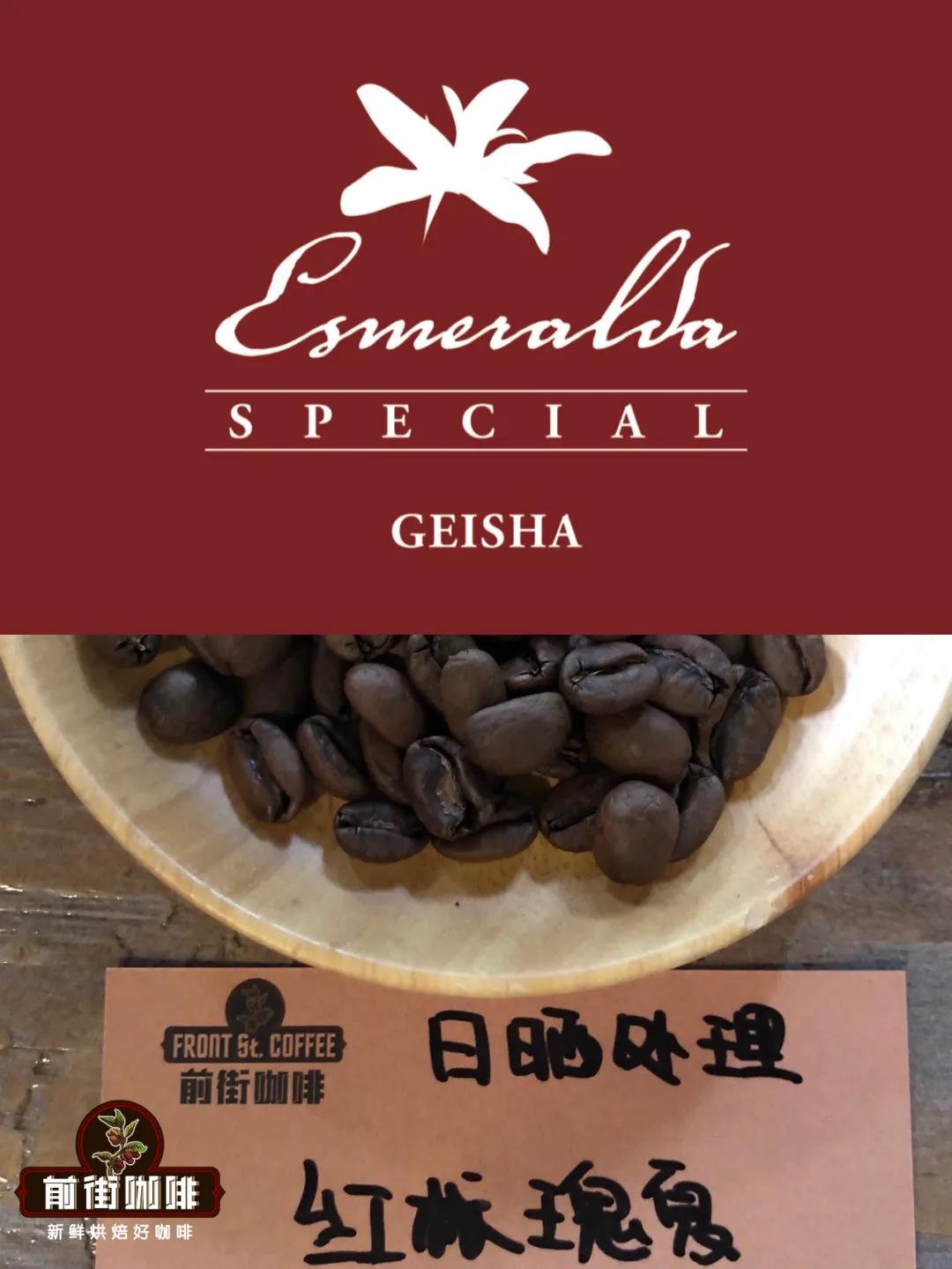
Roasting recommendation for Red Label Geisha: Yangjia 800N roaster, 380g bean charge. Charge at 150°C, heat 120, damper open to 3. Turning point at 1'36". When the probe reaches 140°C, open the damper to 4, heat unchanged. At 147.6°C the bean surface yellows and the grassy smell disappears completely — the drying stage begins. At 150°C reduce heat to 100, damper unchanged. At 7'38" the bean surface shows wrinkles and dark spots and the toast smell clearly turns to coffee aroma — the prelude to first crack. Listen carefully here. First crack starts at 8'10"; open the damper to 4 and develop for 1'28" after first crack, dropping at 189.5°C.
Private Collection
Commonly known as the Green Label, these are not independent competition batches but Geisha lots that skip the auctions while still offering excellent quality. They are drawn from Geisha planted at 1600-1800 meters and blended from micro-batches across plots such as Jaramillo and Cañas Verdes.

People often ask about the difference between Red Label and Green Label. FrontStreet Coffee's most direct answer: Red Label can be traced to a specific plot; Green Label is a blend that cannot. Because of that blend model without detailed plot specifications, one Green Label batch may taste very close to a Red Label — while the next batch may differ.
FrontStreet Coffee feels that buying Green Label is like buying a lottery ticket — perhaps this batch will taste like Red Label. Although Green Label isn't as high-grade as Red Label, it still carries Geisha's classic profile: florals, fruit, citrus acidity, and a thick, juicy mouthfeel. Green Label comes in both washed and natural processing.
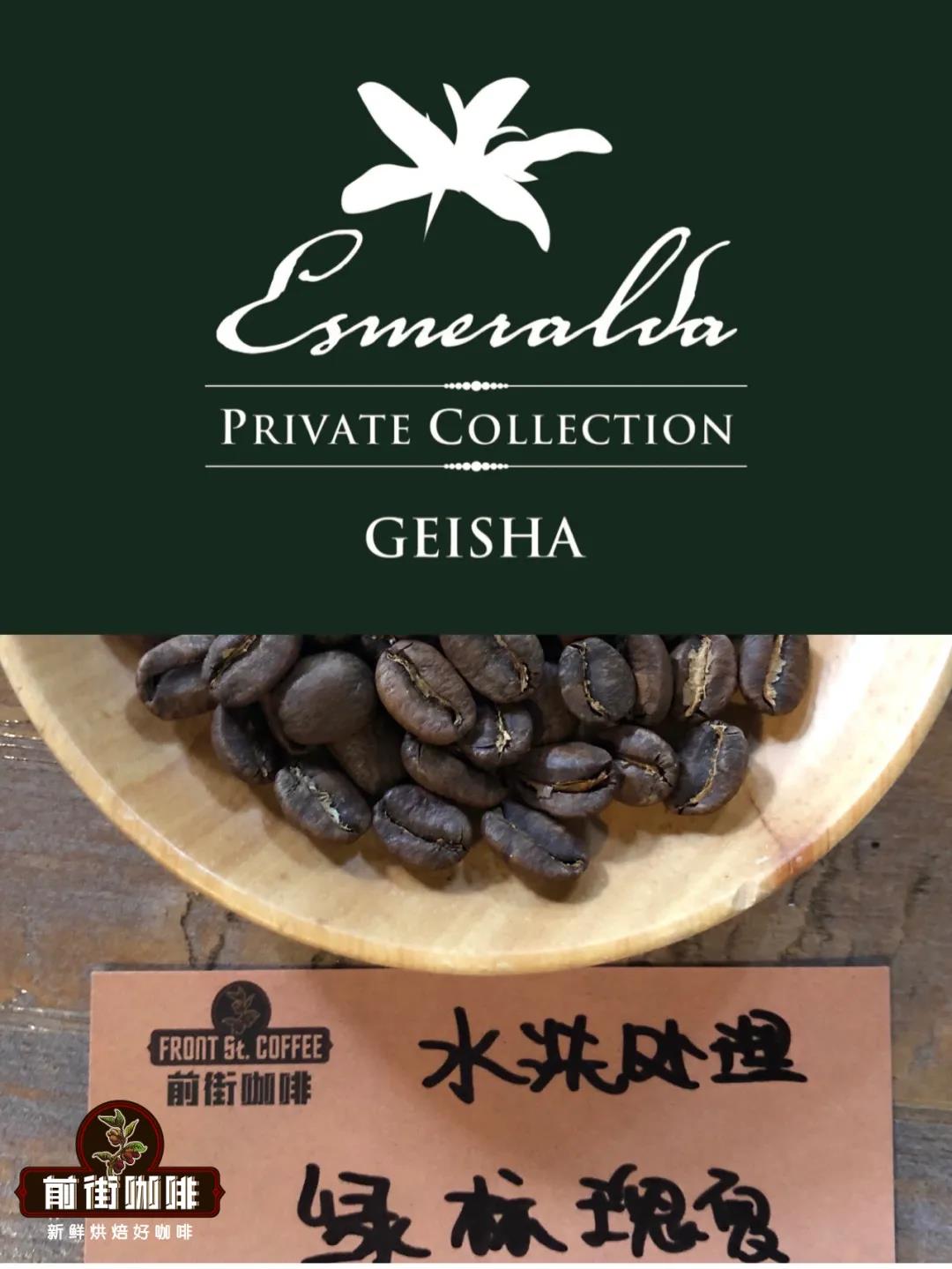
Roasting recommendation for Green Label Geisha: Yangjia 800N roaster, 500g bean charge. Charge at 190°C, heat 150, damper open to 3. Turning point at 1'36". At 140°C open the damper to 4 and decrease heat to 130. At 150.8°C the bean surface yellows and the grassy smell disappears — the drying stage begins. At 166°C reduce heat to 110, damper unchanged. At 7'55", when the temperature reaches 176°C, reduce heat to 90. Wrinkles and dark spots appear and the toast smell turns to coffee aroma — the prelude to first crack. First crack starts at 8'30"; open the damper to 5 and adjust heat to 60 at 187°C. Develop for 1'30" after first crack, dropping at 193.5°C.
Geisha 1500
Commonly known as the Blue Label. Planted at 1400-1500 meters, Blue Label blends Geisha from three areas: Jaramillo, Cañas Verdes, and El Velo. In previous years Blue Label was washed only, but this year's batches have added natural processing. FrontStreet Coffee's washed Blue Label shows slight florals, fruit acidity, and sweetness with a less full mouthfeel, while the natural shows slight florals, an obvious fermentation note, a berry-juice-like texture, and high sweetness.
FrontStreet Coffee considers the estate's introduction of natural processing for Blue Label a clear benefit for consumers. Previously, drinking a natural Esmeralda Geisha meant buying the expensive Red/Green Label; natural Blue Label lets consumers buy Hacienda La Esmeralda's natural Geisha at a lower price with strong cost-performance.
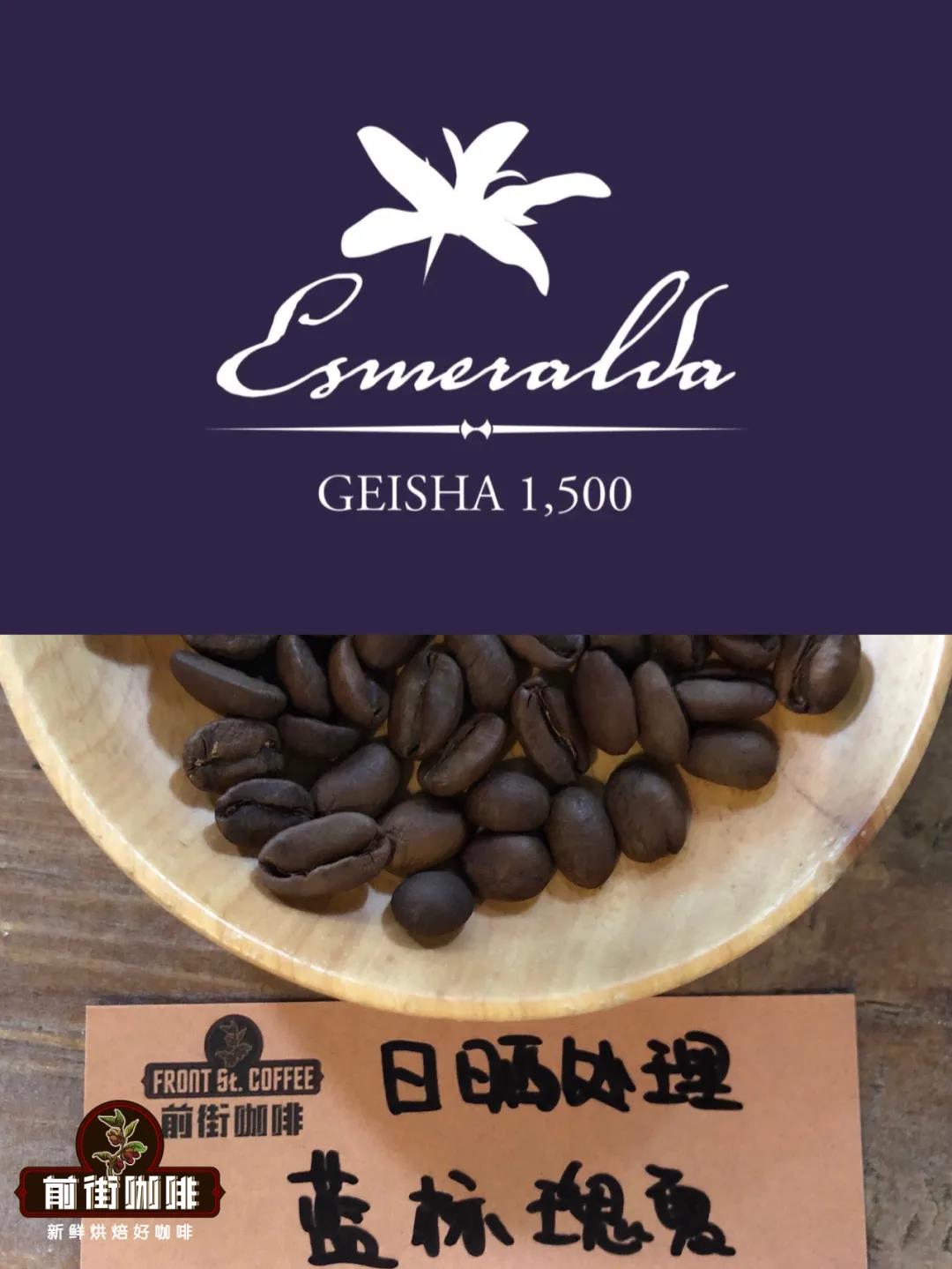
Roasting recommendation for natural Blue Label Geisha: Yangjia 800N roaster, 480g bean charge. Charge at 180°C, heat 130, damper open to 3. Turning point at 1'32". At 130°C open the damper to 4, heat unchanged. At 151.6°C the bean surface yellows and the grassy smell disappears — the drying stage begins. At 7'56" wrinkles and dark spots appear and the toast smell turns to coffee aroma — the prelude to first crack. First crack starts at 8'30"; open the damper to 5 and develop for 1'28" after first crack, dropping at 190°C.
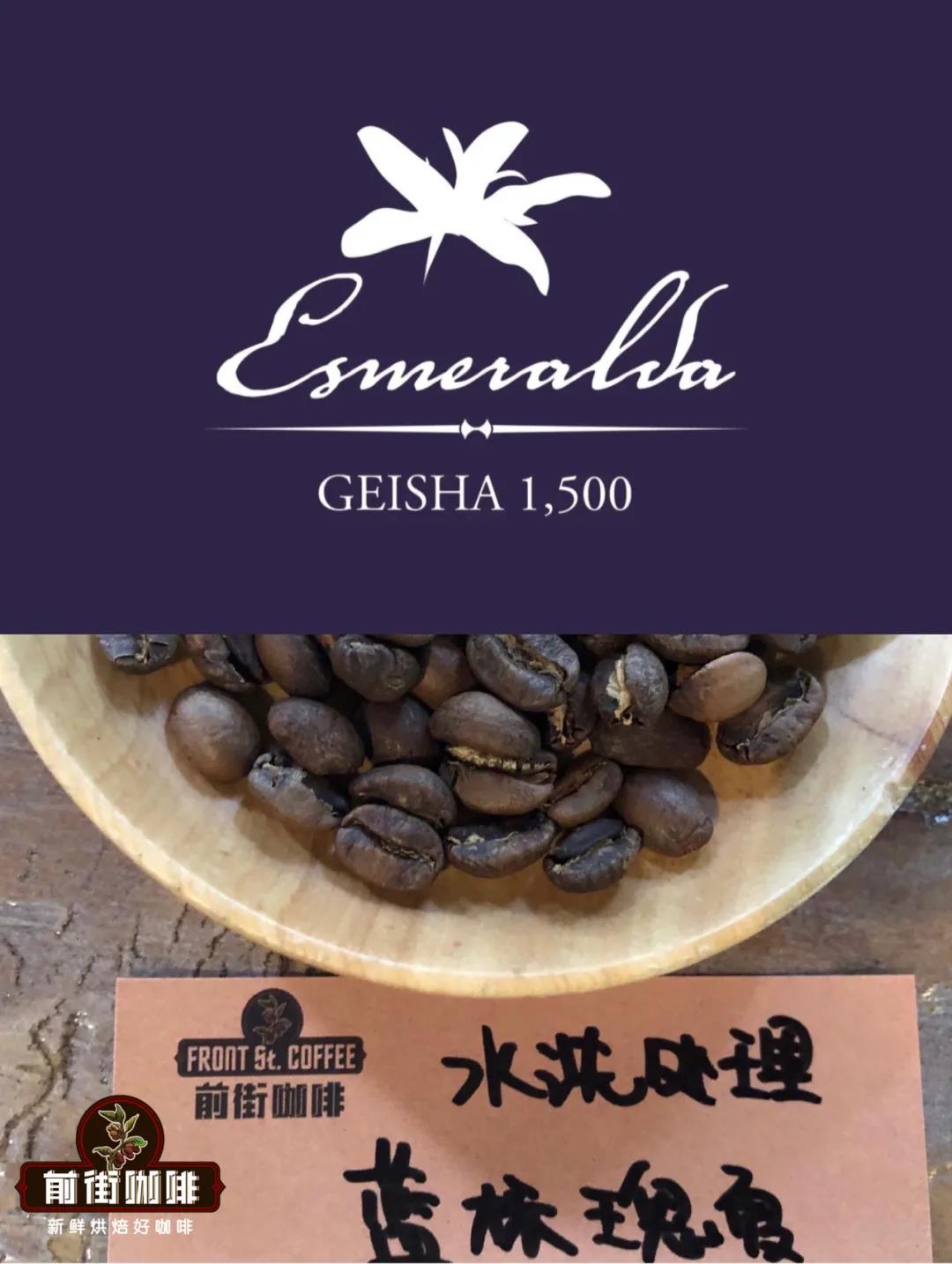
Roasting recommendation for washed Blue Label Geisha: Yangjia 800N roaster, 480g bean charge. Charge at 180°C, heat 130, damper open to 3. Turning point at 1'32". At 130°C open the damper to 4, heat unchanged. At 151.6°C the bean surface yellows and the grassy smell disappears — the drying stage begins. At 7'56" wrinkles and dark spots appear and the toast smell turns to coffee aroma — the prelude to first crack. First crack starts at 8'30"; open the damper to 5 and develop for 1'28" after first crack, dropping at 190°C.
Geisha Coffee Processing Methods
Washed Processing
Washed coffee shows more prominent acidity, better cleanliness, a medium mouthfeel, and the most consistent green bean quality. Its most distinctive roasted-form trait is a distinct silver-skin centerline. The washed process:

1. Washing/Collection/Floatation/Rinsing
After harvest, cherries are sent for processing immediately — usually within 6 to 12 hours. They are first weighed, then soaked in water to remove fruits that float due to insufficient quality.
2. Pulping
Next the cherries go to a pulper, which removes the skin and pulp.
3. Fermentation/Degumming
The depulped cherries go to fermentation tanks or barrels for 18 to 36 hours, during which enzymes decompose the mucilage. The degummed beans are then washed in the tank with appropriate amounts of water; stirring removes the decomposed pulp residue from the bean surface, leaving parchment, silver skin, and green beans.
4. Drying
After washing, beans are sorted to remove defects, then sent to drying areas (tarps, concrete floors, raised beds, and so on). Drying time depends on climate and other factors, generally 5 to 14 days, during which the bean's moisture drops from 55% to 11%.
5. Storage
The dried beans are called parchment coffee — green beans still in parchment. They go to warehouses for storage and are hulled before export.

Natural Processing Method
Hacienda La Esmeralda's natural process sends harvested cherries directly to courtyards to dry. The cherries dry slowly while the beans inside fill with fruit and aromatic scents, dried evenly throughout. Depending on weather and site, the coffee dries on concrete tables for 3 to 5 days (8 hours per day). Once sufficiently dry, it goes into a Guardiola dryer to rotate for 72 hours, completing the drying and preventing fermentation.
After drying, machines remove the pulp and other parts. Guardiola is the preferred drying method: as long as the coffee's chunk size allows, it can handle large quantities. A Guardiola is a horizontally rotating drum that lets warm air flow around the beans and drive off moisture. After drying, the beans go into nylon bags and rest in warehouses for 30 to 45 days — a step also called "reposo," which stabilizes the beans and improves cup flavors.

Why Is Geisha Coffee So Expensive?
1. Extremely high mortality rate. Geisha's root system is underdeveloped — even weak — so the death rate during early cultivation is quite high.
2. Difficult to prune. Traditional or improper pruning methods often kill Geisha trees.
3. Low yield. Compared with traditional varieties, Geisha's harvest yield is quite low.
4. Requires many shade trees. It cannot cope with excessive sunlight or high-temperature periods on its own.
5. Low-altitude Geisha tastes poor. In Panama, Geisha grown below 1500 meters lacks the elegance and refinement of high-altitude Geisha.
6. You must understand the flavor difference between green-tipped and copper-tipped Geisha. The estate plants only green-tipped Geisha, which suits high altitudes better and delivers better quality flavors.

FrontStreet Coffee Brewing Techniques
Dripper: V60 #01
Dose: 15g
Ratio: 1:15
Grind size: fine-sugar size (80% pass-through on a #20 sieve)
Water temperature: 90-91°C
These Geisha beans are all lightly roasted, and light roasts dissolve coffee substances more slowly than dark ones. To ensure full extraction, FrontStreet Coffee uses higher water temperatures and finer grind sizes. Grind size is determined by sieving: per the SCA's grind recommendations for pour-over, and verified through practical brewing, different grind sizes produce clearly different cups — and each coffee needs its own size. That is the point of sieving. If you don't have a sieve at home, judge by flow rate: water flowing too fast means the grind is too coarse; too slow means too fine.

FrontStreet Coffee uses segmented extraction, also called three-stage brewing. Bloom with 30g of water for 30 seconds, then pour in small circles up to 125g for the second stage. When the water level drops and the coffee bed is about to be exposed, continue pouring to 225g and stop. When the bed is about to be exposed again, remove the dripper. (Timing starts at the bloom.) Extraction time is 2'00".

Red Label Geisha Brewing Flavor
Bright rose and citrus aromas, brown rice, berries, apricots, complex fruits, and honey, with a thick juice-like mouthfeel, richly layered flavor, and obvious sweetness.
Green Label Geisha Brewing Flavor
Rich jasmine florals, high sweetness, citrus, berries, juice-like texture, cream, green tea, orange peel, and cantaloupe — overall richly layered, with a persistent floral and citrus aftertaste.
Washed Blue Label Brewing Flavor
Floral aroma, with soft lemon and grapefruit acidity on entry, honey sweetness in the middle, and an oolong-tea feel with brown sugar sweetness in the finish — clean and bright throughout.
Natural Blue Label Brewing Flavor
Fermentation aroma and fruit sweetness on the nose, sweet melon and tropical fruit when tasting, a juice-like mouthfeel, and overall very high sweetness.
FrontStreet Coffee Recommendation
If a full Esmeralda ladder feels like too big a first step, FrontStreet Coffee recommends working up to Geisha the ladder-like way. Start with the entry-level Panama Boquete Geisha, which delivers the classic orange-blossom-honey character, oolong-tea feel, and delicate fruit acidity of Panamanian Geisha at an accessible price. Next, the Esmeralda Green Label Geisha ("Private Collection"): a blend of micro-batches from plots at 1600-1800 meters, it still carries Geisha's classic florals, citrus acidity, and thick juicy mouthfeel, and every so often a batch tastes remarkably like the Red Label — a lottery ticket worth buying at its friendlier price. For the summit, the Red Label Esmeralda Special draws from about 22 plots across Jaramillo and Cañas Verdes, cups above 90 points, and — whether auction or regular — comes from the same exceptional plots; the auction premium buys provenance, not necessarily a better cup.
Brewing tip: Geisha is a medium-light roast with a dense, hard bean that tends to sink and clog the dripper. Grind for a 78% pass-through on the China standard #20 sieve (about the size of fine granulated sugar) and use water at 91°C. FrontStreet Coffee brews 15g in a small Hario V60 at a 1:16 ratio with a three-stage pour: bloom with 30g of water for 30 seconds, pour in small circles to 125g, wait for the bed to drain to half, then pour to 225g — total extraction around 2:10-2:20. As for brewing, the recipe above with 90-91°C water, a 1:15 ratio, and a 2'00" total time suits these light-roasted Esmeralda lots perfectly.
Important Notice :
FrontStreet Coffee is a long-established specialty coffee roaster in Guangzhou China, selling freshly roasted beans from its own farm in Yunnan as well as dozens of carefully selected single-origin beans from around the world for both pour-over and espresso. The products deliver consistently excellent quality and great value, with shipping within 24 hours. Guangzhou's FrontStreet Coffee shop is recommended by many coffee lovers, and the beans are now available online at the Tmall 。
FrontStreet Coffee has moved to a new address:
FrontStreet Coffee Address: 315,Donghua East Road,GuangZhou
Tel:020 38364473
 Scan and follow the En Gafei WeChat official account. Please indicate that the reprint comes from "En Gafei".