Salvadoran Coffee Beans Flavor Profile: What Makes Pour-Over Salvadoran Coffee Special
Salvadoran coffee holds a significant place in Central American coffee, standing alongside Costa Rica as one of the birthplaces of refined honey processing. FrontStreet Coffee sums up the Salvadoran profile as gentle overall, with subtle acidity and pleasant sweetness, aromatic with a slight sour edge, extremely smooth, and clean with no off-notes.
Salvadoran Coffee Distribution
El Salvador is one of Central America's smaller countries, densely populated, and its coffee's defining trait is excellent balance. Like Guatemala and Costa Rica, El Salvador grades coffee by altitude, the higher the altitude, the better the coffee.

The beans are grown mainly in five producing regions, most of them on volcanic-ash mountain slopes or plateau terrain above 1,200 meters. Harvest runs from October through March of the following year. Because coffee thrives in mild climates, Salvadoran trees are largely grown under the shade of taller trees (shade-grown) to shield them from excessive heat and direct sun that would hurt bean quality. Salvadoran coffee is Arabica, with Pacas and Bourbon as the leading varieties, large beans with sweet flavor and excellent taste.
Santa Ana Volcano Region
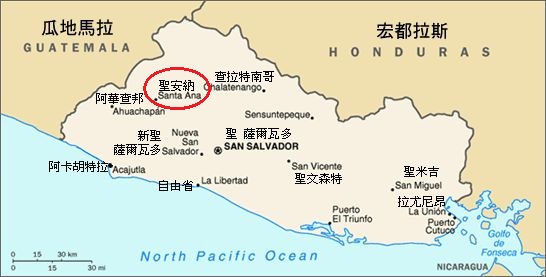
Among the producing regions, the Santa Ana volcano area, west of the capital, the volcano rising to 2,381 meters, enjoys advantages in soil quality and growing altitude. Santa Ana is still active; it erupted in 2005, causing heavy economic losses for local coffee farmers and some casualties that year. But the nutrient-rich volcanic ash that followed endowed the soil abundantly, and to this day Santa Ana is recognized as one of El Salvador's finest origins.
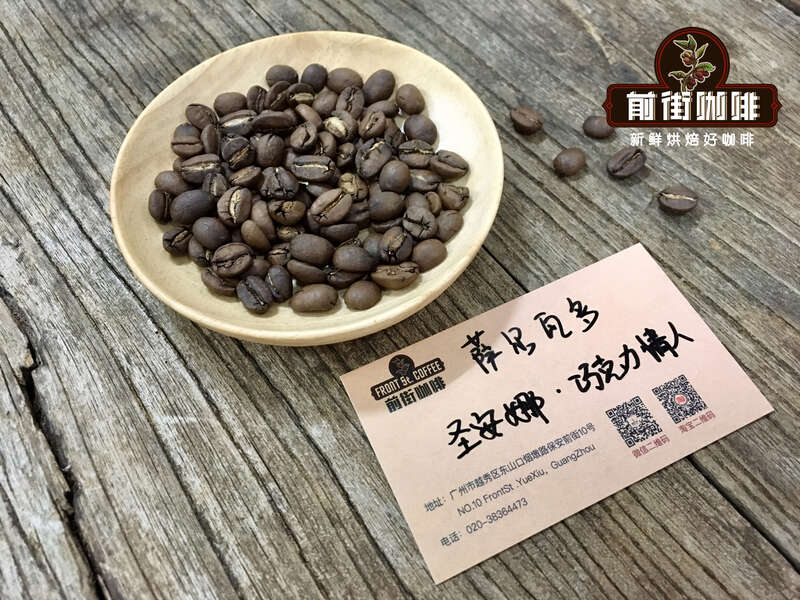
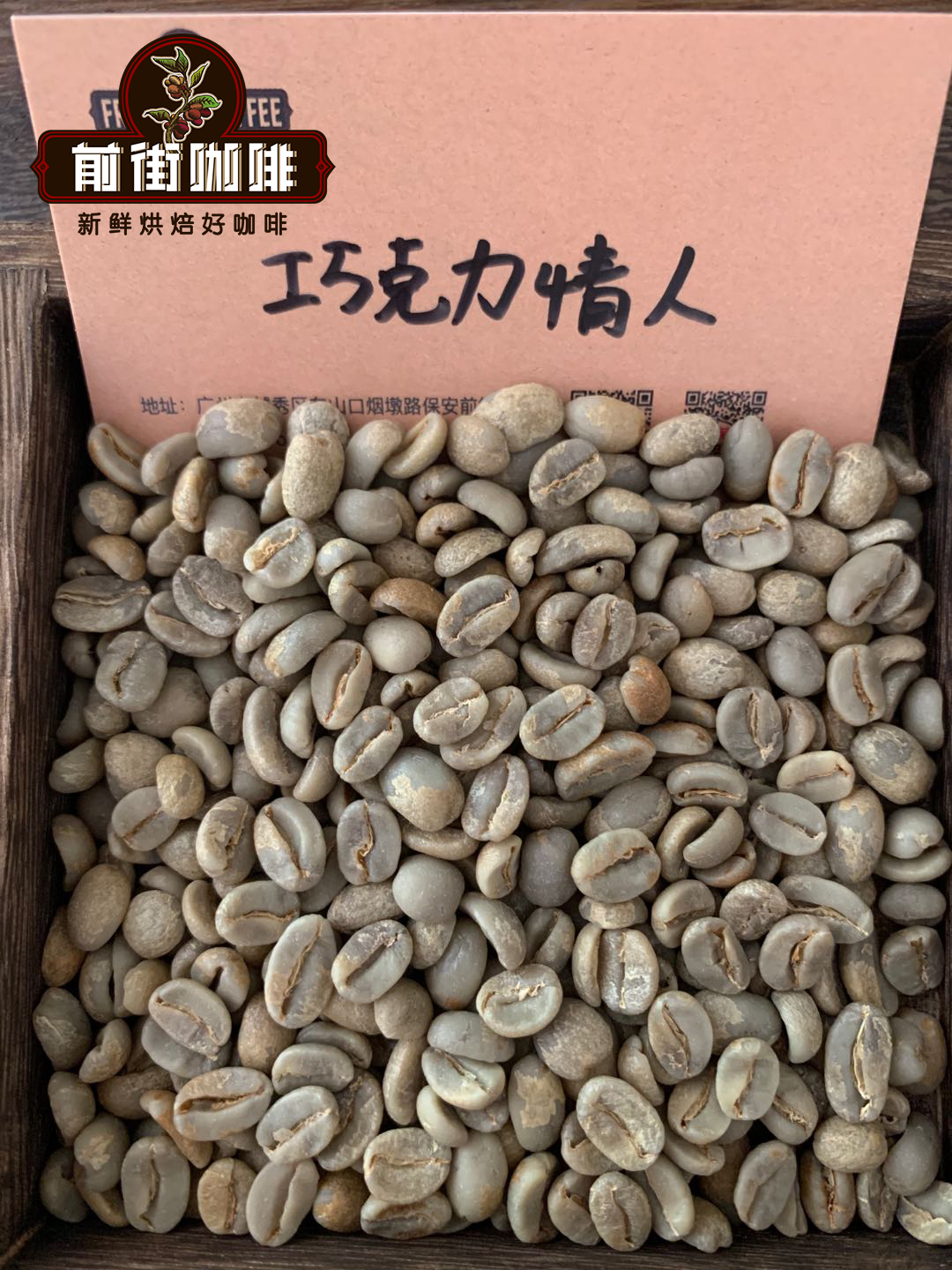
FrontStreet Coffee El Salvador Santa Ana Chocolate Lover
Coffee Country: El Salvador
Coffee Region: Santa Ana
Coffee Estate: El Guayabo (Chocolate Lover)
Growing Altitude: 1450m
Coffee Variety: Bourbon
Processing Method: 50% Washed + 50% Honey
Grade: SHB
Harvest Season: 2020
Estate Introduction
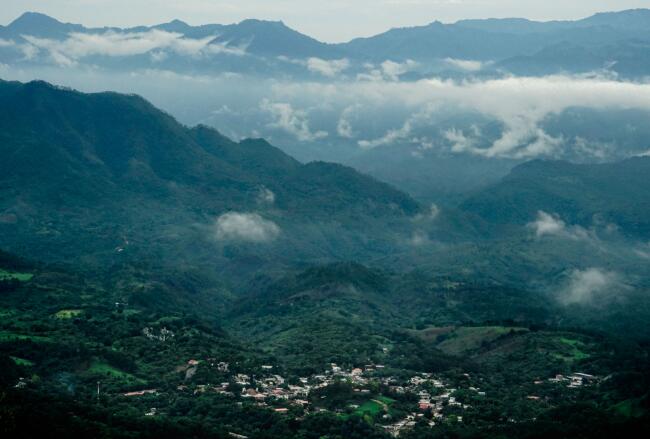
The Chocolate Lover estate lies in El Salvador's Santa Ana volcanic region at 1,300–1,500 meters on the mountainside of the volcanic zone. With abundant moisture and many microclimates, the coffee grown here develops remarkably delicate flavors. The farm plants Bourbon across the entire mountainside, and because the original forest here is so well preserved, birds, reptiles, and other wildlife from the surroundings frequently pass through the plantation.
The estate owner practices jungle-style cultivation, keeping many native tree species as shade, habitat for wildlife and a statement of care for the environment. The estate also looks after its workers, distributing bonuses around different festivals to help farming families live better.
Coffee Varieties
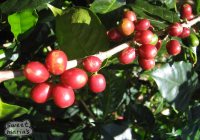
Bourbon is a natural mutation of Typica and stands beside it as one of the oldest coffee varieties in existence. Ripe fruit turns bright red. Compared with Typica, Bourbon has broader leaves and grows more densely; yields are higher, though the trees still need about two years to produce, a low-yield variety by modern standards.
Bourbon beans offer excellent quality: better aroma, bright acidity, sweet aftertaste, and a taste reminiscent of red wine.
Processing Method
The Chocolate Lover lot showcases two processing methods at once: 50% honey and 50% washed, blended locally in El Salvador into one distinctively flavored single origin. Using 100% Bourbon with two different processes gives the coffee more layers and a richer mouthfeel.
For the honey portion, the beans travel to a honey processing station at about 800 meters altitude. The advantage of processing at lower elevation: clouds and fog rarely form there, sunlight is strong and UV intense, letting the beans absorb enough heat energy to build excellent aroma. In these conditions the cherries also dry thoroughly in a short time, producing more solid, defined flavors.

The washed portion draws on the region's abundant water to give the coffee a very clean taste. This mixed-process, single-estate lot is the owner's way of expressing chocolate, cocoa, and nut cream, hence the name "Chocolate Lover."
FrontStreet Coffee Roasting Analysis
When FrontStreet Coffee's roaster received this Santa Ana green bean, the first observation was its high density. The roast uses medium heat to extend the drying phase, and after first crack the caramelization is stretched appropriately so sweetness stands out in the flavor profile.
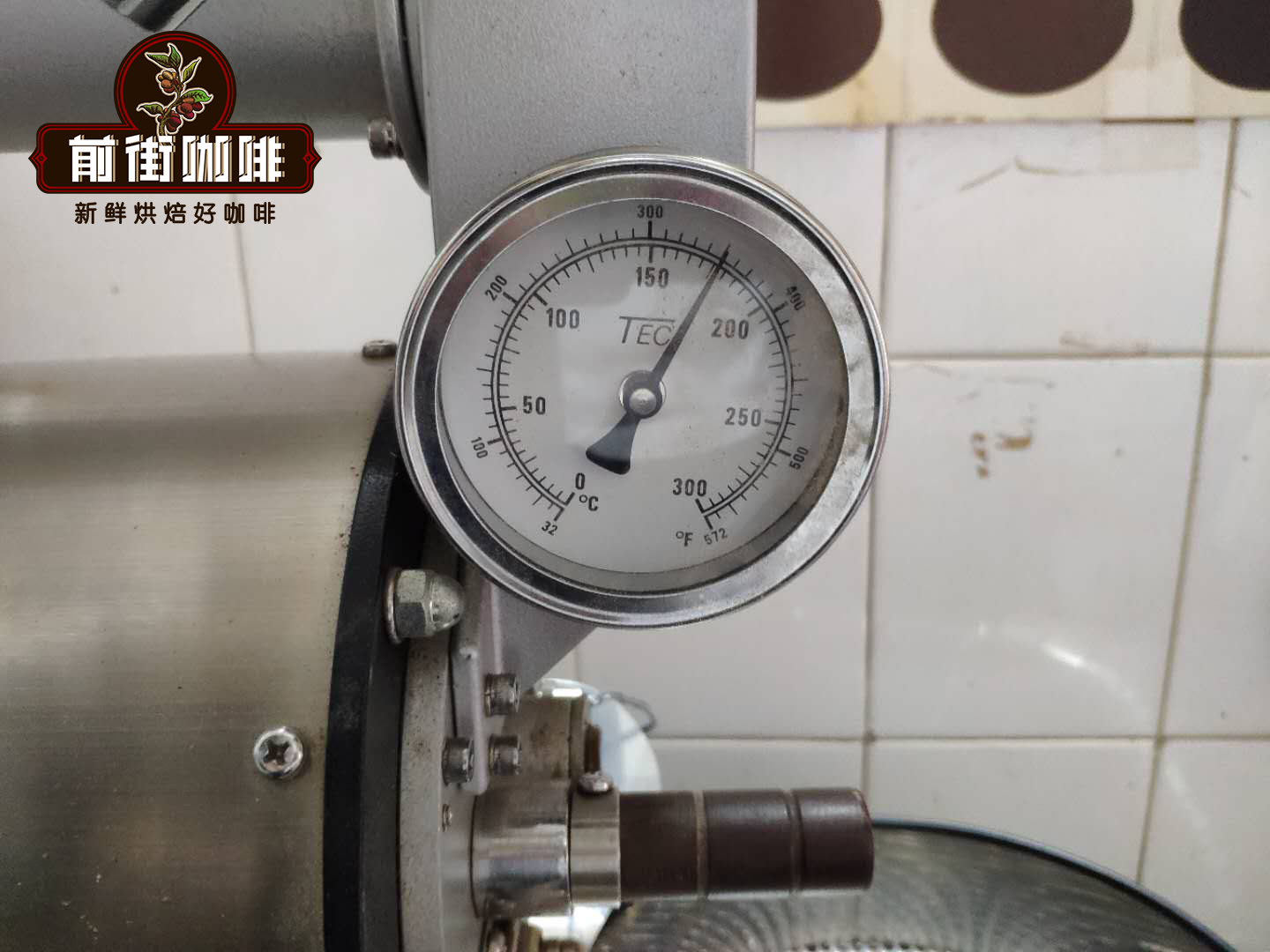
Yangjia 800N Roaster (300g batch size)
Charge at 180°C with flame power 125 and damper at 3. Turning point at 1'39''; when furnace temperature reaches 140°C, set the damper to 3.5 and flame power to 100. At 151.2°C the bean surface yellows, the grassy smell disappears completely, and the beans enter the drying stage. At 156°C, drop flame power to 80, damper unchanged. At 166°C, drop flame power to 50, damper unchanged. At 8'38'', wrinkling and dark spots appear on the bean surface and the toast aroma clearly shifts into coffee aroma, the prelude to first crack. Listen carefully from here. First crack starts at 9'25'', damper opens to 5. Develop for 2 minutes after crack and drop at 194.1°C.

FrontStreet Coffee Brewing Guide
Filter: V60
Dose: 15g
Water Temperature: 88-90°C
Ratio: 1:15
Grind Size: fine granulated sugar (80% pass-through on a #20 standard sieve), a medium-fine grind

FrontStreet Coffee Pour-over Technique
Segmented extraction: 30g of water for a 30-second bloom; pour in small circles to 125g and pause; when the level drops and is about to expose the bed, pour up to 225g and stop; once the bed is again about to break the surface, remove the dripper. (Timing starts at the bloom.) Extraction time: 2'00''.
FrontStreet Coffee Pour-over Flavor
Fruity and nutty on the nose. Nuts, cream, and caramel on the entry, with berry and citrus acidity in the aftertaste. The overall mouthfeel is beautifully balanced.
FrontStreet Coffee Recommendation
Ask an experienced pour-over hand to recommend a practical, beginner-friendly, good-looking dripper, and odds are they'll point you to the V60. Hario, the company behind it, was founded in Tokyo in 1921 as a respected maker of laboratory glassware, the heatproof glass server that pairs with every pour-over setup is one of its signature products. In 2004 Hario redesigned the V60's prototype into the form we know today, named for its 60-degree cone angle and V shape, and launched it the following year.
Compared with other drippers, the cone and 60-degree angle force the water to flow toward the center before dripping through, extending the contact between water and grounds so aroma and flavor extract fully. The V60's signature single large outlet lets liquid flow unimpeded, flow rate depends almost entirely on the brewer's pour control, and it shows directly in the cup.
Before the 2000s, the coffee market favored medium-dark roasts and cups described as full-bodied, sweet, and lingering, with caramelized dark-roast notes, chocolate, maple, nuts, vanilla. Siphon and cloth (nel drip) brewing showed those traits at their best; classics like Blue Mountain No. 1 and PWN Golden Mandheling were the era's flagship specialty beans. With the third wave, drinkers began chasing taste of place, Ethiopian white florals, Kenyan berry acidity, roasting shifted lighter, and the V60's fast extraction proved ideal for revealing floral, fruity-acid, sweet, and tea-like delicacy. That makes floral-fruity beans like FrontStreet's Idido (classic Yirgacheffe), the tropical-fruit-forward Huakui, the strawberry-sweet Strawberry Sugar Gesha, and the raisin-noted Mozart perfect V60 candidates.
For light roasts: FrontStreet's Yirgacheffe Idido is many coffee lovers' first step into specialty, bright citrus, berries, and florals with a green-tea-like finish. Good Yirgacheffe acidity is gentle and bright, like the fruit itself, never harsh, easy to love. The FrontStreet Ethiopia Huakui has been one of the market's biggest stars in recent years: strawberry, passion fruit, jackfruit, even lychee, with obvious sweetness, almost no bitterness, and a juicy, silky entry, "the coffee that tastes least like coffee." For a legend, the Panama Esmeralda Red Label Gesha offers elegant jasmine, citrus and bergamot, black-tea refinement, and a clean, long, layered finish. And FrontStreet's Kenya Cherry Tomato, a washed SL28/SL34 lot from Thika at 1,550–1,750 meters with 72-hour double-ferment washing, delivers cherry tomato and dried plum acidity with full juice, snow pear and black plum mid-palate, and a clean yellow-sugar finish.
For medium-dark roasts: the PWN Indonesia Golden Mandheling is low in acidity, thick and long on the palate, with herbs, dark chocolate, and a whisper of earth. FrontStreet's Brazil Queen's Estate is low-acid and balanced with rich nut and cocoa aroma and clear caramel sweetness, smooth, gentle, and long, great as pour-over, espresso, or moka pot. The Jamaica Blue Mountain No. 1 balances sweet, tart, bitter, and aroma perfectly, cream, caramel, chocolate, nuts, honey, and a light fruit note with a clean finish; the classic "coffee most people can love." The FrontStreet 2013 Yunnan natural Typica is clean, with citrus and caramel interwoven and a touch of nut, chocolate, and brown sugar at medium-dark roast. And the Papua New Guinea Paradise Bird Estate, Typica like Blue Mountain, grown at 1,600–1,800 meters on volcanic soil, AA grade with triple-wash fermentation, tastes so close to Blue Mountain that fans call it "Little Blue Mountain."
Important Notice :
FrontStreet Coffee is a long-established specialty coffee roaster in Guangzhou China, selling freshly roasted beans from its own farm in Yunnan as well as dozens of carefully selected single-origin beans from around the world for both pour-over and espresso. The products deliver consistently excellent quality and great value, with shipping within 24 hours. Guangzhou's FrontStreet Coffee shop is recommended by many coffee lovers, and the beans are now available online at the Tmall 。
FrontStreet Coffee has moved to a new address:
FrontStreet Coffee Address: 315,Donghua East Road,GuangZhou
Tel:020 38364473
 Scan and follow the En Gafei WeChat official account. Please indicate that the reprint comes from "En Gafei".