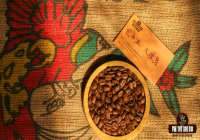
Pour-Over Coffee Technique Sharing | Kalita Wave Cake Cup Brewing Light Roast Natural Geisha Coffee Beans
Working behind the bar day after day, you meet every kind of drinker. A good share of them simply do not enjoy acidity in coffee. The cups that taste most sour are usually the lighter roasts, and some light roasts genuinely are hard to warm up to, which is how the belief takes hold: the lighter the roast, the more acidic the coffee.
In reality, at the very light and light roast levels, the beans still hold plenty of sucrose and their total organic acid load is not especially high, so the cup tastes gently tart with a thoroughly natural sweetness. Geisha green beans carry more sugar than most, and when they are roasted to this stage they can pour out intense sweetness once brewed.
Today I will pair a light-roasted Geisha with a Wave dripper to show how to brew a light roast so its sweetness actually reaches the cup.
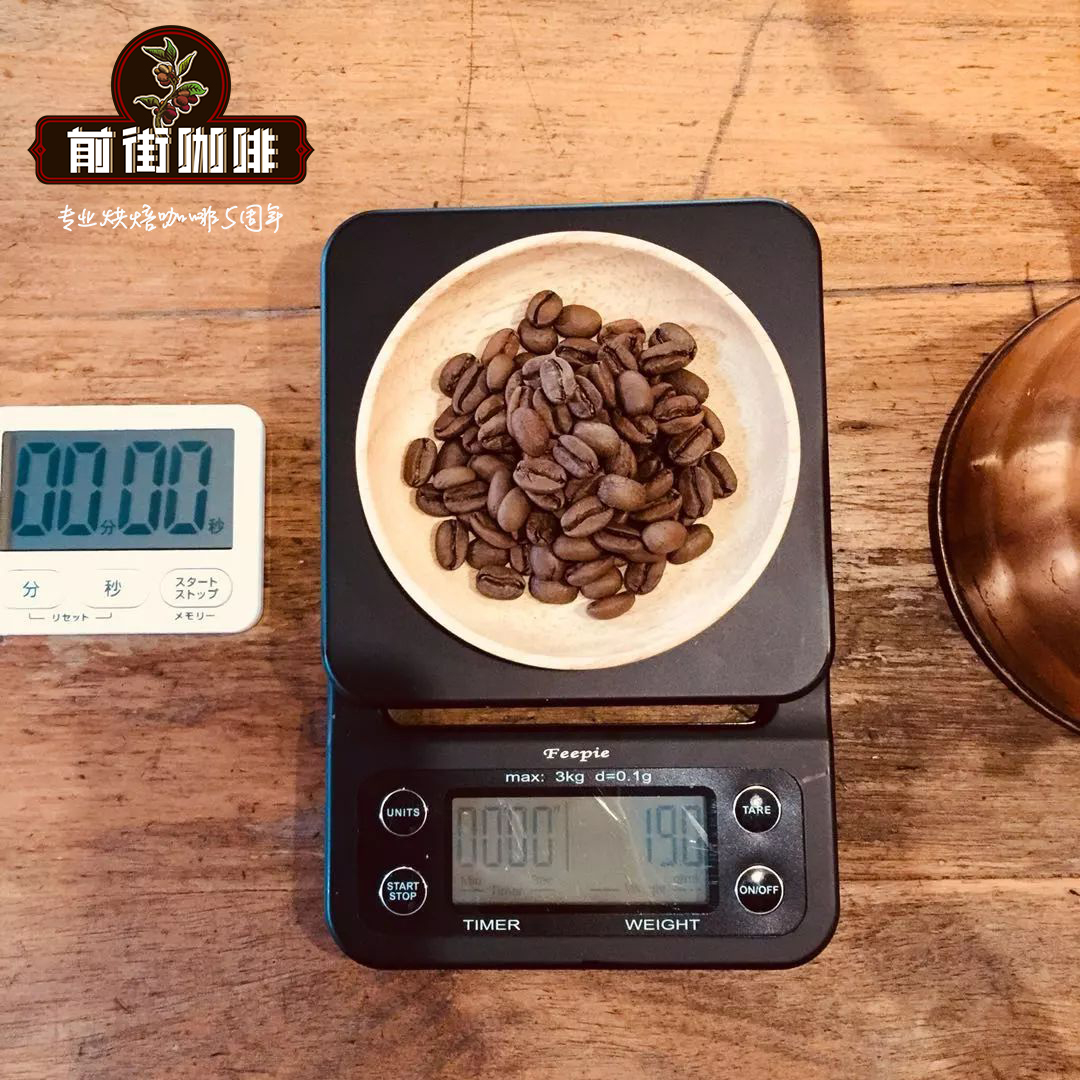
Equipment Introduction
Pour-over kettle: a Kalita copper kettle with a gooseneck spout.
Beans: FrontStreet Coffee sun-dried Janson Geisha, light roast.
Dripper: the Kalita Wave comes in two sizes, #155 and #185. The #155 is the smaller one and suits a single cup, while the #185 is larger and suits 2-4 servings. Kalita Wave drippers are made in glass and stainless steel, and the #185 also comes in ceramic.
What sets the Kalita Wave apart from the familiar Hario V60 is its flat bottom. That flat base allows for more even extraction. Look closely at the stainless steel Wave and you will spot three small holes in the flat bottom.
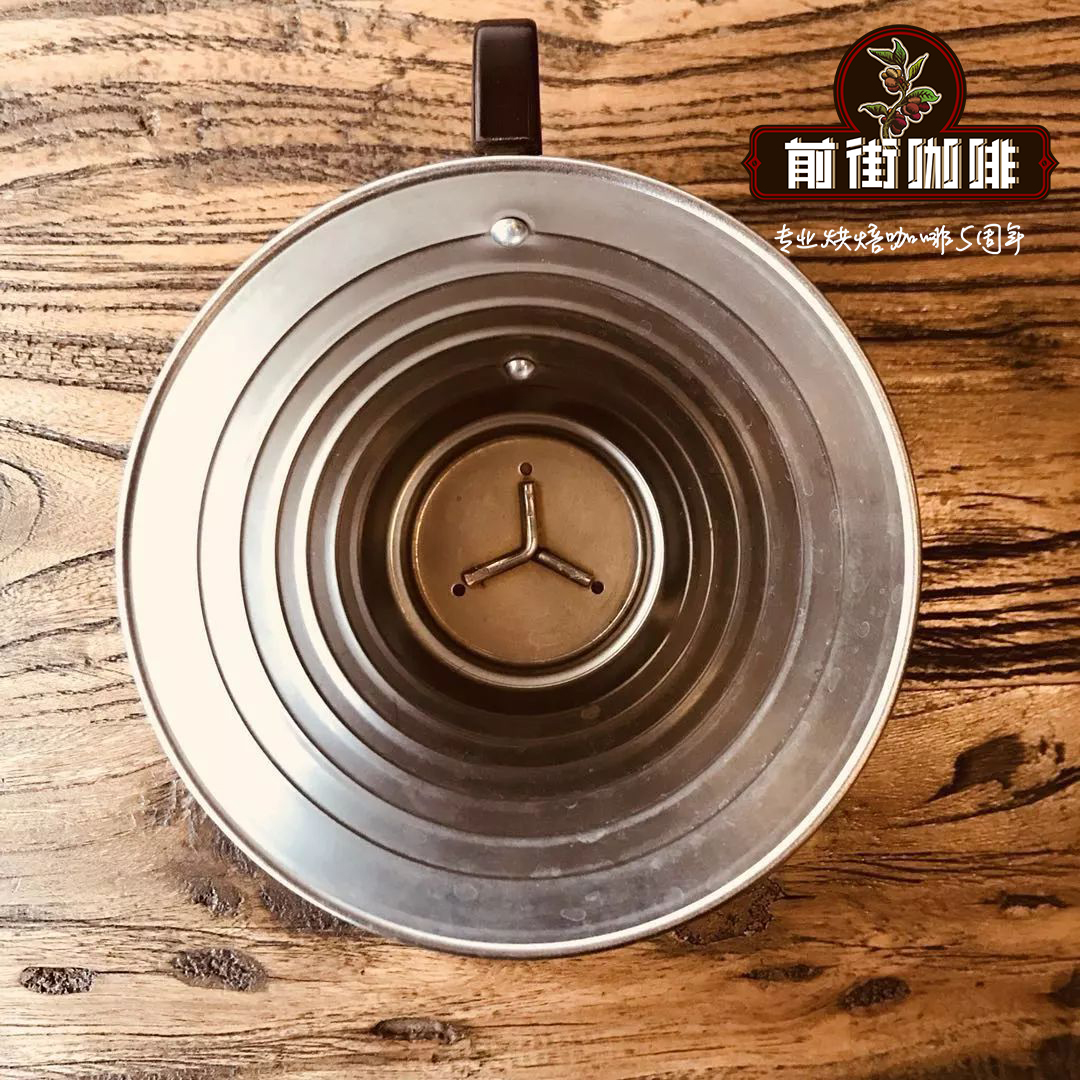
#155 size
You need the dedicated Wave filter papers. Kalita papers are a fine choice, but Bonavita Wave filters are worth considering because they are thicker than Kalita's and feature deeper side guide channels.
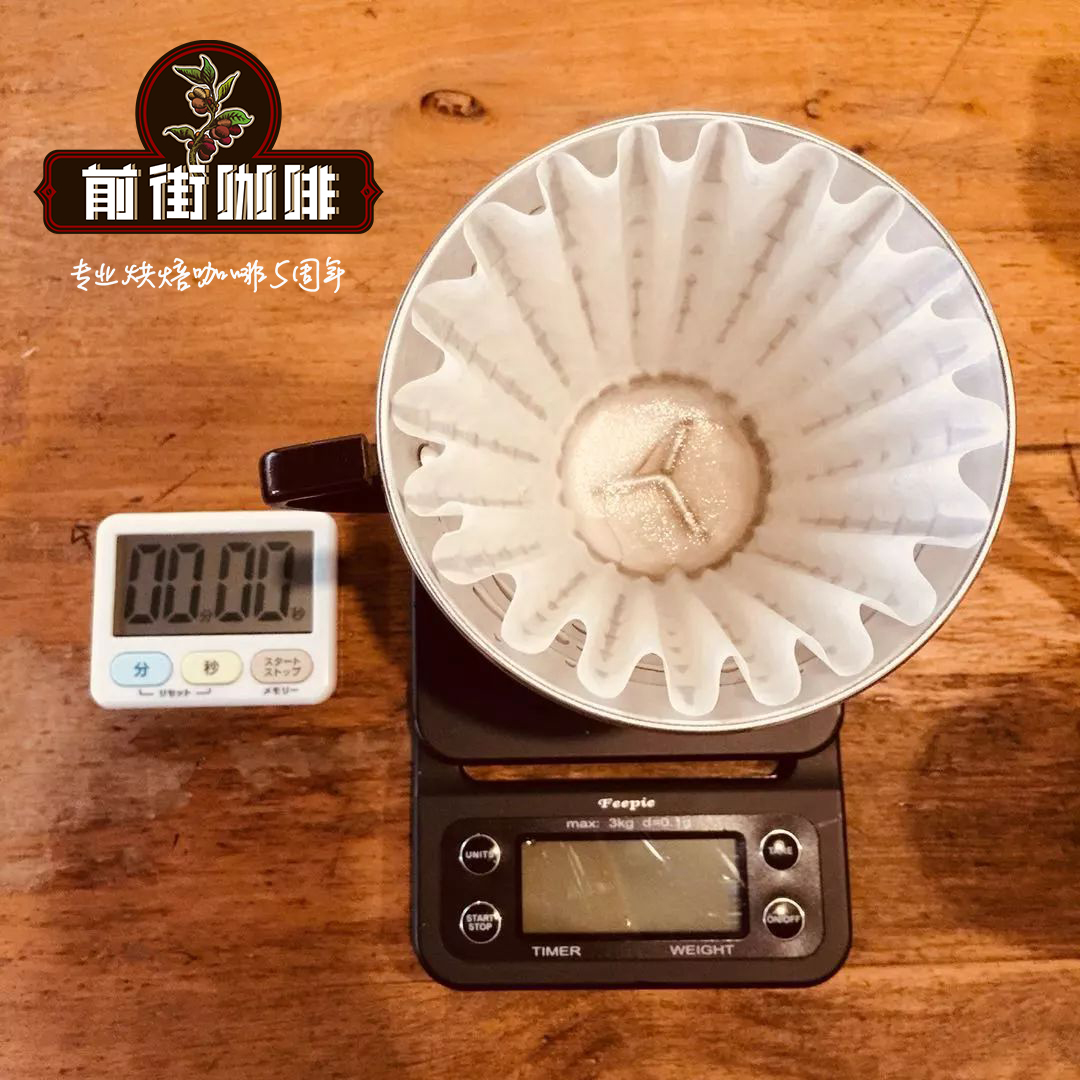
Light-roasted beans contain compounds that are stubbornly hard to dissolve, so a relatively fine grind is often used. With a V60 you would go even finer than the grind pictured below. A finer grind increases the water's contact area with the grounds and raises the extraction yield. Brewing in a Wave is really an immersion-style extraction, much like the Kalita trapezoid dripper. Here is the pour-over approach FrontStreet Coffee recommends.
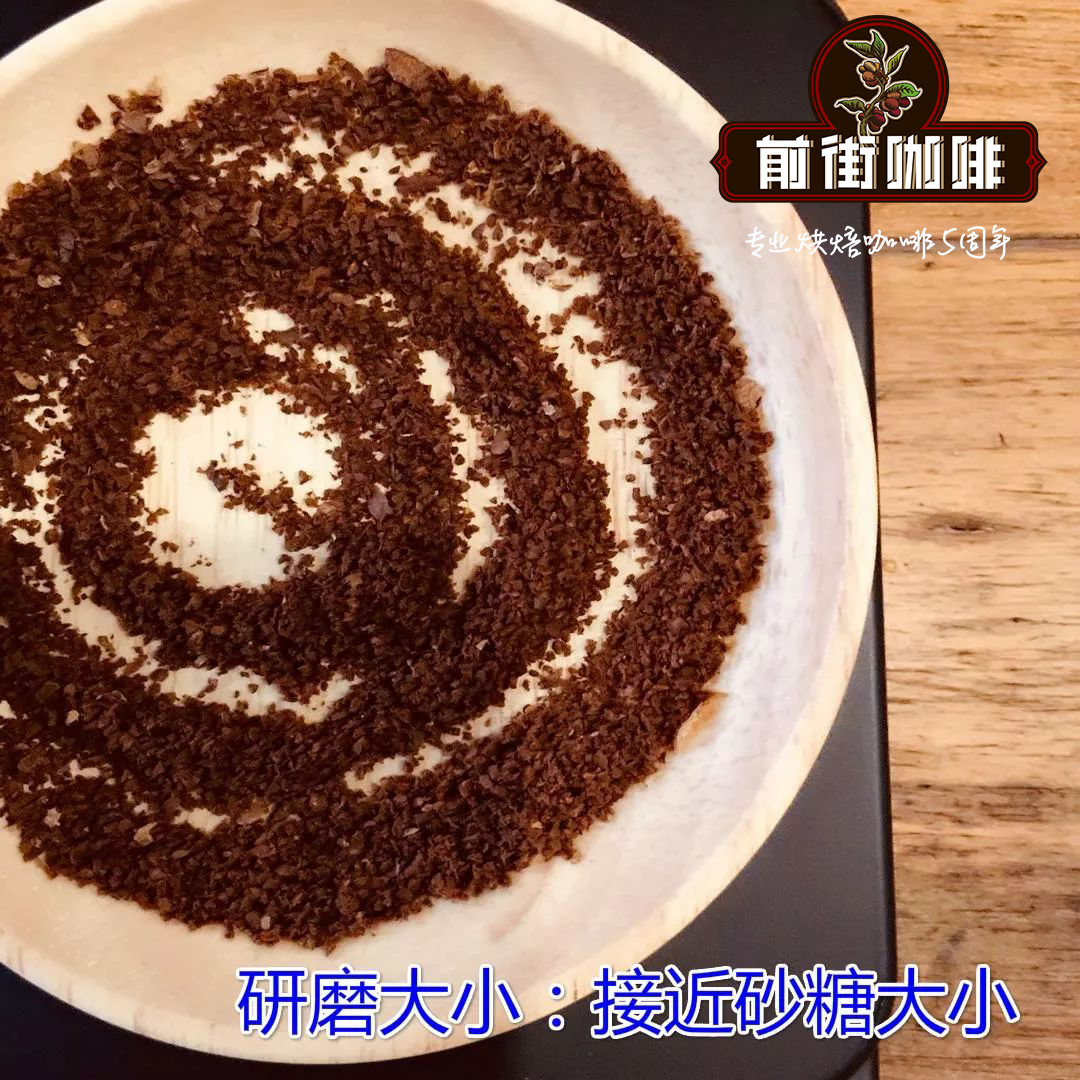
First: Lower Temperature
Geisha is best brewed at 87°C. Lowering the water temperature slows the extraction rate and holds back the bitter compounds.

Second: Gentle Flow (water flow should be gentle)
A gentle pour softens the impact of the stream on the coffee bed. Keep the water level in the dripper under control. After the bloom, pour slowly from a low height so the grounds are soaked almost as if steeped. This slows the extraction rhythm and makes it easy to produce a smooth cup with a solid, settled flavor.
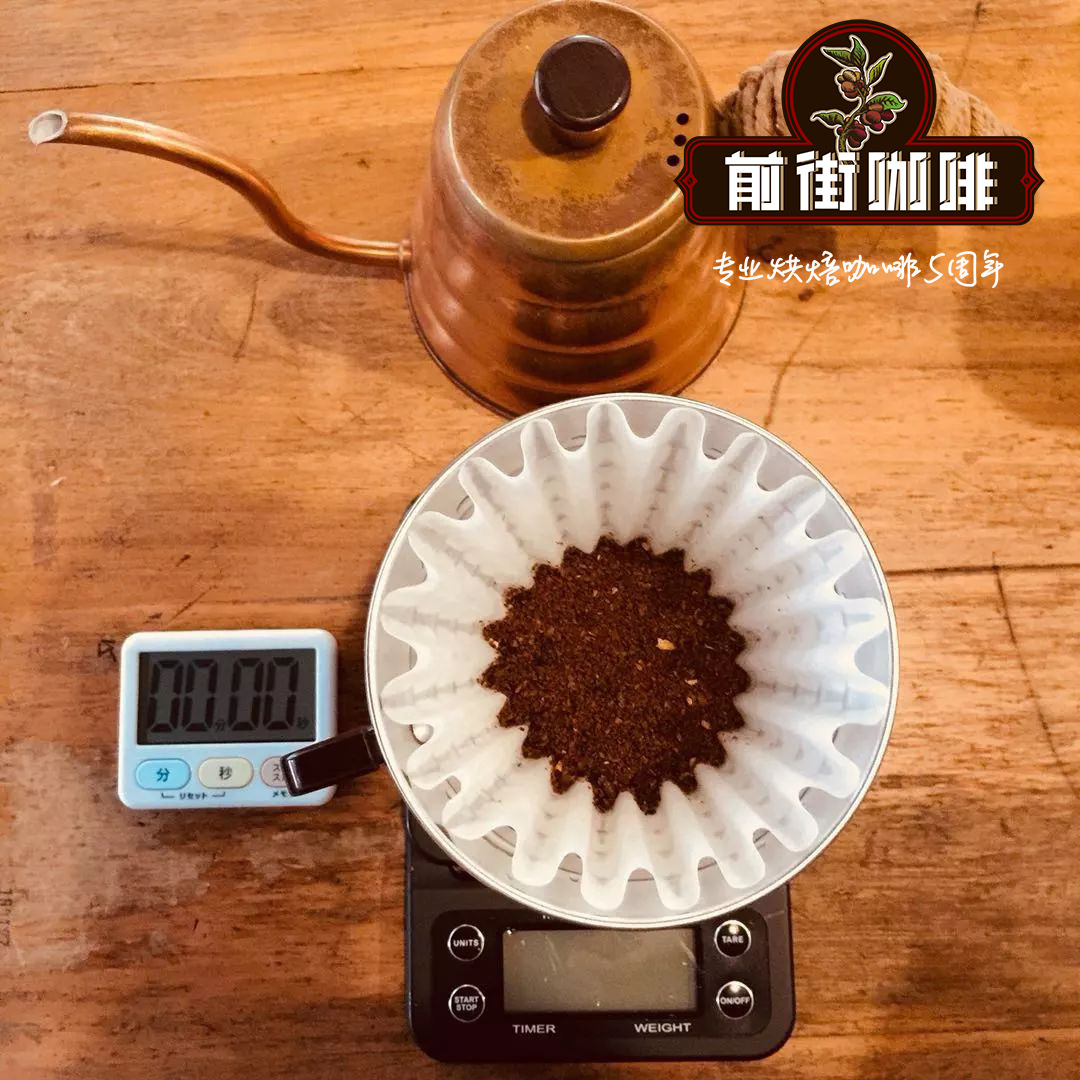
Third: Slow (slow circular motion)
Pour slowly across the bed, working from the inside out and then from the outside in. Rushing the circles stirs the coffee too aggressively, which easily turns medium-dark roasts bitter. Keep the disturbance of the bed to a minimum and let the flavor come out through soaking instead. That is an effective way to keep bitterness and astringency in check.
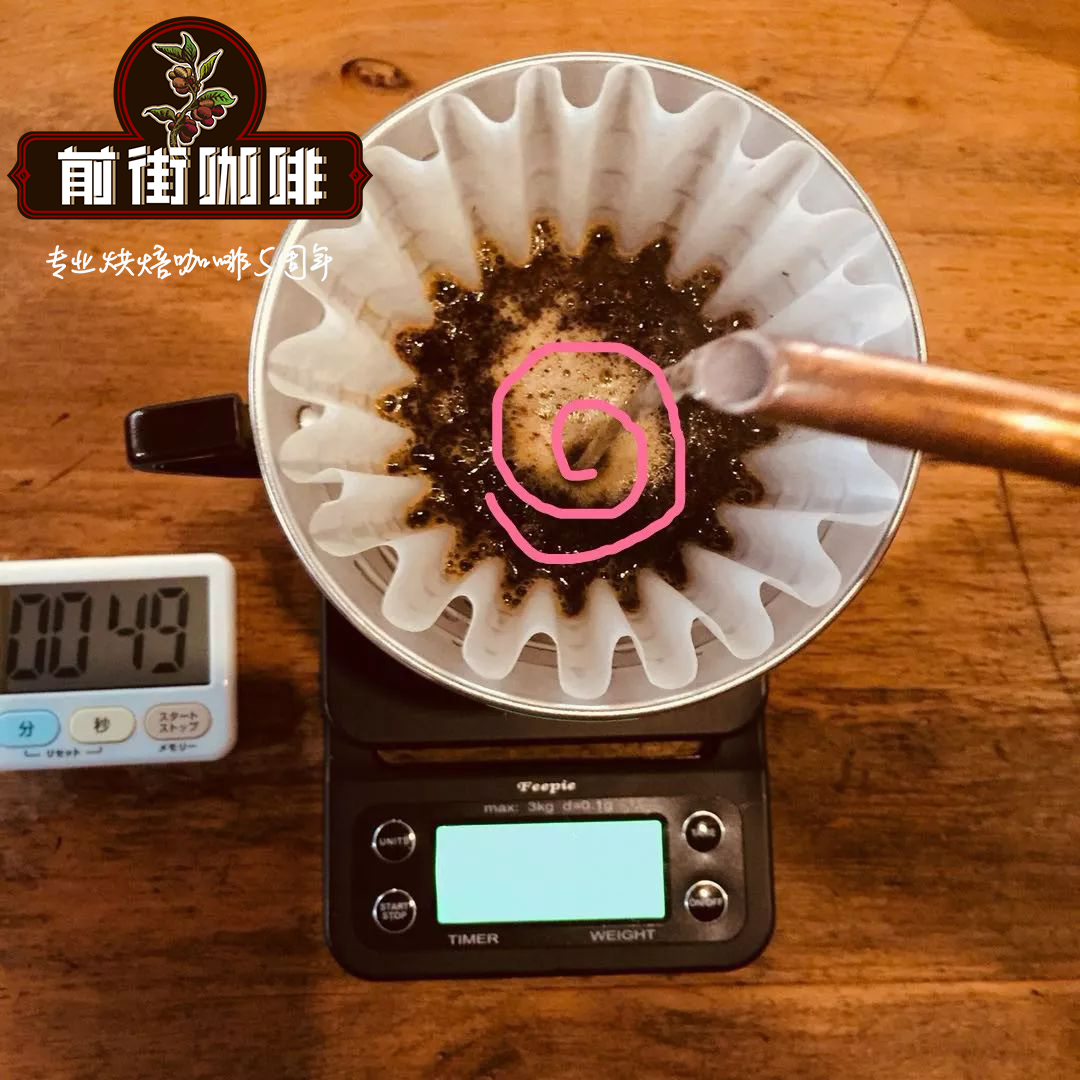
Slow, steady, continuous pouring: use a fine, long stream and trace circles, pouring gently for even extraction. Take your time. The Kalita drains more slowly than Kono cone drippers and V60 drippers. You can also use a stir stick. Usually, during the bloom, make one cross-shaped stir so the water reaches all the grounds and more aromatics are released.
Fourth: For light roast, use a coffee-to-water ratio of 1:13-1:14
That means 18g of grounds with 250ml of water. This ratio is moderate and will not leave you with a thin, watery cup.
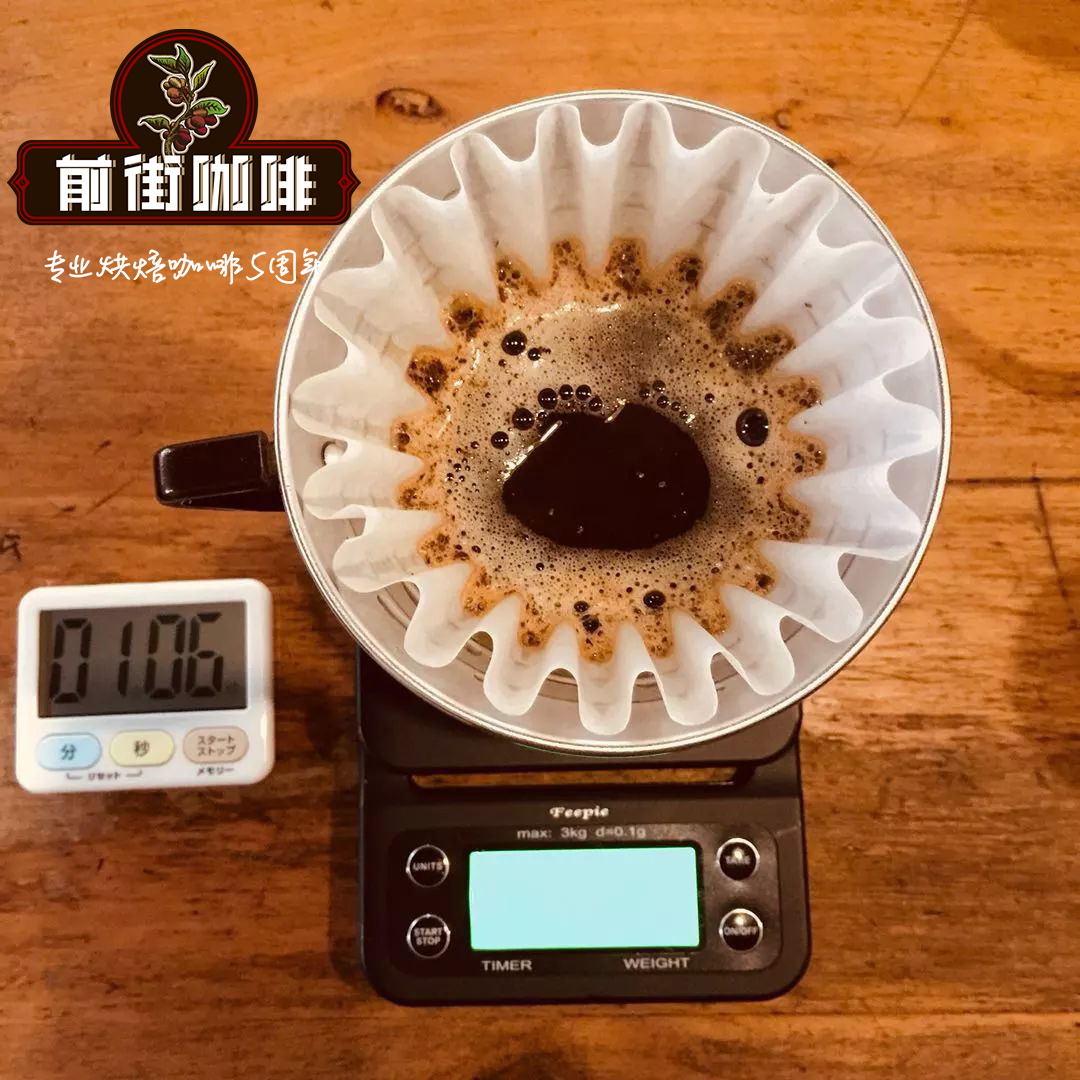
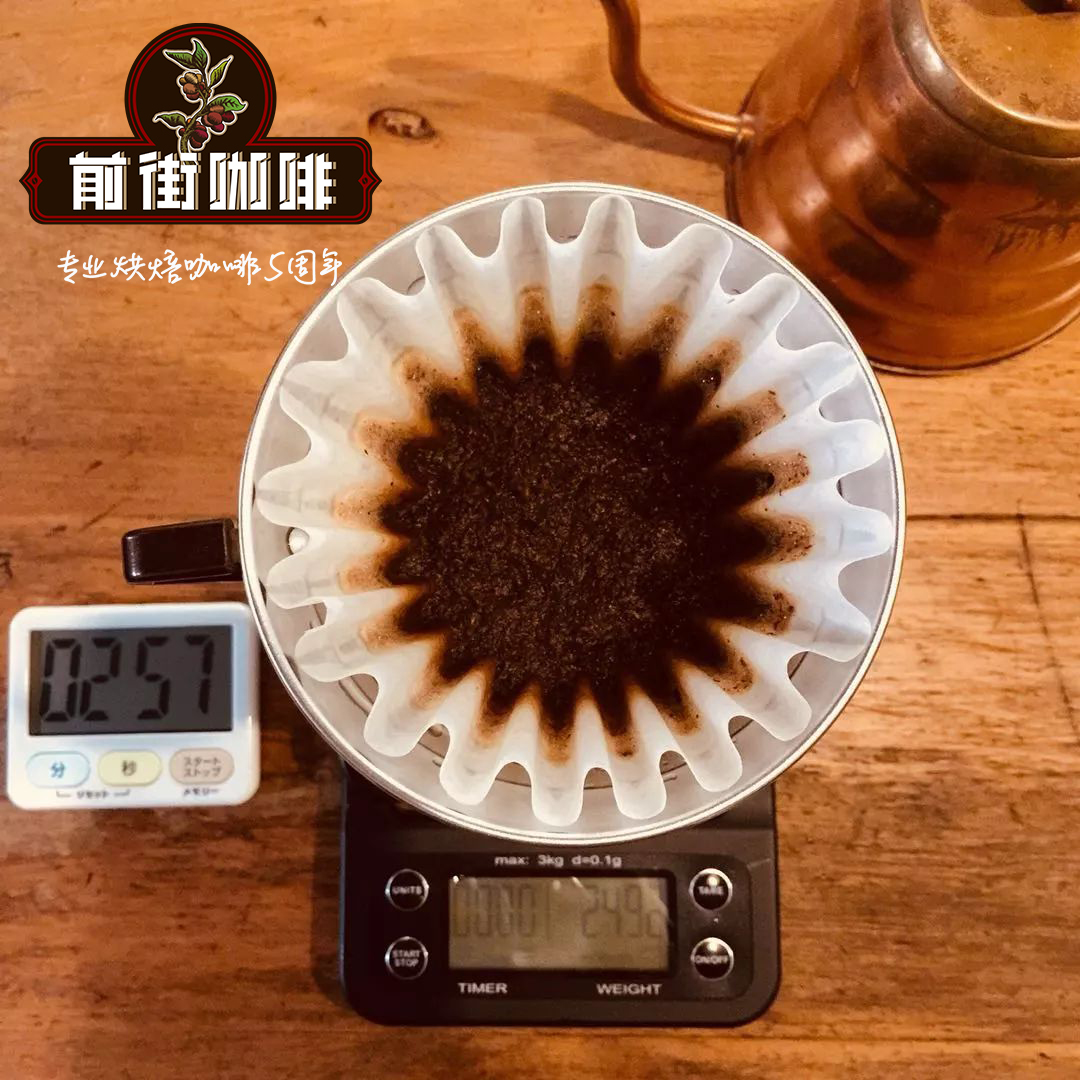
The specifics: using hot water from the pour-over kettle, pour in clockwise circles centered on the middle of the dripper. Start the timer as you begin brewing. Within 15 seconds, build the brew to about 40g, then stop. At 1 minute and 6 seconds, pour the second stage. For the second pour, just as with the first, work in clockwise circles centered on the middle of the dripper. Avoid letting the stream hit the seam where the grounds meet the filter paper, or you will invite channeling. When you reach the outermost ring of grounds, leave a margin, then move circle by circle back toward the center. Within 3 minutes, build the brew to 250g. The manual pour-over is now complete.
Key Points
During the bloom, do not pour with too much force. Stay gentle and keep the stream away from the edges of the filter paper.
The water used for blooming should be roughly 10% of the total. To brew 300ml of coffee, plan on about 30ml for the bloom. Or work from the dose: with 15g of grounds and a 1:2 bloom ratio you can pour 30g of water; with 20g of grounds and a 1:2 bloom ratio you can pour 40g of water.
During the bloom, as little liquid as possible should drip through. When too much shows up in the server below, either reduce the bloom water or take a closer look at your grind size.

This is experience shared by the FrontStreet Coffee shop.
By fine-tuning how you extract medium-dark roasts along these four lines, you can end up with a cup that is noticeably less bitter and astringent.
Recommended Original Reading
Daily Brewing | Sun-dried Sidamo vs. washed Sidamo: do the brewing methods differ?
Daily Brewing | How do you pin down the right water temperature and grind size for a given bean?
Daily Brewing | The same Yirgacheffe, brewed two ways: do the flavors really change?
Daily Brewing | KONO + Golden Mandheling
Gold Cup Extraction | When pulling espresso, how should you adjust grind size and the coffee-to-water ratio?
FrontStreet Coffee Recommendation
If you want to explore Geisha without overcommitting, FrontStreet Coffee suggests starting with the Panama Boquete Geisha, an accessible entry point that delivers the classic Panamanian profile of orange-blossom and honey notes, an oolong tea-like body, and delicate fruit sweetness across clearly separated layers. For a deeper dive, the Hacienda La Esmeralda Red Label Geisha (Esmeralda Special) is grown at 1,600-1,800 meters, each lot cupped above 90 points, with every lot numbered and traceable to a single small plot, which lets buyers chase the exact flavor nuance they prefer. The Green Label Geisha, sold as Private Collection, blends lots from several plots and expresses the signature high-altitude Geisha character at a friendlier price.
Ethiopia also produces compelling Geisha. The Gesha Village Gold Label belongs to the Gesha 1931 variety and accounts for about 10% of the village's total output, often chosen by competition baristas; the Red Label, a Gori Gesha variety making up about 15% of production, scores 88 points or above on the SCA 100-point scale and is a single-terroir series with fully traceable lot information. For lighter, brighter fruit, the Granja Geisha from Ethiopia's Yirgacheffe area is a single-variety farm coffee; picked as fully ripe cherries and dried on raised beds for 14-20 days depending on weather, it is best roasted medium-light, showing bright citrus acidity, elegant ginger-lily aroma, ripe-fruit sweetness, and a silky, refined finish.
Important Notice :
FrontStreet Coffee is a long-established specialty coffee roaster in Guangzhou China, selling freshly roasted beans from its own farm in Yunnan as well as dozens of carefully selected single-origin beans from around the world for both pour-over and espresso. The products deliver consistently excellent quality and great value, with shipping within 24 hours. Guangzhou's FrontStreet Coffee shop is recommended by many coffee lovers, and the beans are now available online at the Tmall 。
FrontStreet Coffee has moved to a new address:
FrontStreet Coffee Address: 315,Donghua East Road,GuangZhou
Tel:020 38364473
 Scan and follow the En Gafei WeChat official account. Please indicate that the reprint comes from "En Gafei".