Honduran Coffee Bean Grading and Flavor Profiles: Stories from Eight Major Coffee Regions

The Story of Honduran Coffee
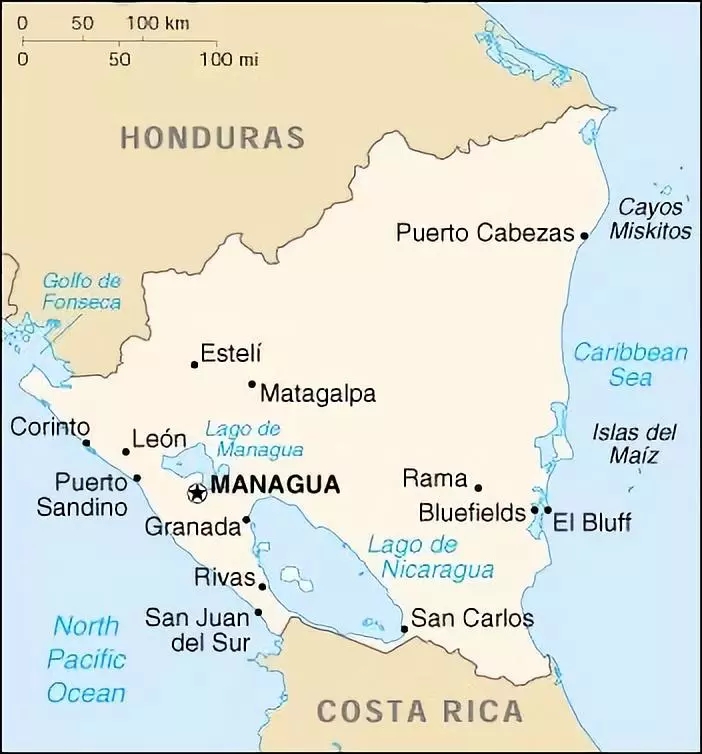
Honduras sits in the northern half of Central America, wedged between the Caribbean Sea to the north and the Gulf of Fonseca on the Pacific side to the south. Nicaragua and El Salvador lie to its east and south, while Guatemala borders it to the west. It is a country of mountains and highlands: across 112,492 square kilometers of territory, flat coastal plains are the exception rather than the rule, and the coastline stretches roughly 1,033 kilometers. Altitudes climb to around 3,000 meters in the northwest and still push past 2,400 meters in the south. Rivers such as the Coco, Patuca, and Ulua rise in the interior mountains and fan out toward both oceans, carving out basins and valleys along the way — the Sula and Repaguanale basins among the larger ones, and the Comayagua and Hamastlan valleys among the principal ones. This is terrain made for growing high-altitude coffee.
The 2017 harvest was a turning point worth remembering: production rose, quality improved alongside it, and the processing and logistics problems that had long dogged Honduran coffee finally began to ease.
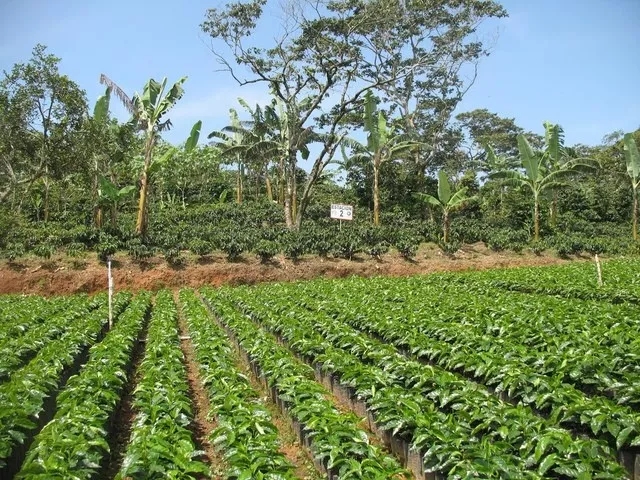
Two decades ago, Honduran beans carried a poor reputation, and deservedly so. Processing was careless, facilities were badly maintained, investment in equipment was minimal, export procedures were a bureaucratic tangle, and green bean logistics could not match those of neighboring countries. The result was coffee that was coarse rather than refined — only a handful of estates or Cup of Excellence lots could truly be called specialty. Since 2007, though, the story has changed. Under the guidance of IHCAFE, the Honduran Coffee Institute, together with a wave of forward-thinking dry mills, the country has reformed its processing workflows, invested in green bean equipment, and overhauled transport and export channels. International recognition still lags behind the improvement on the ground, but proactive roasters have already moved in, hunting for hidden gems. By 2011-2012, Honduras had become the largest coffee producer in Central America, harvesting roughly three million 46-kilogram bags a year. And quantity is only half the story: IHCAFE has partnered with producer associations and mills on programs designed to put consistently high-quality Honduran coffee into the hands of international buyers.

Honduran Coffee Growing Regions
IHCAFE divides Honduran coffee into six major growing regions, concentrated in the west and south of the country: Copan, Opalaca, Montecillos, Comayagua, Agalta Tropical, and El Paraiso. Specialty coffee in these regions grows at an average altitude of 1,100 meters above sea level. By grade, the output breaks down as 69% HG, 12% SHG, and 19% CS. The main varieties are Typica, Bourbon, Caturra, Villa Sarchi, and Lempira. Grading remains largely altitude-based, and the three official grades map to altitude as follows:
Standard grade: grown at 610-915 meters
High Grown grade: grown at 915-1,220 meters
Strictly High Grown grade: grown at 1,221 meters and above
One development worth watching is the recently established Honduran Western Coffee association, better known by its abbreviation HWC, which covers the western growing region.

Honduran Western Coffee (HWC)
Coffee produced and labeled under Honduran Western Coffee (HWC) is the first Protected Geographical Indication (PGI) recognized by the Honduran government, and it has also been registered as the country's intellectual property (IP) and a collective brand (MC).
Beyond promoting its coffees through the Cup of Excellence competition, Honduras has taken the more surgical route of building regional brands — much the same logic behind Guatemala's regional identification and geographical indicators. Perhaps taking a cue from Ethiopia's defense of origin names like Sidamo and Yirgacheffe as trademarks, the HWC label was registered during the preparation phase itself, with approval from both the government and the national coffee institute. The vision is to establish Grade 1 and Grade 2 standards grounded in the tested quality of western-region harvests, processing, and cupping, giving buyers a reliable purchasing reference. Drawing on sensory characteristics, geography, climate, soil, and processing methods, HWC has also defined eight sub-regions:

These sub-regions are:
Erapuca (Ocotepeque-Copan)
Gmlisayote (Ocotepeque)
Celaque (Ocotepeque, Copan and Lempira)
Puca (Lempira)
Camapara (Lempira)
Congolon (Lempira)
Opalaca (Intibuca)
Green Mountain (Lempira)
Coffees from this region are prized for their bright citrus acidity and excellent sweetness, with caramel notes standing out in particular. A full body built on rich texture and a lush, oily mouthfeel gives the cup real appeal, and overall balance is impressive. Set side by side with the high-altitude, vibrant coffees of Guatemala, western Honduran coffee holds its own — and the mouthfeel may even come out ahead.
FrontStreet Coffee Brewing Recommendations
Take FrontStreet Coffee's Honduras Sweet Orange Estate as an example:

Recommended brewing methods: Syphon, pour-over
Grind size: fine-sugar texture (80% pass-through rate on a China #20 sieve)
V60 dripper, 15g of coffee, water at 89°C, grind set to 3.5, a water-to-coffee ratio of roughly 1:15, a 30g bloom, and a bloom time of 30 seconds
Pouring stages: pour to 120g, pause, then continue slowly to 225g (30-120-225g)
Flavor notes: a dry aroma of spices and roasted peanuts, elegant acidity, and soft citrus tones, with orange, melon, cream, nuts, and dark chocolate in the cup, finishing with a Sunkist-like sweetness that recalls a cup of lemon tea.

Honduras has a wealth of growing regions and estates, each with its own subtle flavor signature. In FrontStreet Coffee's view, the real goal is finding coffee that matches your own palate. If you are just starting to explore single origins, FrontStreet Coffee's own lineup of entry-level beans is a dependable place to begin: the FrontStreet Brazil Cerrado Red Bourbon from the celebrated Cerrado region delivers classic cream, peanut, and cocoa notes at a friendly price, while the FrontStreet washed Ethiopia Guodingding lots from Yirgacheffe bring jasmine florals, lemony acidity, and berry tones — proof of how varied approachable single origins can be.
FrontStreet Coffee Recommendation
For a first step into specialty beans, FrontStreet Coffee recommends the FrontStreet Brazil Cerrado Red Bourbon, sourced from Brazil's famous Cerrado region. It is an easy-drinking, budget-friendly single origin with a soft, delicate body and standout flavors of cream, peanut, and cocoa when extracted — balanced and smooth from the first sip. If you prefer something more floral and fruity, the FrontStreet washed Guodingding cooperative lot from Yirgacheffe, Ethiopia offers jasmine fragrance, lemon acidity, and berry-like sweetness in a classic washed profile.
Important Notice :
FrontStreet Coffee is a long-established specialty coffee roaster in Guangzhou China, selling freshly roasted beans from its own farm in Yunnan as well as dozens of carefully selected single-origin beans from around the world for both pour-over and espresso. The products deliver consistently excellent quality and great value, with shipping within 24 hours. Guangzhou's FrontStreet Coffee shop is recommended by many coffee lovers, and the beans are now available online at the Tmall 。
FrontStreet Coffee has moved to a new address:
FrontStreet Coffee Address: 315,Donghua East Road,GuangZhou
Tel:020 38364473
 Scan and follow the En Gafei WeChat official account. Please indicate that the reprint comes from "En Gafei".