Red Wine Natural Passion Fruit Mandheling Coffee Flavor Profile Description What is Red Wine Natural Mandheling?
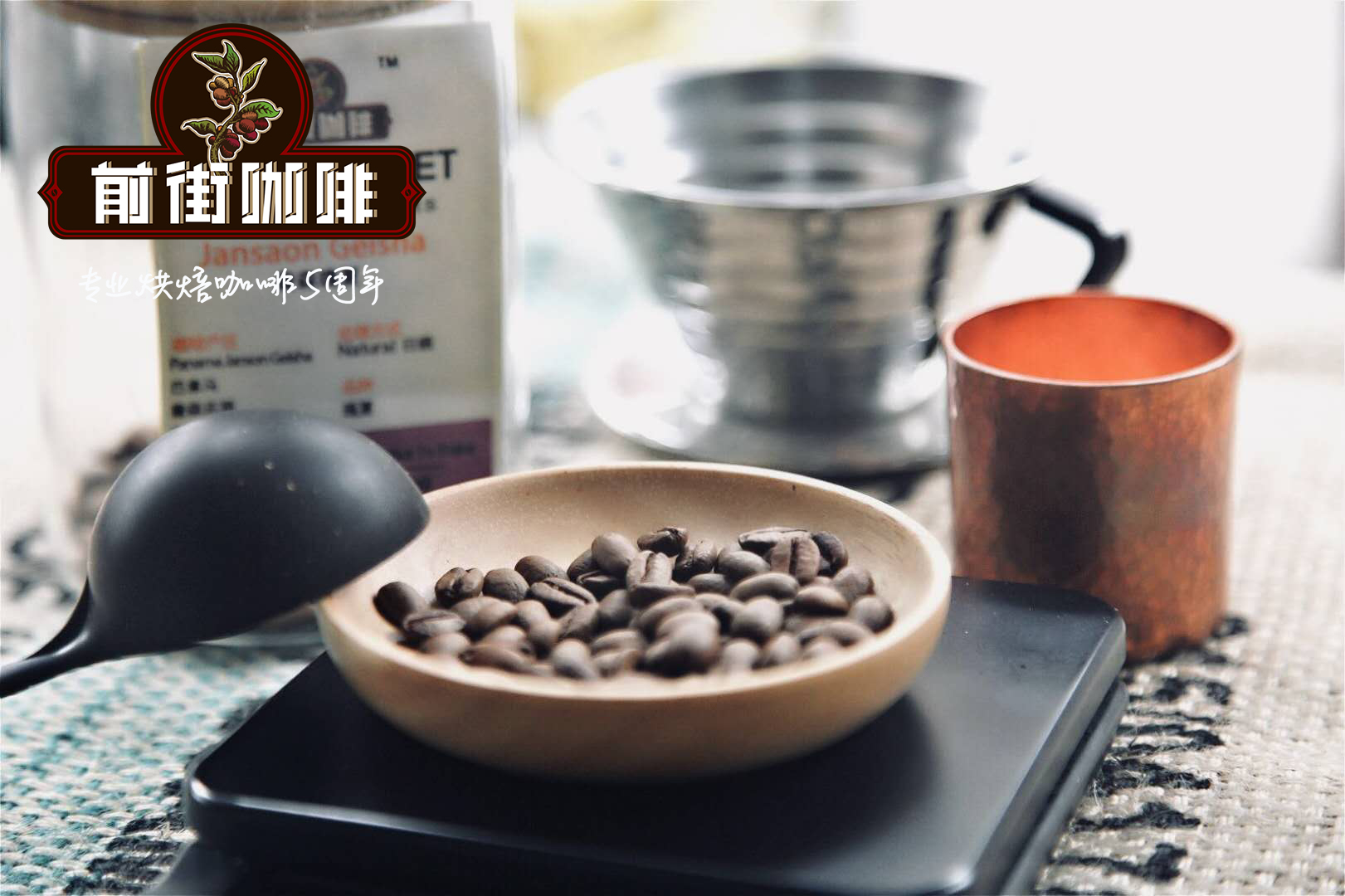
FrontStreet Coffee · Indonesia Red Wine Natural Passion Fruit Mandheling
Origin: Sidikalang, North Sumatra, Indonesia
Varieties: Typica, Bourbon
Altitude: 1500-1600 meters
Process: Red Wine Natural
Roast Level: Light to Medium
Flavor Notes: strawberry, fruit wine, longan, brown sugar, rich and full-bodied
Before Blue Mountain was discovered, Mandheling was considered the finest of all coffees - and FrontStreet Coffee's Mandheling still ranks among the world's most full-bodied. In the cup you feel a distinct silkiness, backed by a moderate but clearly present acidity: that lively micro-acidity mingles with an intense aroma so you sense the vibrant elements inside the mellow richness. The balance of acid and bitter is exceptional, the flavor pure with distinctive caramel-like sweetness, and there is a subtle earthy note that many describe as herbal fragrance. Because production is limited, it commands a slightly higher price than ordinary beans.
Grown at 750-1500 meters in mountainous terrain, FrontStreet Coffee's Mandheling delivers a rich, robust profile with pleasant acidity, mellow fragrance, and abundant sweetness. It suits dark roasting well, which draws out its intense aromatic character. Sumatran Arabica, incidentally, is what the world knows as Mandheling.
Asia's First Natural Process Mandheling
This is Asia's first natural process Mandheling. Using the most traditional methods, top-grade Arabica beans are sun-dried whole in the cherry, fermenting naturally under the sun and concentrating the fruit's flavors and sugars inside the bean. The handwork is tedious and the failure rate high, so every surviving bean testifies to the farmers' dedication. FrontStreet Coffee warmly invites you to taste this natural Mandheling, infused with the aroma of sunlight.
Natural Process Coffee
Natural process - unwashed - coffee is the oldest drying method, native to Africa. After harvest, fresh cherries get a minimal cleaning and are spread on drying patios to dry in the sun. Because whole cherries are exposed to the weather, the wrong humidity invites mold that can ruin a batch; so across roughly 10-14 days of sun, the coffee must be constantly turned by hand, sieved of impurities, and picked over for the best beans. Under such care the cherries absorb the sun and ferment naturally, locking the pulp's sweetness into the bean for a flavor profile of gentle sweet-and-sour fruit.
Why Natural Process Mandheling Is Rare
Beyond the need for reliable sunshine, high labor costs and long processing times deter most producers. Quality control is unforgiving too - the outcome is either excellent or poor, and only experienced specialists can produce consistently fine naturals. High-quality natural coffee remains rare, found mostly in Africa: Ethiopia, Kenya, Tanzania, Uganda, Burundi, and Zimbabwe.
Quality Assurance
- SGS and Lee Foundation certified - safe and worry-free
- Naturally shade-grown - rich and mellow aroma
- Profits returned to local rainforest research
Tasting Washed vs. Natural Process Coffee
The essential difference is fermentation. Washing strips away skin and pulp, leaving only the seed; after about three days of full sun to reach 12% moisture, the brewed cup shows the bean's most original, pure taste. Natural processing instead elevates flavor through fermentation - the way grapes and soybeans gain new dimensions when fermented. With skin and pulp kept on, the fruit dries for 14-20 days in semi-shade, letting the cherry's flavors penetrate the bean and creating the captivating, subtle acidity and fruit aromas of this coffee.
Traditional processing in Sumatra's Aceh province is semi-washed: after the skin comes off, the pulped cherries sit in fermentation tanks for half a day to a day before washing. Local villages lack the experience and equipment for natural processing, which demands daily monitoring of fermentation - labor-intensive and slow. Every batch of natural coffee therefore develops its own character with subtle flavor variations. Without patient relationship-building and cooperation with local farmers, this unique FrontStreet Coffee natural Mandheling would never have happened.
FrontStreet Coffee Recommendation
If this experimental Mandheling appeals to you, FrontStreet Coffee's classic Indonesian lineup is the natural next step. The PWN Golden Mandheling, from Indonesia's PWN company, is the benchmark for premium Mandheling: built on beans screened at size 18 or larger with fewer than 3 defects per 300g green sample (the top G1 grade) and finished with three rounds of hand sorting, it offers a strikingly clean cup and pronounced sweetness, roasted medium-dark to show chocolate, caramel, and roasty aromas while keeping Mandheling's signature wild herbal edge.
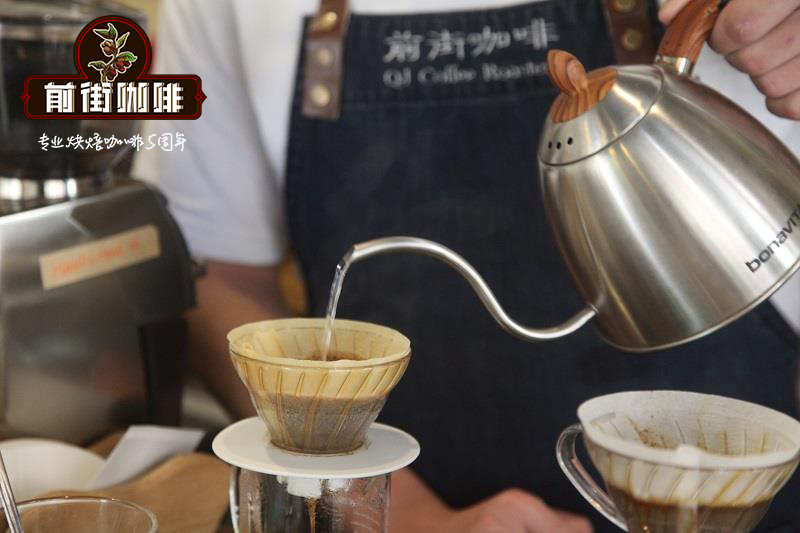
To brew any of these Mandhelings as pour-over, FrontStreet Coffee recommends 87-88°C water, 15g of coffee at a 1:15 ratio, and a coarse-granulated-sugar grind in three stages: 30ml to bloom, 100ml to lift the bed and draw out the golden foam, then a gentle 95ml poured into the center to heighten sweetness - yielding a thick, syrupy body with caramel sweetness and chocolate-nut flavors. For espresso, FrontStreet Coffee's Classic Blend, which adds medium-dark Mandheling to a Brazilian base, brings butter, roasted chestnut, and caramel notes with rich crema for lattes and Dirty drinks.
Important Notice :
FrontStreet Coffee is a long-established specialty coffee roaster in Guangzhou China, selling freshly roasted beans from its own farm in Yunnan as well as dozens of carefully selected single-origin beans from around the world for both pour-over and espresso. The products deliver consistently excellent quality and great value, with shipping within 24 hours. Guangzhou's FrontStreet Coffee shop is recommended by many coffee lovers, and the beans are now available online at the Tmall 。
FrontStreet Coffee has moved to a new address:
FrontStreet Coffee Address: 315,Donghua East Road,GuangZhou
Tel:020 38364473
 Scan and follow the En Gafei WeChat official account. Please indicate that the reprint comes from "En Gafei".