Ancient Natural Sun-Dried Yemen Mocha Mattari Coffee | Tasting the Rebirth of Mocha Flavor from the Flames of War
Professional Coffee Knowledge Exchange
For more coffee bean information, please follow Coffee Workshop (WeChat official account: cafe_style).
Yemen Mocha Mattari
Basic Information
Country: Yemen
Region: Mattari
Altitude: 1,300-1,900m
Varietal: Typica, Bourbon
Process: Natural / Sundried
01 | Origin Overview
The History of Yemen Coffee
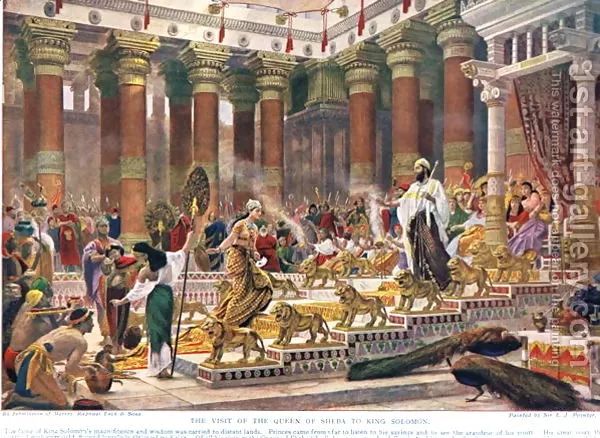
Yemen is famous for its frankincense and spice trade, and it is the world's first place where coffee Mocha was cultivated. Tracing back to ancient times, this is also where Noah built the ark in the Bible. Legend has it that 3,000 years ago, the legendary Queen Sheba led a large delegation with gold and spices to Jerusalem to meet King Solomon and gave birth to his son. (There are rumors that this son was Ethiopia's first king.)
Regardless, perhaps for ancient historical reasons, it is said that the people of this land still carry a strong sense of pride and are extremely independent. Yemen, preserving a lifestyle from thousands of years ago, has many places where the central government's authority cannot reach. Ethiopia, separated from Yemen by the sea, also exported coffee through Mocha Port, so Ethiopia's natural-process coffee is often called Mocha (such as Ethiopia Harrar Mokka). Yemen Mocha is the pioneer of world coffee trade, and Yemen's contribution to spreading delicious coffee to the world is undeniable. It was called "Arabian Coffee," which is also the origin of the later "Arabica" name.
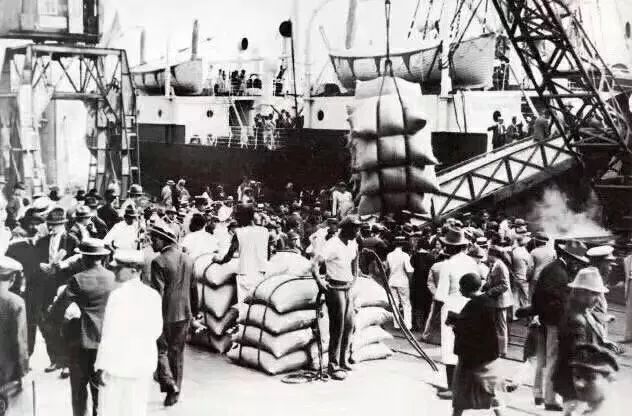
It is said that in the 17th century, Europeans first imported coffee and spread it to the world from the world's largest coffee port, Mocha Port. Today's "Mocha Port" no longer lives up to its former reputation, surviving as a historical port with only white sandy beaches. Even so, it still "travels far and wide" in the name of coffee.
Although Ethiopia was the first country in the world to discover coffee, Yemen was the first to cultivate coffee as a crop on a large scale. In the early 17th century, the first batch of Yemeni coffee was exported to Europe through the ancient small port of Mocha, amazing Europeans. Because every exported coffee bag had to be marked MOCHA to prove it was shipped from Mocha Port, Europeans called the delicious coffee from Mocha Port "Mocha Coffee." That is why early Mocha became synonymous with coffee.
Mokhtar Alkhanshali
Thanks to an Islamic scholar's discovery, Yemen coffee began to spread its fragrance throughout the world from the 16th century, and within the following 150 years, Yemen became the only source of world coffee supply. As coffee was later cultivated on a large scale worldwide, Yemen coffee could not escape the so-called "development trend." Today, as Yemen coffee once again reaches the pinnacle of specialty coffee, we must mention him: Mokhtar Alkhanshali.
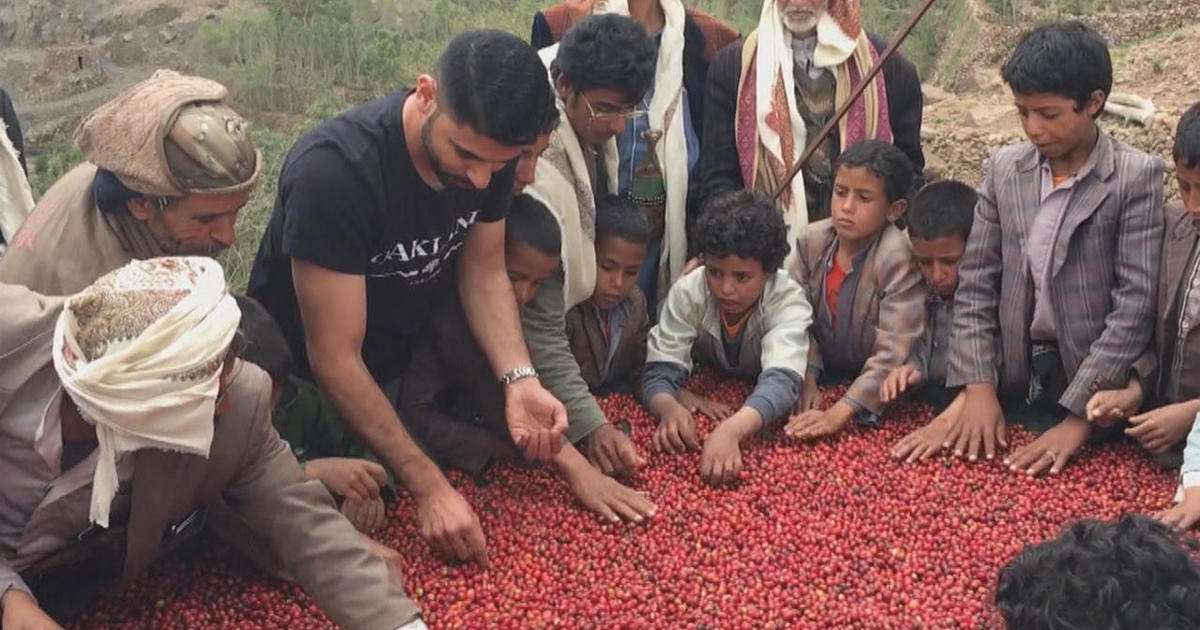
A Yemeni-American, his "change" in coffee began with a single-origin pour-over. From that moment he entered the coffee industry, learning professional coffee knowledge, traveling to every major producing area in Yemen, creating the "Motta Model" suited to Yemen's coffee cultivation and management, and constantly striving for near-perfect flavor standards.
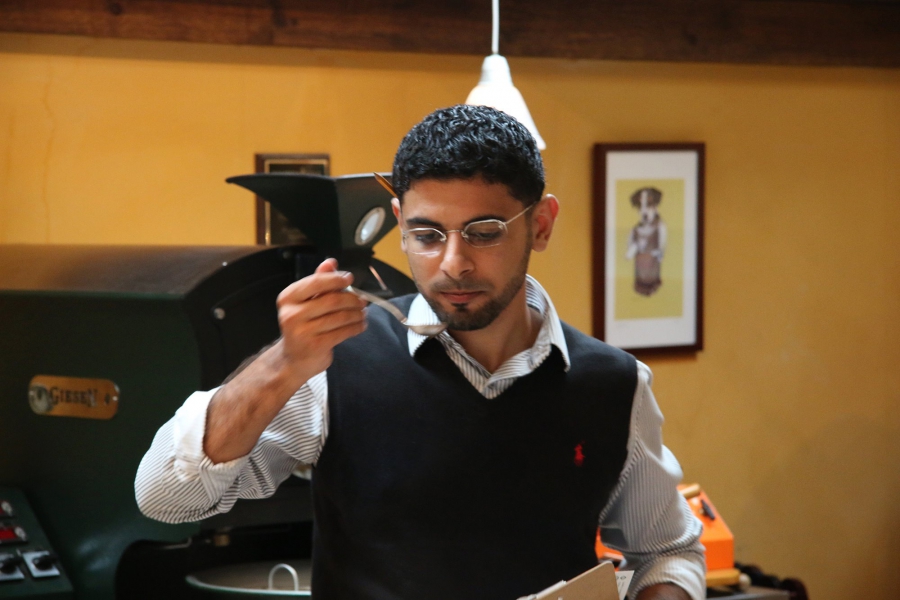
Just when he thought he could finally share this rare flavor with the world, the Yemeni civil war broke out, the entire country was shrouded in the flames of war, and all transportation was blocked. To prevent the flavor from being destroyed, Mokhtar went through twists and turns and finally brought the beans to the United States across the ocean.
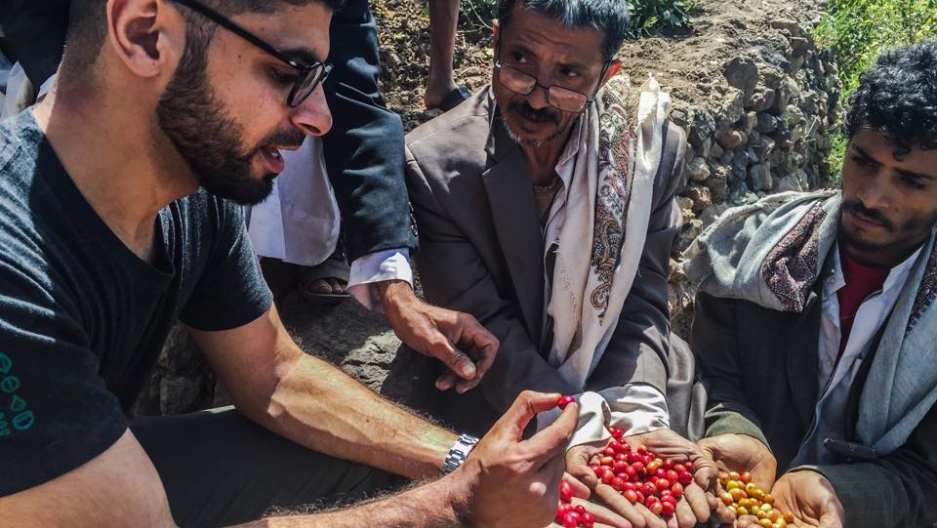
This sudden war and "accident" not only failed to conceal the flavor but also added more legendary color to the beans from Mocha Port, Yemen. And those beans spoke through their flavor, ranking first among the top 30 coffees with 97 points in COFFEE REVIEW's annual ranking.
02 | Processing Method
Ancient Natural Processing
Yemen is a classic of ancient natural processing flavors and the world's only fully natural process coffee-producing country. The traditional method, without a single drop of water, has remained unchanged from the 17th century, when Europeans became fascinated with wild Mocha, until today. This is tied to Yemen's extremely dry climate. Coffee is mainly cultivated in the central highlands with an average annual rainfall of only 400-750mm, far below the optimal 1,500-2,000mm rainfall for Arabica.
Yemen coffee grows on steep terrain with little rainfall, poor soil, and insufficient sunlight. These unique and difficult conditions, unfavorable to coffee growth, have cultivated the irreplaceable Yemen Mocha. The main coffee-producing regions are Sanani, Mattari, and Ismaili.
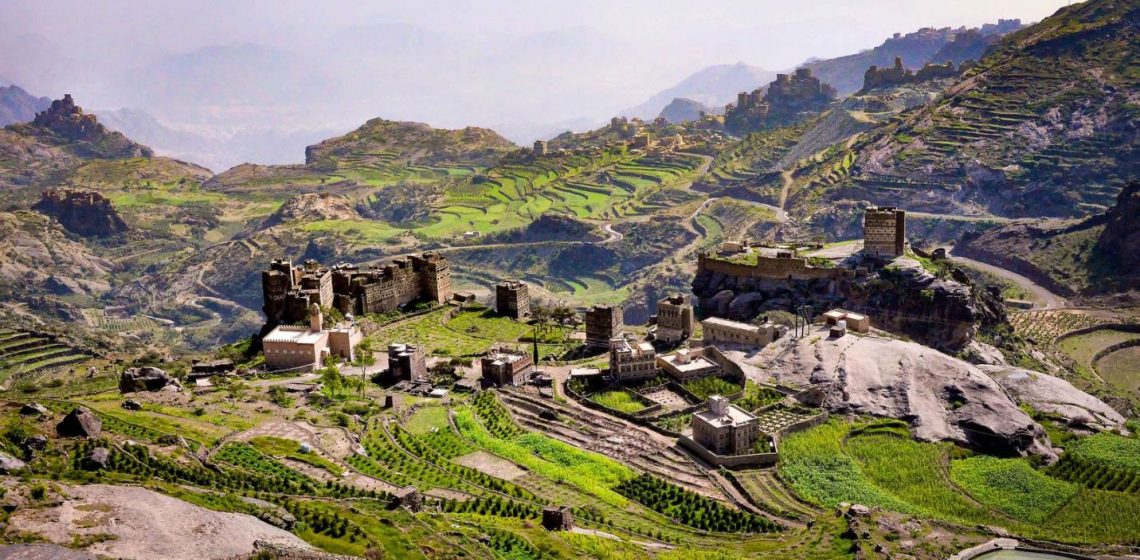
The Mattari region lies in the highlands west of the capital, at altitudes of 1,300-1,900 meters, making it Yemen's highest-altitude producing area, but also its most remote, with inconvenient transportation. Farmers often have to wait some time before they can transport the harvested coffee.
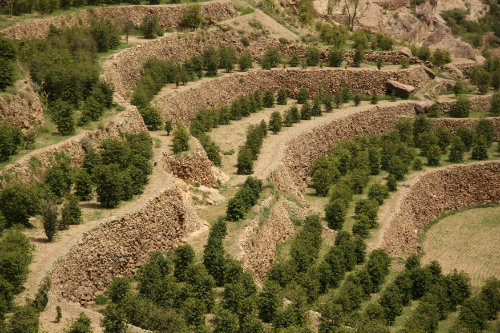
Because of the water-scarce environment, farmers have not yet been able to introduce more advanced washed processing. The wild fragrance surpasses Harar coffee, making Yemen the best choice for experiencing ancient flavors.
The central highlands of Yemen are rolling and rugged. Small farmers mostly use a fragmented planting method, with a few plants on steep slopes and dozens on terraces or cliffs, each with different soil and microclimate, producing different aromatic components.
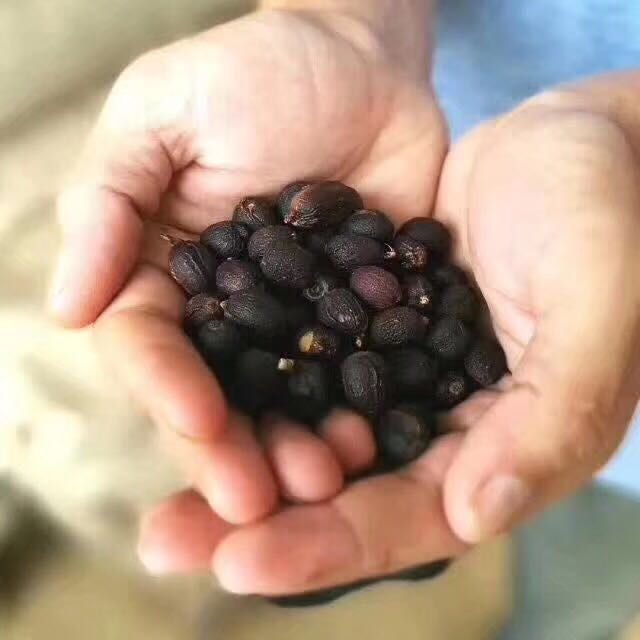
Yemeni farmers' natural processing is rougher than Ethiopia's, spreading the beans directly on rooftops to dry. This differs from the refined natural processing of Yirgacheffe or Sidamo, where red cherries are picked and spread on raised African beds, and it is the main reason for Yemen's particularly heavy wild flavor.
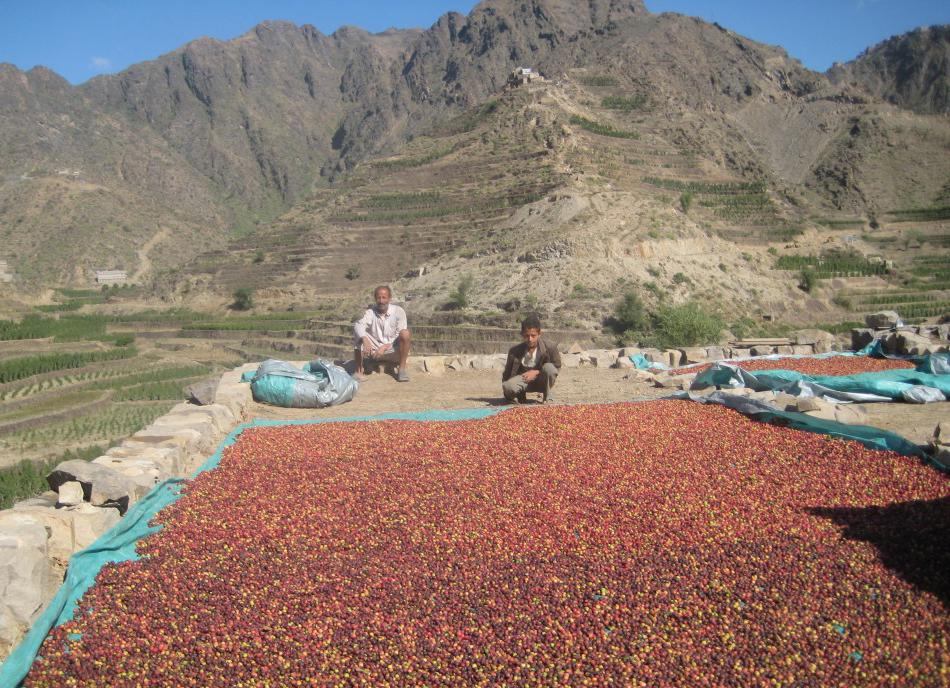
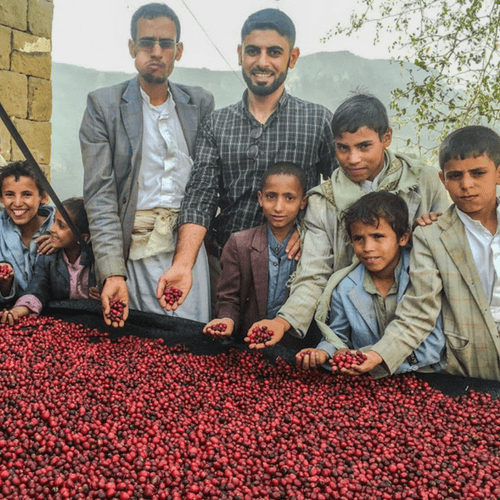
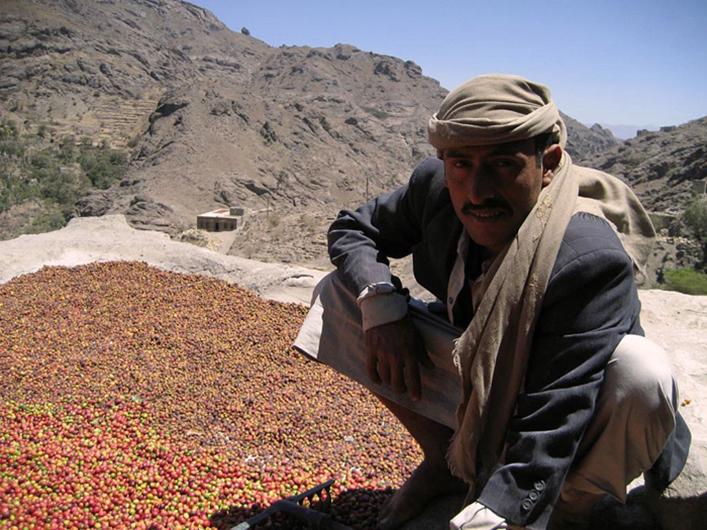
Yemen's natural method involves hand-harvesting fully mature coffee beans and then placing the freshly harvested beans directly in dedicated coffee drying fields or their own compacted earthen courtyards under the sun. During drying, wooden rakes are generally used to turn the beans so each dries evenly. After about twenty days, when drying is complete, the outer pulp and skin are removed to extract the beans. Yemen coffee has rich, complex, wild, and thick flavors, with strong fermentation notes and low acidity. Combined with the uncertain factor often hidden in Yemen coffee (the timing of seasonal rainfall), it's no exaggeration to call it the world's most special coffee.
03 | Green Bean Analysis

Mocha grades include Sanani. Due to Yemen's low annual coffee production, only about 35% are Mocha Sanani and Mocha Mattari, which can be considered the better quality among Yemen coffees.
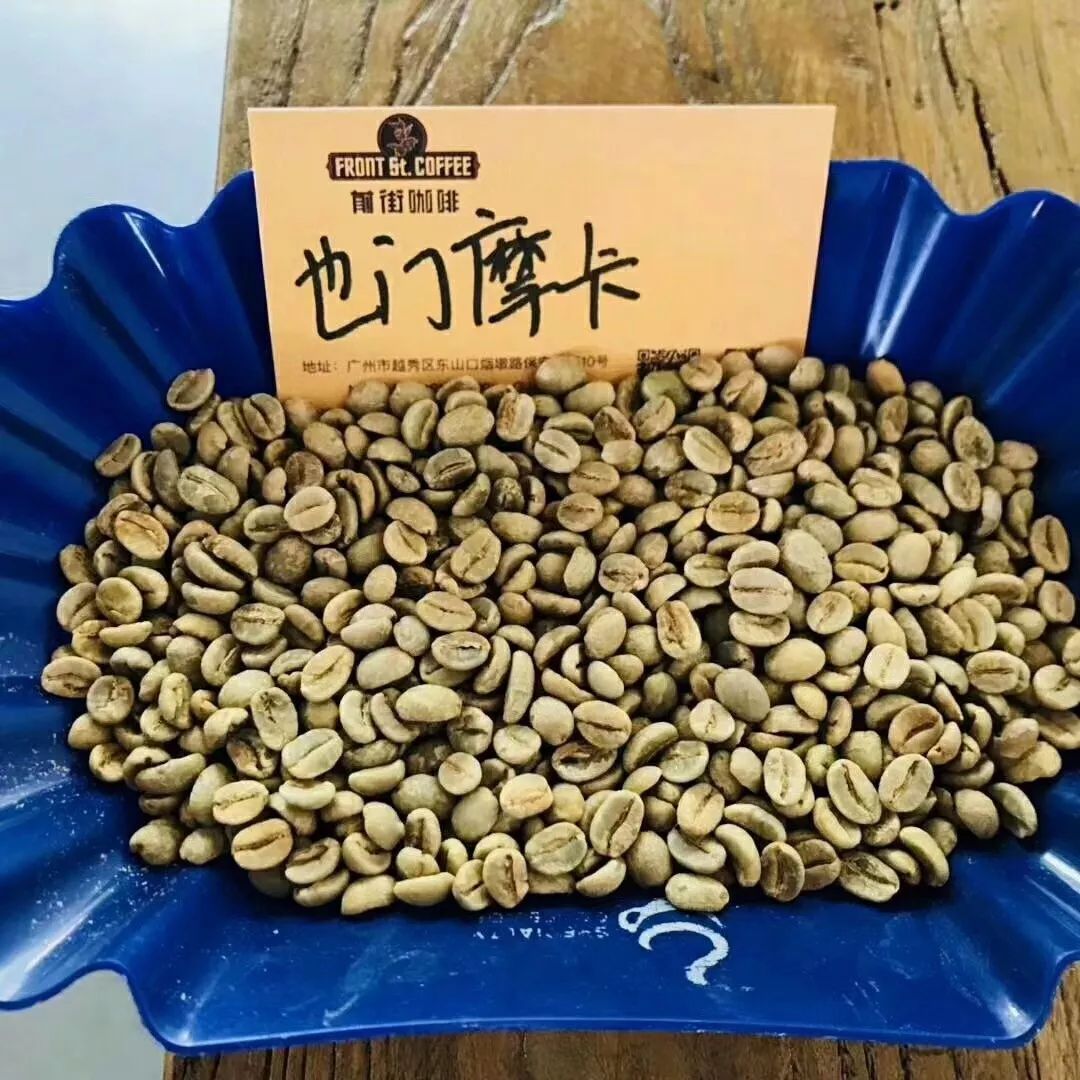
Coffee from the Mattari region has an "unattractive" appearance, with inconsistent sizes and considerable color variation, looking like a mix of small pea-like and hollow defective beans.

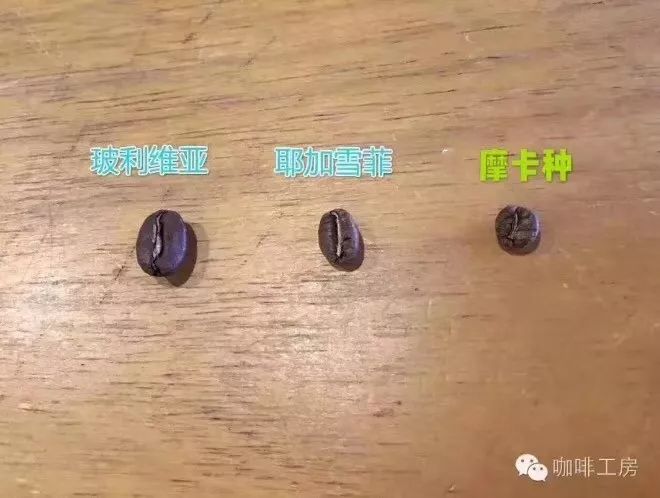
Because the bean shape is very small, it's also called small Mocha. Mocha is a flat bean, not a round bean. The beans are small but fragrant and rich.

04 | Roasting Analysis
Yemen Mocha is a green bean with relatively low moisture content. Considering the inconsistent bean sizes, the drop temperature for low-moisture green beans should not be too high. Preheat for 30 seconds, open the damper to 3, and once the green beans turn light green or white, open the damper to 4, then after first crack open to 5 (maximum).
FrontStreet Coffee suggests keeping detailed records before roasting: bean moisture content, density, origin, processing method, roasting room temperature and humidity, and so on, and planning your roasting curve. Record the relevant chemical and physical changes during roasting, as this helps you better understand the final results and improve the curve.
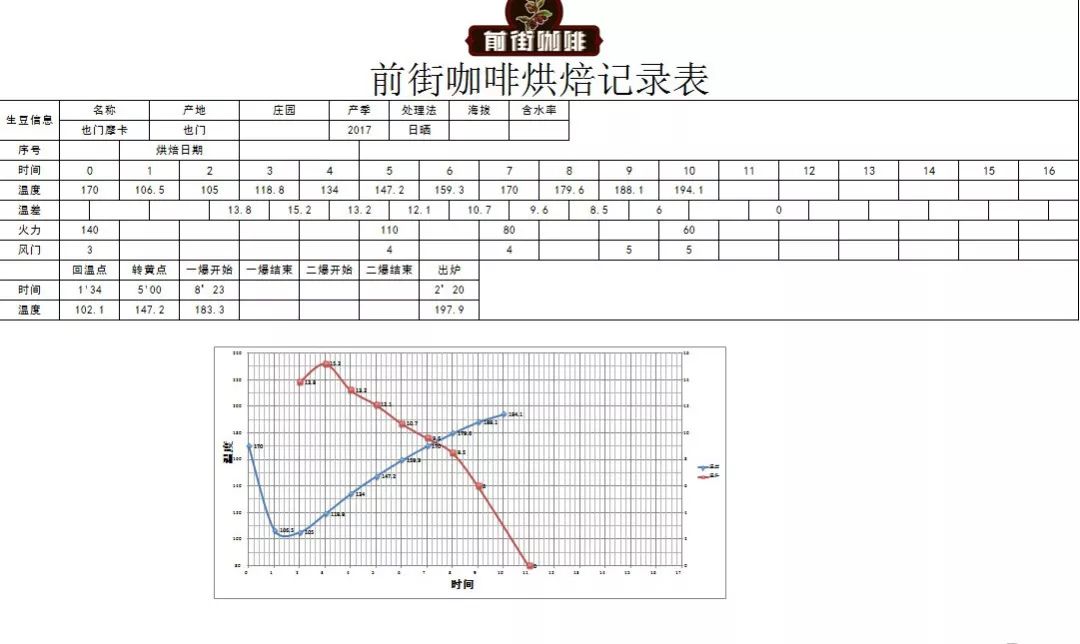
Roaster: Yangjia 800N, 550g green beans loaded
Roasting Curve:
Preheat the drum to 170°C, set the damper to 3. After 1 minute, adjust heat to 140°C, damper unchanged. Roast to 5'00'', temperature 147.2°C, bean surface turns yellow, grassy smell completely disappears, dehydration complete. Adjust heat to 110°C, damper to 4.
At the 8'00'' mark, ugly wrinkles and black spots appear on the bean surface, and the toasted bread aroma clearly turns to coffee aroma, which can be defined as the prelude to first crack. Listen carefully for the sound of first crack. At 8'23'', first crack begins; reduce heat to 60°C, open the damper fully (adjust heat very carefully, not so low that there's no cracking sound). Drop at 197.9°C.
Cupping Report:
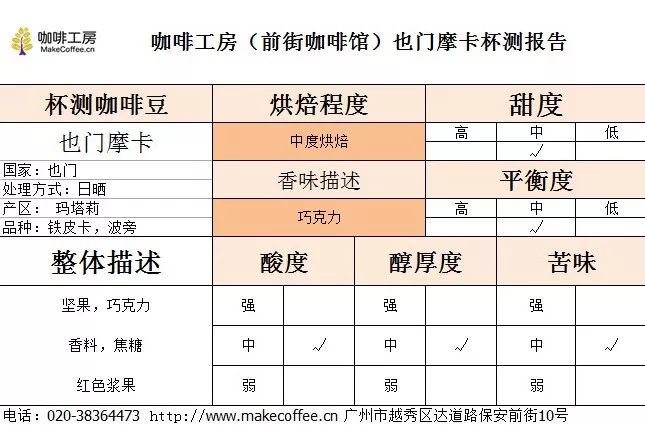
Medium Roast City (Caramel Aroma): The beans carry a peanut aroma before grinding. After grinding, there's a caramel fragrance. During slurping, the layers are complex, with a slight grape acidity appearing at the end of the flavor changes in the mouth. The spicy aftertaste is long, with a sweet, round mouthfeel, holding a Middle Eastern milk tea feeling for quite a while. The cup bottom has malt sweetness. Medium-roasted Yemen Mocha will keep changing, so it's recommended to brew 7-14 days after roasting, when the complex wild fermentation flavors are at their best.
04 | Brewing Analysis
The condition of the coffee bed cannot be ignored in pour-over brewing, and this must be emphasized. The coffee bed plays a subtle role, one of which is to provide resistance, keeping hot water in the filter cup long enough to ensure sufficient flavor components are extracted.
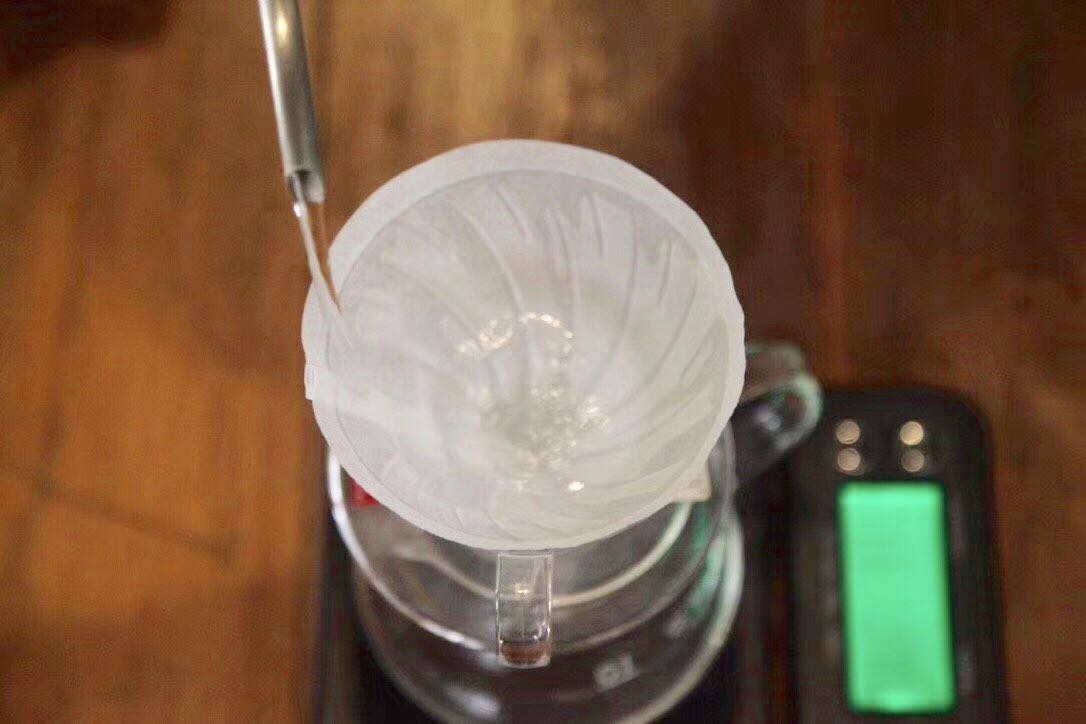
A medium-roast coffee bed must also have certain support strength to perform its "blocking" function. To keep the bed from weakening, you must master water stream intensity, pouring position, and a stable circular pouring technique, forming a complete pouring technique.
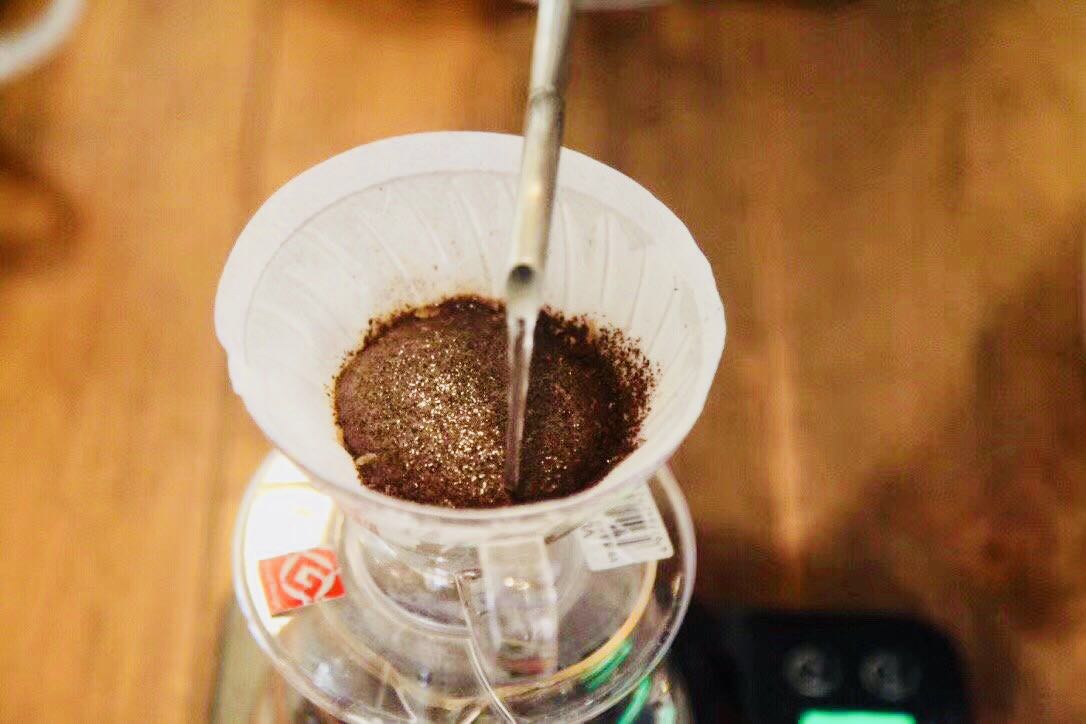
Brewing Parameters:
1. Filter: V60
2. Water temperature: 88°C
3. Grind size: Fuji Royal grind level 4
4. Roast level: Medium roast
5. Bloom time: 25 seconds

Flavor: Balanced, chocolate, persistent caramel sweetness in the aftertaste.
FrontStreet Coffee's Recommended Method: 15g coffee, Fuji Royal "ogigiriba" blade grind level 4, V60 filter cup, 88-89°C water temperature. First pour 30g water for a 25s bloom, then pour to 104g and pause. Wait until the coffee bed water level drops to half before pouring again. Slowly pour until reaching 220g total water, discarding the last 5g. Water-to-coffee ratio 1:15, extraction time around 2:00 (counting from after the bloom pour).


FrontStreet Coffee Recommendation
Yemen Mocha's dense, wild, naturally processed character is hard to find elsewhere, and the closest everyday parallels in FrontStreet Coffee's range come from Ethiopia. The Huakui natural coffee, grown in Hambella in Guji, is dried on raised beds for 21 days with constant turning and hand-sorting for defects, and after a light-medium roast it delivers a light fermented wine aroma, florals, citrus, and mango, with honeyed sweetness, cocoa, a touch of spice, and a full, lasting finish.
If you enjoy dried-fruit notes in the cup, the Hamasho natural from Sidamo is a good match. Drawn mainly from the JARC 74-series disease-resistant varieties, its 74158 beans are small and intensely floral-fruity, with perfume lemon, strawberry, and star fruit aromas on the nose and clear strawberry, star fruit, and green grape sweetness on the palate, followed by a gentle floral lift.
Important Notice :
FrontStreet Coffee is a long-established specialty coffee roaster in Guangzhou China, selling freshly roasted beans from its own farm in Yunnan as well as dozens of carefully selected single-origin beans from around the world for both pour-over and espresso. The products deliver consistently excellent quality and great value, with shipping within 24 hours. Guangzhou's FrontStreet Coffee shop is recommended by many coffee lovers, and the beans are now available online at the Tmall 。
FrontStreet Coffee has moved to a new address:
FrontStreet Coffee Address: 315,Donghua East Road,GuangZhou
Tel:020 38364473
 Scan and follow the En Gafei WeChat official account. Please indicate that the reprint comes from "En Gafei".