How Many Milliliters in an Espresso? What's the Difference Between 1 Shot and Double Shot?
Anyone who regularly drinks espresso-based milk coffee knows that a milk coffee needs espresso concentrate and milk. Lattes, cappuccinos and mochas are all built from different ratios of the two, and some call for one shot while others need two. So how many milliliters are in one shot of espresso, and what separates a double from a single? FrontStreet Coffee answers both questions below.
Difference Between Single and Double Espresso Shots
First, the difference between a single and a double. By Italian tradition, one shot means extracting 1 ounce of espresso from 7-9g of grounds. A double means extracting 2 ounces from 14-18g.
How Many Milliliters in One Shot of Espresso?
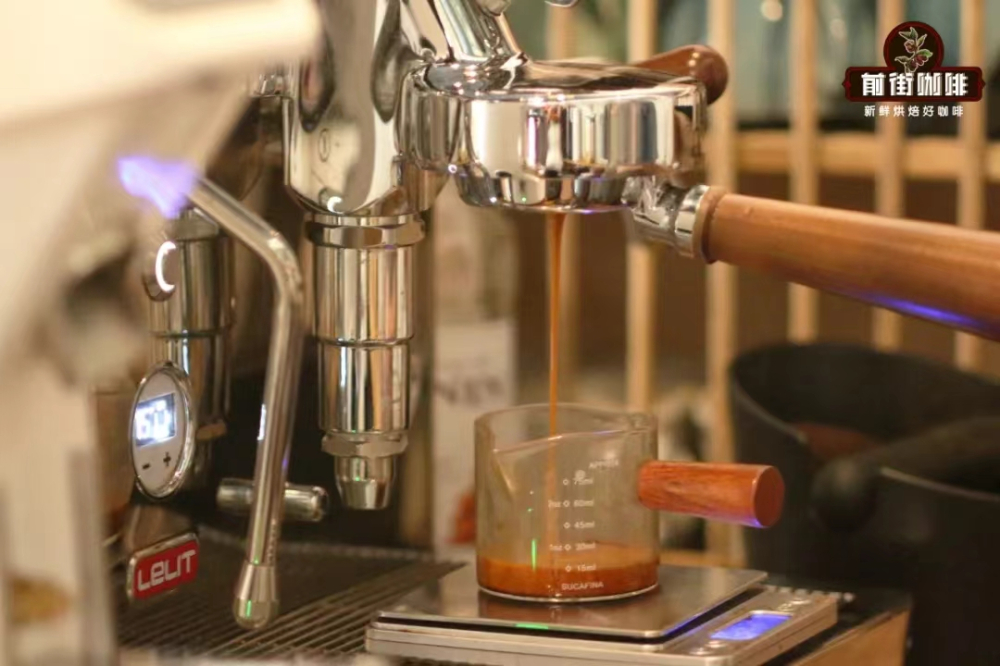
As mentioned, a shot glass is roughly 1 ounce, about 30ml in capacity. So one shot is approximately 30ml of espresso liquid.
Coffee shops today generally use double portafilters as the standard for making drinks, and single portafilters have almost disappeared. At the same time, extraction ratios keep tightening. Where one unit of espresso used to mean 7g of grounds yielding 30ml of liquid, one unit now often means 16g of grounds yielding 32g (about 45ml).

So today a single puck is generally called 1 shot, depending on how much coffee the shop doses. At FrontStreet Coffee, for example, 1 shot (1 espresso shot) is 40g of liquid by weight.
Latte Making Method and Ratios

FrontStreet Coffee uses a Lelit espresso machine with these extraction parameters:
Pressure: 9 bar
Temperature: 94°C
Time: 30 sec
Coffee-to-liquid ratio: 1:2
Coffee amount: 20g
Espresso extraction amount: 40g
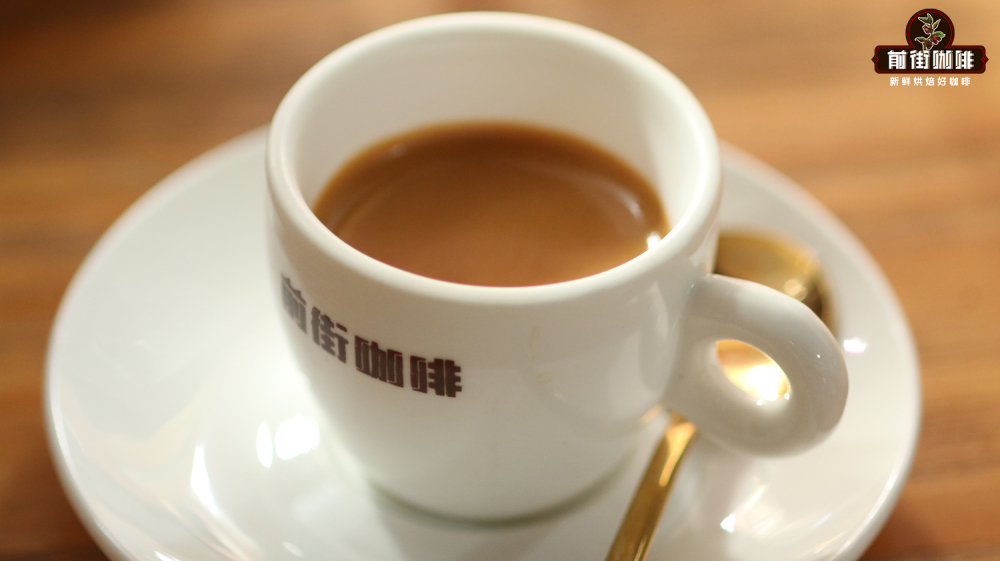
FrontStreet Coffee uses double shots for lattes, with FrontStreet Coffee's Sunflower Warm Sunshine espresso blend. The extracted profile shows distinct fruit acidity, a subtle berry aroma, rich wine and chocolate flavors and a comfortable sweet aftertaste.

Milk: whole fresh milk (FrontStreet Coffee uses Kowloon Dairy fresh milk)
Milk frothing temperature: 50-60°C (too low will not bring out the lactose, too high will damage the milk proteins and leave a grainy texture)
Foam thickness: 1 centimeter (thinner than 1cm gives a flat white, thicker than 1cm gives a cappuccino)
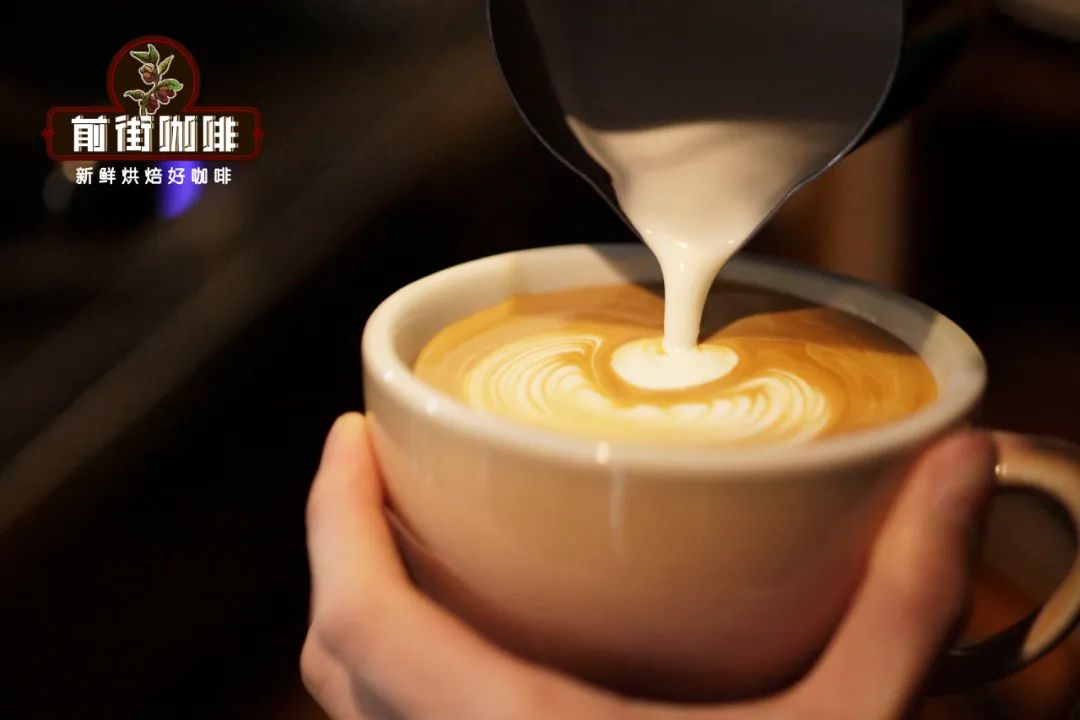
Recommended Hot Latte Ratio
FrontStreet Coffee recommends a coffee-to-milk ratio of 1:6 for lattes — 40ml of espresso to 240ml of hot milk. Stir the milk into the espresso in a circular motion and you have a cup of hot latte. Heated fresh milk releases its lactose sweetness more effectively; mixed evenly with espresso, the whole latte naturally takes on milk's sweetness without overpowering the coffee. If anything, the milk backdrop lifts the espresso's flavors. FrontStreet Coffee's hot latte profile shows a whiskey aroma, with lactose and coffee acidity colliding into a milkshake-like sweetness and a nutty aftertaste like hazelnut.
As the above shows, FrontStreet Coffee needs a double shot (40ml) to make one latte, where a single shot would be 20ml, with a coffee-to-water ratio of about 1:2. This is mainly tied to the characteristics of the espresso machine, since every machine has different parameters.
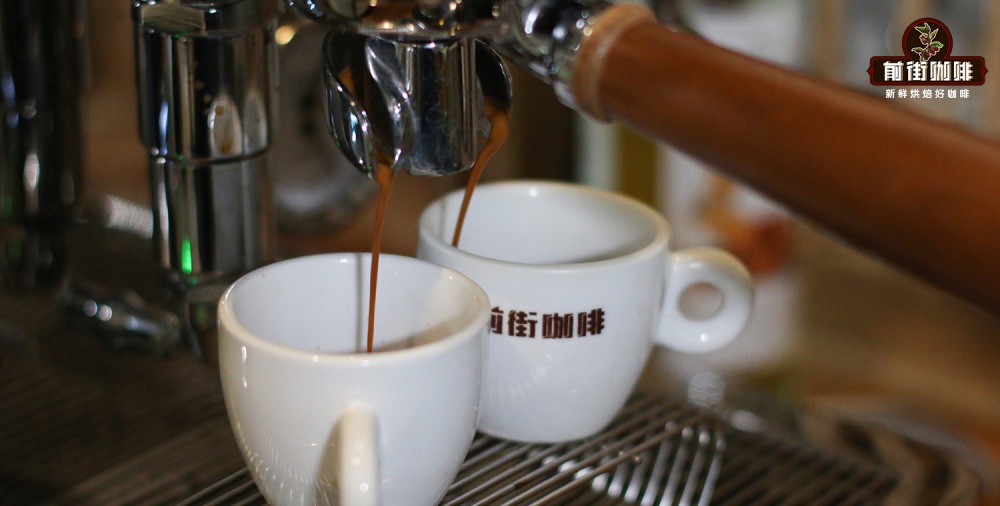
That summarizes FrontStreet Coffee's answer on how many milliliters are in one shot of espresso and how single and double shots differ.
What Coffee Beans Are Used for Espresso?
The beans used in an espresso machine also differ from those used for pour-over. Because an espresso machine amplifies a bean's original flavors, single-origin coffee is not suitable for espresso, or the flavor becomes very hard to guarantee. Espresso blends mix beans from different origins and varieties, usually two or three. The purpose is obvious: to bring different beans' flavors together into a new, more balanced profile that can also serve as the shop's signature.

If one bean is smooth but lacks aroma, for instance, another with rich aroma can be added to make up for it. A second purpose of blending is cost. Traditional espresso blends include Robusta beans, which are mellow and thick; although their cupping scores do not reach single-origin levels, paired with single-origin coffee they give espresso a richer, thicker crema and the viscous, smooth texture that a milk coffee base needs.

This is also why espresso is so loved. Coffee fruit is an agricultural product, so its flavor varies year to year with climate and environment — sweeter this year, less so the next. Blending several beans solves this well, at least ensuring the coffee tastes consistent from year to year.
FrontStreet Coffee Recommendation
Cappuccino is built from just three things: milk, espresso and a firm, thick milk foam. Of the three, the espresso comes first. If you have an espresso machine or a manual press at home, the basics are simple to follow — FrontStreet Coffee extracts its cappuccino espresso with 20g of grounds, a 1:2 coffee-to-liquid ratio and a 30-second extraction, which gives a concentrate that is both strong enough and thoroughly extracted, with good flavor and body. Compared with a flat white or latte, where beautiful latte art is possible, the cappuccino's character lies in its thick, airy foam and its rich, full-bodied coffee, which is why espresso blends suit it best.
For beginners making it at home, FrontStreet Coffee's oil-rich Classic Blend and its value-driven Black Cocoa base blend are the natural picks. If you want to push the cappuccino toward fruit and florals, the FrontStreet Strawberry Candy espresso blend is the first choice, bringing out berry, rose, raisin and fruit-candy aromas. For those who prefer a fresher, less bitter cup, the FrontStreet Grana Geisha SOE — naturally processed and medium-roasted, with berry, orange and persimmon notes — takes on a milk-candy character once paired with milk.
Important Notice :
FrontStreet Coffee is a long-established specialty coffee roaster in Guangzhou China, selling freshly roasted beans from its own farm in Yunnan as well as dozens of carefully selected single-origin beans from around the world for both pour-over and espresso. The products deliver consistently excellent quality and great value, with shipping within 24 hours. Guangzhou's FrontStreet Coffee shop is recommended by many coffee lovers, and the beans are now available online at the Tmall 。
FrontStreet Coffee has moved to a new address:
FrontStreet Coffee Address: 315,Donghua East Road,GuangZhou
Tel:020 38364473
 Scan and follow the En Gafei WeChat official account. Please indicate that the reprint comes from "En Gafei".