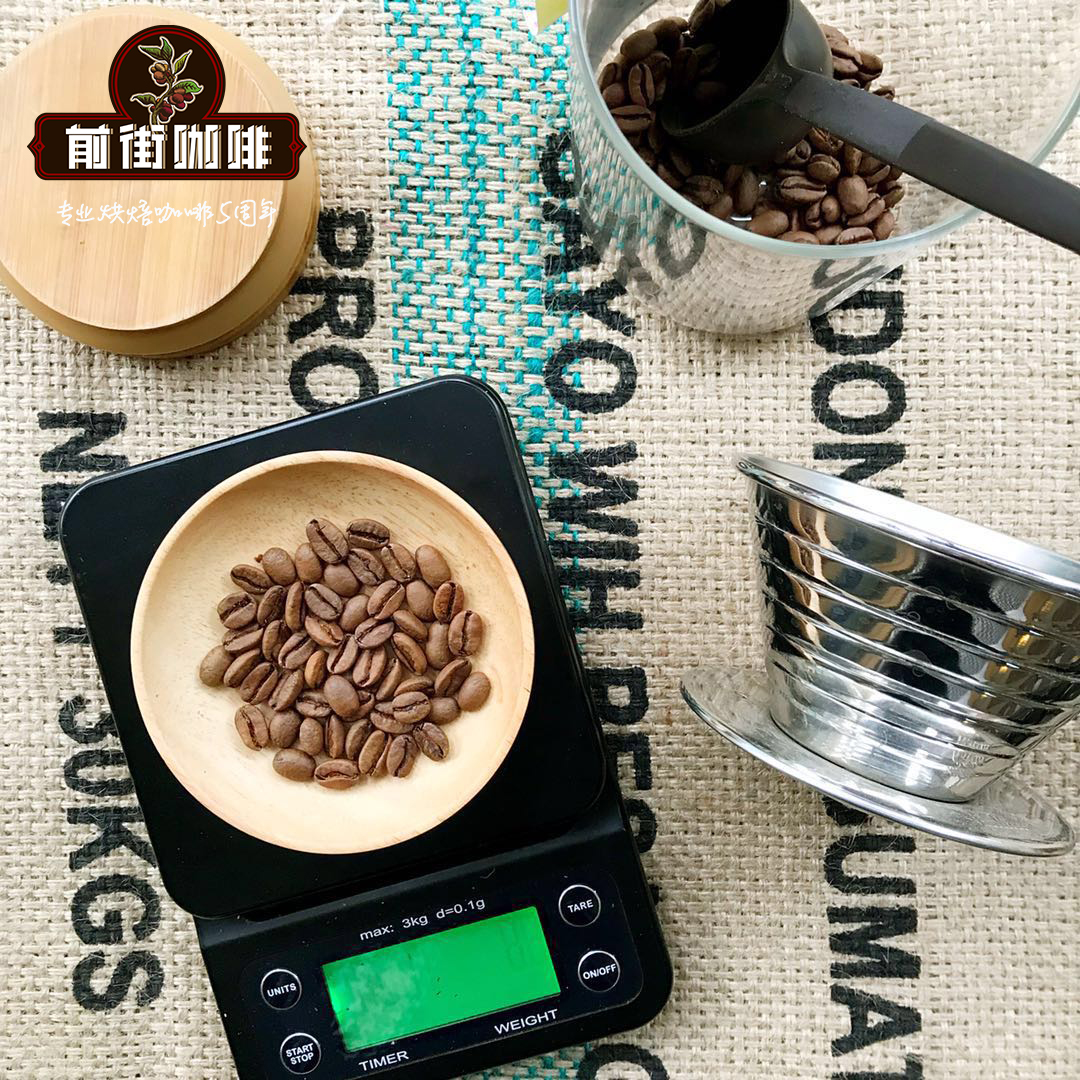
Costa Rica Tarrazu Region - SHB Washed Coffee Beans
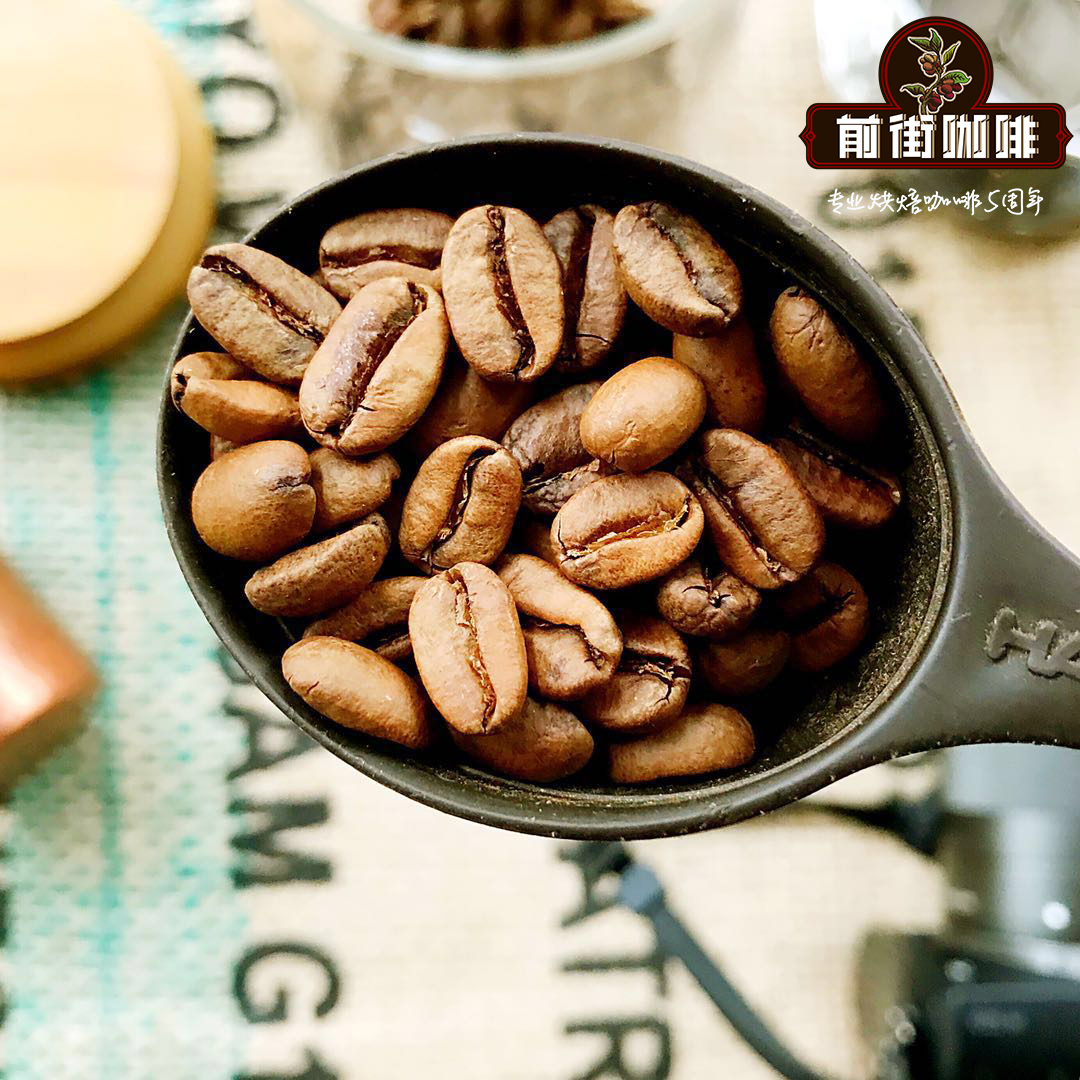
Costa Rica Tarrazu
Washed Process from Costa Rica's Tarrazu Region
01 | Region Introduction
Tarrazu, in Costa Rica, ranks among the world's great coffee-producing regions, known for coffee with light, pure flavors and pleasant aromas. The country's volcanic soil is exceptionally fertile and drains beautifully, and Costa Rica was the first Central American nation to grow coffee and bananas for commercial value — the two remain its principal exports.
Coffee arrived from Cuba in 1729, and the industry that grew from it is today one of the best organized in the world, with yields reaching 1,700 kilograms per hectare. Costa Rica has a population of just 3.5 million yet more than 400 million coffee trees, and coffee accounts for 25% of total export value. The country also hosts the Central American Agricultural Research Institute (IAAC) in Tarrazu, an important international research center.
Costa Rica's premium coffee carries the label "Strictly Hard Bean" (SHB), grown at altitudes above 1,500 meters. Altitude has always been both a challenge and an advantage: the higher the elevation, the better the beans — partly because altitude raises acidity and intensifies flavor, and partly because cooler nights slow tree growth, concentrating flavor in the beans. Those altitude variations also bring abundant rainfall, a further gift to the trees. High-altitude farming does carry extra transport costs that can squeeze profitability, though — and Costa Rica's industry has embraced new technology to stay efficient, including "electric eyes" that sort beans and flag irregular sizes.
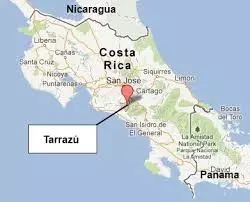
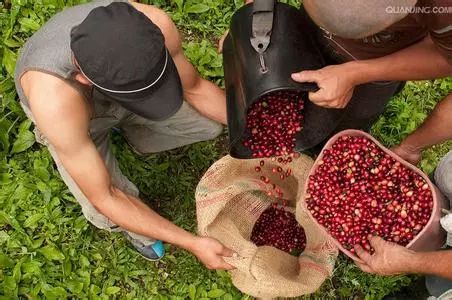
Tarrazu lies south of the capital, San José, and is among the country's most prized growing regions. "La Minita Tarrazu" is a local treasure, limited to roughly 72,600 kilograms a year, grown on the "La Minita" land owned by Britain's McAlpine family for three generations. The land as a whole can produce over 450 tons annually, but La Minita Tarrazu is cultivated without artificial fertilizers or pesticides, and harvesting and selection are done entirely by hand — avoiding the bean damage that air-jet sorting can cause.
Other notable coffees include Juan Vinas (PR), H. Tournon, Windmill (SHB), Monte Bello, and Santa Rosa. Premium coffee generally grows in Heredia and the Central Valley. Another standout is Sarchi coffee — Sarchi is one of the five towns on Costa Rica's "Coffee Route" — grown on the slopes of Poas Volcano, 53 kilometers from San José. The Sarchi company, founded in 1949, holds 30,770 hectares planted with sugarcane and coffee, and the town's famous handicrafts draw tourists from around the world.
02 | Processing Method
03 | Green Bean Analysis
Costa Rica's premium beans are called "Strictly Hard Beans" (SHB), within a classification system as follows:
Strictly Hard Beans (SHB): altitude above 1,200 meters (3,900 feet)
Good Hard Beans (GHB): altitude 1,200-1,000 meters (3,900-3,300 feet)
Medium Hard Beans (MHB): altitude 1,000-500 meters (3,300-1,600 feet)
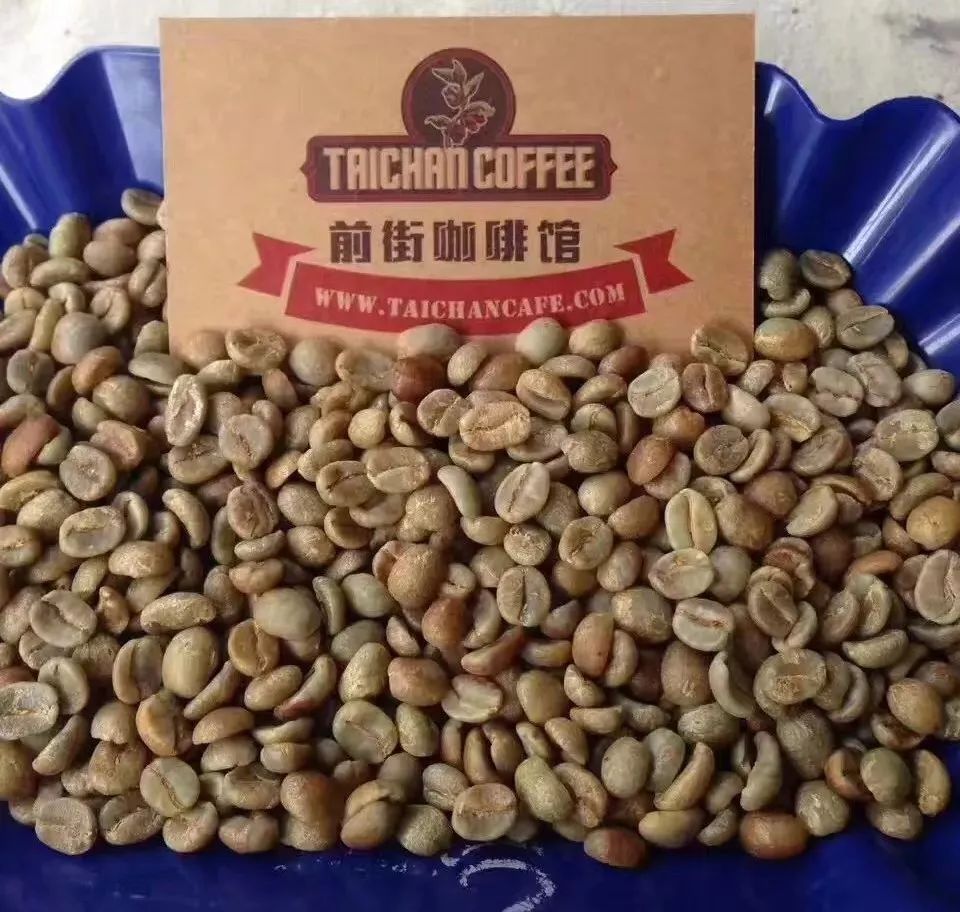
These green beans run relatively small, with defect beans at 2%. A trace of honey residue remains on the surface, and the emerald-green color marks fresh coffee grown slowly at high altitude.
Green Bean Information:
Origin: Costa Rica
Region: Tarrazu
Varieties: Catuai, Caturra
Altitude: 1,500 meters
Grade: SHB
Processing: Washed
04 | Roasting Analysis
Hard bean coffee grows at relatively high altitudes, while lower-grown coffee is typically classed as soft bean. Higher altitudes and lower temperatures slow fruit maturation, building denser, less porous beans. You can even read density in the green bean's center line: the more open the center line, the lower the density; a tightly closed center line signals a dense bean.
FrontStreet Coffee recommends keeping detailed records before roasting — bean moisture, density, origin, processing method, ambient temperature and humidity — and planning your roasting curve in advance. Logging the chemical and physical changes during the roast will deepen your understanding of the final result and sharpen your curve over time.
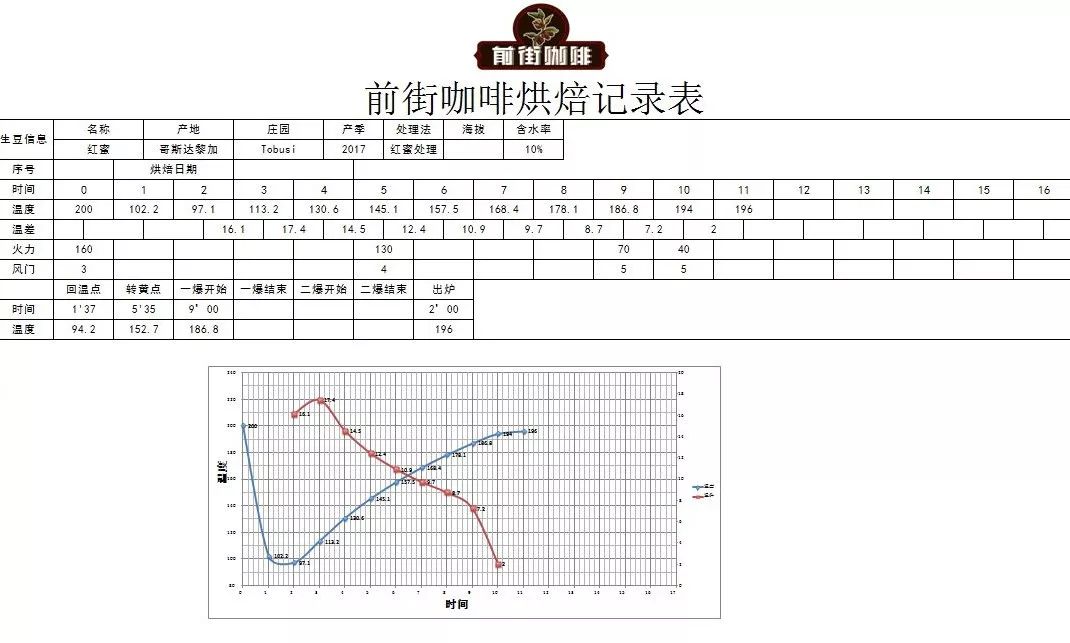
This coffee is Catuai and Caturra, washed processed, high in density, uniform in size, and full-bodied from core to surface. Roasting approach: stretch the total time — back off the heat once dehydration completes, open the damper fully at first crack, and develop for 2 minutes before dropping.
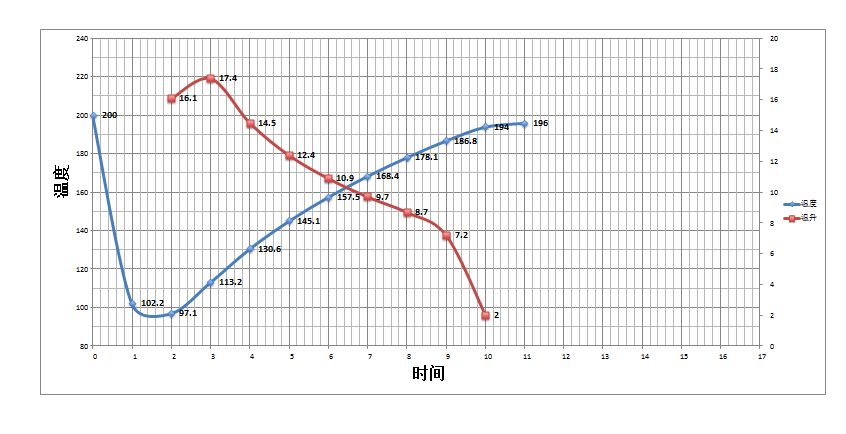
Roasting Profile:
Preheat to 200°C and charge with the damper at 3. After 1 minute, cut heat to 160°C, damper unchanged. At 5'35" the temperature reads 152°C, the bean surface turns yellow, the grassy aroma vanishes completely, and dehydration is done — reduce heat to 130°C and open the damper to 4.
At 8'40", wrinkles and black spots appear on the bean surface and the toasty aroma unmistakably turns to coffee aroma — the prelude to first crack. Listen carefully from here. At 9'00" first crack begins: cut heat to 70°C and open the damper fully (take care not to cut the heat so far that the cracks fall silent), then drop the beans at 196.0°C.
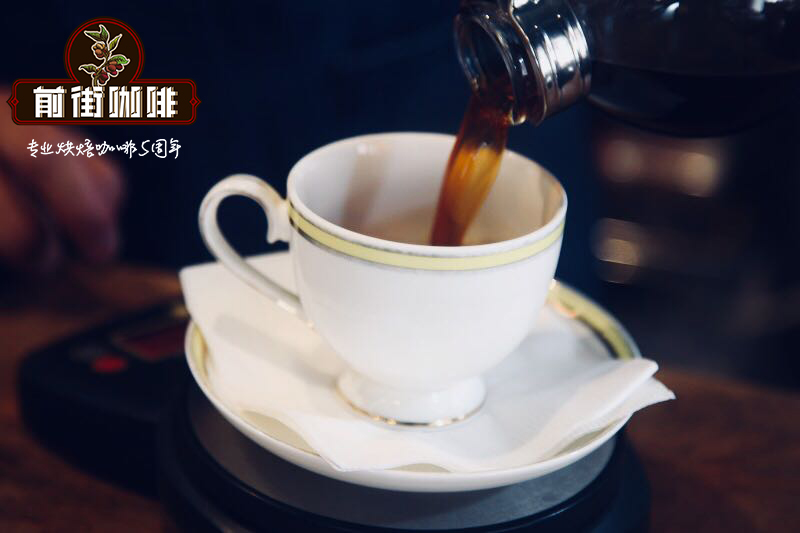
Cupping Report:
Dry Aroma: Floral, creamy, citrus, lemon, sugarcane sweetness
Wet Aroma: Toffee sweetness, white grape, wild berries
Slurping: Plum, sweet orange, peach, grapefruit, juicy texture, natural sweetness, delicate mouthfeel — overall perfectly balanced.
04 | Brewing Analysis
The Popular European and American Stirring Bloom Method
Suitable for light roast coffee beans
The European and American stirring method adds cross-stirring with a stir rod during the bloom. It's a branch of the three-stage pour, developed after 2012 World Brewers Cup champion Matt Perger, and it effectively boosts the release of aromatic compounds, amplifies a coffee's flavor strengths, and adds texture to the mouthfeel without thinning the cup.
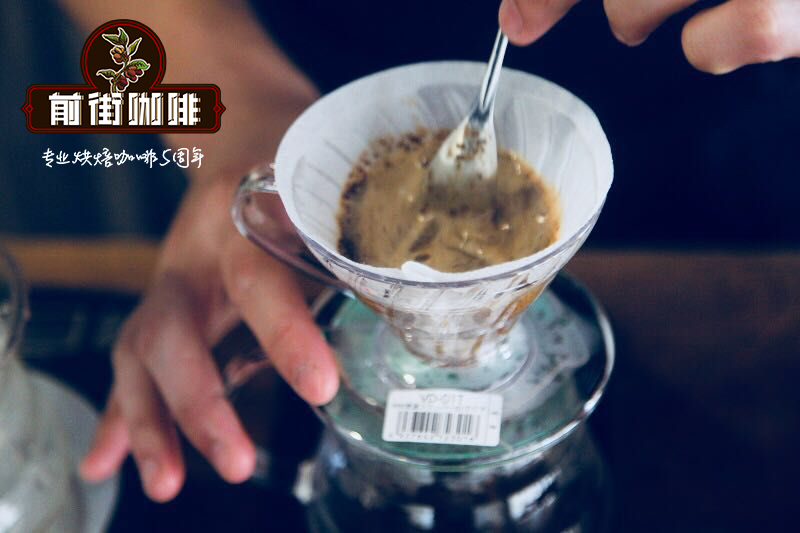
As for brewing methods, pour-over and siphon suit it best.
V60 dripper, 15g coffee, water temperature 90°C, grind size 3.5
Water-to-coffee ratio close to 1:15
27g water for bloom, bloom time 28s
Pouring stages: 27-105-88, total time 1:50 (timing starts from the bloom)
FrontStreet Coffee Recommendation
Tarrazu's SHB washed lot is a textbook demonstration of what washing brings to a high-grown coffee: clarity, brightness, and the bean's own aromatics front and center. The method works by soaking the beans long enough that chemical changes consume much of their simple sugar (fructose and glucose), lowering sweetness while raising organic acids — which is why washed coffee leans bright, clean, and fresh, letting terroir speak without the fruit's editorializing.
FrontStreet's washed lineup shows the same virtues across hemispheres. The Yirgacheffe Konga Cooperative lot — from a village team whose immaculate, traceable lots made their name — shows jasmine florals and luminous citrus acidity at their fullest, unfolding into green tea and honey at a medium-light roast, lovely as pour-over, cold brew, or espresso. Kenya's double-washed "cherry tomato" lot pushes juiciness to the extreme through repeated floating, soaking, and rinsing: cherry tomato, dried plum, snow pear, black plum, and yellow sugar in a sweet-tart, fruit-drenched cup that serious hobbyists can't put down. And Jamaica's Blue Mountain No. 1 tells the method's origin story — an island with short sunshine hours needed washing to strip skin, pulp, and mucilage before drying, cutting drying time and spoilage — and delivers the payoff: lustrous, low-defect beans brewing a perfectly balanced cup of hazelnut, cream, chocolate, and caramel, with no note too loud and none missing.
Important Notice :
FrontStreet Coffee is a long-established specialty coffee roaster in Guangzhou China, selling freshly roasted beans from its own farm in Yunnan as well as dozens of carefully selected single-origin beans from around the world for both pour-over and espresso. The products deliver consistently excellent quality and great value, with shipping within 24 hours. Guangzhou's FrontStreet Coffee shop is recommended by many coffee lovers, and the beans are now available online at the Tmall 。
FrontStreet Coffee has moved to a new address:
FrontStreet Coffee Address: 315,Donghua East Road,GuangZhou
Tel:020 38364473
 Scan and follow the En Gafei WeChat official account. Please indicate that the reprint comes from "En Gafei".