The Difference Between Specialty Coffee and Single Origin Coffee - What Are the Different Brewing Methods?
Single Origin, Specialty, and Blended: What the Labels Actually Mean
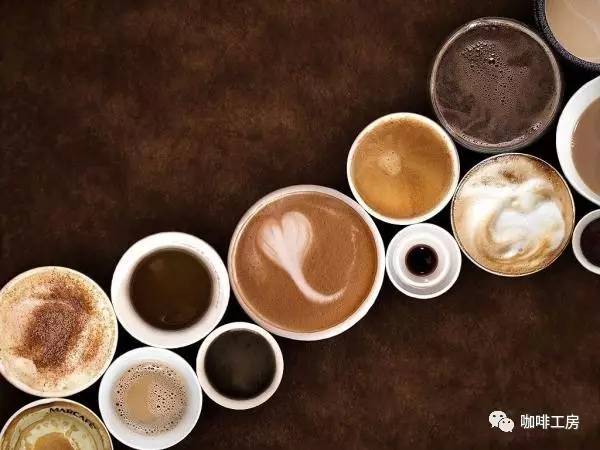
Coffee menus are crowded with terms—single origin, specialty, blended, SOE—and people often use them as though they were interchangeable. They are not. Each one describes something different about where a coffee comes from, how it was processed, or how it is served.
Here is the quickest shortcut: if you see a European place name on the menu—Italy, Vienna, Ireland—it is not single origin coffee. Europe does not grow coffee. Those names describe drink styles, and those drinks belong to the broad family of specialty coffee beverages.
Espresso
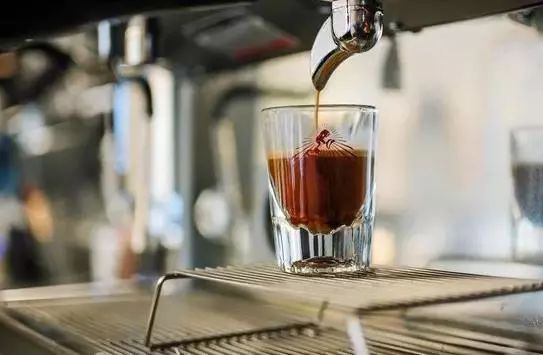
Espresso is the Italian extraction method Americans simply call "espresso." Hot water is driven under high pressure through finely ground coffee in a fast, short extraction, producing a small and intensely flavored shot.
To taste it well, work through the senses in order. First look: study the color of the crema, its uniformity, thickness, and how it spreads. Then smell: caramel, nuts, chocolate. Finally taste: sweetness, acidity, body, and aftertaste, paying particular attention to the bittersweet character that defines a well-pulled shot.
Specialty Coffee
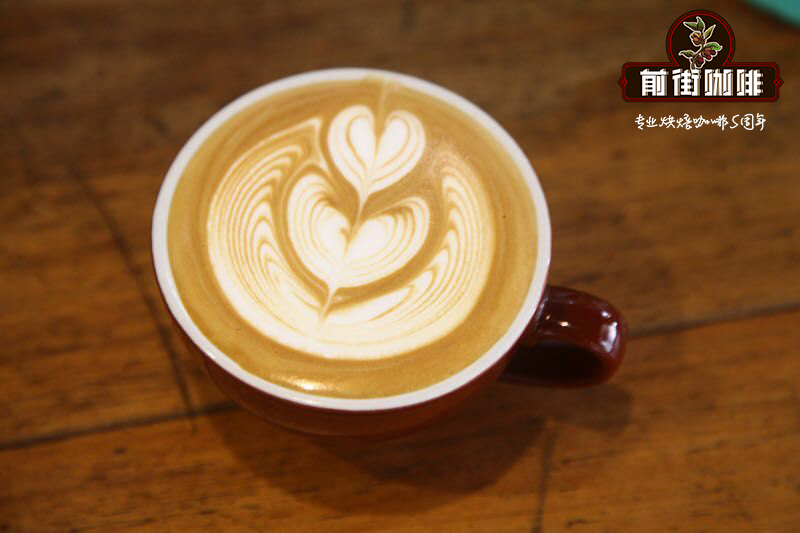
In the drink-menu sense, "specialty coffee" means espresso-based beverages built by adding flavorings in different proportions. These are the drinks we know as cappuccino, latte, mocha, Vienna, Irish coffee, macchiato, and their many relatives, usually mixed with milk or cocoa powder along with cream, chocolate, ice cream, spirits, or fruit juice.
Why Espresso Works So Well as a Base
Espresso has a thicker texture than drip coffee and carries more dissolved solids per unit of volume, which is why it is measured out in "shots." Chemically it is complex and unstable, with many compounds that shift through oxidation or as the temperature falls.
A properly extracted espresso has one signature: crema, the reddish-brown foam floating on the surface. It is made up of vegetable oils, proteins, and sugars, and it behaves as both an emulsion and a foam colloid. That structure is exactly why it blends so readily with the milk and other ingredients used in specialty coffee drinks.
Latte
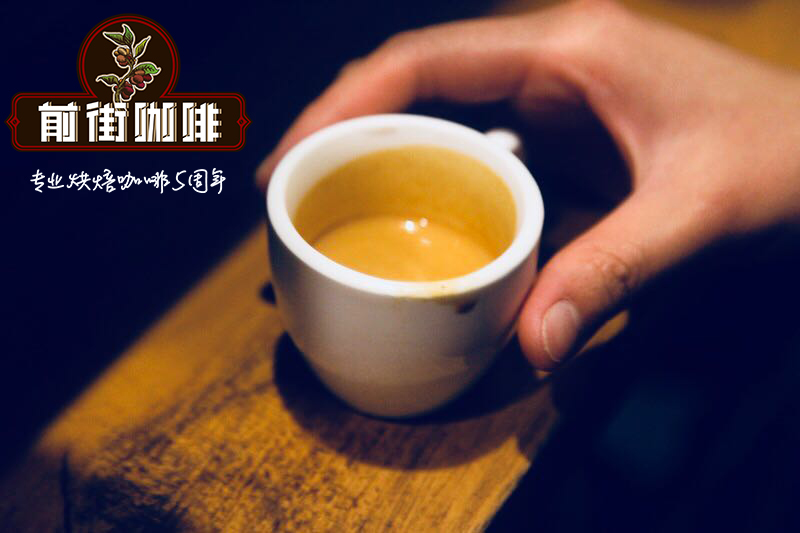
In Italian, "latte" simply means milk, so ordering a latte in Italy gets you a glass of milk rather than coffee. Some cafés also sell flavored lattes such as matcha latte or purple sweet potato latte—remember that these contain no coffee at all.
Espresso Con Panna
"Con" means "with" in Italian and "panna" means fresh cream, so con panna is espresso topped with fresh cream. It is a good choice for anyone who loves cream but still wants the full force of the coffee.
Espresso Macchiato
"Macchiato" means "marked" or "stained" in Italian. The drink is made by adding two large spoonfuls of milk foam to a shot of espresso; the dense, fine foam sits against the coffee, delivering strong coffee and rich foam in the same sip. Because that combination is intense for many palates, Starbucks adjusted the formula—raising the coffee from the older 30ml to over 100ml and adding caramel—to create the Caramel Macchiato, a "sweet mark."
Affogato
"Affogato" means "drowned" in Italian. Espresso is poured over scoops of ice cream, drowning them. It looks striking in the glass and makes a popular summer coffee dessert.
Café au Lait
Café au lait is the French style, and the phrase describes coffee with plenty of milk added. What sets it apart from an Italian latte is that the milk and the espresso are poured into the cup together, ideally into a round bowl of 300ml or larger. Coffee and milk meet immediately, which is part of its easygoing character. In France this milky coffee is a breakfast staple, at its best alongside a croissant.
Flat White
Whether Australia or New Zealand invented the flat white is still debated. Compared with a standard latte, the layer of milk foam is thinner and the foam itself is finer and silkier, so the coffee flavor comes through more strongly.
Flat White, Latte, and Cappuccino Compared
Deaton Pigot, chief barista at Australia's Toby's Estate café, once described the flat white as a "wet cappuccino," while The New York Times called it a "small latte." Levi Hamilton, a barista at Workshop Espresso, considers both descriptions wrong. "The real difference is the foam on top," he says. "Cappuccino translates as 'foam hat,' so it carries very thick milk foam. A flat white has only a very thin layer on top, which makes it more palatable and flat." Wikipedia treats it as a form of latte art—similar to, but distinct from, cappuccino and latte.
By the numbers: a cappuccino (180ml cup) and a latte (200ml cup) both start from a single shot of espresso. A flat white (200ml cup) is built on a double shot, and some shops pull a longer double ristretto instead (ristretto is a 1:1 espresso).
Piccolo Latte
A piccolo uses roughly 20ml of espresso in a cup of about 100ml. A flat white extracts about 30ml of espresso into a cup of about 175ml. A latte extracts 30ml of espresso into a cup of about 225ml, and generally no larger.
Vienna Coffee (Einspanner)
Vienna coffee differs from con panna in that it contains more liquid: hot water and a small amount of sugar are added to the espresso. In China it is sold simply as "Vienna coffee," but walk into a café in Vienna and you will not find that name on the menu. The closest equivalent is "Fiaker coffee," which carries a story about carriage drivers; "Einspanner" means "single-horse carriage" in German.
Americano
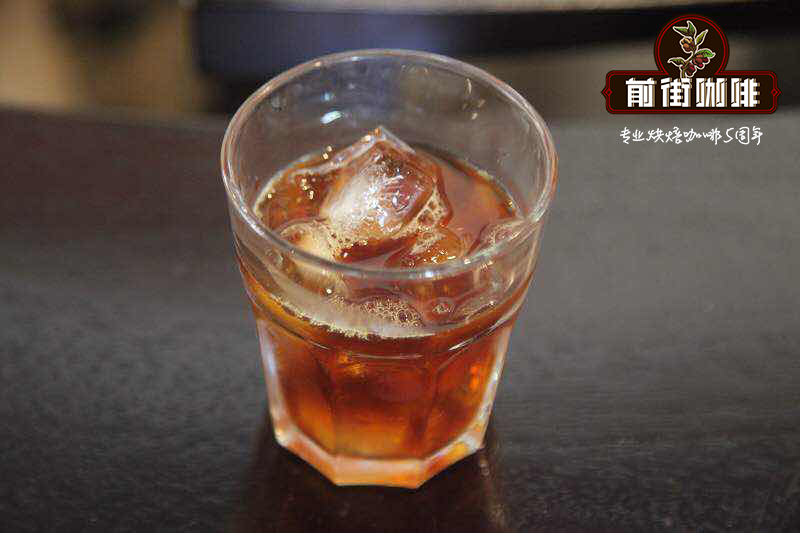
Espresso plus plenty of hot water makes a hot Americano; espresso plus plenty of ice makes an iced Americano.
Irish Coffee
Add whiskey to coffee and top it with cream. Irish coffee is coffee with alcohol, made by mixing hot coffee, Irish whiskey, cream, and sugar. It is traditionally served in a heat-resistant glass shaped like a wine glass or beer mug. The drink comes with a story of its own, said to have been inspired by a bartender who fell in love with a flight attendant.
Vietnamese Coffee
Coffee grounds go into a small metal filter, boiling water is poured over them, and the coffee drips slowly into the cup. Once the dripping finishes, sugar or condensed milk can be added to taste and stirred in. Vietnam drinks it two ways: hot in winter, with the cup set in a bowl of hot water to keep it warm, and iced in summer, served over ice cubes after brewing.
Turkish Coffee
Turkish coffee is the ancestor of European coffee. In the past, being served a cup was considered a great honor. Turks do not filter out the grounds and add neither milk nor creamer, though they do add sugar during brewing. The leftover grounds, incidentally, have long been used for fortune-telling.
Yuanyang
Half coffee and half milk tea—a Hong Kong original.
The Five Most Common Types of Coffee Explained
Single Origin Coffee
"Single origin coffee" generally means coffee beans of a single style from one country or region—coffee's equivalent of a solo performance. Because every country and every region has its own climate, soil, and natural environment, the beans grown there develop their own distinct character.
Tasting a single origin coffee lets you understand the flavor of one specific place. In the FrontStreet Coffee range, for example, the series might include Colombia Medellin, Ethiopia Yirgacheffe, Costa Rica, and Brazil—each a pure coffee made from beans of a single origin. Single origin servings usually run about 120ml–250ml and are served with a packet of sugar and a creamer ball or a small cup of whole milk.
It is worth noting again that a European country name on a menu—Italy, Vienna, Ireland—does not signal single origin coffee, because Europe does not produce coffee. Those drinks belong to the specialty coffee category.
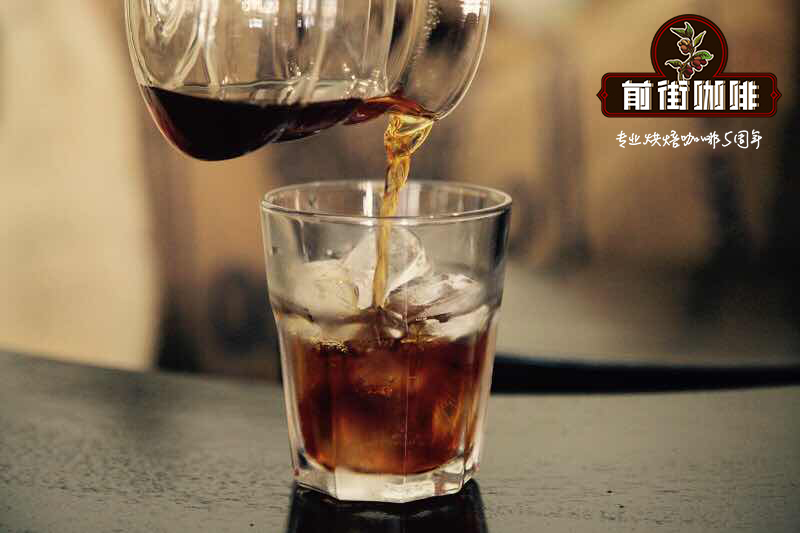
SOE — Single Origin Espresso
Kenya AA and Colombia Nariño are familiar examples. Pulling espresso from a single-origin bean—itself often a specialty-grade coffee—is what the industry calls "SOE."
Blended Coffee
Blended coffee is made by combining several single origin coffees according to their individual strengths, aiming for a balanced result. Mandheling blends, Blue Mountain blends, and Diamond blends are common examples. Blending is indispensable: nearly all specialty coffee drinks are built on blends, and the long-established European coffee houses are, in effect, selling their blending formulas.
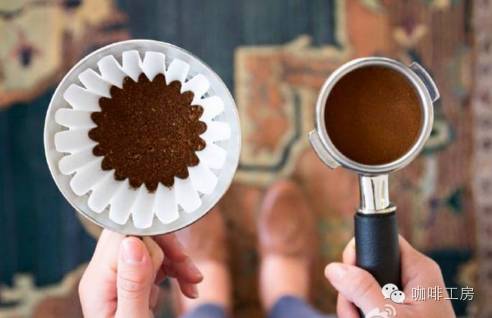
The Most Complete Practical Guide to Coffee Varieties and Their Character
Single origin, blend, or SOE—once you know what each term promises, you can choose the cup that matches the moment.
FrontStreet Coffee Recommendation
If you want to taste the single origin side of this menu for yourself, the Hario V60 is the dripper most people start with, and it is also the one FrontStreet Coffee reaches for most often. Hario has been making heat-resistant glassware in Tokyo since 1921, redesigned the V60's original form in 2004, and brought it to market a year later. Its signature 60-degree cone and single large hole force the water toward the center before it drips through, widening the contact between water and grounds. Because flow is largely controlled by the brewer's pour, the V60 rewards a steady hand—and it is exactly this fast, even extraction that lets delicate floral and fruit notes come through, which is what makes it such a natural match for the light-roasted single origins in FrontStreet Coffee's lineup.
Among those single origins, a few are especially forgiving for newcomers. FrontStreet Coffee's Ethiopian Yirgacheffe Gudingding brings the classic washed Yirgacheffe profile—white jasmine, bright citrus and lemon acidity, and a green-tea finish—with an easygoing balance that makes it a common first stop in specialty coffee. FrontStreet Coffee's Ethiopia Huakui pushes toward tropical fruit, with strawberry, passion fruit, and jackfruit aromas, low bitterness, and a juicy, smooth body. For something more refined, FrontStreet Coffee's Panama Emerald Estate Red Label Geisha layers jasmine with citrus, bergamot, and black tea in a clean, transparent cup. Kenyan tomato-like brightness, the deep, low-acid PWN Golden Mandheling, the balanced Brazil Queen Estate, Jamaica Blue Mountain No. 1, the 2013 sun-dried Yunnan Typica, and the Papua New Guinea Bird of Paradise round out a range broad enough to follow whatever flavor you are chasing.
Whichever bean you choose, brew it with a light hand: keep the grind medium-fine, close to fine sugar, and pour slowly and evenly rather than in a rush. The V60's fast flow means a coarse grind simply drains away, while too fine a grind will stall the bed, so the V60 rewards patience and lets a well-chosen single origin speak for itself.
Important Notice :
FrontStreet Coffee is a long-established specialty coffee roaster in Guangzhou China, selling freshly roasted beans from its own farm in Yunnan as well as dozens of carefully selected single-origin beans from around the world for both pour-over and espresso. The products deliver consistently excellent quality and great value, with shipping within 24 hours. Guangzhou's FrontStreet Coffee shop is recommended by many coffee lovers, and the beans are now available online at the Tmall 。
FrontStreet Coffee has moved to a new address:
FrontStreet Coffee Address: 315,Donghua East Road,GuangZhou
Tel:020 38364473
 Scan and follow the En Gafei WeChat official account. Please indicate that the reprint comes from "En Gafei".