Recommended Espresso Coffee Beans - Espresso Extraction Brew Ratio Standards and Flavor Description
Understanding SOE: Single Origin Espresso
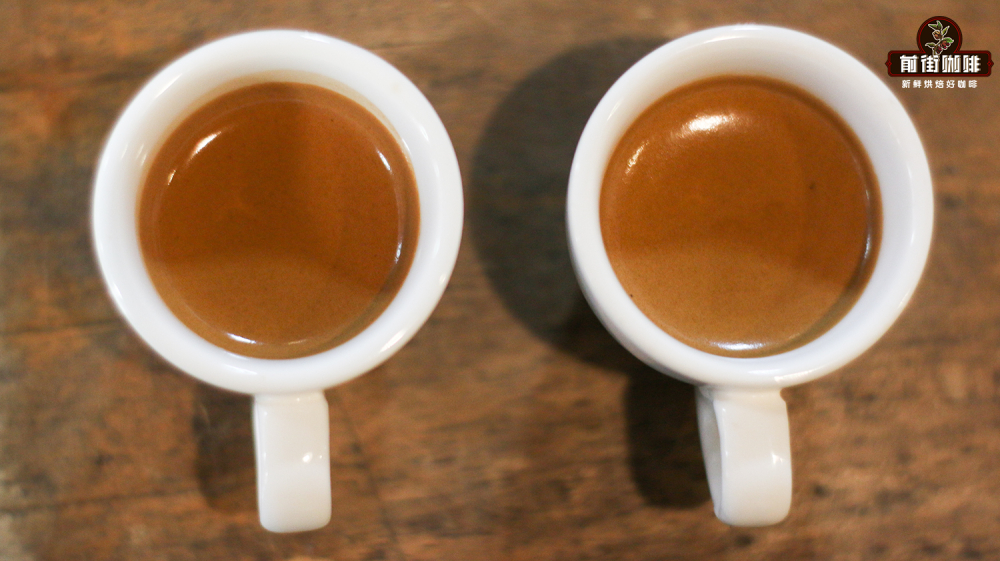
As overall coffee quality has climbed, more and more cafes now pull their shots from single-origin beans rather than blends. The goal is to showcase what one specific region tastes like—something a traditional espresso blend rarely does. But not every single-origin bean is cut out for espresso. In this article, FrontStreet Coffee takes a close look at SOE and how to choose beans that actually work as one.
SOE stands for Single Origin Espresso, and it's worth being clear that "single origin" doesn't automatically mean "specialty quality." What it does mean is that if you pick a bean with easily recognizable flavors, the espresso will taste distinctly and unmistakably of that coffee.

FrontStreet Coffee's Yirgacheffe, for instance, brings citrus notes, while its Kenyan beans lean toward berries. Under the 9 bars of pressure inside an espresso machine, those flavors get amplified—punched up far more than they would be in a pour-over.
SOE beans are typically roasted lighter than traditional espresso blends, precisely because the point is to preserve origin character. The flip side is that light roasts are harder to extract: less solubility, less developed sweetness.
That means the extraction parameters have to be adjusted to raise the extraction rate—longer shot times, a finer grind, and often a larger dose.
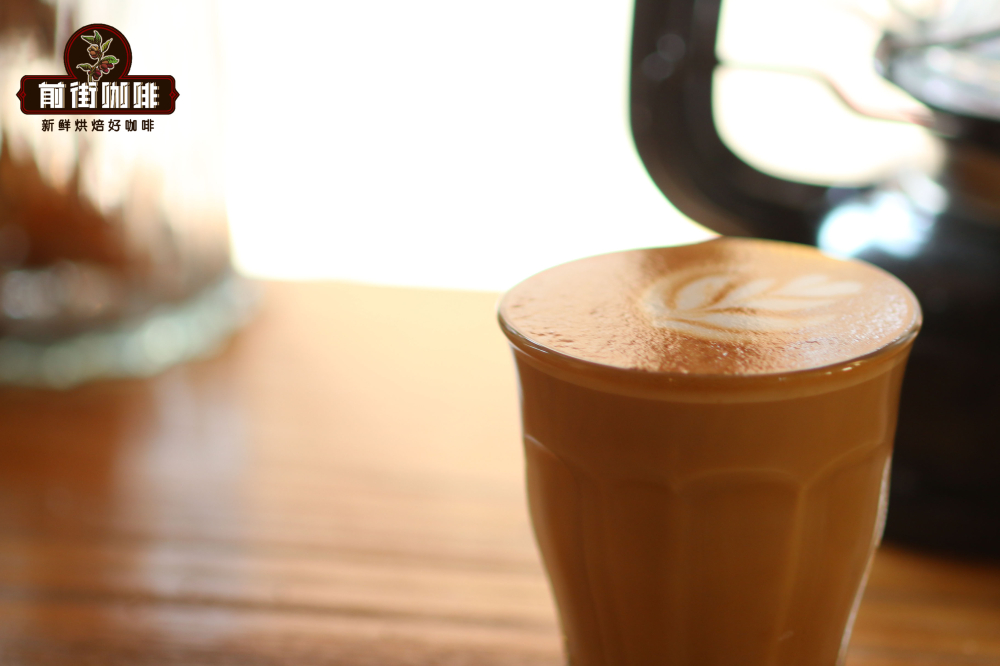
Milk drinks and americanos built on an SOE base also need rebalancing. Since the coffee's flavor is the whole point, use less milk or water than you would with a standard blend, or the delicate character gets diluted into nothing.
Finally, bean selection for SOE is unforgiving. Because nothing is hidden behind a blend, every flaw gets magnified right along with the flavors—roast level, particle size distribution, freshness, everything shows. If the beans aren't excellent, the SOE simply won't taste good, and can even be outright unpleasant. This demand for precision at every step is one reason SOE drinks usually cost more than a regular espresso.

FrontStreet Coffee's espresso blend exists to maximize richness and balance, but blending isn't mandatory—it's a choice. The SOE approach trades that safety net for origin clarity, with flaws amplified as the price. Roasting is another difference: SOE needs its own roast profile, not the filter-roast profile. When FrontStreet Coffee once pulled espresso from its pour-over-roasted Yirgacheffe, the acidity came out so searing it was nearly undrinkable. That bean's fruit-forward acidity, a virtue in a V60, multiplied several times over under espresso's high pressure and temperature, turning a strength into a defect—the opposite of what good coffee service should do. So when FrontStreet Coffee selects single-origin beans for espresso, it uses a dedicated espresso roast profile.
That said, some beans are genuinely versatile and adapt to almost any brew method. FrontStreet Coffee has picked out a few worth trying.
FrontStreet Coffee Yirgacheffe Natural Red Cherry

Region: Ethiopia, Yirgacheffe
Estate: Ardentan Estate
Altitude: 1700-2200m
Variety: Local Heirloom
Processing: Natural Process
This coffee comes out of the Red Cherry Project, a program started by a Dutch green coffee company to reward farmers and raise green bean quality. Farmers were encouraged to deliver higher-grade lots, with fully ripe red cherries as the quality benchmark. The refined natural processing keeps defect rates down while boosting sweetness and aromatics.

FrontStreet Coffee's roasters finish this bean at a light-to-medium roast, keeping the explosive fruit character typical of their Yirgacheffe while adding sweetness, body, and a rounded mouthfeel. Pulled as espresso, you get citrus and stone fruit notes, a balanced sweet-tart profile, and low bitterness. Compared with a darker espresso blend the body is a bit lighter, but the flavor clarity is on another level.

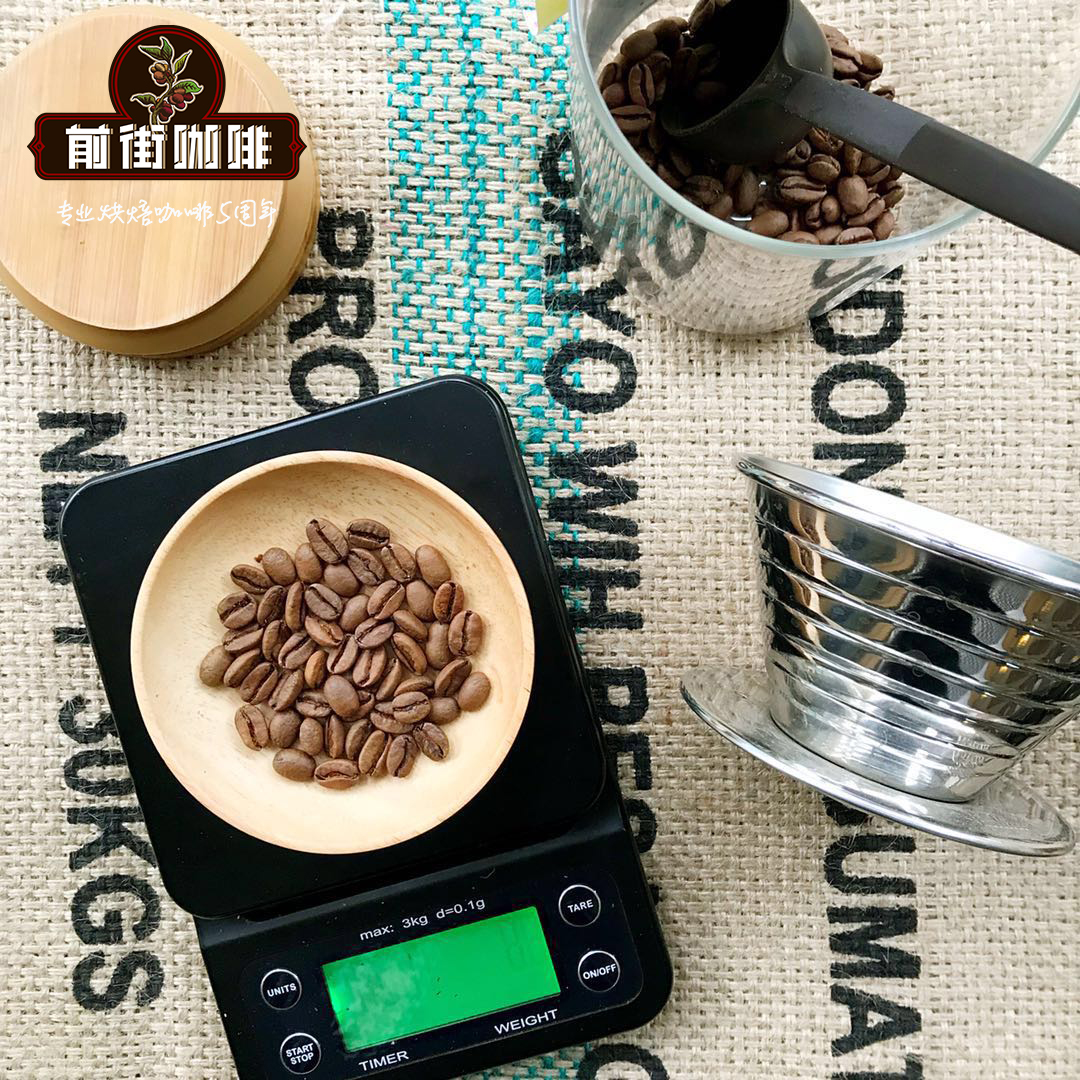
Extraction Notes: Since the roast is lighter than a traditional espresso, grind finer and keep the shot short—around 22 seconds—to avoid the sharp, sour edge of under-extraction. On a Fiorenzato 900N grinder, for example, set two clicks finer than a normal espresso grind. Dose 20 grams in, extract 40 grams out in 22 seconds.
FrontStreet Coffee Brazil Queen Estate
Region: Brazil, Mogiana
Estate: Queen Estate
Altitude: 1400-1950m
Variety: Yellow Bourbon
Processing: Natural
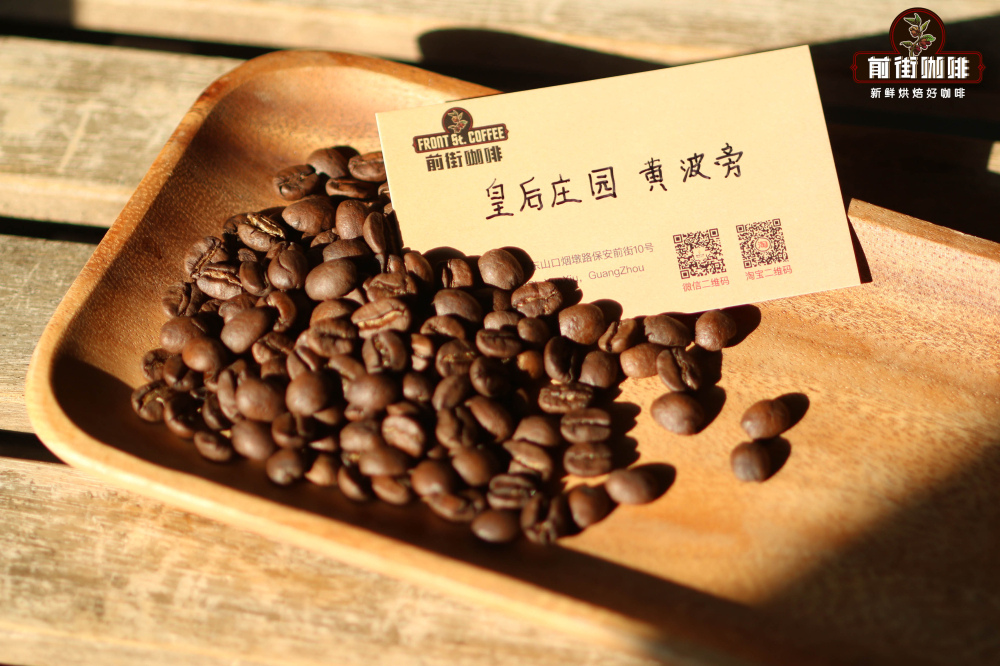
FrontStreet Coffee's Brazil Queen is prized above all for its balance. Roasted to a medium level, it adapts happily to almost any extraction method. Run through a semi-automatic espresso machine, it pours with thick crema and rich nutty aromatics—full-bodied, silky on the palate, and finishing with a lingering chocolate note.

Extraction Method: Dose 20 grams in, extract 40 grams out in 27 seconds.
FrontStreet Coffee Recommendation
If the Red Cherry natural has you curious about Yirgacheffe, it's worth knowing the region a little better. Yirgacheffe is a small town in Ethiopia's southern Gedeo zone, sitting at roughly 1,700–2,100 meters, with coffee grown above 1,800 meters—among the highest coffee elevations in the world. Its signature white jasmine florals and lemon-citrus acidity have made the name shorthand for Ethiopian specialty coffee as a whole. FrontStreet Coffee's washed Yirgacheffe everyday lot is the classic starting point: white jasmine, bright citrus and lemon acidity, and a tea-like finish, at a genuinely accessible price.
Within Yirgacheffe, the Guodingding (Didding) cooperative in the Worka area—once part of the Worka cooperative under the YCFCU union, now sold as a fully traceable single-washing-station lot—is one of the most respected names. Washed in the most traditional way, it shows none of the old-school bitterness: just clean, luminous citrus and lemon acidity wrapped in jasmine fragrance.
For brewing at home, FrontStreet Coffee suggests a V60 with 15 grams of coffee at a 1:15 ratio, water at 90–91°C, and a grind passing 80% on a #20 sieve. Bloom with 30 grams of water for 30 seconds, pour to 125 grams by the one-minute mark, then finish with 100 more grams (about 225 on the scale) by 1:35. Drawdown completes around 2:00–2:10. The same fruit-forward character that makes Yirgacheffe shine in a pour-over is exactly why the natural Red Cherry, given its own espresso profile, works so well as an SOE.
Important Notice :
FrontStreet Coffee is a long-established specialty coffee roaster in Guangzhou China, selling freshly roasted beans from its own farm in Yunnan as well as dozens of carefully selected single-origin beans from around the world for both pour-over and espresso. The products deliver consistently excellent quality and great value, with shipping within 24 hours. Guangzhou's FrontStreet Coffee shop is recommended by many coffee lovers, and the beans are now available online at the Tmall 。
FrontStreet Coffee has moved to a new address:
FrontStreet Coffee Address: 315,Donghua East Road,GuangZhou
Tel:020 38364473
 Scan and follow the En Gafei WeChat official account. Please indicate that the reprint comes from "En Gafei".