What Does 100% Arabica Coffee Beans Mean? Flavor, Taste, Form, Characteristics, Growing Regions, and Quality Level of Arabica Beans
Coffee beginners new to specialty coffee have certainly heard of 100% pure Arabica coffee, but at the time they may not have known what it meant - it almost sounds like a country's name. So what is Arabica coffee? Is Arabica actually a country? In this article, FrontStreet Coffee explains the relevant knowledge about Arabica coffee.
What is Arabica?
Arabica actually refers to a coffee species. According to FrontStreet Coffee's understanding, there are currently three major coffee species in the world: Arabica, Robusta and Liberica. Among these, Arabica shows the best flavor, which is why it is used for specialty coffee. Its caffeine content is only 0.8%-1.5%. It is also the world's dominant coffee species, grown across Central and South America, Africa, Asia and other regions.
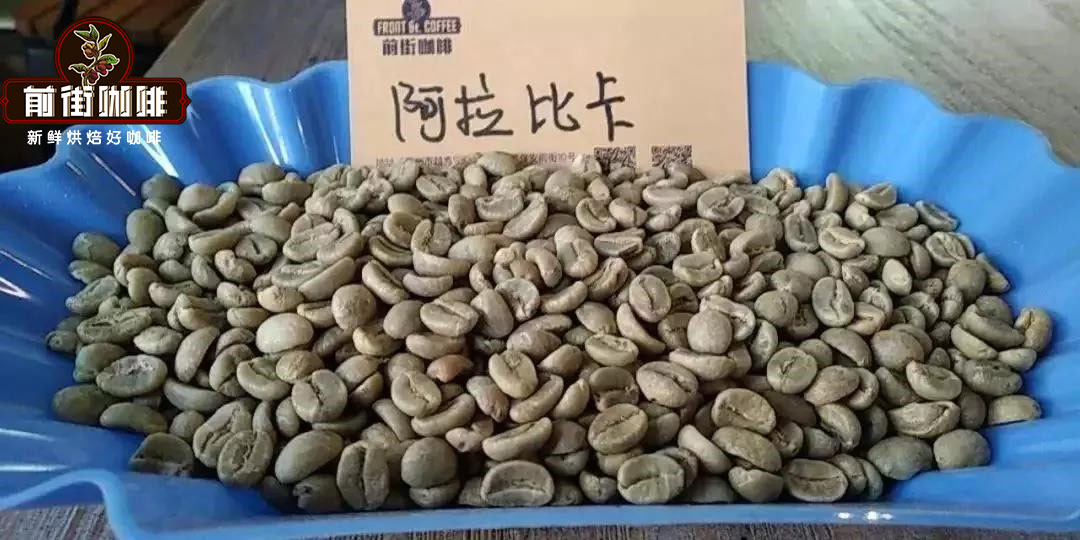
Precisely because its flavor is the finest of the three, Arabica accounts for 75% of the world's coffee, followed by Robusta at about 20% of total production, while Liberica makes up only 2%.
Although Arabica seems to hold all the advantages, it is in fact very delicate: it grows only in high-altitude areas, tolerates low temperatures but not frost, has weak drought resistance and is easily hit by pests and diseases. "Coffee leaf rust," for instance, has caused coffee farmers great suffering - which is why hybrid varieties of Arabica and Robusta were later developed. Moreover, Arabica is an umbrella term: the common varieties in FrontStreet Coffee's store - Typica, Bourbon, Caturra and so on - are all sub-varieties derived from Arabica, all pure Arabica coffee beans.
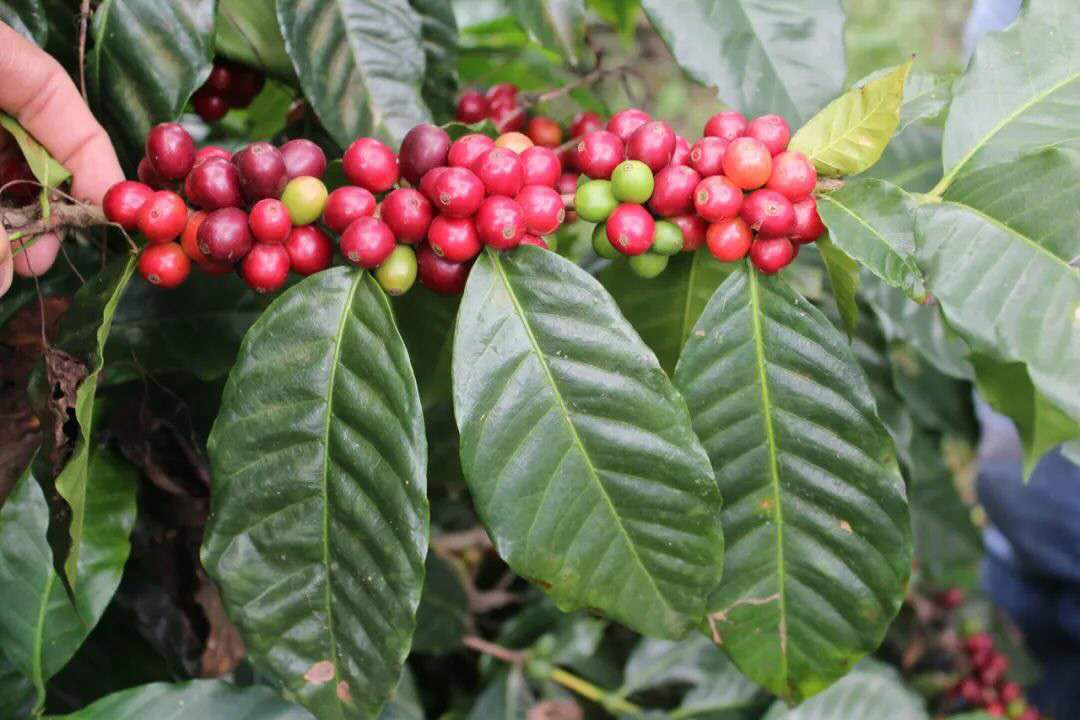
100% pure Arabica coffee beans refer to high-quality beans and are synonymous with specialty coffee, because only Arabica-derived varieties can score 80 or above in cupping - something Robusta beans cannot achieve.
How did Arabica coffee beans get their name?
The name originated in the Arab world. Coffee lovers familiar with coffee history know that coffee originated in Africa, where local tribes first chewed coffee leaves for refreshment. Later, through the research of Arab scholars, people switched to roasting the seeds to make a beverage. For religious reasons coffee once replaced prohibited alcohol, so it became widely popular in the Arab world - the source of the name "Arabica."
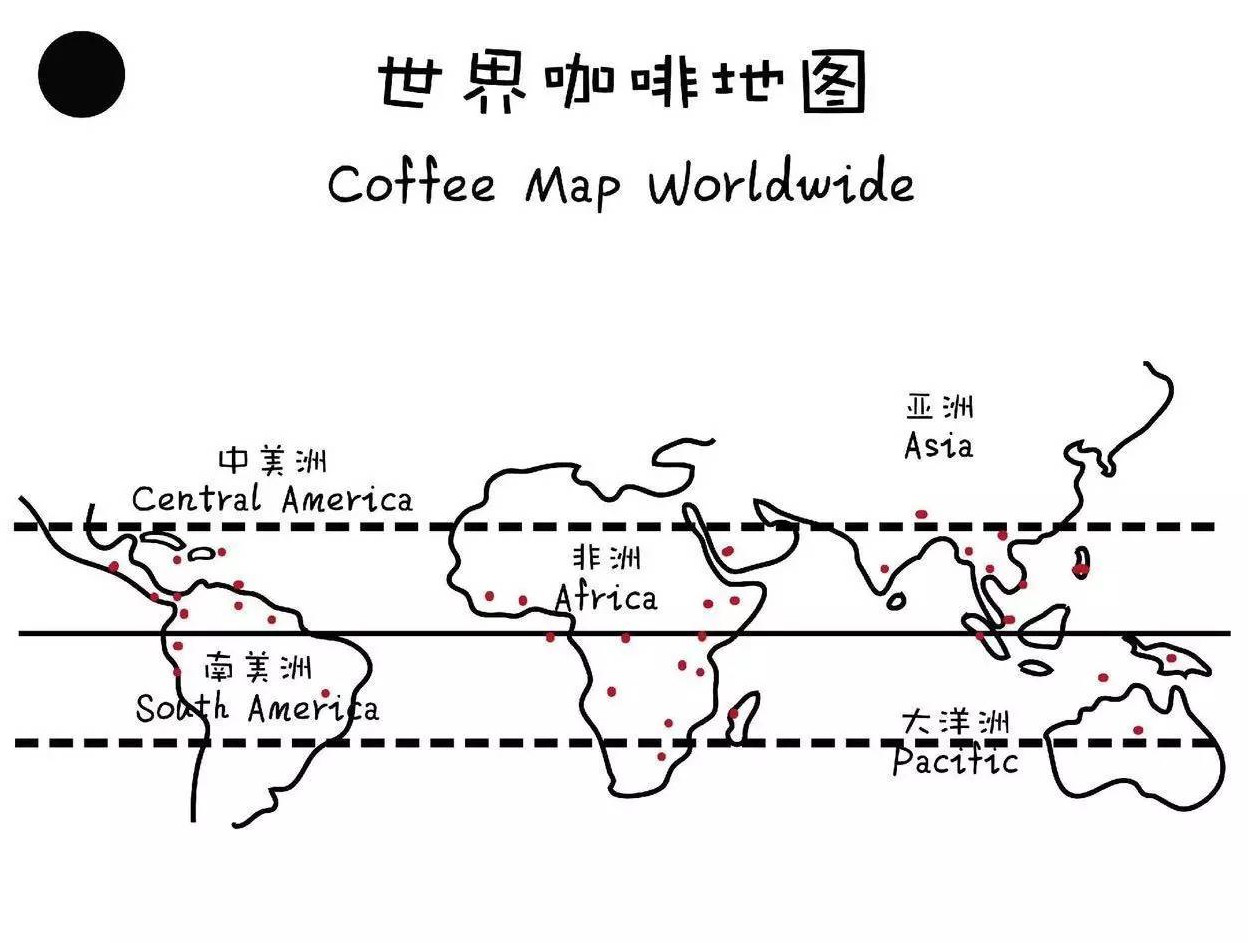
Later, coffee was carried from the Arab world to Europe through the Ottoman Empire, and then to the New World of America along the routes of trade and colonial expansion. In Western countries, coffee thus became known as the coffee bean that came from the Arab world, and over time "Arabica" stuck.
That is the background FrontStreet Coffee has compiled on Arabica. So what are the common Arabica-derived varieties on the market today, and which are the most famous? Below, FrontStreet Coffee introduces the most common Arabica variety coffees.
Typica
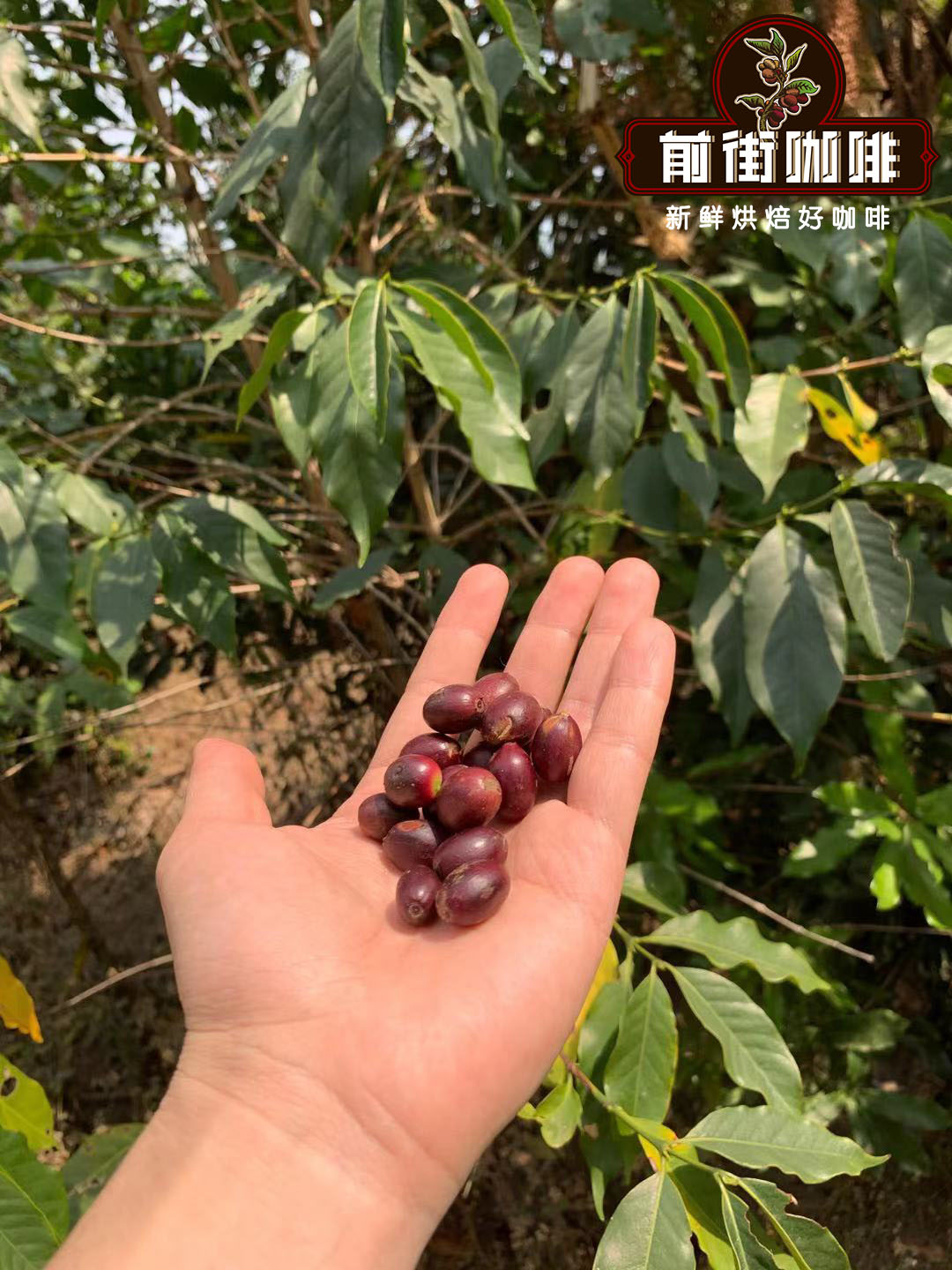
Typica is the oldest variety in the Arabica lineage and the oldest native variety of Ethiopia; almost all current Arabica varieties derive from it. Typica has elegant flavor but a weak constitution, low disease resistance, and is easily infected with leaf rust. Production is low and cannot meet economic returns. In recent years, Typica in Central and South America has gradually been replaced by Caturra and Catuai, making Typica increasingly rare. Although its flavor is elegant, it is not as popular as Bourbon.
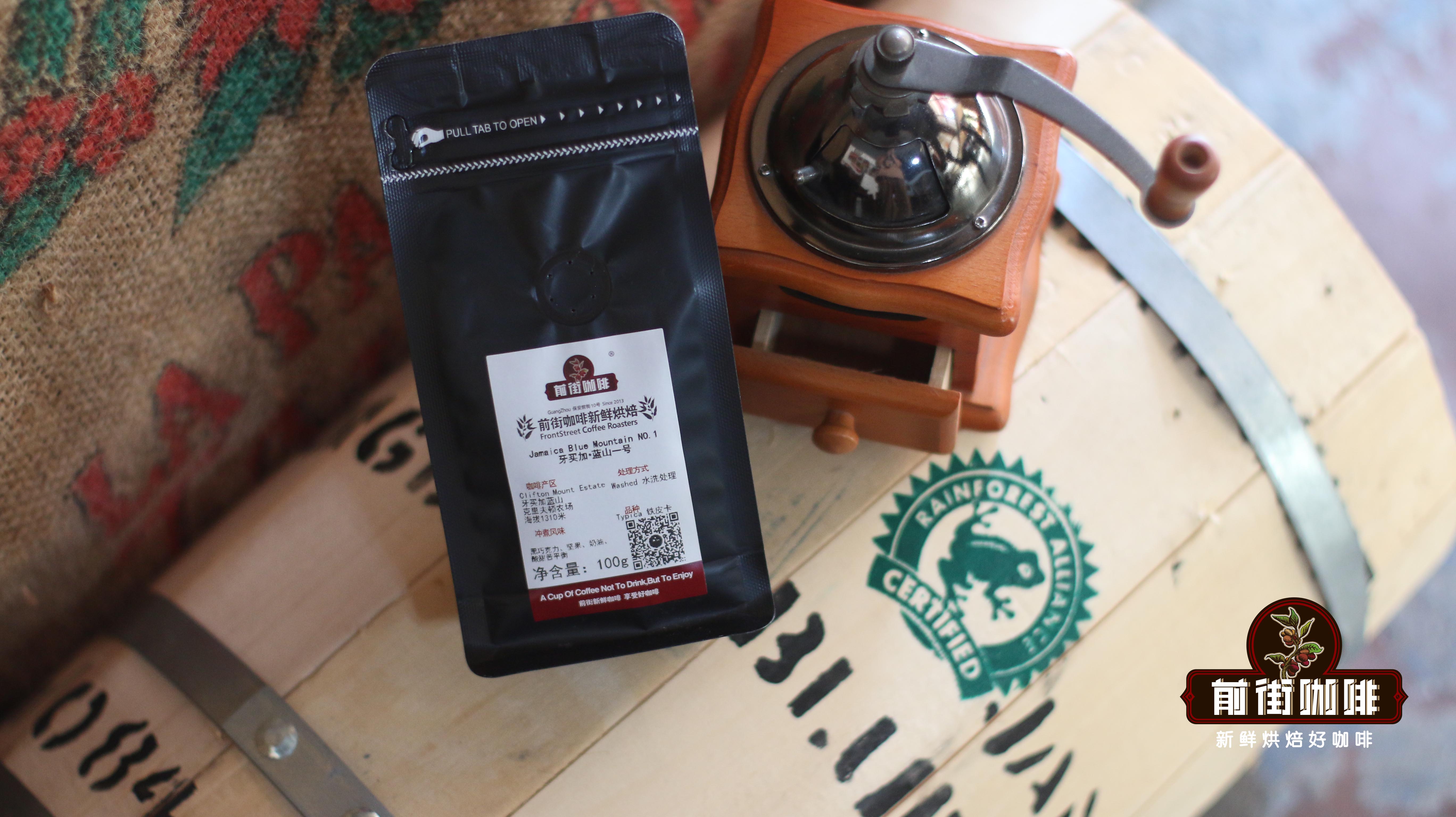
Typica representative - FrontStreet Coffee's Jamaica Blue Mountain coffee beans
Country: Jamaica
Region: Blue Mountain
Altitude: 1310m
Variety: Typica
Processing Method: Washed
Flavor: Berries, dark cocoa, cream, nuts, brown sugar
Bourbon
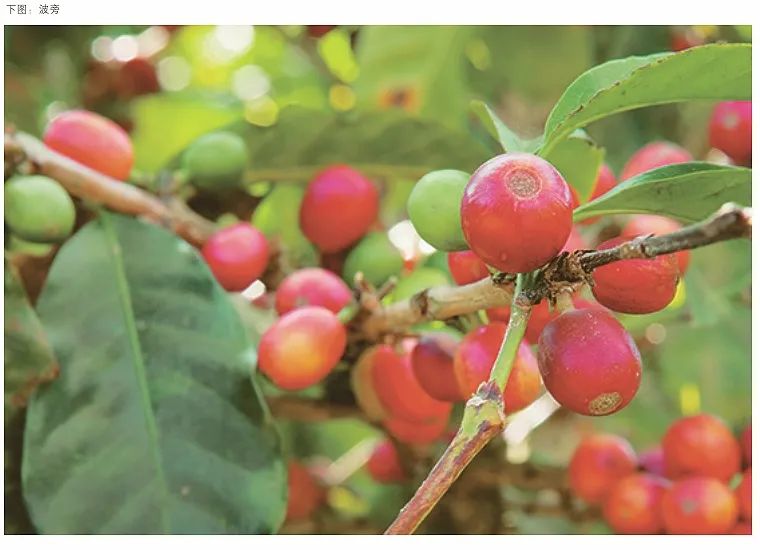
Bourbon is a sub-variety produced by Typica mutation, discovered on Bourbon Island, hence the name. Along with Typica it belongs to the oldest existing coffee varieties. When the green fruit matures it turns bright red. Compared to Typica, Bourbon leaves are broader and the trees grow more densely. Although fruit yield is higher than Typica's, the harvest cycle is still 2 years, making it a low-yield variety. The taste, however, is high quality, with wine-like acidity and a sweet aftertaste.
Bourbon representative - FrontStreet Coffee's Brazil Queen Farm Yellow Bourbon coffee beans
Country: Brazil
Region: Sao Paulo State (Queen Farm)
Altitude: 1400-1950m
Variety: Yellow Bourbon
Processing Method: Pulped Natural/Natural
Flavor: Nuts, cream, peanuts, fermented fruits, sugarcane sugar
Caturra

Caturra is a single-gene mutation of Bourbon, discovered in Brazil in 1937. Its productivity and disease resistance are both better than Bourbon's, and the shorter plant makes harvesting convenient. Unfortunately, like Bourbon, it has a biennial production cycle. Its flavor is comparable to, or slightly below, Bourbon beans. More importantly, it has extremely strong adaptability: it needs no shade trees and thrives under the scorching sun - commonly known as sun coffee. It tolerates high-density planting but requires more fertilizer, raising costs, so initially coffee farmers were slow to accept it.

Caturra representative - FrontStreet Coffee's Panama La Esmeralda Diamond Mountain coffee beans
Country: Panama
Region: Boquete, La Esmeralda Estate
Estate: La Esmeralda
Altitude: 1400-1700m
Variety: Catuai, Caturra
Processing Method: Natural
Flavor: Citrus, bright acidity, nuts, honey, fermentation notes, cocoa
Catuai
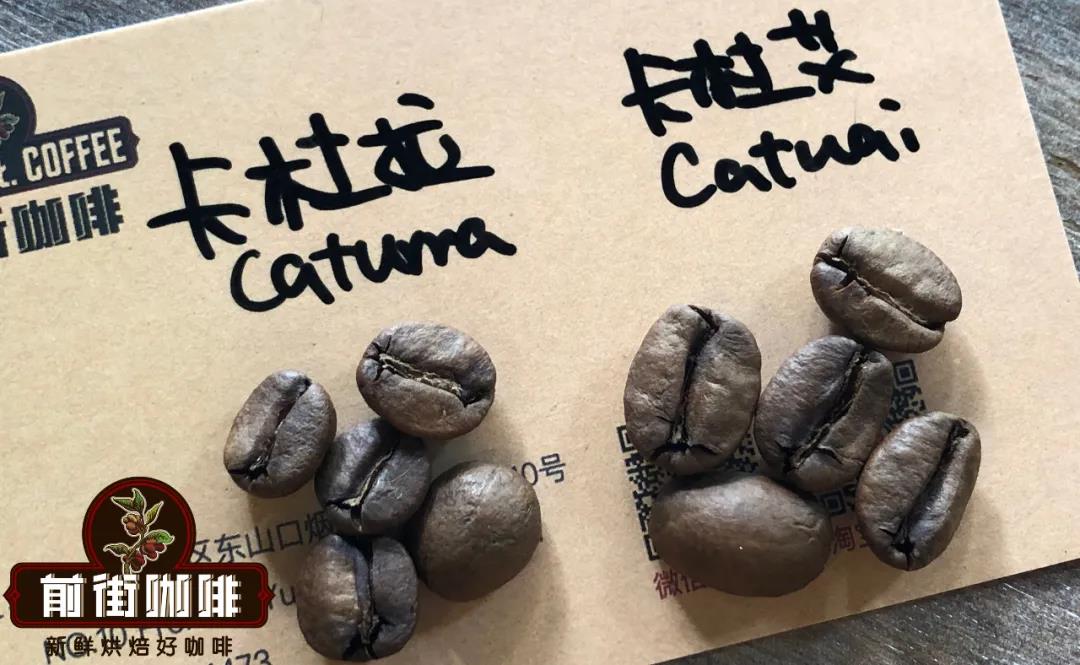
Catuai is an Arabica hybrid, a cross between Mundo Novo (New World) and Caturra. It resists natural disasters better, especially wind and rain. It inherits Caturra's short plant height while fixing Mundo Novo's shortcomings. Another advantage: the fruit is solid and does not detach easily in strong winds, compensating for Arabica's fragile fruit. However, its overall flavor is more monotonous than Caturra's - and more monotonous than Mundo Novo's too - and it lacks body, its biggest regret. Its productive harvesting lifespan is only about ten years, another weakness.
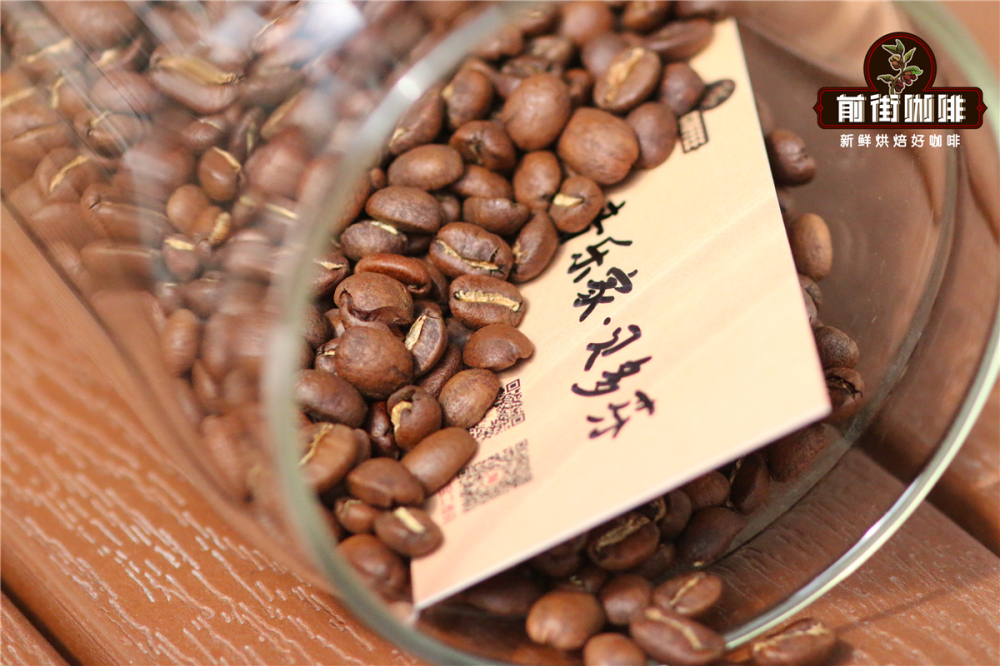
Catuai representative - FrontStreet Coffee's Costa Rica Beethoven coffee beans
Country: Costa Rica
Region: Tarrazu region (Cafe Militar estate)
Altitude: 1900m
Variety: Catuai
Processing Method: Washed
Flavor: Citrus, berries, floral notes, light fermented wine aroma
These are some of the Arabica varieties commonly found on the market. We hope this helps coffee enthusiasts understand what Arabica coffee beans are, so they can choose beans that suit their taste.
FrontStreet Coffee Recommendation
Want to taste these varieties for yourself? Start with Typica through the FrontStreet Jamaica Blue Mountain No. 1: Typica was transplanted from Martinique to Jamaica's Blue Mountains in the 1820s, and after more than 200 years it has evolved better disease resistance there. Its flavor balance is unmatched - cream, caramel, chocolate, nuts and honey with a gentle fruit note, smooth and rounded with a clean, long finish. Many in the trade call it the easiest premium coffee for anyone to love.
For Bourbon's line, the FrontStreet Brazil Queen Farm Yellow Bourbon shows the mutation at its best: cream, peanut, toasted bread and sugarcane aromas, rich yet clean and sweet, and it works as pour-over, moka pot or espresso.
And for Geisha's cousin-level prestige, the FrontStreet Panama Esmeralda Red Label Geisha from Hacienda La Esmeralda in Boquete - fertile volcanic soil, old forests and year-round mist - offers richly layered florals, citrus and peach with an oolong-tea sweetness. It is pricey, but it remains the ultimate experience many coffee lovers chase.
Important Notice :
FrontStreet Coffee is a long-established specialty coffee roaster in Guangzhou China, selling freshly roasted beans from its own farm in Yunnan as well as dozens of carefully selected single-origin beans from around the world for both pour-over and espresso. The products deliver consistently excellent quality and great value, with shipping within 24 hours. Guangzhou's FrontStreet Coffee shop is recommended by many coffee lovers, and the beans are now available online at the Tmall 。
FrontStreet Coffee has moved to a new address:
FrontStreet Coffee Address: 315,Donghua East Road,GuangZhou
Tel:020 38364473
 Scan and follow the En Gafei WeChat official account. Please indicate that the reprint comes from "En Gafei".