Difference in Flavor Between Pour-Over Coffee and Espresso Coffee - Which Tastes Better: Pour-Over or Americano
Pour-over coffee and espresso are the two most mainstream brewing methods today, so beans in the consumer market are developed almost exclusively around these two purposes. Their extraction principles differ: pour-over belongs to atmospheric-pressure drip filtration, somewhat like brewing tea, with a relatively refreshing taste, while espresso belongs to pressurized extraction, forcing coffee substances out under high pressure to produce very small, concentrated shots. The raw materials - the beans - and the extraction parameters are different too.
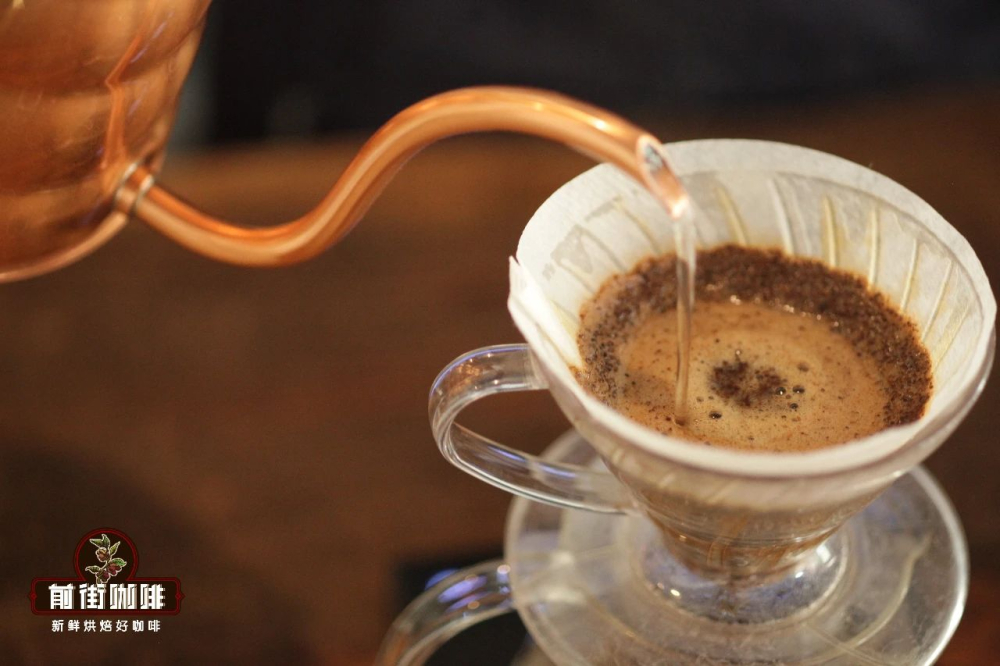
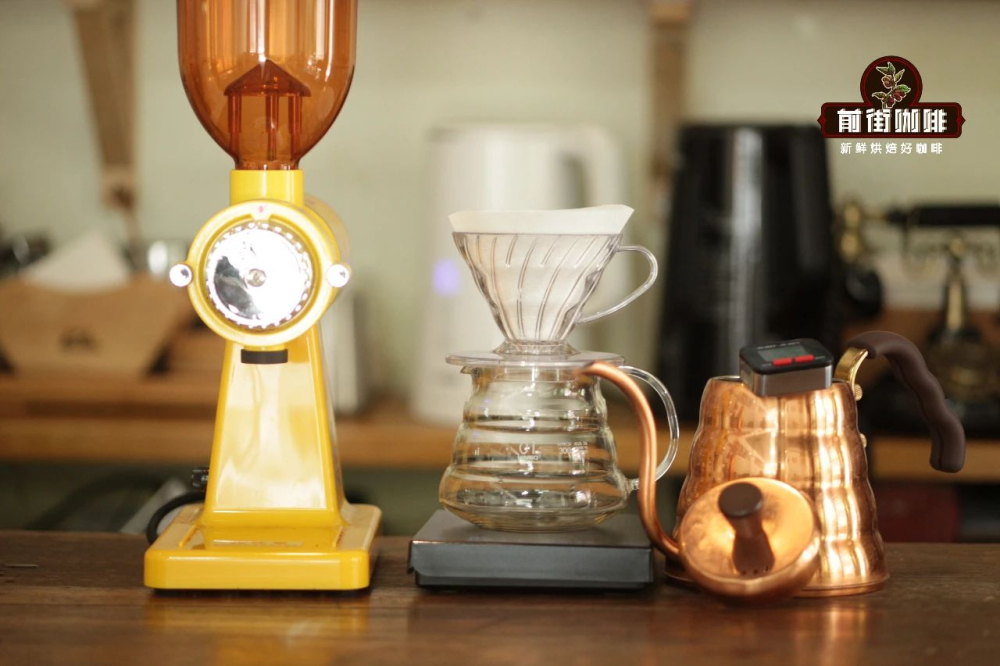
What we call pour-over coffee involves first grinding beans into powder, then pouring hot water to contact the grounds and "dissolve" substances out of the coffee. It uses a filter cup with filter paper or another tool to catch the grounds, keeping them out of the server below and yielding a clear-tasting black coffee. To brew a cup, based on FrontStreet Coffee's brewing experience, besides quality beans you need at least these essential tools: a pour-over kettle for pouring, a filter cup and filter paper to catch the grounds, a server, a grinder, a digital scale to record water volume and time, and a thermometer to measure water temperature.
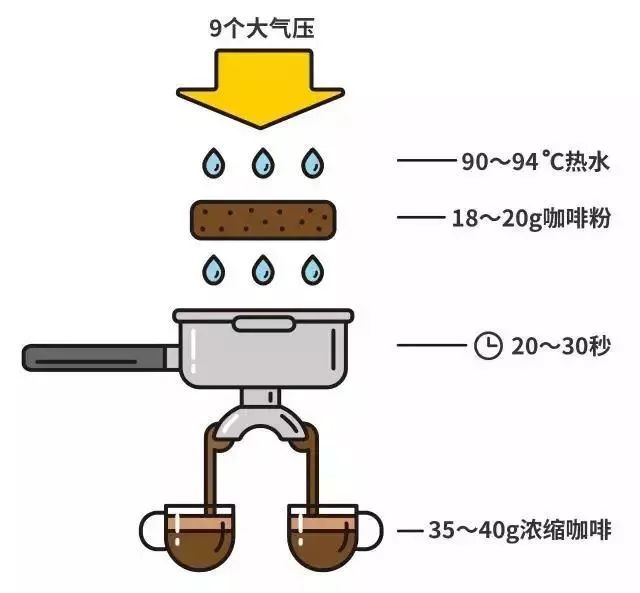
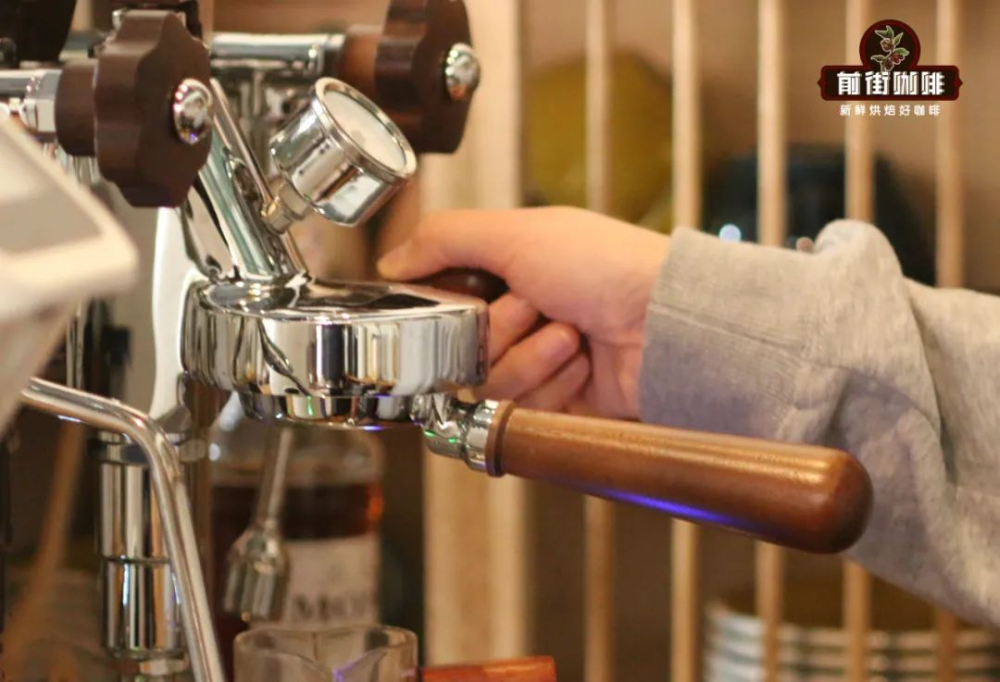
Because drip extraction takes longer - typically at least several minutes - Italians thought of using steam pressure to pass high-temperature, high-pressure water through the coffee puck, speeding up the original drip rate. Through continuous improvement, this evolved into the semi-automatic and fully automatic espresso machines we see today. With an espresso machine, beans are ground into powder, packed into a portafilter, and high pressure pushes hot water through the grounds to extract a rich-tasting espresso. Because the concentration is higher, we usually dilute it with water or milk. Common drinks like Americano, latte, and cappuccino all use espresso as the base.
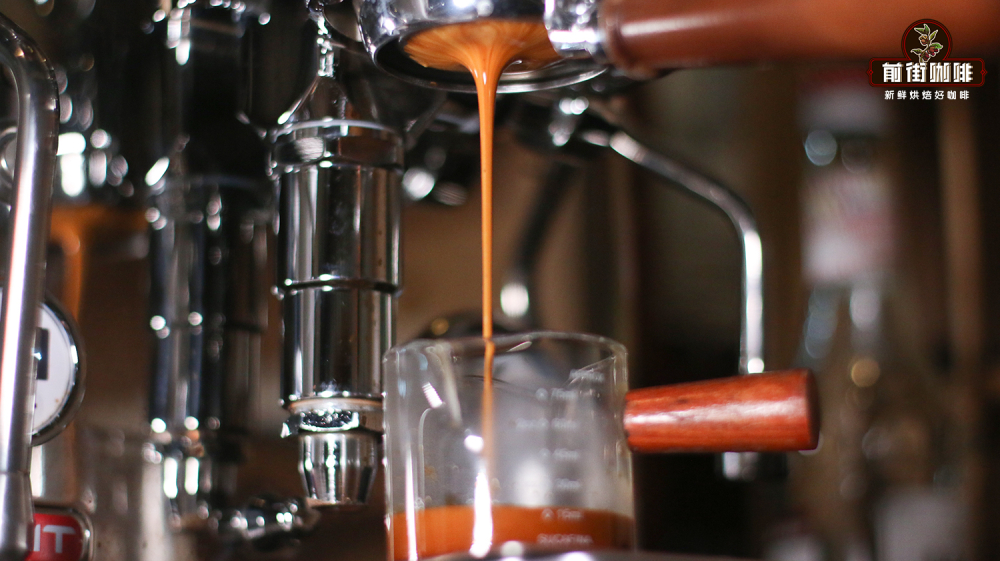
Although it looks simple to operate, espresso extraction requires soluble flavor substances to release into hot water within just a few dozen seconds. The contact between coffee and water must be more thorough, and the grind must be very fine and uniform, which greatly tests the quality of the beans and the barista's skill. Many factors affect the flavor of an espresso, including bean quality, roast level, grind size, boiler pressure, water temperature, distribution and tamping pressure, dose, extraction time, and extracted liquid weight, among others. The four main factors used to adjust extraction in daily practice are dose, time, liquid weight, and grind size. Brewing parameters vary subtly with daily air humidity and bean condition, requiring adjustments up or down for better results.
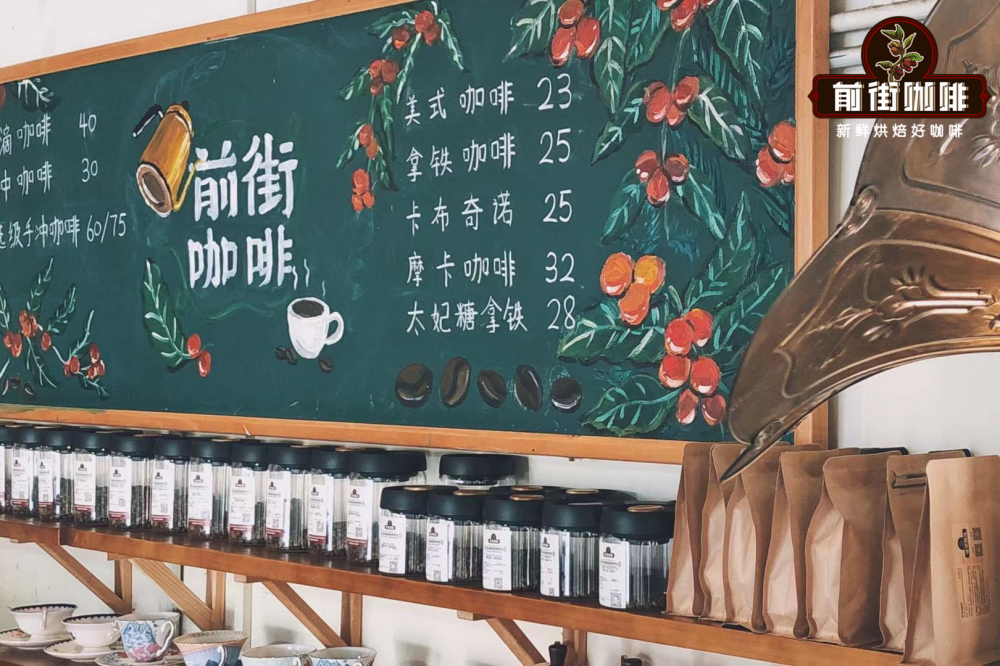
Friends who have had coffee at FrontStreet Coffee's Dongshankou store will have seen the bean menu blackboard, with nearly fifty single-origin varieties divided across multiple regions, all served by FrontStreet in pour-over or cold-drip form, while FrontStreet uses only one house-roasted "Sunflower Warm Sunshine Blend" for espresso. If a light-roasted pour-over single origin is used to make espresso, the finer grind and high pressure make the coffee taste very intense and concentrated, easily showing negative bitterness, acidity, and astringency. Based on the two different forms of extraction, FrontStreet Coffee suggests choosing corresponding beans for each.
For Coffee Beginners
Pour-over lets people taste the most original aroma and flavor of black coffee. If you are a beginner just starting out, FrontStreet Coffee suggests using cost-effective beans for practice. Regional flavors make the major producing regions easier to get to know, and it also avoids waste from operational mistakes.
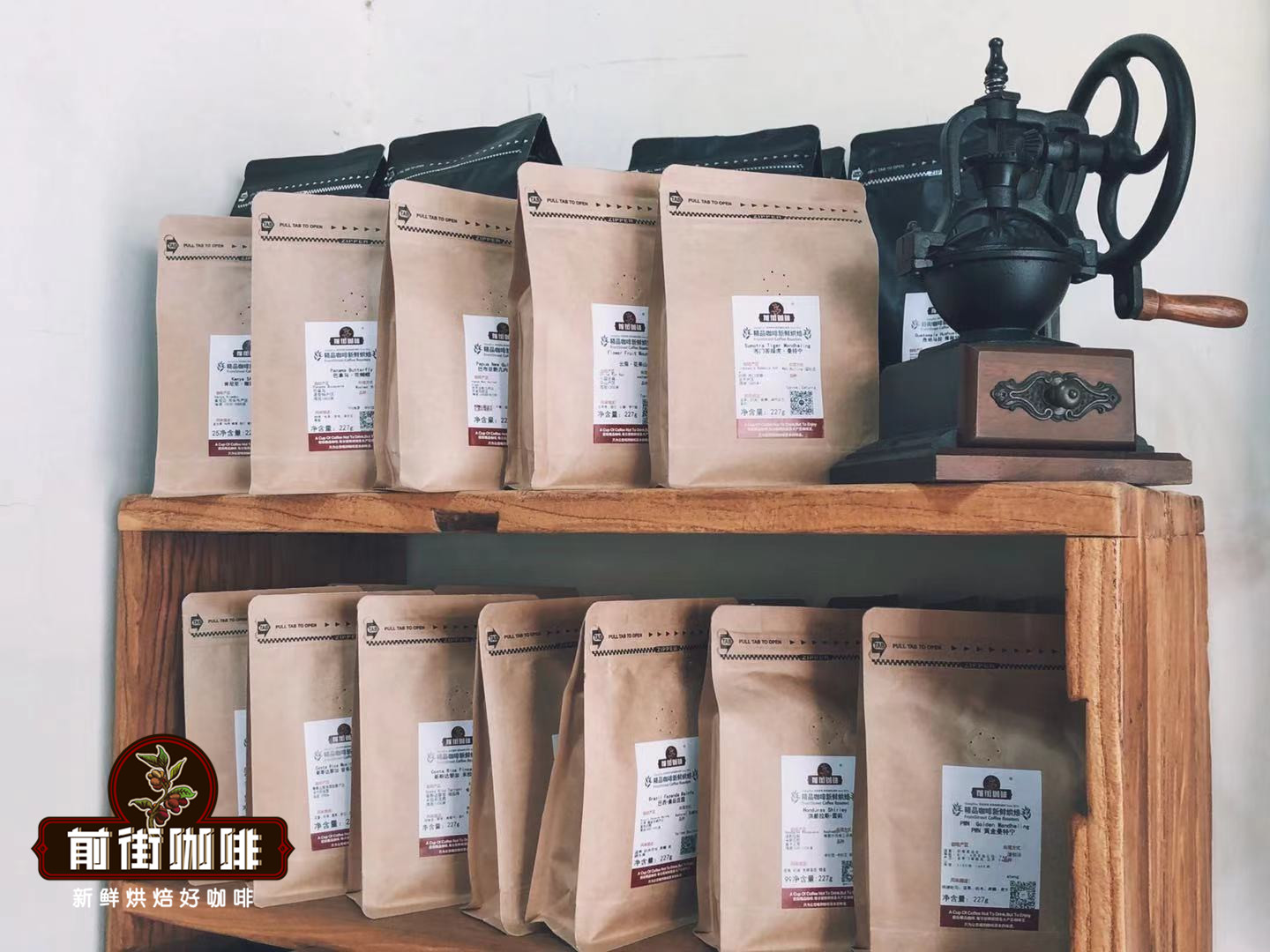
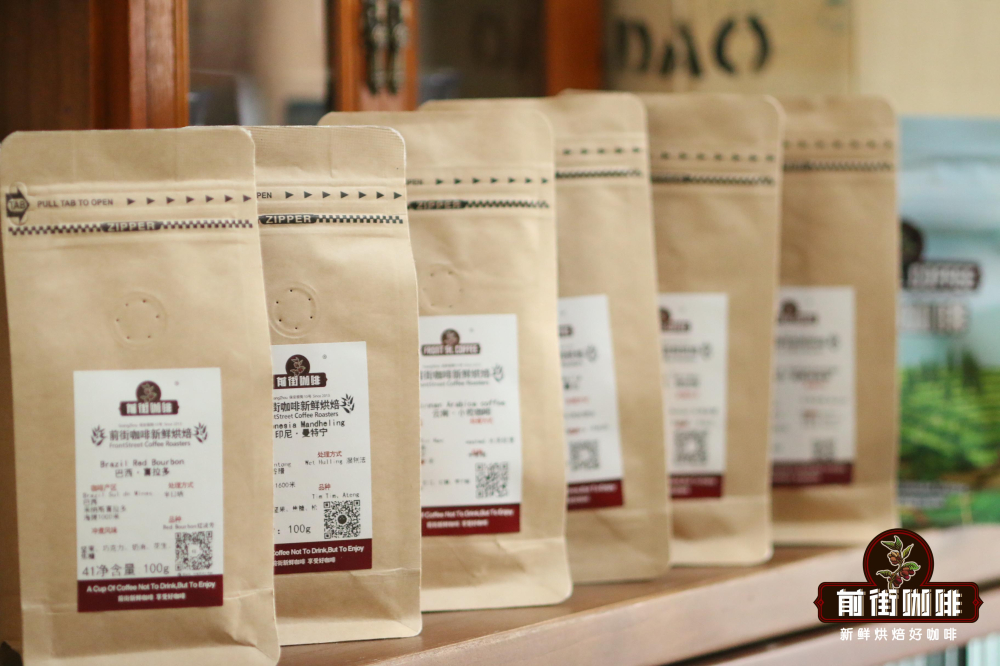
FrontStreet Coffee's bean menu features a daily coffee series - daily coffees that are delicious and affordable. FrontStreet has selected seven classic origins covering multiple representative regions, varieties, and processing methods: Ethiopian washed Yirgacheffe, Guatemalan washed Huehuetenango, Colombian washed Huila, Brazilian semi-washed Cerrado, Costa Rican washed Tarrazú, Indonesian wet-hulled Lintong Mandheling, and Chinese Yunnan washed Baoshan. This lets everyone taste regional flavor profiles at reasonable prices and confirm their own preferences - a very cost-effective series.
Espresso Recommendations
Because espresso is extracted under a fine grind, high water temperature, and high pressure, the concentrated coffee gathers multiple flavors whose compounds hit the tongue exponentially. Coffee, being an agricultural product, varies with climate and soil; even from the same place, each batch differs in flavor. Blended beans use the principle of complementing strengths and weaknesses to ensure each batch presents a balanced, stable aroma and taste.
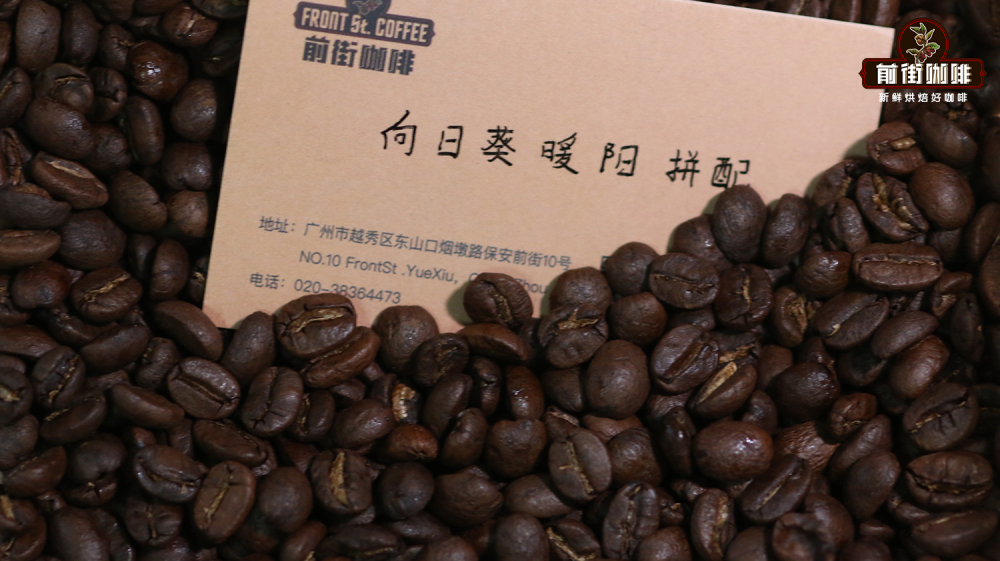
FrontStreet Coffee recommends its house-roasted "Sunflower Warm Sunshine Blend Coffee Beans," composed of Ethiopian natural-processed red cherry coffee beans (30%) plus Honduras sherry barrel-aged coffee beans (70%). Pulled as espresso, it enters with sherry, vanilla, and cream, paired with the tropical fruits and fermentation notes of the red cherries, making the cup rich and smooth, with an aroma after swallowing that lingers. Whether as an Americano diluted with water or a latte rounded out with milk, it delivers a rich aroma and taste.
Brewing Methods
To make an Americano, FrontStreet Coffee grinds the beans, extracts espresso at a 1:2 coffee-to-liquid ratio, and dilutes it in water - that is, using 20g of grounds to extract 40g of coffee liquid. Based on repeated tests and adjustments, a 1:6 ratio of coffee liquid to water best expresses the warm sunshine aroma: pour 40g of coffee liquid into 240g of 88°C hot water, and a hot Americano is ready.

For an iced Americano, FrontStreet Coffee replaces the hot water with 120g of ice cubes and 120g of room-temperature water, achieving the best taste before the ice melts. FrontStreet's iced Americano shows a refreshing, pleasant sweet-and-sour character that is easy to accept even for people who do not often drink coffee.
FrontStreet Coffee Recommendation
Whether you brew pour-over or espresso, the bean does most of the work, and FrontStreet Coffee's daily coffee series is designed to make that choice easy. The set gathers seven classic origins - Ethiopian washed Yirgacheffe, Guatemalan washed Huehuetenango, Colombian washed Huila, Brazilian semi-washed Cerrado, Costa Rican washed Tarrazú, Indonesian wet-hulled Lintong Mandheling, and Chinese Yunnan washed Baoshan - so you can compare regional flavors side by side before settling on a favorite. For a pour-over beginner, a V60 at a 1:15 ratio and 15 g of coffee is the standard starting point.
If you specifically want the fruit-and-floral end of pour-over, FrontStreet's light-roast selection is the place to look. The washed Yirgacheffe profile of Gotiti brings white jasmine and citrus with a green-tea body, the Ethiopian Flower Queen brings prominent tropical fruit - strawberry, passion fruit, jackfruit, and lychee - with very low bitterness, and the Geisha-character Strawberry Candy and raisin-honey Mozart round out the set with delicate aromatics.
For espresso, FrontStreet's house-roasted Sunflower Warm Sunshine Blend - 30% Ethiopian natural red cherry and 70% Honduras sherry barrel-aged - is the roastery's choice: at a 1:2 ratio it yields a rich, smooth shot with sherry, vanilla, cream, and tropical fruit, and it works equally well diluted into an Americano or lifted with milk in a latte. As the brewing guide above shows, 20 g of grounds extracted to 40 g of liquid, then poured into 240 g of 88°C water, delivers a balanced hot Americano; for an iced version, replace the hot water with 120 g of ice and 120 g of room-temperature water.
Important Notice :
FrontStreet Coffee is a long-established specialty coffee roaster in Guangzhou China, selling freshly roasted beans from its own farm in Yunnan as well as dozens of carefully selected single-origin beans from around the world for both pour-over and espresso. The products deliver consistently excellent quality and great value, with shipping within 24 hours. Guangzhou's FrontStreet Coffee shop is recommended by many coffee lovers, and the beans are now available online at the Tmall 。
FrontStreet Coffee has moved to a new address:
FrontStreet Coffee Address: 315,Donghua East Road,GuangZhou
Tel:020 38364473
 Scan and follow the En Gafei WeChat official account. Please indicate that the reprint comes from "En Gafei".