Specialty Coffee Brand Recommendations - Pour-Over Single Origin Coffee Bean Region Information and Flavor Characteristics
Coffee Rankings: Price vs. Taste
When people ask for a "coffee ranking," it usually makes more sense to rank coffees by price - that much is straightforward. Blue Mountain, Panama Geisha, Indonesian kopi luwak and the like sit at the very top of the price ladder. But a ranking of "best-tasting" coffee is another matter entirely. Everyone's palate is different, so what defines "best"? The most expensive coffee is not necessarily the most delicious - the coffee that suits your own taste is.
With the rise of the third wave of specialty coffee, more and more people's idea of black coffee has broadened from a simple Americano to concepts like pour-over and single-origin coffee. Cafes still lean on Americanos and espresso-based drinks, especially at rush hour, but taking a moment to slow down over a properly brewed cup can be instantly satisfying.

Understanding Specialty Coffee
Some say only coffee brewed from "specialty beans" tastes good. But what actually makes a coffee "specialty"? Is it simply the price tag?
The first person to apply the term was Erna Knutsen, the "godmother of specialty coffee." In a 1974 interview with Tea & Coffee Trade Journal, she coined "specialty coffee" to distinguish high-quality beans from mediocre commercial bulk coffee, arguing that the soul of specialty lies in how each region produces distinct flavors through differences in altitude, soil, climate, processing, and care. The term only became globally widespread after the founding of the Specialty Coffee Association of America, which emphasized both the influence of origin on cultivation and the intrinsic flavor of the coffee itself.

In 1982, inspired by Knutsen, Ted Lingle, Donald Schoenholt, and 46 others co-founded the SCAA. In 2009 the definition was sharpened: only coffee scoring above 80 points on the cupping scale could be called specialty coffee.
The Journey to Black Coffee
Most people start their coffee life with lattes and Americanos, then gradually gravitate toward black coffee - coffee brewed directly from beans with nothing added. Compared with milky espresso drinks, the experience is completely different: this is where you actually encounter both the bitterness and the acidity of coffee. But black coffee is also the truest showcase of a bean's inherent character, which is exactly what enthusiasts come to love.

How to Choose Pour-Over Beans
Whether single origin or espresso, freshness is everything. For single origins, look at origin, altitude, and processing; for espresso blends, look at the blend formula. Broadly, the coffee world splits into three flavor regions: African beans, known for vivid florals and fruity acidity; Asian beans, for nutty, herbal richness; and American beans, for balanced nut and chocolate notes. FrontStreet Coffee's daily-selection menu gathers representative coffees from these major regions, each with a distinct regional character. The two foundational processing methods are washed and natural, with later techniques building on them - and since washed processing expresses origin character most faithfully, most of our daily selections are washed lots, carefully chosen from across the regions.
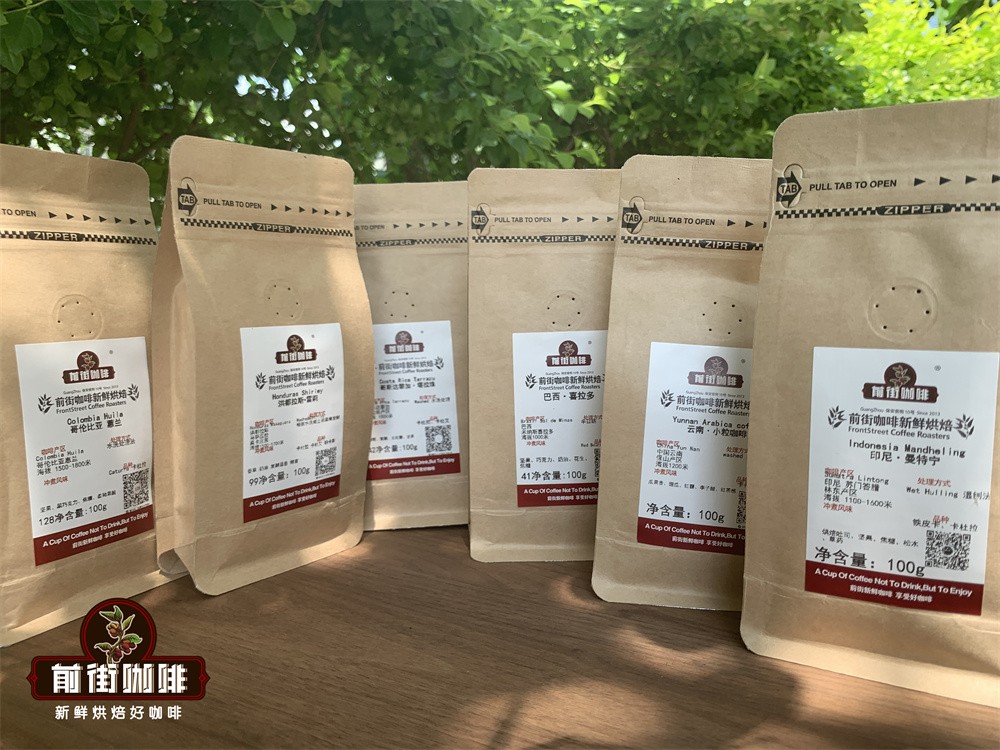
Here is a tour of FrontStreet Coffee's daily-selection beans:
FrontStreet Coffee · Ethiopia
Ethiopia has to come first. It is Africa's largest coffee producer and universally recognized as coffee's birthplace, with countless varieties - most beans named simply for their growing region. Yirgacheffe and Sidamo are the most famous. In the 1970s, the government introduced washed processing to raise green coffee quality, and washed Yirgacheffe became the region's signature: jasmine florals, lemon acidity, and berry tones. Sidamo beans are mostly natural-processed - FrontStreet Coffee's Sidamo Natural "Flower Queen," for instance, shows berries, florals, jackfruit, melon, and honey.

Because Ethiopia is the gene bank of coffee, flavors vary enormously from region to region. To let more people taste that range, FrontStreet Coffee carries a dozen-plus Ethiopian lots: Yirgacheffe Kochere, Yirgacheffe Natural Red Cherry, Yirgacheffe Konga, Yirgacheffe Geisha Village Red Label, and more.
FrontStreet Coffee · Brazil
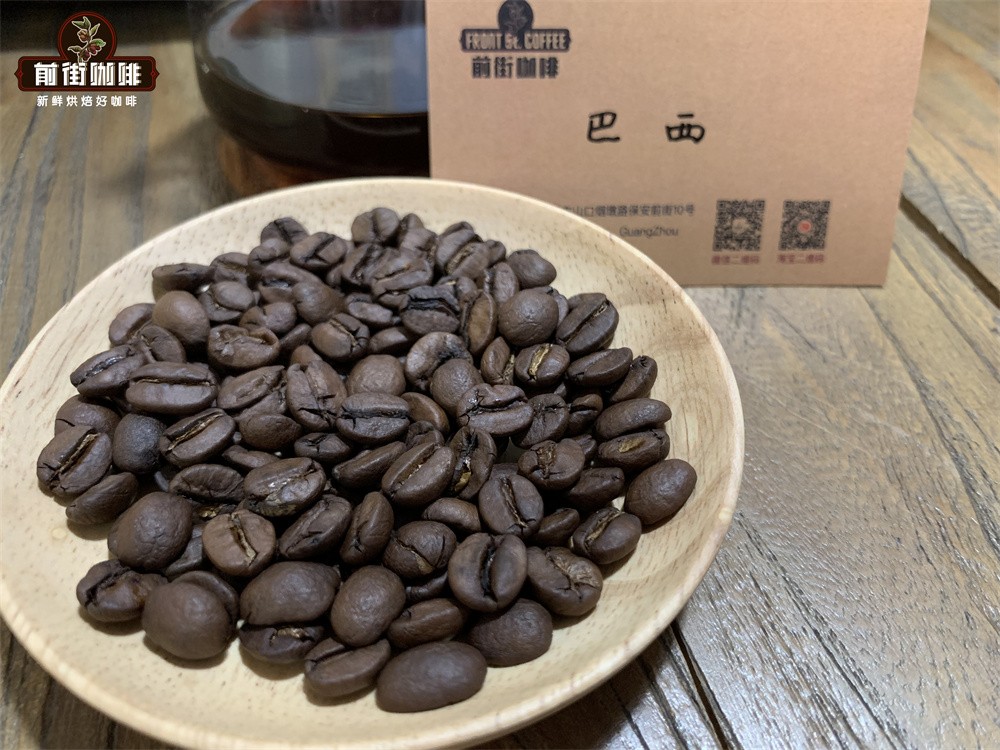
Next, Brazil - the world's largest coffee producer. Volume does not preclude quality, and when customers ask FrontStreet Coffee for non-acidic beans, Brazilian coffee is our baristas' first answer. Because Brazilian farms mostly use sun-grown cultivation, cherries ripen quickly, giving the beans a softer texture.

That softness shows in the cup: gentle fruit acidity, excellent sweetness, a delicate smooth mouthfeel, and overall balance. Our menu carries two Brazilian coffees: the Brazilian Semi-Natural Red Bourbon, one of the daily selections, and the Brazilian Queen Estate, a dedicated pour-over lot.
FrontStreet Coffee · Indonesia
Indonesia is famous not only for kopi luwak but also for the classic Mandheling. Kopi luwak is rare and relies on a special fermentation, while Mandheling is defined by the wet-hulled method developed for local conditions: with unpredictable downpours and limited resources, full washed processing was never practical, so farmers developed a distinctive semi-washed technique - wet-hulling - that created a flavor profile found nowhere else, and made Mandheling's name. FrontStreet Coffee's Indonesian lineup includes the Lintong Mandheling daily-selection bean and the PWN Gold Mandheling.

Our Indonesian Mandheling is richer and smoother than our Jamaican Blue Mountain, with herbal and spice notes, while the PWN Gold Mandheling is the cleaner, more refined expression.

FrontStreet Coffee · Colombia
Colombia is one of the few origins sold under its country name alone. Colombians count coffee among the country's "four treasures," and with a mild climate, humid air, and diverse microclimates allowing harvests year-round, Colombian coffee offers rich flavor and a long finish - truly deserving of its reputation.
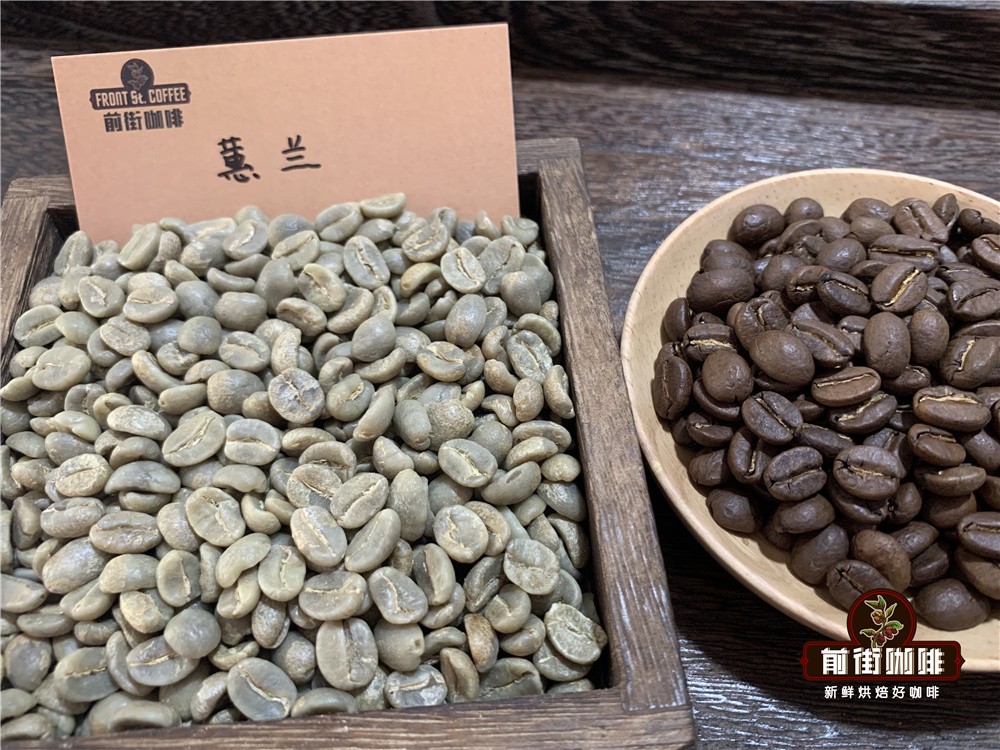
Our daily-selection Colombian beans come from Huila, Colombia's most famous specialty region. Ringed by mountains and farmed above 1,500 meters, it is where Colombia's most important rivers converge, bringing abundant water and humidity. Colombian coffees are marked by gentle florals and fruit acidity - see our Colombian Rose Valley and Flower Moon Night lots.
FrontStreet Coffee · Guatemala
Guatemalan coffee is sometimes remembered for a "smoky" edge. Gentle acidity and a balanced mouthfeel are the hallmarks of FrontStreet Coffee's Guatemalan lots, and of Central American coffee generally. In Huehuetenango, three volcanoes enrich the soil with minerals, and altitudes exceeding 2,000 meters produce coffees with deep, fruity flavors.
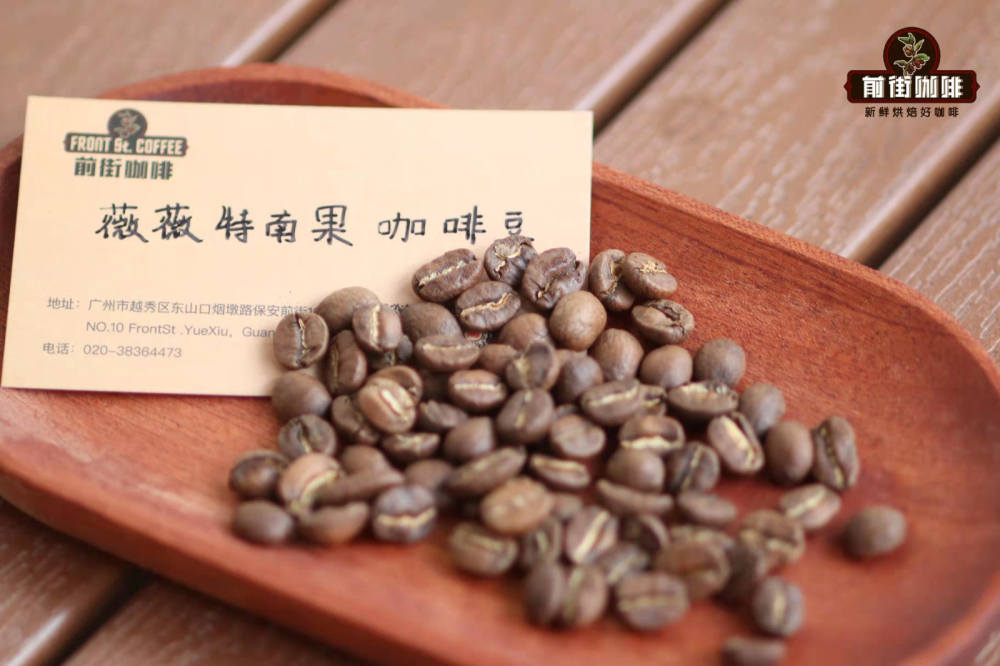
We carry two Guatemalan coffees: the Huehuetenango daily-selection bean and the Guatemala Flora God.
FrontStreet Coffee · Costa Rica
Costa Rica means "sweet as honey," thanks to its famed honey processing. Grown at high altitude with big day-night temperature swings and fertile volcanic soil, Costa Rica produces abundant Strictly Hard Beans (SHB) with exceptional sweetness.
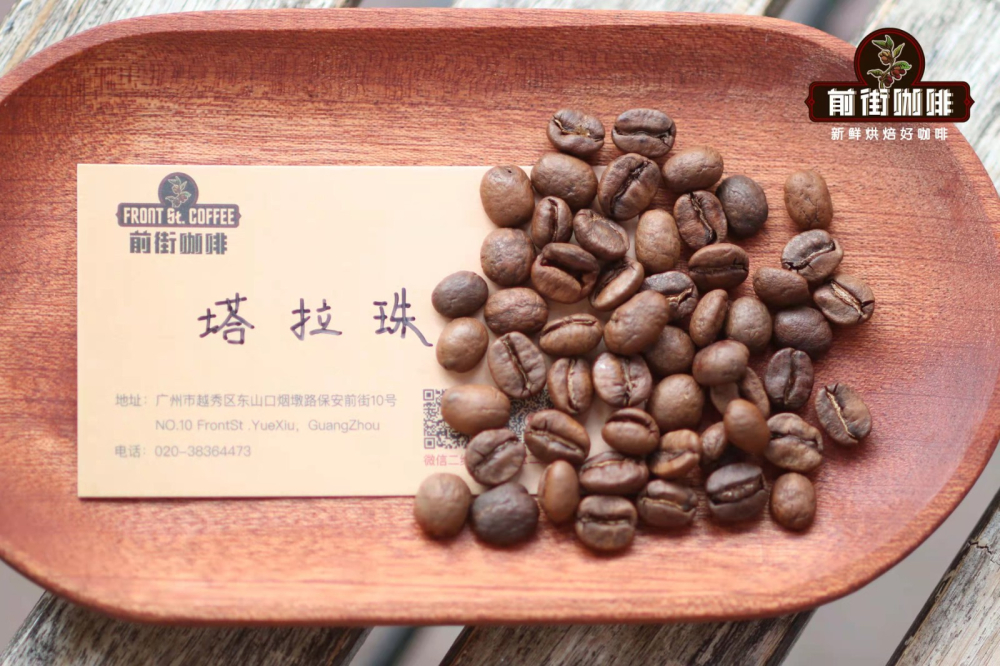
On our menu, the raisin-honey-processed Costa Rica Mozart, Costa Rica Bahia, and Costa Rica Mirasu all carry the sweetness of raisins and blueberries with the fragrance of osmanthus and rose.
FrontStreet Coffee · Yunnan
We cannot talk about coffee without mentioning our home-grown beans. Chinese coffee is finding its audience, loved for nutty, brown-sugar, and tea-like flavors. China actually has three coffee-growing regions - Fujian, Hainan, and Yunnan - but the coastal heat and low altitudes of Fujian and Hainan rule out Arabica, so Yunnan is where Chinese specialty coffee lives. Yunnan arabica is rich without being bitter, aromatic without being loud.
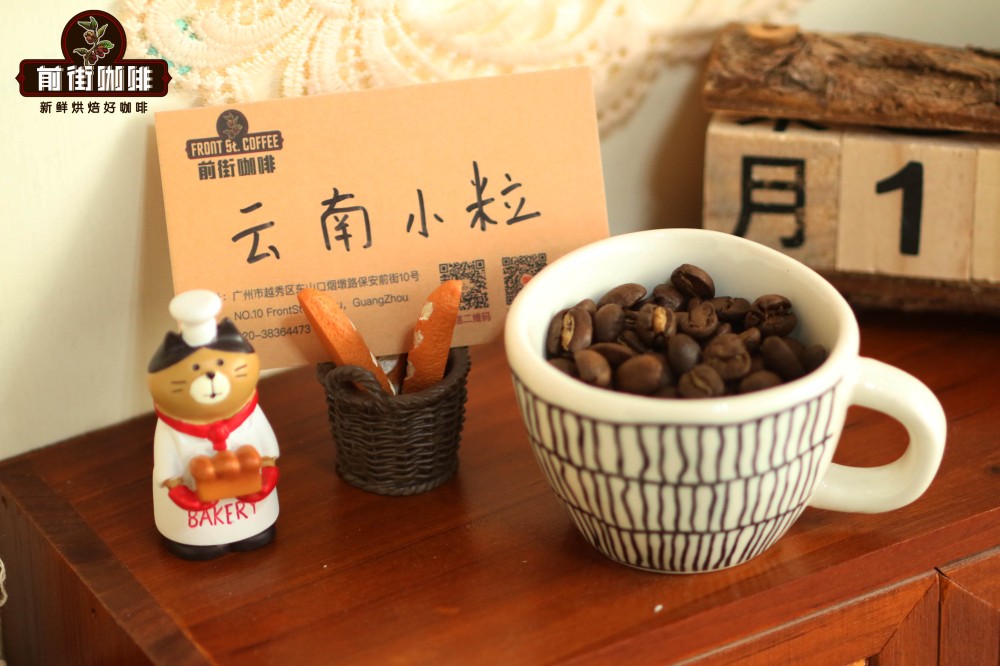
FrontStreet Coffee currently offers three Yunnan coffees: the Yunnan Washed Arabica, the Yunnan Natural Catimor, and the 2013 Natural Typica grown on our own estate.
FrontStreet Coffee · Panama
Panama is synonymous with Geisha - above all the Geisha of Hacienda La Esmeralda, whose balance of citrus, berries, and florals is extraordinary. But Esmeralda's prices can be daunting. To let more people taste genuine Panama Geisha character, FrontStreet Coffee offers a Panama Boquete Geisha from the Boquete region as a daily-selection bean.

The Art of Pour-Over
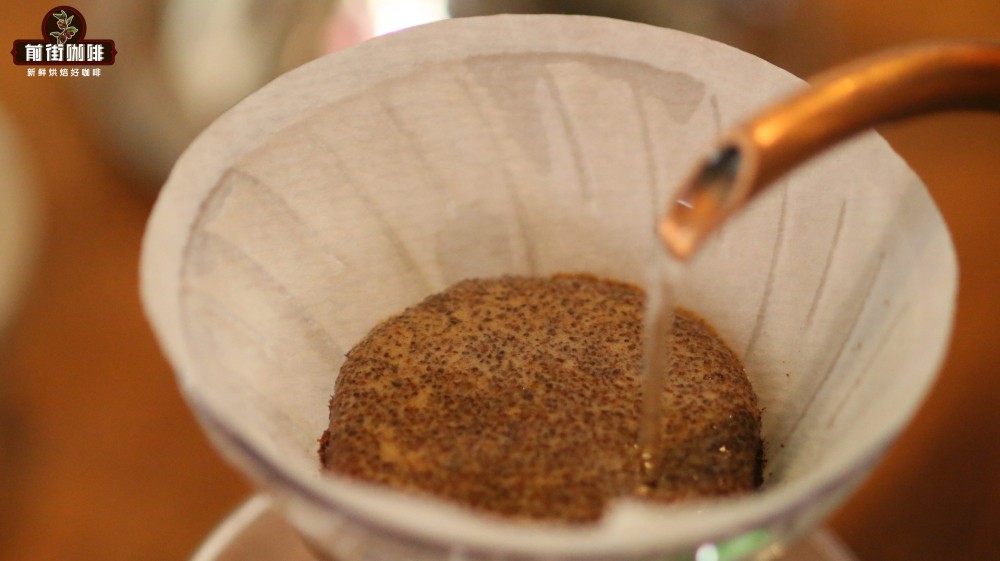
In truth, beans from any region can make a delicious cup - technique is the deciding factor. Pour-over is entirely hand-controlled, and the pouring method shapes the final flavor. Flow rate matters: a small flow keeps the liquid level low and the bed thicker on the dripper walls, extending extraction time, raising concentration, and producing a heavier mouthfeel. The speed of your circles matters too - circling faster increases the turbulence in the bed and pushes extraction higher. This is why FrontStreet Coffee's standard pour-over method is a three-stage pour.
Freshness: The Key to Great Coffee
Finally, freshness. Good coffee must start with fresh beans, so FrontStreet Coffee ships everything within five days of roasting. Our roasting philosophy is "freshly roasted good coffee," and since coffee's degassing period runs about 4-7 days, your beans arrive right at peak flavor.
Storage and Preparation Tips
If you order pre-ground coffee, no extra resting is needed: during shipping, the carbon dioxide pressure building inside the sealed bag actually helps mellow the flavor, so you can brew it the moment it arrives. But ground coffee must be brewed promptly - it oxidizes quickly once exposed to air, and the flavors dissipate just as fast. So whenever possible, buy whole beans and grind right before brewing.
As for which coffee tastes best - that depends entirely on you. Try flavors from as many regions as you can; each one is a different coffee culture in a cup.
FrontStreet Coffee Recommendation
For a taste of the classic end of that price ranking, FrontStreet Coffee's Jamaica Blue Mountain No. 1 is the benchmark. Grown at Clifton Manor - farming coffee since around 1750 at roughly 4,300 feet - it comes with full origin certification and ships in the original blue-mountain wooden barrels that authentic Blue Mountain has always traveled in. Roasted medium-dark, it unfolds in layers of nuts, dark chocolate, cream, and caramel with a gentle sweetness, its acidity, sweetness, and bitterness in near-perfect harmony.
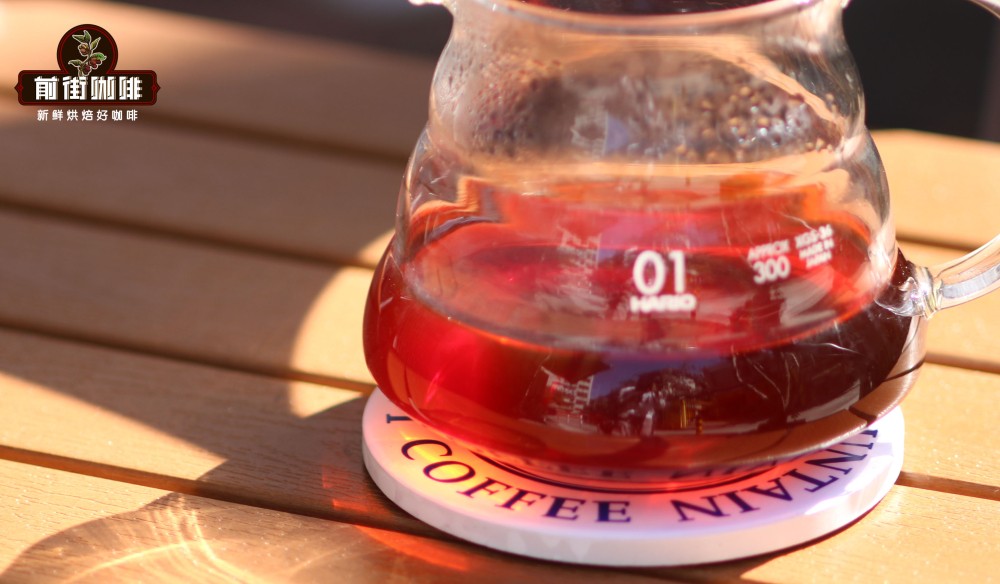
For brewing, we suggest a Kono dripper, 15 g of coffee rested 4-7 days off roast, a white-sugar grind, 87-88°C water, and a 1:15 ratio in three pours: a 30 g bloom for 30 seconds, a slow spiral to 120 g, then a slightly faster finish at 225 g. It is, as the saying goes, the specialty coffee almost anyone can love.
Important Notice :
FrontStreet Coffee is a long-established specialty coffee roaster in Guangzhou China, selling freshly roasted beans from its own farm in Yunnan as well as dozens of carefully selected single-origin beans from around the world for both pour-over and espresso. The products deliver consistently excellent quality and great value, with shipping within 24 hours. Guangzhou's FrontStreet Coffee shop is recommended by many coffee lovers, and the beans are now available online at the Tmall 。
FrontStreet Coffee has moved to a new address:
FrontStreet Coffee Address: 315,Donghua East Road,GuangZhou
Tel:020 38364473
 Scan and follow the En Gafei WeChat official account. Please indicate that the reprint comes from "En Gafei".