A Guide to Single-Origin Coffee Bean Varieties from Around the World - Comprehensive Coffee Bean Encyclopedia
In the world of specialty coffee there are countless choices. At FrontStreet Coffee alone there are over 50 varieties of single-origin coffee beans. The world of single-origin coffee offers diverse flavor profiles that fascinate enthusiasts, and FrontStreet Coffee would like to offer this guide to single-origin coffee bean varieties.
What Are Single-Origin Coffee Beans?
So what exactly are single-origin coffee beans? Single-origin coffee is made from beans of a single origin that can be traced back to where the coffee was grown. That traceability is not only about the producing country; it extends to the specific plot of land where the coffee was grown. This kind of complete traceability is achieved by getting to know coffee farm owners, visiting origins in person, understanding origin stories at the source, and purchasing green beans directly.
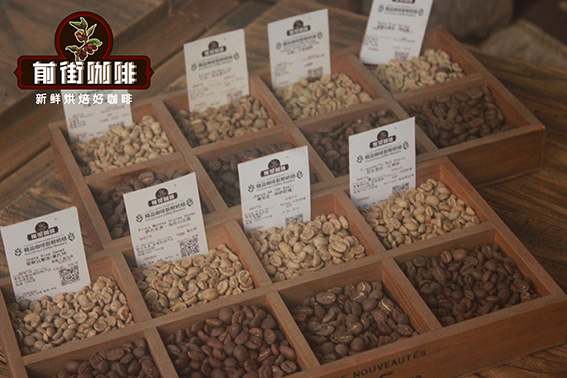
Regular customers at FrontStreet Coffee know that our pour-over single-origin coffees can be traced back to specific farms and regions. FrontStreet Coffee also states this basic information on every package. That matters because many unscrupulous merchants sell inferior products as premium ones. Even when coffee comes from the same region, differences in altitude, climate, and other factors can produce beans of varying quality. Coffee from well-known, quality-guaranteed farms therefore has assured quality that enthusiasts can trust.
What Is Regional Flavor?
Coffee, as an agricultural product, is shaped by multiple factors including altitude, climate, soil, cultivation techniques, and green bean processing methods. Coffee is also just a general term encompassing many varieties. The pour-over single-origin beans most often used for daily consumption at FrontStreet Coffee, for example, belong to the Arabica species, which is further divided into specific varieties such as Typica and Bourbon, all of which shape the flavor from the source. This is what FrontStreet Coffee often calls regional flavor.
All specialty coffee varieties are derivatives of the Arabica species, though some are hybrids from crosses between Arabica and Robusta. Indonesia's renowned FrontStreet PWN Gold Mandheling, for instance, introduced the Ateng variety in 2020, the result of combining Robusta and Arabica.
What Factors Determine Single-Origin Coffee Flavor?
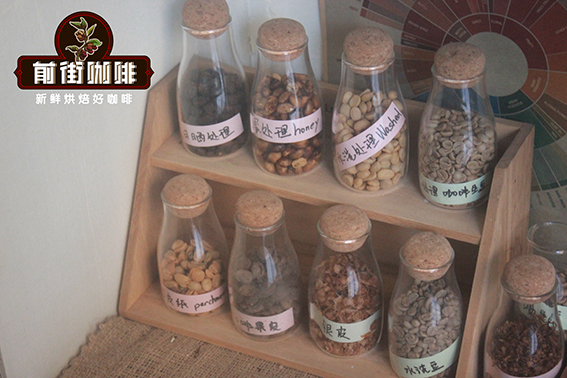
The flavor of a coffee bean is shaped mainly by three factors: producing region, variety, and processing method. Producing regions divide into Asia, Africa, and Latin America, each with characteristic flavors. Coffee varieties, as FrontStreet Coffee noted above, are mostly Arabica for single-origin coffee. Processing methods are even more varied, with common ones including washed, natural, and honey processing. All of these affect flavor. Next, FrontStreet Coffee recommends some single-origin coffees based on these points.
Flavor Characteristics of the Three Major Coffee Regions
As FrontStreet Coffee mentioned above, producing regions divide mainly into Africa, Asia, and Latin America. African regions are famous for bright acidity. FrontStreet Coffee's washed Yirgacheffe from Ethiopia, with its captivating citrus acidity, is loved by many enthusiasts. Asian coffees are known for full body and spicy, herbal notes; FrontStreet Coffee's Indonesian Mandheling, with its distinctive herbal, spicy flavors and full mouthfeel, has attracted batch after batch of coffee lovers. Latin American flavors fall between the two, relatively balanced with varied flavors, mainly featuring nut and cocoa notes. FrontStreet Coffee's Brazilian Queen Estate beans, for example, are known for their rich nut and cocoa flavors.
FrontStreet Coffee Ethiopia Yirgacheffe Washed Gedeb Coffee Beans
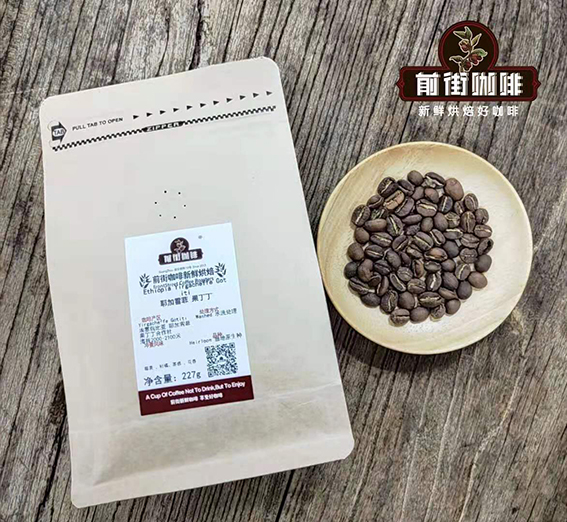
Country: Ethiopia
Region: Yirgacheffe
Altitude: 1900-2300m
Variety: Local landrace
Processing: Washed
Flavor: Tropical fruits, cream, honey, berries, citrus
FrontStreet Coffee Indonesia Lintong Mandheling Coffee Beans
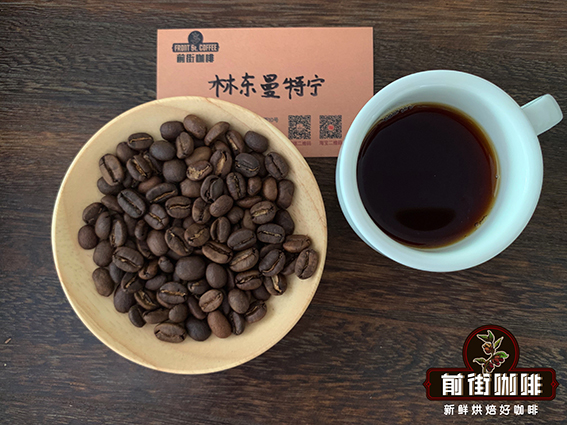
Country: Indonesia
Region: Sumatra (Lintong)
Altitude: 1100-1600m
Variety: Typica, Caturra
Processing: Wet-hulled
Flavor: Toasted bread, nuts, caramel, pine, herbs
FrontStreet Coffee Brazil Queen Estate Yellow Bourbon Coffee Beans
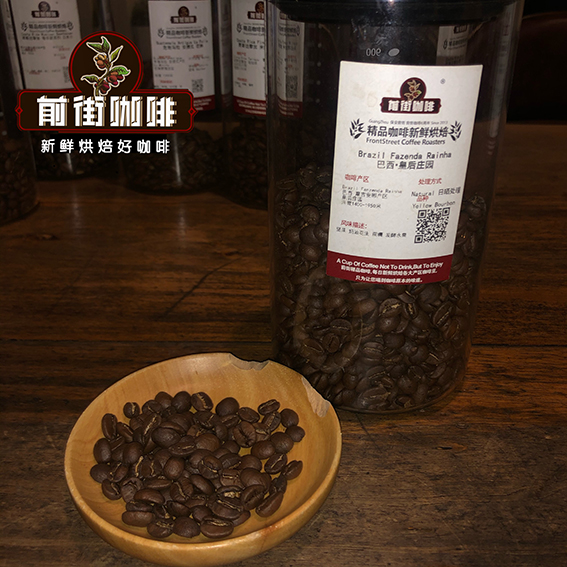
Country: Brazil
Region: São Paulo State (Queen Estate Farm)
Altitude: 1400-1950m
Variety: Yellow Bourbon
Processing Method: Pulped natural/Natural
Flavor: Nuts, cream, peanuts, fermented fruits, cane sugar
Common Coffee Processing Methods for Single-Origin Coffee
The representative coffees from the three major regions above each have distinct flavor characteristics, and their processing methods differ too. Next, FrontStreet Coffee explains the differences between these three processing methods.
Natural Processing Method
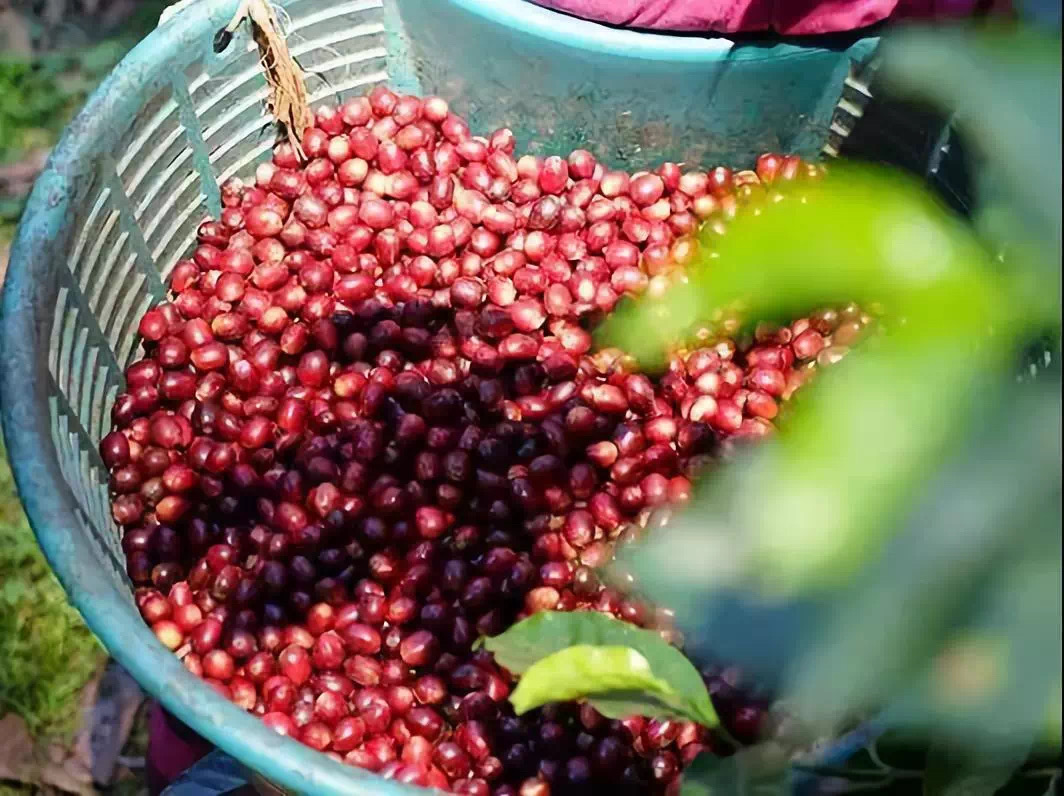
Natural processing is the oldest method, also known as natural drying. It requires no sophisticated equipment, only consecutive sunny days for sun-drying operations, which take 27-30 days. It therefore has relatively strict climate requirements and suits countries with arid regions. Ethiopia is a producing country that widely uses natural processing, because it has high altitude, a dry climate, and scarce water resources. It is worth noting that although natural processing is relatively simple, precisely because of this the beans do not look attractive and may show some cracks, making them less appealing visually.
Washed Processing Method
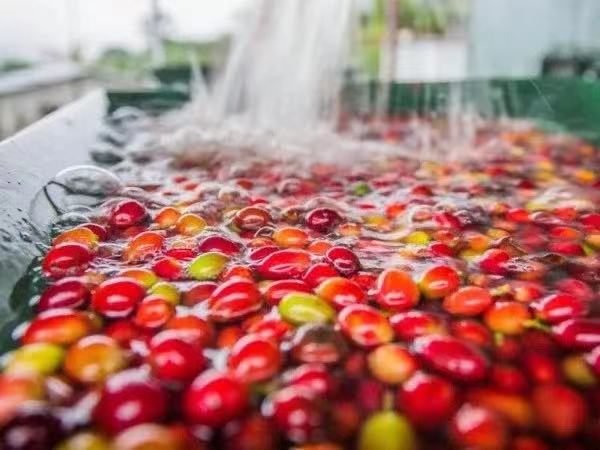
Most of FrontStreet Coffee's beans from different regions are also washed-processed, especially the daily series, because washed beans are cleaner and express flavor more transparently, matching the most original taste of the coffee fruit. FrontStreet Coffee often says that the flavor of washed coffee is a guiding light for understanding a region's profile.
Wet-Hulled Processing Method
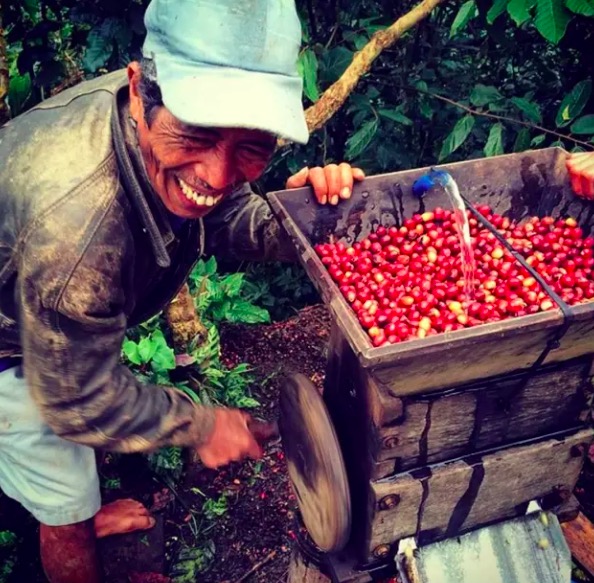
Wet-hulling is a rapid method for processing coffee beans. It involves removing the cherry's skin and pulp, a brief fermentation, then drying, followed by removing the mucilage and parchment layer and continuing to a final drying stage until moisture content reaches 12%. Mandheling beans processed this way clearly show compression cracks. FrontStreet Coffee believes this does not indicate defective beans but is an inherent characteristic of Mandheling.
As FrontStreet Coffee noted above, wet-hulling causes beans to develop "defects." This is because when the parchment is removed during wet-hulling, the coffee's moisture content is still as high as 20-24%. In typical processing, moisture is reduced to 10-12% before hulling. In this semi-dry state, the parchment tends to adhere to the green bean surface, making hulling harder than with fully dry beans and requiring greater friction during the process.
Beyond these methods, many other processing techniques create different flavor expressions in pour-over single-origin beans. FrontStreet Coffee would like to recommend these pour-over coffees to all enthusiasts.
FrontStreet Coffee Costa Rica Canet Estate Musician Series Mozart Coffee Beans
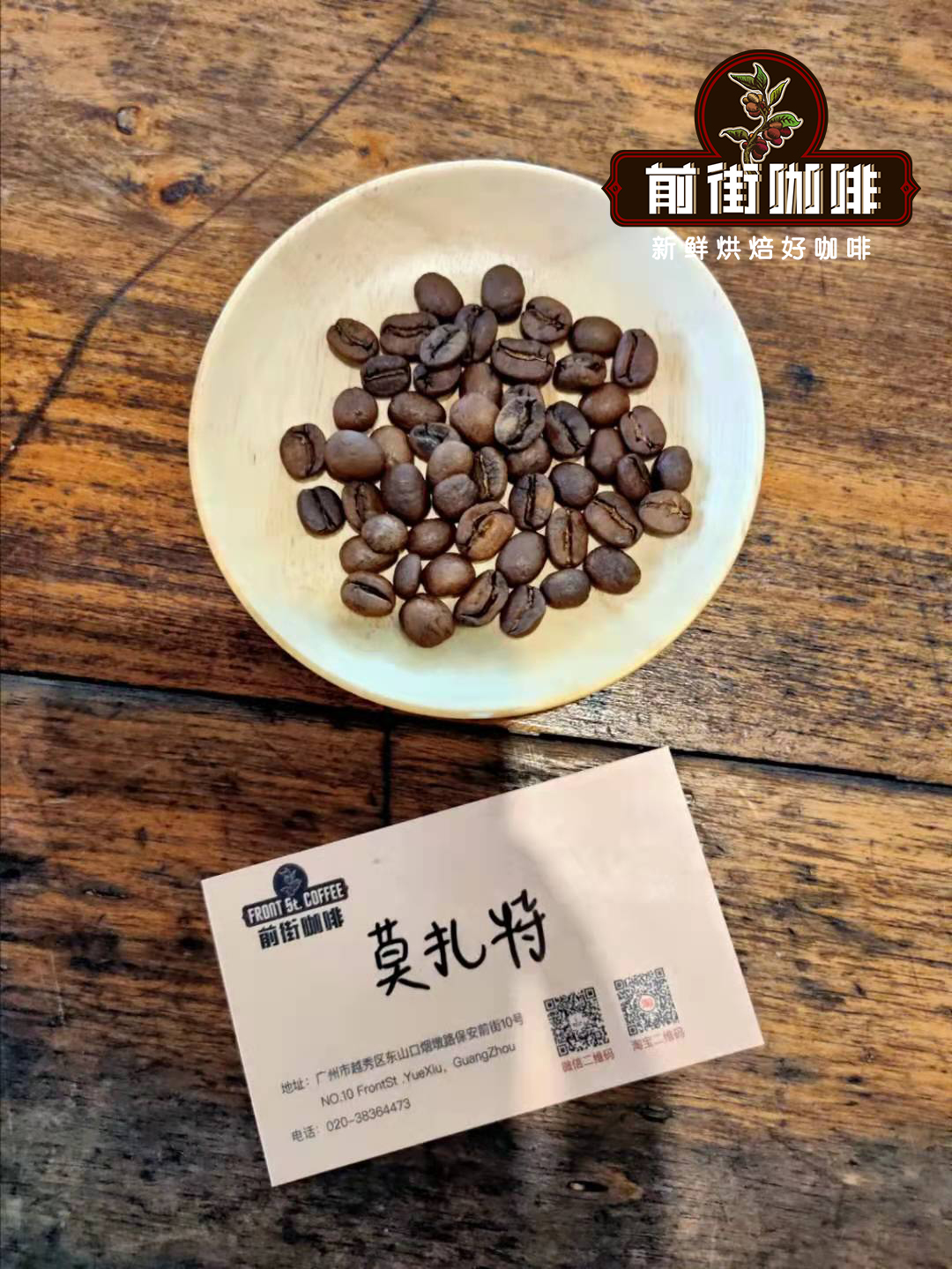
Country: Costa Rica
Region: Tarrazú
Altitude: 1800m
Variety: Caturra, Catuai
Processing: Anaerobic honey
Flavor: Raisin acidity, berries, floral notes, fermented wine aroma
FrontStreet Coffee Costa Rica Canet Estate Musician Series Bach Coffee Beans
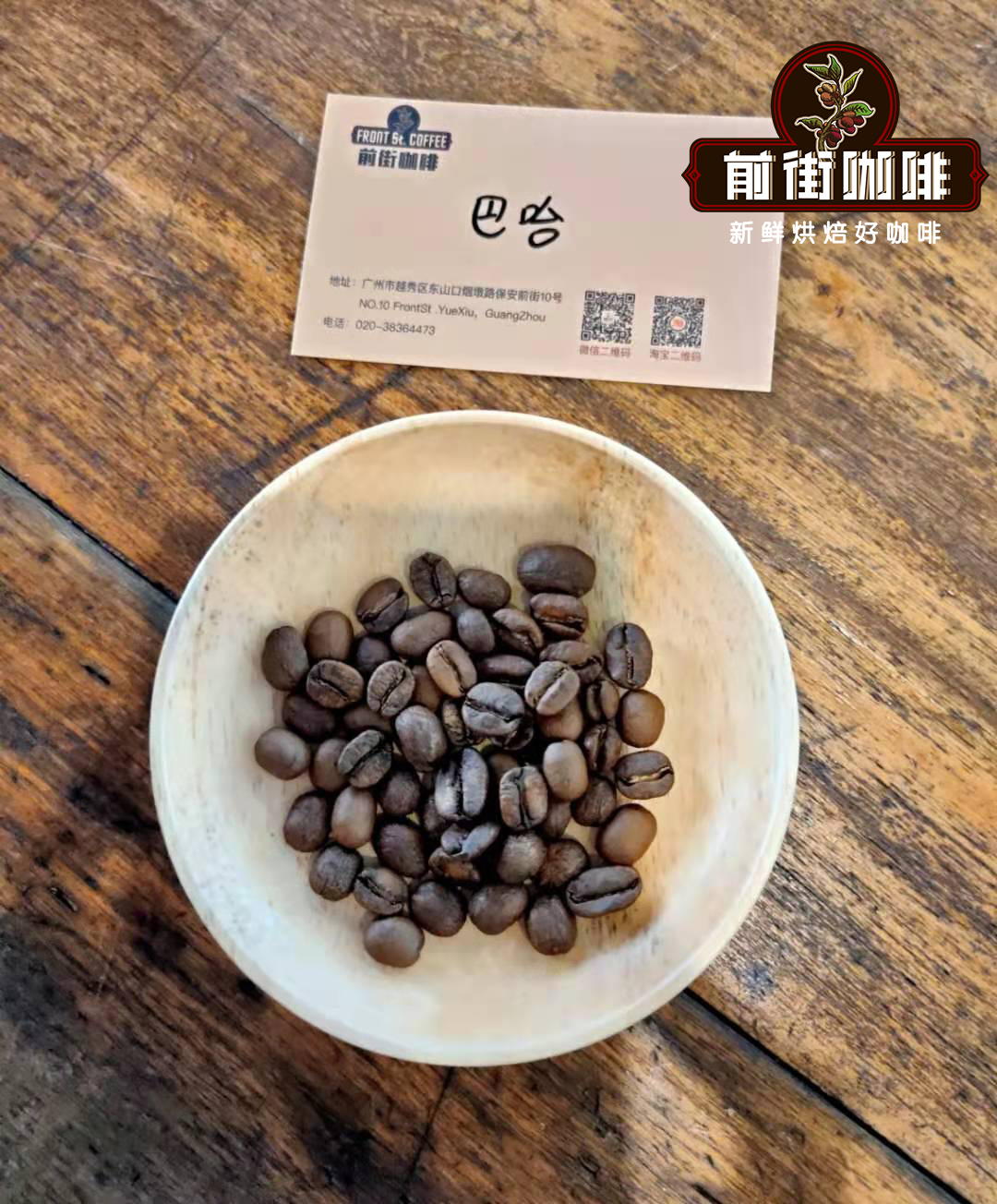
Country: Costa Rica
Region: Tarrazú
Altitude: 1950m
Variety: Caturra
Processing: Raisin honey
Flavor: Fermented wine aroma, berries, fruit tea notes
FrontStreet Coffee Kenya Asalia Coffee Beans
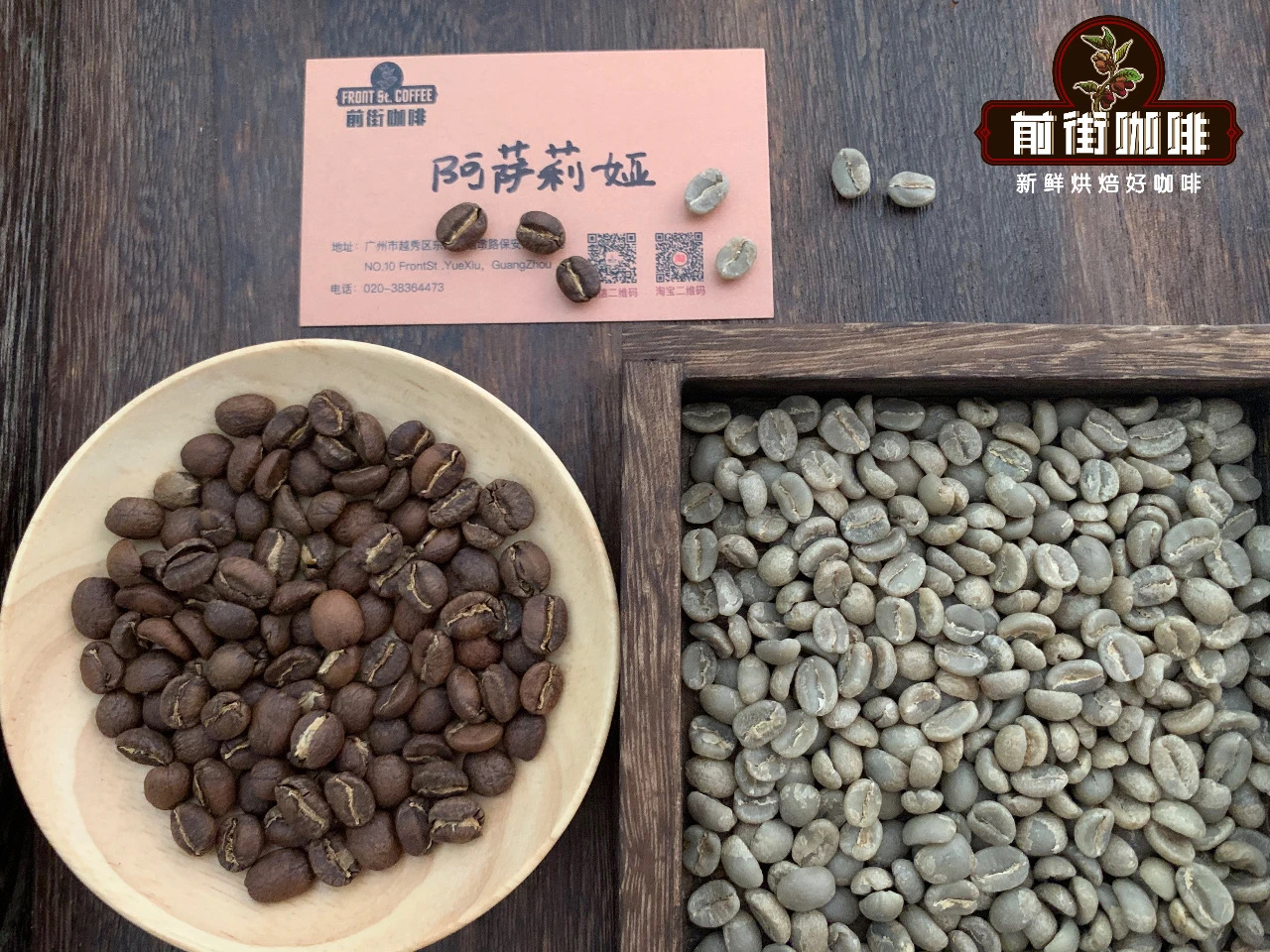
Country: Kenya
Region: Asali (Honey Processing Station)
Altitude: 1550-1750m
Variety: SL28, SL34
Processing: 72-hour washed processing
Flavor: Snow pear, dried plum, brown sugar, cherry tomato, plum
FrontStreet Coffee Honduras Sherry Barrel Fermented Coffee Beans
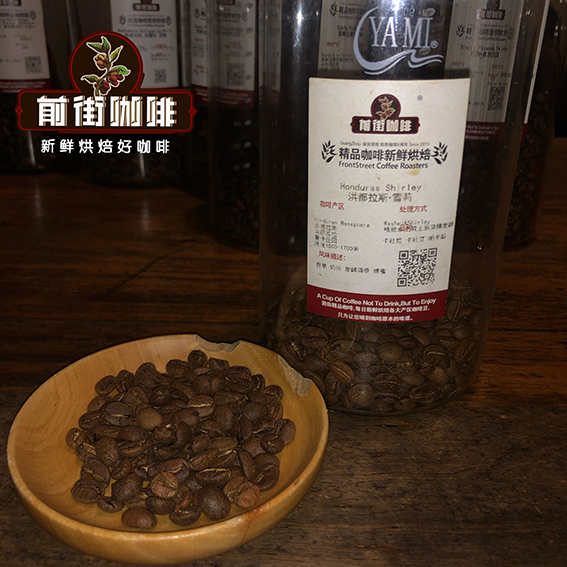
Country: Honduras
Region: Marcala (Moca Estate Farm)
Altitude: 1500-1700m
Variety: Caturra, Catuai, Pacas
Processing: Fine washed + whiskey barrel fermentation
Flavor: Vanilla, cream, fermented wine aroma, dark chocolate
FrontStreet Coffee Colombia San José Estate Coffee Beans
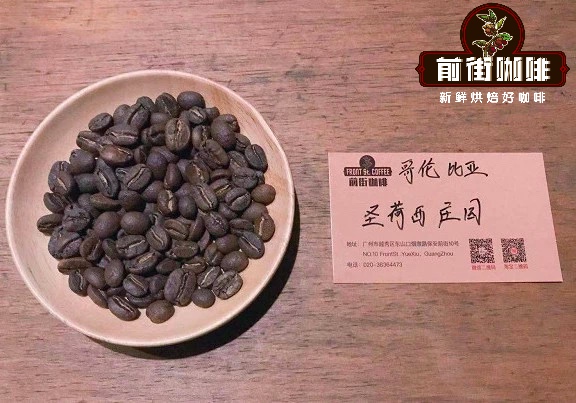
Country: Colombia
Region: Caldas
Altitude: 1750m
Variety: Castillo
Processing: Fine washed rum barrel fermentation processing
Flavor: Rum, liquor-filled chocolate, tropical fruits, maple syrup
FrontStreet Coffee Colombia Rose Valley Coffee Beans
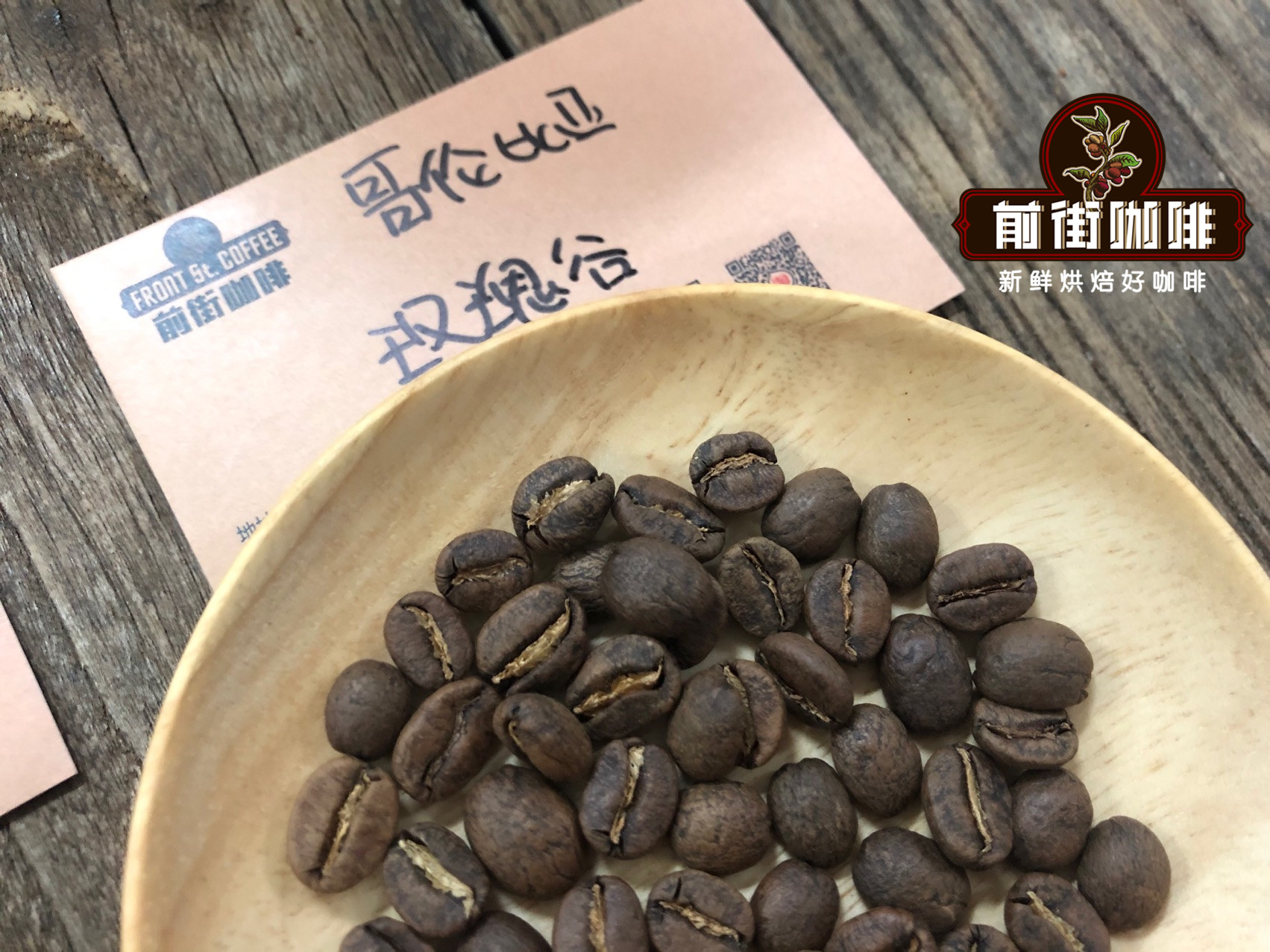
Country: Colombia
Region: Támandua (Big Tree Estate Farm)
Altitude: 1700m
Variety: Caturra
Processing: Anaerobic double enzyme washed processing
Flavor: Honey, juicy sensation, strawberry
The above is FrontStreet Coffee's compilation of relevant content and recommendations about single-origin coffee. We hope it helps enthusiasts who want to understand single-origin coffee better, so they can choose beans that suit their taste preferences in the future.
FrontStreet Coffee Recommendation
To taste African brightness, start with FrontStreet Coffee's washed Yirgacheffe Gedeb. This G1-grade lot from the Gedeb processing station in Yirgacheffe is given the classic washed treatment and shows elegant white florals, citrus, orange, and green tea, bright and delicate with a tea-like body.
For the full-bodied, herbal side of Asia, FrontStreet Coffee's PWN Gold Mandheling is the top-tier choice. Produced in Sumatra, it is wet-hulled and then strictly sorted by density, size, shape, and color, with defects removed by machine and hand, leaving plump, even beans and a cleaner cup. Freshly roasted, it shows sandalwood, herbs, spices, roasted hazelnut, caramel, and dark chocolate, clean and sweet, full-bodied, and richly layered.
To round out the Latin American middle ground, FrontStreet Coffee's Brazil Queen Estate is a fine pick. A rare Yellow Bourbon, it delivers the nut and cocoa character Brazil is known for, with a clear sugarcane sweetness. It works well as a pour-over, in a moka pot, or on an espresso machine, with a smooth, mellow texture.
Important Notice :
FrontStreet Coffee is a long-established specialty coffee roaster in Guangzhou China, selling freshly roasted beans from its own farm in Yunnan as well as dozens of carefully selected single-origin beans from around the world for both pour-over and espresso. The products deliver consistently excellent quality and great value, with shipping within 24 hours. Guangzhou's FrontStreet Coffee shop is recommended by many coffee lovers, and the beans are now available online at the Tmall 。
FrontStreet Coffee has moved to a new address:
FrontStreet Coffee Address: 315,Donghua East Road,GuangZhou
Tel:020 38364473
 Scan and follow the En Gafei WeChat official account. Please indicate that the reprint comes from "En Gafei".