How Espresso is Extracted: Espresso Coffee Extraction Principles, Characteristics, and Flavor Profile
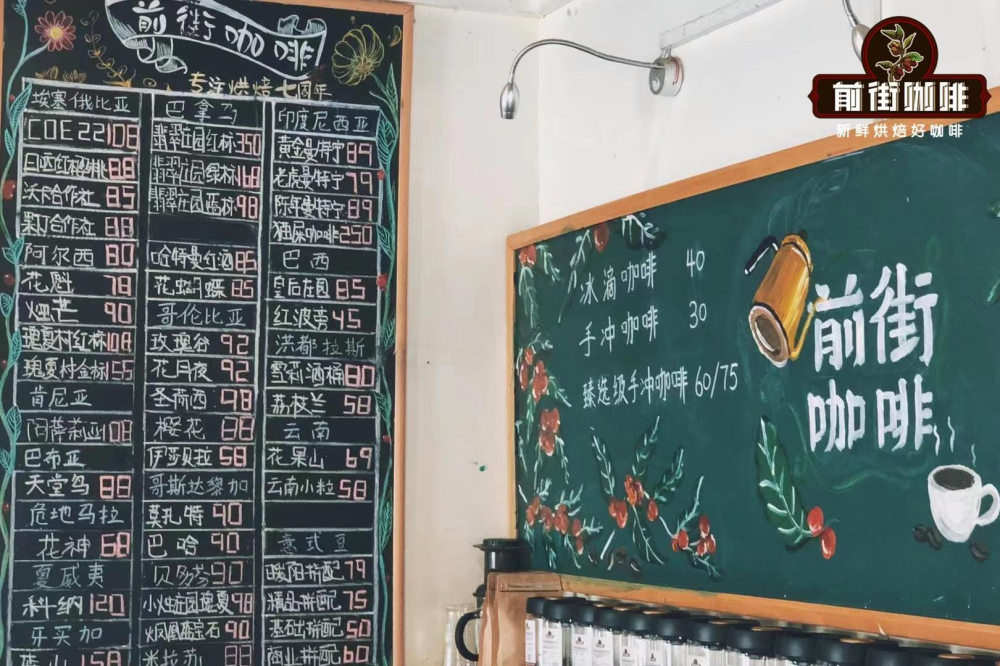
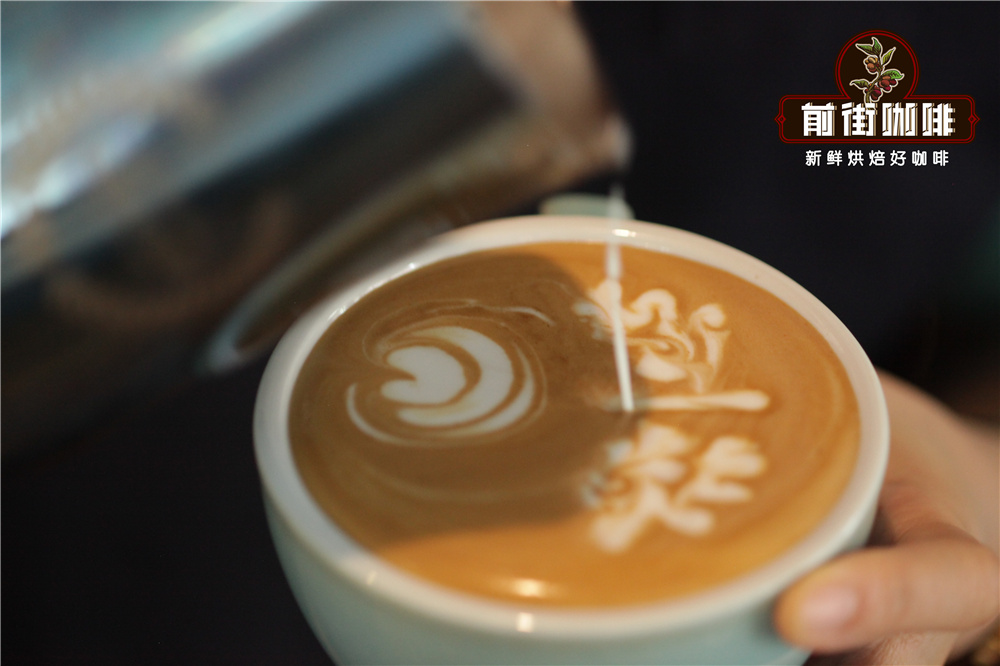
The Mystery of FrontStreet Coffee's Alcoholic-Scented Latte
Those who have tried FrontStreet Coffee's latte often ask with curiosity: "This coffee really doesn't contain alcohol, does it?" To their disappointment, FrontStreet Coffee truly only sells coffee - there is not a single drop of alcohol in it. The enticing alcoholic aroma comes from the fact that FrontStreet Coffee's espresso beans are blended with coffee beans that have undergone barrel fermentation.
After hearing about the uniqueness of FrontStreet Coffee's espresso blend, many customers want to investigate further. To verify that distinctive alcoholic aroma, some will actually order a shot of espresso. Not everyone, however, can accept the intense flavor of a straight shot.
Understanding Espresso: Intensity and Concentration
Espresso is made by grinding coffee beans into a fine powder, then applying high pressure to force hot water through the coffee puck and extract a concentrated coffee liquid. The result has a very rich, thick flavor. The word "concentrated" implies that the coffee is thick and the flavors overly intense, so most people need to dilute it with milk or water to make it palatable.
The Evolution of Espresso Technology
Thanks to technological progress, we can enjoy such distinctive coffee today. As early as the beginning of the 20th century, the espresso Europeans drank was nearly identical to coffee made with today's moka pots - boiling hot water, extremely low extraction pressure close to atmospheric pressure, and longer extraction times. Espresso from that era was thin in texture with prominent bitterness, similar to what people often call "pot-rinsing water." It was not until 1961, when Faema introduced the Faema E61 espresso machine, that the definition of espresso began to resemble what we know today.
The Art of Drinking Espresso
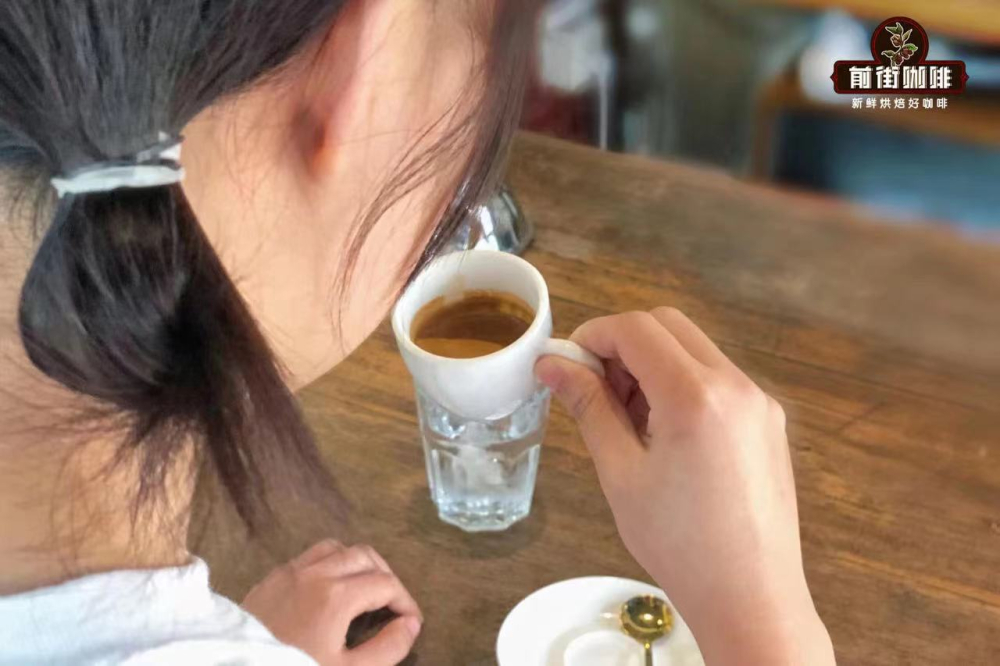
Customers who have ordered espresso at FrontStreet Coffee may have noticed that it is served with a glass of ice water and a small spoon. So what is the correct way to drink espresso? What are the ice water and the small spoon for? Should you pour the espresso into the ice water and stir it with the spoon?
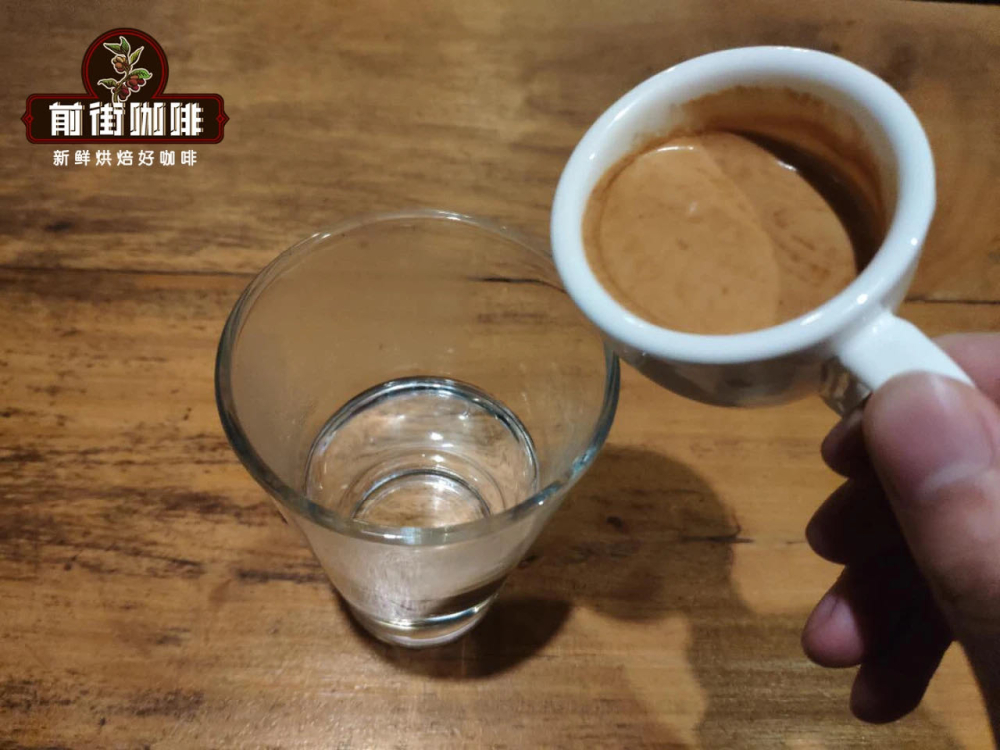
If customers pour espresso into the ice water, FrontStreet Coffee's baristas will likely stop them: "What happened to drinking espresso? How did it become an iced Americano?"
The proper way to drink espresso is to take a sip of ice water first, before tasting, to cleanse the palate and prepare for the espresso. The small spoon is optional - it can be used to check the crema and to stir the espresso evenly.
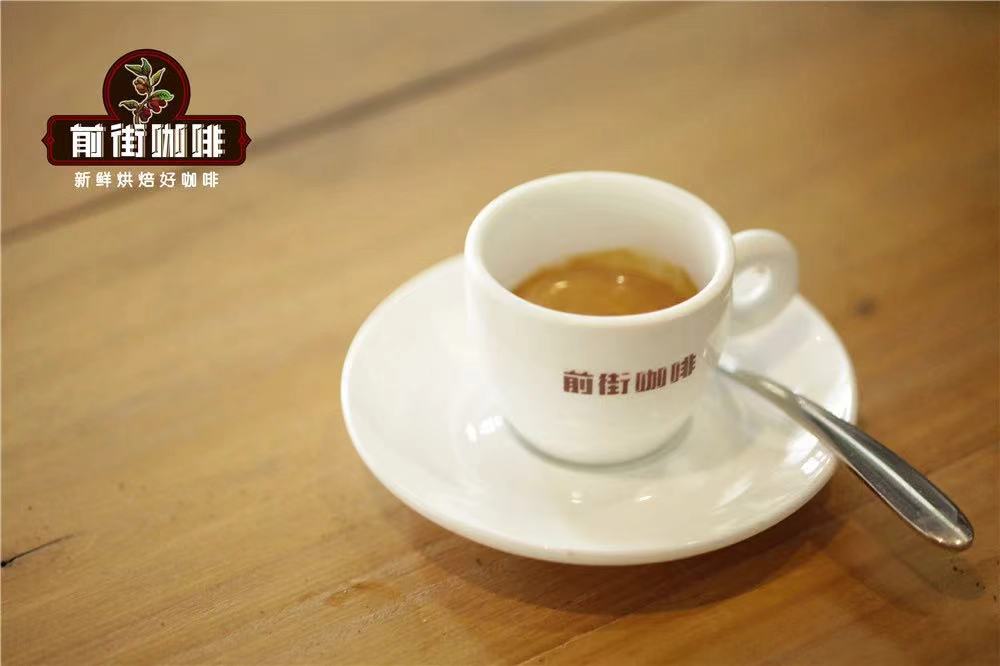
Step-by-Step Espresso Tasting Guide
- First, take a sip of ice water to clear the flavors in your mouth.
- Use the small spoon to gently check the condition of the crema.
- Take a small sip of espresso, letting the coffee linger in your mouth, and use your tongue to fully experience the flavor and texture of the concentrated coffee.
- Before the next sip of espresso, you can drink another sip of ice water to experience the different textures of the espresso from top to bottom.
FrontStreet Coffee's Signature Espresso Blend
FrontStreet Coffee's espresso beans have a rich alcoholic aroma because the shop uses the "Sunflower Warm Sun" blend, composed of 70% Honduras Sherry coffee beans and 30% Ethiopian natural red cherry coffee beans.
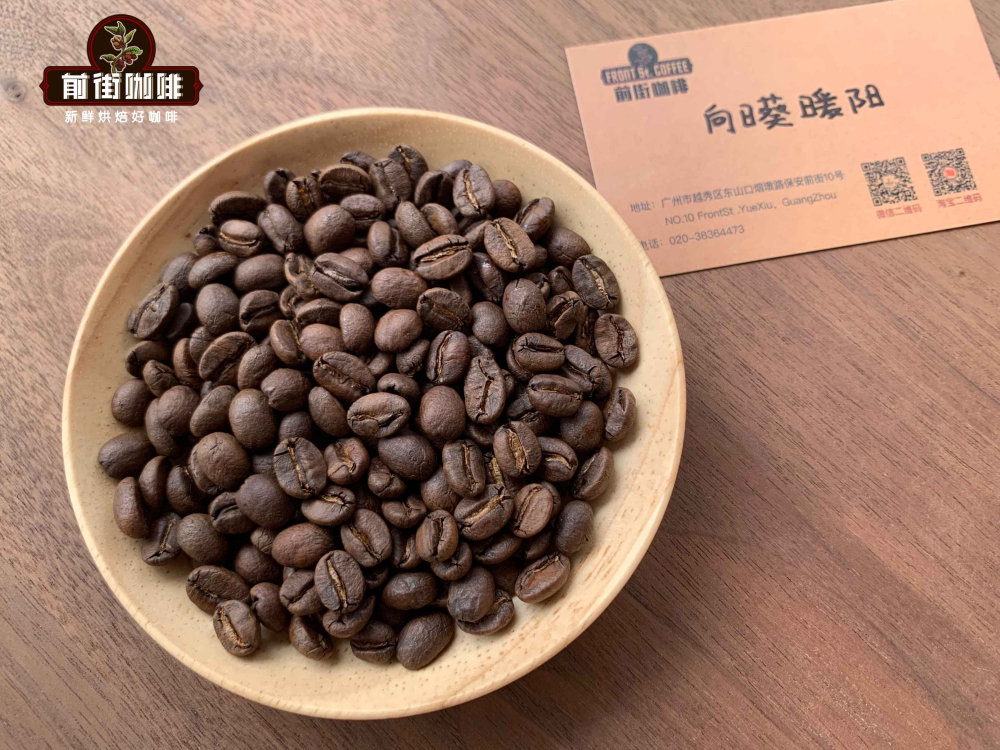
FrontStreet Coffee Sunflower Warm Sun Blend
Origin: Honduras & Ethiopia
Varieties: Caturra, Catuai, Pacas, local native varieties
Processing: Washed & Natural
The Honduras Sherry beans are low-temperature fermented in sherry whiskey barrels for 30 to 40 days, allowing the sweet aroma of sherry whiskey to penetrate the green coffee. The Ethiopian natural red cherry beans use the most traditional and original natural processing method, which gives the coffee a more intense fruity sweetness.
The Science of Espresso Extraction
Different beans require different brewing parameters. Different times and humidity levels can change the grind and a whole series of other parameters.
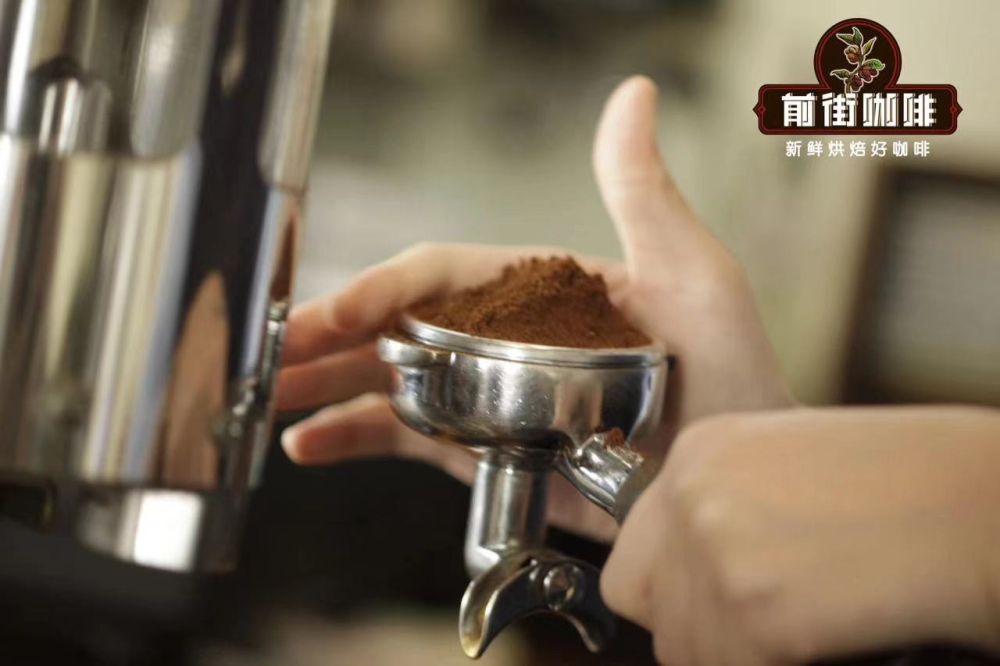
Key Extraction Parameters
Dose Amount: The amount of coffee is generally determined by the size of the portafilter. FrontStreet Coffee uses a 20-gram portafilter, so it also uses 20 grams for extraction.
Dose-to-Yield Ratio: As extraction progresses, substances are extracted, and each successive portion of the espresso becomes less concentrated. The earlier portions of the shot have more concentrated flavors and a thicker texture.
Time: Flavor compounds in coffee begin to react as soon as they contact water. Acidic and sweet compounds are extracted first, and as time passes, bitter compounds also begin to emerge. FrontStreet Coffee extracts espresso between 26 and 28 seconds.
Grind Degree: The finer the coffee powder, the larger the surface area in contact with water, and the more flavor compounds are extracted. Too fine a grind risks over-extraction; too coarse a grind results in under-extraction with sharp acidity or even a watery texture.
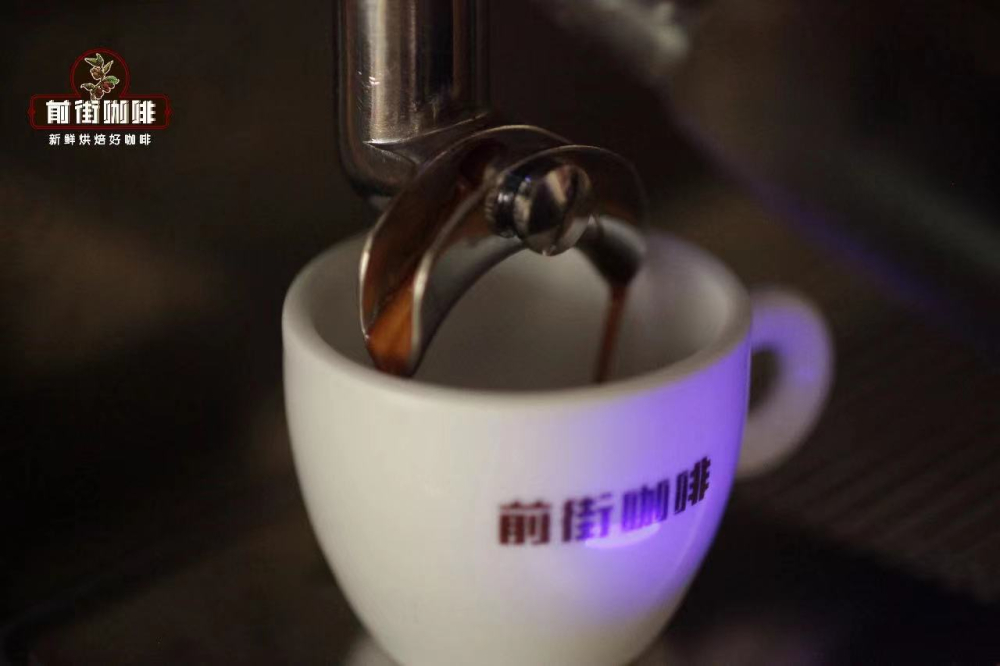
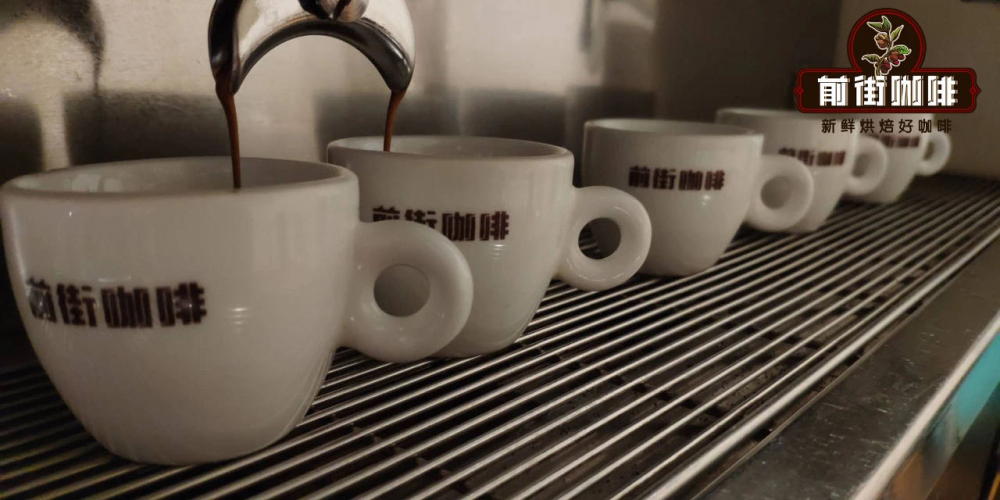
After parameter adjustments, FrontStreet Coffee uses 20 grams of coffee powder to extract 40 grams of espresso liquid when making espresso with this blend, with an extraction time of approximately 27 seconds.
The flavor features a rich whiskey aroma with berry-like acidity. As the temperature drops slightly, vanilla and cream flavors begin to emerge, with a dark chocolate aftertaste. The overall experience is balanced, with a rich, smooth texture.
Espresso Beans vs. Pour-Over Beans: The Roasting Difference
Some customers who regularly drink pour-over coffee may wonder: since this is a blend of Honduras Sherry and Ethiopian natural red cherry, couldn't they just buy a bag of Honduras Sherry pour-over beans and a bag of Ethiopian natural red cherry pour-over beans and cover both pour-over and espresso needs at once?
That approach should be avoided. Coffee bean roasting follows the same principle as cooking - dishes cooked with low heat and high heat taste completely different. When FrontStreet Coffee roasts Honduras Sherry pour-over beans and Ethiopian natural red cherry pour-over beans, it typically uses light to medium roast levels to highlight acidity and aroma. For the espresso blend, however, it uses medium-dark roast levels to achieve a thick, smooth texture and rich aroma.
So if you buy two types of pour-over beans to blend at home, you will not get the same flavor as FrontStreet Coffee's shop blend. Can this espresso blend be used for pour-over coffee? FrontStreet Coffee considered that question when designing the blend, so the Sunflower Warm Sun blend meets the needs of both espresso and pour-over preparation.
FrontStreet Coffee Recommendation
If you want to pull espresso at home with plenty of crema, FrontStreet Coffee's Classic Blend is the place to start. Designed for espresso machines and moka pots, it uses a traditional Mocha-Java style recipe and produces a thick, fine crema even on a basic machine. The cup is full-bodied and mellow with a low acidity, and it suits everything from a straight shot to a latte, cappuccino or Dirty. FrontStreet Coffee's Black Cocoa Blend is the value-focused option, 100% Arabica with full crema, a rich body and a nutty, chocolate and cream profile.
For a more classic cafe taste, the Specialty Blend pairs Brazilian Cerrado with Colombian Huila for familiar chocolate, caramel and nut notes, while the Autumn Chestnut Blend brings roasted chestnut, caramel, brown sugar and cocoa, and FrontStreet Coffee's Commercial Blend remains the dependable, cost-conscious workhorse for shops. For a single-origin espresso, the PWN Golden Mandheling is deep roasted with very low acidity, a full body and herbal and dark chocolate aromas.
To get the most from any of these, use about 20g of coffee grounds to extract roughly 40g of espresso in 26-28 seconds, keep the grind fine and consistent, and adjust the dose or yield by taste if the shot runs fast or slow.
Important Notice :
FrontStreet Coffee is a long-established specialty coffee roaster in Guangzhou China, selling freshly roasted beans from its own farm in Yunnan as well as dozens of carefully selected single-origin beans from around the world for both pour-over and espresso. The products deliver consistently excellent quality and great value, with shipping within 24 hours. Guangzhou's FrontStreet Coffee shop is recommended by many coffee lovers, and the beans are now available online at the Tmall 。
FrontStreet Coffee has moved to a new address:
FrontStreet Coffee Address: 315,Donghua East Road,GuangZhou
Tel:020 38364473
 Scan and follow the En Gafei WeChat official account. Please indicate that the reprint comes from "En Gafei".