What is Espresso? Recommended Parameter Ranges and Proportions for Espresso Coffee
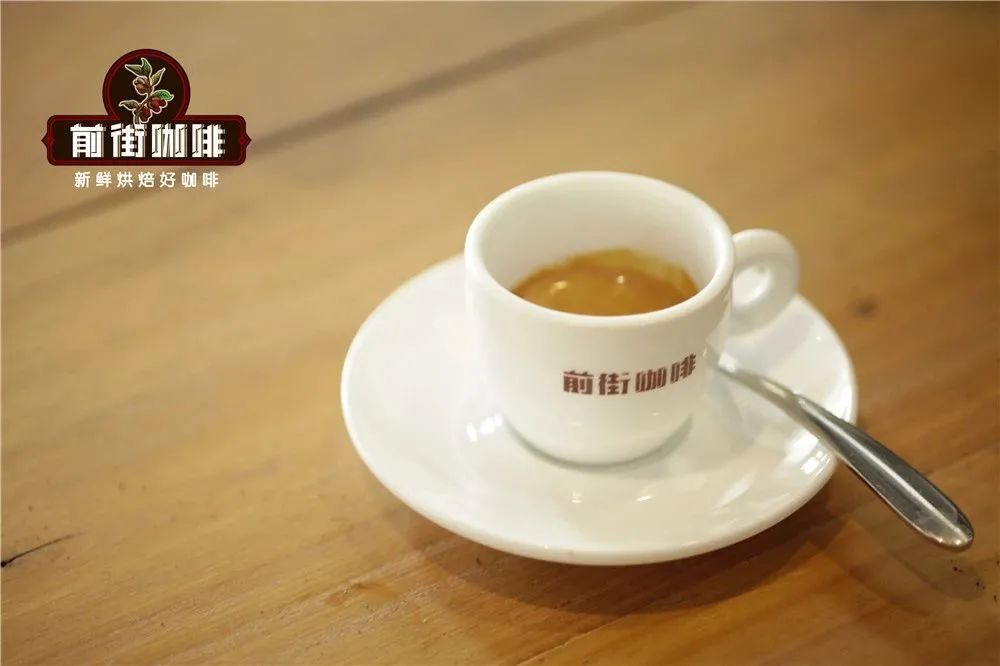
If you've enjoyed Italian coffee, you're surely familiar with Espresso - it's "hidden" inside the coffees we drink every day, such as Americano, Latte and Mocha, all of which use Espresso as their base. FrontStreet Coffee is here to discuss what Espresso is.
What does Espresso mean?
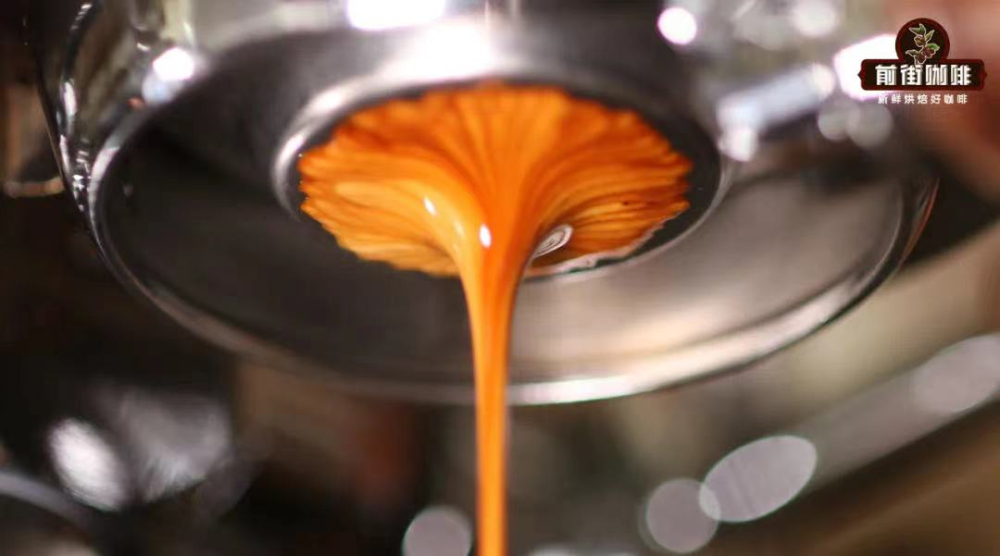
Espresso refers to coffee liquid quickly extracted with a pressurized espresso machine, with a layer of golden-brown foam floating on the surface. The word carries the sense of "express," meaning "fast," and also implies that it should be made to order and consumed promptly. Freshly made Espresso has a layer of dense, golden-brown foam on top - this is its characteristic "crema," which enriches the coffee's aroma and complexity. The pure black liquid underneath concentrates a range of flavors, delivering a strong, rich taste.
Although Espresso isn't listed on FrontStreet Coffee's menu, many customers still actively order "a cup of Espresso." That's because the Americanos, Lattes and Mochas we usually drink are all made with a delicious Espresso as the base, combined with water, milk or other ingredients. The quality of the Espresso therefore largely determines the quality of every Italian coffee in a shop - a standard Espresso is the soul of Italian coffee.
What conditions are needed to make Espresso?
According to Specialty Coffee Association (SCA) standards, 7-9 grams (double: 14-18 grams) of coffee grounds should extract 25-35g of coffee liquid within 20-30 seconds, at an extraction pressure of 9-10 bar and a water temperature between 90-96°C. Each coffee shop adjusts these based on its beans and equipment. Extracting Espresso requires four key factors: high pressure, high temperature, fast extraction and finely ground coffee.
1. High Pressure
The biggest difference between espresso machines and other extraction methods is that they use increased pressure to quickly extract soluble substances from the coffee. To pull rich, mellow Espresso from coffee grounds within 20-30 seconds, significant pressure must force hot water to penetrate the grounds quickly and complete extraction. Commercial espresso machines typically run at 9-10 atmospheres of pressure, and the machine used at FrontStreet Coffee can be adjusted to a maximum of 11 atmospheres.

2. High Temperature
To extract the rich aromas from coffee, high-temperature hot water is needed, typically a stable temperature above 90°C. The water temperature at FrontStreet Coffee's machine is maintained at 94°C.
3. Fast Extraction
As mentioned above, the word Espresso comes from Italian, meaning "fast," so quick extraction is one of its major characteristics. Extraction time is usually controlled within 20-35 seconds, because coffee extracted within 20 seconds typically tastes thin, while extraction beyond 35 seconds tends to be over-extracted, giving a burnt bitterness. FrontStreet Coffee's concentrates mostly fall within the 28-30 second range.
4. Fine Grinding
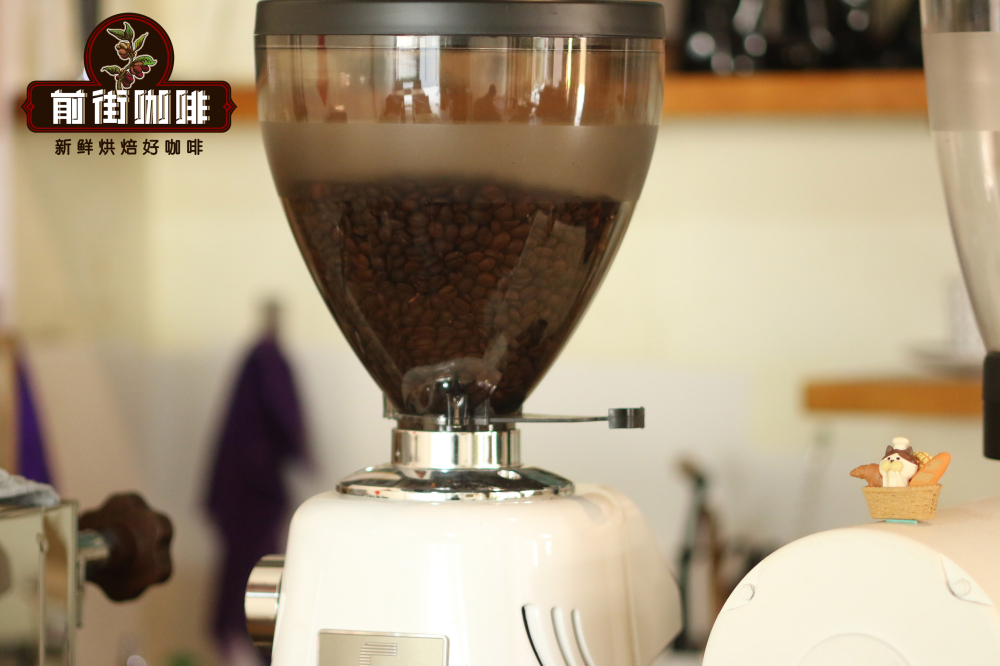
Because extraction time is short, the coffee grounds need to be ground finer and more evenly to fully extract the coffee's aroma - that is, a specialized electric grinder set for espresso extraction is required.
How to extract a delicious Espresso?
With the popularity of specialty coffee, many friends have asked FrontStreet Coffee how to make Italian coffee at home. A delicious Italian coffee is inseparable from a quality Espresso. FrontStreet Coffee will use the shop's production as an example to briefly describe the extraction process.
Coffee Freshness
A golden-brown, dense crema signals that an Espresso has been properly prepared - it's the result of carbon dioxide and other gases from fresh coffee beans being distributed in water under high pressure. Beans stored for more than two months cannot extract an Espresso with perfect crema, so FrontStreet Coffee suggests using freshly roasted beans and aging them appropriately. Beans shipped by FrontStreet Coffee are confirmed to be freshly roasted within 5 days, so they're still relatively fresh when received. Beans need a degassing period after roasting; since Italian coffee beans mostly use medium-dark roasts, they need 7-10 days to release carbon dioxide. Properly aged beans not only have a full aroma but also extract more stably.
Extraction Parameters
FrontStreet Coffee uses a double basket capacity, with about 18-20 grams of grounds, and 20 grams of coffee grounds for production. Usually the ratio of grounds to liquid is between 1:1.5-1:2.5, and FrontStreet Coffee's extraction ratio is 1:2 - 20 grams of grounds to extract 40 grams of coffee liquid. Time is tied to the flow rate of the grounds. A single extraction is generally controlled within 20-35 seconds, because coffee extracted within 20 seconds typically tastes thin, while extraction exceeding 35 seconds tends to be over-extracted, giving a burnt bitterness. FrontStreet Coffee's concentrates mostly fall within the 28-30 second range.
Extraction Details
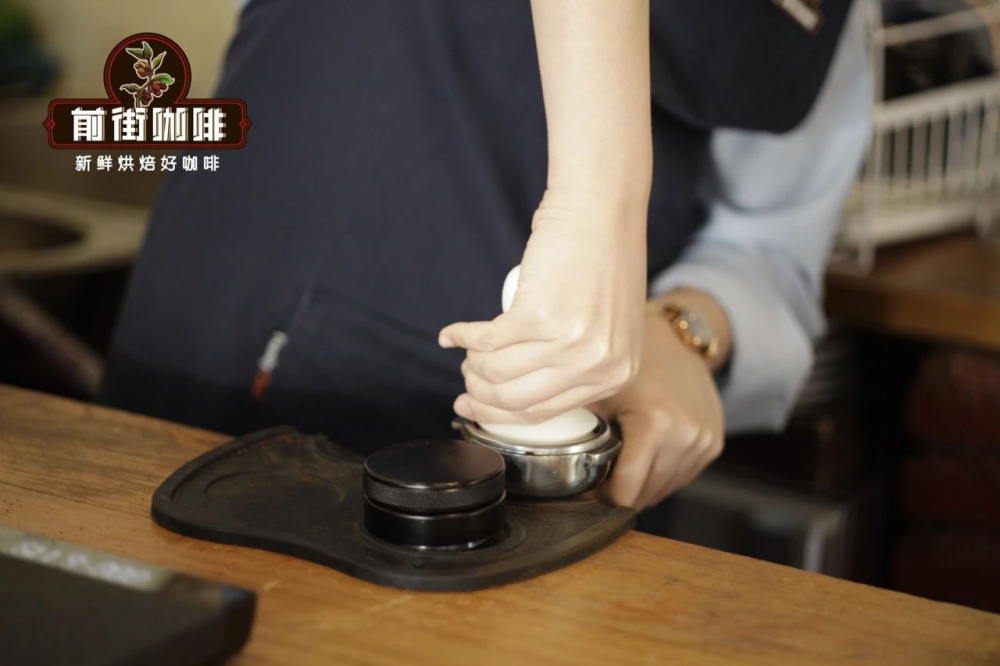
Before extraction, wipe the portafilter dry, turn on the grinder, and grind a double portion of coffee grounds, placing them on an electronic scale and adjusting to reach 20 grams. Then use a distributor to level the grounds, and apply vertical downward pressure with a tamper to compact the puck, ensuring more stable extraction.
Next, turn on the extraction switch and run water for 1-2 seconds to wet the group head while washing away any stuck grounds. Place a cup under the portafilter with an electronic scale beneath it, zero it out, and place it under the group head during extraction.
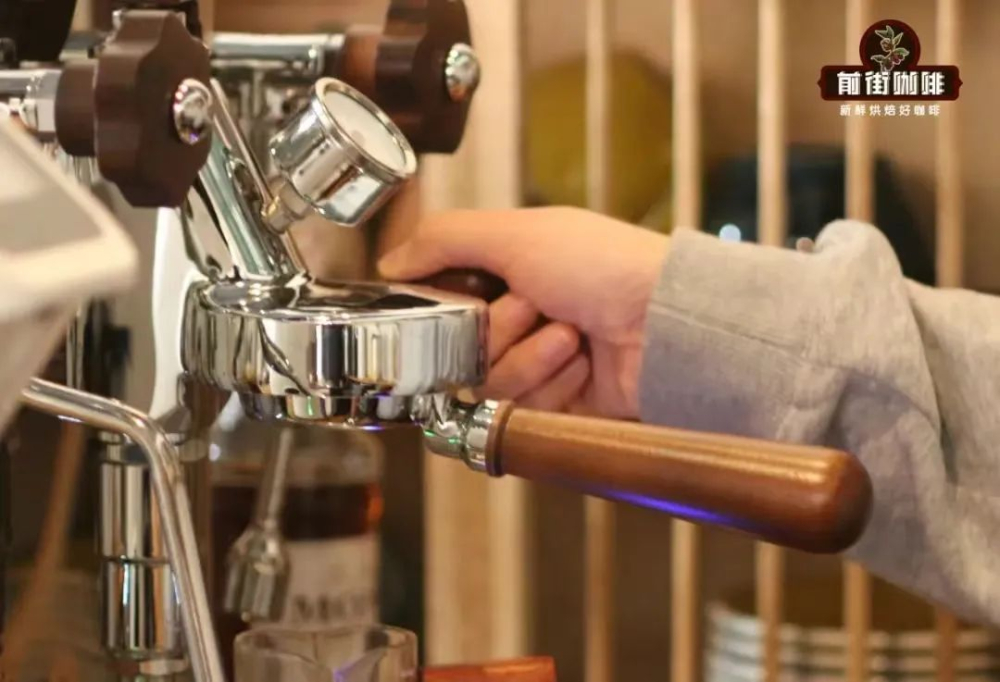
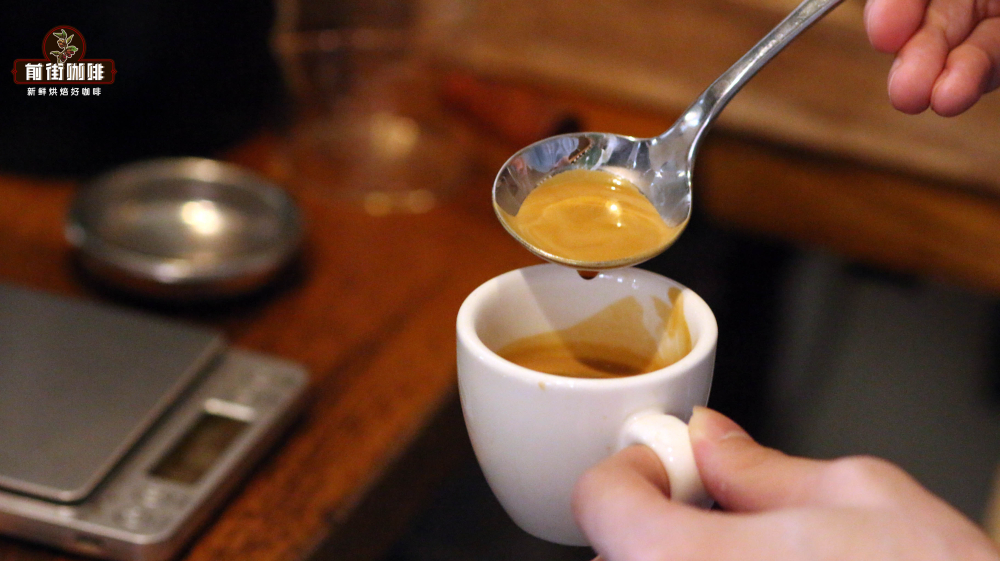
Gently lock the portafilter into the group head and start the extraction switch. Watch the liquid as it flows. When the electronic scale shows 40 grams of coffee liquid extracted in about 30 seconds, pull down the extraction switch. Extraction parameters vary subtly with daily air humidity and bean condition, so the ground amount, grind setting and extracted liquid amount need to be adjusted accordingly.
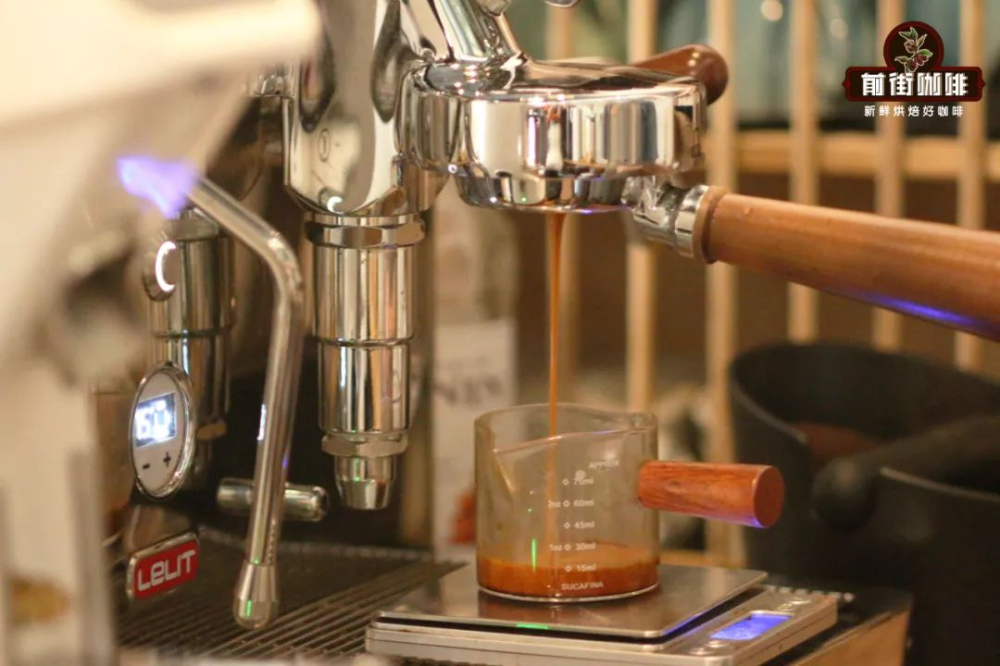
Finally, prepare a 50ml cup, pour the Espresso into it, and you can begin enjoying it.
The Taste of Espresso
The taste and mouthfeel of coffee depend on the beans used. For example, the Espresso produced at FrontStreet Coffee uses FrontStreet Coffee's Warm Sun Blend. Made from a 7:3 blend of Honduras Sherry (whiskey barrel fermented) and Ethiopia Natural Red Cherry, the extracted Espresso has rich crema with a very prominent whiskey aroma. The entry shows vanilla biscuits with berry acidity, a solid flavor, and the whole mouth fills with aroma after drinking. Using this Espresso as a base, we can dilute it with water to make an Americano - fragrant and refreshing - or add milk to make a Latte, presenting delicious chocolate and cream sweetness. FrontStreet Coffee's Warm Sun Blend has also earned praise from many friends for its rich aroma.
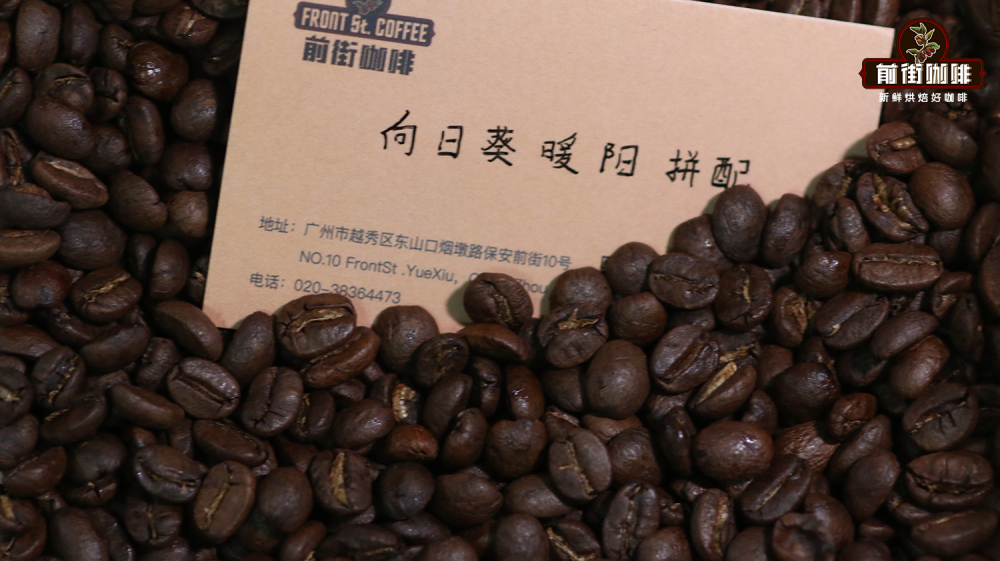
In addition, FrontStreet Coffee's bean list includes three other cost-effective Italian blend coffees. The extracted Espresso presents nut, cocoa, chocolate and caramel profiles - mellow and solid. The crema is dense and rich, and when paired with milk for a Latte, it's delicious and sweet.
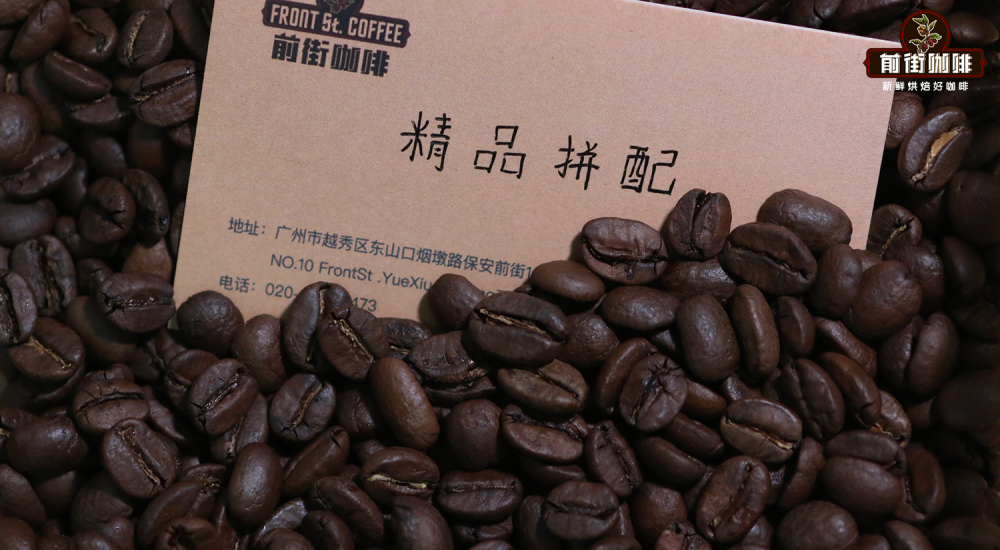
1. FrontStreet Coffee - Specialty Blend Coffee Beans: Colombian Washed Coffee Beans (30%) + Brazil Natural Process Coffee Beans (70%), featuring nut, dark chocolate and caramel flavors.
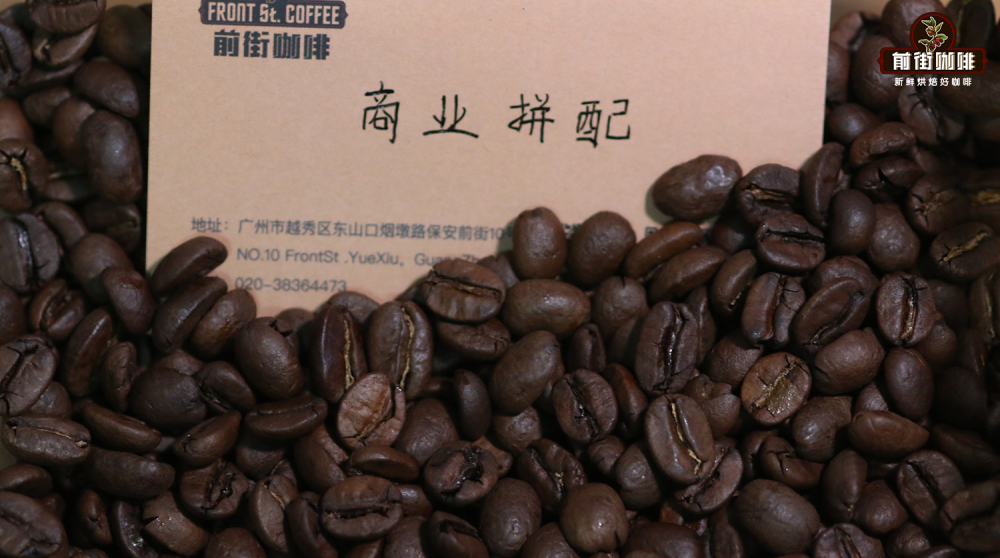
2. FrontStreet Coffee - Commercial Blend Coffee Beans: Robusta Washed Coffee Beans (10%) + Colombian Washed Coffee Beans (30%) + Brazil Natural Process Coffee (60%), featuring nut, cocoa and caramel flavors.
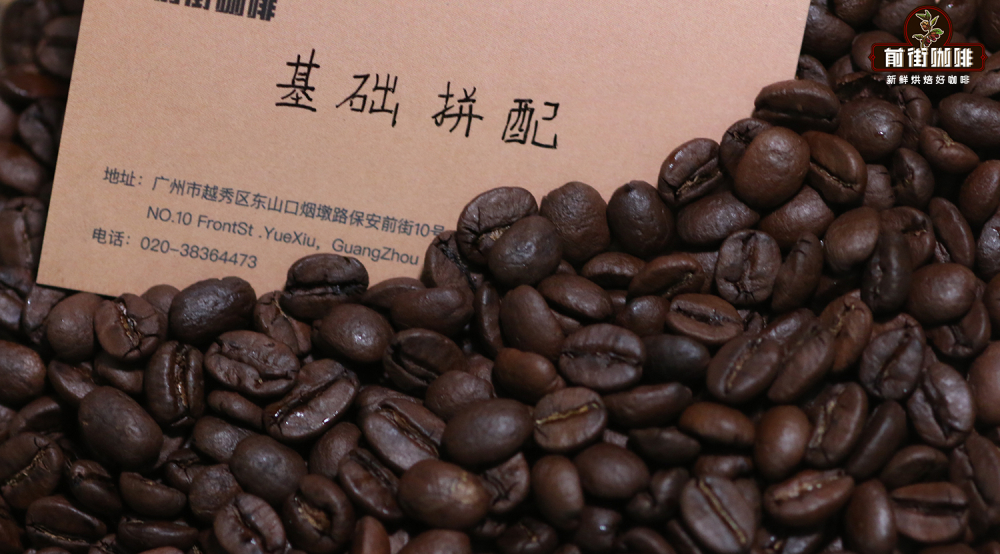
3. FrontStreet Coffee - Basic Blend Coffee Beans: Yunnan Washed Arabica Coffee Beans (30%) + Brazil Natural Process Coffee Beans (70%), featuring soft fruit acidity, caramel and nut flavors.
FrontStreet Coffee Recommendation
For pulling Espresso at home, FrontStreet's Classic Blend is the go-to. Built for espresso and moka pot use, its standout strength is crema - even a beginner on a modest home machine can extract a dense, fine layer, which is exactly what a Latte, Cappuccino or Dirty needs. Based on the traditional Mamba recipe of Mandheling and Brazil, it's mellow and approachable for both veterans and newcomers, and works just as well at home or in a cafe.
If you want rich crema at a lower price, FrontStreet's Black Cocoa Blend is the value-minded commercial option. Made from 100% Arabica, it offers plenty of crema and a full body at a friendly price, balancing quality and cost so shop owners can save money without giving up flavor.
And for a fruit-forward, less bitter milk coffee, FrontStreet's Strawberry Candy Blend is a popular fruity espresso blend, weaving together Arabica beans from different origins to recreate a distinct strawberry-gummy sweetness - suitable both for daily home drinking and for a cafe's signature milk drinks.
Important Notice :
FrontStreet Coffee is a long-established specialty coffee roaster in Guangzhou China, selling freshly roasted beans from its own farm in Yunnan as well as dozens of carefully selected single-origin beans from around the world for both pour-over and espresso. The products deliver consistently excellent quality and great value, with shipping within 24 hours. Guangzhou's FrontStreet Coffee shop is recommended by many coffee lovers, and the beans are now available online at the Tmall 。
FrontStreet Coffee has moved to a new address:
FrontStreet Coffee Address: 315,Donghua East Road,GuangZhou
Tel:020 38364473
 Scan and follow the En Gafei WeChat official account. Please indicate that the reprint comes from "En Gafei".