The Flavor and Taste Differences Between Decaf and Low-Caffeine Coffee: Starbucks Decaf Americano Pros, Cons, and Sleep Effects

Coffee has become the go-to drink for many people thanks to its stimulating, refreshing effect. Yet because it contains a good deal of caffeine, drinking too much can bring on insomnia and heart palpitations. So is there such a thing as caffeine-free coffee? In this article, FrontStreet Coffee introduces a decaffeinated coffee that suits coffee lovers who need to keep their caffeine intake low.

The Origin of Low-Caffeine Coffee
The first person in history to isolate caffeine from coffee was Runge, though he neither pursued the research further nor put it to commercial use. The first to commercialize decaffeination was the German Ludwig Roselius, who, together with his colleagues, devised a decaffeination method in 1903 and patented it in 1906. Because his method relied on benzene as a solvent, however, it has fallen almost entirely out of use today.
What is Decaffeinated Coffee?
Decaffeinated coffee is coffee that retains only trace amounts of caffeine: a cup of decaf must not contain more than 5mg of caffeine (a typical 236ml cup of coffee holds 50mg to 200mg). Decaf does not mean caffeine-free, and the standards for it vary from country to country. According to FrontStreet Coffee, the US Food and Drug Administration (FDA) requires a caffeine removal rate of no less than 97%, while the European Union requires 99.9%.
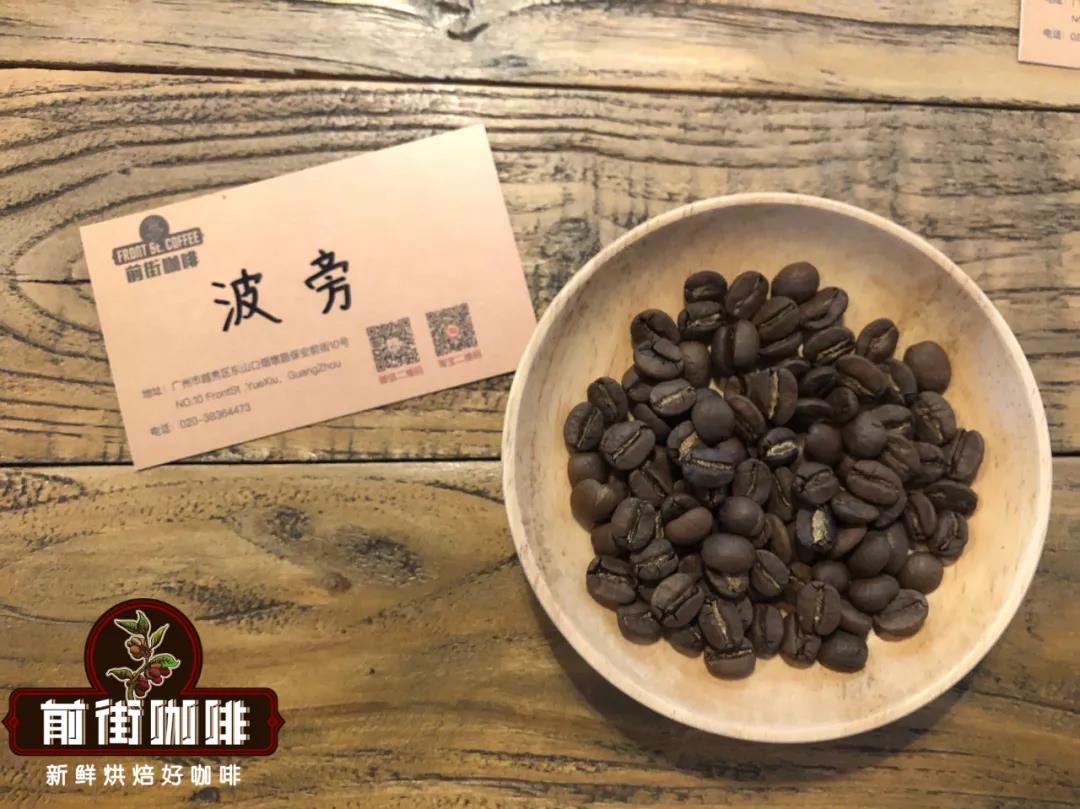
Because naturally low-caffeine coffee is extremely rare, FrontStreet Coffee understands the only such variety to be Laurina (Coffea Laurina), which contains half the caffeine of ordinary Arabica (0.6%). Unlike coffees decaffeinated artificially, Laurina owes its low caffeine to genetic degradation, so it also tastes better than a typical Arabica tree. Laurina's output, however, is vanishingly small and cannot meet demand, which is why so many companies have turned to chemical technology to convert ordinary beans into decaffeinated ones.

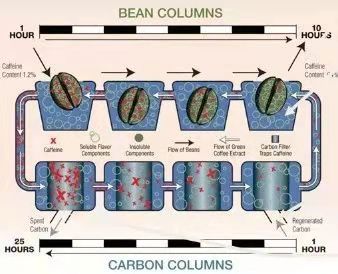
In recent years the most widely used extraction method has been the Swiss Water Process (the Swiss Water-Only Process), a commercially developed, highly efficient technique. Its steps are as follows:
The coffee beans are soaked in hot water, which in the Swiss Water Process is called "flavor-charged water." This water is saturated with every flavor compound found in coffee except caffeine, and it is the single most important medium in the decaffeination that follows. Once the flavor-charged water has formed, the beans are filtered out. The water is then passed through activated carbon filters to strip out the caffeine, leaving hot water full of nothing but pure flavor compounds. The beans that were set aside are then re-soaked in that caffeine-free water, allowing them to reabsorb the coffee flavor.
Perhaps the question everyone cares about most is how decaf actually tastes. According to FrontStreet Coffee, Starbucks serves decaf as well. Starbucks stocks two kinds of beans, regular and decaf, and when the barista at the counter hears you say, "Make this one with decaf beans," they will mark an "X" in the "Decaf" box on the blank cup. Try it on your next visit.
Advantages and Disadvantages of Caffeine
Decaf has also become a favorite among people who limit their caffeine. What is more, decaf typically contains antioxidants in amounts similar to regular coffee. It therefore delivers antioxidant benefits without disturbing sleep, something regular coffee cannot do, which makes it another option for many drinkers.
Many people who have tried decaf say it tastes bad. In fact, FrontStreet Coffee sells decaf beans too, and by observing the habits of customers around them, FrontStreet Coffee found the culprit: many decafs are made from cheap, commercial-grade beans.
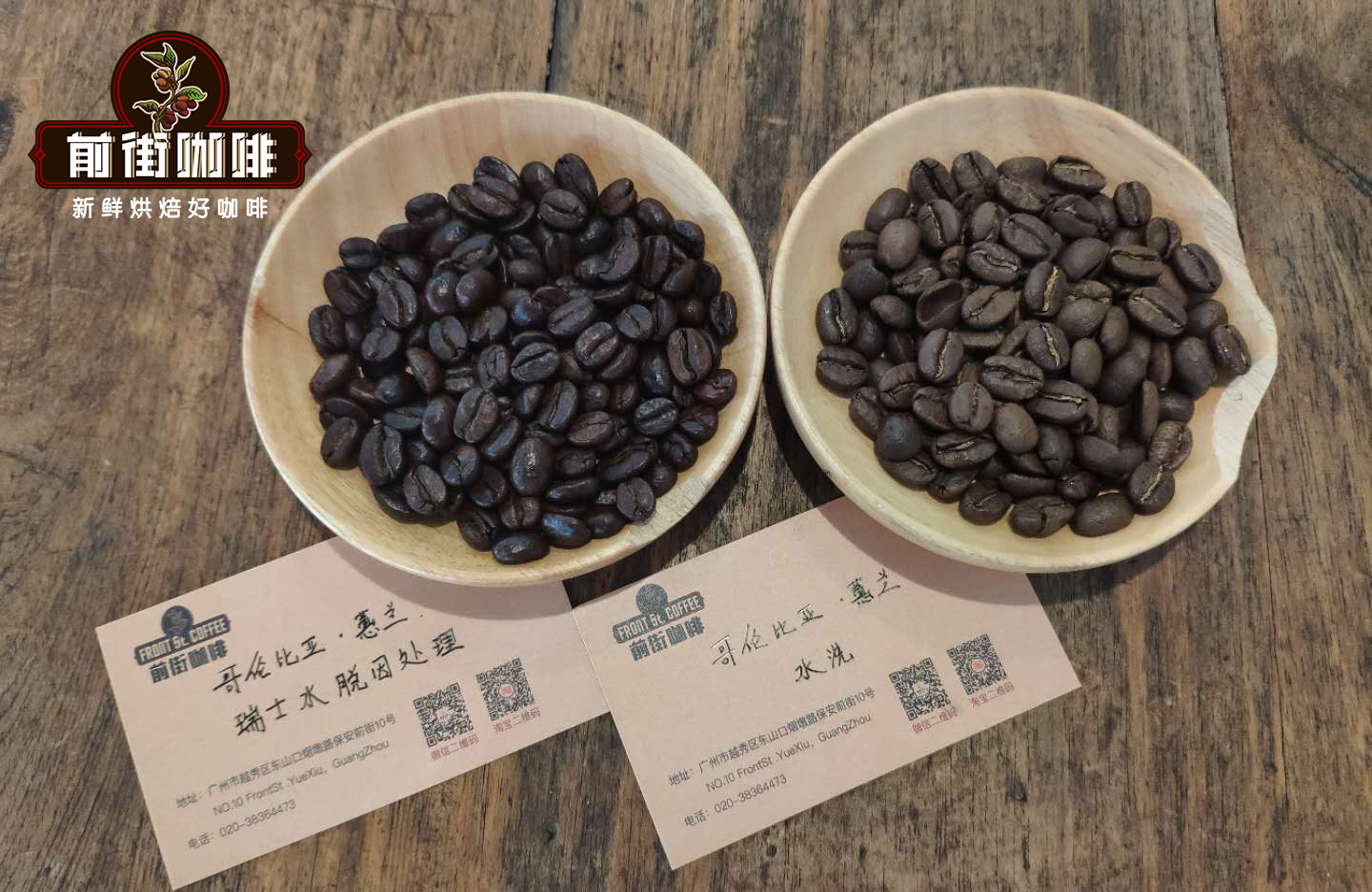
For instance, many producers naturally favor high-caffeine varieties such as Robusta when choosing their raw material. Even before decaffeination, those beans simply do not taste very good. As with any other coffee sold in shops, if a decaf starts out as high-quality Arabica, it can still perform beautifully even after the caffeine has been removed.
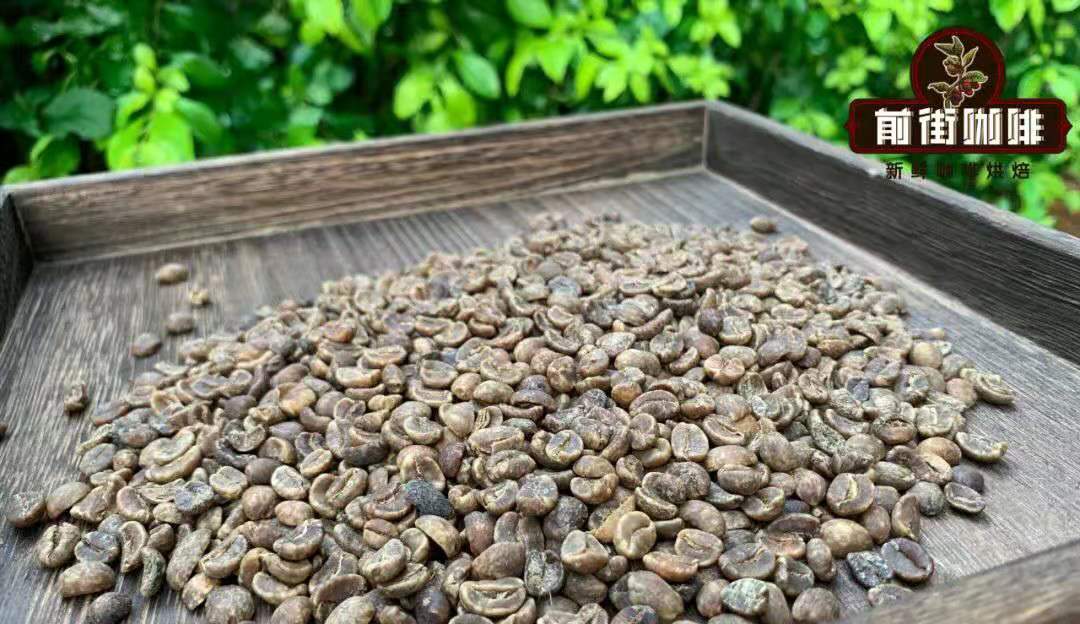
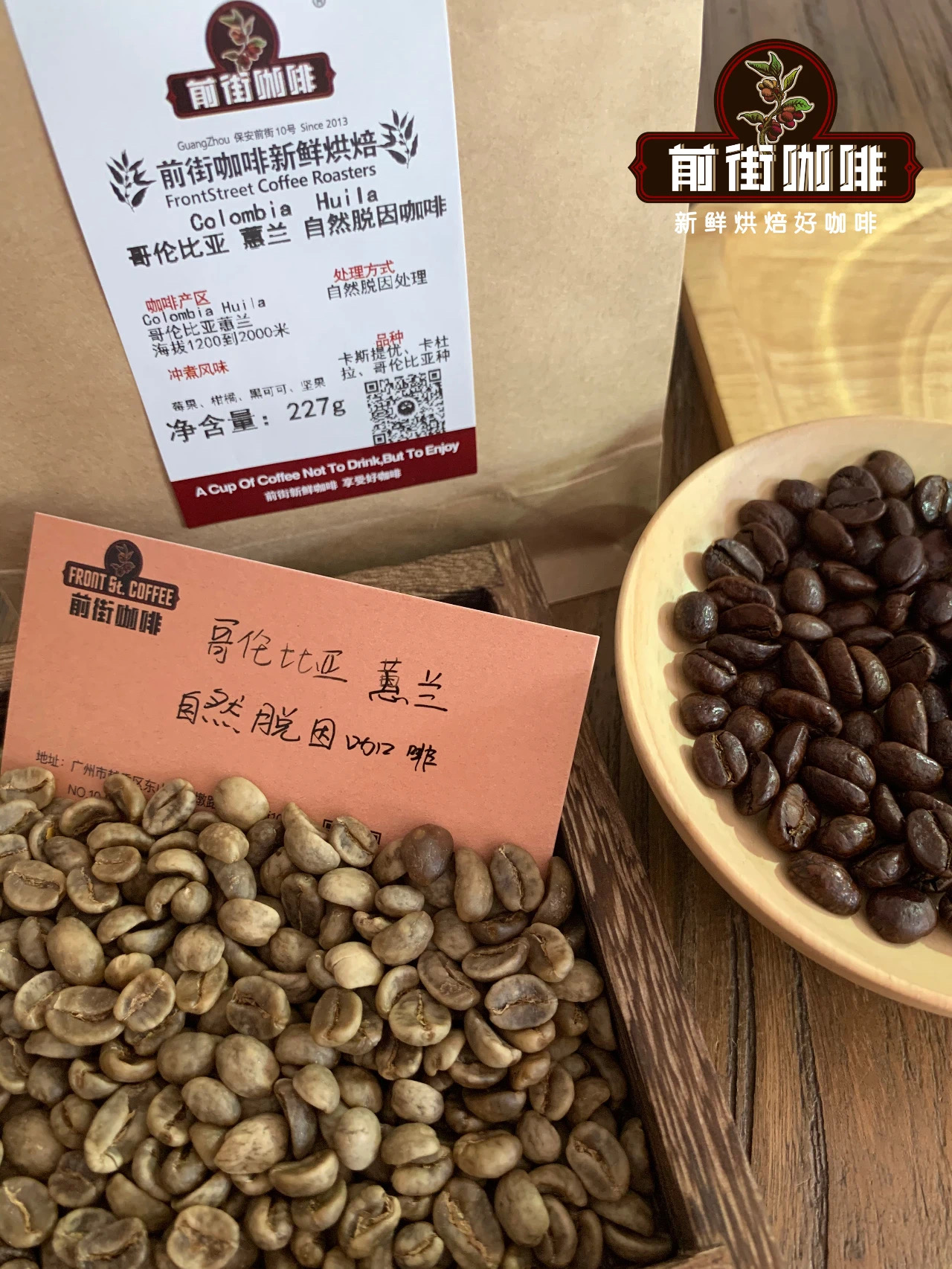
If you would like to taste what decaf can be, you can sample one at FrontStreet Coffee. FrontStreet Coffee carries a Colombian decaf, and when it was first put on the shelf, the team cupped it repeatedly to fine-tune the roast curve. Using a standard 200ml cupping bowl, 11.3g of grounds and water at 94°C, FrontStreet Coffee's barista first ground the coffee to check the dry aroma. The dry aroma of this Colombian decaf gives off black chocolate; water was then added to fill the bowl to confirm the wet aroma. After 4 minutes the crust was broken and skimmed for evaluation, revealing a caramel-like sweetness. The overall flavor profile is berries, citrus, cocoa and nuts. The brewing method follows.
FrontStreet Coffee Pour-over Parameters
Coffee Amount: 15g
Ratio: 1:15
Water Temperature: 88°C
Grind Size: Coarse sugar (75% pass-through rate with #20 standard sieve)
Dripper: Kono dripper

The brewing method uses FrontStreet Coffee's usual three-stage extraction:
1. Add the coffee grounds, pour in 30ml of water and let the bed bloom for 30 seconds.
2. Begin the second pour, gently circling with 150ml of hot water to lift the coffee bed and build a golden foam surface.
3. Once the water level on the bed has dropped slightly, pour in the final 45ml. Remove the dripper after all the coffee has drained into the carafe to finish the extraction. Total extraction time is 2 minutes and 10 seconds.
FrontStreet Coffee Recommendation
This article weighs decaf against regular coffee, but the place to start is still a well-grown Colombian bean. FrontStreet Coffee's Colombia Huila is a washed, medium-dark roasted coffee from the country's most famous specialty region, and it drinks with black chocolate, sweet nuttiness and a rounded, full body that suits pour-over, French press, moka pot and espresso alike. For a brighter, more fruit-driven cup, FrontStreet Coffee's Colombia Divisoria Sidra is anaerobically sun-dried, layering passion fruit, grape and apricot over its tropical sweetness. Either one makes an easy, everyday introduction to what Colombian coffee can be.
Important Notice :
FrontStreet Coffee is a long-established specialty coffee roaster in Guangzhou China, selling freshly roasted beans from its own farm in Yunnan as well as dozens of carefully selected single-origin beans from around the world for both pour-over and espresso. The products deliver consistently excellent quality and great value, with shipping within 24 hours. Guangzhou's FrontStreet Coffee shop is recommended by many coffee lovers, and the beans are now available online at the Tmall 。
FrontStreet Coffee has moved to a new address:
FrontStreet Coffee Address: 315,Donghua East Road,GuangZhou
Tel:020 38364473
 Scan and follow the En Gafei WeChat official account. Please indicate that the reprint comes from "En Gafei".