Flavor and Taste Characteristics of Colombian Huila Low-Caffeine Coffee Beans: Differences Between Low-Caffeine and Regular Coffee
Modern society is increasingly focused on health, with low-fat, low-sugar, and low-cholesterol diets all the rage. Even coffee has seen the rise of low-caffeine options. But is low-caffeine coffee really caffeine-free? No. Decaf coffee goes through a decaffeination process that reduces the original caffeine content of the beans without removing it completely. So how does decaf achieve its caffeine reduction? In this article, FrontStreet Coffee explains what decaf coffee really is.
What is Decaf Coffee?
Under normal circumstances, caffeine content is measured as a weight ratio. Arabica beans contain 0.9%-1.4% caffeine (averaging 1.2%), while Robusta contains 1.8%-4% (averaging 2.2%). Decaf coffee comes in two kinds: naturally low-caffeine coffee and artificially decaffeinated coffee. The EU standard for artificially decaffeinated coffee is that caffeine must not exceed 0.1% of the raw beans after processing, while the US FDA standard is a reduction to less than 3% of the original caffeine content.
Decaf Coffee Processing Methods
Decaffeination methods fall into four types: direct/indirect solvent processing, supercritical carbon dioxide processing, Swiss water processing, and mountain spring water processing. The most common are direct solvent processing and Swiss water processing.
Direct Solvent Processing
Direct solvent processing uses chemical solutions such as dichloromethane and ethyl acetate to dissolve caffeine. First, steam opens the pores of the green beans; then the dichloromethane solvent is applied directly to the beans. Once the solvent has bonded with the caffeine, the caffeine-laden solvent is washed away, and the beans are steamed again to remove any residual solvent.
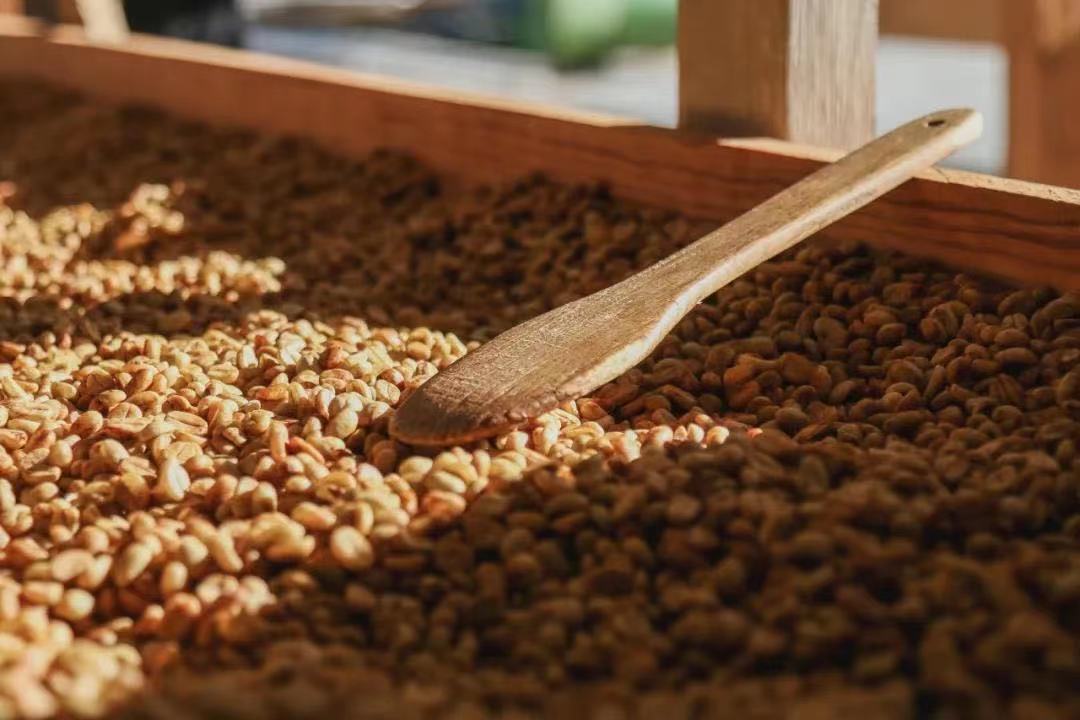
Since this method emerged, many people have worried that long-term exposure to dichloromethane might raise cancer risk. FrontStreet Coffee looked into dichloromethane and found its boiling point is 39.8°C. Both steaming and roasting temperatures are more than enough to evaporate it completely, so there is no need to worry about cancer risk.
Swiss Water Processing
The Swiss water method is much simpler and requires no chemical solvents at all, just water. The green beans are soaked in hot water, during which part of the caffeine is drawn out. The soaking solution is then filtered through activated carbon, and finally poured back over the beans. This sequence removes caffeine more effectively. Beyond avoiding chemical solvents, the solution can be reused across different batches, though the beans do lose some flavor during filtration.
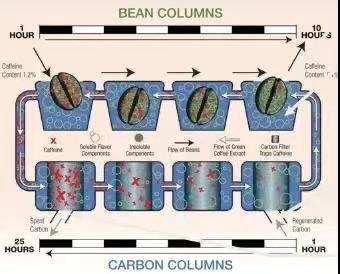
This method can remove up to 99.9% of caffeine, making it the most effective caffeine-removal method available. Although Swiss water processing sacrifices a little flavor, it is popular for its low cost, ease of operation, and high efficiency. That is why most decaf beans on the market today are Swiss water processed.
FrontStreet Coffee has acquired two Swiss water decafs, one from Colombia and one from Mexico, and will test how the two perform through roasting, cupping, and brewing.
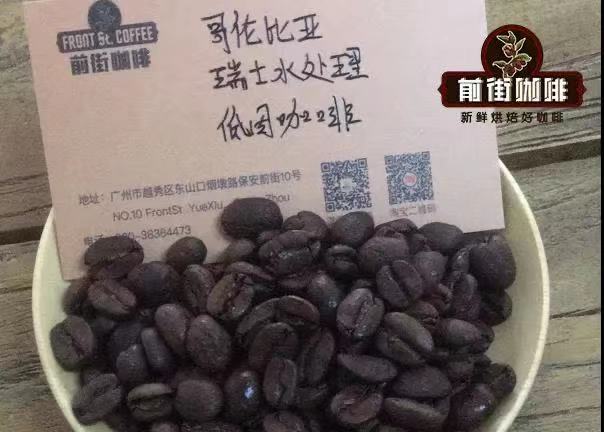
FrontStreet Coffee's Colombian Huila Decaf Coffee Beans
Region: Huila, Colombia
Altitude: 1750 meters
Varieties: Typica, Caturra, Castillo
Processing Method: Swiss Water Process
Grade: Supremo
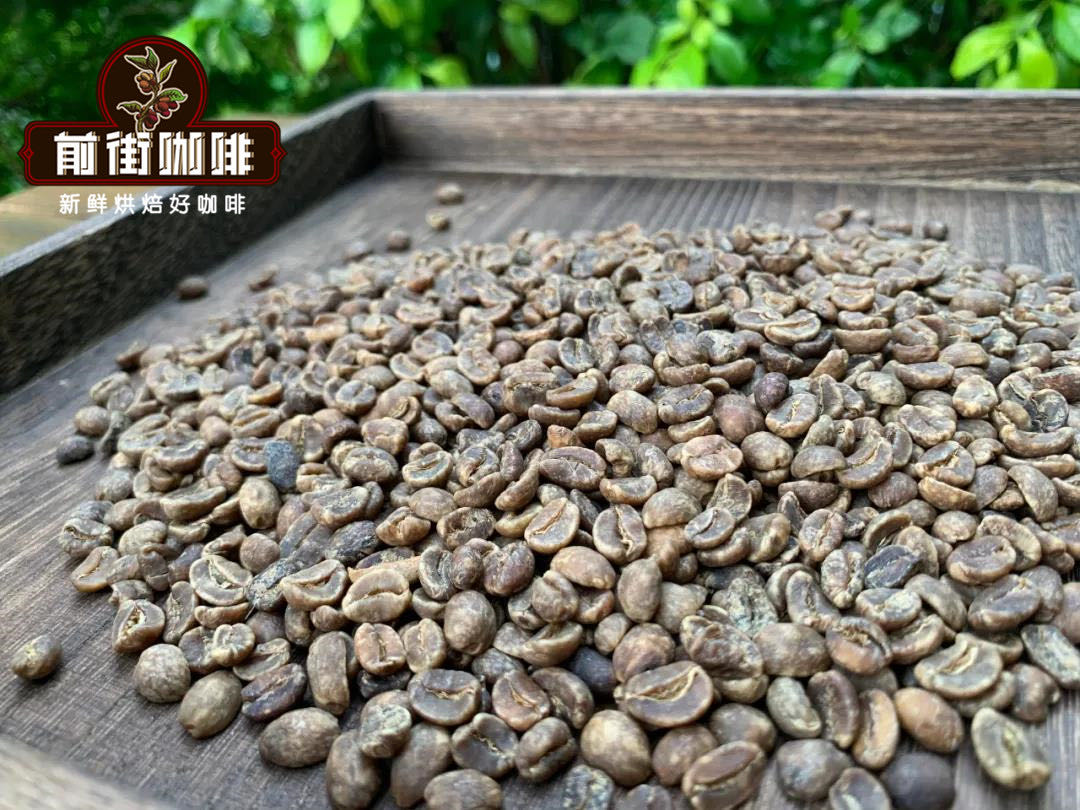
FrontStreet Coffee's Mexican Chiapas Swiss Water Decaf Coffee Beans
Country: Mexico
Region: Chiapas
Altitude: 900-1500 meters
Varieties: Bourbon, Caturra, Typica, Criollo
Processing Method: Swiss Water Process
FrontStreet Coffee Roasting Records
Colombian decaf beans: FrontStreet Coffee's roaster started at medium heat and raised it steadily. The yellowing point came around 6 minutes 15 seconds, then heat was reduced and the airflow damper opened for the Maillard stage. At first crack, the damper was opened wide while heat was held at approximately 183.2°C. The beans were dropped 2 minutes 30 seconds after first crack.
Preheat the roaster to 200°C and charge with the damper at 3. After 30 seconds, set the heat to 130; turning point at 1'32". Hold the heat; yellowing at 6'15" as the grassy aroma fades and drying ends. Raise heat to 140, damper to 4. At 151°C, reduce heat again to 110. At 8 minutes the drying phase completes, wrinkles and dark spots appear on the bean surface, and the toast aroma shifts to coffee aroma, the prelude to first crack. Hold the heat, open the damper to 5, and listen for first crack. It starts at 9'57", with the damper fully open at 5. Development after first crack: 2 minutes 30 seconds, dropped at 194.2°C.
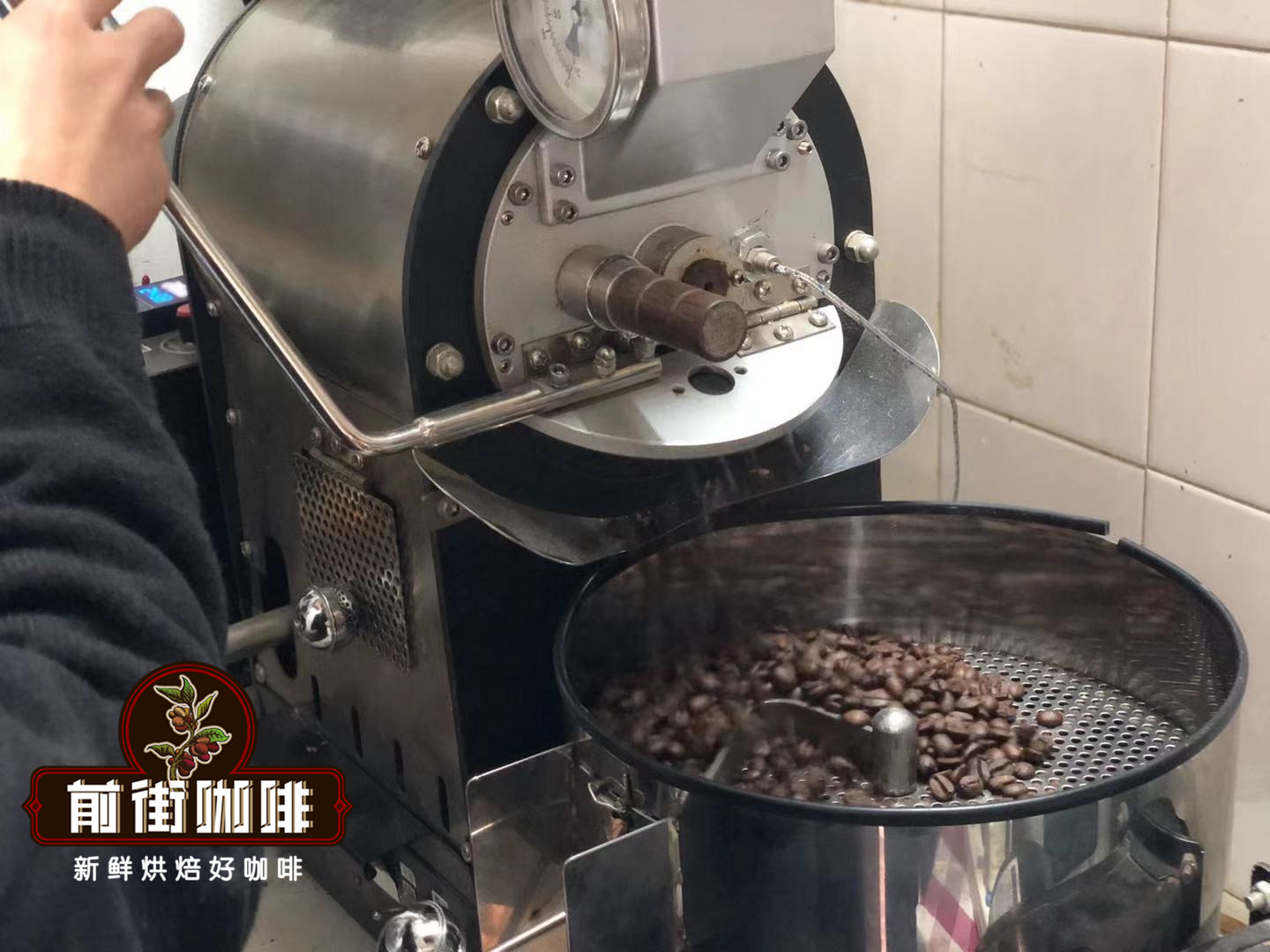
Mexican decaf beans: Preheat the roaster to 200°C, then drop to 165°C for charging, damper at 3, heat at 130. Turning point at 1'32". Hold the heat; yellowing at 6'15" as the grassy aroma fades and drying ends. Reduce heat to 110, damper to 4. At 176°C, reduce heat again to 90. The surface develops wrinkles and the toast aroma shifts to coffee aroma, the prelude to first crack. Hold the heat, open the damper to 5, and listen for first crack. It starts at 9'57", with the damper fully open at 5. Development after first crack: 2'30", dropped at 196.4°C.
FrontStreet Coffee Cupping Report
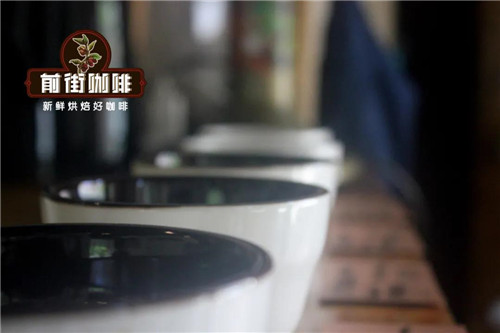
Colombian decaf beans: Dark chocolate dry aroma, caramel wet aroma. Flavor: berries, citrus, caramel, dark chocolate.
Mexican decaf beans: Roasted almond dry aroma, caramel wet aroma. Flavor: dark chocolate, cream, nuts, citrus.
How Does FrontStreet Coffee Brew Decaf Beans?
Because decaf beans release caffeine through soaking, their fiber structure differs from that of regular beans. Strong water absorption slows the extraction, so brewing parameters need adjusting.
Dripper: Kono dripper
Water Temperature: 88.8°C
Dose: 15g
Coffee-to-Water Ratio: 1:15
Grind Size: Coarse, raw-sugar texture (62% pass rate on a #20 standard sieve)
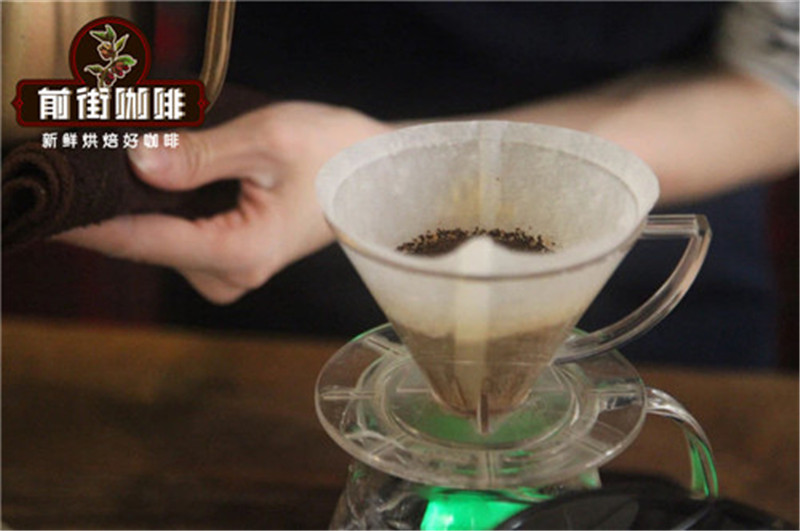
FrontStreet Coffee's Step-by-Step Brew: Add the grounds and inject twice the coffee weight in water (30ml) for a 30-second bloom. Then pour 150ml of hot water gently in circles to lift the coffee bed and build a golden foam surface. Once the level drops slightly, add the final 45ml. Remove the dripper once all the liquid has flowed into the server, ending the extraction. Total extraction time: 2 minutes 10 seconds.
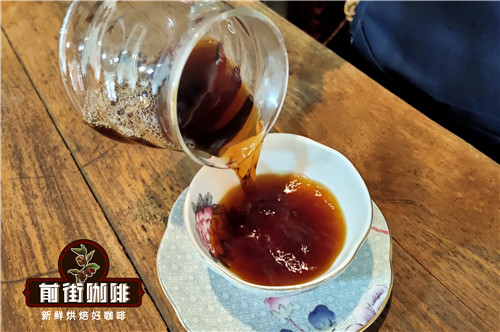
Colombian decaf in the cup: Dark chocolate, caramel, nuts, rich body.
Mexican decaf in the cup: A clear dark chocolate aroma on entry, followed by nutty cream in the mid-palate, with citrus acidity emerging as it cools. Overall rich and smooth.
FrontStreet Coffee Recommendation
Colombia is one of the most versatile origins in coffee, spanning bright fruit-acid styles, mellow full-bodied styles, and fragrant aromatic styles, so if you enjoy the decaf Huila's character, the regular FrontStreet Coffee washed Huila is the natural next step. Grown in the hill country of Huila province in Colombia's southern central cordillera at elevations above 1500 meters and washed with abundant mountain water, it is roasted medium-dark to bring out black chocolate and nutty sweetness with a moderate body, working equally well as pour-over, French press, moka pot, or espresso for Americanos and lattes.
For a fruitier, more experimental side of Colombia, FrontStreet Coffee's Colombia Boundary Estate Sidra is an anaerobic natural: fermented in a sealed, low-oxygen stainless tank, it converts into rich tropical fruit aromas, and roasted medium-light it cups with passion fruit, grape, apricot, and dried-fruit sweetness, delicious as pour-over, cold brew, drip bag, or moka pot. And if you run a home espresso machine, FrontStreet Coffee's Premium Blend combines Brazil's creamy nuttiness with Colombia's dark chocolate bitterness, pulling a fine golden crema and pairing beautifully with milk in a latte.
Important Notice :
FrontStreet Coffee is a long-established specialty coffee roaster in Guangzhou China, selling freshly roasted beans from its own farm in Yunnan as well as dozens of carefully selected single-origin beans from around the world for both pour-over and espresso. The products deliver consistently excellent quality and great value, with shipping within 24 hours. Guangzhou's FrontStreet Coffee shop is recommended by many coffee lovers, and the beans are now available online at the Tmall 。
FrontStreet Coffee has moved to a new address:
FrontStreet Coffee Address: 315,Donghua East Road,GuangZhou
Tel:020 38364473
 Scan and follow the En Gafei WeChat official account. Please indicate that the reprint comes from "En Gafei".