Comparing the Impact of Filter Paper on Coffee: How to Properly Use Coffee Filter Paper for Pour-Over Coffee

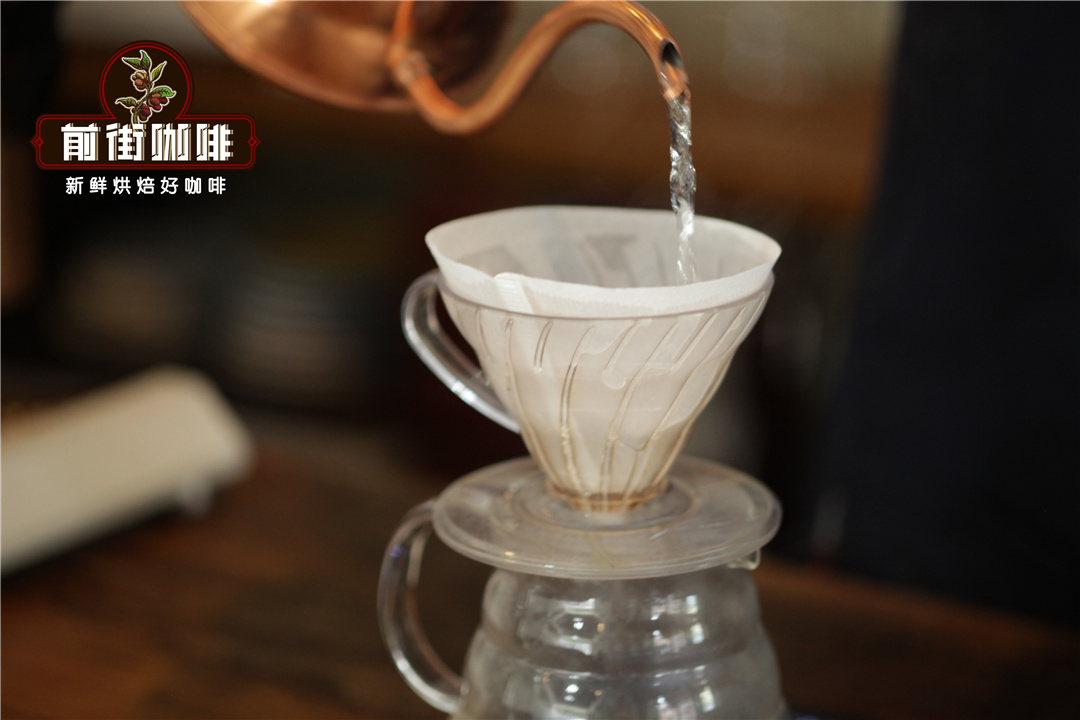
When brewing coffee, most of us take a filter paper, fold it in advance, and seat it in the dripper before adding the grounds. What is that paper actually doing? And many friends ask FrontStreet Coffee about the difference between white and natural wood-colored filter papers - which is better, and how do they differ?
In truth, both types have their merits. FrontStreet Coffee will walk through the details and give you a complete picture of what filter paper really is.

The Origin of Filter Paper
Filter paper was born in Dresden, a small town in Germany, where a woman named Melitta Bentz used her son's school exercise paper as a filter, set inside a perforated copper bowl, to brew coffee. Before paper, people typically filtered through cloth scraps - and paper proved noticeably better at keeping stray flavors out of the cup.
So in 1908 Melitta Bentz founded the Melitta company and began producing improved drippers and filter papers; the dripper design Melitta introduced in 1937 became the prototype for the filter cups we know today.
Bleached vs. Unbleached Filter Paper
Bleached and unbleached papers both exist - but do they affect health? Filter paper manufacturing is its own science. Here is how the two types differ:
Bleached Filter Paper

Advantages:
- Less pulp taste, so the coffee's flavor comes through purer.
Disadvantages:
- Many manufacturers still bleach with chlorine, which pollutes the environment if mishandled. In recent years, however, many leading makers have switched to eco-friendly oxygen-based or non-fluorescent bleaching, and bamboo-fiber papers have appeared as well - kinder to the environment and easier for consumers to trust.

Unbleached Filter Paper
Advantages:
- Fewer processing steps and more environmentally friendly.
Disadvantages:
- Skip the hot-water rinse and your coffee may pick up a papery taste. No rule says you must rinse unbleached paper first, but if you care about controlling every brew, you cannot level up without this step. Some professional baristas even alternate hot and cold water rinses to strip the paper taste and keep the cup's purity.

Filter Paper Sizes
Filter papers typically come in two sizes:
1-2 Cup Size
Since a single serving uses about 10 grams of grounds, this paper holds up to 20 grams.

3-5 Cup Size
This one brews a larger batch of grounds at once, and the paper itself is bigger.
Which Filter Paper Should You Choose?
If environmental impact is your priority, unbleached paper is the natural first choice - a rinse or two with hot water removes the paper taste.

From FrontStreet Coffee's experience, if you would rather skip the rinse, buy oxygen-bleached papers, which are easier on the environment. Honestly, filter papers follow "you get what you pay for": better papers cost more, but they carry less pulp taste than the cheap ones.
The Craftsmanship of Filter Paper
Even papers made from identical material can differ enormously with the manufacturing process - in construction details like texture and creasing, and in thickness. The two papers pictured below are both natural wood pulp, yet their different production processes show clearly on the surface.

And these differences exist not only between companies - a single maker may run different processes for different papers. The reason is simple: a paper's structure affects flow rate, and flow rate is a major factor in extraction. So manufacturers design differently structured papers around different brewing styles!
Japan's Sanyo Sangyo, for example, makes three papers matched to roast levels: T-83, T-90, and T-92, for dark, medium, and light roasts respectively (the model numbers correspond to the recommended water temperature). The image below shows the differences directly!

As you can see, papers of identical material seep water at different speeds thanks to structural variations. Sanyo Sangyo is hardly alone - other filter paper makers have pursued similar innovations. FrontStreet Coffee offers it here as one example and will leave the rest for you to explore.
FrontStreet Coffee Recommendation
Pairing the right paper with the right dripper completes the setup, and FrontStreet Coffee's house recommendation is the Hario V60 with its matching cone papers. Hario, founded in Tokyo in 1921 as a maker of heatproof laboratory glass, gave the V60 its modern form in a 2004 redesign: a 60-degree cone and single large outlet that channel the water to the center, extending coffee-water contact for fuller aroma extraction, while the unobstructed flow leaves the pace entirely to the brewer. FrontStreet Coffee favors the resin V60 because it holds heat well and, in standardized mass production, resin molds deliver the smallest dimensional error of any material.
That fast, controllable extraction flatters delicate, floral-fruity coffees: FrontStreet Coffee's Ethiopia Huakui (strawberry, passion fruit, jackfruit, lychee), the classic Yirgacheffe Guodingding (citrus, berry, jasmine, green-tea finish), the Gesha-charactered Strawberry Sugar, and the raisin-honey Mozart all express their layered florals, lively acidity, and clean sweetness best through a V60 - and whichever paper you choose, remember to rinse it first so nothing but coffee reaches the cup.
Important Notice :
FrontStreet Coffee is a long-established specialty coffee roaster in Guangzhou China, selling freshly roasted beans from its own farm in Yunnan as well as dozens of carefully selected single-origin beans from around the world for both pour-over and espresso. The products deliver consistently excellent quality and great value, with shipping within 24 hours. Guangzhou's FrontStreet Coffee shop is recommended by many coffee lovers, and the beans are now available online at the Tmall 。
FrontStreet Coffee has moved to a new address:
FrontStreet Coffee Address: 315,Donghua East Road,GuangZhou
Tel:020 38364473
 Scan and follow the En Gafei WeChat official account. Please indicate that the reprint comes from "En Gafei".