Hario V60 01 vs 02: The Difference in Size - How Much Coffee Should You Use for V60-01 and V60-02?

Ask any group of pour-over drinkers about their first serious brewer and the Hario V60 comes up again and again. One question we hear constantly at FrontStreet Coffee is what actually separates the 01 from the 02. This article takes a close look at a dripper that manages to be remarkably forgiving of both the brewer and the bean.
Where the Name V60 Comes From
The V60 is named for its 60-degree conical angle. Hario has released it in ceramic, glass, resin and metal over the years, and the newest version is cast in brass, chosen for its high thermal conductivity so the brewer holds heat and extracts more consistently.

What Sets the V60 Apart
The 60-degree cone is where the number in the name comes from. Because the walls slope steadily inward, water is funneled toward the center of the bed, which stretches the contact time between water and coffee and delivers a more even extraction.
The single, wide outlet lets you shape the cup by changing how high you pour and how hard you pour, and therefore how fast the water moves through the bed.
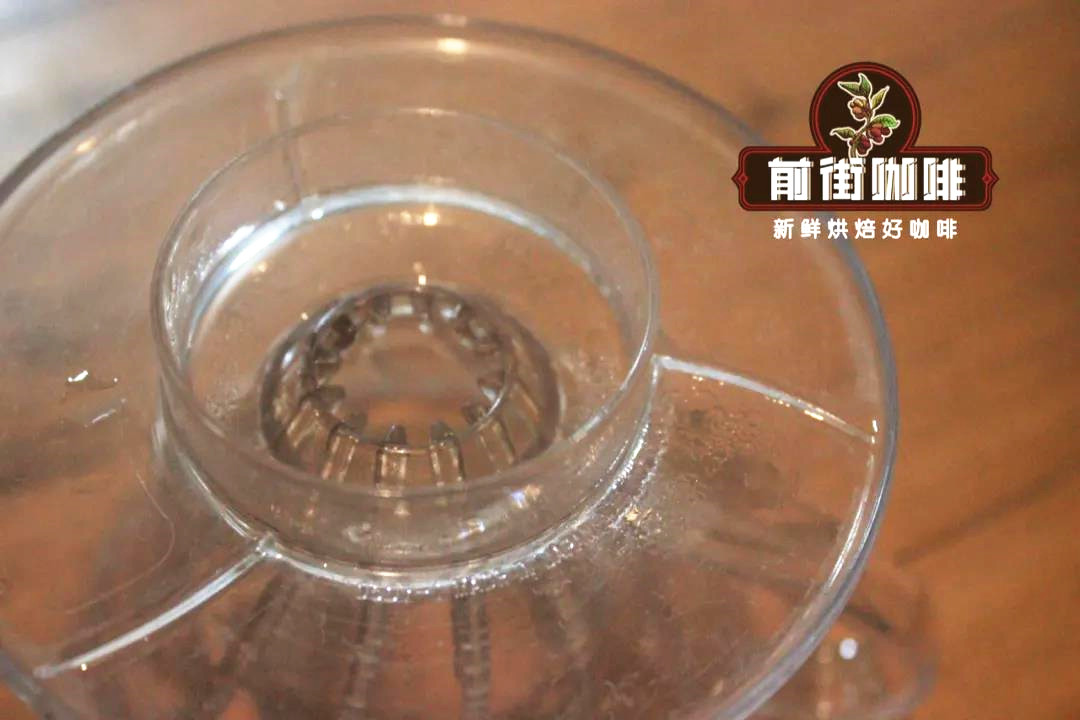
The most striking feature of the Hario V60 is its spiral ribbing. Long and short ribs alternate around the wall, allowing air to escape upward on every side, so the coffee bed can expand fully, release carbon dioxide more readily during the bloom, and then settle into a stable extraction.
Those raised spiral ribs also compress the falling stream of water, which lengthens the path the water travels and increases the contact time between grounds and water. That offsets the fast drainage created by the large outlet and keeps the brew from running under-extracted. The weight of the falling water presses gently on the bed, building the kind of layered complexity that makes the V60 so expressive.

What Is the Difference Between the V60 01 and the V60 02?
In practice, it comes down to size. The 01 is marketed for 1-2 people, though it can comfortably brew 3-4 portions, and the 02 is marketed for 3-4 people, though it can stretch to 5-6. As a rule, a single brew in the 01 should not exceed 20g of coffee, while a brew in the 02 should not exceed 40g. The reason is simple: pile in too much coffee and the bed sits deep in the paper, slowing the flow and drawing out the brew until bitterness creeps in.

Because the 02 holds more coffee, the layer of grounds is inevitably thicker, and a thicker bed drains more slowly by nature. If you use the same grind setting you would use in the 01, the 02 is prone to over-extraction. Our advice at FrontStreet Coffee is simple: when you move up to the 02, nudge the grind a little coarser.
Which Roast Levels Suit the V60?
As the dripper that most beginners start with, and one that almost everyone knows, the V60 can handle beans at any roast level. As we noted above, the rib design is what gives the V60 its layered character. If we had to pick the roast level it flatters most, it would be a light roast. FrontStreet Coffee's Ethiopia Natural Red Cherry is a good example: brewed in a V60 it lays out berry acidity, a clear fermented note and sweetness in distinct layers. Below, we brew natural Red Cherry beans from the Yirgacheffe region in both the 01 and the 02 to show the difference.

FrontStreet Coffee Yirgacheffe Natural Red Cherry Coffee Beans
- Region: Ethiopia Yirgacheffe
- Processing Station: Aleteland
- Altitude: 2300m
- Variety: Local native varieties
- Processing Method: Natural processing
Brewing With the V60 01
For the 01 we use the resin version, which keeps heat from escaping. We dose 15g of coffee at a 1:15 ratio, for a total of 225g of water, and end up with roughly 190g of brewed coffee in the server. Grind size: 80% pass-through on a 0.85mm mesh screen. Water temperature: 90-91°C.

The pour is a three-stage brew. The first stage adds 30g of water for the bloom, twice the weight of the coffee, and rests for 30 seconds, long enough to wet every ground. The second stage pours up to 125g, evenly and gently, then pauses 10 seconds to let the liquid drain. The final stage adds the remaining water to reach the full 225g. Wait until the bed has finished draining, then drink. Total extraction time is about 2 minutes.

Brewing With the V60 02
For the 02 we use the ceramic version, which retains heat better than resin. We dose 25g of coffee at a 1:15 ratio, for a total of 375g of water, and end up with roughly 310g of brewed coffee. Grind size: 76% pass-through on a 0.85mm mesh screen. Water temperature: 90-91°C.

Here too we use three stages. The first stage adds 50g of water for the bloom, twice the weight of the coffee, and rests for 30 seconds so the whole bed is saturated. The second stage pours up to 270g, evenly and gently, then pauses 15 seconds to drain. The final stage adds the rest of the water to reach 375g. Let the bed drain completely before serving. Total extraction time is about 3 minutes.
FrontStreet Coffee Recommendation
A 60-degree cone that pushes water toward the center rewards beans with something worth tasting, and the light-roasted coffees on our list are chosen for exactly that. FrontStreet Coffee's Yirgacheffe is the classic starting point: vivid citrus, berry and floral notes carried on a green-tea sweetness, with an acidity that reads like ripe fruit rather than a sharp bite, which makes it easy to pour well. Ethiopia Guifei is the opposite kind of showstopper, a natural-processed lot from the Sidamo Guji region where tropical fruit dominates, strawberry, passion fruit, jackfruit and even lychee arriving on very low bitterness with a syrupy, juice-like body. For something more rarefied, Panama Emerald Geisha Red Label brings jasmine, citrus, bergamot and a fine black-tea texture with a long, clean finish. Kenya Small Tomato, grown at 1550-1750m from SL28 and SL34 and given a 72-hour double washed fermentation, delivers cherry tomato and smoked plum acidity that pours like fresh juice.
Not everyone wants brightness in the cup, and the V60 handles those coffees just as well. PWN Golden Mandheling from Indonesia is wet-hulled and dark roasted, low in acidity with a thick body of herbs and dark chocolate and a faint earthy edge. Brazil Queen Estate, a yellow bourbon, brings nut, cocoa and caramel sweetness that works in a pour-over, a moka pot or an espresso machine. Jamaica Blue Mountain No. 1 sits in perfect balance between acidity, sweetness, bitterness and aroma, with cream, caramel, chocolate and a light fruit note, while PNG Paradise Bird, a Typica-grown AA lot from 1600-1800m, is often called a little Blue Mountain for its clean sweetness. Yunnan 2013 Natural Typica, a medium roast from FrontStreet Coffee's own estate, rounds out the list with citrus and caramel over nut, chocolate and brown sugar. Whichever you choose, grinding fresh and adjusting the setting for the 01 and the 02 will do more for the cup than any other single change.
Important Notice :
FrontStreet Coffee is a long-established specialty coffee roaster in Guangzhou China, selling freshly roasted beans from its own farm in Yunnan as well as dozens of carefully selected single-origin beans from around the world for both pour-over and espresso. The products deliver consistently excellent quality and great value, with shipping within 24 hours. Guangzhou's FrontStreet Coffee shop is recommended by many coffee lovers, and the beans are now available online at the Tmall 。
FrontStreet Coffee has moved to a new address:
FrontStreet Coffee Address: 315,Donghua East Road,GuangZhou
Tel:020 38364473
 Scan and follow the En Gafei WeChat official account. Please indicate that the reprint comes from "En Gafei".