V60 Dripper Features and Pour-Over Coffee Methods: What Makes the V60 Dripper Design Unique?

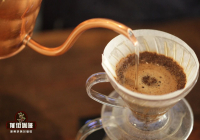
The V60 filter cup is defined by the multiple flow ribs on its body and the large drainage hole at its center, which speeds up the water flow. Its spiral ventilation groove design stretches the water's path, extending the contact time between the coffee grounds and the hot water. Each stream of water converges along those grooves toward the center point of the cup, which concentrates pressure on the coffee bed. Because the resulting cup is so layered, the V60 has become the filter cup of choice for a great many coffee lovers.
About the Design Principles of V60 Filter Cup
When you mention the V60 filter cup, the first brand that comes to mind is almost certainly Hario. FrontStreet Coffee uses Hario's resin V60 for its own daily brewing as well.
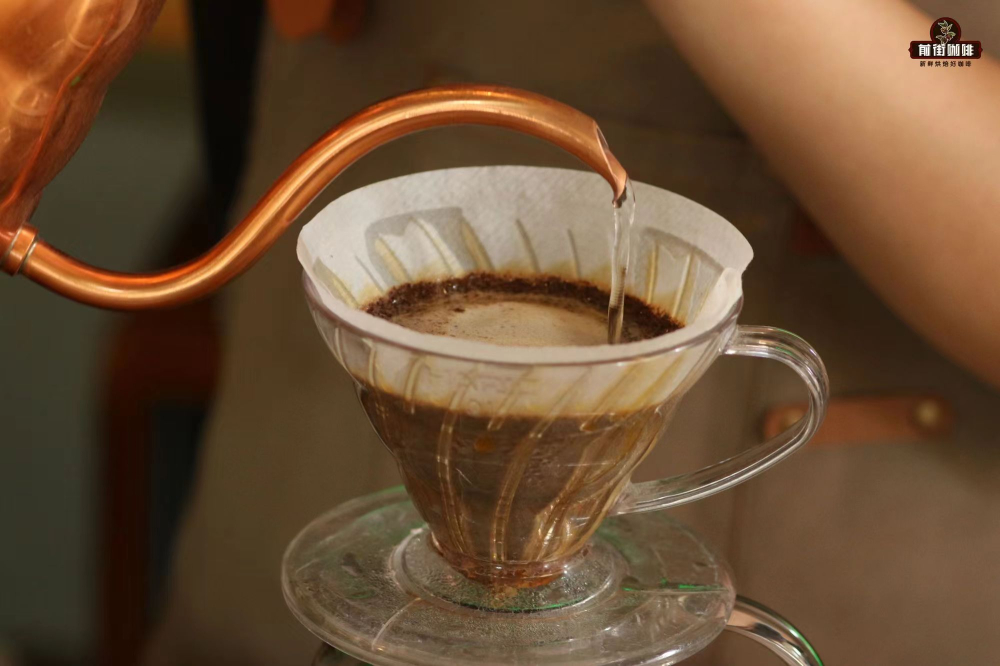
Hario Corporation of Tokyo, Japan, was founded in 1921 and initially focused on heat-resistant glass products. The hugely popular heat-resistant sharing pot you see in so many coffee shops is one of Hario's best sellers. In the 1980s, the first drip coffee filter cup, the Melitta filter cup, was born. Its bottom drainage hole was small, so the flow rate was slow and the coffee grounds were essentially soaking during the later stages of extraction. Hario's designers therefore came up with a parabolic-shaped filter cup, hoping to concentrate the extraction path and let the coffee liquid drip straight into the lower pot, cutting the chance of over-extraction.
The prototype of the V60 design is the quadratic equation y=x^2. Later, the parabolic filter cup was improved into a nearly conical shape, which evolved further into the form of the letter V. The name Hario V60 comes from the cup's characteristic 60-degree cone angle.
The Brewing Characteristics of V60 Filter Cup
Today there are V60 filter cups in all kinds of materials. Besides the resin FrontStreet Coffee favors, there are ceramic, glass, copper, stainless steel and more. Each material affects not only the look of the cup but also its heat conductivity during brewing, though the structure of these cups stays the same.
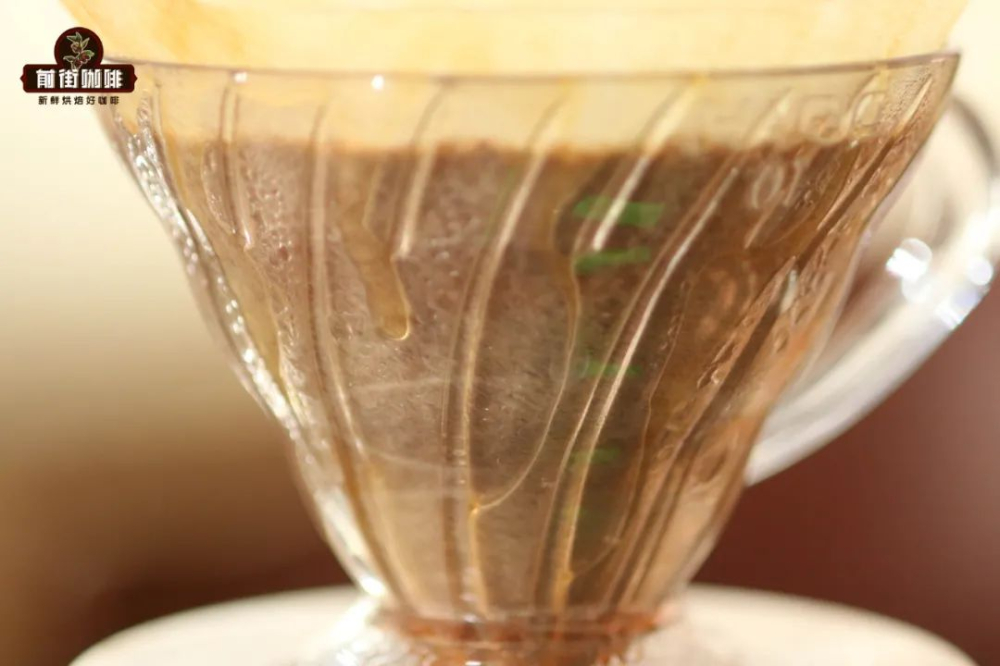
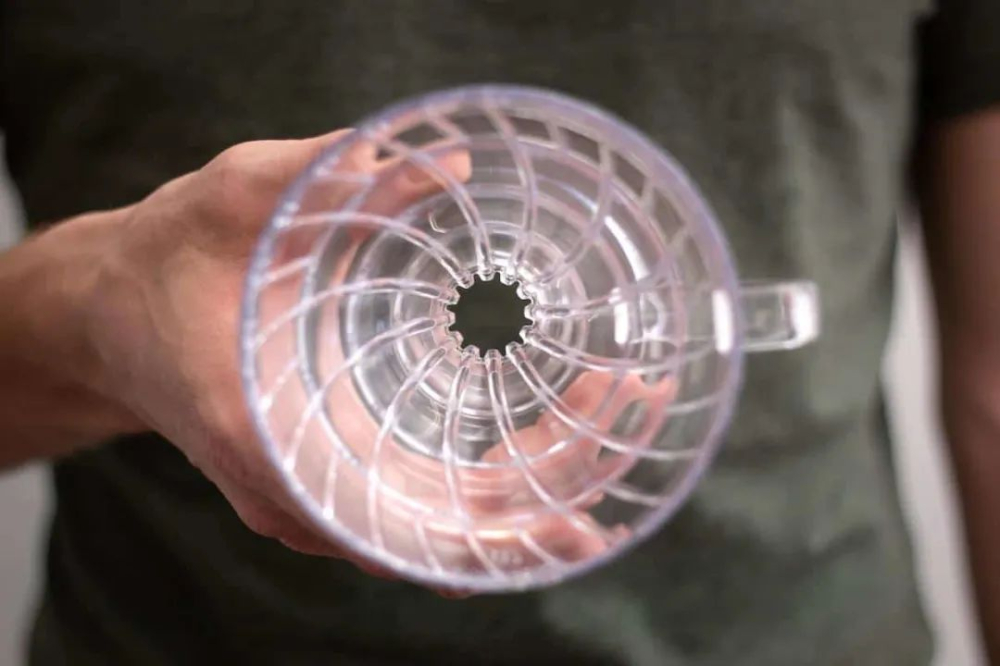
The inside of the cup has multiple spiral ribs and a large circular drainage hole at the bottom. During extraction, the coffee liquid can flow down along the cup wall to the bottom. The raised ribs create ventilation gaps against the filter paper, which speeds the water flow, while the spiral shape stretches the path the water travels. This lets brewers steer the flavor of the coffee by adjusting the speed of the stream.
FrontStreet Coffee wants to stress one point, though: precisely because the V60 drains so fast, it demands good water control from the brewer. You need a stable, even pour to avoid under-extraction or uneven extraction.
How to Use V60 to Make Better Tasting Coffee?
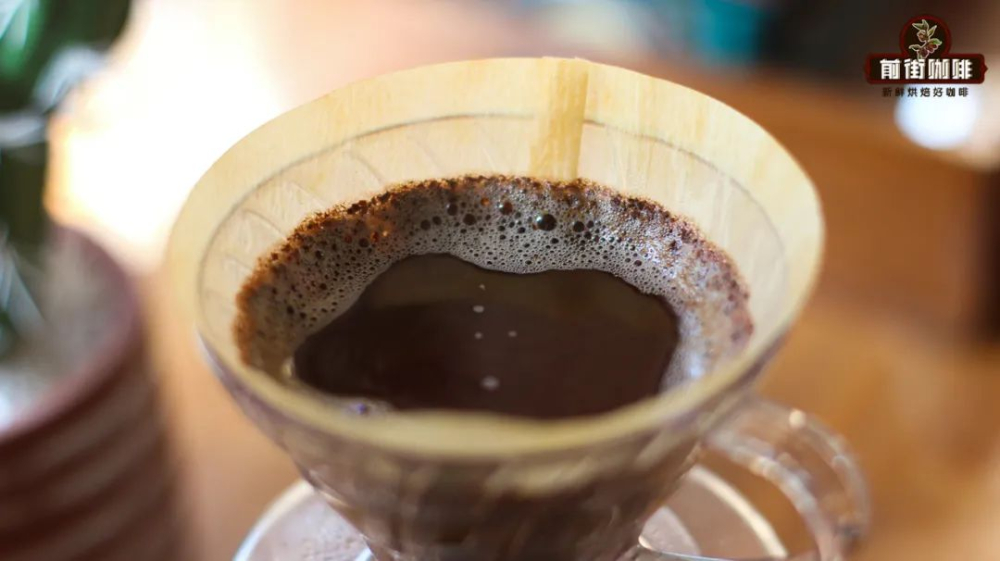
When brewing with a V60, FrontStreet Coffee reaches for the resin #01 cup. The resin material keeps heat from escaping, and the #01 size suits single-serving brewing. Because the V60 drains quickly, FrontStreet Coffee uses a finer grind to increase the contact area between grounds and water, which extracts the coffee more thoroughly and yields fuller flavor. The finer the grind, though, the more easily the grounds pack down at the bottom of the filter paper, raising resistance to flow and slowing the drawdown. That stretches extraction time and makes the coffee prone to over-extraction, with the unpleasant woody and miscellaneous flavors that come with it. So pour technique matters too, if you want to avoid a blockage in the later stages.

To extract flavor while staying stable, FrontStreet Coffee suggests steadily widening the circular pour from the center outward once the bloom finishes. As the water level rises, let the stream rinse the entire coffee bed, aiming for even extraction. Here, FrontStreet Coffee uses its own roasted FrontStreet Coffee Guodingding Cooperative beans as an example: 15g of coffee at a 1:15 coffee-to-water ratio, 225g total water, yielding roughly 200g of coffee liquid after filtering, brewed with a three-stage method.
First Stage: Pour 30g of water for a 30-second bloom. Start the timer as you pour, using a small stream from the center point and circling outward to make sure the whole coffee bed is moistened.
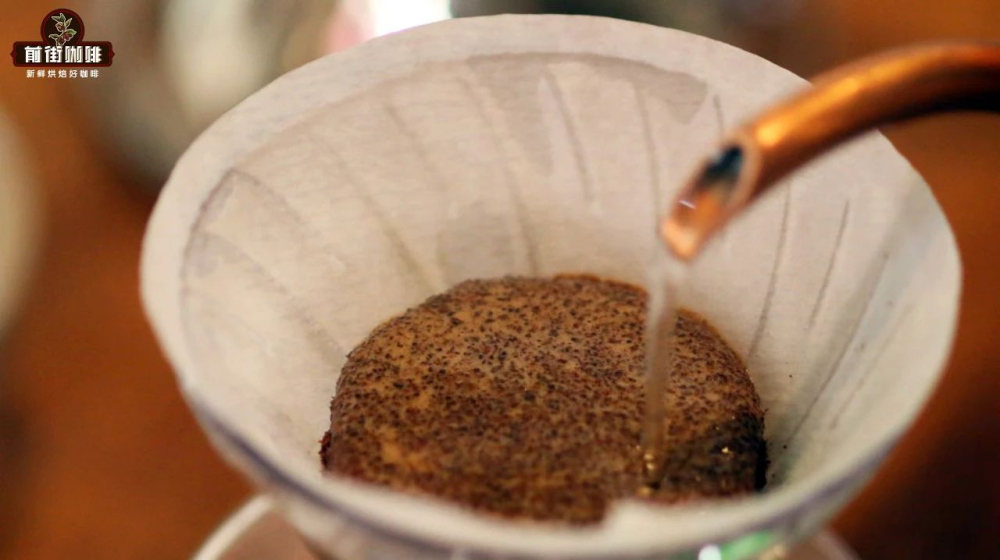
Second Stage: After 30 seconds, begin the second stage with 95g of water and a slightly larger, steady stream, aiming to raise the whole coffee bed. The stream should go in vertically and evenly. At this point the scale reads 125g, reached in about 55 seconds.
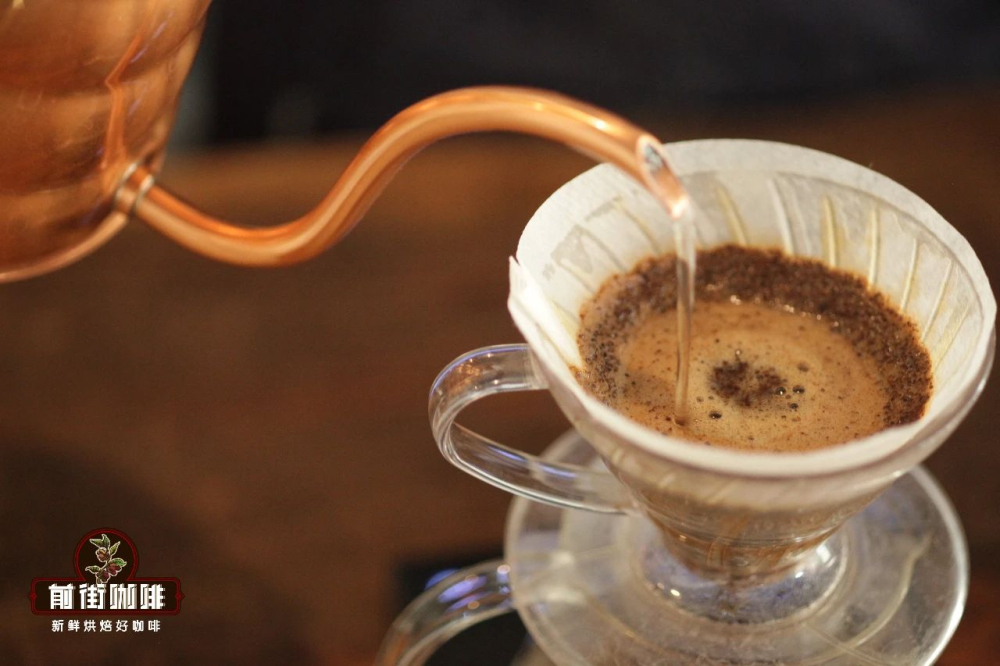
Third Stage: When the liquid level drops to half, begin the third stage with 100g of water in small circles and a small stream. Try to keep the circles from growing too wide, since that easily scatters the coffee bed and causes under-extraction. The total water is 225g, finished in around 2 minutes. After removing the filter cup, swirl the coffee in the sharing pot to even it out before tasting.
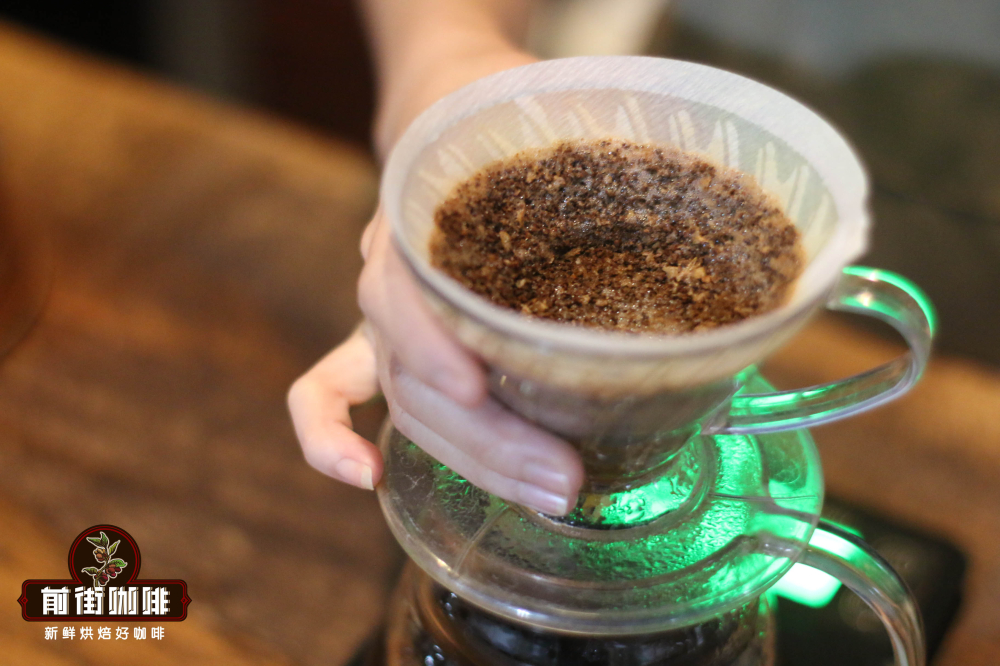
Brewed in a V60 with the staged pouring technique, the FrontStreet Coffee Guodingding Cooperative is remarkably balanced. On the palate you get clear notes of berries, lemon, sugarcane and melon. As the cup cools, the green tea finish grows more pronounced, for an overall rich yet gentle layering.
FrontStreet Coffee Recommendation
If you are new to pour-over and want a cup that is both easy to handle and good-looking, the Hario V60 is the classic recommendation. Hario was founded in Tokyo in 1921 as a maker of heat-resistant glass, and in 2004 it redesigned the early V60 prototype into the shape we know today, naming it after its distinctive 60-degree cone angle and V shape before launching it a year later. FrontStreet Coffee favors the resin version above all: the resin blocks heat loss effectively, and in standard industrial production it is the easiest material to mold with the smallest tolerances.
The V60's fast extraction is exactly what makes it shine with floral and fruity coffees, since it brings out a rounder aroma and lively acidity. That makes FrontStreet's Yirgacheffe Guodingding a natural match, with its citrus, berry and floral notes and its green-tea sweetness. If you want a bolder tropical character, the Ethiopia Huakui is famous for its strawberry, passion fruit, jackfruit and even lychee aromas, low bitterness and juicy mouthfeel. For something with Geisha character, try the Strawberry Candy, and for a raisin-forward profile, the Mozart.
None of this is set in stone, though. Medium-dark and dark roasts that lean mellow, such as the PWN Indonesia Gold Mandheling or the Brazil Queen Estate, with its low acidity and rich nut and cocoa aromas, also brew beautifully in a V60 when your technique is steady.
Important Notice :
FrontStreet Coffee is a long-established specialty coffee roaster in Guangzhou China, selling freshly roasted beans from its own farm in Yunnan as well as dozens of carefully selected single-origin beans from around the world for both pour-over and espresso. The products deliver consistently excellent quality and great value, with shipping within 24 hours. Guangzhou's FrontStreet Coffee shop is recommended by many coffee lovers, and the beans are now available online at the Tmall 。
FrontStreet Coffee has moved to a new address:
FrontStreet Coffee Address: 315,Donghua East Road,GuangZhou
Tel:020 38364473
 Scan and follow the En Gafei WeChat official account. Please indicate that the reprint comes from "En Gafei".