Sumatra Coffee Bean Tiger Story Starbucks Sumatra Packaging Features How to Drink Mandheling

Among Indonesian coffee beans, Sumatra Mandheling is the most widely recognized name. And within Mandheling, one lot has a subtle connection with the Sumatran tiger — the Tiger Mandheling coffee that FrontStreet Coffee introduces in this article.
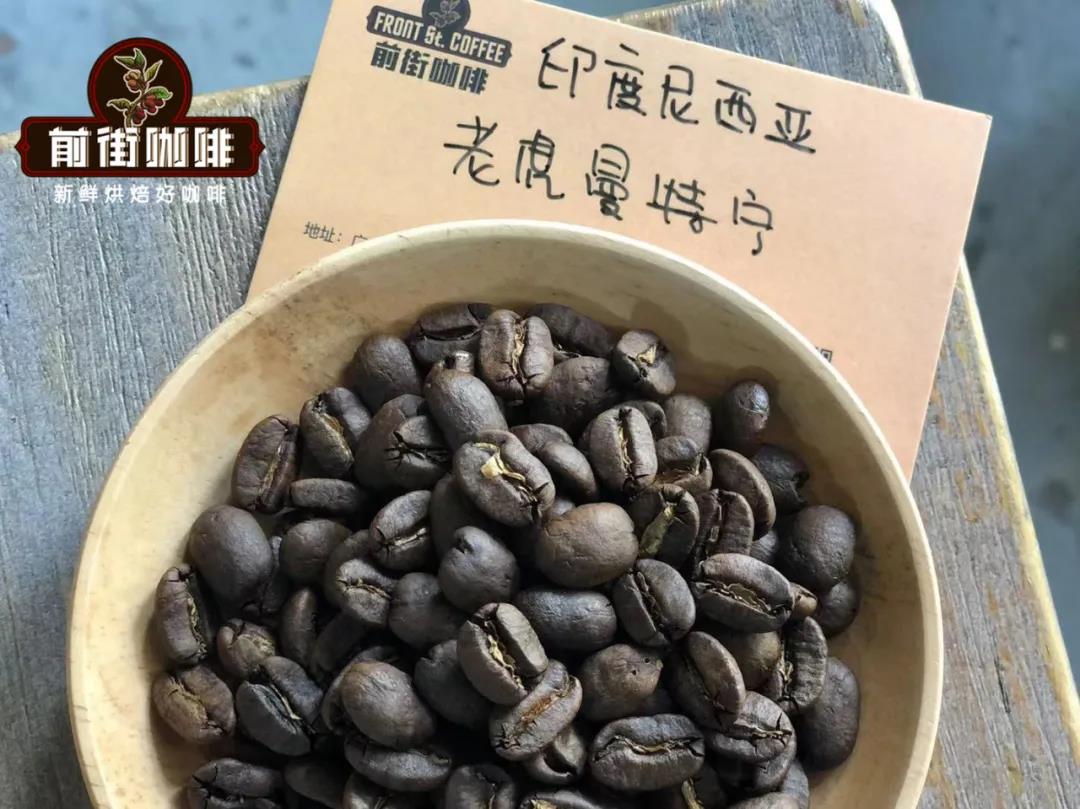
FrontStreet Coffee Indonesia Sumatra Tiger Mandheling
Origin: Aceh, Sumatra, Indonesia
Variety: Typica, Caturra
Processing: Wet-hulled
Altitude: 1500m
Sumatra · The Aceh Region
Aceh is a key Mandheling-producing region, sitting at the northernmost tip of Sumatra Island. In earlier years it saw independence movements driven by religious tensions; later, the local Acehnese authorities compromised and the area now exists as a special autonomous region. Thanks to the peace of recent years, Aceh's coffee industry has flourished. Lake Tawar in Aceh and Lake Toba in Lintong are known together as the "Two Lakes, Double Mandheling." In recent years, both the quality and the quantity of Aceh's Mandheling have overtaken the Lintong region — even Indonesia's largest green coffee supplier, PWN (Pawani), has shifted its focus to Aceh.

Why Is It Called Tiger Mandheling?
The Sumatran tiger is an iconic Indonesian animal, now endangered, and it has always been perceived as majestic and steady. Tiger Mandheling is produced in the tiger's homeland — Sumatra Island itself. These beans are strictly graded through a 19-mesh screen so that nearly every bean shares the same diameter, and the ripe cherries go through three rounds of hand-sorting before being processed into green coffee. Locals borrowed the "Sumatran tiger" to convey the nobility and rarity of these 19-screen selected beans. In FrontStreet Coffee's cupping, the coffee showed high viscosity, a smooth mouthfeel, rich agarwood notes, and high sweetness, with a long-lasting aftertaste that evokes a Sumatran tiger prowling slowly forward.

The defining trait of Tiger Mandheling is its distinctive aroma of pine and agarwood — something you will not find in other Mandheling coffees.
Coffee Varieties
This Tiger Mandheling combines two varieties known for pronounced sweetness: Typica and Caturra. Typica has bronze-colored top leaves and oval or slender, pointed beans, with an elegant flavor — but a weak constitution, poor disease resistance, and low yields. Through cupping Typicas from many origins, FrontStreet Coffee has consistently found its clean, subtle flavor and balanced character well represented. Caturra is a Bourbon mutation with curved bean ends, round yet slender, offering better productivity and disease resistance than Bourbon. Its overall flavor is bright with good sweetness.
The Wet-Hulled Processing Method
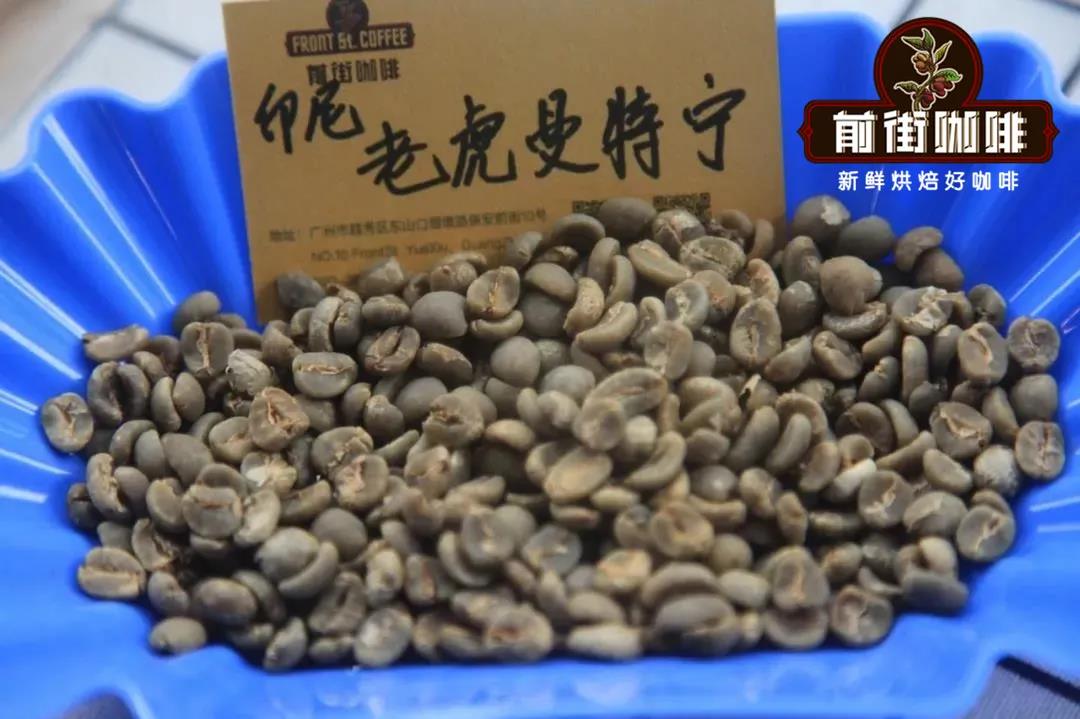
In wet-hulled (giling basah) processing, the skin and pulp of the coffee cherries are removed first, followed by a brief fermentation and partial sun-drying. The mucilage and parchment layer is then hulled off while the beans are still semi-dry, and drying continues until the moisture content reaches 12%. Wet-hulled Mandheling beans typically show varying degrees of compression cracks — the source of the famous "horseshoe" shaped beans — and their color is a deep bluish-green.

This method shortens drying to just two to four days. The shortened fermentation significantly reduces acidity while enhancing body. Caramel and fruit aromas come forward, often accompanied by herbal, grassy, and woody scents — together forming the unmistakable regional character of Sumatra.
FrontStreet Coffee Roasting Analysis
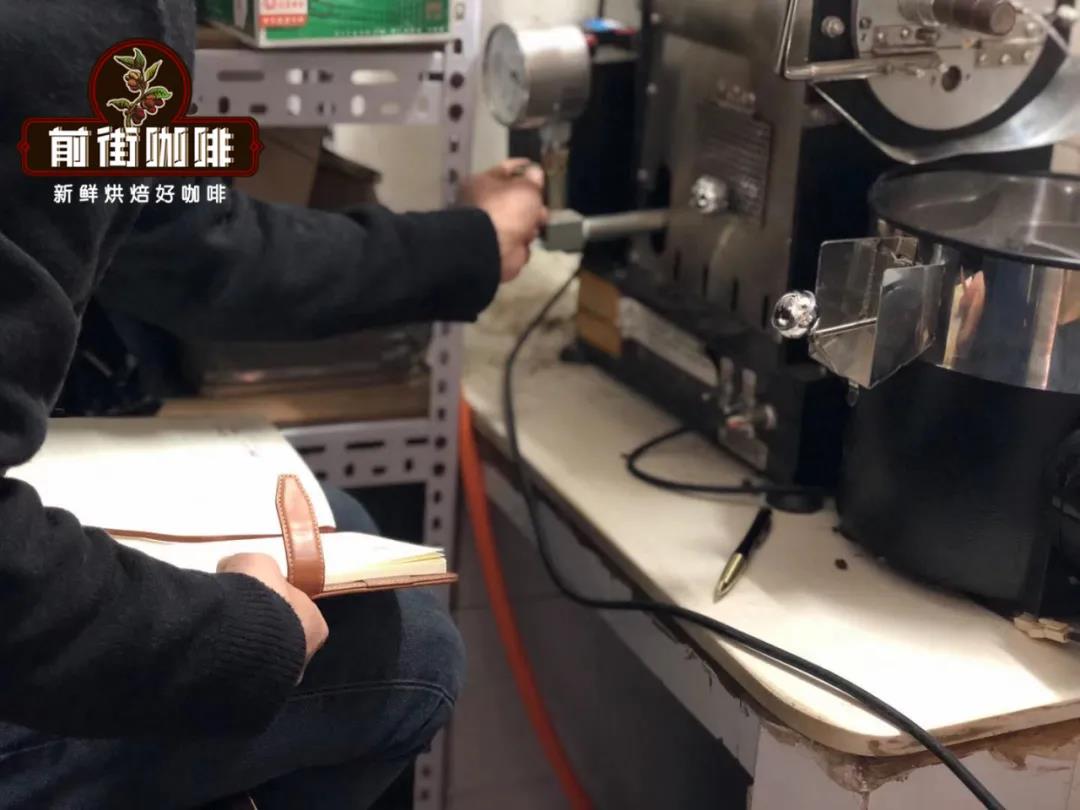
FrontStreet Coffee's roasters observed that the Tiger Mandheling green beans are round, yellowish-green, well-uniformed, and high in moisture. The roasting target is a medium-dark roast to mute excess acidity and amplify body and balance.
Preheat the roaster to 200°C and charge with the air damper at 3. After 30 seconds, reduce heat to 160°C with the damper unchanged. The turning point comes at 1'45"; maintain heat. At 5'18" the bean surface yellows, the grassy aroma fades completely, and the beans enter the drying stage — reduce heat to 140°C and open the damper to 4.
At 7'30" drying is complete; reduce heat to 140°C. At 8'55" pronounced wrinkles and dark spots appear on the bean surface, and the toast aroma clearly transitions into coffee aroma — the prelude to first crack. Listen carefully from here. At 9'00" first crack begins: reduce heat to 110°C and fully open the damper to 5 (adjust heat carefully, never so low as to stall the crack). Develop for 4'00" after first crack and discharge at 203°C.
FrontStreet Coffee Cupping Report
Dry Aroma: Herbal, Pine
Wet Aroma: Herbal medicine, Caramel
Flavor: Herbal, Nutty, Creamy, Dark Chocolate
FrontStreet Coffee Brewing Guide
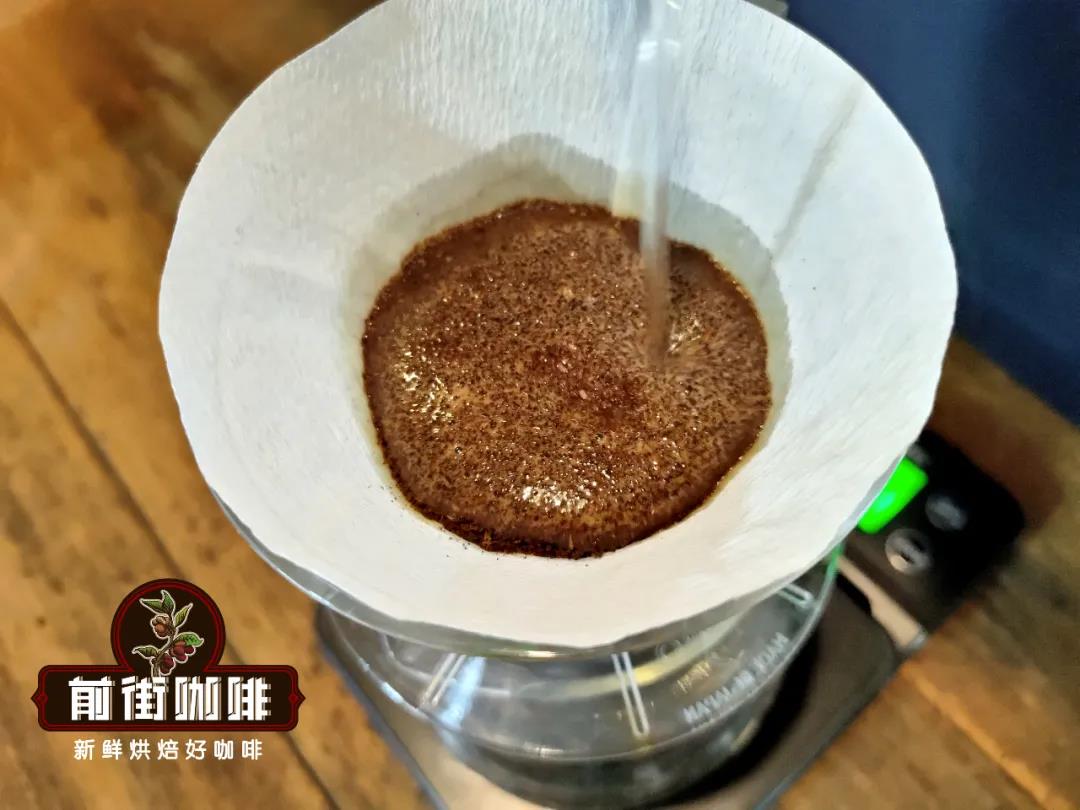
For a darker-roasted coffee like this, FrontStreet Coffee chooses the Kono dripper to emphasize body. The Kono's strength is its immersion-like function, which extracts more soluble material and builds body. Its few ribs sit near the bottom, letting the filter paper press tightly against the wall to restrict airflow, slowing the drawdown and extending coffee-water contact time.
Parameters
Dripper: Kono Meimon
Dose: 15g
Ratio: 1:15
Water Temperature: 88°C
Grind Size: Medium-coarse (about 73% pass-through on a 0.85mm standard sieve)
FrontStreet Coffee brews in segments: start with 30g of water for a 30-second bloom. Then, with a small flow, pour in circles up to 125g. When the water level drops and the coffee bed is about to be exposed, pour up to 225g and stop. When the bed is about to surface again, remove the dripper. Total extraction time, measured from the start of the bloom, is 2'05".
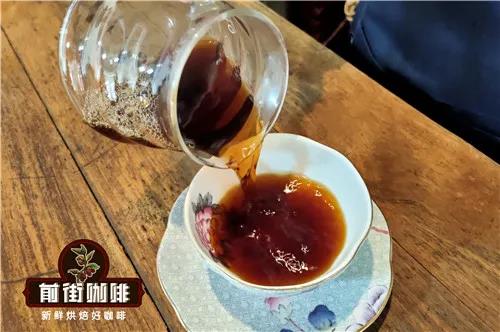
Brewing Flavor: Nutty, creamy, dark chocolate, caramel, and herbal-medicine notes, with prominent sweetness and a relatively clean, clear cup.
FrontStreet Coffee Recommendation
If the Tiger Mandheling's story has whetted your appetite for Sumatran coffee, FrontStreet Coffee's PWN Golden Mandheling is the flagship to try. Sourced from the PWN company and graded to the strictest G1 standard — beans above 18-screen size with fewer than 3 defects per 300g sample, then triple hand-sorted — it delivers the cleanest, sweetest expression of Mandheling you can buy. Medium-dark roasted, it shows roasted aromas, black chocolate, caramel, and nut flavors with a full, syrupy body and low acidity, ideal for drinkers who dislike sour coffee. For brewing, FrontStreet Coffee suggests 87–88°C water, a 15g dose at 1:15, a coarse-sugar grind, and three-stage pouring to bring out that caramel sweetness and heavy body. If you would rather enjoy Mandheling as espresso, the FrontStreet Classic Blend adds medium-dark Mandheling to a Brazilian base — butter, roasted chestnut, and caramel notes, plus a touch of Robusta for richer crema.
Important Notice :
FrontStreet Coffee is a long-established specialty coffee roaster in Guangzhou China, selling freshly roasted beans from its own farm in Yunnan as well as dozens of carefully selected single-origin beans from around the world for both pour-over and espresso. The products deliver consistently excellent quality and great value, with shipping within 24 hours. Guangzhou's FrontStreet Coffee shop is recommended by many coffee lovers, and the beans are now available online at the Tmall 。
FrontStreet Coffee has moved to a new address:
FrontStreet Coffee Address: 315,Donghua East Road,GuangZhou
Tel:020 38364473
 Scan and follow the En Gafei WeChat official account. Please indicate that the reprint comes from "En Gafei".