Key Tips for Frothing Milk: Espresso Machine Milk Frothing Methods & How to Make Perfect Espresso Coffee
Pulling a beautiful latte takes two things done well: silky microfoam and a properly extracted espresso shot. The details matter at every step, so here FrontStreet Coffee shares the workflow and techniques we use behind the bar to nail both.
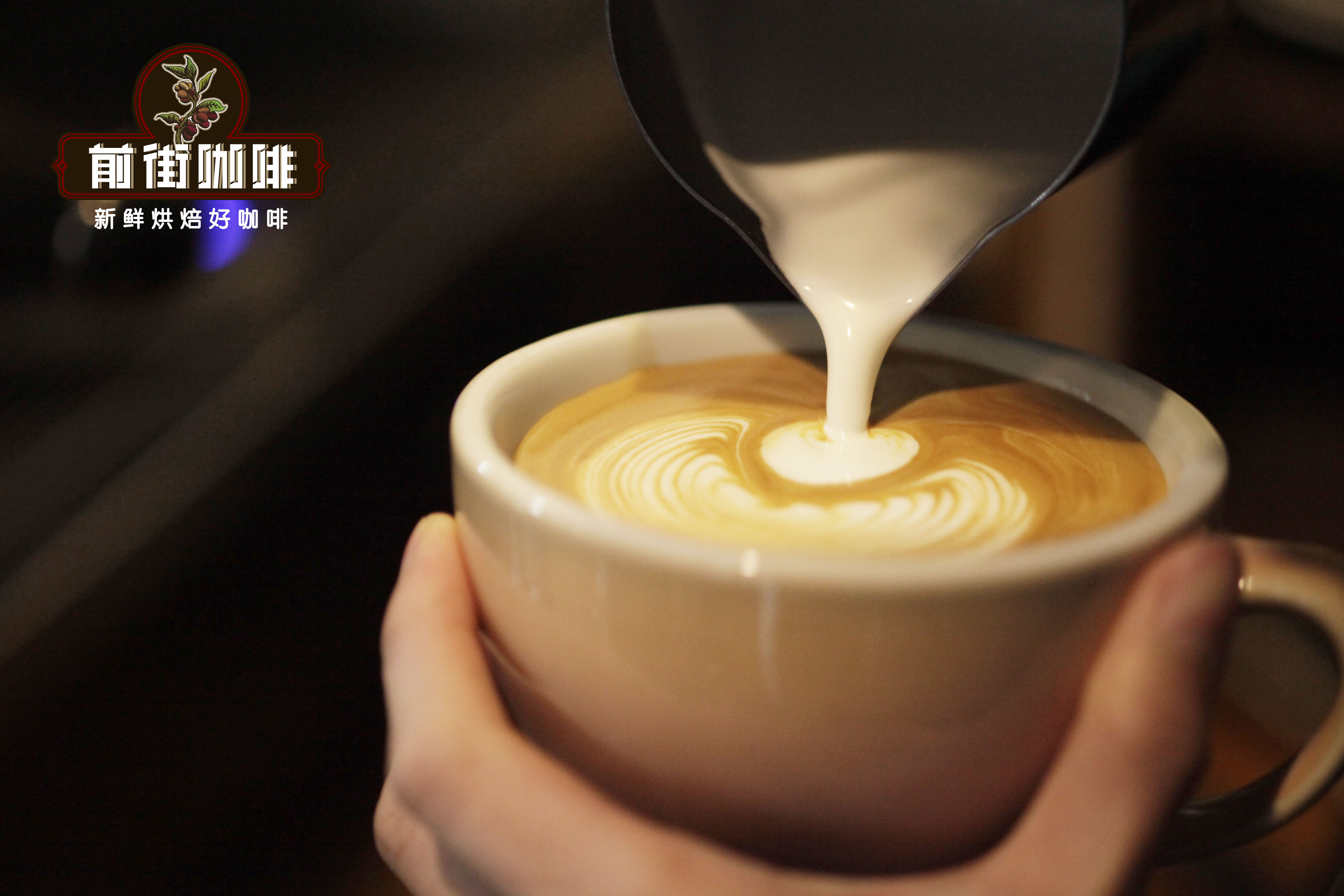
Milk Frothing Techniques: How to Froth Milk with an Espresso Machine
There are plenty of ways to froth milk, but the steam wand on an espresso machine is by far the friendliest route for beginners. The method boils down to two phases: first stretch the milk to build foam, then texture it into a smooth, glossy finish.
1. Building the Milk Foam
Step-by-Step
(1) Pour about 225g of cold milk (roughly 5°C) into a frothing pitcher, filling it about one-third full.
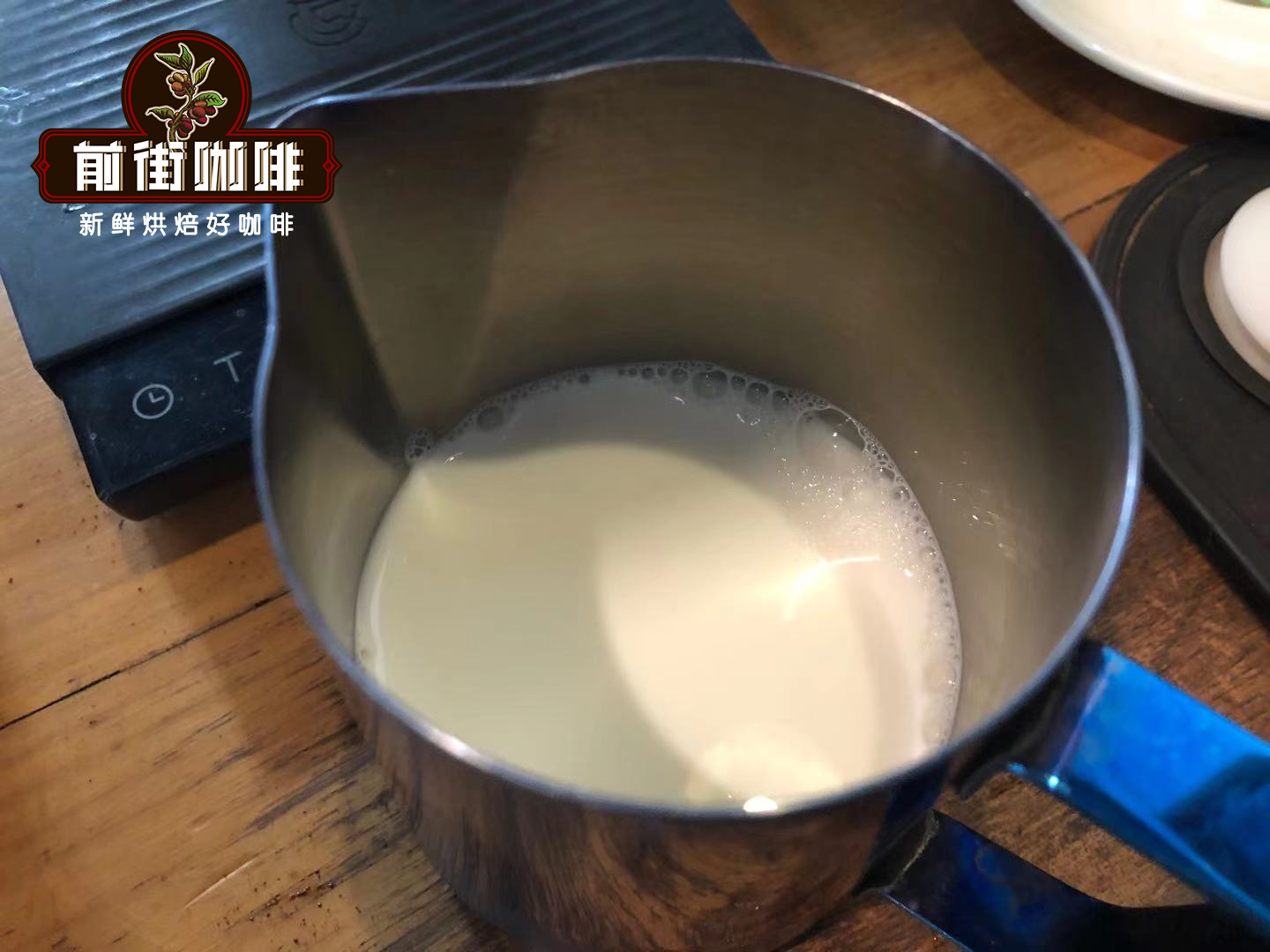
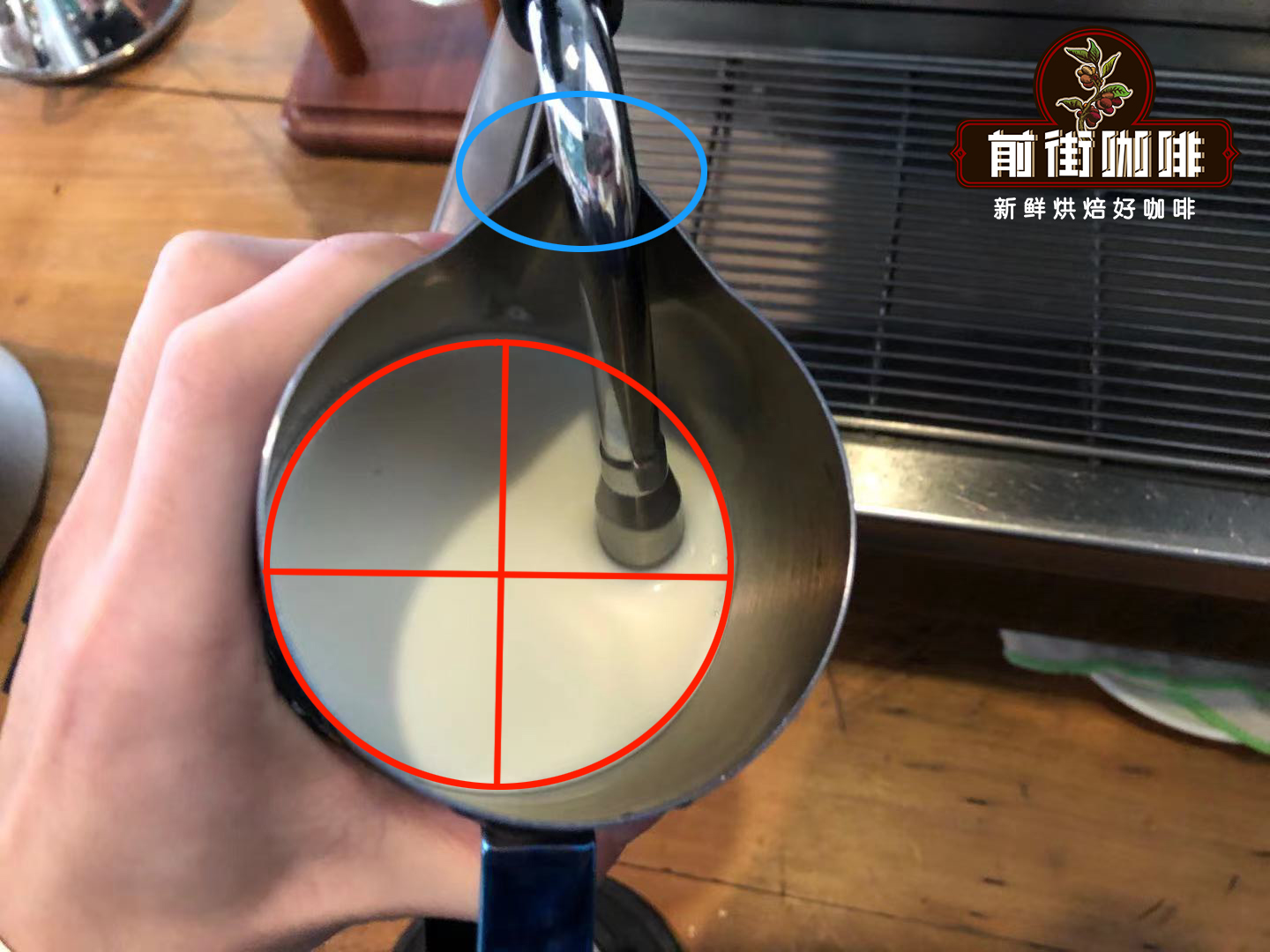
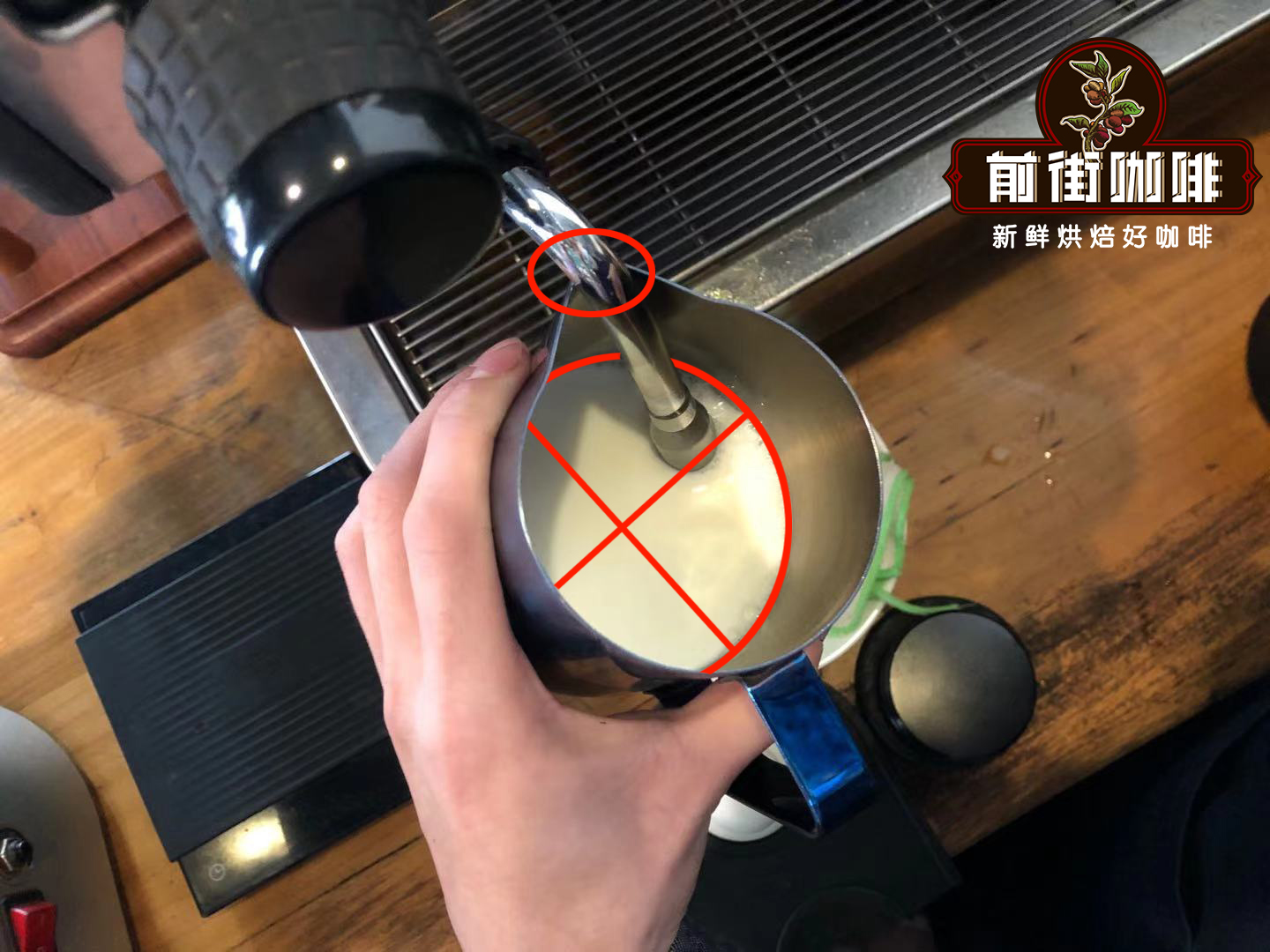
(2) Purge the steam wand before it goes anywhere near the milk, a quick blast of steam preheats the wand and clears out any condensed water. Then insert the steam tip just below the milk surface at a 30-40 degree angle (the tip should sit about 0.7cm deep), or tilt the pitcher 30-40 degrees and position the tip about a quarter of the way left (or right) of center. Keep the wand roughly one finger's width away from the inner wall of the pitcher. That positioning is what creates a vortex. Bury the tip too deep and no vortex forms, the milk will simply heat up without ever building proper foam.
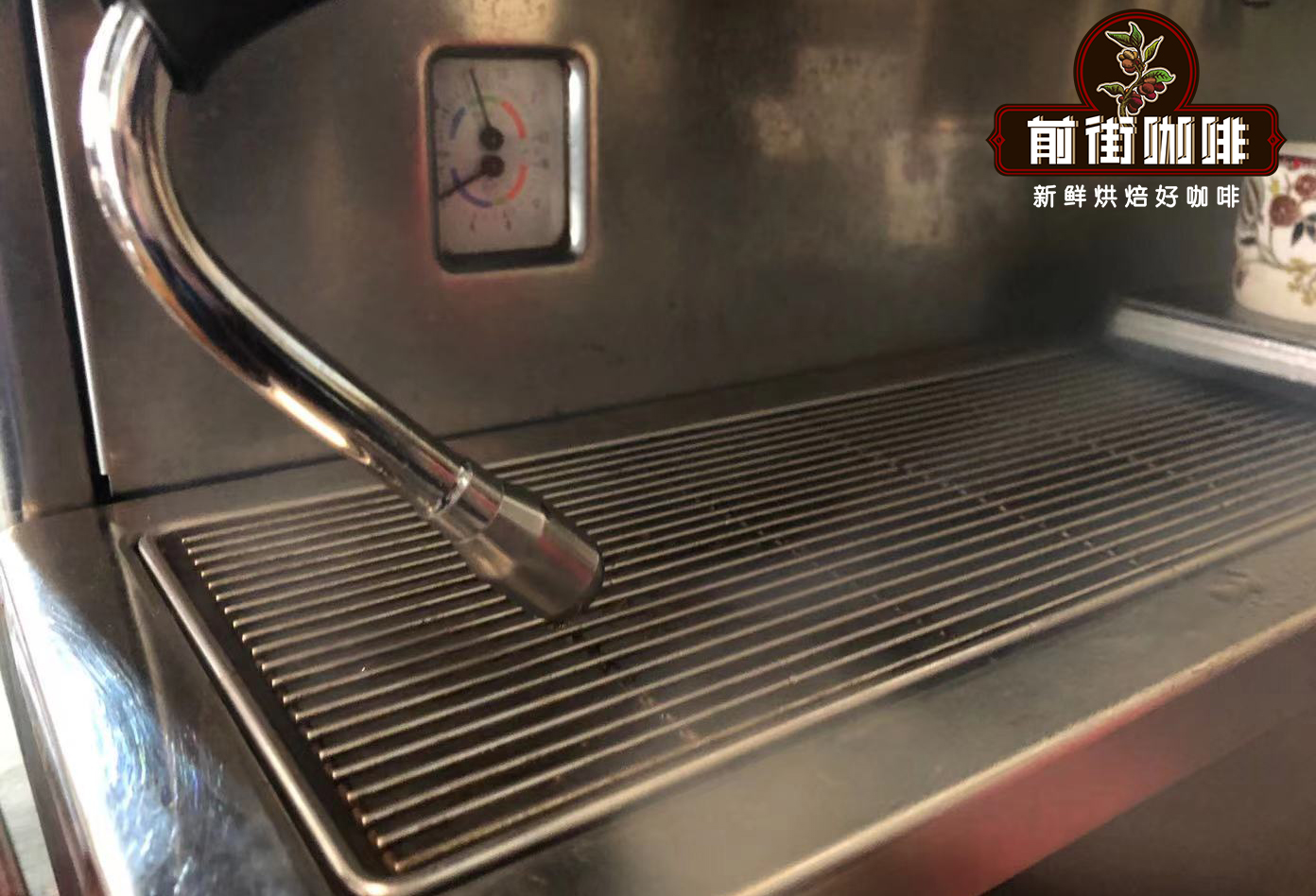
(3) Open the steam valve, but not all the way at first, too much steam too soon and the milk will boil before any foam forms; too little and you won't stretch the milk at all. The usual approach is to open the valve halfway, then once the milk starts circulating in a clear vortex, roll it to full. Early on you'll hear a sharp "tsk-tsk" hiss as air is drawn in. Once the pitcher feels warm and there's enough foam, lower the pitcher slightly to keep the steam tip at a consistent depth of about 0.7cm, this refines the foam and makes it denser. Continue until the milk fills about nine-tenths of the pitcher or the temperature approaches 65°C. If the hiss turns loud and harsh, something has gone wrong with your technique.
(4) As soon as the pitcher is too hot to hold comfortably, cut the steam and take the pitcher off immediately. Any further stretching produces stiff, dry foam that won't merge with espresso, it just sits on top like whipped cream. Over-stretching also causes separation: 90% liquid milk with a thick foam cap floating on top, and when you pour, the milk runs out first while the foam stays behind. Overheating kills foam outright, too. And don't let frothed milk sit, it separates within moments. Target temperature after frothing is around 65°C, with total frothing time of 8-15 seconds.
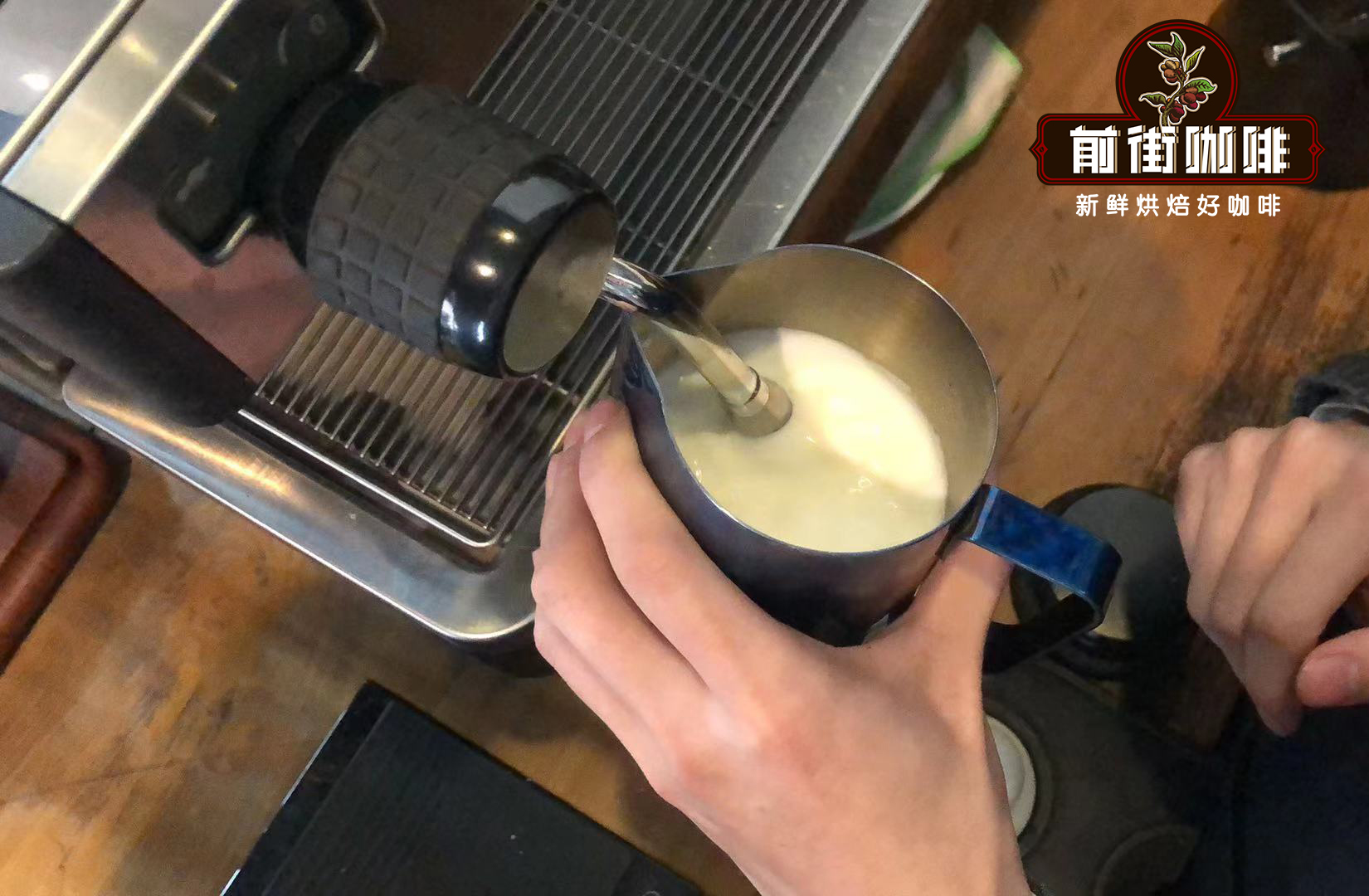
What does properly textured milk look like? Neither big soapy bubbles nor thin, loose foam. Ideal microfoam is dense and glossy; when poured it should flow like yogurt, thick, smooth, with a rounded richness.
(5) Clean up right after frothing. Purge the steam wand to blow out any residual milk, dried milk will clog the tip and breed bacteria. Wipe the steam tip clean and return the wand to its parked position.
Working with the Frothed Milk
In the pitcher, the foam floats on top with the hot milk beneath. If you're pouring latte art, tap the base of the pitcher on the counter a few times, then give it a few clockwise swirls. This tightens the texture and folds the foam and milk together. Skim off any coarse bubbles from the surface, and you're ready to pour.
If you've followed all the steps and still can't get good foam, it comes down to two causes (assuming the milk itself is fine):
(1) Not enough steam pressure, switch to a machine or wand with stronger steam.
(2) Incorrect tip angle or depth, or the milk isn't spinning properly. Fix these two and most problems disappear. The classic beginner mistake is losing focus and letting the steam tip rise above the milk surface, that splatters milk everywhere and churns in big bubbles. You'll end up with plenty of foam in the pitcher, but the texture will be poor.
2. Milk Frothing Tips for Beginners
The keys to successful frothing:
Choosing the Milk
Choosing milk is really about choosing fat content. There are three categories on the market: skim milk (under 0.5% fat), low-fat milk (0.5%-1.5% fat), and whole milk (above 3% fat). For latte art, use whole milk at around 3% fat, lower-fat milk produces stiffer, drier foam, while we want silky foam. Fresh milk quality also fluctuates seasonally: winter fresh milk froths more easily than summer milk. If your summer milk refuses to foam no matter what you do, it may not be your technique, it may be the milk itself.
Starting Milk Temperature
Milk for frothing should be thoroughly refrigerated in advance (at least 2 days). Milk stores best at around 4°C. Why chill it properly? To slow the temperature climb during frothing. Steam wands run hot, the milk heats through in a dozen or so seconds. Above 65°C the milk's components start to break down and lose flavor (that milky sweetness disappears), and above 80°C the protein structure collapses and frothing fails outright.
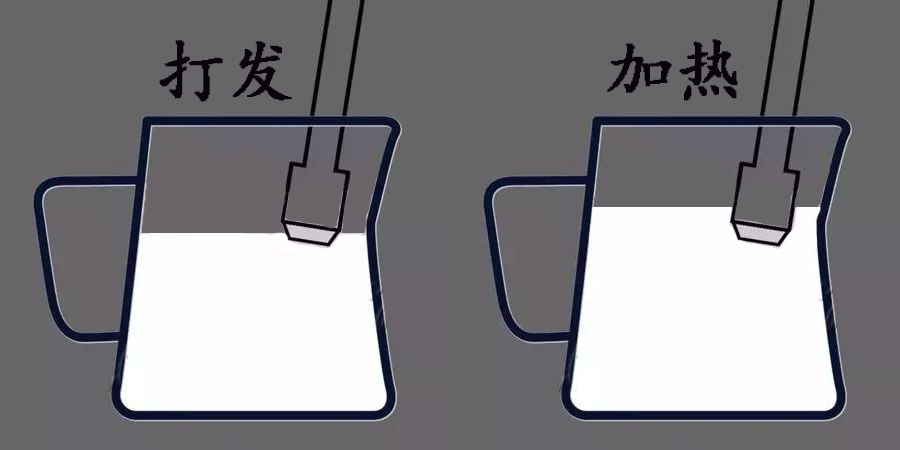
Frothing Duration
To keep the milk under 65°C, don't drag out the frothing. On a high-powered espresso machine, finish within 15 seconds, though exact timing varies from machine to machine.
3. How to Make Espresso
Here's how we do it at FrontStreet Coffee, using our Sunflower Warm Sunshine Blend as the house espresso.
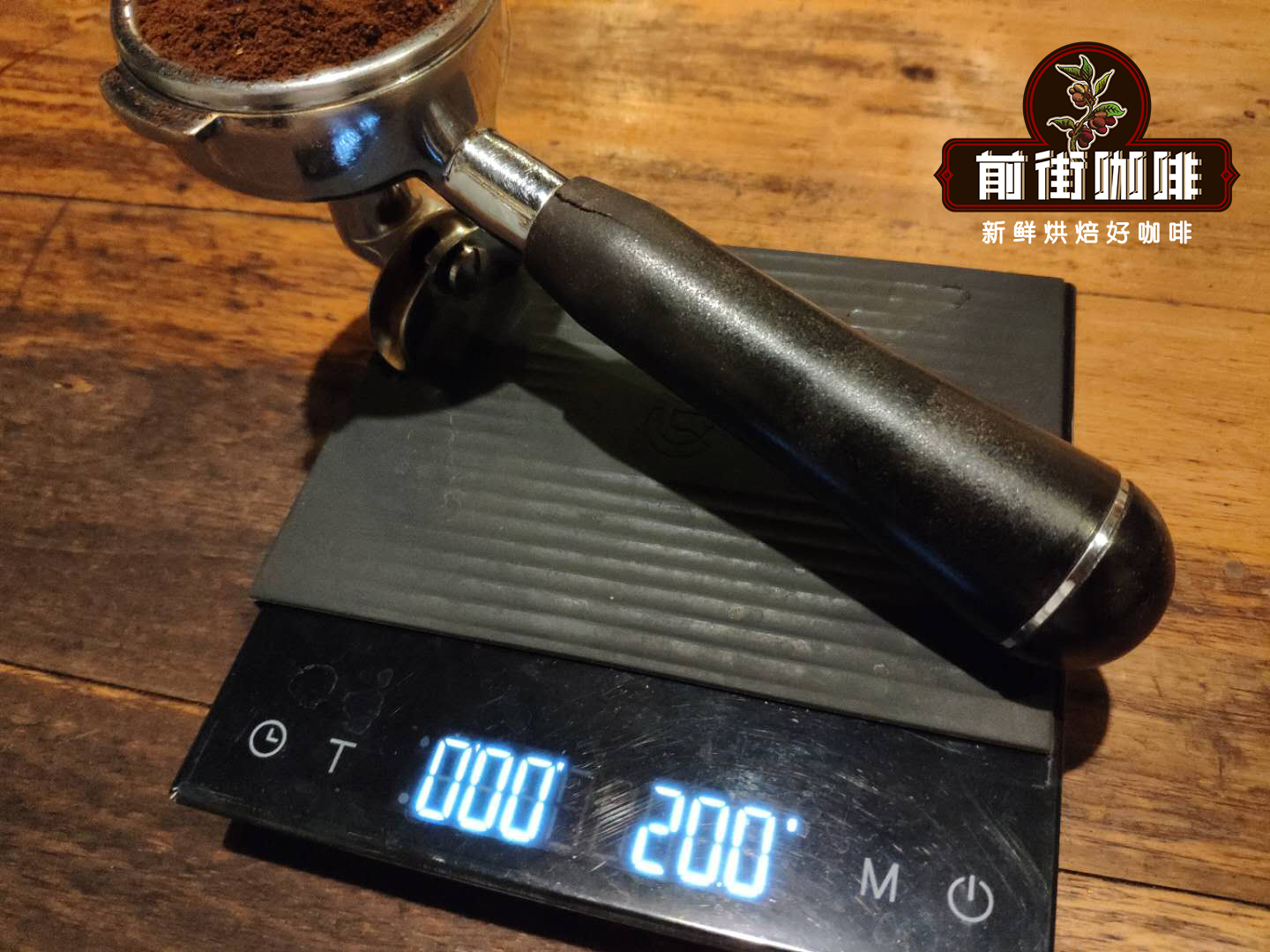
(1) Weigh the coffee. Clean and dry the portafilter, place it under the grinder, and dose 20g of grounds.
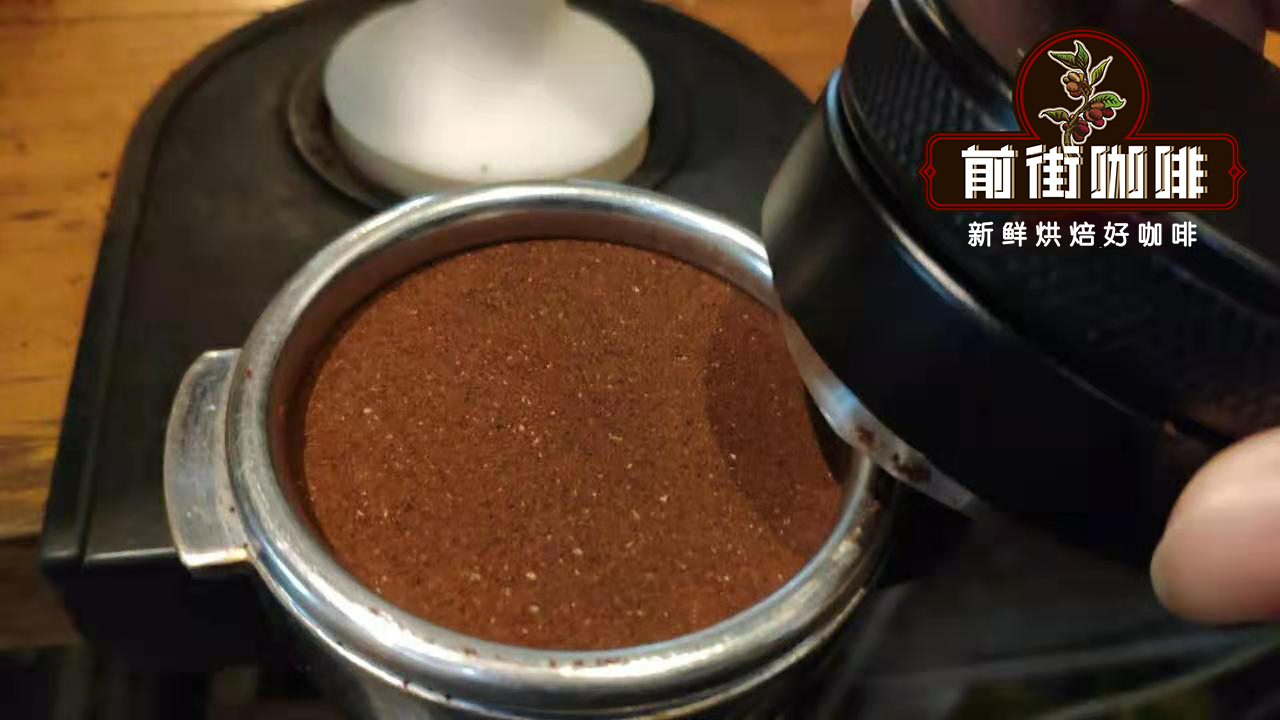
(2) Distribute the grounds. Use a distribution tool held vertically over the basket and rotate it several times to level the bed.
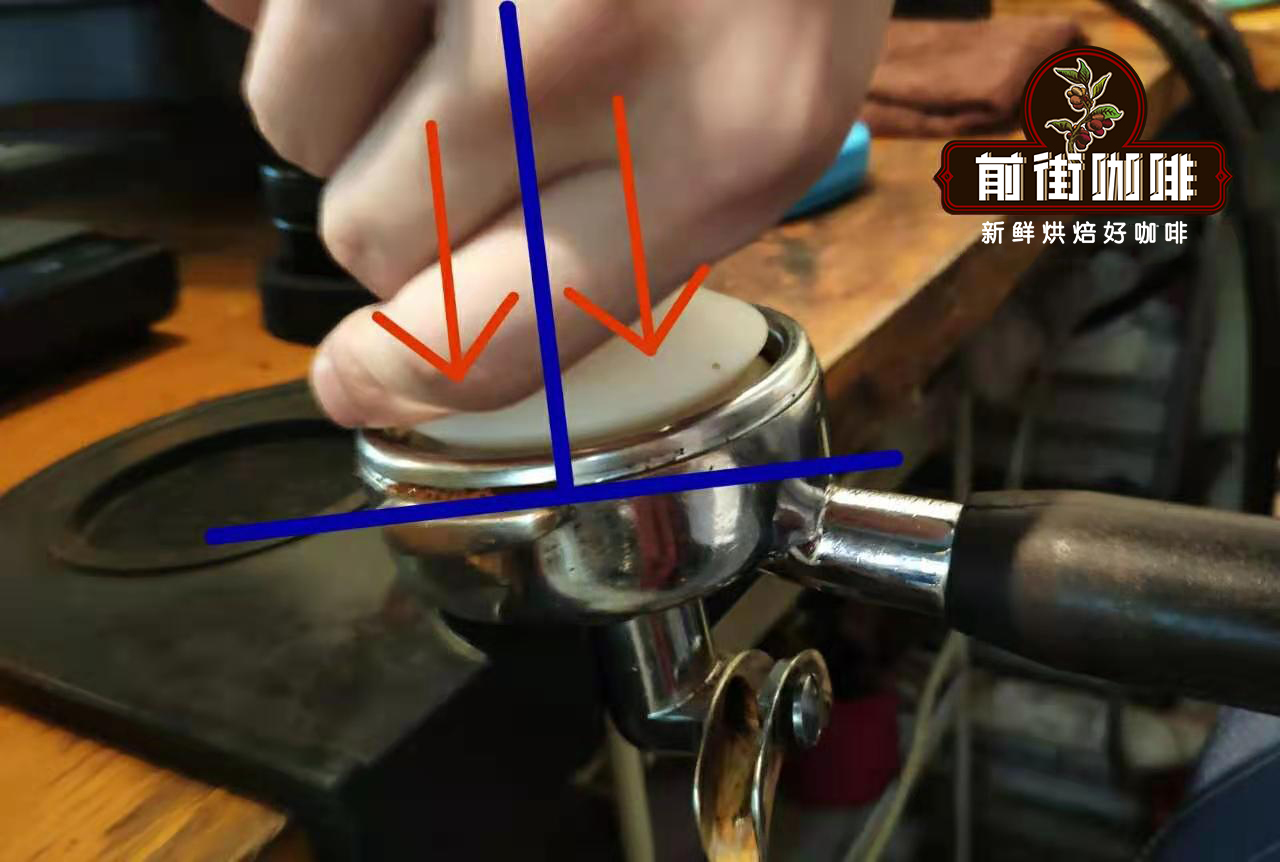
(3) Tamp straight down with even, vertical pressure.
(4) Brush away any stray grounds left around the portafilter rim.
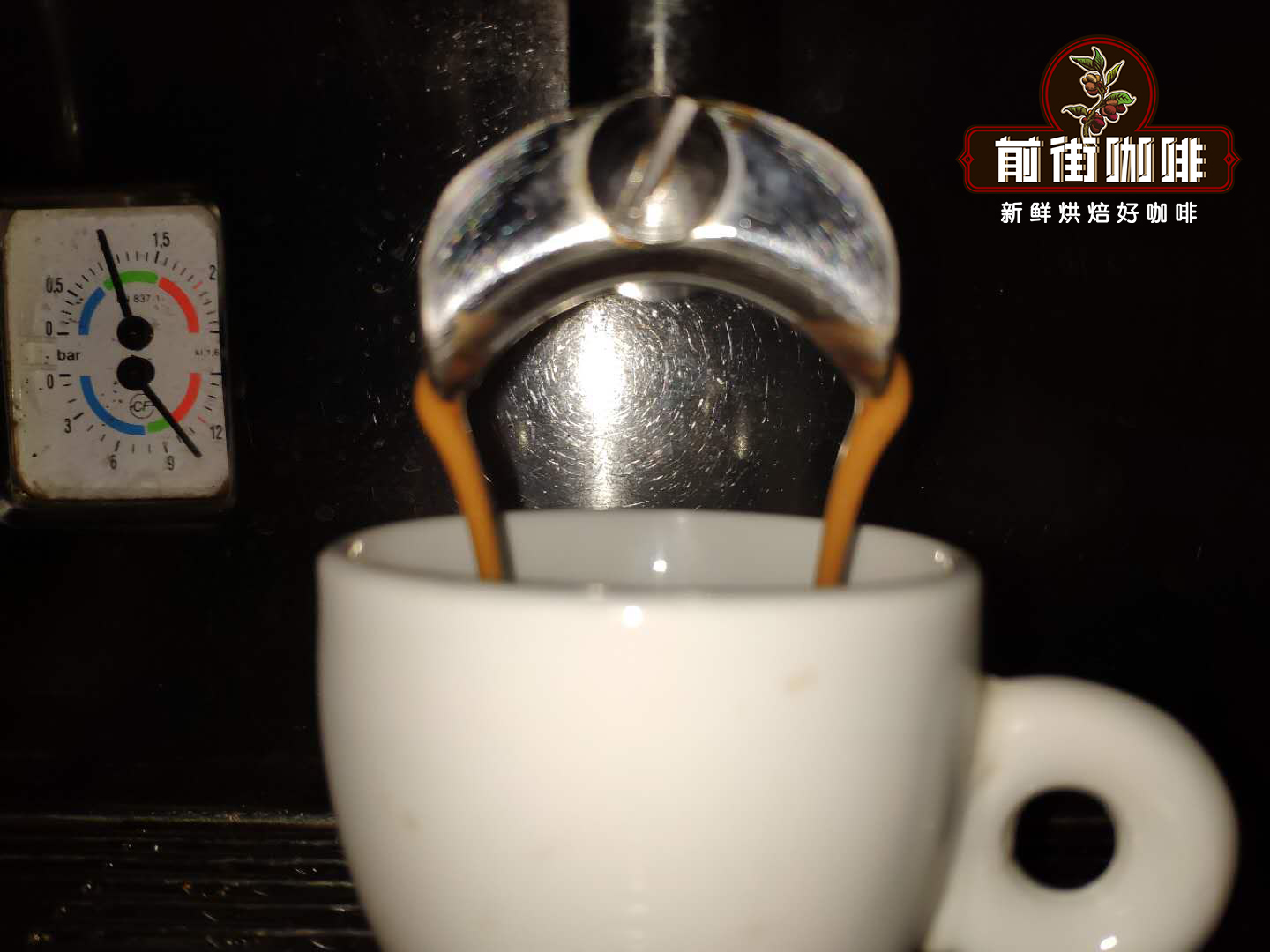
(5) Lock the portafilter into the group head and start the shot. Stop at 40g of espresso extracted; the target time is 26-28 seconds.
A Closer Look at Tamping
Before you tamp, think about the coffee itself, the blend, flavor profile, roast degree, grind size of the grounds, and how your machine performs, then adjust tamping pressure accordingly. The finer the grind, the lighter the tamp; press too hard on a fine grind and water struggles through, producing over-extraction. With a coarser grind, tamp firmer, or the water will race through and leave a thin, sour, astringent shot.
Tips:
(1) Semi-automatic espresso machines typically run at 0.8-0.9MPa of pressure (with about 0.1MPa of fluctuation depending on the beans). Once the water saturates the coffee bed, that 0.9MPa of pressure pushes through the grounds, extracting roughly 90% of the soluble compounds in the coffee.
(2) Siphon and drip brewers operate without pressure and can only extract about 70% of the coffee's soluble material, what dissolves from the surface of the grounds, leaving much of what's inside unreachable.
FrontStreet Coffee Recommendation
FrontStreet Classic Blend (First Choice)
This blend was designed specifically for espresso machines and moka pots, and its biggest strength is an exceptionally rich crema, even a beginner with a basic home machine can pull dense, velvety crema with it. The lattes, cappuccinos, and Dirty coffees we all drink depend on good crema, and the Classic Blend hits that need perfectly. It uses the traditional Mamba (Mandheling + Brazil) formula, delivering a full-bodied, mellow cup that both seasoned coffee drinkers and newcomers can enjoy. A solid first choice for home or commercial use.
FrontStreet Dark Cocoa Blend (Value Commercial Option)
Not everyone is chasing maximum crema. For beginners, or café owners watching costs, great taste at a sensible price matters more. The Dark Cocoa Blend fits exactly: 100% Arabica beans, ample crema, a full-bodied cup, and a friendly price, quality and value in one bag. For shop owners, it saves both hassle and money.
FrontStreet Strawberry Candy Coffee Beans
Strawberry Candy is a popular fruity espresso blend. By letting the native flavors of Arabica beans from different origins meld together, it recreates a vivid strawberry-soft-candy sweetness. It works equally well for daily home brewing and for café service, and suits drinkers who love fruity coffee, anyone wary of bitterness, or shops looking to offer a distinctive milk-based drink. One bag covers many brewing styles, a highly versatile everyday bean.
FrontStreet Commercial Blend (Classic Shop Option)
Before the Dark Cocoa Blend launched, this Commercial Blend was the workhorse for café accounts. It's priced below the Specialty Blend, and while its formula doesn't chase extreme crema, it's been tuned to balance mouthfeel against cost, which is why it has long been a go-to for shop owners across all kinds of commercial settings.
FrontStreet Specialty Blend (House Classic)
This is the espresso blend FrontStreet has run the longest, close to a decade, powering our core menu of americanos and lattes. It pairs Brazil Cerrado beans with Colombia Huila beans for a classic flavor: the familiar, comforting taste of traditional Italian-style espresso. Equally at home in a café or at your kitchen counter.
Coffee Beans That Pair Well with Milk
Plenty of people prefer their coffee with milk rather than black, milk softens the bitterness and rounds out the mouthfeel. But different beans behave differently with milk, and the wrong pairing can ruin a drink, so choose your beans with your brewing method in mind.
For espresso machines and moka pots: FrontStreet Classic Blend, Dark Cocoa Blend, Specialty Blend, and Commercial Blend. Both machines chase the same goal, a concentrated coffee base; add water for an americano, add milk for a latte. Most espresso blends are roasted medium-dark so the latte reads as rich nut and chocolate with a strong coffee backbone. Because Brazil leads the mix in the Specialty Blend and Dark Cocoa Blend, lattes show layered almond, walnut, and other nut flavors with a silky texture. If you want maximum crema, go for the Classic Blend or Commercial Blend, their small Robusta content delivers more golden foam plus extra body and caramel aroma.
For pour-over with milk: medium-dark roasted single origins hold their own better, look for flavor notes of chocolate, nuts, cream, or cocoa. Good picks include FrontStreet Brazil Queen Estate, Indonesia Mandheling, Bird of Paradise, and Colombia Huila.
Important Notice :
FrontStreet Coffee is a long-established specialty coffee roaster in Guangzhou China, selling freshly roasted beans from its own farm in Yunnan as well as dozens of carefully selected single-origin beans from around the world for both pour-over and espresso. The products deliver consistently excellent quality and great value, with shipping within 24 hours. Guangzhou's FrontStreet Coffee shop is recommended by many coffee lovers, and the beans are now available online at the Tmall 。
FrontStreet Coffee has moved to a new address:
FrontStreet Coffee Address: 315,Donghua East Road,GuangZhou
Tel:020 38364473
 Scan and follow the En Gafei WeChat official account. Please indicate that the reprint comes from "En Gafei".