What Kind of Milk Should You Use for Frothing? Does Milk Make Lattes Taste Better? The Correct Method and Techniques for Making Latte Coffee
Understanding Espresso Milk Coffees
Everyone knows the classics — mocha, latte, cappuccino — are all combinations of espresso and milk, exactly how FrontStreet Coffee makes them. But milk isn't simply poured in straight from the carton; it needs to be frothed first, the process we commonly call steaming milk foam. In this article, FrontStreet Coffee explains which milk to use for frothing and shares the recipe and steps for a proper latte.
How Is a Latte Made?
A latte has two parts: espresso and milk. A hot latte requires steamed milk, which puts the barista's milk skills to the test. The whole process falls into three stages: first, extracting the espresso; second, frothing the milk; third, pouring the frothed milk into the espresso and finishing with latte art.
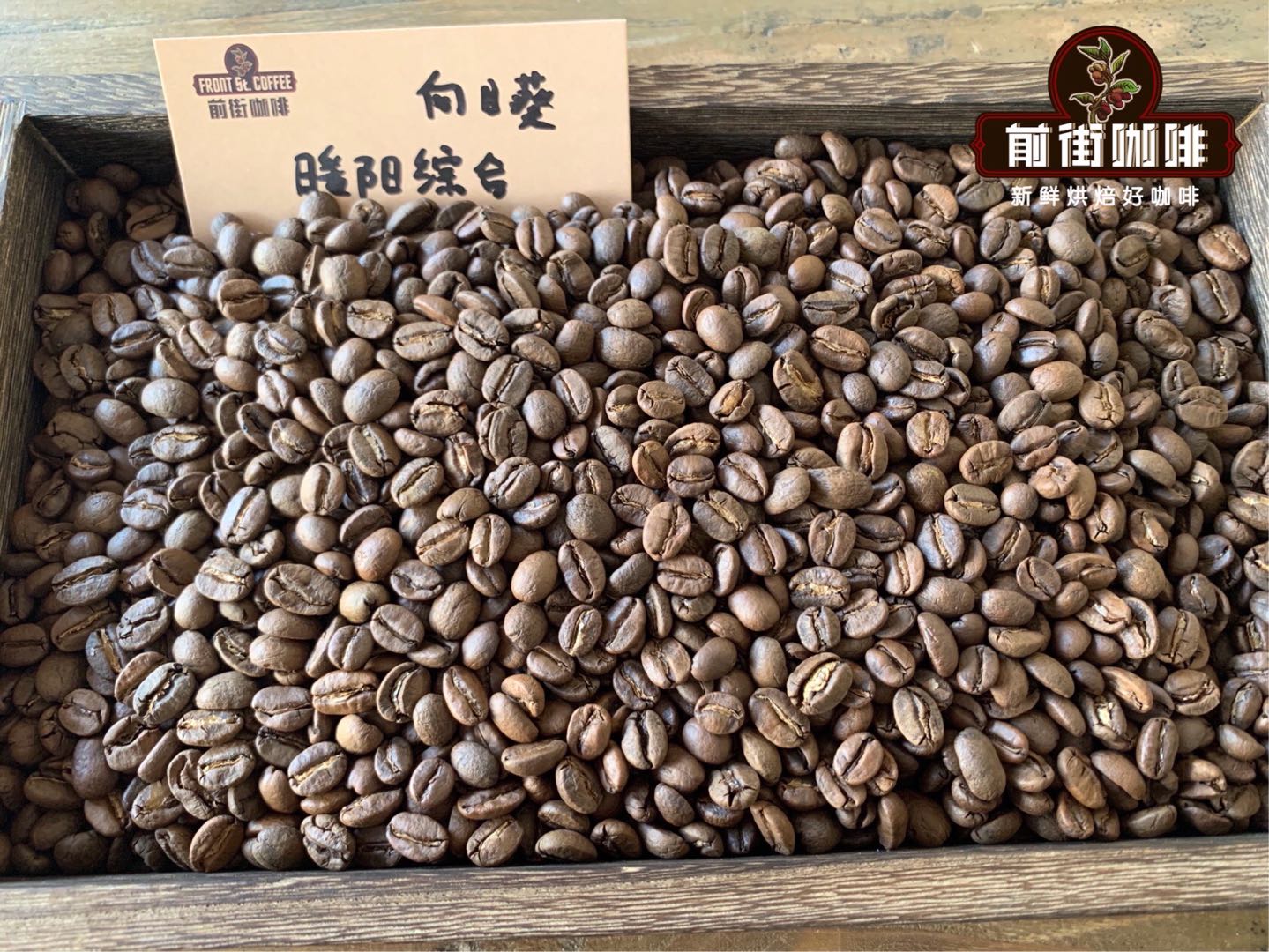
The blend used at FrontStreet Coffee is the Warm Sun Blend — 60% sherry wine-barrel-aged coffee beans combined with 40% natural Yirgacheffe. After repeated adjustments, the house recipe settled on 20 grams of ground coffee to extract 40 grams of liquid over an extraction time of 28 seconds.
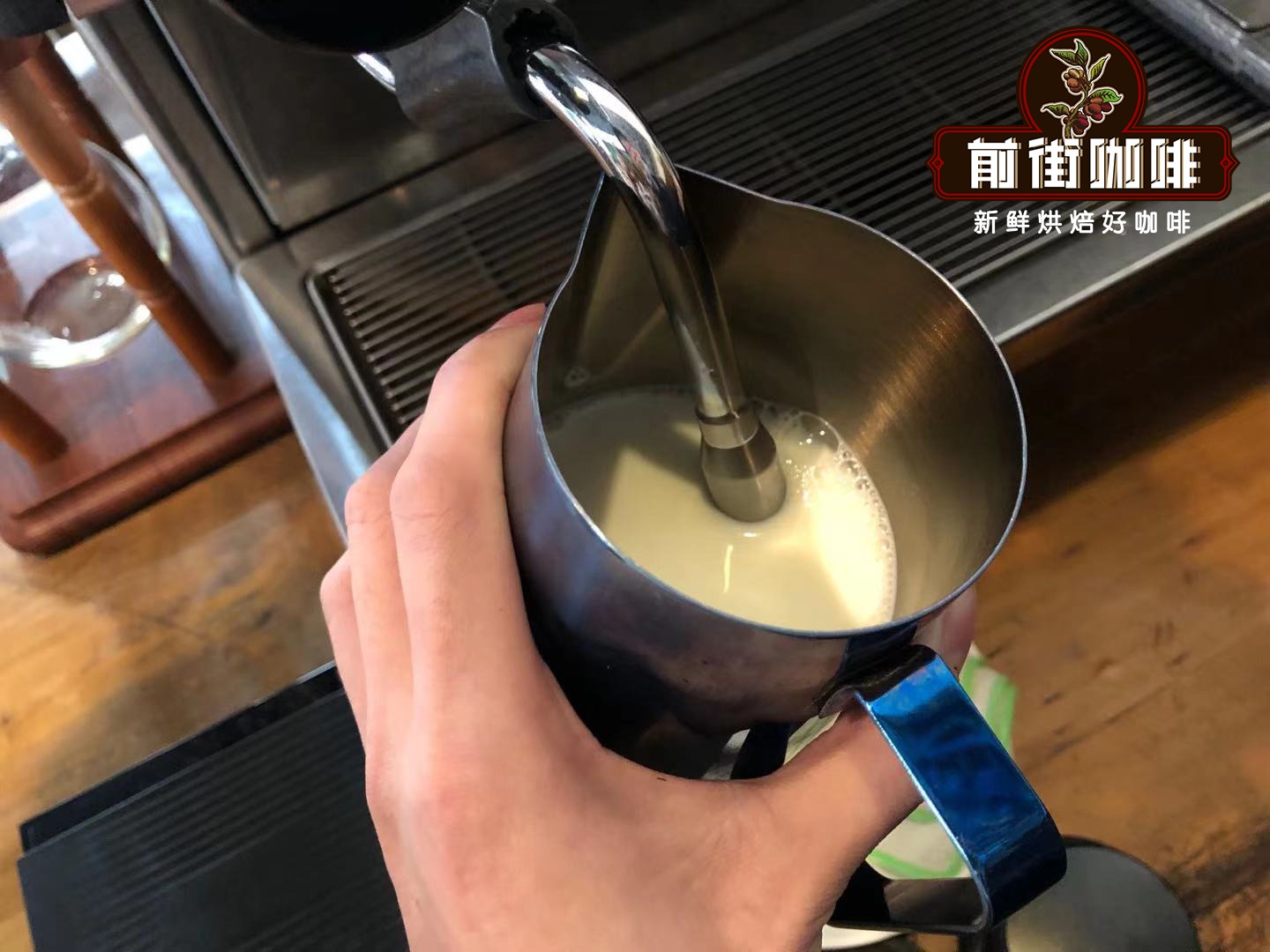
Milk frothing relies on the espresso machine's steam wand. Pour a suitable amount of milk into a pitcher — FrontStreet Coffee uses 300ml cups for lattes, so we pour 280ml of milk, leaving room for expansion as gas infuses the milk during frothing. Before you begin, briefly crack open the steam valve to purge condensed water from the wand. Then submerge the wand tip just below the milk surface and switch on the steam. Finally, pour the frothed milk into the extracted espresso and pour your latte art.
How Do You Froth Milk?
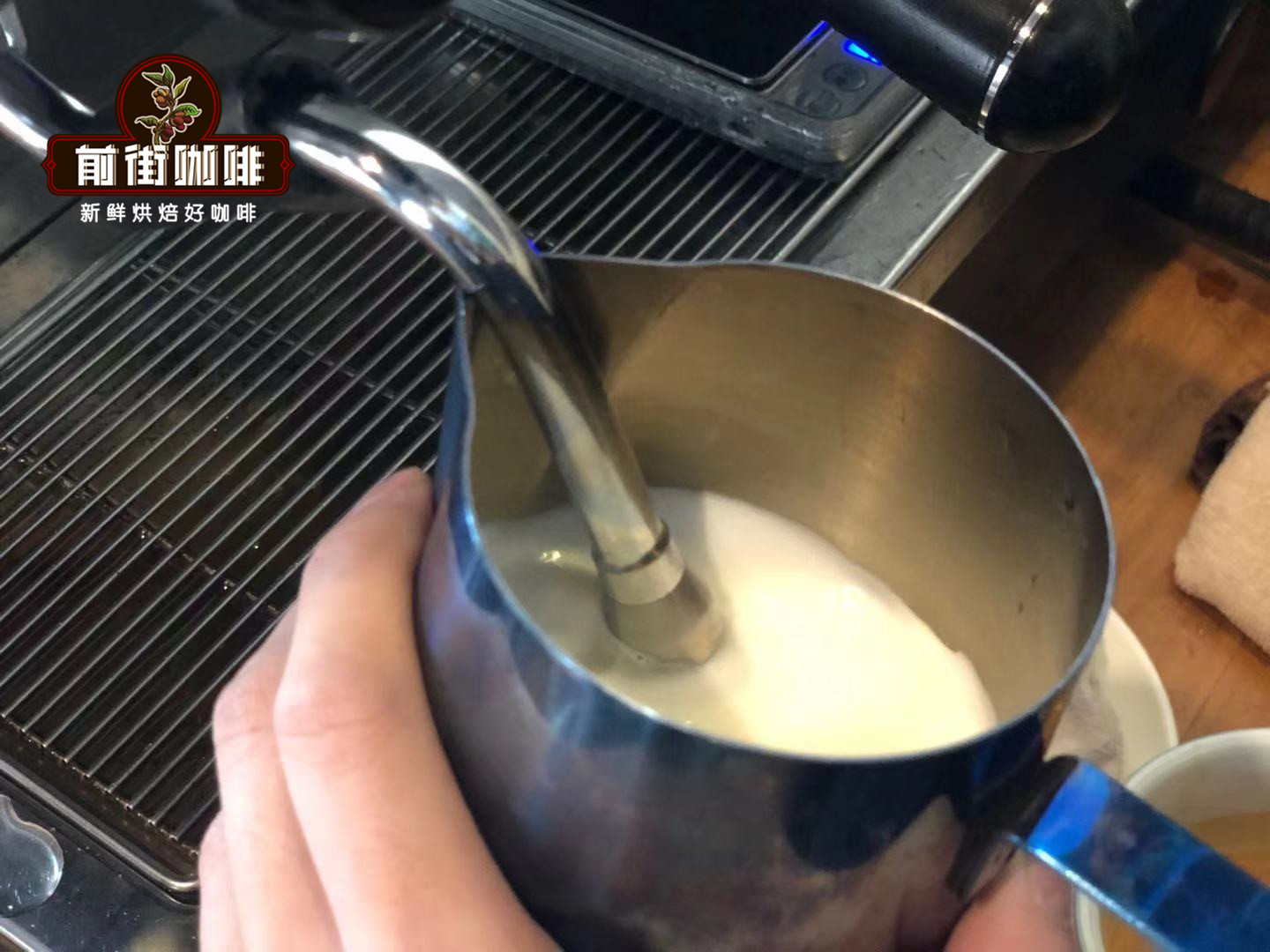
At FrontStreet Coffee, frothing is done with the machine's steam wand. Pour the right amount of milk into the pitcher — again, 280ml for a 300ml latte cup, to allow for expansion. Purge the wand first, then immerse the tip below the surface and open the steam. When the milk is frothed, pour it into the espresso and create your latte art.
What's the Ideal Milk Foam Consistency for Latte Art?
In FrontStreet Coffee's experience, the foam itself is arguably the most important factor — how fine the bubbles are directly determines how stable the foam is. The finer the foam, the slower it breaks down. Steaming falls into two stages: aerating and texturizing (refining). Refining means breaking the coarse bubbles created during aeration down into finer ones: plunge the steam wand deep into the foam layer, about 1cm below the surface, keep all the steam holes submerged, and spin a one-way vortex until the foam turns fine and glossy. Properly finished foam should show no large bubbles on the surface, carry a reflective sheen, and flow well.
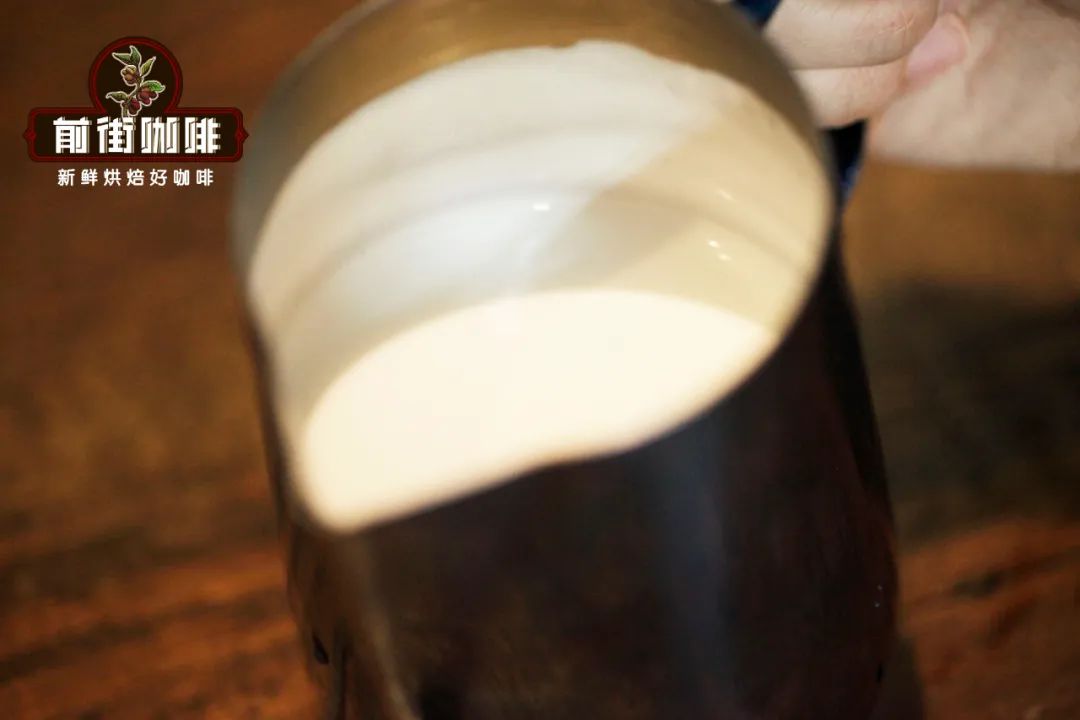
Milk temperature also affects how quickly the foam breaks down and separates. The ideal frothing temperature is 55-65°C: below that range, the milk's sweetness never fully develops; above it, the proteins denature excessively and the foam collapses faster.
Which Milk Should You Froth?
One question FrontStreet Coffee hears constantly from customers: what milk should be used? The standard answer is whole milk — but does that mean other milks can't make a milk coffee, or that they demand more skill?
Start with what milk is made of: three main components — protein, carbohydrates, and fat. Protein accounts for 3.3% of milk and divides into two types: casein and serum protein.
Serum protein, better known as whey protein, contains nine essential amino acids and coagulates or denatures at high temperatures. Casein forms "micelles" (micelles are surfactant structures dispersed in water that, at low concentrations, exist as single molecules or adsorb onto the solution's surface to reduce surface tension). When milk is steamed, micelle formation is interrupted, and casein molecules wrap around the air bubbles, protecting them from bursting — that's how foam is created.
Protein content affects how long your latte art holds on the surface. Whole milk produces richer texture and thicker foam, while low-fat milk tends to form large bubbles during frothing.
That's why FrontStreet Coffee chooses whole milk with good foaming properties for its milk coffees. Whole, low-fat, or skim — all can be used, but their differing fat and protein contents make them vary in difficulty and in taste. Whole milk's high fat and protein content yields dense, long-lasting foam with excellent texture, making it the first choice. The others have their own advantages; it depends on the situation you face.

Milk-to-Coffee Ratios in Milk Espresso Drinks
Milk espresso drinks are essentially milk plus espresso — but in what proportions? That depends on the drink. Lattes, mochas, and cappuccinos all use different milk-to-coffee ratios: lattes carry more milk, mochas more coffee, cappuccinos more foam. Three different tastes and preparation styles built from the same ingredients. Here, FrontStreet Coffee walks through the hot latte.
Recipe and Ratios for a Hot Latte
First, extract a shot of espresso. FrontStreet Coffee uses its Warm Sun espresso blend.
How FrontStreet Coffee Extracts Espresso:
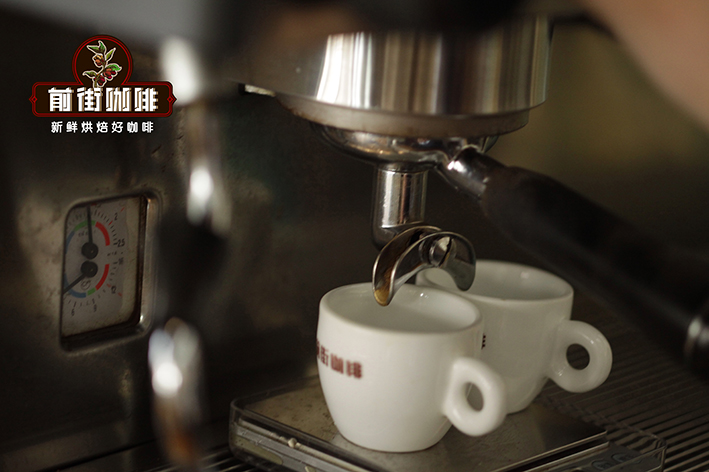
FrontStreet uses a Faema E98 espresso machine with the following parameters:
Pressure: 9 bar ±2
Temperature: 90.5~96°C
Time: 20~30 sec
Brew ratio: 1:1.7~1:2
Dose: 12g (single espresso), 20g (double espresso)
Yield: 20ml (single), 40ml (double)
FrontStreet uses a double shot for the hot latte. The extracted espresso shows distinct fruit acidity, subtle berry aroma, rich wine and chocolate flavors, and a comfortable sweet finish.
Milk: whole fresh milk (FrontStreet uses Kowloon Dairy fresh milk)
Frothing temperature: 50-60°C (too low and the lactose never activates; too high and the milk proteins are destroyed, leaving a grainy texture)
Foam thickness: 1 cm (under 1 cm is flat white territory; over 1 cm, cappuccino)

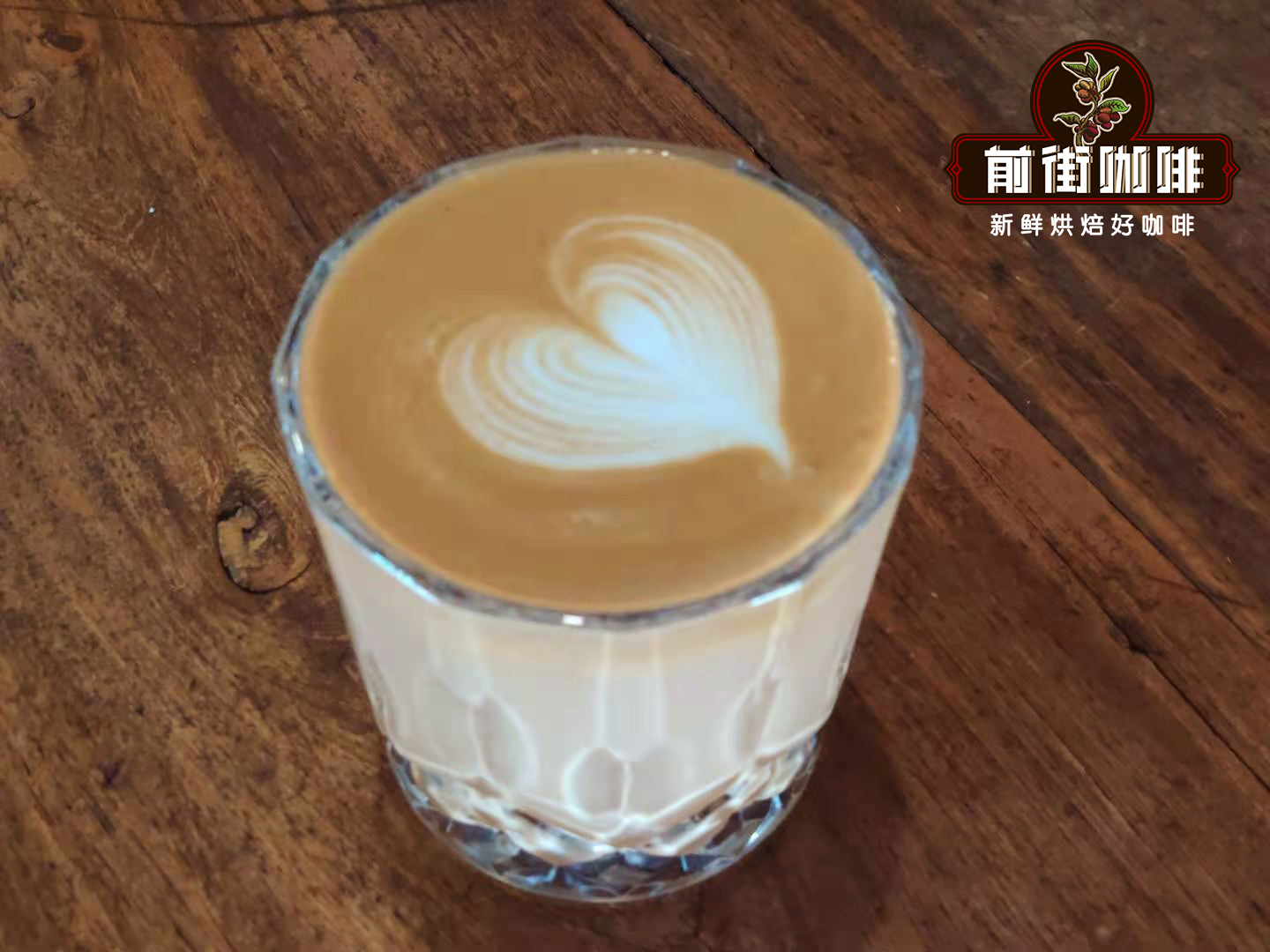
FrontStreet Coffee recommends a coffee-to-milk ratio of 1:6.5 for lattes — 40ml of espresso to 260ml of hot milk. Pour the milk into the espresso in a circular motion to integrate them fully, and the hot latte is done. Heating fresh milk releases the lactose's sweet molecules for fuller expression, and when evenly blended with espresso, the whole drink carries milk's natural sweetness without burying the espresso's character — the milky backdrop actually highlights it. FrontStreet's hot latte shows whiskey aroma, lactose sweetness meeting coffee acidity in a milkshake-like sweetness, and a hazelnut finish.
That's FrontStreet Coffee's guide to frothing milk and building a latte. We hope it equips coffee enthusiasts with the theory they need to make espresso milk drinks on their own.
FrontStreet Coffee Recommendation
Every great latte starts with a great shot, and the Warm Sun Blend's secret ingredient is FrontStreet Coffee's natural Yirgacheffe — the same bright, fruity beans the shop pours as single origin. FrontStreet's washed Yirgacheffe from the Guodingding Cooperative (Gedeo Zone, 1,900-2,300m, heirloom varieties, grade G1) offers citrus, berry, lemon, cane sugar, and green tea notes — a lovely choice if you want to taste that component on its own as a pour-over.
FrontStreet's house pour-over recipe for washed Yirgacheffe: V60, 15g of coffee at 1:15, water at 90-91°C, grind to fine sugar; 30g bloom for 30 seconds, then two further pours to about 225g, finishing around 2:00-2:10.
Important Notice :
FrontStreet Coffee is a long-established specialty coffee roaster in Guangzhou China, selling freshly roasted beans from its own farm in Yunnan as well as dozens of carefully selected single-origin beans from around the world for both pour-over and espresso. The products deliver consistently excellent quality and great value, with shipping within 24 hours. Guangzhou's FrontStreet Coffee shop is recommended by many coffee lovers, and the beans are now available online at the Tmall 。
FrontStreet Coffee has moved to a new address:
FrontStreet Coffee Address: 315,Donghua East Road,GuangZhou
Tel:020 38364473
 Scan and follow the En Gafei WeChat official account. Please indicate that the reprint comes from "En Gafei".