What Temperature Should Milk Foam Be for Latte Art: Illustrated Guide to Coffee Milk Frothing Techniques and How to Make Milk Foam for Latte

The range of espresso drinks on the market keeps growing, and the classic latte and cappuccino sell in huge numbers. Making espresso drinks is a very different process from pour-over: espresso leans on the machine, while pour-over craftsmanship rests mainly on the barista's control of the brew. Neither is simple to execute well.
At FrontStreet Coffee, baristas must systematically learn coffee from the ground up before they ever serve a guest—only with a solid professional foundation can they brew a delicious cup for everyone who walks in. What follows, however, is not about pour-over but about the craft behind espresso drinks.

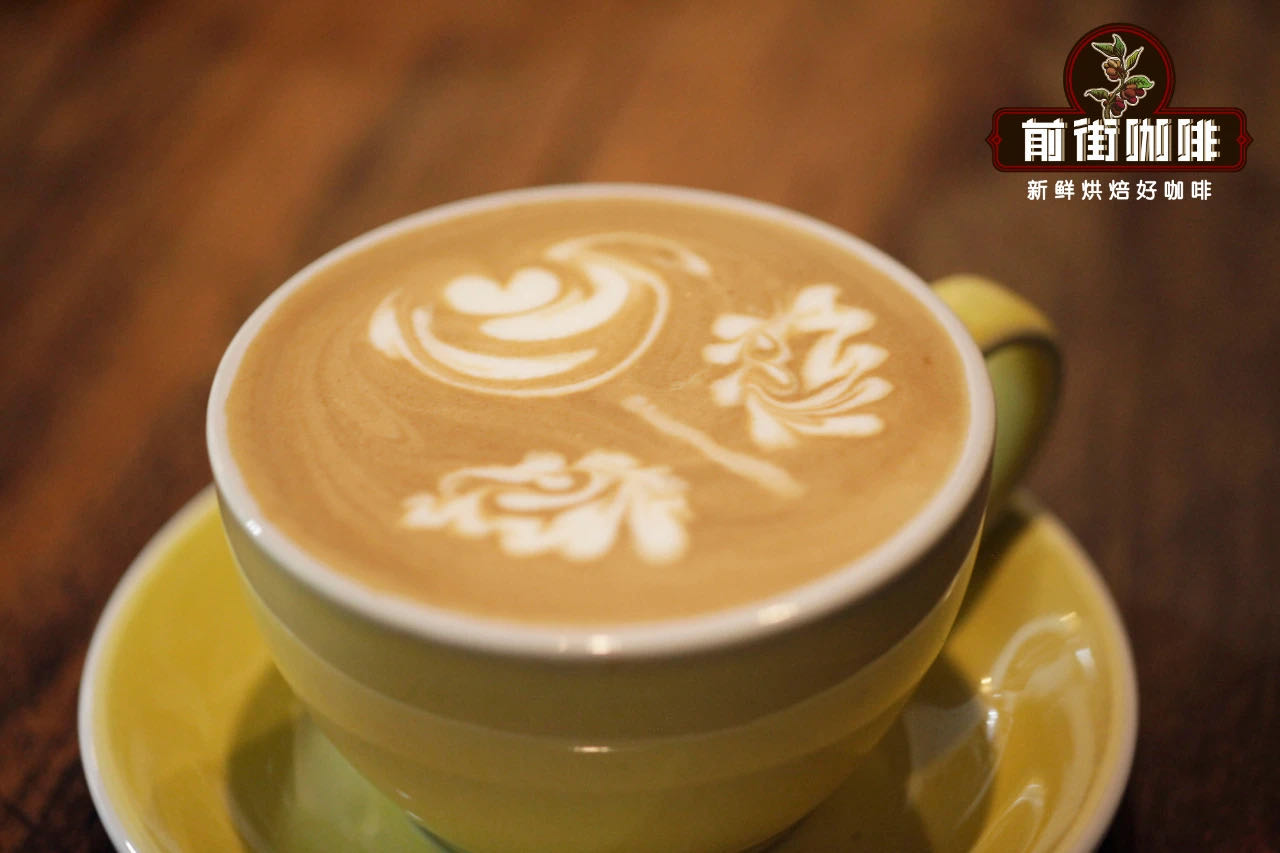
Whether it's a latte or a cappuccino, a great espresso drink has to pass through one stage first: steaming milk foam. Steaming is delicate work that tolerates no carelessness—foam that comes out too coarse or too fine will never become a delicious espresso drink. FrontStreet Coffee will use the latte as its example to walk through the details.
How to Steam Milk Foam?
The starting temperature of the milk matters too. Use cold, refrigerated whole fresh milk straight from the refrigerator—it whips into fine, dense foam. The steaming temperature also shouldn't run too high: the ideal window is between 55-65°C. Too hot and you destroy the milk's proteins; too cool and the steamed milk loses sweetness, leaving the finished latte flat.
Step 1: Optimal Milk Volume
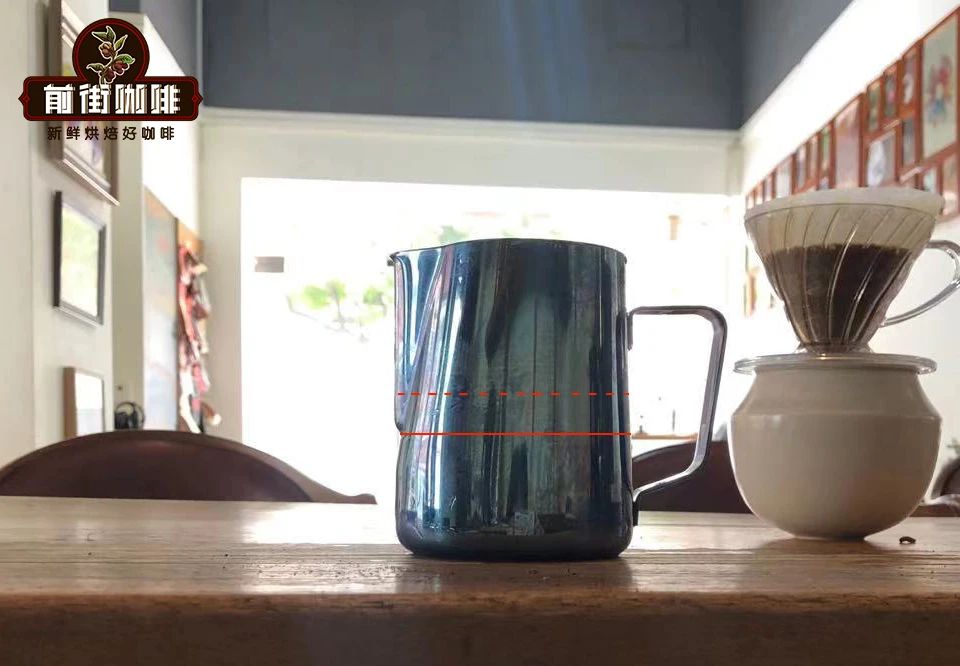
Steaming needs a sensible milk volume. FrontStreet Coffee suggests filling 40-60% of the pitcher's total capacity—too little or too much tests your technique. Also consider how much milk one cup actually needs to avoid waste. For the 550ML pitcher FrontStreet uses, we pour in 250ML of milk, just reaching the bottom of the spout.
Step 2: Steaming Position
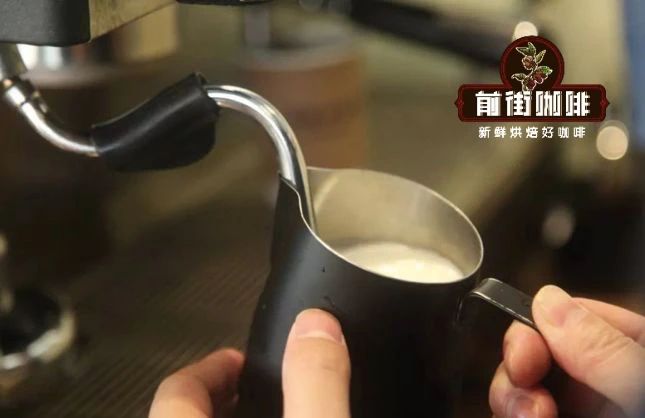
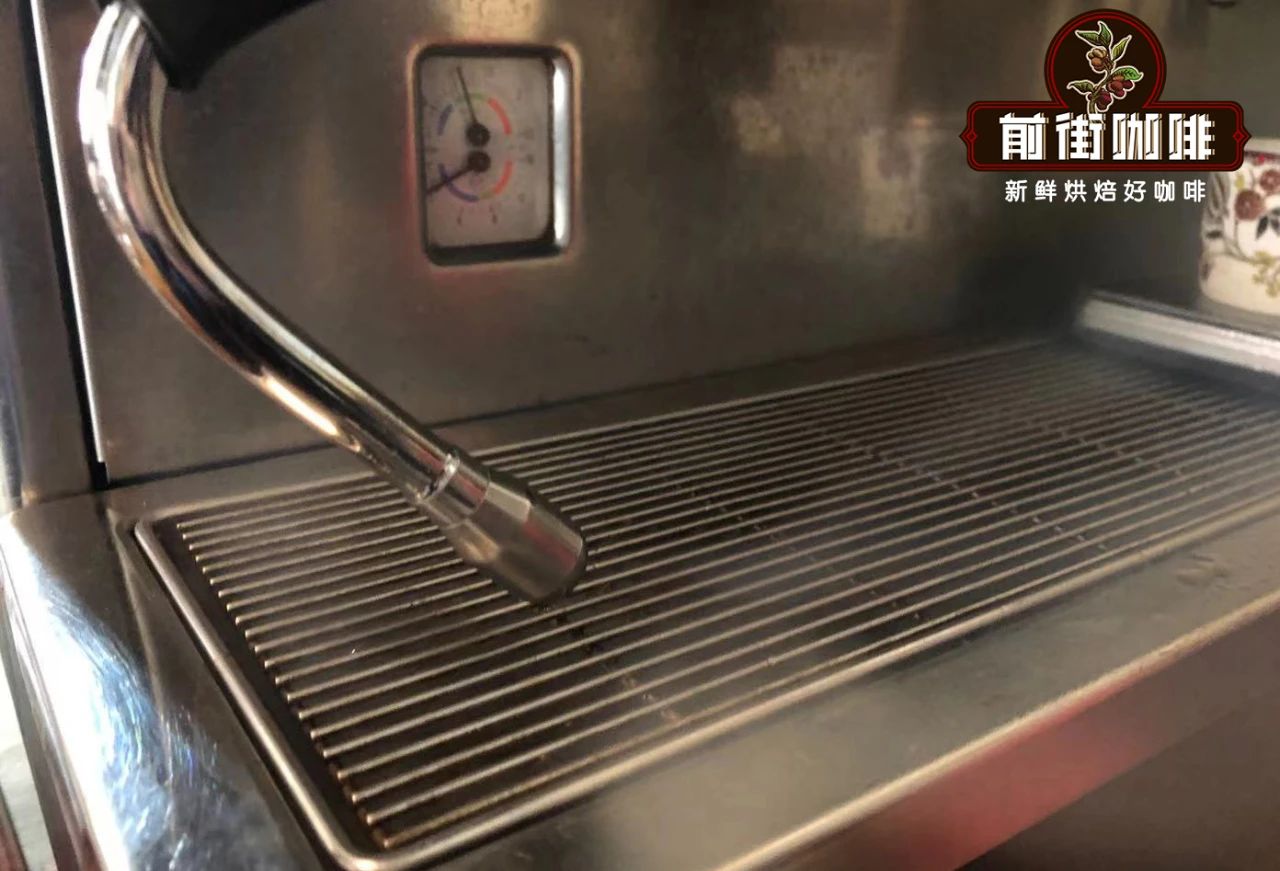
Before steaming, open the steam wand briefly to release the condensed water, then close it. Extend the wand at a 45-degree angle, bracing its position against the pitcher spout. The vortex this time will spin counterclockwise, with the wand set on the right side of the liquid surface's center line, half-buried in the milk.
Step 3: Foaming Stage
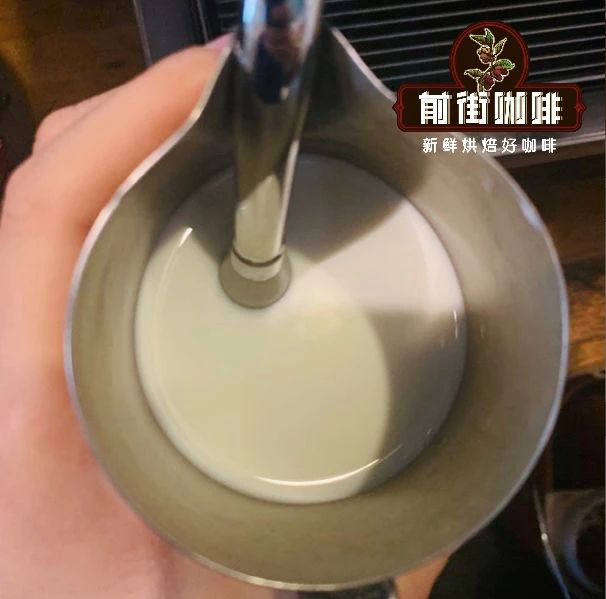
Open the steam and you'll hear a "hissing" sound—that's the foaming stage. How long it lasts depends on the foam thickness you want (longer steaming, thicker foam). To grow the milk volume by 50% to 60%—latte thickness—the foaming takes about 3 seconds, with the milk rotating evenly into a vortex.
Step 4: Texturing Stage
Now fully bury the steam holes and only heat—no more foaming. Don't bury them at the very bottom; keep them in the foam layer, which helps texturing (breaking coarse foam into fine). When do you stop? Watch the milk temperature, generally held between 55-65°C. Excessive heat denatures the protein (in food generally, protein denatures around 60°C).
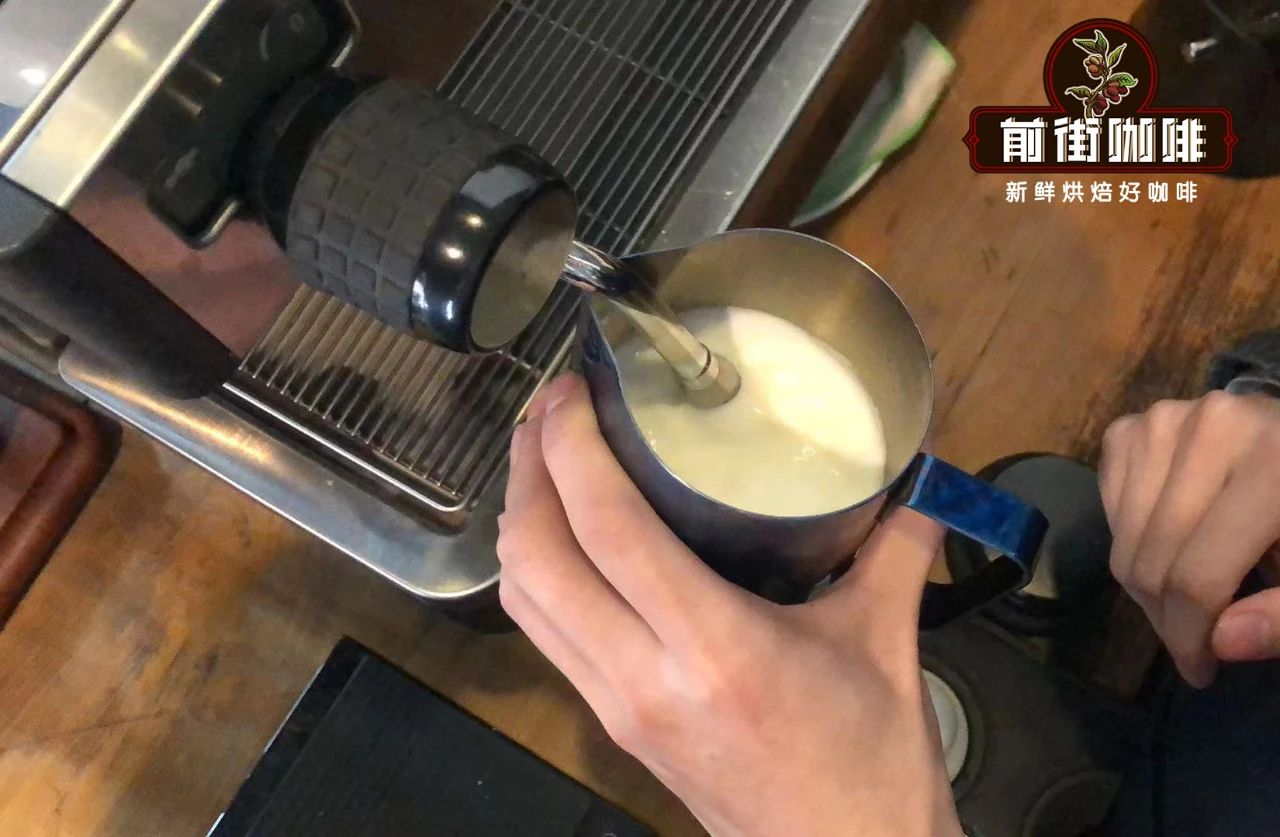
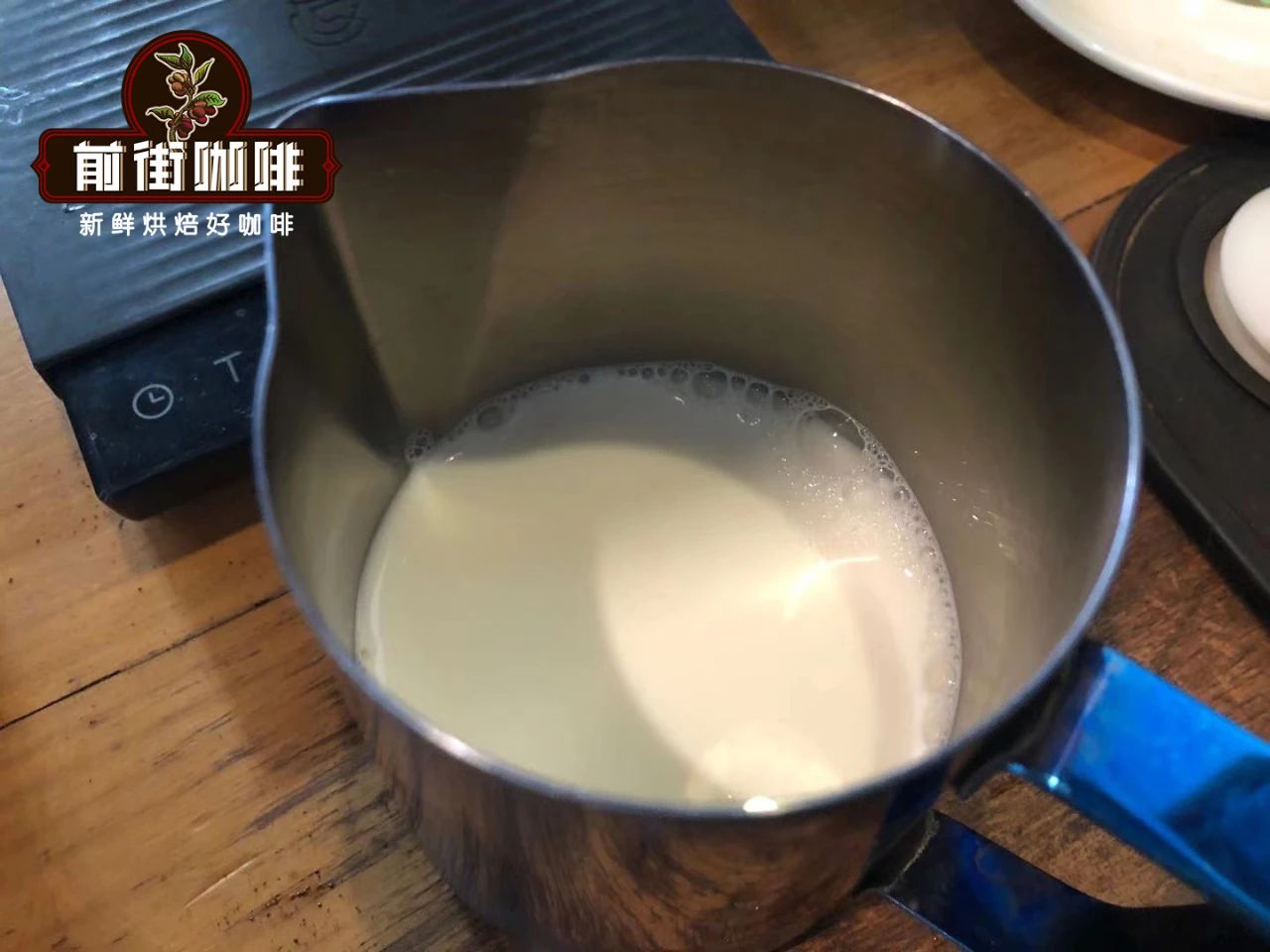
Steaming temperature is hard to judge at first, so FrontStreet suggests holding the pitcher with one hand and touching its surface with the other: when it feels slightly hot, stop. The foam qualifies when its surface shows no coarse bubbles, flows with a certain fluidity, and its thickness matches the drink you're building—for a latte, moderately thick foam with a glossy surface.
If your foam's surface is all coarse bubbles, the steam failed—either no proper vortex formed to knock them down, or the wand started too shallow and whipped in too much air. After steaming, you can gently tap the pitcher to pop any remaining coarse bubbles and leave the surface smoother and finer.
FrontStreet recommends inserting the steam hole about 0.5-1cm deep as a baseline. If the machine's steam is very strong and the vortex turns turbulent, set the wand slightly deeper; if the steam is weak, keep it shallower so the milk spins up a small, quick vortex without violent rotation or turbulence.
Once you understand the basics, practice often—consistent repetition is what builds the ability to make a genuinely delicious espresso drink. Next, FrontStreet Coffee walks through the latte itself.
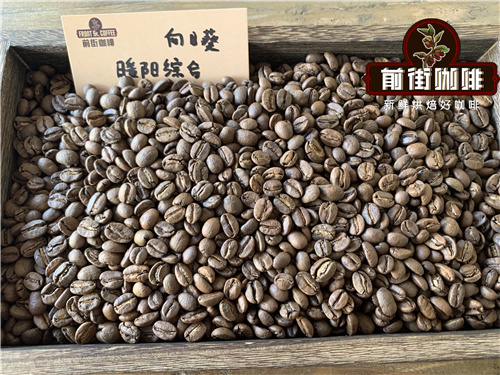
FrontStreet's espresso drinks currently use the Sunflower Warm Sunshine blend, combining Honduras Sherry with Ethiopian Yirgacheffe Red Cherry coffee. After repeated experiments, the baristas settled on a ratio of 7:3. The resulting espresso shows distinct fruit acidity, berry notes, and wine aroma with a comfortable sweet aftertaste, and it is sold at FrontStreet Coffee. The shop originally used a Colombia-Brazil blend, but the shots lacked recognizability, so after many trials and adjustments, the Sunflower Warm Sunshine blend became the house standard.
FrontStreet Coffee's Recommended Latte Ratio
For a hot latte, FrontStreet suggests a coffee-to-milk ratio of 1:6.5—40ml of espresso to 260ml of hot milk. Pour in circles so the milk and espresso blend fully. Heating fresh milk releases the lactose's sweet molecules, and mixed evenly with the espresso, the whole latte carries a natural milk sweetness that never buries the espresso's character—the milk backdrop highlights it instead. FrontStreet's hot latte shows a whiskey-like aroma, lactose and coffee acidity colliding into a milkshake-like sweetness, and a nutty, hazelnut-tinged aftertaste.
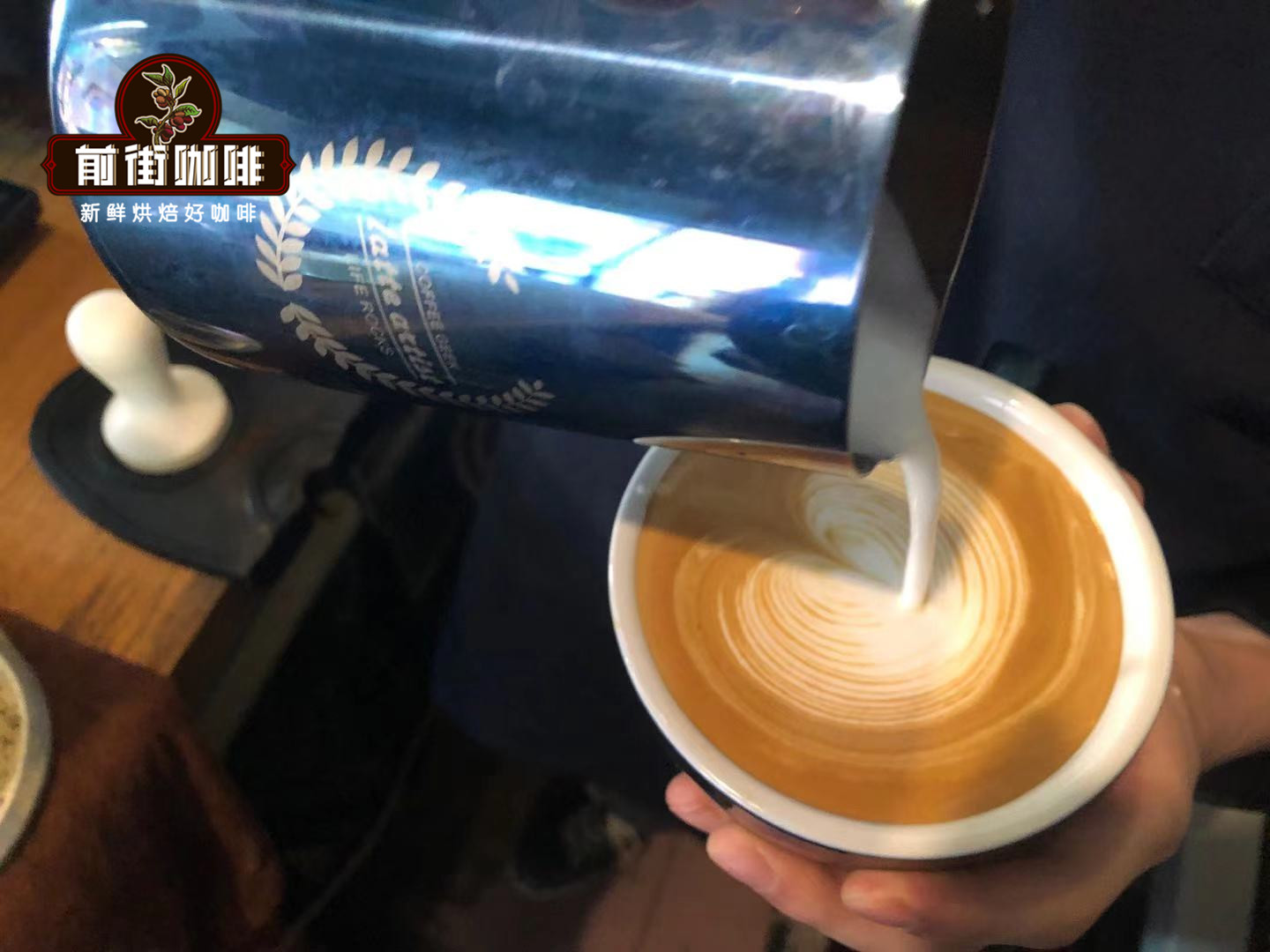
That's the milk-foam tutorial. If you want to go further with latte art or milk texturing, practice often—and you're always welcome to exchange ideas at the FrontStreet Coffee store.
FrontStreet Coffee Recommendation
The heart of every milk drink is the espresso under it. For home baristas learning to steam and pour, FrontStreet's Classic Blend is the essential start: a medium-dark formula from three origins, inspired by the classic Mandheling-and-Brazil pairing with a touch of Robusta, extracting with butter, toasted bread, and caramel cookie aromas, a solid body, fine crema, and very stable shots.
If nutty richness is your style, the Specialty Blend—washed Colombian with pulped-natural Brazilian beans—delivers nuts, dark chocolate, and caramel as espresso, and smooth cream, almond, and cocoa in lattes and Flat Whites, with crema that rivals any café's and ample room to practice your pours. And for anyone outfitting a shop, FrontStreet Coffee's Commercial Blend adds a little Robusta on the Specialty base for deeper, dark-brown crema and a heavier body, keeping nuts, cocoa, and caramel in every cup while making latte art feel effortless.
Important Notice :
FrontStreet Coffee is a long-established specialty coffee roaster in Guangzhou China, selling freshly roasted beans from its own farm in Yunnan as well as dozens of carefully selected single-origin beans from around the world for both pour-over and espresso. The products deliver consistently excellent quality and great value, with shipping within 24 hours. Guangzhou's FrontStreet Coffee shop is recommended by many coffee lovers, and the beans are now available online at the Tmall 。
FrontStreet Coffee has moved to a new address:
FrontStreet Coffee Address: 315,Donghua East Road,GuangZhou
Tel:020 38364473
 Scan and follow the En Gafei WeChat official account. Please indicate that the reprint comes from "En Gafei".