How to Make Dense Latte Foam: Can You Use a Whisk? Milk Frothing Techniques Tutorial
When customers at FrontStreet Coffee watch baristas frothing milk for lattes with a steam wand, some wonder: "Frothing milk means whipping air into the milk surface through rapid rotation — couldn't a whisk do that too?" Theoretically, yes — as long as you don't care about fine foam texture. At FrontStreet Coffee we use steam wands to create milk foam that is delicate, dense, and smooth. A whisk simply cannot achieve the same result. Why? Let's explain.
Why Fine Milk Foam Matters in a Good Hot Latte
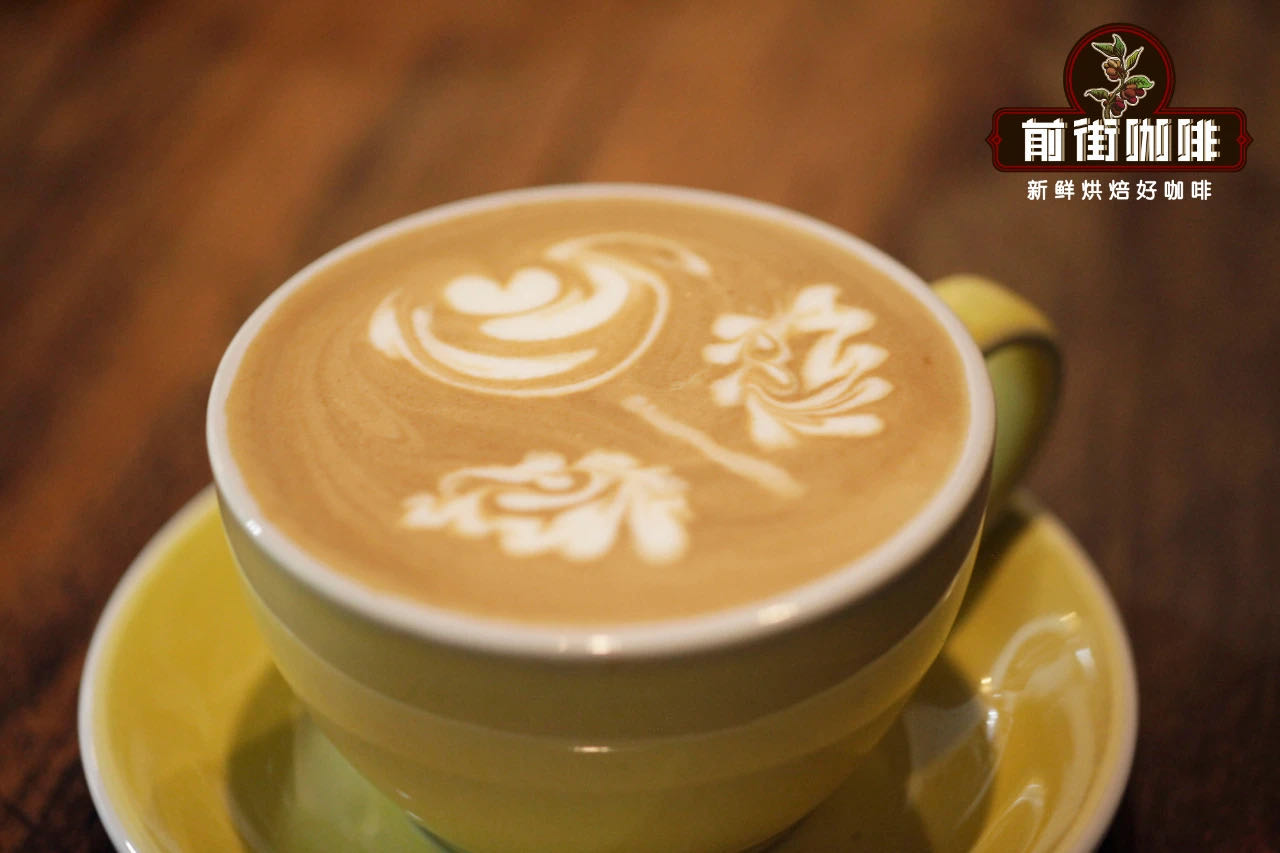
A delicious hot latte depends on dense milk foam. Foam fineness directly determines stability — the finer the foam, the slower it breaks down. Milk frothing happens in two stages: frothing and texturing, where texturing means refining the initially created coarse bubbles into finer ones.
Why We Don't Recommend a Whisk
Household whisks come in two types: manual and electric. A manual whisk cannot achieve uniform, concentrated rotation during frothing; it only creates large bubbles on the milk's surface. What's more, fresh milk contains far less fat than cream, so at low temperature the combination of fat and air cannot produce a thick foam, and it cannot froth hot milk effectively enough for milk proteins to form stable foam. Manual whisks, then, cannot produce the foam a hot latte needs.
Now for electric whisks. They spin at very high speeds with relatively large whisk heads. Put milk in a roomy container — regardless of quantity — and with too little fat to create resistance, the moment you switch on, milk goes everywhere.
Why Steam Wands Create Fine Milk Foam
Steam wand frothing uses steam to agitate the milk, introducing air into the liquid. The process relies on the surface tension of milk proteins to form countless tiny bubbles, expanding the milk's volume into foamed milk. During frothing, lactose dissolves as the temperature rises and gets locked into the milk by the foaming action. Milk fat's job is to stabilize those tiny bubbles so they burst in your mouth as you drink, enhancing the release and amplification of flavors and aromatics — giving the milk a sweet, thick taste and texture.
What Qualifies as Acceptable Milk Foam?
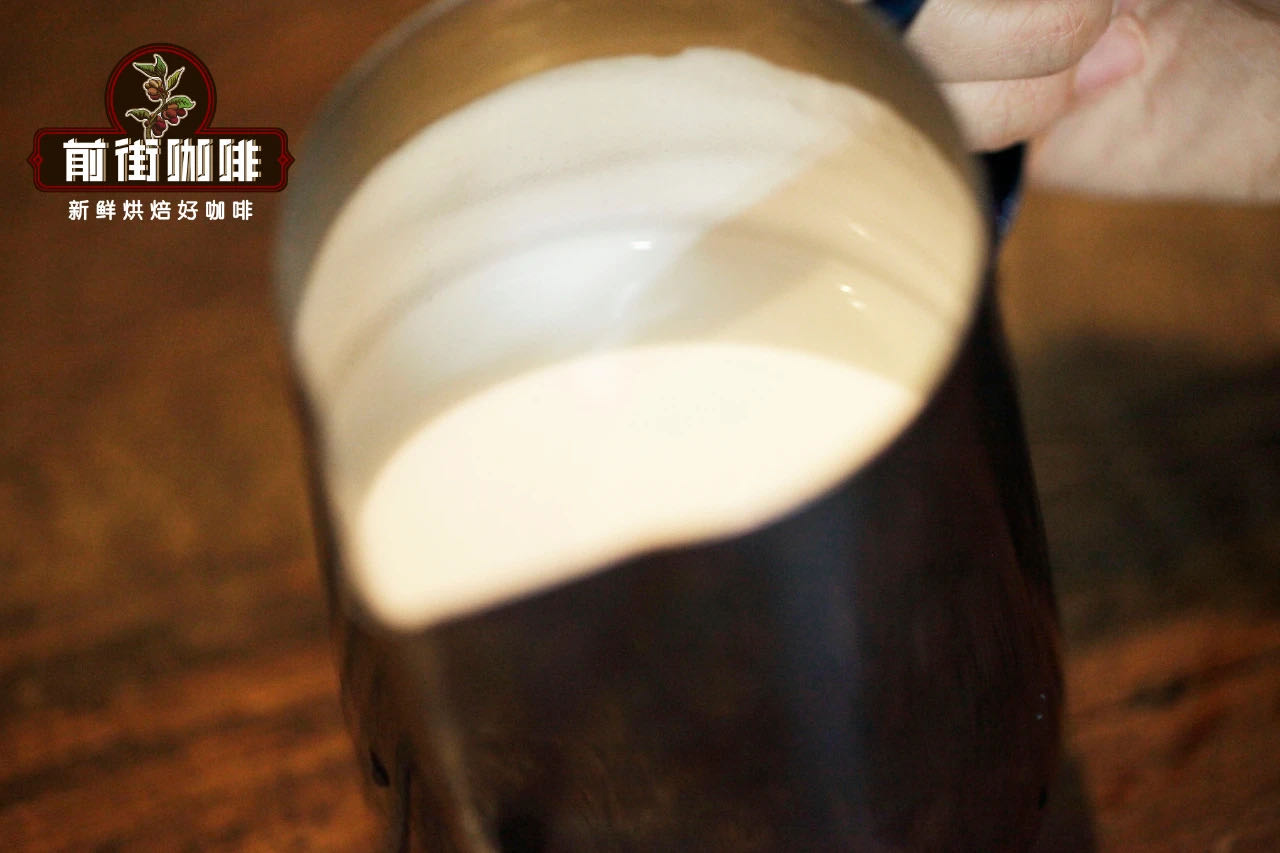
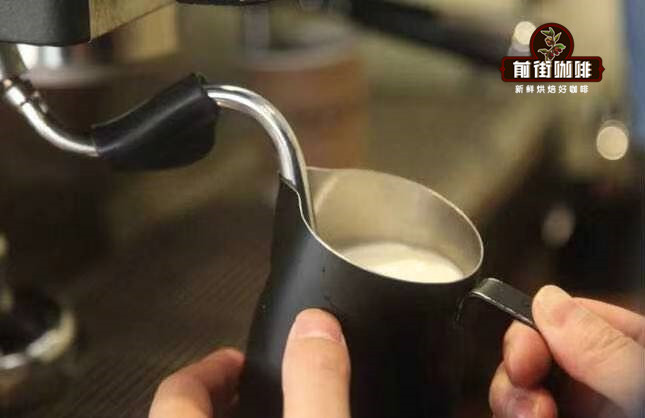
The surface should show no coarse bubbles and retain some fluidity, with a foam thickness appropriate to the drink. For the common milk coffees: a Flat White has relatively thin foam with a bright, glossy surface and extremely high fluidity; a Latte has moderate foam thickness with a shiny surface and strong but not overly loose fluidity; a Cappuccino has relatively thick foam with a duller sheen and poor fluidity.
How to Create Stable, Fine Milk Foam with a Steam Wand
Milk: Whole fresh milk (FrontStreet Coffee uses Kowloon Dairy fresh milk)
Frothing temperature: 55-65°C (too low and the lactose never activates; too high and the milk proteins are damaged, leaving a grainy texture)
Foam thickness: 1cm (thinner than 1cm is for Flat White; thicker than 1cm is for Cappuccino)
Milk Frothing Techniques
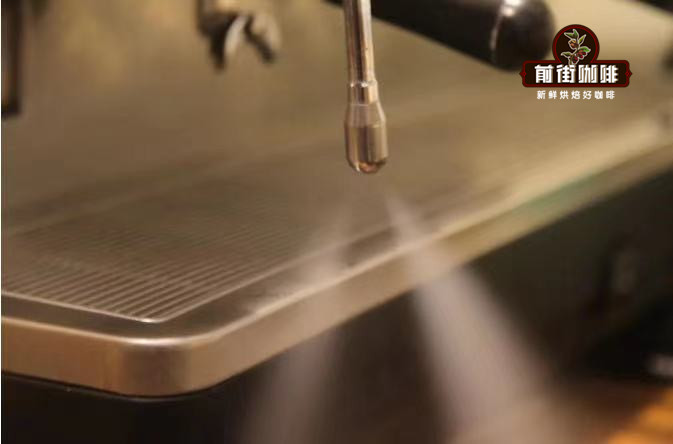
Rinse before turning on the steam: Flush the steam wand to clear condensed water and prevent overly wet foam (cover the nozzle with a clean cloth to avoid splashing)
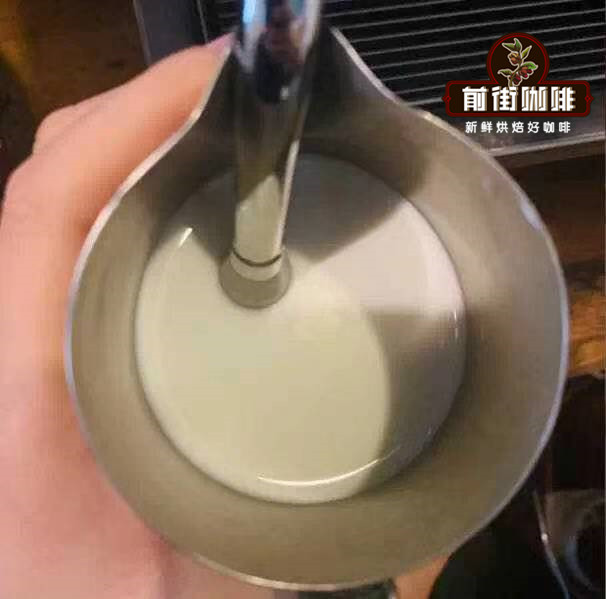
Insert the wand into cold milk: Let the steam enter the milk. Depth matters: too deep and the milk only heats without foaming; too shallow and large bubbles form that ruin latte art. You can tap the pitcher on a flat surface to break up big bubbles.
Wand position: The foolproof injection point is with the wand angled into the pitcher, resting against the spout, nozzle pointing toward the center, offset by about 1cm
Turn on the steam: Begin frothing. Listen carefully as the steam enters — it should sound like blowing through a straw into a drink, without the crisp crackle of bubbles striking the metal pitcher. Shut off the steam at 50-60°C.
Why 55-65°C Is the Recommended Milk Temperature
The ideal frothing range is 55-65°C. Below it, the milk's sweetness cannot fully emerge; above it, too many proteins denature. Overheating alters the milk's taste — producing a sulfur smell as well as frothing failure.
FrontStreet Coffee Recommendation
Great foam deserves a great espresso base. For classic milk coffees, the Classic Blend was designed precisely for espresso machines and moka pots, and its standout strength is outstanding crema — even a beginner with a non-professional home machine can pull dense, silky crema, the foundation of every latte, cappuccino, and Dirty. Its traditional Manda (Mandheling-Brazil) formula gives a mellow, rounded cup that veterans and newcomers alike accept easily.
If you care more about value than ultimate crema, the Dark Cocoa Blend is 100% Arabica with ample crema, a full-bodied cup, and a friendly price — a worry-free choice for home or for shops watching costs. And if you want a signature milk coffee, the Strawberry Candy Blend is the popular fruit-forward option: Arabica beans from different origins meld to recreate the vivid sweetness of strawberry gummy candy — perfect for fruit-loving, bitterness-shy drinkers, or for cafés looking to differentiate their milk-based menu. For pour-over drinkers adding a splash of milk, a medium-dark single origin such as FrontStreet's Brazil Queen's Estate or PWN Golden Mandheling — beans whose flavor notes run to chocolate, nuts, cream, and cocoa — keeps its character without being masked.
Important Notice :
FrontStreet Coffee is a long-established specialty coffee roaster in Guangzhou China, selling freshly roasted beans from its own farm in Yunnan as well as dozens of carefully selected single-origin beans from around the world for both pour-over and espresso. The products deliver consistently excellent quality and great value, with shipping within 24 hours. Guangzhou's FrontStreet Coffee shop is recommended by many coffee lovers, and the beans are now available online at the Tmall 。
FrontStreet Coffee has moved to a new address:
FrontStreet Coffee Address: 315,Donghua East Road,GuangZhou
Tel:020 38364473
 Scan and follow the En Gafei WeChat official account. Please indicate that the reprint comes from "En Gafei".