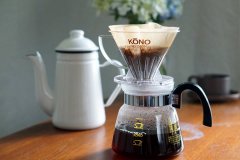
What is the appropriate water-to-coffee ratio for Japanese-style iced coffee, and what grind size should be used for pour-over iced coffee?

When it comes to beating the summer heat, nothing recharges me like ice-cold coffee — I'm sure you feel the same. There are many ways to make iced coffee: espresso over ice, cold drip, cold brew, and more, but my personal favorite is the quick, convenient pour-over iced coffee. If you'd like to learn how to make it, read on!
Iced Coffee Basics
For iced coffee, where lower acidity is welcome, any single-origin beans can be used. There are several ways to brew it. In the immersion method, water is poured into a serving pot, grounds are added, and the whole thing is refrigerated for several hours before careful removal. Either way, the method can produce rich, aromatic coffee. In my experience, though, while the aroma certainly comes through, the cup lacks fullness and complexity — and it also demands that waiting time.
Brewing Philosophy
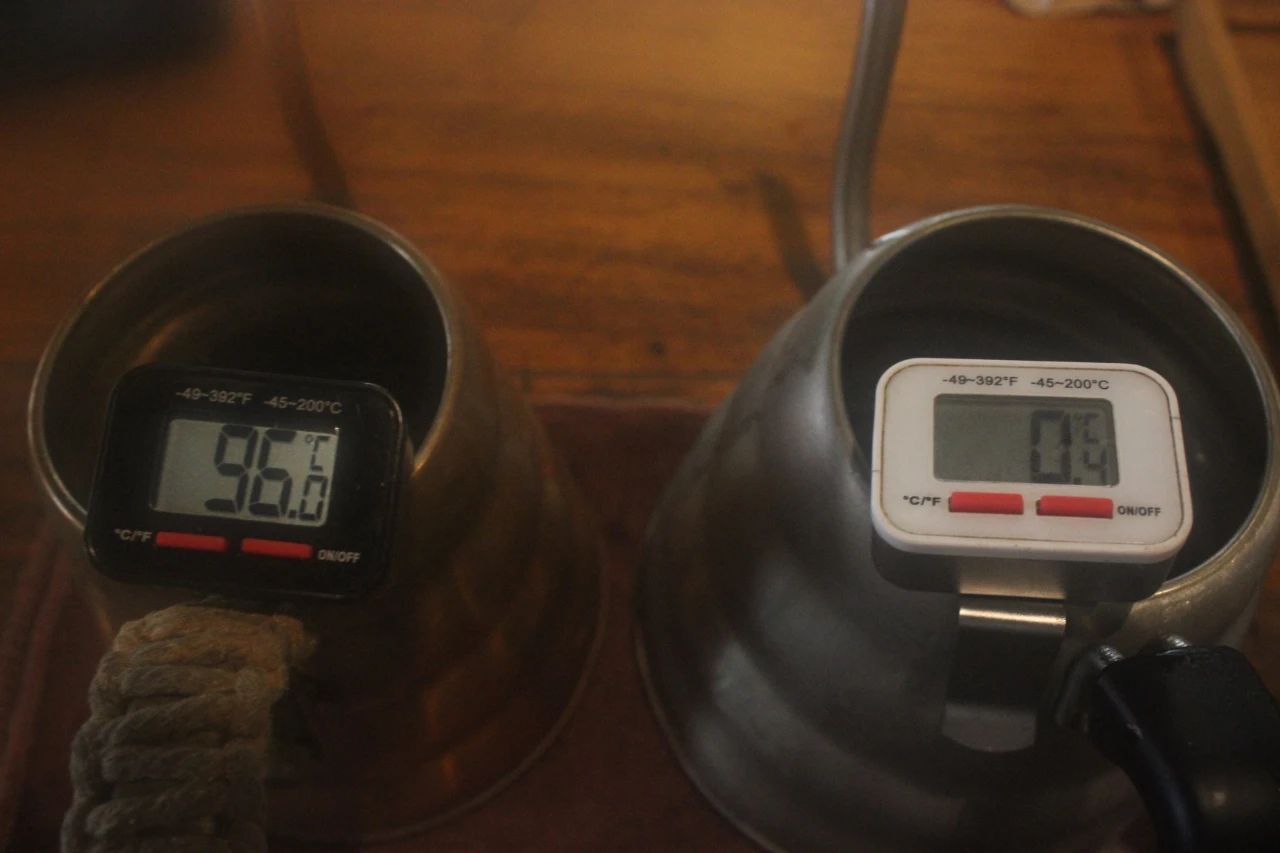
1. This process blooms the coffee with hot water first, then brews with ice water, so prepare two pour-over kettles.
2. The hot bloom releases gases from the grounds, letting more compounds extract easily. Since ice water extracts inefficiently, the bloom water temperature is higher than normal, and the bloom time is extended.
3. Because ice water extracts less efficiently, the grind can be set finer to raise the extraction rate. Choose a slow-flowing Kono dripper to lengthen contact time and boost extraction further.
Coffee Selection
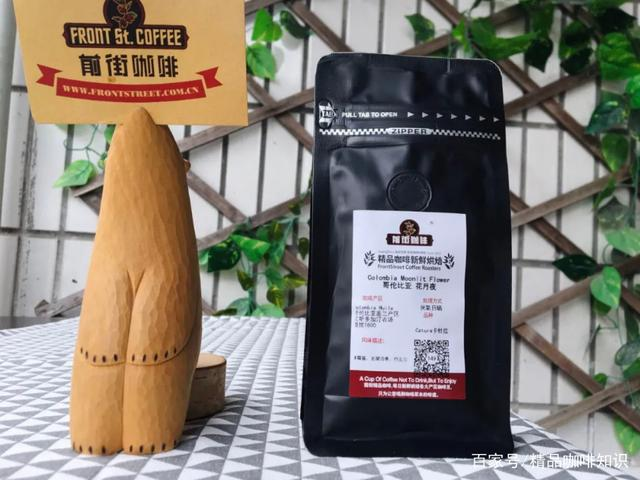
For this brew we chose FrontStreet Coffee's Colombia Flor de Noche, with the following details:
Origin Information
Region: Huila Region, El Edén Farm
Altitude: 1800m
Variety: Caturra
Processing: Anaerobic Natural
Roast Level: Light Roast
Brewing Parameters
Coffee Grounds: 20g
Coffee-to-Water Ratio: 1:10
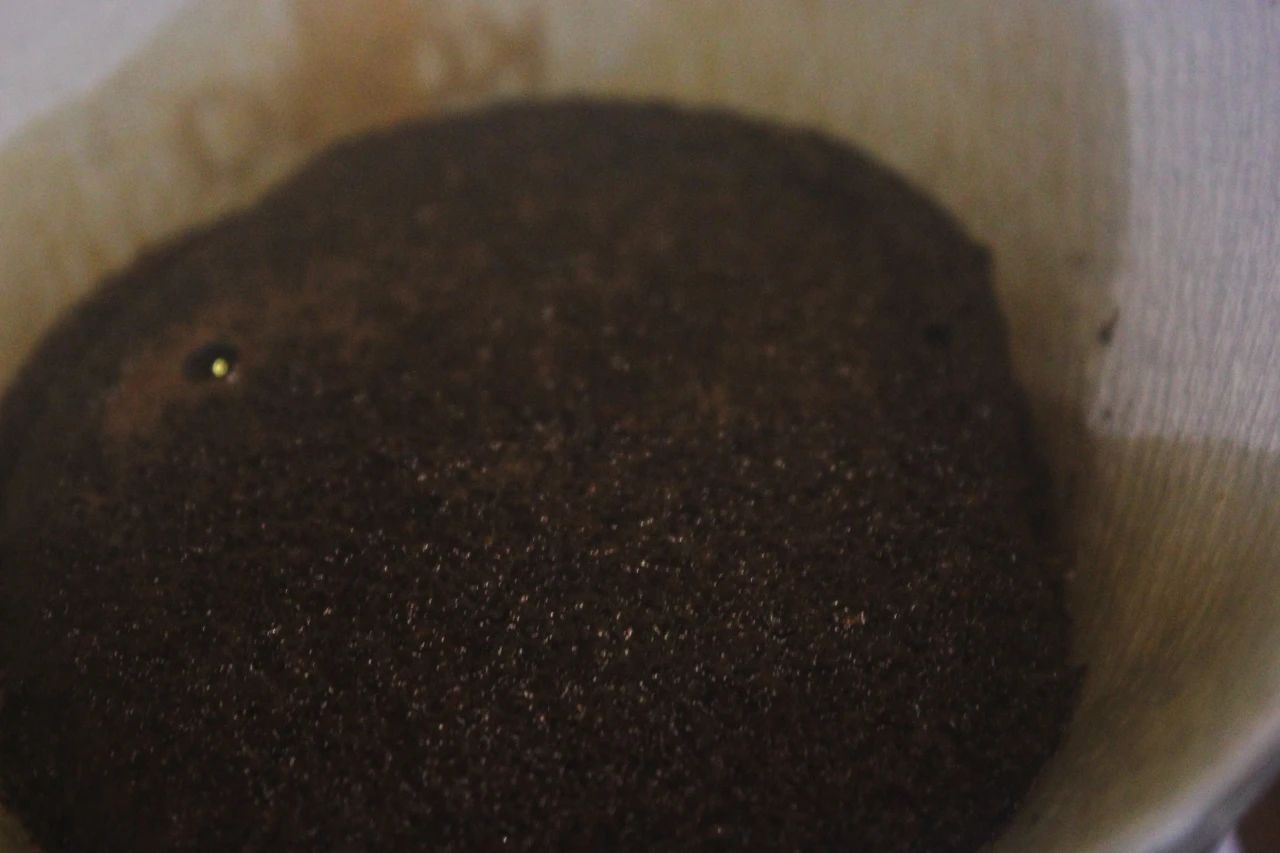
Grind Size: BG #6d (finer than normal pour-over grind)
Bloom Temperature: 96°C
Brewing Temperature: Ice-water mixture (0°C)
Dripper: Kono Dripper
Water Quality: Purified water recommended
Brewing Process
1. Pre-chill the serving pot. Pour 40ml of hot water to bloom for 1 minute and 30 seconds.
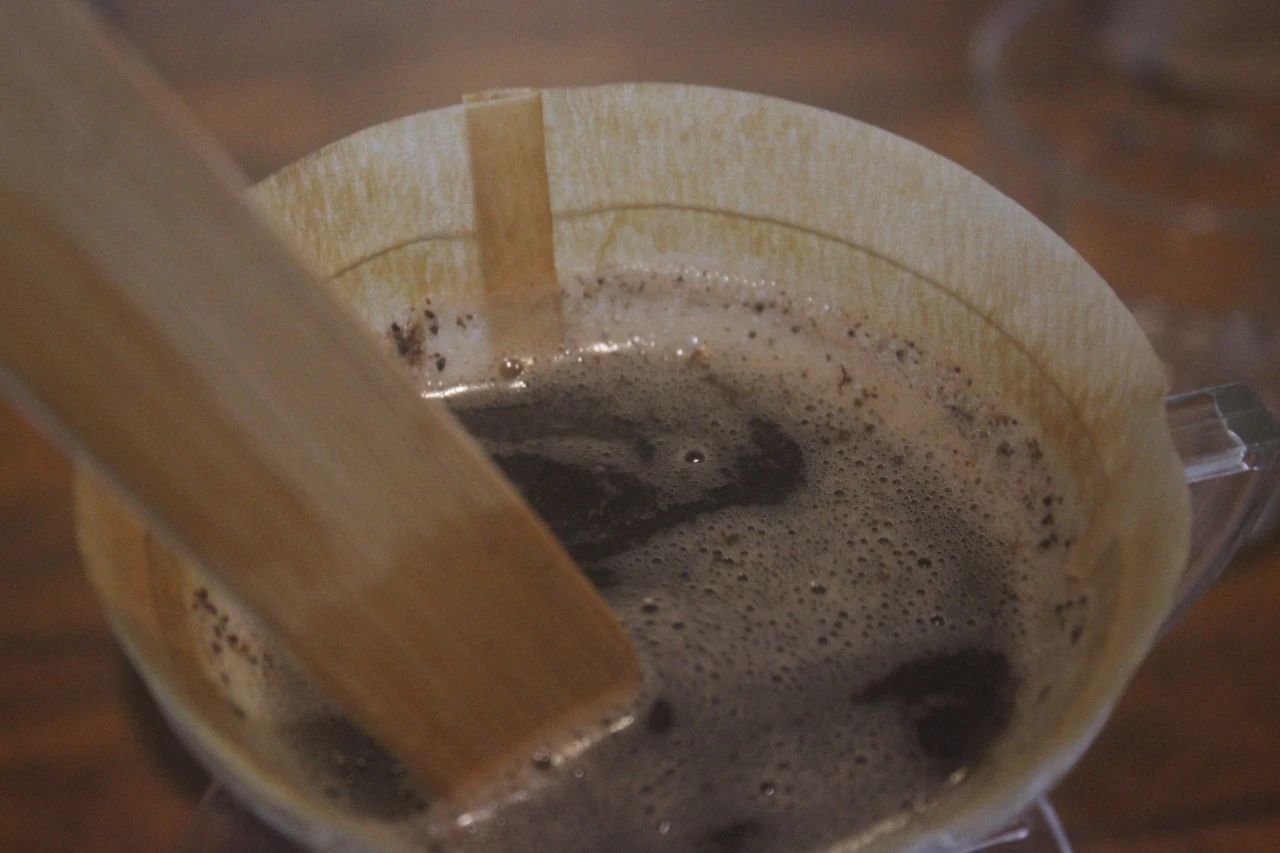
2. After blooming, pour 100ml of ice water in large circular motions, using the water column's impact to agitate the coffee bed; stir the bed with a stir stick to keep fine grounds from blocking the outlet.
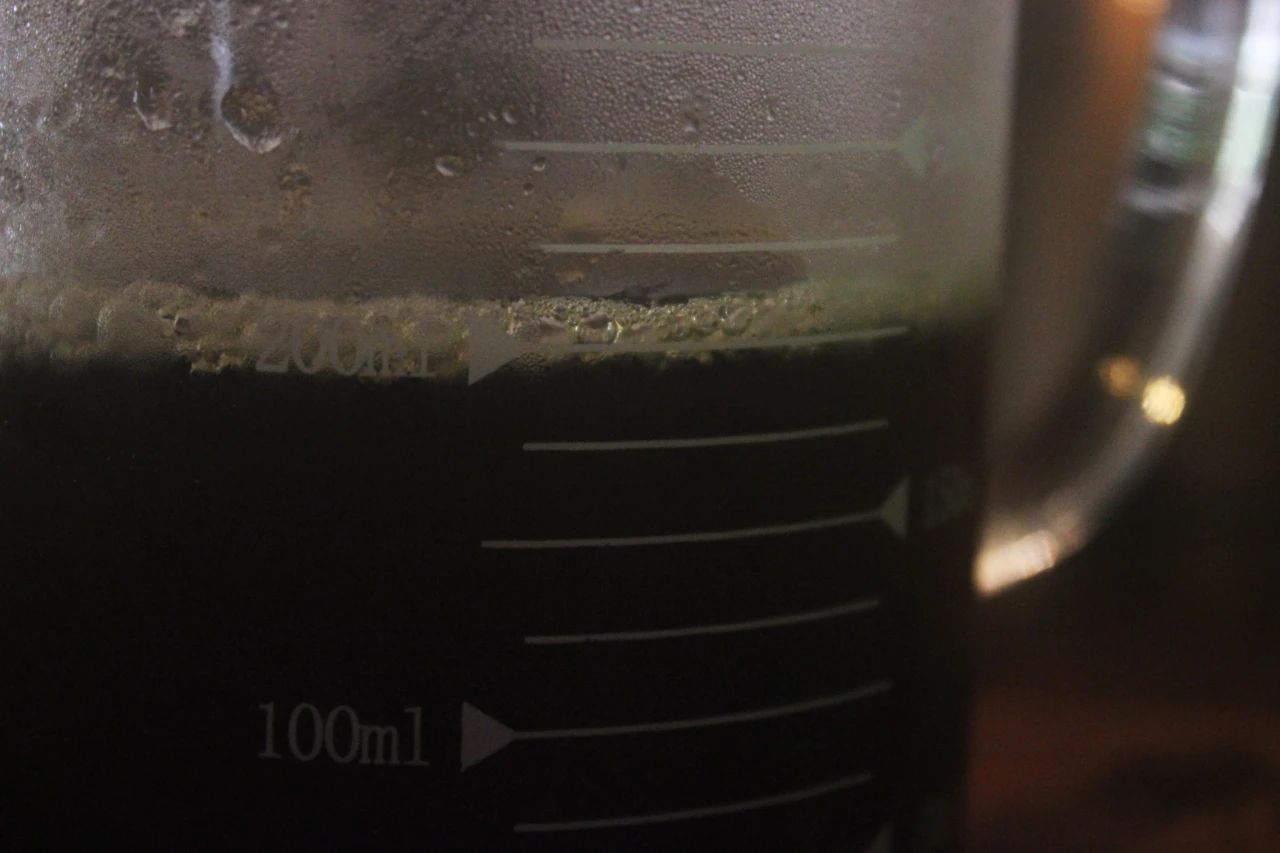
3. When the bed drops to half, pour another 100ml of ice water, continuing to stir so the drainage speed stays consistent. When the serving pot reaches the 200ml mark, lift the dripper to finish. Total extraction time: 4 minutes and 24 seconds.
Flavor Description
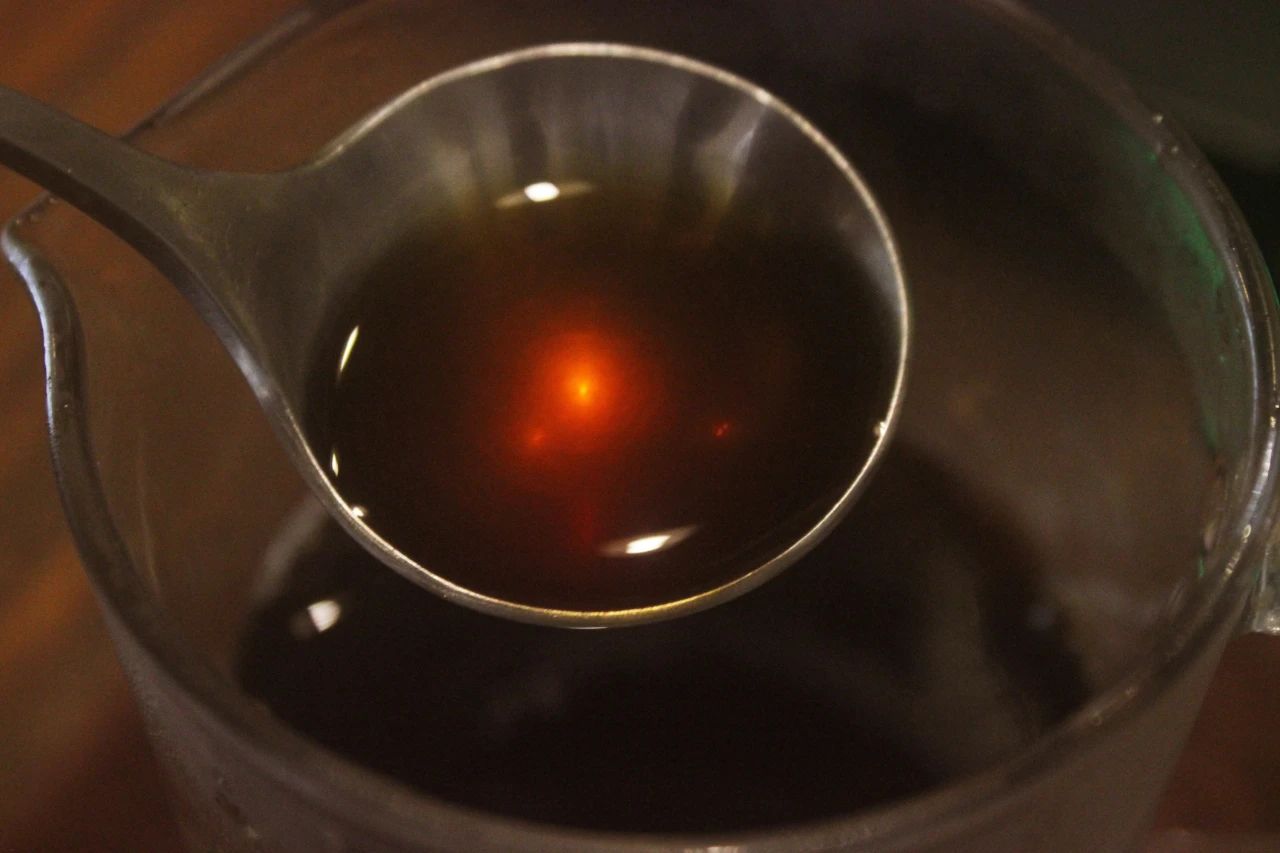
The finished coffee is beautifully clear: a light floral aroma, flavors of strawberry jam and peach, very high sweetness, and fermented, wine-like notes in the finish — soft and refreshing overall.
FrontStreet Coffee Recommendation
Cold brew amplifies floral and fruit tones while softening woody and roasted notes, so light-to-medium roasted beans show their character best. If you love a floral iced coffee, FrontStreet Coffee's Natural Hiriki (Huakui) from Ethiopia — coffee's birthplace — is a must: with the natural process, the beans absorb abundant sweetness inside skin and pulp, and as cold brew it yields magnolia, creamy strawberry, dried mango, guava, and black tea notes.
For a cold brew brimming with juice, reach for FrontStreet Coffee's Kenya Cherry Tomato. From Thika at 1550-1750 meters, grown on the SL28 and SL34 varieties and processed with Kenya's signature 72-hour double-washed fermentation, it delivers cherry tomato, snow pear, black plum, and dried dark plum sweetness in full under cold extraction — low bitterness, bright acidity, wonderfully refreshing over ice, with a long finish of yellow sugar and a hint of green tea.
For an elegant pour-over-style iced cup, FrontStreet Coffee's Colombia Sidra from Finca La Frontera (1650-1800 meters, double anaerobic natural, medium-light roast) is equally superb: passion fruit, blueberry, grape, and apricot in a bright, juicy frame — and iced pour-over brings out its fresh, smooth grape-juice character best.
Important Notice :
FrontStreet Coffee is a long-established specialty coffee roaster in Guangzhou China, selling freshly roasted beans from its own farm in Yunnan as well as dozens of carefully selected single-origin beans from around the world for both pour-over and espresso. The products deliver consistently excellent quality and great value, with shipping within 24 hours. Guangzhou's FrontStreet Coffee shop is recommended by many coffee lovers, and the beans are now available online at the Tmall 。
FrontStreet Coffee has moved to a new address:
FrontStreet Coffee Address: 315,Donghua East Road,GuangZhou
Tel:020 38364473
 Scan and follow the En Gafei WeChat official account. Please indicate that the reprint comes from "En Gafei".