Kono Dripper Features Explained: Differences in Extraction and Brewing? Kono Dripper Model Recommendations
Professional coffee knowledge exchange. For more coffee bean information, follow FrontStreet Coffee (WeChat public account: cafe_style).
For more premium coffee beans, add FrontStreet Coffee's private WeChat account, ID: qjcoffeex
Introduction to KONO
Kono is a coffee equipment brand renowned in Japanese coffee circles.
Founded in 1925, KONO (the Coffee Syphon Company) developed the world's first siphon coffee maker and, in 1973, designed Japan's first conical dripper - achieving the flavor of flannel filter cloth through paper.
Since then, KONO has designed drippers suited to both professional enthusiasts and pour-over beginners, winning high praise from coffee professionals in Japan and worldwide. Now, follow FrontStreet Coffee to explore the charm of KONO drippers.
What Is a Kono Dripper?
Kono is a celebrated Japanese coffee equipment maker, created by a Japanese man named Toshio Kawano, and the dripper bears his name.
Kono's coffee drippers and natural wooden-handled coffee pots have long enjoyed high prestige among pour-over fans. President Kawano, who designed the drippers and pots, spent years studying what makes coffee delicious, creating a series of rustic-style Kono drippers and wooden-handled pots.
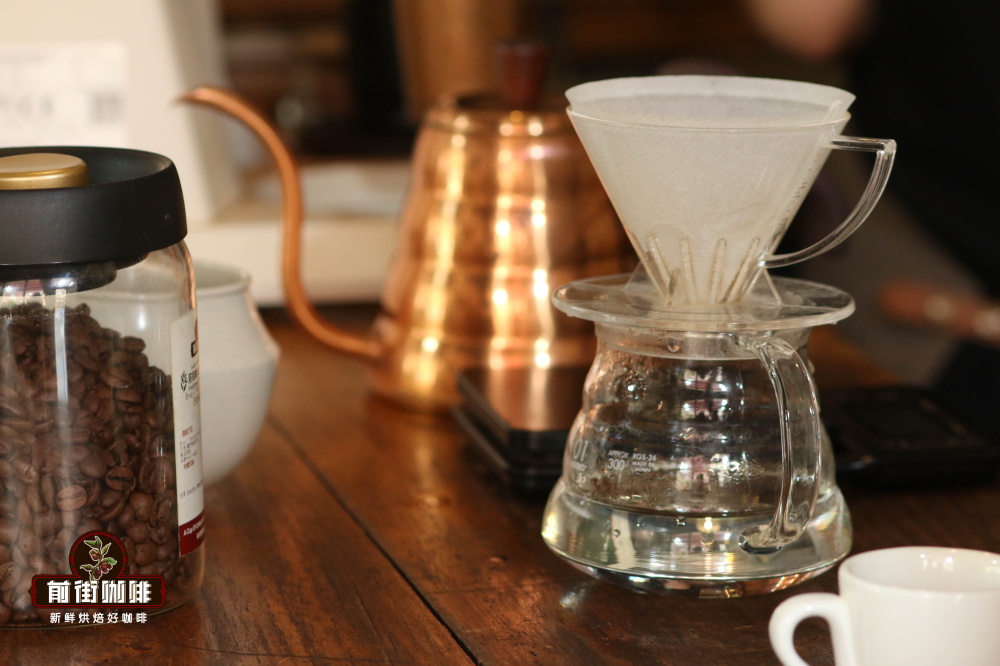
Kono is the professional equipment most beloved by specialty shops and professionals in Japan - and a product chased by many pour-over enthusiasts.
Features of the Kono Dripper
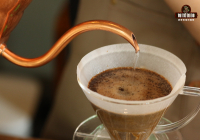
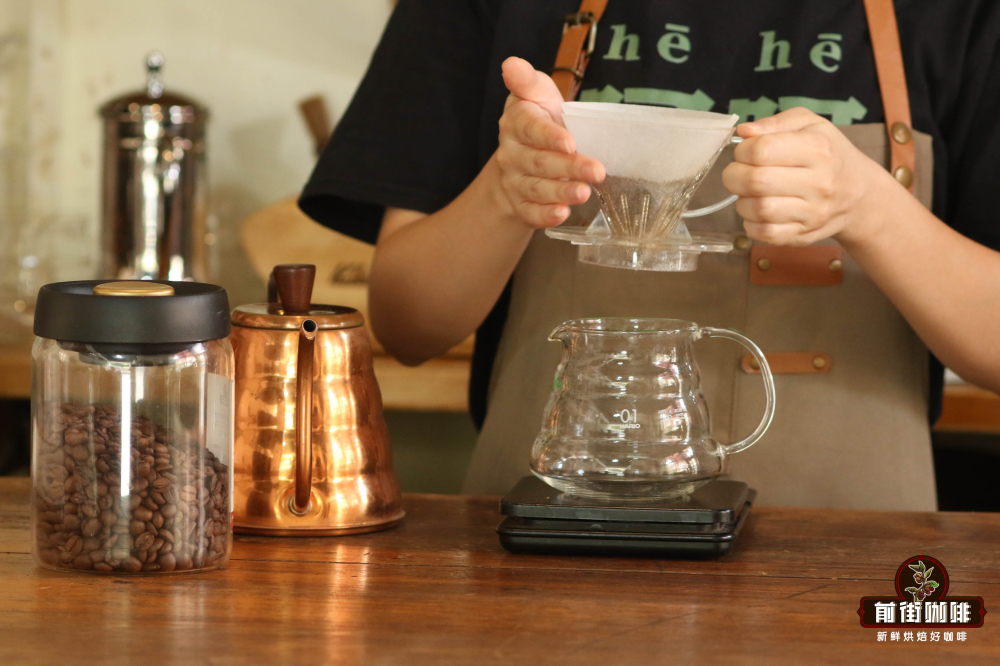
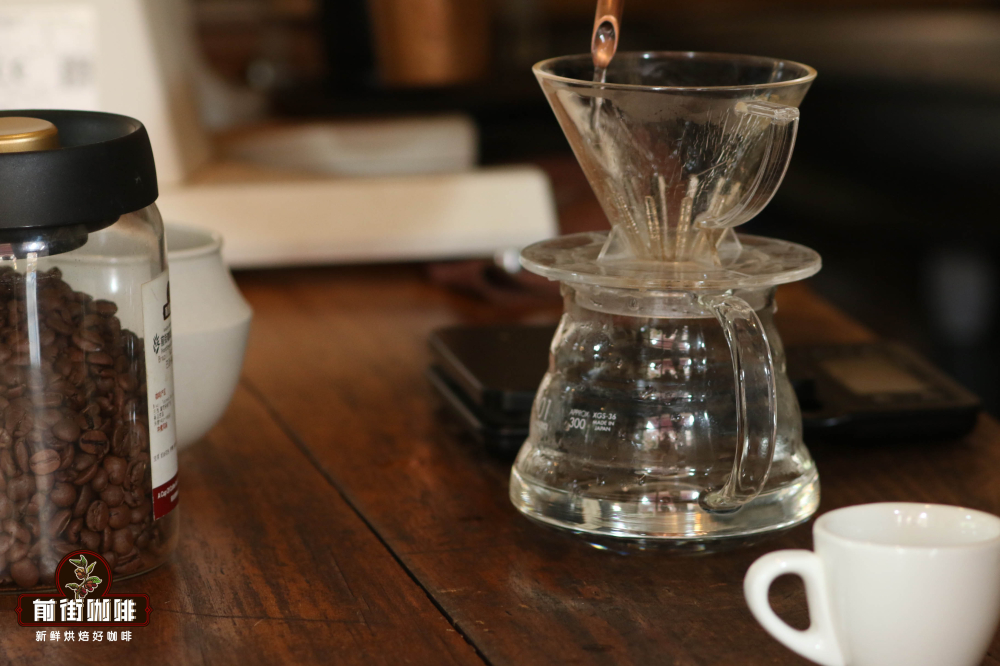
The Kono dripper's defining feature is that its ribs extend all the way to the bottom of the liquid outlet. Because the ribs sit at the bottom and are very short, the contact area between dripper and filter paper is high, so the flow rate is slower than the V60's. The ribs create a small gap between the conical wall and the paper, letting coffee seep through the filter paper, while the parts pressed against the wall allow no seepage.
Look closely at the KONO dripper's ribs and you'll find 12 of them, far shallower than the Hario V60's, stopping at less than half the height of the dripper.
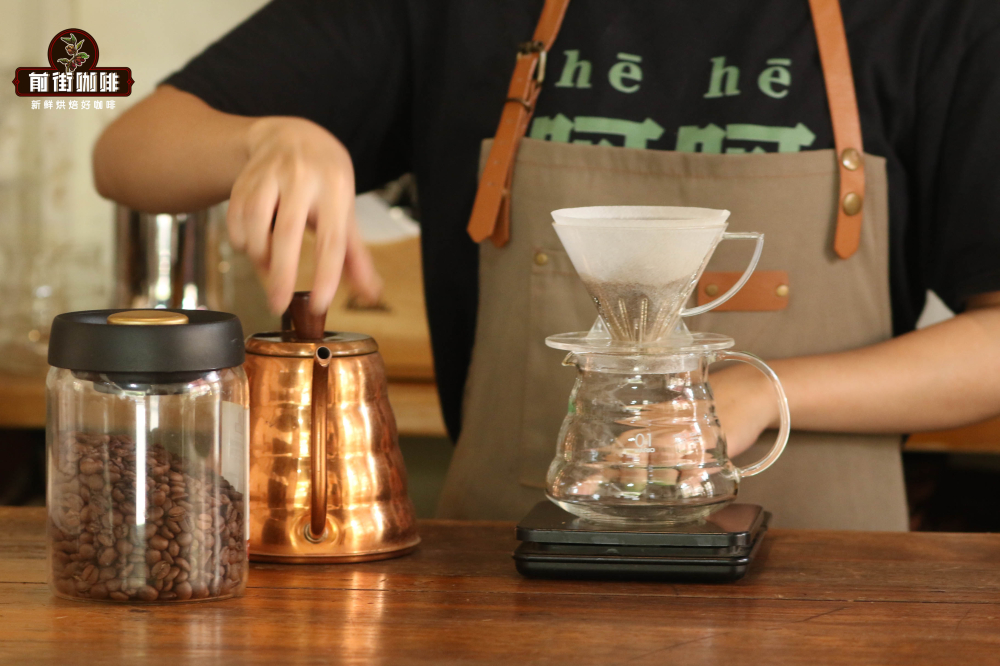
If the ribs are too short or too shallow, the area through which coffee can seep becomes too small and extraction drags on. If the ribs are too long, hot water spends too little time with the grounds and drains quickly, making it easy for impurities floating on the liquid surface to mix into the cup.
Because of this rib design, the tight contact between dripper and filter paper restricts the dripper's exhaust space during dripping; air flow is naturally limited, slowing the flow rate.
That also means the grounds steep for a significant time, which extends the water absorption of the coffee particles and makes the extracted coffee more balanced overall - and less prone to under-extraction.
What Coffee Suits Kono Dripper Brewing?
The short-rib design lengthens extraction, raising both extraction rate and body - ideal for beans that need to show body. FrontStreet Coffee brews medium-dark roast beans with KONO drippers in daily store operation.
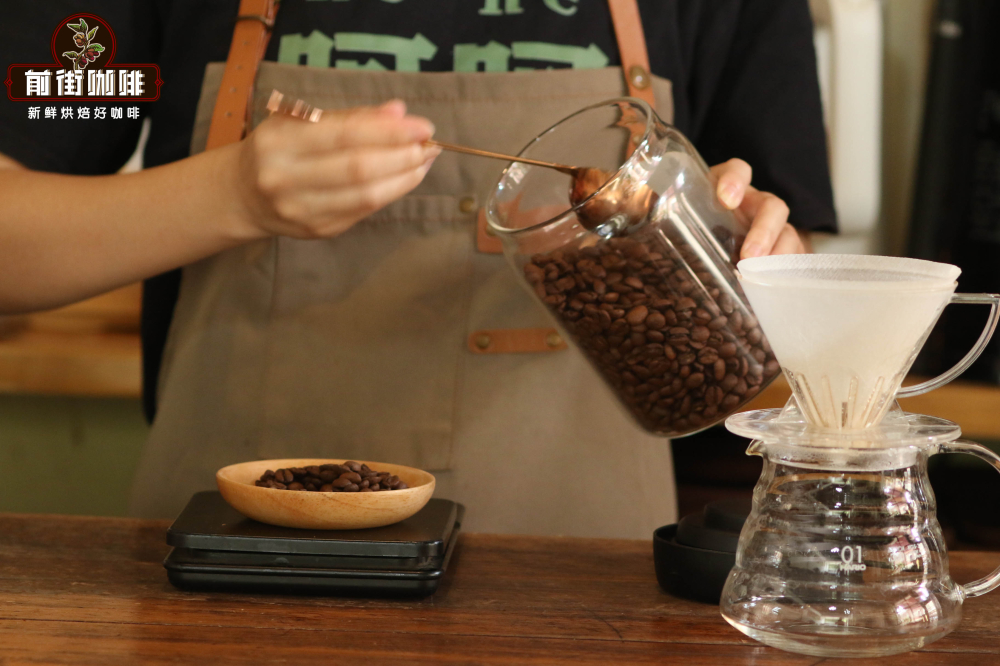
For example, "FrontStreet Coffee - Jamaica Blue Mountain No. 1 Coffee Beans," "FrontStreet Coffee - Papua New Guinea Bird of Paradise Coffee Beans," "FrontStreet Coffee - Brazil Queen Estate Coffee Beans," and "FrontStreet Coffee - Indonesia PWN Golden Mandheling Coffee Beans" are all brewed with KONO drippers.
How to Brew Coffee with a KONO Dripper?
The longer a coffee is roasted, the more its structure changes and the more porous the bean becomes - meaning flavor compounds release into hot water more easily. Combined with the KONO dripper's higher extraction rate, when brewing medium-dark roasts we recommend medium-coarse grounds (a 65-70% pass rate through the China No. 20 standard sieve).
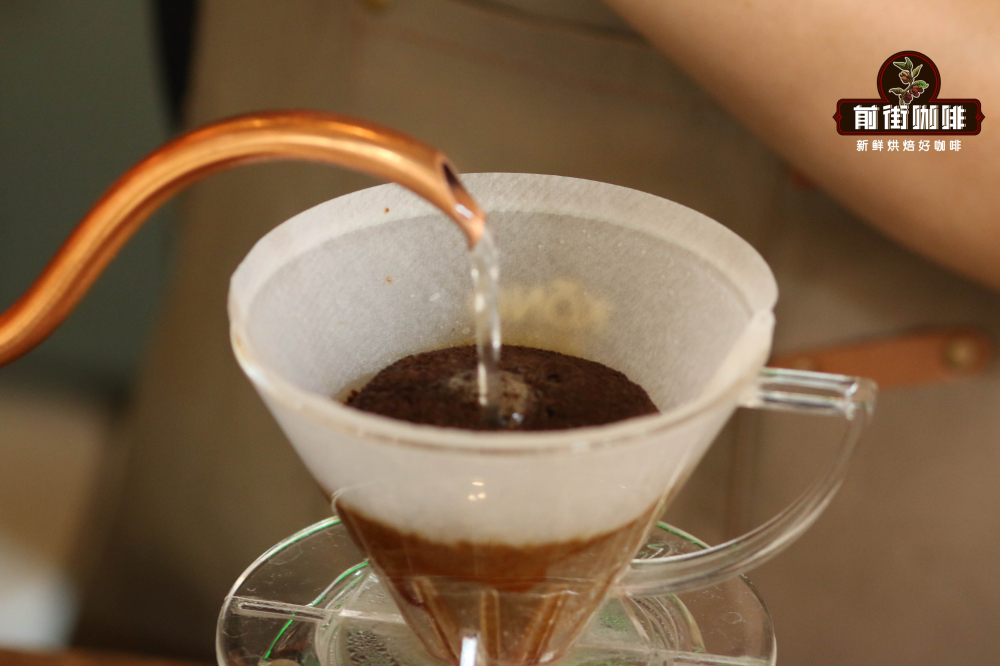
Water that is too hot is also not recommended. FrontStreet Coffee uses 88-89°C water for medium-dark roasts in-store, with a 1:15 coffee-to-water ratio and three-stage pour-over brewing.
The brewing process is divided into three pours: the first injects 30g to bloom, for 30 seconds. The second pours to 125g, with a 10-second interval between stages. Then pour the remaining water, reaching 225g, for a total extraction time of about 2 minutes.
FrontStreet Coffee Recommendation
Kono and V60 sit at opposite ends of the dripper spectrum. The V60's 60-degree cone and single large outlet reward precise flow control, letting water rush to the center for fast, layered extraction - which is exactly why floral, fruit-forward beans shine in it. The Kono's short ribs and slow flow, by contrast, favor body and balance, making it the better match for medium-dark roasts.
If your Kono is pulling duty on darker, fuller-bodied beans, FrontStreet Coffee's PWN Indonesia Golden Mandheling is a perfect fit: low acidity, a long velvety body, rich herbal and dark chocolate notes with a whisper of earth, layered and intense - ideal for drinkers who love depth without sourness. FrontStreet Coffee's Jamaica Blue Mountain No. 1 is the balanced counterpoint: none of Africa's punchy fruit acidity, none of dark roast's heavy bitterness - just cream, caramel, chocolate, nut, and honey in exquisite equilibrium, often called "the specialty coffee easiest for most people to love."
Prefer bright and floral even in a gentler cup? FrontStreet Coffee's Yirgacheffe Guodingding - many an enthusiast's first step into specialty coffee - offers vivid citrus, berry, and floral aromas with a green-tea-like sweetness and a soft, bright acidity that reads like fruit rather than sharpness; on a Kono it turns rounder and sweeter. For maximum tropical drama, FrontStreet Coffee's Ethiopia Huakui bursts with strawberry, passion fruit, jackfruit, and lychee, sweet and juicy with almost no bitterness - the coffee that changes skeptics' minds.
Important Notice :
FrontStreet Coffee is a long-established specialty coffee roaster in Guangzhou China, selling freshly roasted beans from its own farm in Yunnan as well as dozens of carefully selected single-origin beans from around the world for both pour-over and espresso. The products deliver consistently excellent quality and great value, with shipping within 24 hours. Guangzhou's FrontStreet Coffee shop is recommended by many coffee lovers, and the beans are now available online at the Tmall 。
FrontStreet Coffee has moved to a new address:
FrontStreet Coffee Address: 315,Donghua East Road,GuangZhou
Tel:020 38364473
 Scan and follow the En Gafei WeChat official account. Please indicate that the reprint comes from "En Gafei".