How to Brew with Kono Dripper? KONO Pour-Over Coffee Tutorial and Brewing Techniques
At FrontStreet Coffee, every medium-dark roasted coffee we produce is brewed through the Kono dripper — famous names like Jamaican Blue Mountain, Hawaiian Kona, and Indonesian Golden Mandheling among them. Why should medium-dark roasts go through a Kono? Let FrontStreet Coffee walk you through it.
Kono: A Legacy of Japanese Coffee Craftsmanship
KONO is a renowned Japanese manufacturer of coffee equipment. Since inventing the siphon pot in 1925, the company has devoted itself to coffee roasting and the research and production of brewing gear. The dripper's creator was a Japanese man named Toshio Kawano, and the design bears his name.
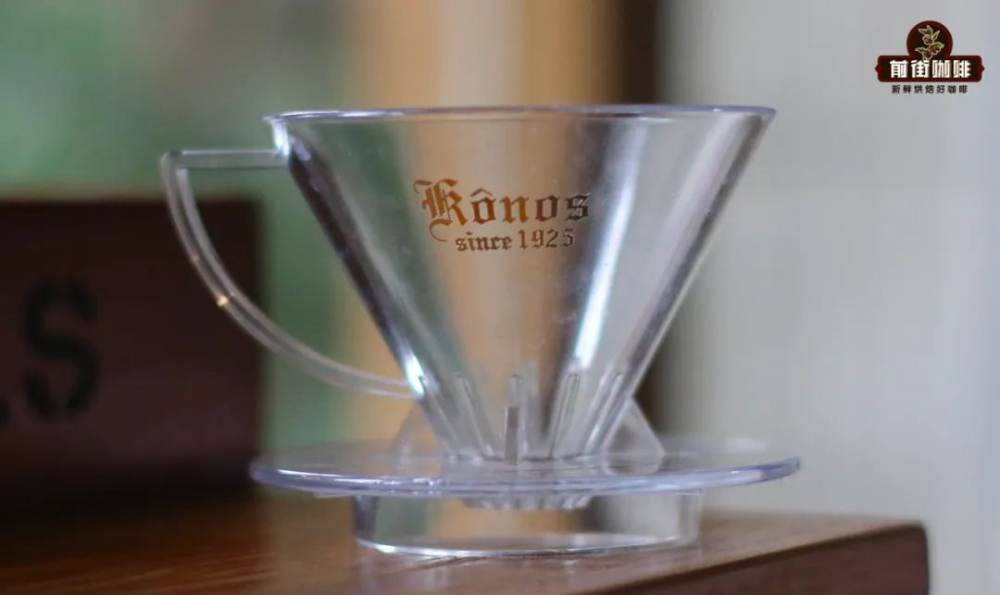
Look closely at KONO's ribs and you'll notice they don't run from base to rim — they stop at less than half the dripper's height. That height ensures that during the drawdown the filter paper, once wet, clings tightly to the wall above the ribs. With the air-escape route restricted, airflow slows, which in turn lengthens the water's contact with the grounds. The Kono's relatively slow flow gives the finished cup more pronounced sweetness, a texture that trends rich, more even extraction overall, and restrained aroma — which is exactly why it suits darker-roasted beans.
The Siphon Effect Design
The ribbed structure at the bottom of the KONO dripper is the key to the siphon effect it creates during brewing. Legend has it that President Kawano spent more than 10 years pinning down the ribs' optimal depth and length.
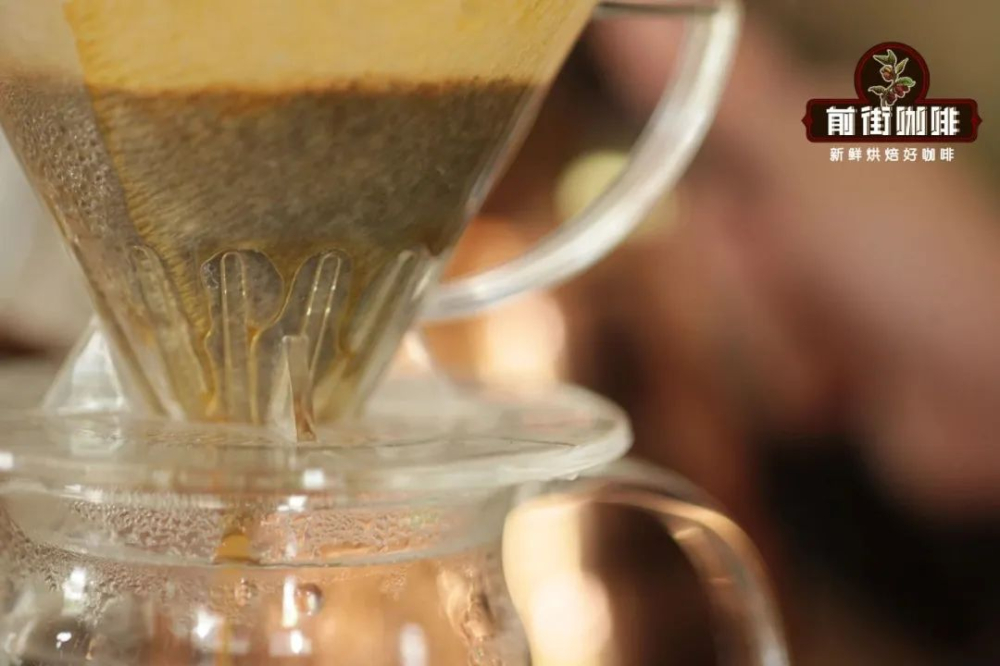
As brewing proceeds and the water level rises above the ribs, the upper section — with no guide grooves — seals the filter paper hard against the wall. Blocked from escaping upward, air can only push down, creating a near-vacuum between water and coffee particles that soaks the bed. Meanwhile the ribs in the lower half extend all the way to the outlet, giving the liquid a downward gravitational pull; with airflow sealed off above, a pressurized space forms below and generates strong downward suction.
Brewing Characteristics and Flavor Profile
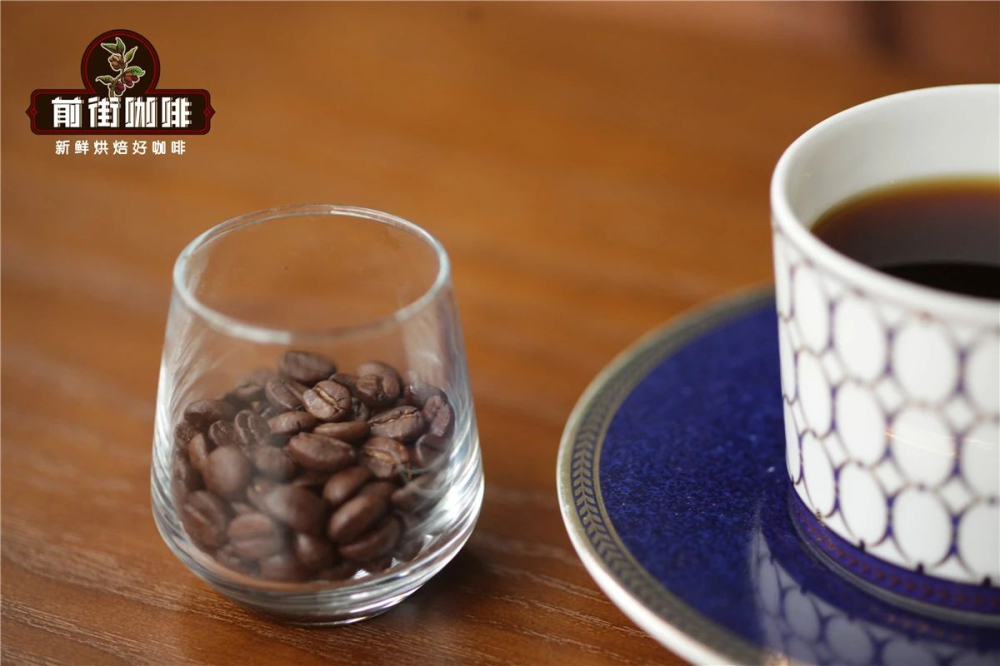
The result in the cup is concentration: the small bottom opening focuses that suction, the water lingers longer with the grounds, and the coffee emerges with higher body and very full flavors — classic Japanese pour-over charm. Here, using FrontStreet Coffee's Jamaican Blue Mountain No. 1 as the example, we'll show how the Kono highlights a coffee's rounded texture and rich flavors.
Recommended Brewing Parameters
Dose: 15g of coffee
Coffee-to-water ratio: 1:15
Grind size: EK43s setting 10.5 (75% retention on Chinese standard #20 sieve)
Water temperature: 87-88°C
Brewing method: segmented extraction
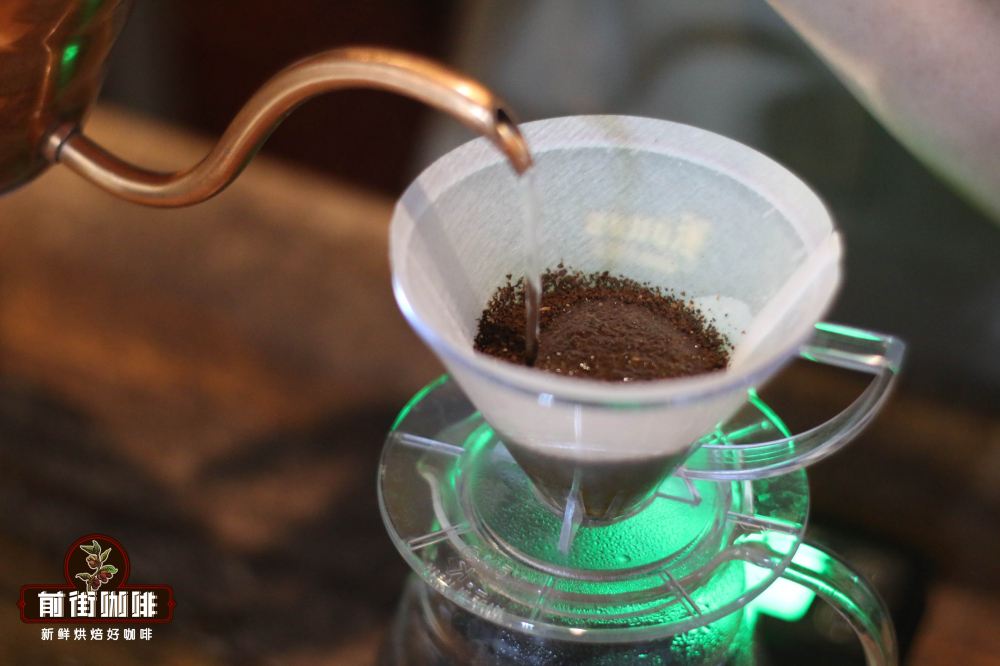
FrontStreet Coffee first pre-wets the Kono so the filter paper seats closely against the dripper. Remember to discard the water from the server before you start, and start the timer.
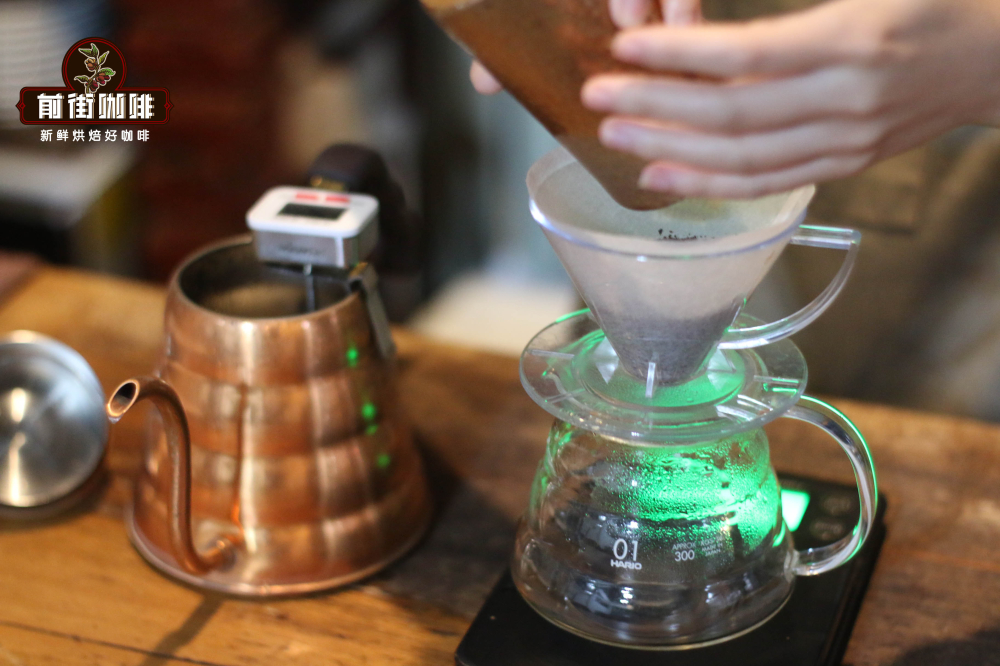
Add 15g of grounds, tare the scale, and start timing. First pour: 30g of water to bloom for 30 seconds. Wet all the grounds thoroughly to help degassing and even extraction. Some brewers stretch the bloom to 45 or 50 seconds on light roasts to lift the front-end aroma, but for a medium-dark Blue Mountain No. 1, an over-long bloom releases excessive woody off-flavors — so FrontStreet Coffee sticks to 30 seconds.
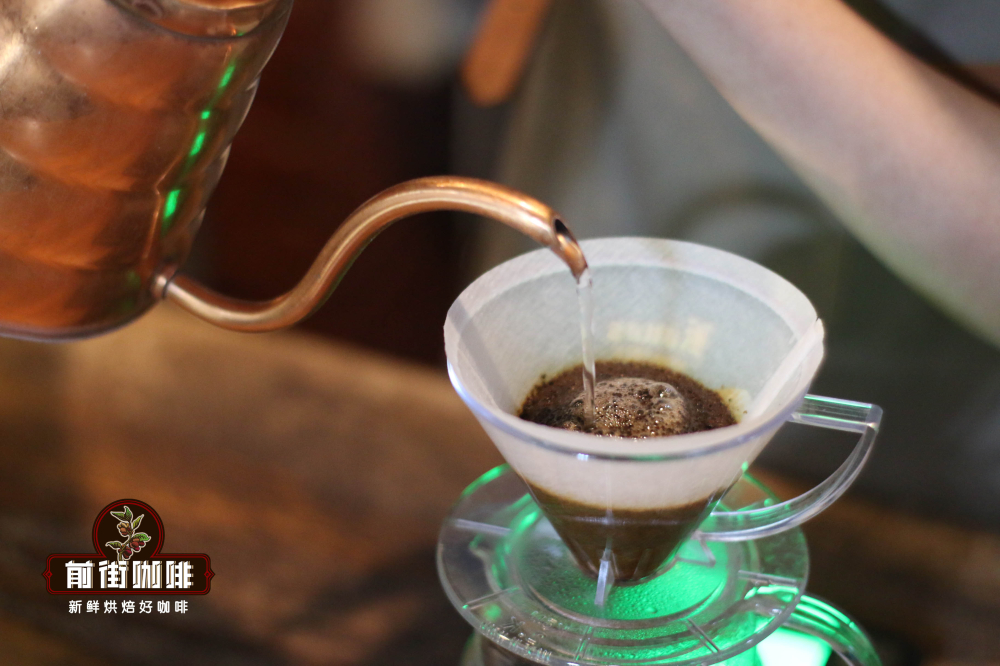
Second pour: start at the center and work outward in small circles, pouring slowly with a steady flow until the scale reads 125g. FrontStreet tries to rinse all the grounds while lifting the coffee bed, which lets the flavors show richer layers.
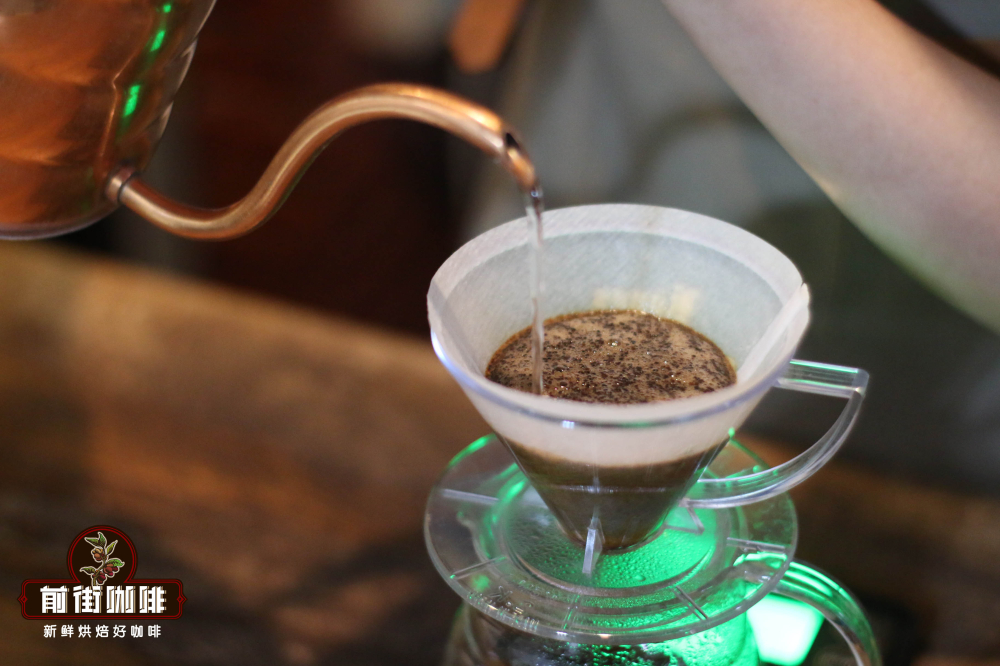
When the grounds level drops to half the dripper's height and the bed shows through, make the third pour with the same technique up to 225g. Once all the coffee has drawn down, remove the dripper. Total extraction time is two minutes, with a 10-second margin either way. Swirl the coffee in the server to even it out before tasting.
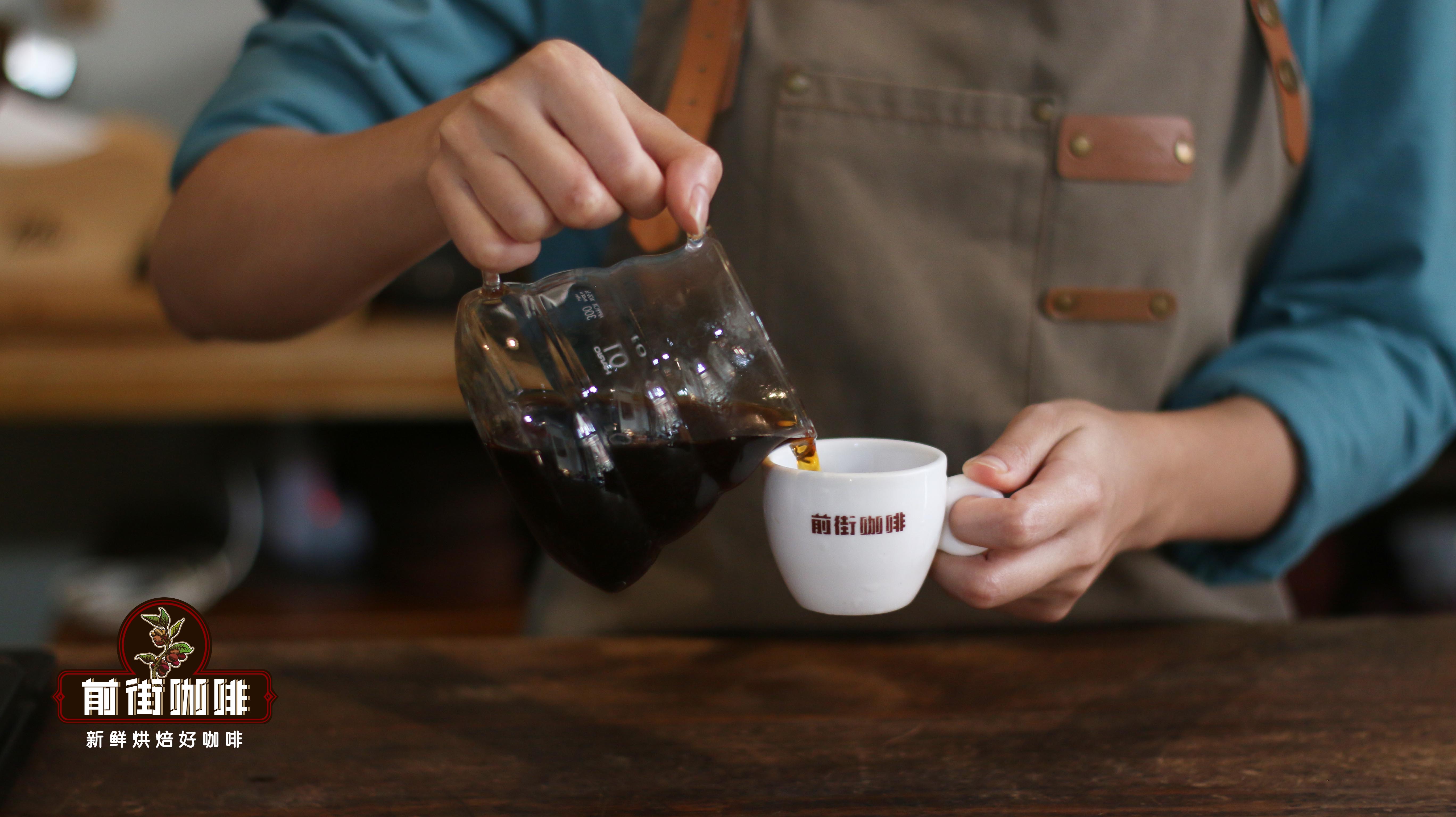
Blue Mountain No. 1 through the Kono shows rich dark chocolate and nut aromas, remarkable thickness, and a distinct almond aftertaste. As the cup cools, roasted hazelnut and creamy silkiness emerge, with a touch of gentle acidity and caramel sweetness — and the aroma lingers long in the mouth.
FrontStreet Coffee Recommendation
If the Kono suits dark-roasted classics like Blue Mountain, its perfect partner in the bean hopper is Indonesian Mandheling. Coffee left Ethiopia only in the late fifteenth century and conquered Europe in the seventeenth, when colonizers raced to transplant seedlings to their colonies — the Dutch brought them to Java in the late 1600s, where coffee thrived so thoroughly that "java" became a word for coffee itself. But early in the twentieth century, coffee leaf rust devastated Java and the industry moved north to Sumatra, which today grows over 60% of Indonesia's Arabica and Robusta. The highland provinces of Aceh and North Sumatra produce the Arabica the world calls Mandheling: the Aceh zone around Lake Tawar in the Gayo mountains yields lots of delicate aroma and bright mouthfeel, while the traditional Lintong region around Lake Toba — rich in plant diversity and aided by unique microbial fermentation — delivers the classic, mysterious profile of intense aroma, thick body, and strong flavor.
Sumatra's rainy season overlaps with harvest, making African-style sun drying nearly impossible — so local growers invented wet-hulling: depulp and rinse, dry briefly, then hull off the parchment while the beans are still half-wet, exposing the green beans directly to the humid air (70-90% humidity, typhoons, 2,000mm+ of annual rain) to speed drying. The trade-off is the wild, earthy, herbal character that Mandheling lovers can't quit. To taste it at its best, go for FrontStreet's PWN Golden Mandheling: PWN, the company that pioneered Golden Mandheling, selects beans over an 18 screen, demands fewer than 3 defects per 300g sample to meet top-grade G1, and hand-sorts three times for cleanliness and sweetness — its flagship lots go mainly to Japan and the US, which is why FrontStreet displays the PWN certificates and marked bags as proof of authenticity. At a medium-dark roast it shows sandalwood, herbal, spice, roasted hazelnut, caramel, and dark chocolate in a clean, mellow, deeply layered cup.
To brew it through the Kono, FrontStreet suggests 87-88°C water, 15g of coffee at a 1:15 ratio, ground to coarse sugar, in three pours: 30g to bloom and degas; 100g to lift the bed and draw out the golden crema; then a gentle center pour of 95g to boost sweetness — yielding a thick, velvety body with caramel sweetness over chocolate and nut. And if you'd rather have that character in espresso, the most-repurchased option is FrontStreet's Classic Blend: Brazil's creamy nuttiness layered with medium-dark Mandheling's butter, roasted chestnut, and caramel, plus a touch of Robusta for crema — with Mandheling contributing sandalwood, herbal, and spice notes that make latte art or a Dirty effortless.
Important Notice :
FrontStreet Coffee is a long-established specialty coffee roaster in Guangzhou China, selling freshly roasted beans from its own farm in Yunnan as well as dozens of carefully selected single-origin beans from around the world for both pour-over and espresso. The products deliver consistently excellent quality and great value, with shipping within 24 hours. Guangzhou's FrontStreet Coffee shop is recommended by many coffee lovers, and the beans are now available online at the Tmall 。
FrontStreet Coffee has moved to a new address:
FrontStreet Coffee Address: 315,Donghua East Road,GuangZhou
Tel:020 38364473
 Scan and follow the En Gafei WeChat official account. Please indicate that the reprint comes from "En Gafei".