KONO Dripper Coffee Bean Types Recommendations and Extraction Flavor Characteristics
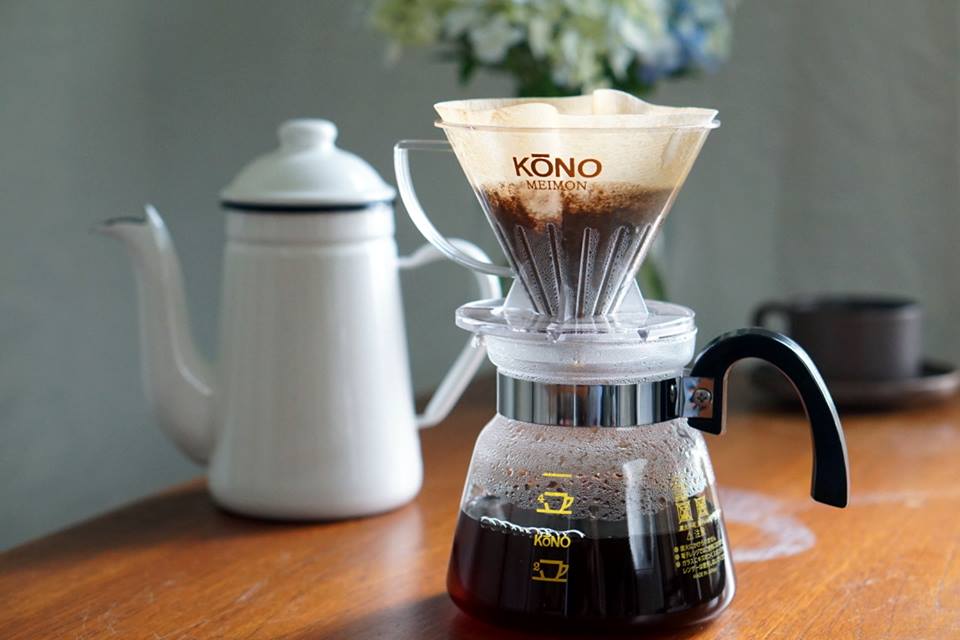
Like the Hario V60, the KONO dripper is conical. The biggest difference lies in the ribs: KONO has 12 of them, and they are lower than the V60's, which helps air circulate during brewing and improves blooming. Used with its matching server, the KONO creates extraction through pneumatic pressure similar to a siphon effect, so the grounds reach higher water saturation early on than with a V60 and the resulting cup is much more concentrated. The soluble compounds stay in contact with water longer, and combined with the slow, drip-by-drip pouring the design encourages, the KONO generally suits medium-dark roasts and coffees with a rich body.

The Design Philosophy Behind KONO
The original KONO Meimon dripper set out to solve the inconvenience of cleaning flannel filters while reproducing flannel-drip flavor as closely as possible. To do that, Mr. Kono gave the dripper a conical shape similar to a flannel filter, which both concentrates the grounds into a thick bed and increases water-flow concentration. To keep hot water from sitting too long at the bottom, the opening was made wider, bringing drip speed close to that of flannel. But a fast-dropping water level means the grounds absorb less water and extraction suffers. The solution was 12 half-length radial ribs on the inside.

The smooth curved surface lets the paper sit tightly against the upper wall once it is wet. The only way out for air is the outlet at the bottom of the dripper, so under gravity the coffee liquid can only concentrate and drip into the server below. The limited exhaust space also restricts airflow, ensuring that every particle is fully saturated after pouring and that flavor compounds extract more evenly. Because the KONO tends to flow slowly, the brewed coffee shows more pronounced sweetness and a body that leans rich, with more uniform extraction and more restrained aromatics. It is a better fit for darker roasted coffee, such as Indonesia's Golden Mandheling.
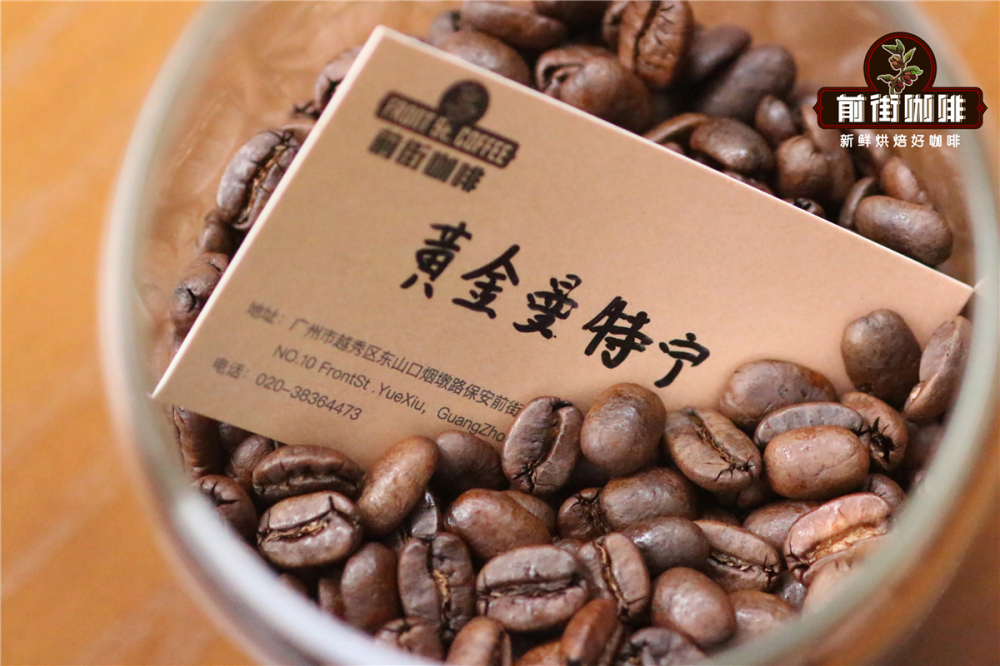
FrontStreet Coffee's Golden Mandheling
FrontStreet Coffee's Golden Mandheling comes from Indonesia's well-known PWN company and is processed by the wet-hulled method. That method raises the defect rate in the green coffee considerably, yet the flavor does not turn negative; instead it brings herbaceous aromatic notes. In the final drying stage the beans are exposed to the environment without parchment, letting microorganisms proliferate, which is what gives Indonesian coffee its distinctive woody, spicy, herbal character, the flavor people call terroir.
Brewing Parameters
For a single pour-over, FrontStreet Coffee uses 15 grams of ground coffee. The dose usually follows the dripper's design; a filter cone made for 1-2 servings accommodates 15-20 grams. Too much coffee is harder to control and the resulting flavors can turn muddled. As for the ratio, 1:15 is the most common.
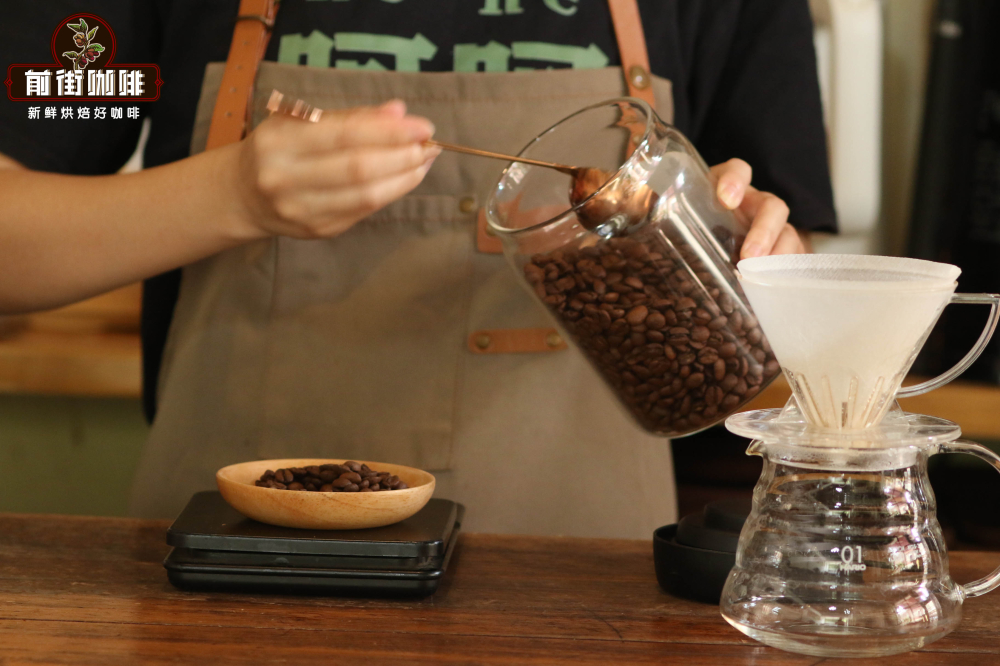
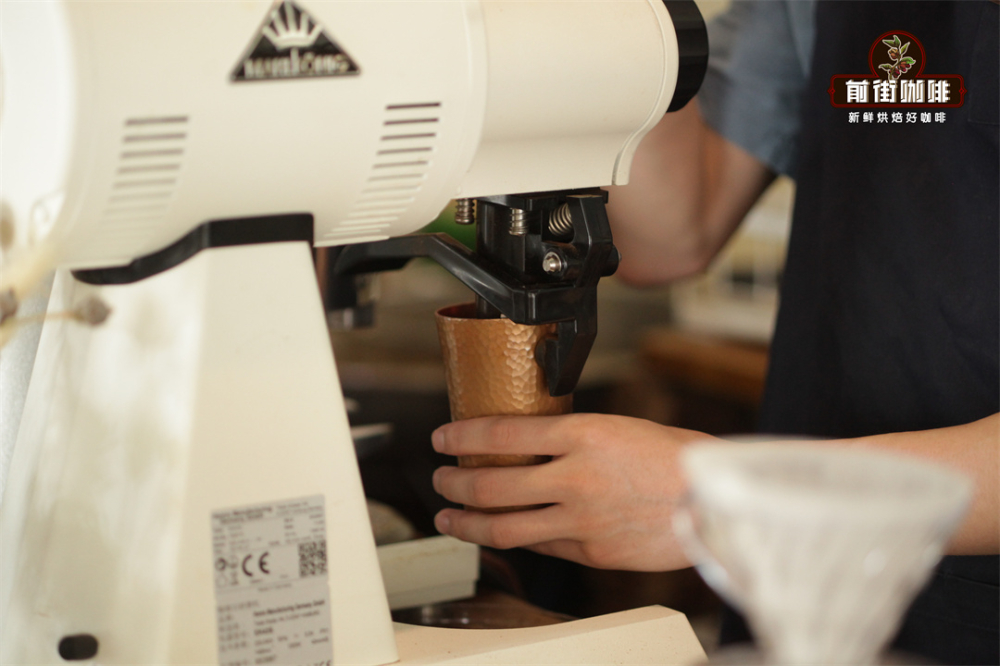
Dark roasting leaves the bean's internal structure loose; it crushes easily under a light pinch, a sign that the structure has changed markedly. Once ground, such beans absorb water strongly. To avoid over-extraction once the bed is saturated, which releases a lot of bitterness, FrontStreet Coffee grinds coarser than it would for a light roast. Here it uses a medium-coarse grind, with 70% passing a China standard No. 20 sieve, or EK43s setting 11 in store.
Roasting drives caramelization and Maillard reactions in the bean. As roast level rises, non-enzymatic browning from the interaction and breakdown of monosaccharides and amino acids under heat becomes more pronounced, and large bitter-tasting compounds release more easily. To avoid pulling out too many undesirable flavors, FrontStreet Coffee lowers the water temperature slightly. Where a light roast brews at 91-93°C, FrontStreet Coffee recommends 87-88°C for dark roast beans.
The Three-Stage Pour
A three-stage pour expresses the rich body and caramel sweetness of Golden Mandheling best.

Wetting the KONO lets the filter paper sit closely against the dripper. After emptying the server, add 15 grams of ground coffee, then bloom with 30 grams of water for 30 seconds. This first pour fully wets the grounds for degassing, so the following stages extract flavor more effectively. Some drinkers stretch the bloom to 45 or 50 seconds for light roast beans to lift the front-end aroma, but with a dark roast like Mandheling a long bloom tends to release too much woodiness and unwanted flavor, so FrontStreet Coffee stays at 30 seconds.
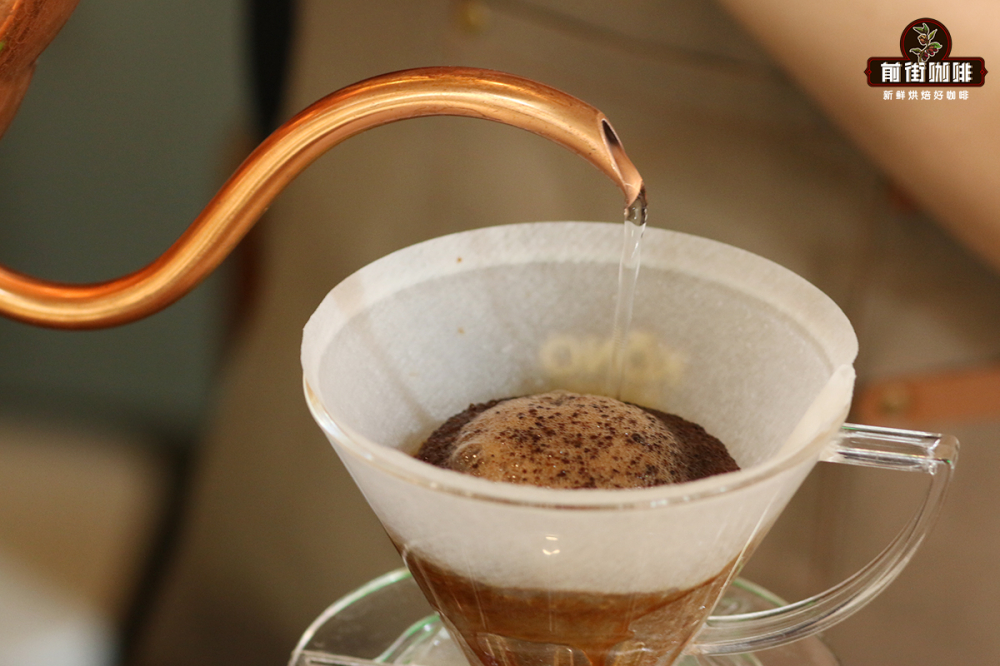
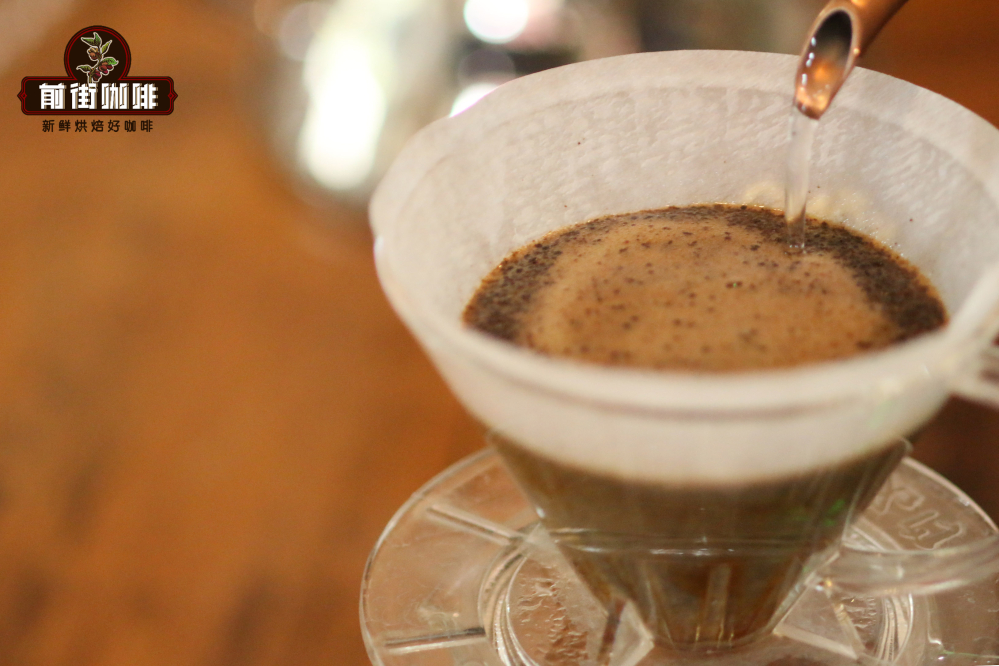
For the second stage, pour slowly from the center in small circles with a steady flow until the scale reads 125 grams. When the coffee bed drops to half the dripper's height and the bed is exposed, begin the third pour with the same technique until reaching 225 grams. Wait until all dripping stops before removing the dripper; total extraction should be about two minutes, with a 10-second margin of error. Finally, swirl the coffee in the server to mix it and enjoy your hand-poured Golden Mandheling black coffee.
Tasting Notes
Ground Golden Mandheling smells of nuts and toasted bread. During brewing, the sweet fragrance of caramel rises. In the cup, spice and dark chocolate come through, with a rich yet clean body, a distinct sweet aftertaste, and a persistent finish.
FrontStreet Coffee Recommendation
The KONO's slow flow is what makes it special, and it pairs naturally with FrontStreet Coffee's PWN Golden Mandheling. That coffee comes from the Gayo Mountain area of Aceh and is wet-hulled; in the final drying stage the beans sit exposed without parchment, letting microorganisms develop the woody, spicy, herbal character that defines Sumatran coffee. Roasted medium-dark to keep acidity low, it pours thick and long, with herbs and dark chocolate up front and a faint earthy note behind, a good match for drinkers who prefer a heavy, low-acid cup.
Not every coffee wants a slow dripper, though. When the beans are light-roasted and fruit-forward, a faster cone such as the V60 lets the florals and acidity stay lifted. FrontStreet Coffee's Gedeb cooperative, from the Woka area at the southeastern edge of Yirgacheffe, is a washed Ethiopian lot with citrus and lemon acidity and elegant white flowers, bright and clean rather than bitter. FrontStreet Coffee's Ethiopia Flower Queen takes the tropical route, with intense strawberry, passion fruit, jackfruit, and even lychee aromas, obvious sweetness, very little bitterness, and a juicy, smooth body that wins over drinkers who usually avoid coffee's bitterness. Kenya Small Tomato, from the Thika region at 1,550-1,750 meters, uses SL28 and SL34 with a 72-hour double washed fermentation and a light roast, giving bright cherry-tomato and smoked-plum acidity, honeyed mid-palate sweetness, snow pear and black plum, and a clean, sweet finish with a faint green-tea note.
For a balanced, low-acid coffee that works across brewers, FrontStreet Coffee's Brazil Queen Farm is a good everyday pick: low acidity, rich nut and cocoa aromas, and clear caramel sweetness, smooth whether you brew pour-over, espresso, or moka pot. Papua New Guinea Bird of Paradise, from the Sigri area, is a Typica grown at 1,600-1,800 meters on volcanic soil, meeting the AA standard with plump, low-defect beans and a triple washed fermentation for a clean, purely sweet cup often called a "Little Blue Mountain." And for the most forgiving classic of all, FrontStreet Coffee's Jamaica Blue Mountain No.1 balances sweet, sour, bitter, and aroma with none of the extremes, showing cream, caramel, chocolate, nut, honey, and a light fruit note, soft on entry with a long clean finish.
Important Notice :
FrontStreet Coffee is a long-established specialty coffee roaster in Guangzhou China, selling freshly roasted beans from its own farm in Yunnan as well as dozens of carefully selected single-origin beans from around the world for both pour-over and espresso. The products deliver consistently excellent quality and great value, with shipping within 24 hours. Guangzhou's FrontStreet Coffee shop is recommended by many coffee lovers, and the beans are now available online at the Tmall 。
FrontStreet Coffee has moved to a new address:
FrontStreet Coffee Address: 315,Donghua East Road,GuangZhou
Tel:020 38364473
 Scan and follow the En Gafei WeChat official account. Please indicate that the reprint comes from "En Gafei".