Espresso Equipment: What's the Difference Between Hand Distribution and Using a Distribution Tool? Is a Distribution Tool Necessary?
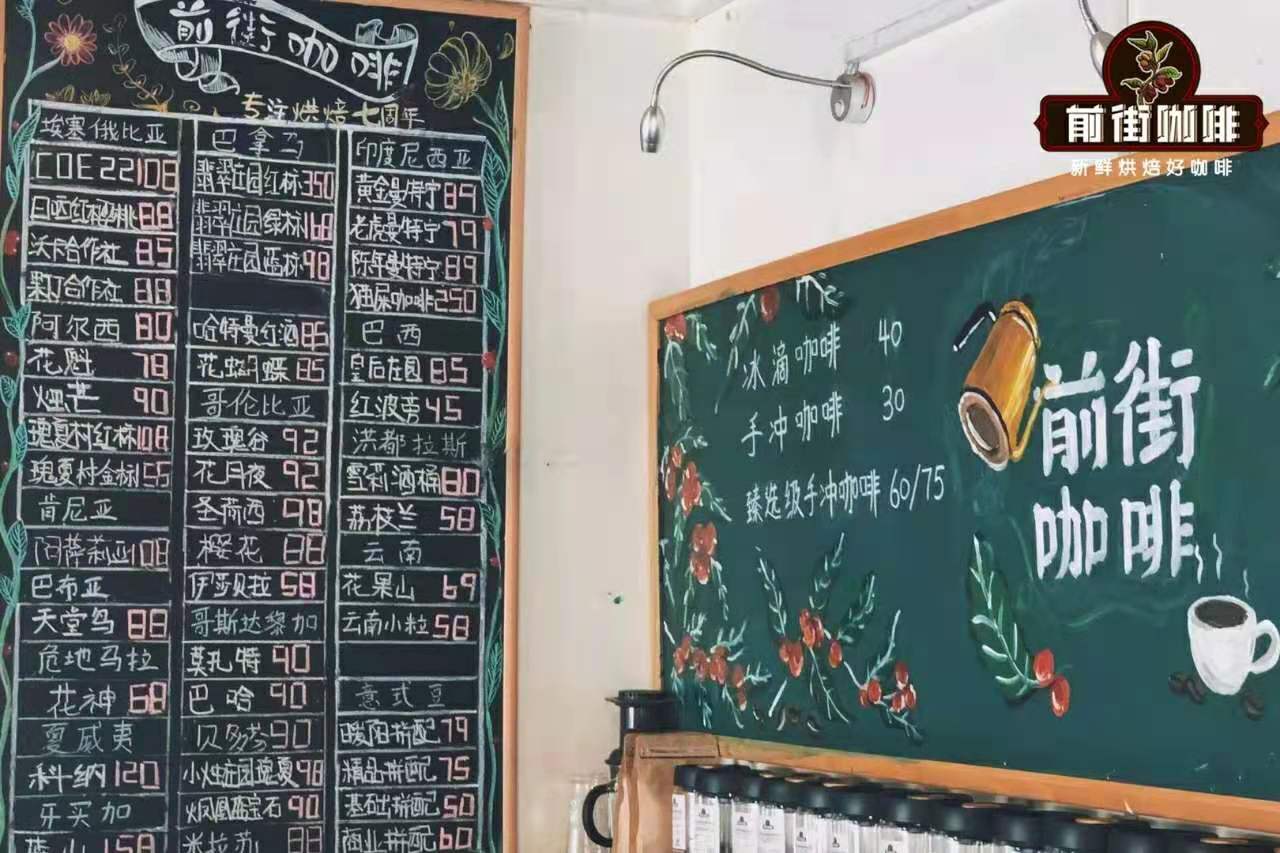
Everyone loves settling into a comfortable coffee shop and ordering a rich, aromatic espresso drink. But have you ever looked closely at how that espresso is actually made? Espresso is the soul of every espresso-based beverage and the foundation of the whole craft - so in this article, FrontStreet Coffee shares some practical knowledge about making it well.
Why Puck Distribution Matters
To pull a proper shot, distribution of the coffee puck is a critical step - it can single-handedly determine whether a shot succeeds or fails, and it is one of the core skills a barista is assessed on. Distribution, literally, means spreading the grounds evenly. In practice it covers two things:
1. Breaking up clumps - making sure grounds of different particle sizes leave the grinder and settle as evenly as possible, avoiding concentrations of fines or boulders and preventing clumping;
2. Leveling - spreading the grounds evenly across the basket so there are no dense spots, thin spots, mounds, or gaps.
Good distribution greatly improves extraction stability. Below, FrontStreet Coffee walks through the main distribution methods and tools, comparing how each one accomplishes the two jobs above.
Distribution Methods
1. Hand Leveling
The most traditional method, in use since espresso began - along with its variations, like the grinder's dosing lid or a popsicle stick. Its advantages are simplicity: no special tools needed. On the downside, it can look unhygienic, wastes a little coffee, and it is hard to apply even pressure while leveling.
2. Tapping
Even simpler: tap the portafilter handle or knock it gently on the counter to settle a level bed. Simple in theory, but hard to control in practice - it may take several tries, and knocking can also cause fines to migrate downward through the bed.
3. Stirring or Shaking (WDT)
Both approaches achieve excellent clump-breaking and distribution. They are easy to perform and control, thoroughly mix the grounds, break up clumps, and even out particle distribution across the basket.
4. Distribution (Leveling) Tools
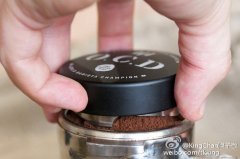
This category of "distribution tools" descends from Sasa Sestic's OCD and has spawned many imitations. Strictly speaking, these tools do not distribute grounds - they only level them. The depth is adjustable but must be set in advance; the downward force applied during leveling is considerable and can create internal cracks; and they only even out the surface, guaranteeing neither true distribution nor uniform bed depth. Operation is very simple, but depth is inflexible, the dose must be right, some skill is still required, and uneven density remains a risk. FrontStreet Coffee uses this type of tool in its shops.
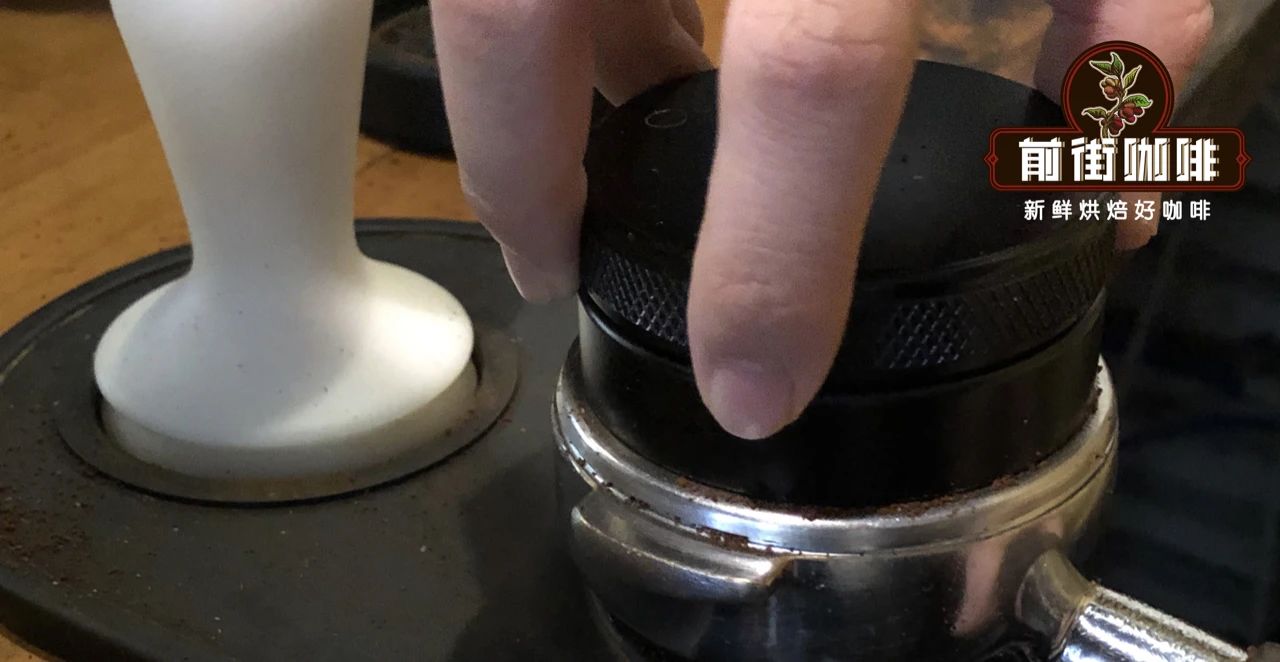
5. The Force Tamper Base
This technically belongs to the previous category, but it works differently and is not sold as a standalone tool, so it gets its own section. It is an optional base for the Force Tamper that combines distribution and tamping in one motion. Moving distribution fingers stir the grounds to even them out, while the Force Tamper's self-leveling design produces a "floating" distribution: the tool settles and rotates level as it sinks, without applying premature pressure. It works with any dose, stays level throughout the stroke, and at the end of the tamp the fingers retract automatically for a clean, flat tamp. Operation could hardly be simpler - one step does it all - though compared with other tools it is pricier and cannot be bought on its own.
With these methods in mind, you should have a solid picture of puck distribution. The next step after distribution is tamping: after each dose is distributed, tiny gaps remain between the particles, and tamping closes the bed. FrontStreet Coffee takes tamping just as seriously, so here is how to do it properly.
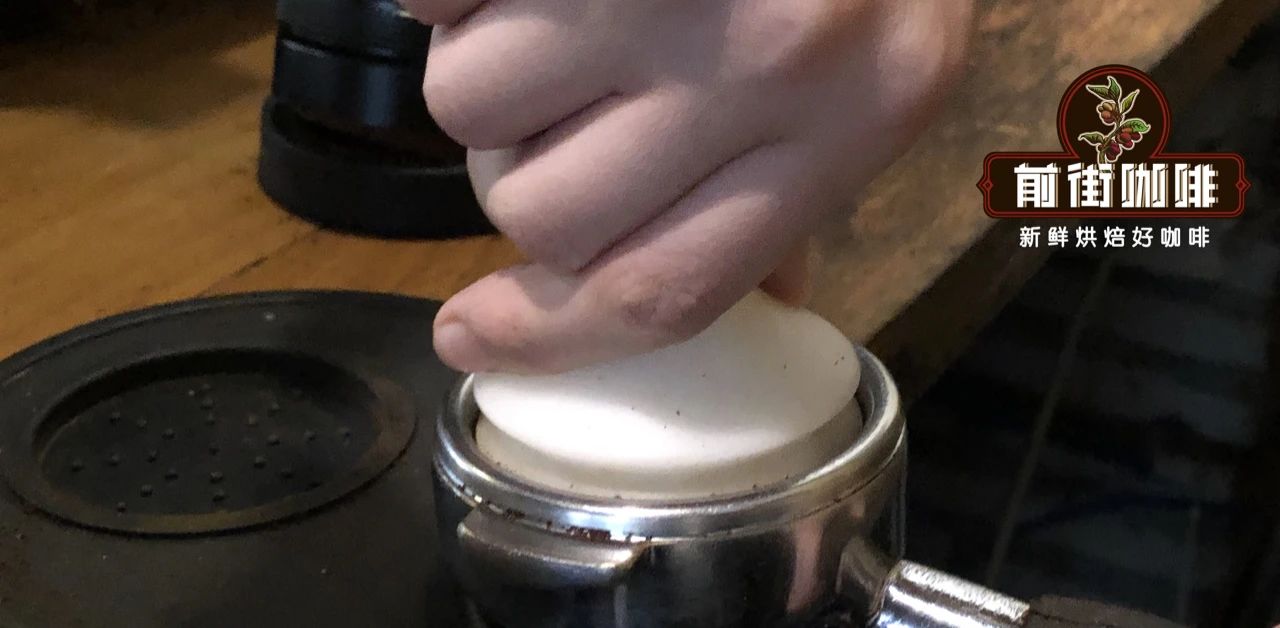
How to Tamp Correctly
There are no strict rules about grip - the best tamping posture is the one that suits you. Generally speaking, keep the tamper perpendicular to the basket and apply force evenly. Press straight down until the coffee bed is smooth and level, and you are set up for a clean shot.
One issue deserves special attention: tamping pressure. FrontStreet Coffee has run experiments on this. Tamp too hard and the puck becomes overly compacted; the resistance climbs, water takes far longer to pass through, and the over-extracted shot turns bitter and scorched. Like everything in espresso, tamping rewards constant practice until you find your own posture and pressure.
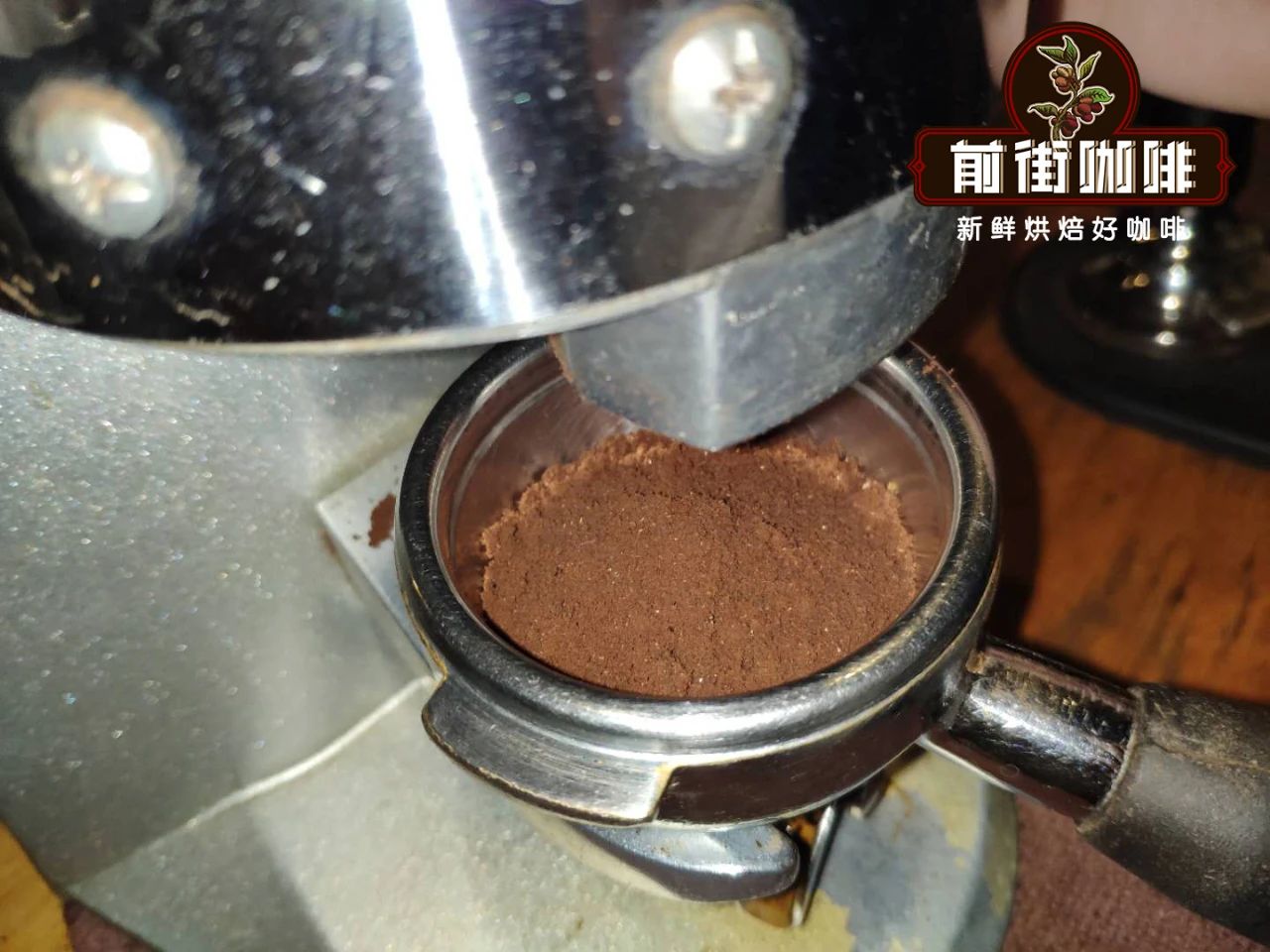
Tamping is the last step before pulling the shot - now it is time to practice making espresso! FrontStreet Coffee will also walk through a simple espresso drink: the latte.
Making an Espresso
First, choose an espresso bean that matches your taste. FrontStreet Coffee's menu includes four espresso blends: Premium, Classic, Commercial, and Sunflower Warm Sunshine. Our house espresso is the Sunflower Warm Sunshine Blend, built on Honduras Sherry and Ethiopian Yirgacheffe Red Cherry. After endless experimentation, our baristas settled on a nearly perfect 6:4 ratio. The resulting shot shows distinct fruit acidity, berry notes and a winey aroma, and a comfortable sweet finish - but everyone should choose according to their own flavor preference.
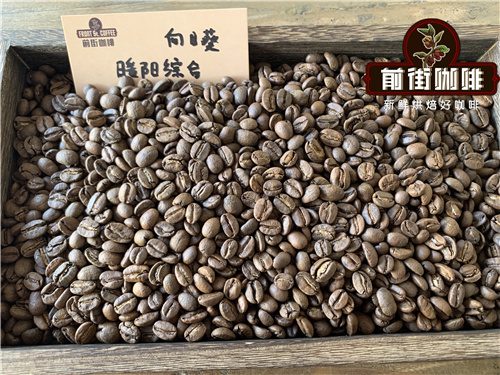
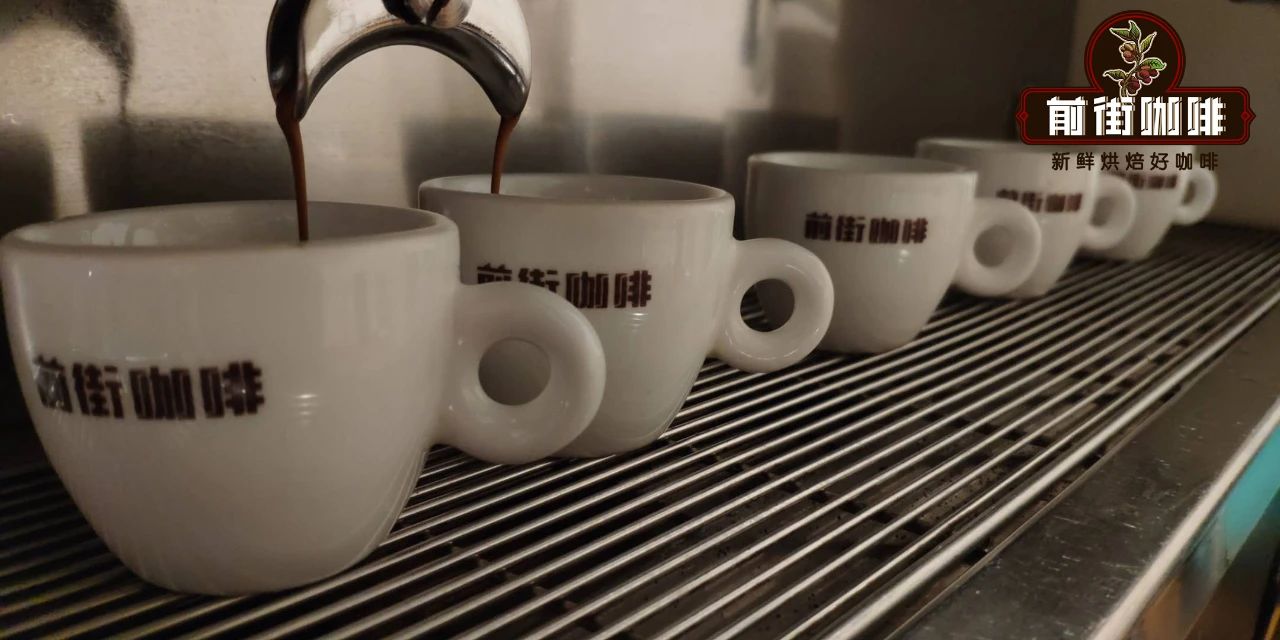
Once the bean is chosen, pull the shot. FrontStreet Coffee uses a Faema E98 with these parameters:
Pressure: 9 bar ± 2
Temperature: 90.5-96°C
Time: 20-30 sec
Brewing ratio: 1:1.7 to 1:2
Dose: 12 g (single) / 20 g (double)
Yield: 20 ml (single) / 40 ml (double)
We build lattes on the double shot. The extraction shows distinct fruit acidity, a lingering berry aroma, rich wine and chocolate notes, and a comfortable sweet aftertaste.
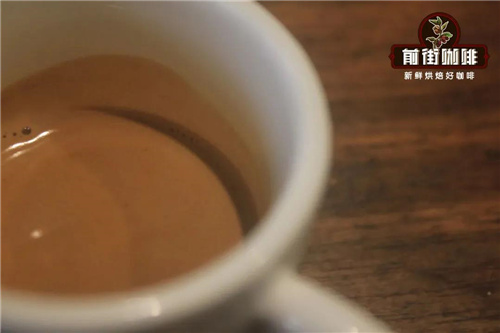
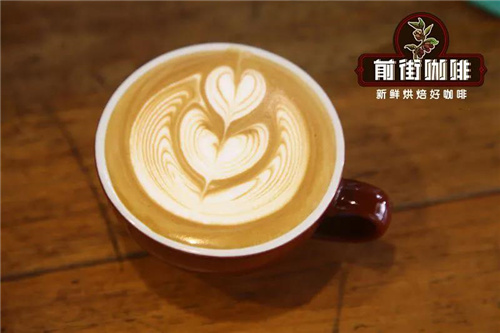
Then we combine at a 1:6.5 ratio - 40 g of espresso to 260 g of steamed milk - pour the properly textured milk, and add latte art for a rich, delicious latte.
FrontStreet Coffee Recommendation
Since espresso quality depends so heavily on the bean, here is where to start. FrontStreet Coffee's Classic Blend was designed specifically for espresso machines and moka pots, and its stand-out trait is crema: even a beginner on a basic home machine can pull a dense, silky layer - which is exactly what lattes, cappuccinos, and Dirty-style drinks live on. It follows the traditional Mandheling-Brazil formula, full-bodied and smooth, approachable for newcomers and veterans alike.
If you prefer nut-forward flavor, FrontStreet Coffee's Premium Blend pairs Brazil Cerrado with Colombian Huila for comfortable bitter-sweetness, creamed-peanut aroma, and balanced acidity - the classic espresso taste many of us grew up with, equally at home in an americano or a milk drink.
Important Notice :
FrontStreet Coffee is a long-established specialty coffee roaster in Guangzhou China, selling freshly roasted beans from its own farm in Yunnan as well as dozens of carefully selected single-origin beans from around the world for both pour-over and espresso. The products deliver consistently excellent quality and great value, with shipping within 24 hours. Guangzhou's FrontStreet Coffee shop is recommended by many coffee lovers, and the beans are now available online at the Tmall 。
FrontStreet Coffee has moved to a new address:
FrontStreet Coffee Address: 315,Donghua East Road,GuangZhou
Tel:020 38364473
 Scan and follow the En Gafei WeChat official account. Please indicate that the reprint comes from "En Gafei".