Kenya Coffee Bean Theme Classroom: The Story of Starbucks Kenya AA Coffee Elephant Packaging and Flavor Characteristics
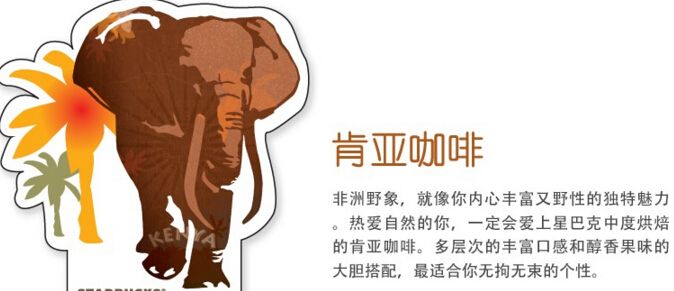
Kenyans hold a special place in the specialty coffee market—so much so that Starbucks packages its Kenya AA coffee with an elephant on the label, a nod to the iconic megafauna of the tropical African savanna. In this deep dive, FrontStreet Coffee walks through the history, terroir, varieties, grading, and flavor character behind Kenya's famous AA-grade beans.
Kenya Coffee History
Kenya sits in East Africa, right on Ethiopia's border. Yet despite the proximity, Kenya's coffee history is far shallower than Ethiopia's: coffee only arrived around the turn of the 20th century, after essentially circling the entire world and coming back to Africa. Kenya entered the industry at a moment of transformation and became both a witness to and a driver of that change.
Unlike Ethiopia, coffee was introduced by the colonial power, Britain, and the Kenyan coffee economy took shape entirely under colonial rule. That heritage produced a system built on refined, meticulous management. Kenya's breeding programs, grading standards, and processing methods leapfrogged those of most producing countries at the time; only decades later did others recognize the advantages of this approach and begin copying it, gradually eroding Kenya's unique position.

Kenya Coffee Growing Conditions
Kenya's climate and geography are close to ideal for high-quality Arabica. The country lies in eastern Africa with the equator running through its center and the East African Rift Valley cutting north to south. It borders Somalia to the east, Tanzania to the south, Uganda to the west, and Ethiopia and Sudan to the north, with a 536-kilometer Indian Ocean coastline to the southeast. Most of the territory is plateau at an average elevation of 1,500 meters. Mount Kenya—Kirinyaga—in the center of the country rises to 5,199 meters, snow-capped and the second-highest peak in Africa. Technically in the tropical monsoon zone, the high elevation gives Kenya a tropical savanna climate with sharply seasonal rainfall.
Kenya Coffee Regions
As FrontStreet Coffee has noted before, three factors determine a coffee's flavor: region, variety, and processing. Kenya is no exception—so what creates that famous cherry-tomato acidity? Let's look at all three.
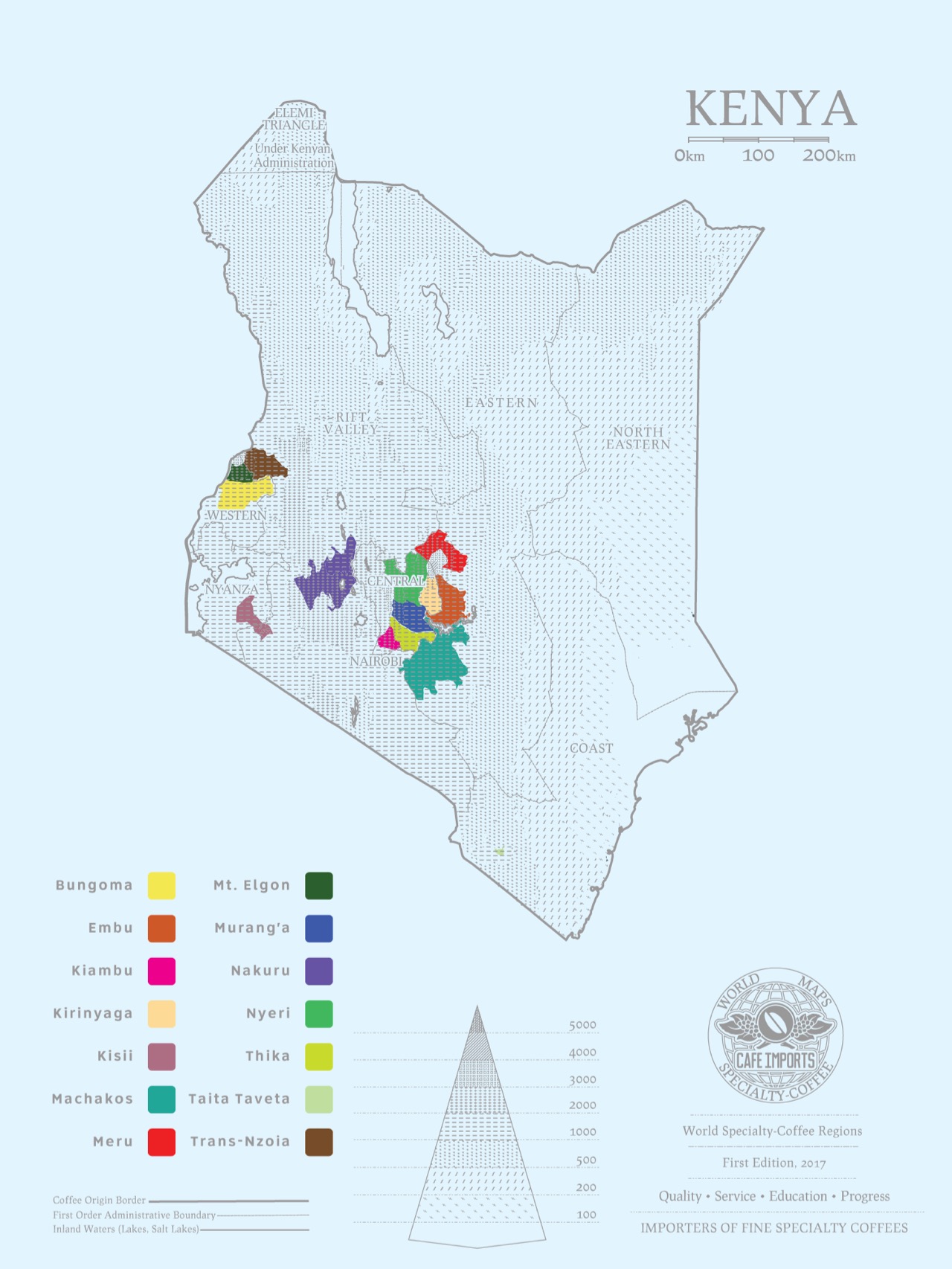
Kenya has six main coffee-producing regions: Thika, Kirinyaga, Mt. Kenya West, Nyeri, Kiambu, and Muranga. Across all six, the main harvest runs October–December, with a fly crop from June–August.
Thika
Thika is a small town near the capital, Nairobi, an industrial town ringed by farms and waterfalls. Around 2,000 farmers grow coffee here, a tradition dating to the late 19th century when varieties arrived from neighboring Ethiopia to the north. After local improvement work, the common varieties today include Bourbon, Kents (SL34, SL28), Typica, and Ruiru 11—about 90% of plantings are SL34 and SL28. Batian, the new variety released in 2007, has yet to be widely planted. The regional flavor profile: bright fruit acidity, thick berry-juice body, and honey-like sweetness.
Elevation: 1,550-1,750 meters
Varieties: SL-28, SL-34
Kirinyaga
Kirinyaga sits on the slopes of Mount Kenya near Nyeri and is world-famous for coffees with intense, complex flavors and a solid mouthfeel. Together with Nyeri, it is recognized as one of Kenya's two finest regions. Most producers here are smallholders organized into cooperatives, which coordinate the harvest and run the washing stations where farmers bring their cherries for processing. The cup shows bright fruit acidity, moderate body, and delicate sweetness.
Elevation: 1,300-1,900 meters
Varieties: SL-28, SL-34, Ruiru 11, Batian

Mt. Kenya West
Mt. Kenya West takes in Kisii and the Bungoma area of Mount Elgon. Kisii lies in southwestern Kenya, not far from Lake Victoria, and is a relatively small producing region where most beans come from smallholder cooperatives. The flavor departs noticeably from the central regions—roasted nuts and gentle fruit acidity, which suits buyers who don't chase piercing brightness.
Elevation: 1,450-1,800 meters
Varieties: SL-28, SL-34, K7
Nyeri
In central Kenya, Nyeri surrounds the extinct volcano Mount Kenya, whose red volcanic soil grows some of the finest coffee in the country. Agriculture dominates the local economy, with coffee the leading crop. Smallholder cooperatives are far more common here than large estates. The region has two harvests, but main-season coffee is usually the higher quality. The flavor profile—vivid berry-juice acidity with citrus and subtle florals—is what made Kenyan coffee famous worldwide.
Elevation: 1,200-2,300 meters
Varieties: SL-28, SL-34, Ruiru 11, Batian
Kiambu
This central region holds some of Kenya's highest coffee plantings, though at those elevations some trees suffer from dieback disease, which stunts growth. (The region takes its name from Nakuru town.) Coffee here comes from both estates and smallholders, but volumes are relatively small.
Elevation: 1,850-2,200 meters
Varieties: SL-28, SL-34, Ruiru 11, Batian

Muranga
Muranga belongs to the Central Province and counts roughly 100,000 coffee farmers. Missionaries chose this inland area as one of their earliest settlement zones because Portugal barred them from living on the coast. Volcanic soil benefits the region once again, and smallholders outnumber estates. The coffee shows bright acidity and a thick, juice-like mouthfeel.
Elevation: 1,350-1,950 meters
Varieties: SL-28, SL-34, Ruiru 11, Batian
Kenya Coffee Varieties
Kenya's core varieties—SL-28, SL-34, Ruiru 11, and Batian—were all developed by the Kenyan coffee research establishment, which is itself part of what makes Kenyan coffee distinctive. Here's what sets each apart.
SL28
According to the historical record, a senior coffee officer at Scott Laboratories (A.D. Trench) noticed a variety growing in the Modi region of Tanzania that appeared tolerant of drought, disease, and pests. Seeds were collected and brought back to Scott Laboratories, where the drought resistance was confirmed.
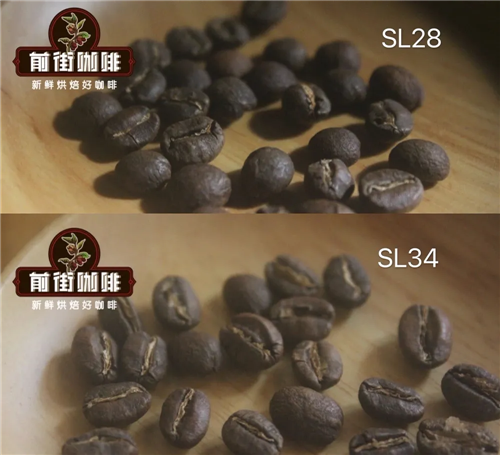
Modern genetic testing has confirmed that SL28 belongs to the Bourbon genetic group, so the beans look the part—round and full. FrontStreet Coffee's experience with SL28 is of complex, varied acidity with excellent sweetness.
SL34
SL34 was first selected from the Loresho Estate as a "French Missionary" (Bourbon) variety. Genetic testing, however, has since shown Typica-group characteristics and Typica-like plant morphology, so it's now believed SL34 came out of Typica stock. Consistent with that Typica lineage, the beans are longer and more oval, flatter in side profile.
Ruiru 11
Ruiru came after SL28 and SL34. In the 1970s, the Ruiru research station began crossbreeding for CBD (coffee berry disease) and rust resistance, and the result—Ruiru 11—was released in the 1980s. High yields plus disease resistance looked like the answer to all of Kenya's production problems.
Batian
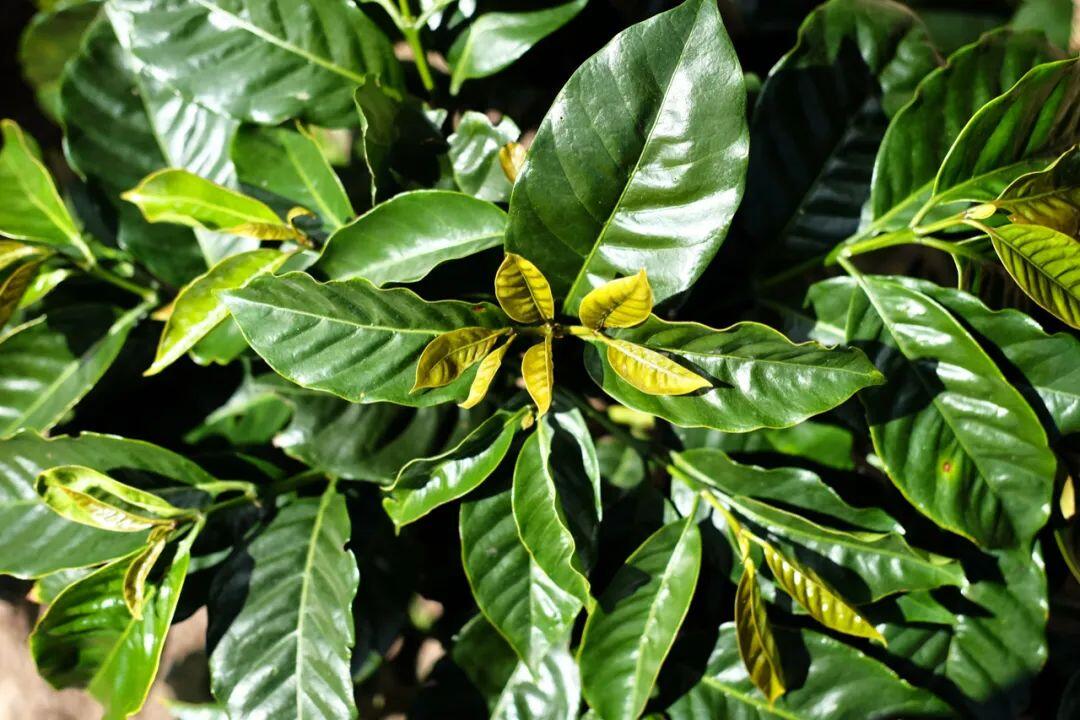
Batian was launched by the Coffee Research Institute (CRI) on September 8, 2010, and is Kenya's newest variety—an improved experiment building on lessons learned from Ruiru 11. Genetically it descends essentially from backcrosses of SL28 and SL34, making it closer to SL28 than Ruiru 11 is, and it eliminated the problematic Robusta elements, improving cup quality.
Kenya Coffee Bean Grading System
Beyond varieties, the other thing that sets Kenyan coffee apart is its grading system. At FrontStreet Coffee you'll find Kenya lots sold as AA, AB, PB, and so on. But does AA necessarily taste better than AB?

Kenyan grading is primarily a size classification. The difference between AA and AB is simply screen size. In FrontStreet Coffee's cupping experience, both AA and AB lots can be delicious—the flavor differences between lots owe far more to region, altitude, and growing conditions than to the letter on the bag. What AA and AB do guarantee is that you're getting Kenya's most quality-assured coffees.
Since grading is all about bean size, it's worth noting that Kenya's most famous processing method is the K72 washed process, so Kenya's top-quality beans are almost always washed. Washed coffee is sorted into roughly eight grades:
E: Elephant Bean, also called Elephant ear—flat beans larger than screen 19
AA
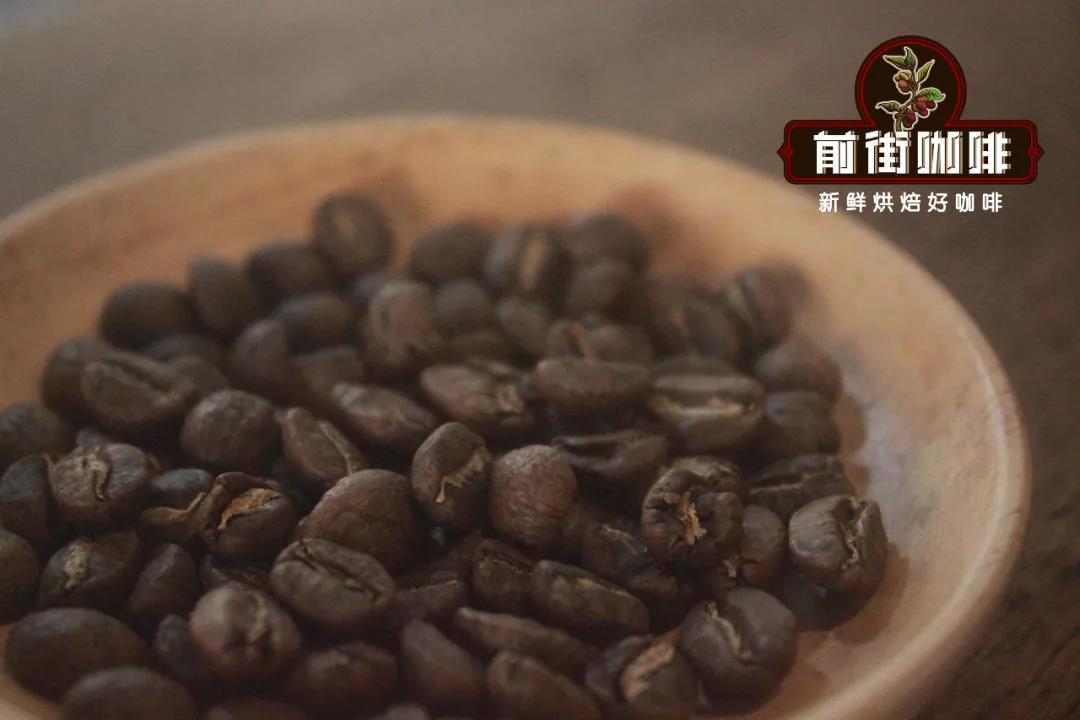
AA: screen size 17 to 18
AB: screen size 15 to 16, making up the majority of production
TT: lighter-weight beans separated from AA and AB lots by air classifiers
C: smaller than AB, under screen 14—too small for specialty grade
T: light beans separated from C grade by air classifiers—both size and density below specialty grade
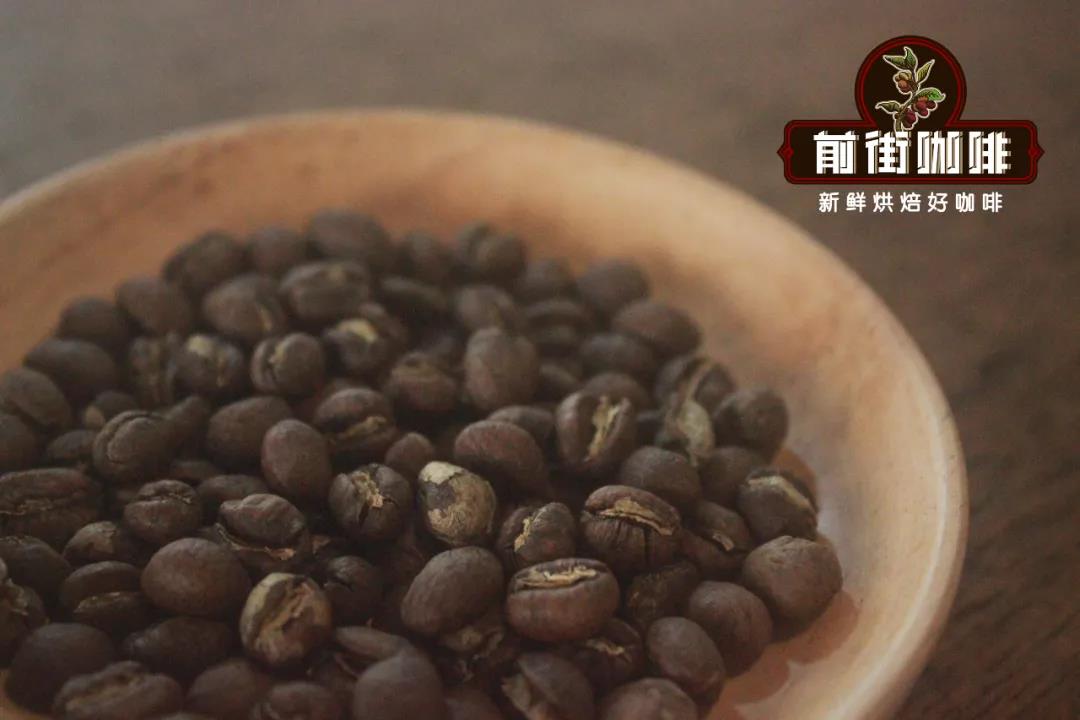
PB
PB: Peaberry—the round beans—classified by shape rather than size, with no bearing on flavor or weight; roughly 10% of total production
UG: Ungraded beans that fail to meet the standards above
There are also lower-quality natural (unwashed) grades that skip Kenya-style washed processing due to poor quality and generally stay in the domestic Kenyan market. These are graded M'buni:
MH: M'buni Heavy = large beans
ML: M'buni Light = small beans
FrontStreet Coffee also likes to point out that this green bean grading system, still in use today, was established by government authorities in 1938—more than 40 years before the term "specialty coffee" was even coined. Kenya does now apply newer quality frameworks, but size-based grading remains the norm.

Kenya's Current Coffee Grading Standards
The Kenya Coffee Research Institute and the local trade typically assess quality using a bean quality grading procedure that grades across three dimensions: green bean quality, roasted bean quality, and cupping quality.
Green bean quality: appearance/size, color, and defects
Roasted bean quality: center crack condition, roast condition, and defective beans
Cupping quality: scored on acidity, body/texture, flavor, and negative defects
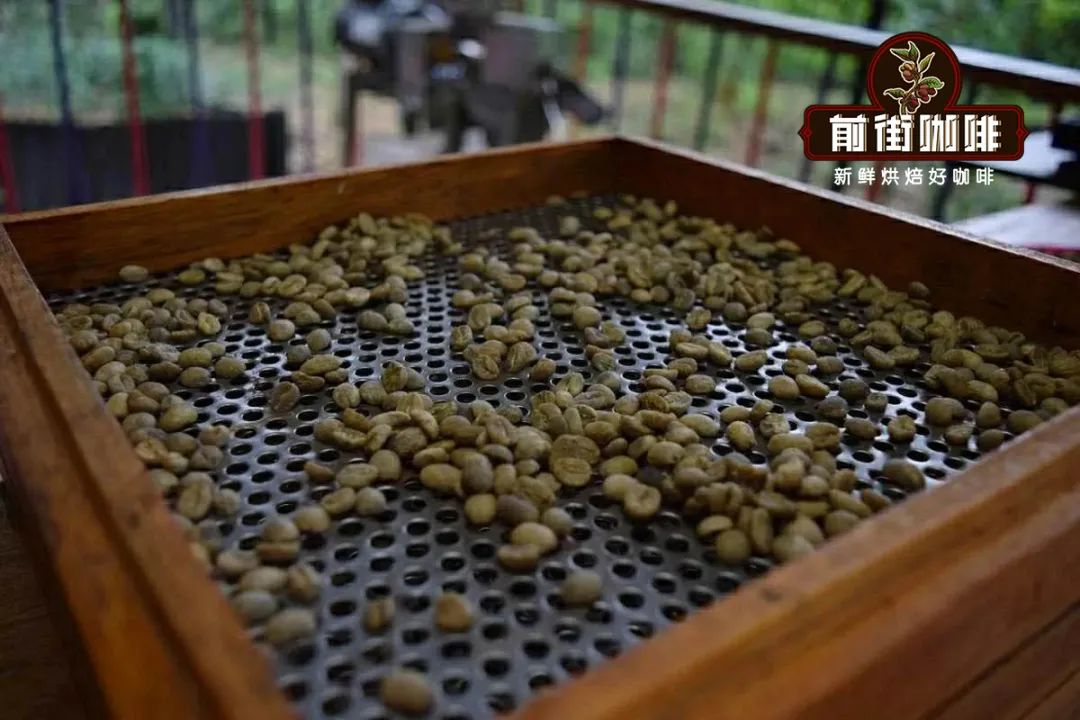
Combining the three, beans are classified into grades 1 to 10, with 1 the best and 10 the worst.
Kenya Coffee Processing Method: K72 Washed
Most Kenyan washed coffees go through Kenya's signature K72 washed process: fully ripe cherries are cleaned and pulped, then dry-fermented for 24 hours, washed, dry-fermented for another 24 hours, washed again, and dry-fermented a third time for 24 hours—72 hours of fermentation in total, hence "K72." After the final wash, the beans soak overnight in clean water tanks, and drying on the raised beds begins the next morning.

That's the Kenya knowledge base. To close, FrontStreet Coffee introduces one of its TOP-grade AA lots—Kenya Small Tomato—along with roast and brew parameters.
FrontStreet Kenya Small Tomato Coffee Beans

Country: Kenya
Region: Asali (Honey Processing Station)
Elevation: 1,550-1,750m
Grade: AA TOP
Varieties: SL28, SL34
Processing: 72-hour washed processing
Flavor: Snow pear, black plum, brown sugar, cherry tomato, plum
FrontStreet Coffee Roasting Parameters
Kenya Asalia Coffee Beans
This bean is full and round, and FrontStreet Coffee roasts it light to let the bright, rich acidity speak fully.

On a Yangjia 800N semi-direct-flame roaster with a 480g charge: heat to 160°C with the damper at 3, heat set at 120. Turning point: 1'28". At 130°C, open the damper to 4. At 6 minutes the temperature reads 154.6°C—the bean surface yellows, the grassy smell disappears completely, and dehydration is done.
When ugly wrinkles and dark spots appear on the bean surface and the toast aroma clearly shifts to coffee aroma, first crack is approaching. Listen for the crack: it starts at 9 minutes 28 seconds, damper unchanged. With a first-crack development time of 2 minutes 20 seconds, drop at 193.8°C.
FrontStreet Coffee Brewing Suggestions
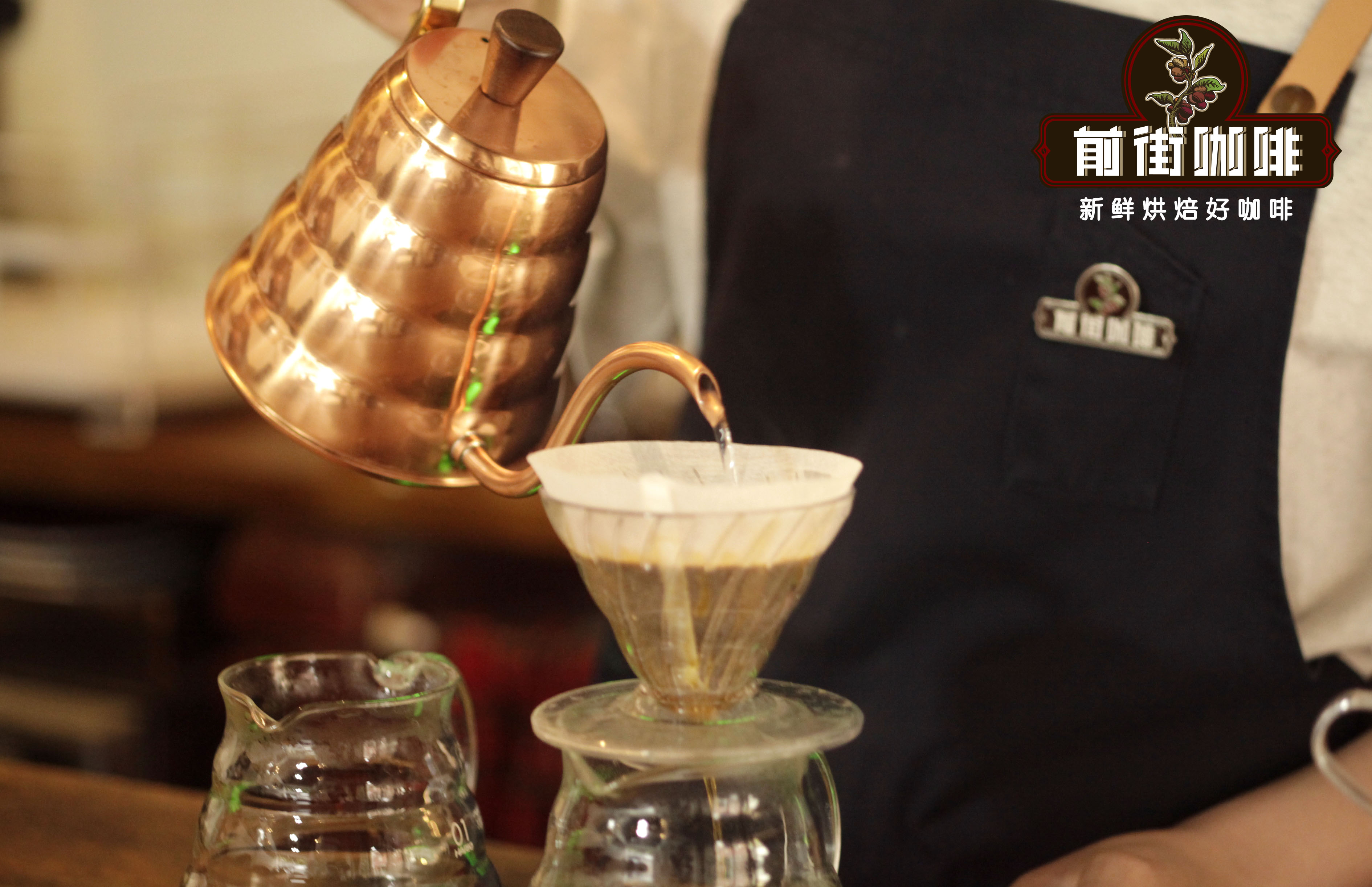
Dripper: V60 or cake-style flat dripper
Water temperature: 90-91°C
Coffee-to-water ratio: 1:15
Grind size: Fine (80% pass-through on a #20 standard sieve)
Brewing Method
Segmented pouring.
Bloom with 30g of water for 30 seconds, then pour in small circles to 124g. Once the water level drops and the coffee bed is about to be exposed, continue pouring to 228g and stop. When the bed is again about to break the surface, remove the dripper. (Timer starts at the bloom.) Total extraction time: 1'55".

FrontStreet Kenya Small Tomato Flavor
The wet aroma offers mature tomato and floral notes. On the palate, cherry tomato and black plum arrive first, with bright acidity and a clean, rich mouthfeel. The mid-palate turns sweet and juice-like, and the finish carries berry fragrance, brown sugar sweetness, and a whisper of green tea.
FrontStreet Coffee Recommendation
If Kenyan fruit-forward brightness is what you love, Ethiopia—coffee's birthplace—is the natural next stop, with its countless heirloom varieties and dazzling processing range. FrontStreet Coffee's washed Yirgacheffe is the classic gateway: grown in the misty, spring-like highlands of a small town in southern Ethiopia, it shows white jasmine florals and bright citrus acidity over a light, tea-like body that drinks like a clean lemon tea.
For something with more of Kenya's juicy punch, try the FrontStreet Guodingding cooperative lot from the Worka area at the southeastern edge of Yirgacheffe—independent since 2012 with about 300 member farmers, and washed in the most traditional style, so the intrinsic character comes through crystal clear: citrus, lemon, and an elegant white florality, bright and delicate. On the natural side, the FrontStreet Blossom (Huakui) from Hambella in Guji dries whole cherries on raised beds for 21 days and rewards you with faint fermented wine notes, florals, citrus, and mango—honeyed, cocoa-tinged, with a thick body and long finish. And the Red Cherry Project natural lot—only fully ripe cherries, sorted by density and by hand—shows peach, cocoa, honey, and lemon in a spotless cup.
Brew them on the same parameters you'd use for Kenya Small Tomato: a V60 at 90–91°C, 1:15 ratio, fine grind passing 80% on a #20 sieve, with a 30-second bloom and segmented pours. You'll taste exactly how variety and processing, not just origin, shape that beloved fruit acidity.
Important Notice :
FrontStreet Coffee is a long-established specialty coffee roaster in Guangzhou China, selling freshly roasted beans from its own farm in Yunnan as well as dozens of carefully selected single-origin beans from around the world for both pour-over and espresso. The products deliver consistently excellent quality and great value, with shipping within 24 hours. Guangzhou's FrontStreet Coffee shop is recommended by many coffee lovers, and the beans are now available online at the Tmall 。
FrontStreet Coffee has moved to a new address:
FrontStreet Coffee Address: 315,Donghua East Road,GuangZhou
Tel:020 38364473
 Scan and follow the En Gafei WeChat official account. Please indicate that the reprint comes from "En Gafei".