Is It Necessary to Distribute Espresso Grounds? Do You Need to Use a Coffee Distributor?
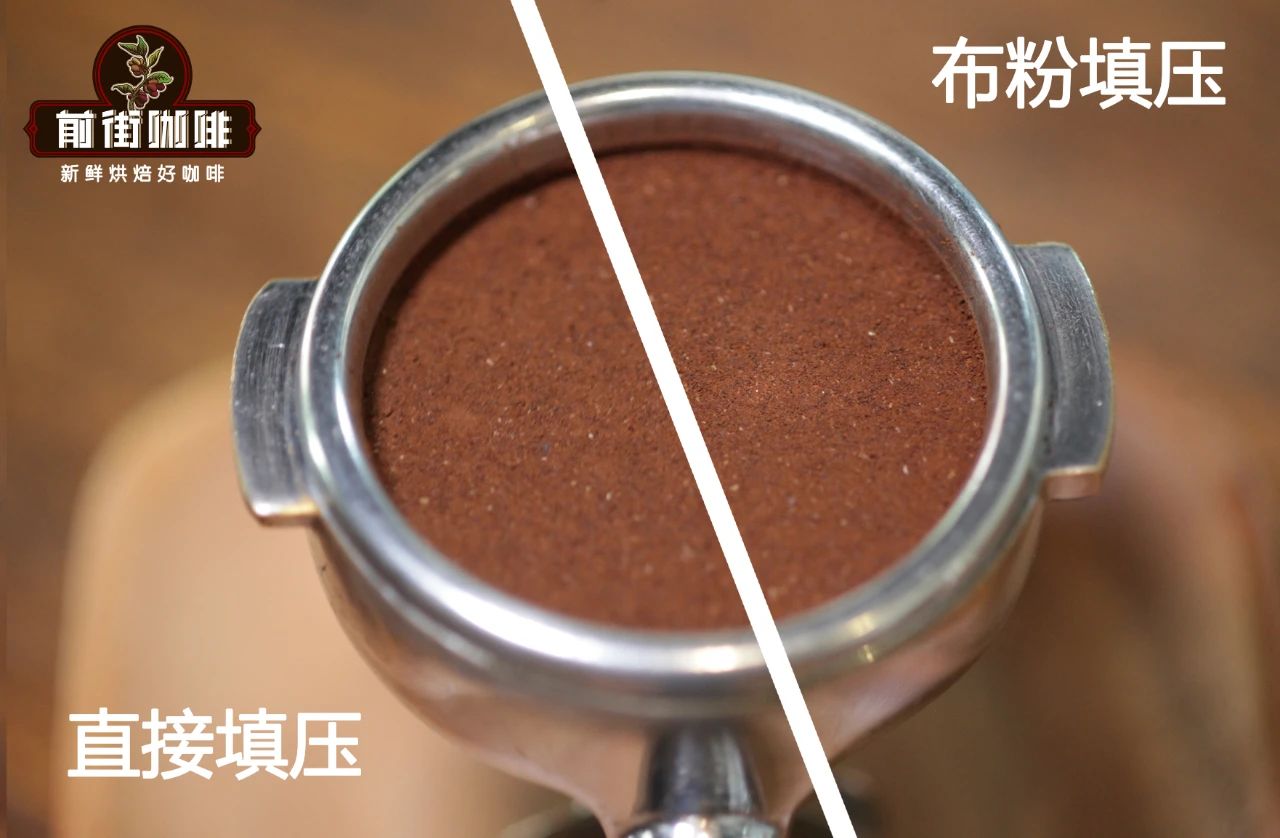
Making espresso involves dosing, distributing, tamping, and extracting. Dosing represents data accuracy, while tamping (compressing the puck with a tamper) plays a decisive role in making or breaking the shot. Honestly, if you skip distribution after grinding and dosing and go straight to tamping, it is nearly impossible to tell whether distribution was ever performed.
Extraction Reveals the Truth
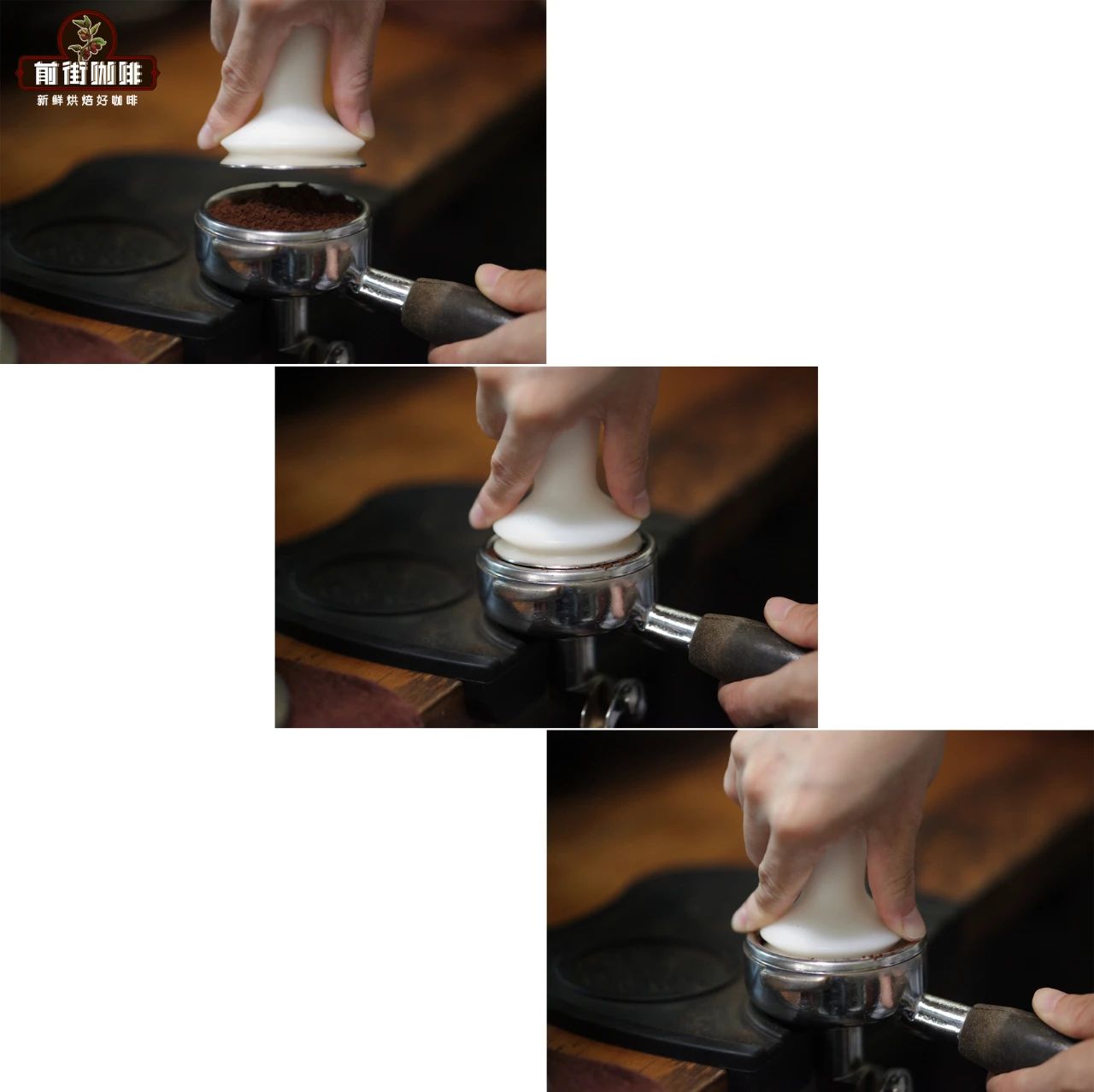
Perhaps this can deceive our eyes, but it can't fool an espresso machine. Let's run a small test: pull 10 espressos in a row, dosing each time and tamping directly without distributing, checking only that the puck is level before locking in the portafilter.
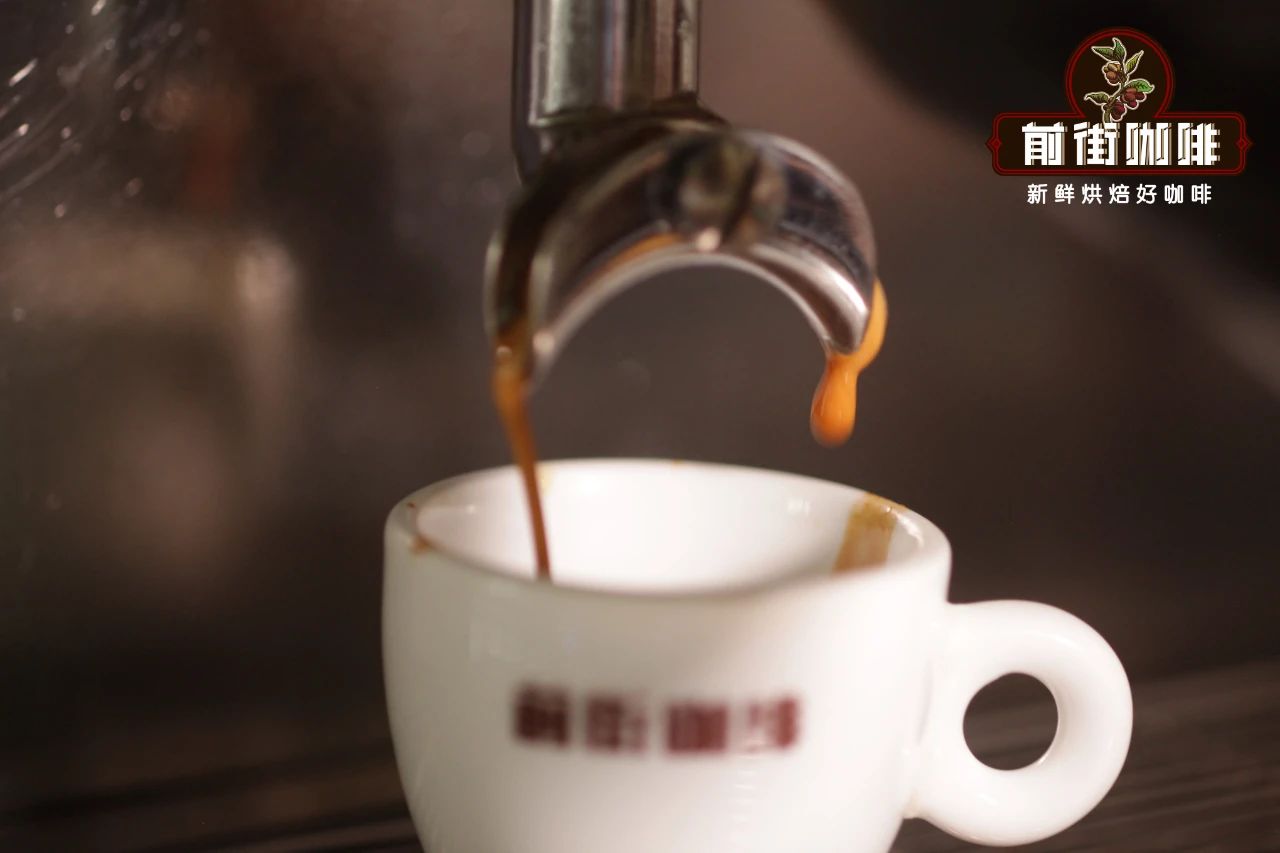
The results: 6 cups sprayed, 7 cups had excessively fast flow rates (including those that sprayed), 2 cups extracted normally, and 1 cup didn't start producing liquid until after 10 seconds.
Although this sample is too small and prone to deviation, we can already see that skipping distribution easily leads to "channeling." Of course there is still a chance of success, but the probability is low.
Distribution Is Still Necessary
From the small test above, distribution is clearly still very necessary, because a single step can significantly reduce both theoretical and time costs. Its primary function is to ensure the grounds are evenly distributed in the portafilter basket, cutting the risk of channeling.
Of course, sometimes environmental changes — high humidity on rainy days or frequent static electricity in winter — cause the grounds to clump. Distribution also takes on the job of breaking up those clumps to achieve an even bed in the portafilter.
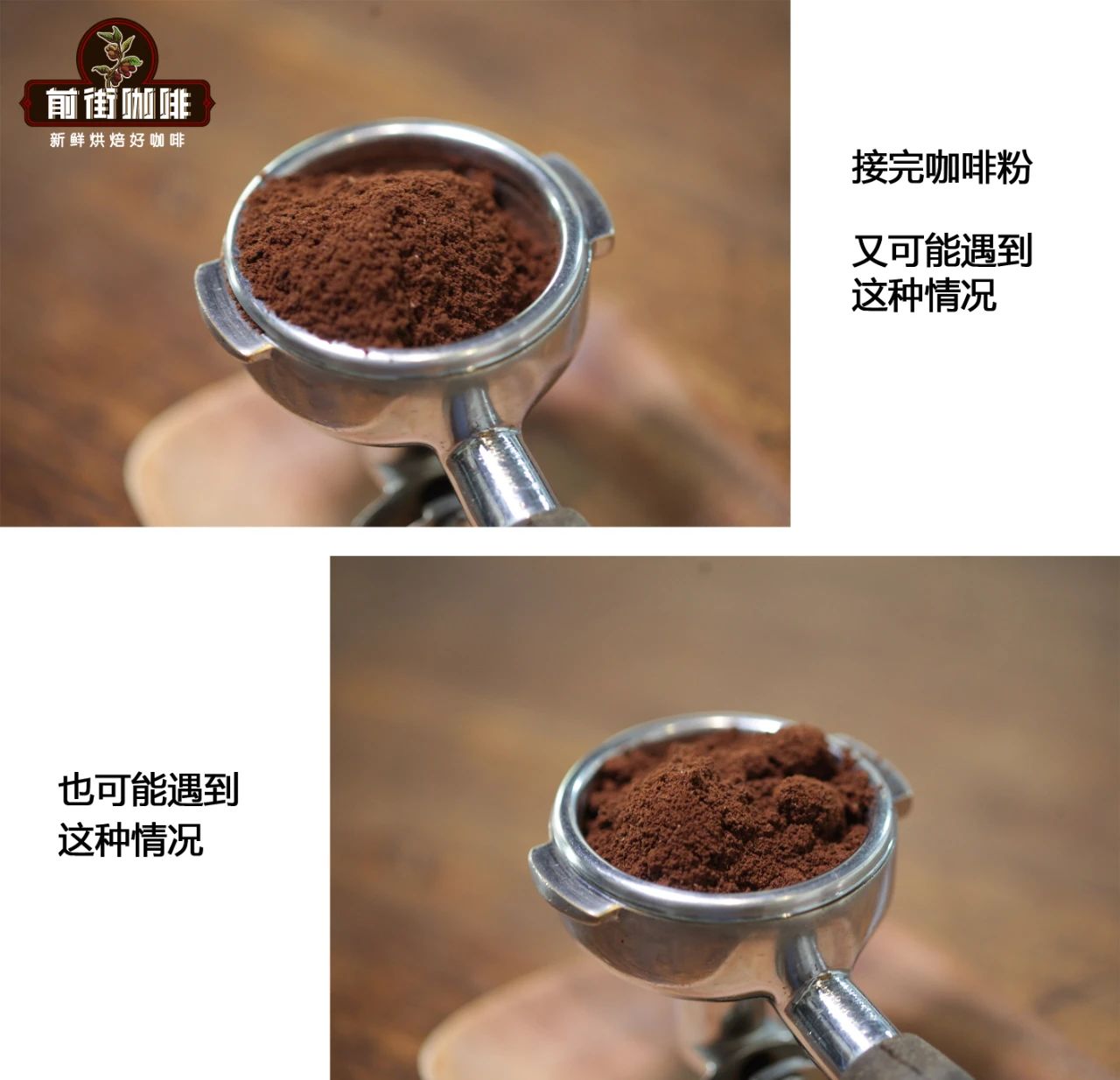
Are Distribution Tools Effective?
Distribution tools really only became popular in recent years. Before that, hand distribution was always the mainstream method for making espresso and one of the essential skills for baristas. Even with today's advanced tools, they can't completely replace our hands, but in some respects they are genuinely more convenient than hand distribution. Let's weigh the pros and cons.
The tools themselves have substantial weight. Common types include the flat surface, single-blade paddle, three-blade paddle, and four-blade paddle. Their shapes differ, but the working principle is similar: they use their own weight to compress the grounds in the basket, then rotate the blades to level them. Compared with hand distribution by an experienced barista, the quality is certainly inferior — but for beginners it is practically a godsend.
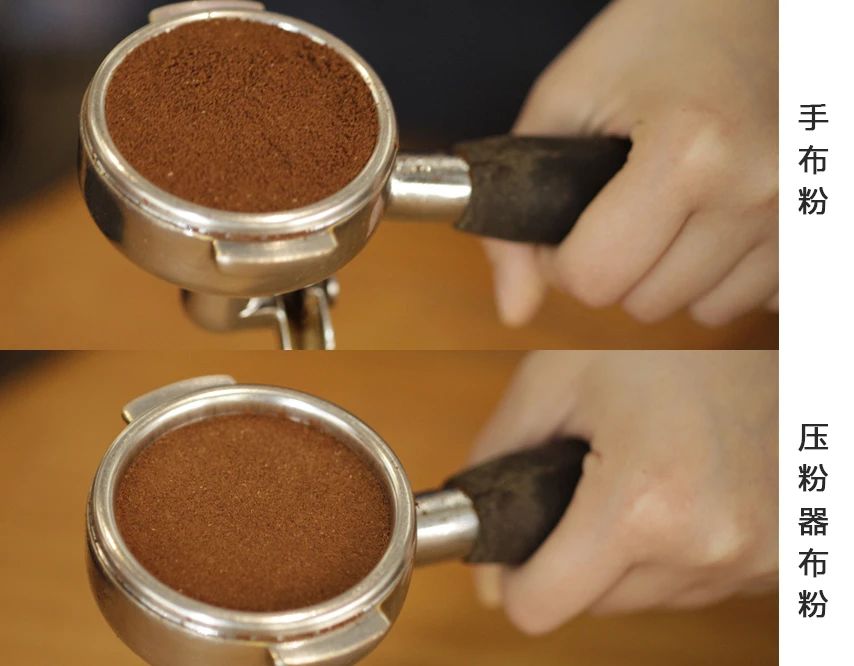
Although a tool's distribution may fall short of hand distribution, once the puck goes into the espresso machine and is extracted, it doesn't produce significant differences in flavor and mouthfeel.
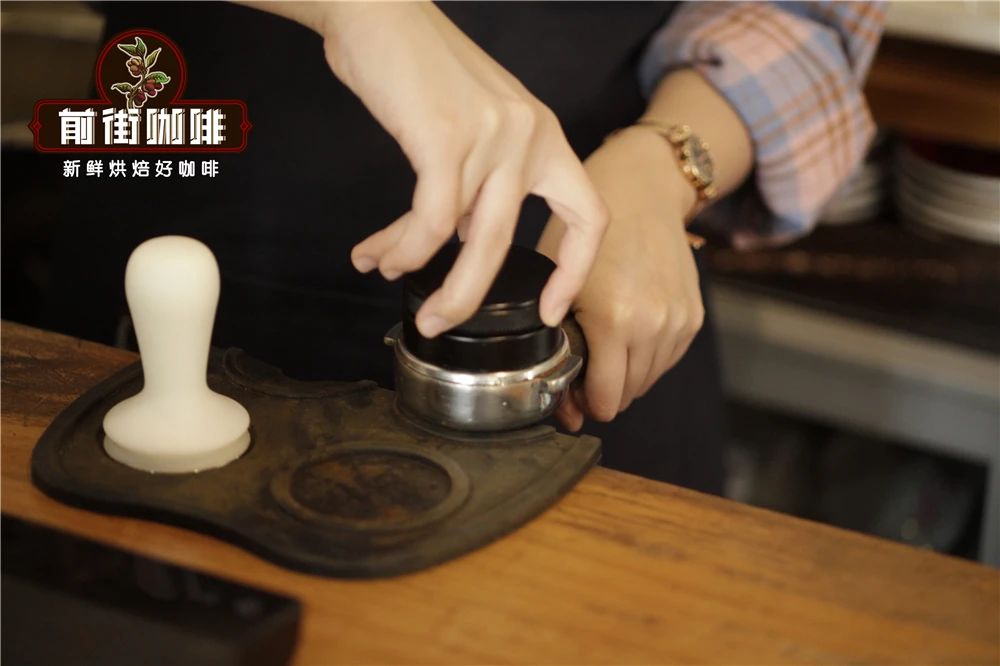
So the stability of distribution tools doesn't vary from person to person; compared with the skill of hand distribution, they are more consistent. Many coffee shops choose distribution tools today largely to eliminate differences in baristas' skill. The second reason is the low learning cost — in the past, baristas invested significant time mastering distribution and tamping, and the arrival of distribution tools has in a sense allowed "overtaking on a curve." Still, FrontStreet Coffee must repeat that old saying: "Distribution tools can be used, but hand distribution must also be mastered."
FrontStreet Coffee Recommendation
Good espresso starts with the right bean, and for anyone who wants thick, creamy crema that even a home machine can produce, FrontStreet Classic Blend is the first choice. Built specifically for espresso and moka pots, it follows the traditional Mamba-style recipe and has a mellow, rounded body that experienced drinkers and beginners alike enjoy — the kind of crema you need for a proper latte, cappuccino, or Dirty.
If you run a café or simply want to control costs, FrontStreet Black Cocoa Blend is the value pick: 100% Arabica with plenty of crema and a full body at a friendly price. The older FrontStreet Commercial Blend has long been the workhorse for shops that want a lower price than the specialty blend without giving up flavor, while FrontStreet Premium Blend has been the house espresso for nearly ten years, combining Brazil Cerrado and Colombia Huila for the familiar, classic espresso taste of Americanos and lattes.
For single-origin espresso (SOE), FrontStreet Sun-dried Huakui shines with its cream-strawberry flavor. Grown in Guji Hambela at altitudes up to 2,300 meters and sun-dried for sweetness, it is roasted medium so the espresso keeps elegant florals while turning caramelized — an Americano or latte shows cream, cocoa, berry, faint florals and black tea. FrontStreet Costa Rica Blackberry SOE, a honey-process single origin, is medium roasted for a sweet, clean Americano and a latte with cranberry cookie, raisin and nut notes, while FrontStreet Brazil Queen Estate SOE — the rare yellow Bourbon, medium-dark roasted — gives butter cookie, macadamia and toast with a creamy sweetness.
Important Notice :
FrontStreet Coffee is a long-established specialty coffee roaster in Guangzhou China, selling freshly roasted beans from its own farm in Yunnan as well as dozens of carefully selected single-origin beans from around the world for both pour-over and espresso. The products deliver consistently excellent quality and great value, with shipping within 24 hours. Guangzhou's FrontStreet Coffee shop is recommended by many coffee lovers, and the beans are now available online at the Tmall 。
FrontStreet Coffee has moved to a new address:
FrontStreet Coffee Address: 315,Donghua East Road,GuangZhou
Tel:020 38364473
 Scan and follow the En Gafei WeChat official account. Please indicate that the reprint comes from "En Gafei".