What's the Best Water Temperature for Drip Brew Coffee? A Guide to Pour-Over Coffee Temperature Parameters
Plenty of coffee lovers brew pour-over without ever touching a thermometer, eyeballing the water temperature instead. When the cup tastes different every morning, they start to blame the beans - stale, perhaps, or simply not very good. So how much does water temperature really shape the way coffee tastes? FrontStreet Coffee set out to test the impact of temperature on extraction in pour-over brewing.
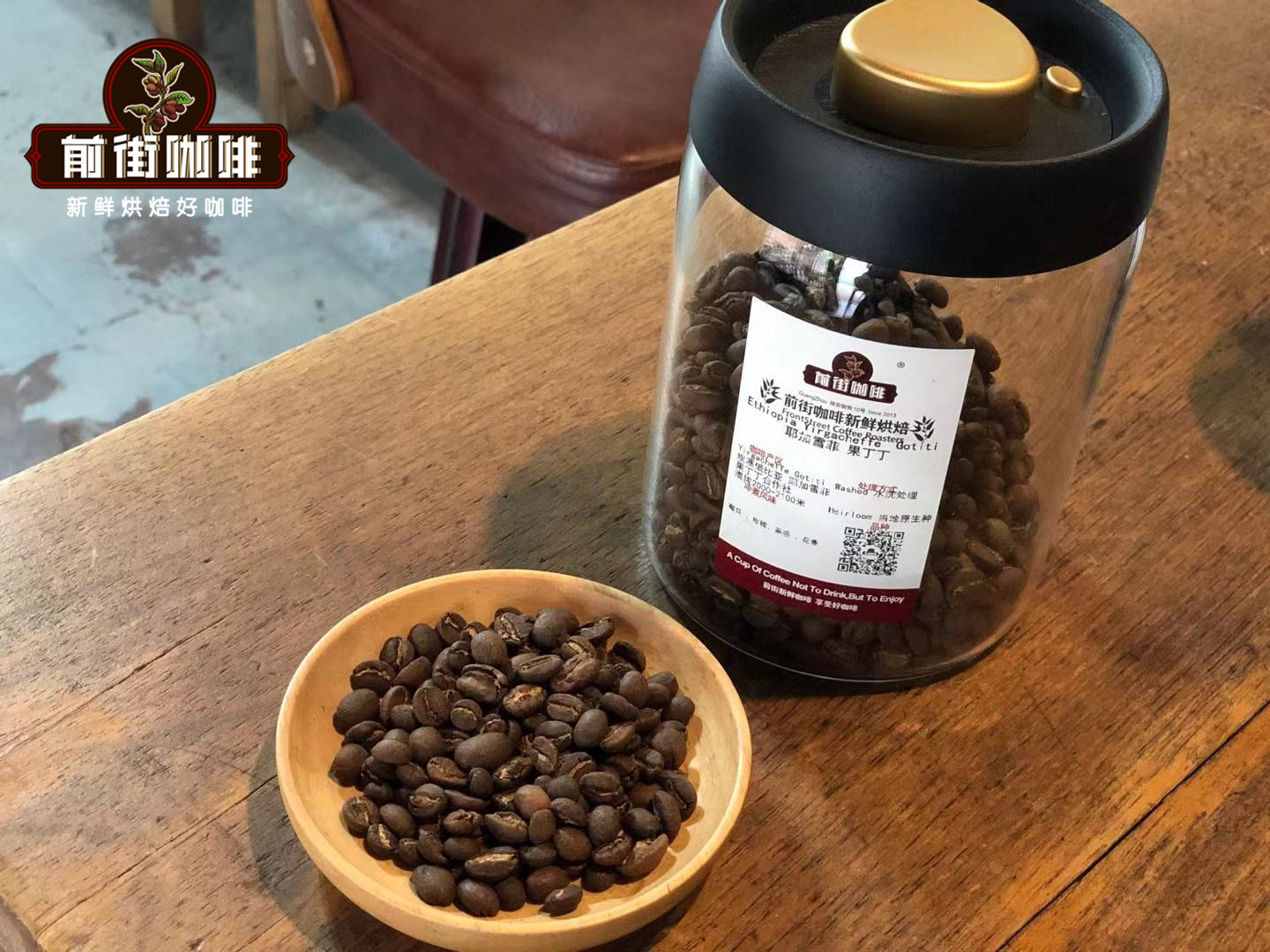
For the experiment, FrontStreet Coffee used a washed Ethiopian Yirgacheffe from the Gedeb Cooperative. Pour-over is usually brewed somewhere between 86 and 93°C, so the test was split into five groups: 80°C, 86°C, 90°C, 93°C, and 96°C.
FrontStreet Coffee's Brewing Parameters
The brewing parameters were as follows:
Filter: Hario V60
Grind size: Medium-fine (75% pass-through on a 0.85mm mesh screen)
Dose: 15g
Water-to-coffee ratio: 1:15
Brewing water temperature: 80°C, 86°C, 90°C, 93°C, 96°C
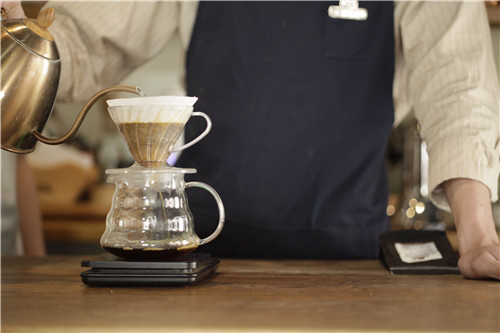
FrontStreet Coffee's Segmented Extraction Method
FrontStreet Coffee used a staged pour. The first stage was a 30g bloom lasting 30 seconds, during which the coffee bed puffs up into a "hamburger" shape. For the second stage, 125g of water was poured in small circles from the center, from a height of 4cm, with a gentle flow rate of 4g per second to keep the bed from being disturbed. Once the water level dropped to half the height of the coffee bed, the third pour began - again a gentle spiral from the center outward - until the total reached 225g. Extraction ended when all the liquid had dripped through, at 2'01". Afterward, the server was swirled gently to mix the coffee before tasting.
Tasting Results at Five Different Water Temperatures
The five brews tasted as follows:
80°C: Slightly sour and astringent, with lemon peel and a distinct tea-like character; tea sweetness dominated.
86°C: Kumquat acidity, with a slightly sharp sour note.
90°C: Bright citrus acidity, with prominent fruity sweetness.
93°C: Bright citrus acidity, with black tea notes in the finish.
96°C: Fruity tea, with tea-like astringency and a concentrated flavor.
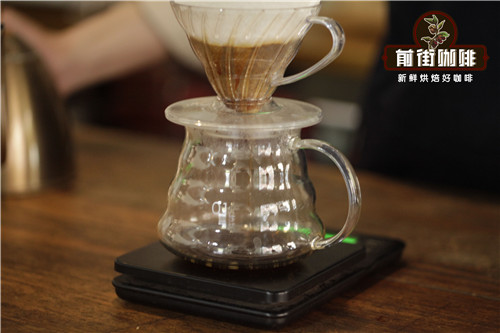
How Does Water Temperature Affect Coffee Extraction?
FrontStreet Coffee's brewing data shows a simple pattern: the hotter the water, the more coffee compounds are extracted and the higher the concentration; the cooler the water, the fewer compounds are extracted and the lower the concentration. As for flavor, when everything else stays the same (for a light roast), lower temperatures push the cup toward acidity, while higher temperatures push it toward bitterness and sweetness. Yet higher concentration is not automatically better, and neither is extracting more compounds. The right water temperature is what lets you avoid the bitterness and astringency of over-extraction while steering clear of the weak, flat flavors of under-extraction.
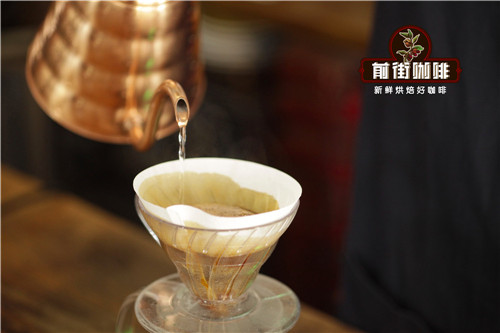
Why Do Different Water Temperatures Produce Different Flavors?
During pour-over brewing, water and coffee go through a complex set of chemical reactions, and different reactions happen at different stages. Water temperature directly affects how quickly the various components in coffee dissolve, drawing out quinic acid, amino acids, tannic acid, caffeine, oils, and other substances.
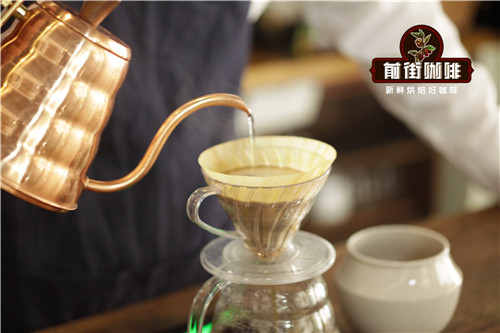
A coffee bean is roughly two-thirds lignocellulose and one-third soluble aromatic molecules. When water meets the grounds, these molecules dissolve in order of size. The smallest compounds go first - acids and aromatics - followed by medium-sized sweet compounds, and finally the large molecules responsible for bitter and roasted flavors. This sequence is what gives coffee its layered profile.
Temperature is the key that accelerates how fast those aromatic molecules are released. Too hot, and they are released too quickly: within the same extraction window they are all gone before brewing finishes, leaving the remaining time to pull out lignocellulose flavors that read as woody and astringent. Too cool, and they are released too slowly: within the same window they never fully dissolve, so the cup shows only sour and sweet notes, thin and lacking depth.

What Water Temperature Should You Use Day to Day?
FrontStreet Coffee generally recommends 86 to 93°C for pour-over. For lighter-roasted beans (such as the washed Yirgacheffe used in this test), aim for 90 to 93°C. For darker roasts (such as FrontStreet Coffee's PWN Golden Mandheling), go lower - around 86 to 88°C.
FrontStreet Coffee Recommendation
If this experiment has you curious about how temperature changes a Yirgacheffe, start with FrontStreet Coffee's washed Yirgacheffe daily bean. It is the classic introduction to the region - white jasmine, bright citrus and lemon acidity, and a clean tea-like finish - and its friendly price makes everyday experimentation easy. FrontStreet brews it at 90-91°C with 15g of coffee, a 1:15 ratio, and a medium-fine grind (about 80% passing a No. 20 sieve).
For a fruitier expression of the same origin, try FrontStreet Coffee's Gedeb Cooperative lot, a washed Yirgacheffe from the Worka area southeast of town that keeps the citrus, lemon and jasmine character while adding a silkier body. Or move to the sun-dried Red Cherry, where whole ripe cherries are dried on raised beds for a richer, sweeter cup with berry, honey and creamy notes.
Important Notice :
FrontStreet Coffee is a long-established specialty coffee roaster in Guangzhou China, selling freshly roasted beans from its own farm in Yunnan as well as dozens of carefully selected single-origin beans from around the world for both pour-over and espresso. The products deliver consistently excellent quality and great value, with shipping within 24 hours. Guangzhou's FrontStreet Coffee shop is recommended by many coffee lovers, and the beans are now available online at the Tmall 。
FrontStreet Coffee has moved to a new address:
FrontStreet Coffee Address: 315,Donghua East Road,GuangZhou
Tel:020 38364473
 Scan and follow the En Gafei WeChat official account. Please indicate that the reprint comes from "En Gafei".