Starbucks Caramel Macchiato Recipe and Serving Method - Differences Between Caramel Macchiato and Latte
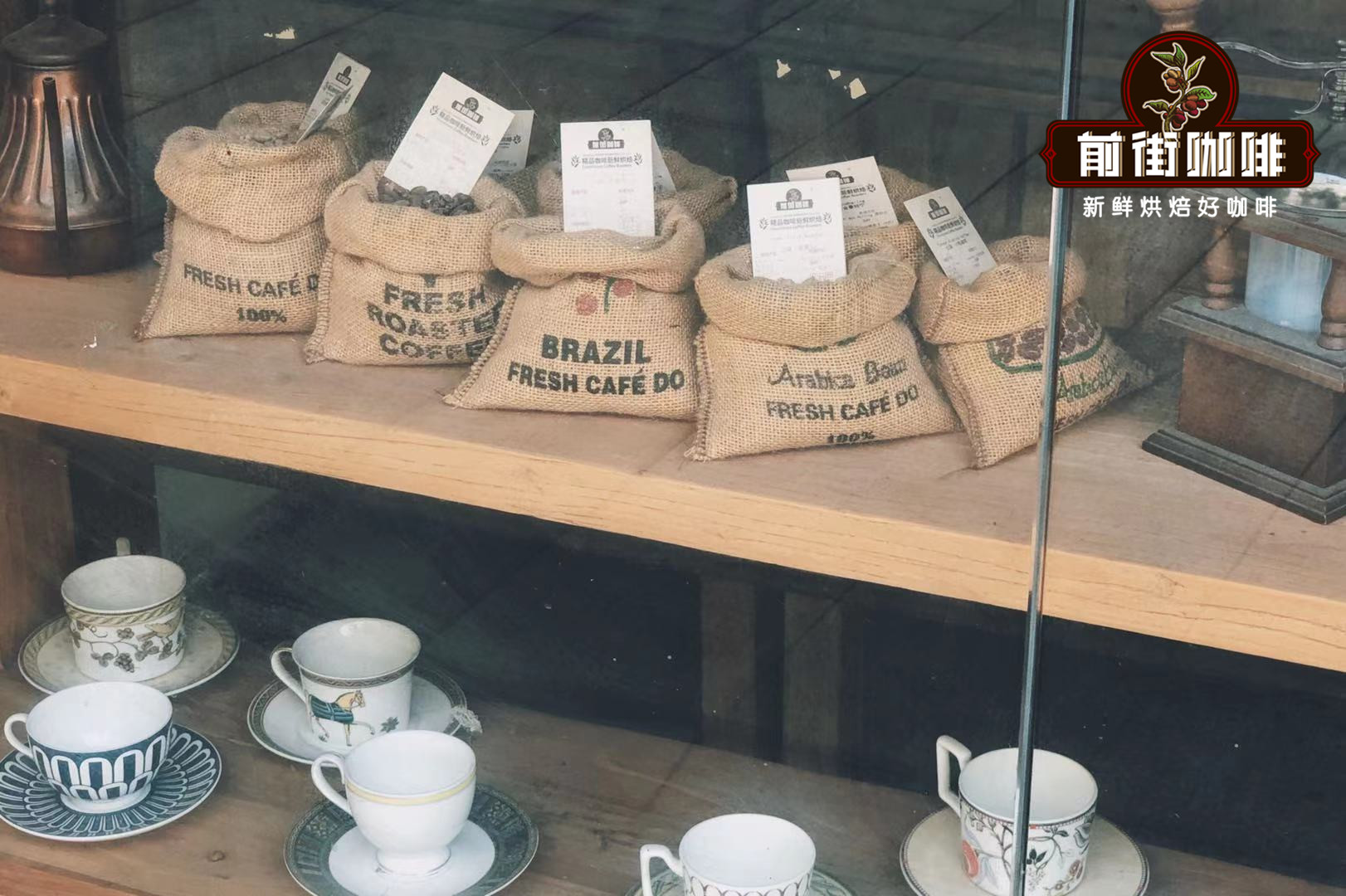
Starting your morning with freshly extracted espresso, hot milk, and caramel sauce makes for a wonderfully aromatic caramel macchiato — just like the wildly popular one at Starbucks. In this article, FrontStreet Coffee shows you how to make one.
The Origin of Macchiato
First, a little history. "Macchiato" is Italian for "marked." The drink emerged in 1980s Italy, when some customers had a habit of adding a small amount of milk to their espresso — but the milk would vanish into the crema almost instantly. So baristas began using a dab of milk foam to "mark" a white dot on top of the crema, distinguishing espresso from espresso with milk.
Over time, people noticed that as the foam and espresso gradually merged, you could taste the espresso's rich aroma and full body alongside the milk's delicate sweetness — an indescribably lovely interplay. And so the traditional macchiato was born.
How to Make a Macchiato
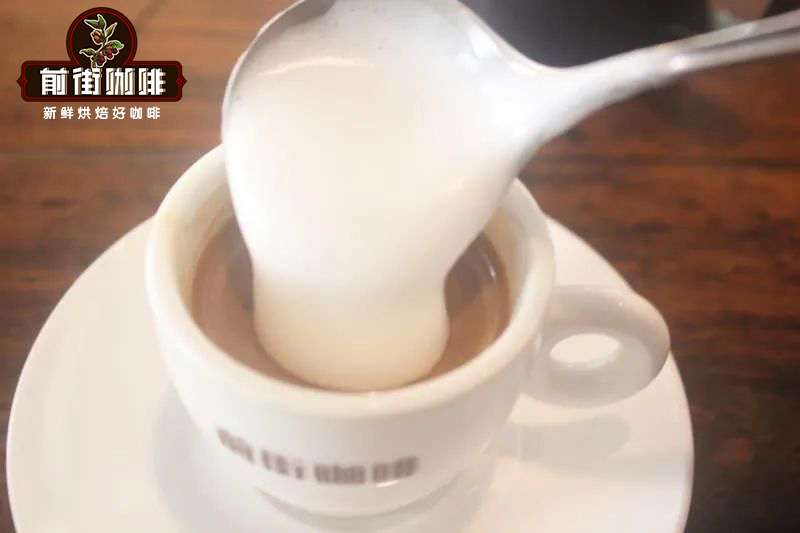
A macchiato needs only one shot of espresso and a spoonful of fine milk foam. FrontStreet Coffee makes it with our Sunflower Warm Sun espresso blend:
Coffee Name: FrontStreet Coffee Sunflower Warm Sun Blend
Blend Composition: 60% Honduras Sherry Cask & 40% Natural Yirgacheffe Red Cherry Project
Flavor Description: Vanilla, cream, fermentation notes, wine-like character, chocolate
Espresso Extraction Parameters
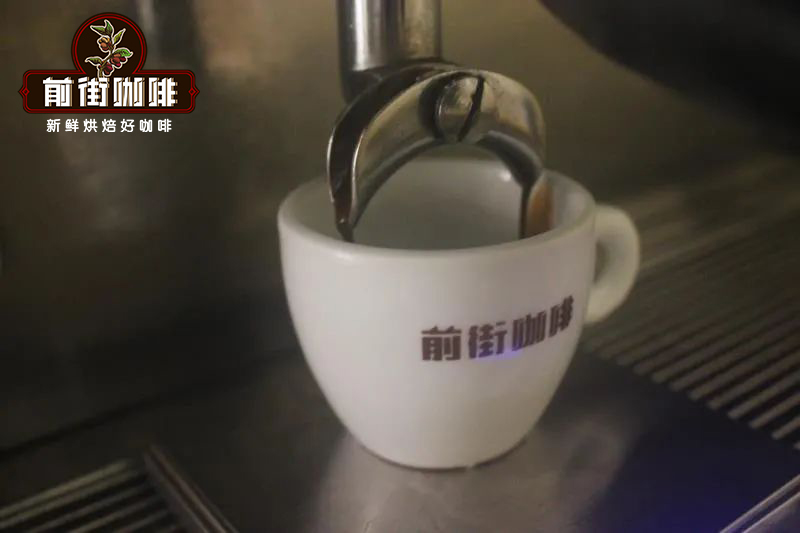
Coffee Dose: 20 grams
Coffee Yield: 40 grams
Extraction Time: 28 seconds
After pulling the espresso, froth the milk to roughly cappuccino foam thickness so it can be scooped easily — and be sure it's fine and smooth. Then gently scoop the foam from the surface of the pitcher with a spoon and place it on top of the espresso. Done.
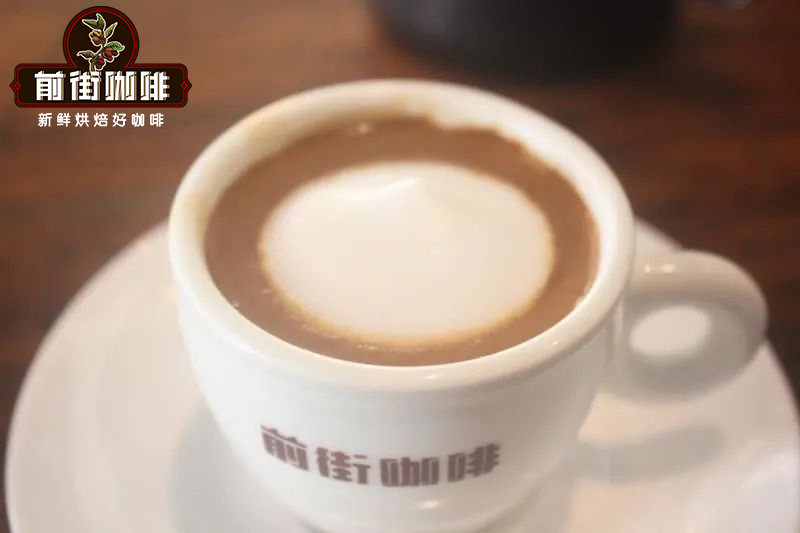
Macchiato Flavor: The flavor is intense — a strong liquor-filled chocolate character, barely diluted at all. The foam lifts the overall texture, and a careful sip reveals a hint of milk aroma. FrontStreet Coffee considers the macchiato an excellent choice for anyone who wants both cappuccino's delicate, smooth foam and the rich, pure aroma of straight espresso.
Macchiato vs. Caramel Macchiato
Like any macchiato, the caramel macchiato can be transformed with flavored syrups — caramel syrup being the most common, creating an entirely different drink. The name itself was invented by Starbucks baristas.
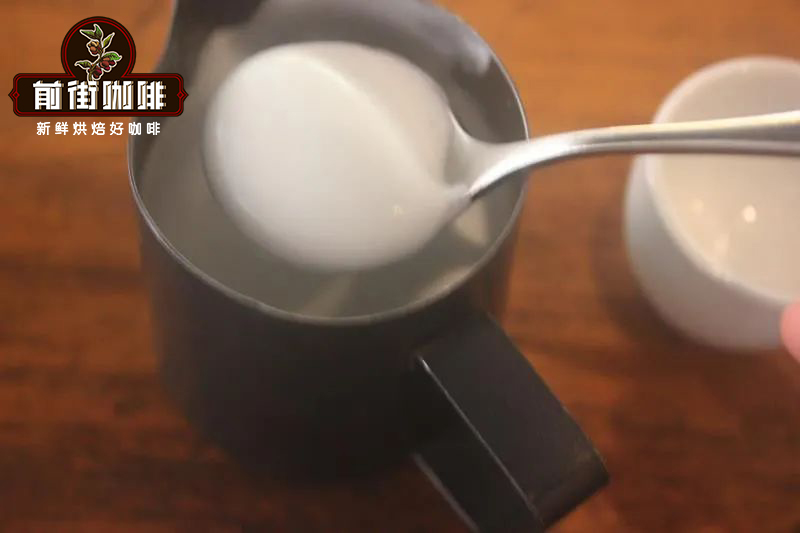
The Starbucks-style method: in a 350ml cup, add one shot of espresso, then fill the remaining 300+ milliliters with steamed milk, vanilla syrup, and caramel sauce.
Lattes, too, can be flipped into a latte macchiato — another espresso-and-milk drink, but with an even higher milk ratio and darker roasted beans.
Latte vs. Macchiato
Latte: "Latte" means "milk" in Italian. A latte is espresso mixed with a large amount of milk, at ratios from 1:2 up to 1:5. FrontStreet Coffee finds it rich and mellow in a singular way — the coffee's acidity and bitterness are largely covered, leaving mostly the mellow aroma.
The macchiato, as described above, is defined by creamy foam and rich body, while the latte is defined by milk, making it exceptionally smooth.
Latte Preparation Ratio
FrontStreet Coffee also uses the Sunflower Warm Sun blend here. Our latte formula is 1:6.5 — 40g of espresso mixed with 260g of steamed milk.
Our espresso protocol: 20g of grounds extracting 40g of espresso in 27 seconds as the latte base. Then froth the milk. You'll need a steam wand (most semi-automatic machines have one) and a pitcher for the milk. As for the milk itself — any milk can be frothed, room temperature or cold, whole or skim, but for the best texture, flavor, and stability, FrontStreet Coffee recommends cold refrigerated whole fresh milk. Finally, integrate the milk and espresso, then pour your latte art. Integration matters more than people think: a well-integrated latte drinks smooth and clean, with no off-flavors. Blend properly first, then pour the pattern, and the latte is complete.
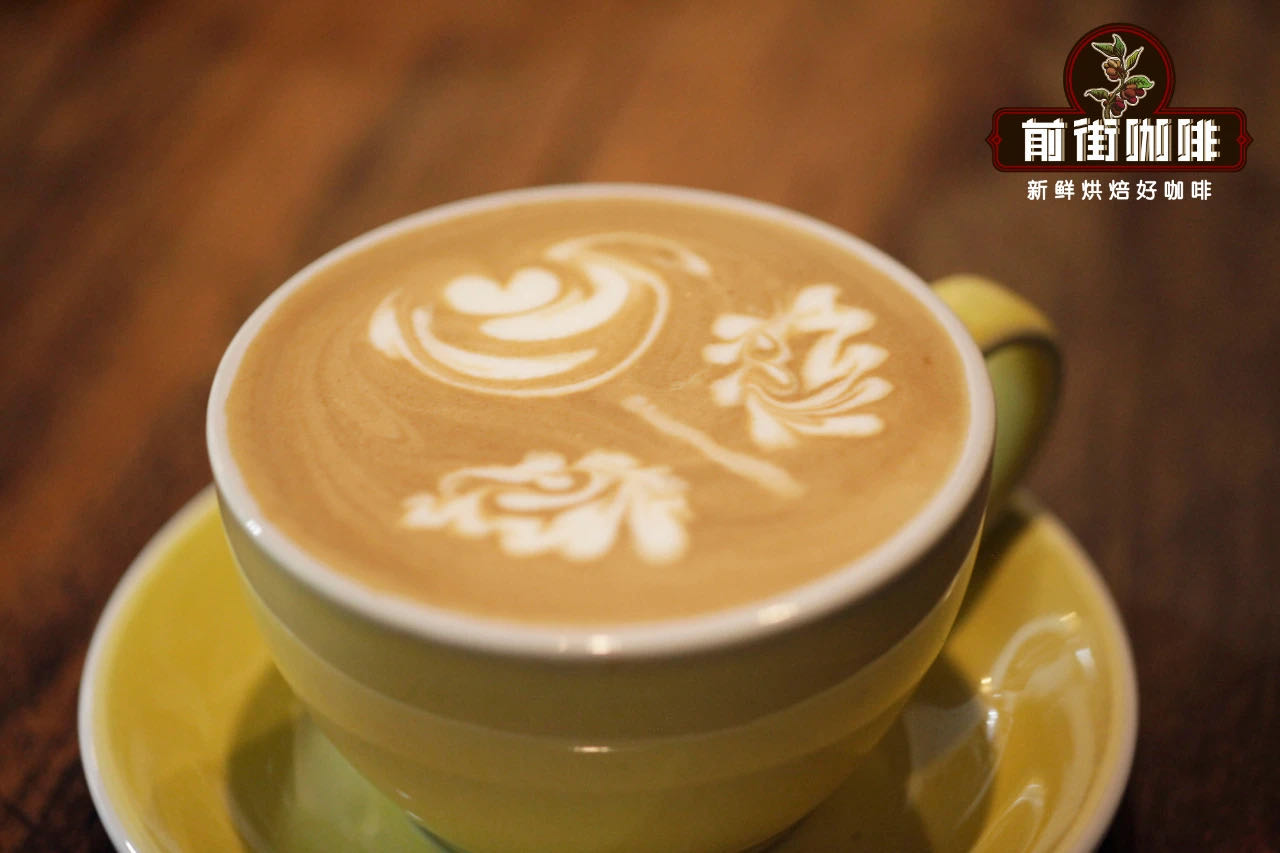
Latte Flavor Characteristics: Smooth texture, lasting chocolate flavor, laced with pleasant wine notes, a persistent aftertaste, and noticeable sweetness.
That's FrontStreet Coffee's latte recipe using the Sunflower Warm Sun blend. But what other beans work well for milk drinks?
What Coffee Beans to Use for Latte Coffee?
FrontStreet Coffee Sunflower Warm Sun Blend
Flavor: Noticeable fruit acidity, light berry aroma, wine fragrance, rich chocolate, a clear sweet aftertaste.
Formula: Honduras Sherry : Yirgacheffe Red Cherry = 6:4
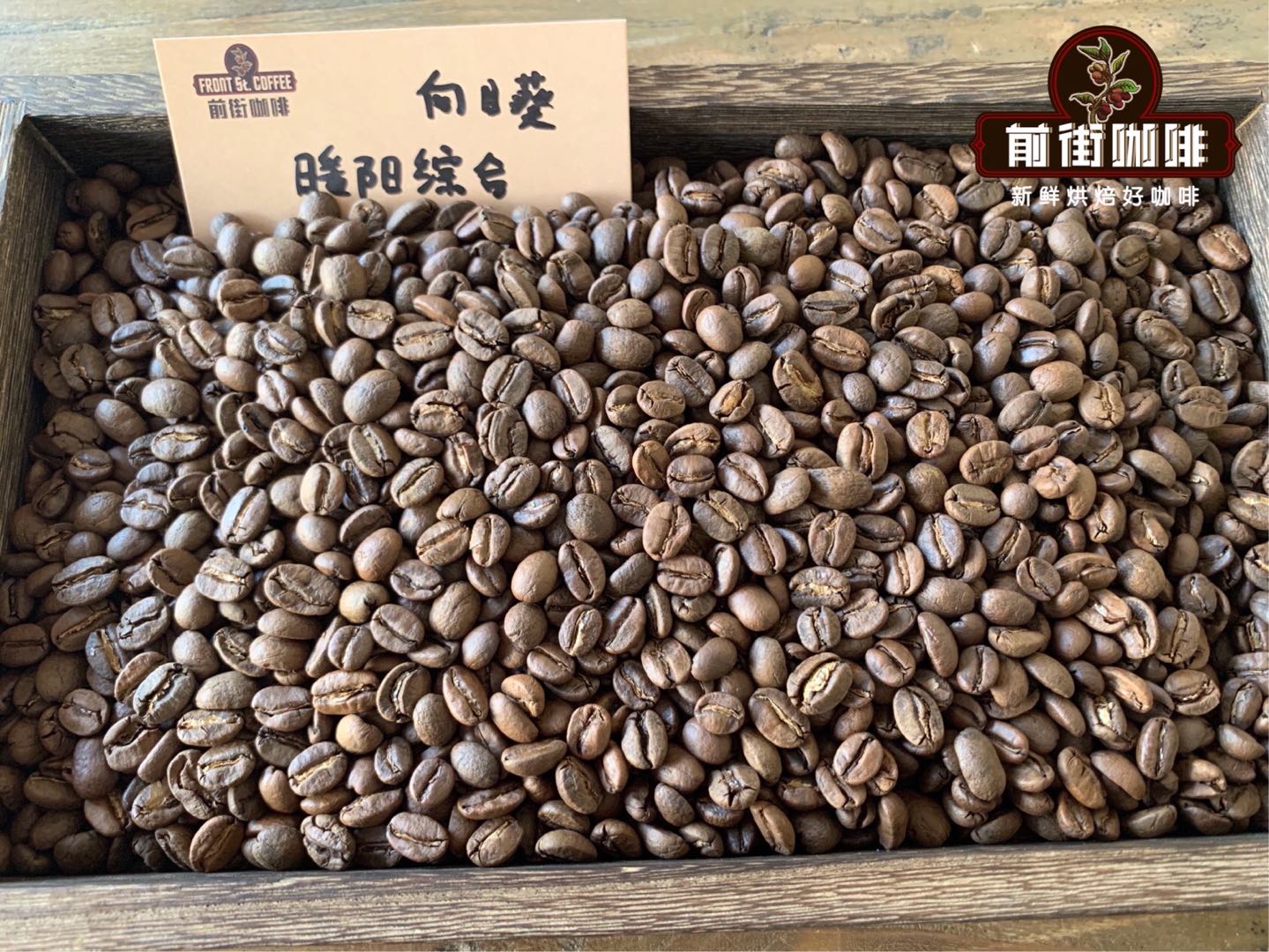
This blend pairs Yirgacheffe natural Red Cherry with Honduras Sherry. FrontStreet Coffee designed it to work as both espresso and pour-over. As espresso, it releases a clear fermented wine aroma; on the palate, citrus and berry acidity come forward immediately with a whiskey-like fragrance and a dark chocolate finish. Brewed as pour-over, it's more delicate: fermented wine aroma with a hint of citrus, showing wine notes and dark chocolate when hot, then brightening into citrus and berry acidity as it cools — clean and fresh overall, though without the vanilla-cream texture.
FrontStreet Coffee Signature Blend
Flavor: Gentle slight acidity, light sweetness, nutty aftertaste, balanced and unaggressive, medium crema.
Formula: Colombia : Brazil = 3:7
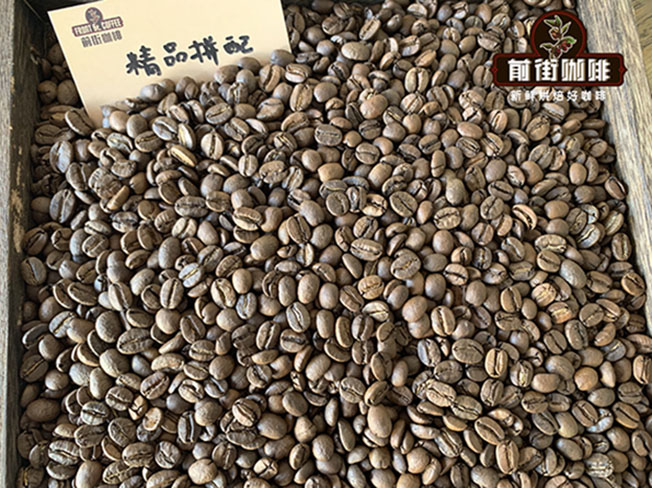
This Brazil-and-Colombia blend shows a light roasted, grassy freshness with a mild bitterness — sweet, smooth, and comforting on the finish. Colombian Huilan beans bring pleasant, moderate acidity, aroma, and rich sweetness, while Brazilian Cerrado beans contribute comfortable bittersweetness and exceptional smoothness. The combination just works.
FrontStreet Coffee Commercial Blend
Flavor: Caramel sweetness, nuts and cocoa, dark chocolate, balanced sweet and sour, slightly bitter, persistent aftertaste.
Formula: Colombia : Brazil : Robusta = 3:6:1
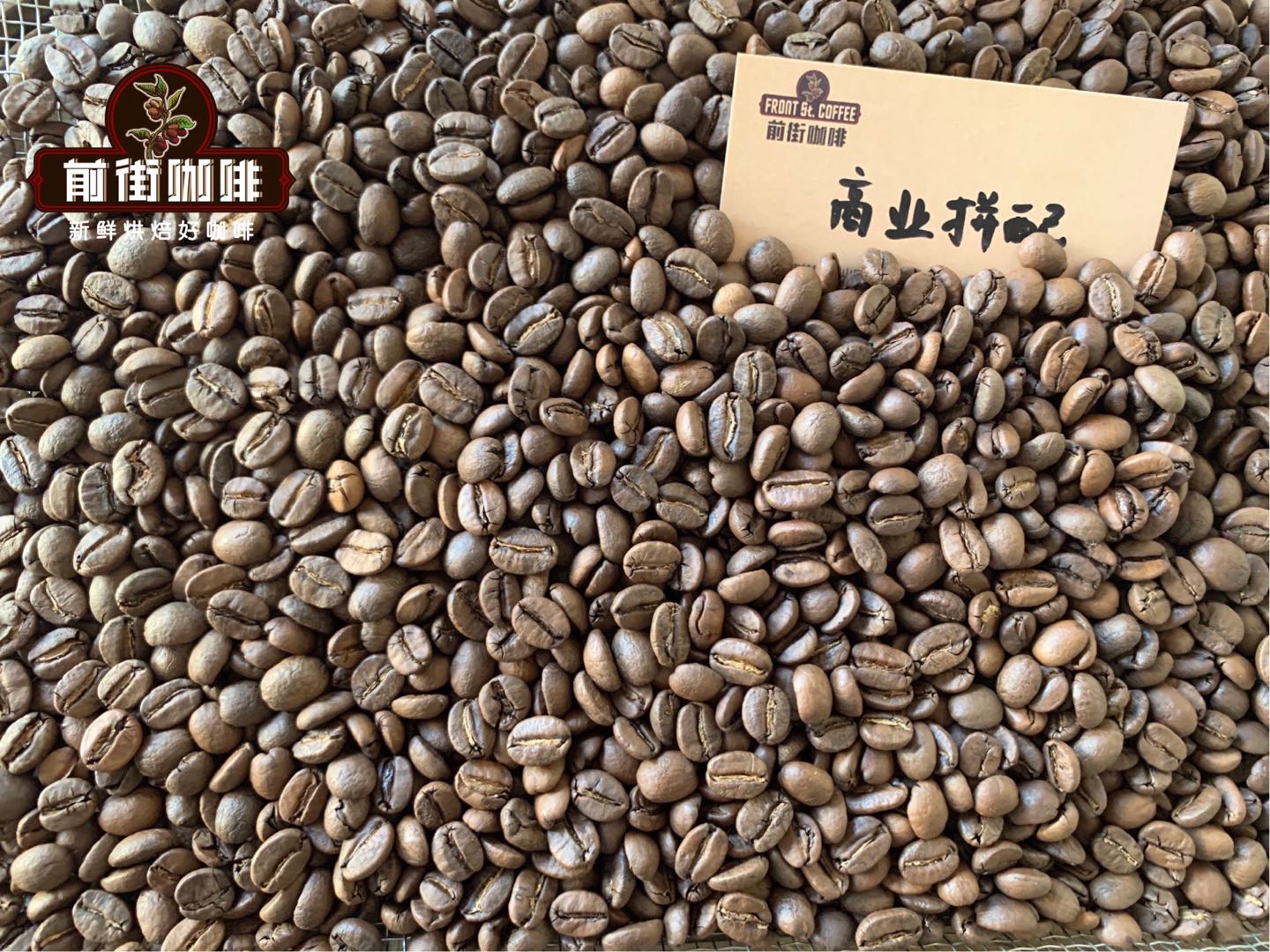
This blend adds 10% Robusta to its Brazilian and Colombian base. FrontStreet Coffee finds the flavor classic: rich crema and texture, caramel sweetness, nuts and cocoa, dark chocolate, balanced sweet and sour with a slight bitterness and a persistent finish. It's the same Colombian-Brazilian formula as the Signature Blend, but the Robusta adds crema and body.
FrontStreet Coffee Basic Blend
Flavor: Gentle fruit acidity, caramel sweetness, nuts and dark chocolate, smooth and viscous, though on the lighter side of taste.
Formula: Yunnan : Brazil = 3:7
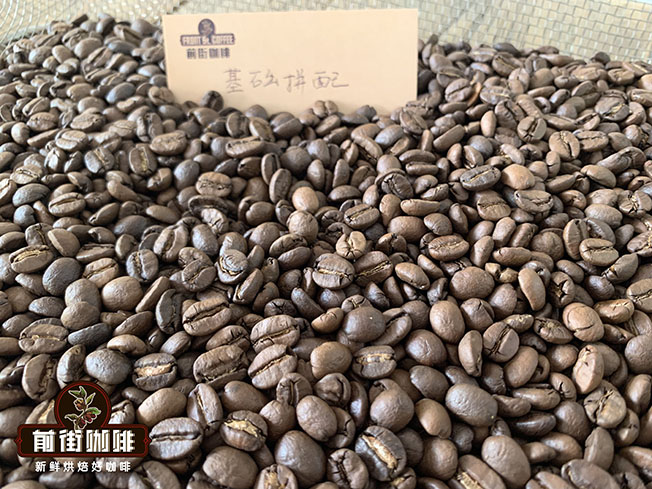
This Yunnan-and-Brazil blend offers gentle fruit acidity and caramel sweetness with nuts and dark chocolate — smooth and viscous, but a touch lighter. Yunnan's growing conditions closely resemble Colombia's: high altitude and big day-night temperature swings yield mellow flavor, moderate acidity, uniform beans, high oil content, and fruity aroma — similar in quality to Colombian coffee, just slightly lighter in taste. Combined with the Cerrado's easy bittersweetness, it's a well-flavored, excellent-value blend suited to espresso beginners and small cafés.
We hope this helps anyone struggling to pick an espresso bean — and deepens your coffee knowledge along the way.
FrontStreet Coffee Recommendation
Notice how many of these blends lean on Yirgacheffe? The Red Cherry Project component of our Sunflower Warm Sun blend comes straight from Yirgacheffe, where only fully ripe cherries are selected, first sorted at the processing mill, then sun-dried on raised beds and turned every 2-3 hours during the first days to prevent uneven fermentation. After three to five weeks, the dried flesh is machine-milled away. Because the fruit dries on the bean, the coffee keeps its classic Yirgacheffe character while gaining tropical fruit: citrus acidity, berry juiciness, honeyed sweetness, and creamy smoothness.
If you want to taste that component on its own, FrontStreet Coffee's Washed Yirgacheffe is the everyday classic — white jasmine, bright citrus and lemon acidity, and a tea-like finish — while the natural Red Cherry Project beans show peach, cocoa, honey, and lemon in a remarkably clean, fruit-forward cup. Both make lovely single-origin pour-overs and both shine as the fruit backbone of an espresso blend like the Sunflower Warm Sun.
Important Notice :
FrontStreet Coffee is a long-established specialty coffee roaster in Guangzhou China, selling freshly roasted beans from its own farm in Yunnan as well as dozens of carefully selected single-origin beans from around the world for both pour-over and espresso. The products deliver consistently excellent quality and great value, with shipping within 24 hours. Guangzhou's FrontStreet Coffee shop is recommended by many coffee lovers, and the beans are now available online at the Tmall 。
FrontStreet Coffee has moved to a new address:
FrontStreet Coffee Address: 315,Donghua East Road,GuangZhou
Tel:020 38364473
 Scan and follow the En Gafei WeChat official account. Please indicate that the reprint comes from "En Gafei".