Rwanda Coffee and Tanzania Coffee Beans: Flavor Characteristics, Taste Comparison, and Story Introduction

When it comes to African coffee, FrontStreet Coffee doesn't need to say much - most people immediately mention Ethiopia and Kenya. After all, these two countries are the pillars of African coffee. Yet other countries not deeply embedded in our memory are not without excellent coffee; they simply lack recognition, so their names are less prominent. Rwandan and Tanzanian coffees are both excellent African choices that shouldn't be missed. This time FrontStreet Coffee has generously put these two beans to the test, showing why these particular beans were chosen.
Rwanda
Rwandan Coffee Development
Rwanda is located in central Africa and is a landlocked country, with neighboring countries that are all major coffee producers. In the early 20th century, Rwanda successively became a colony of Germany and Belgium, with coffee first introduced by German missionaries. During colonial times, coffee production rose significantly, but labor exploitation, suppressed crop prices and high export taxes meant the quality of the beans was not ideal - a common phenomenon in commercial coffee development at the time. FrontStreet Coffee notes that Brazil, which also experienced colonial rule, once produced beans that emphasized quantity over quality, leading to a period when it carried a reputation for poor coffee quality.
It wasn't until after Rwanda's independence and the establishment of its first official coffee organization, OCIR, that attention gradually turned to bean production. Rwanda's coffee production kept growing from the 1960s to the 1980s, reaching an unprecedented peak in 1986. It wasn't until political instability began in the early 1990s (the Rwandan genocide) that the coffee industry stagnated. FrontStreet Coffee recently acquired several batches of Rwandan beans from different regions for two reasons: first, Rwanda's coffee industry is developing rapidly with quality assured, and second, Rwanda is gradually forming distinct regional flavor profiles that differ from Ethiopia and Kenya.
Rwandan Coffee History
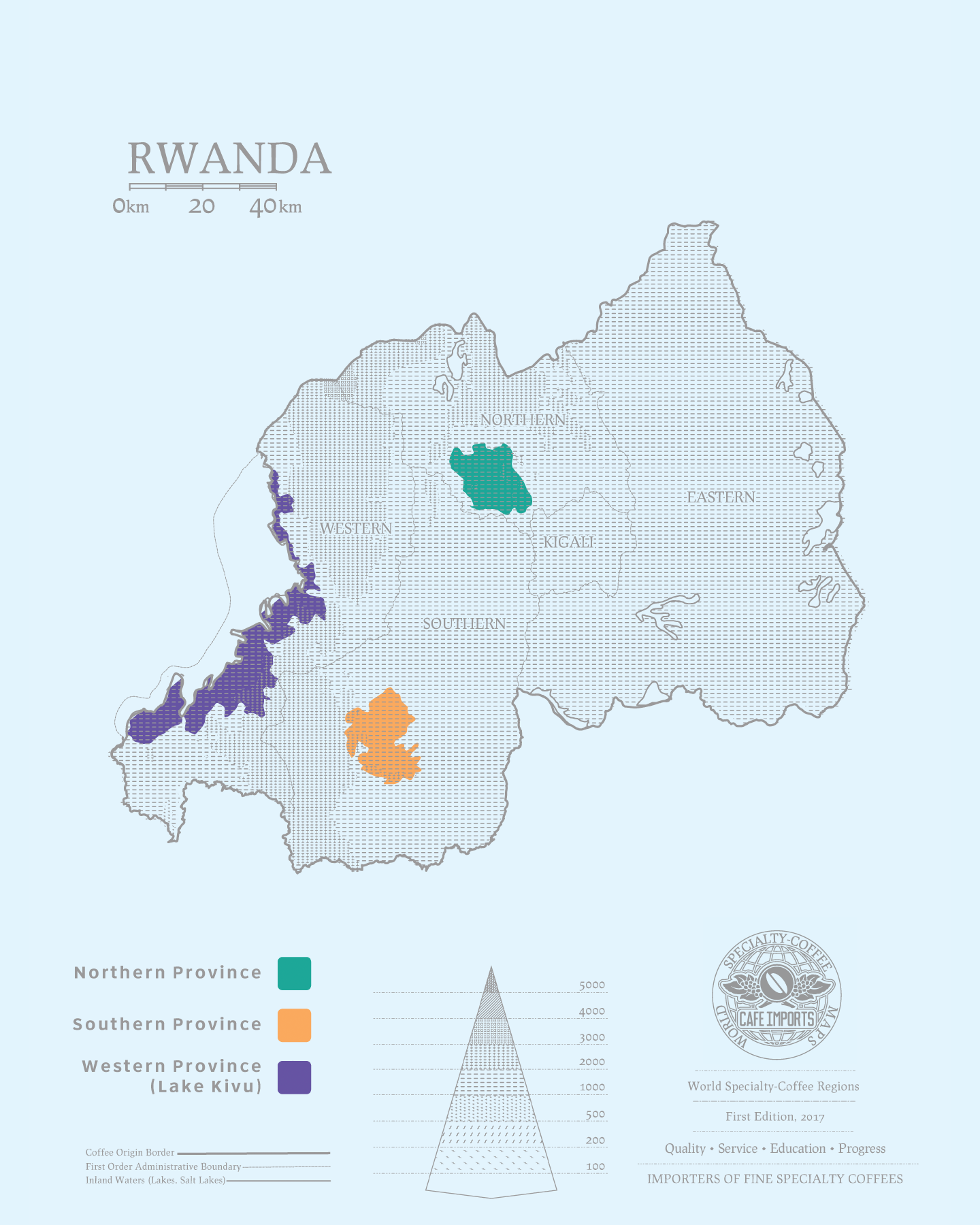
Through historical research, FrontStreet Coffee found that Rwanda was a German colony in the early 20th century, with coffee first introduced by German missionaries around 1904. By around 1930, coffee production had increased significantly. Rwanda was once the 9th largest Arabica coffee exporter in Africa, with approximately 450,000 small farmers averaging less than 1 hectare each (about 165 coffee trees per farmer), totaling about 28,000 hectares. Coffee growing areas are mainly distributed across the western half of the country and the central region near the capital, Kigali.
Rwandan Coffee Processing Methods
In 2000, having just emerged from political turmoil, Rwanda received funding from USAID for two major coffee development programs, PEARL and SPREAD, aimed at supporting reconstruction. After implementation, Rwanda built 46 coffee washing stations, driving significant economic growth through strong bean exports. As a result, Rwandan beans currently mainly use the washed processing method. Ripe cherries are hand-picked, pulp and skin removed, given 12-18 hours of washed fermentation, thoroughly cleaned of pectin, and finally dried to below 14% moisture content.
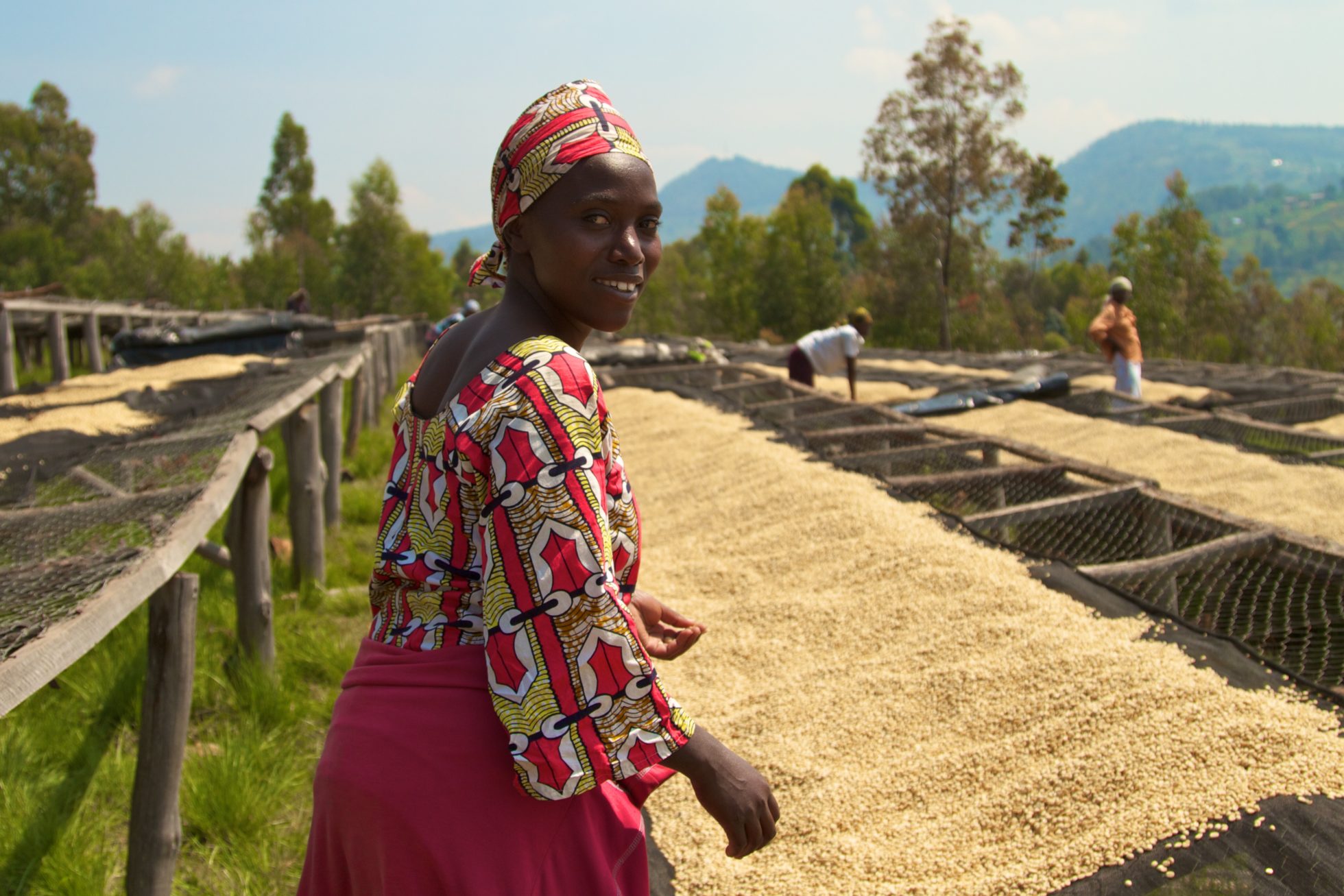
FrontStreet Coffee believes that in Rwandan coffee's early development stage, establishing washed processing as the main method was a choice that clearly highlights coffee flavors. Washed processing is the method that best expresses coffee's essential character, so when FrontStreet Coffee recommends a coffee region, it also recommends washed beans first, letting customers understand that region's flavor more clearly. In the 2008 SCAA (Specialty Coffee Association of America) annual coffee competition, Rwanda Aromec's premium washed Bourbon beans defeated Jamaica Blue Mountain No. 1 and Sumatra Mandheling G1 to win the 2008 Cup of Excellence championship, establishing its reputation and price in the coffee world.
Tanzania
Tanzanian Coffee
Mount Kilimanjaro, Africa's highest peak, stands in northeastern Tanzania. Through research, FrontStreet Coffee learned that Tanzania was under British colonial rule after World War I and gained independence in 1964. Bourbon variety coffee was first introduced in 1893, with green bean processing mainly using washed methods. High-altitude Tanzanian coffee of good quality, like Kenyan coffee, shows lively, bright acidity. Tanzania is located in central/eastern Africa and generally processes coffee using washed methods, resulting in bright (acidic) and quite delicious flavors. In East Africa, Kenya is certainly the main coffee producer, but Tanzania is actively catching up and producing many coffees of the same quality as Kenya's. The uniqueness of Tanzanian coffee comes from three different plantations in northern Tanzania. One plantation is even located in the Mount Kilimanjaro range, Africa's highest mountain and the largest independent mountain foothill on Earth. This coffee grows at altitudes of 1,150 to 1,500 meters.
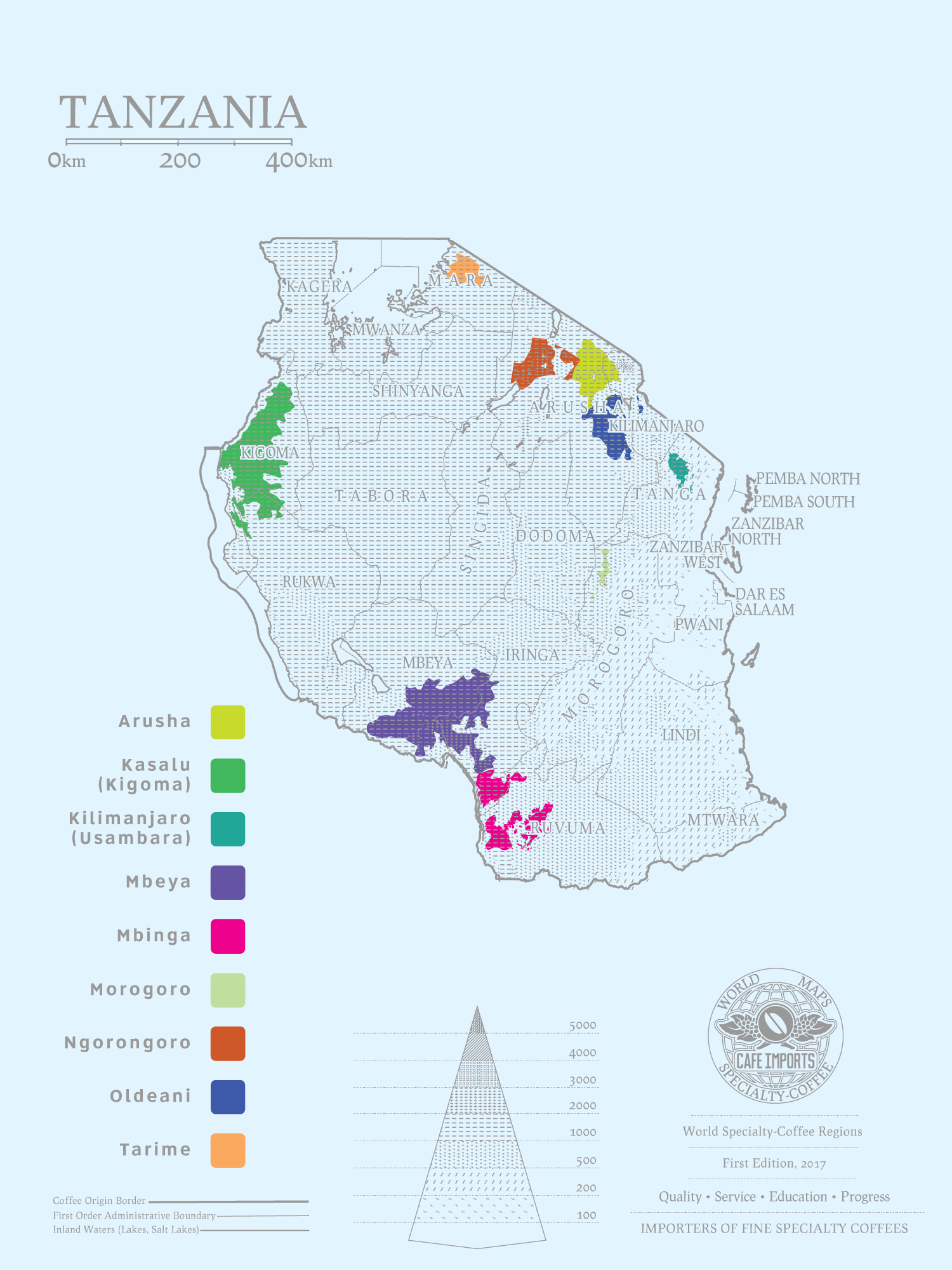
Washed Processing Method - FrontStreet Coffee's Tanzanian southern beans are washed processed. Steps: after harvesting, select high-quality, sufficiently ripe fruit, complete depulping, ferment naturally for 12-24 hours, clean, soak in water for 24 hours, clean again, and finally sun-dry.

Variety - In 1898, Bourbon variety coffee was introduced to Tanzania's Kilimanjaro region by Catholic missionaries. Kent variety was then introduced in 1920. Today Tanzania grows both Kent and Bourbon. FrontStreet Coffee's beans from the southern region are Bourbon variety. Bourbon cherries are short and round, with dense pulp and seeds. Through cupping, FrontStreet Coffee found that Bourbon coffee usually has high sweetness and bright acidity. Its yield is 20-30% higher than Typica, yet it's still considered a low-yield variety and is equally susceptible to leaf rust disease.
Tanzanian Coffee Bean Grading System
Tanzania's coffee grading system is the same as Kenya's, graded by bean size, including AA, AB, PB and so on.

FrontStreet Coffee Roasting Recommendations
Machine: Yangjia 800N, 550g green beans input
Rwanda
Since Rwandan beans have fresh acidity, FrontStreet Coffee recommends medium-light roasting to highlight that flavor. The darker the roast level, the more the fruit-acid tones are lost.
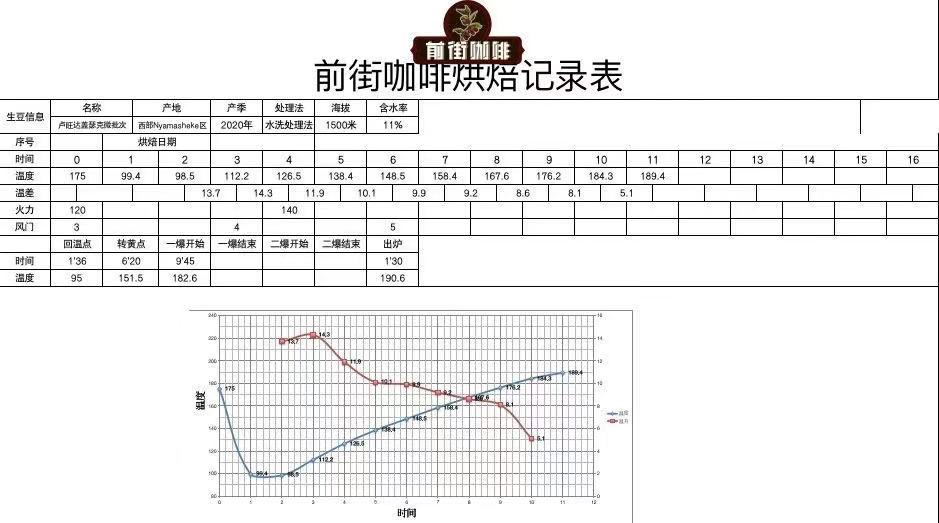
When FrontStreet Coffee cupped this Rwandan washed bean, the aroma showed clear citrus, cherry tomato and grass notes, with overall flavors of bright acidity, citrus, berries and nuts, and a honey-sweet aftertaste.
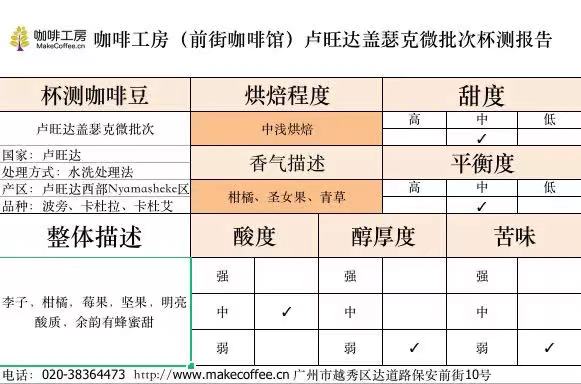
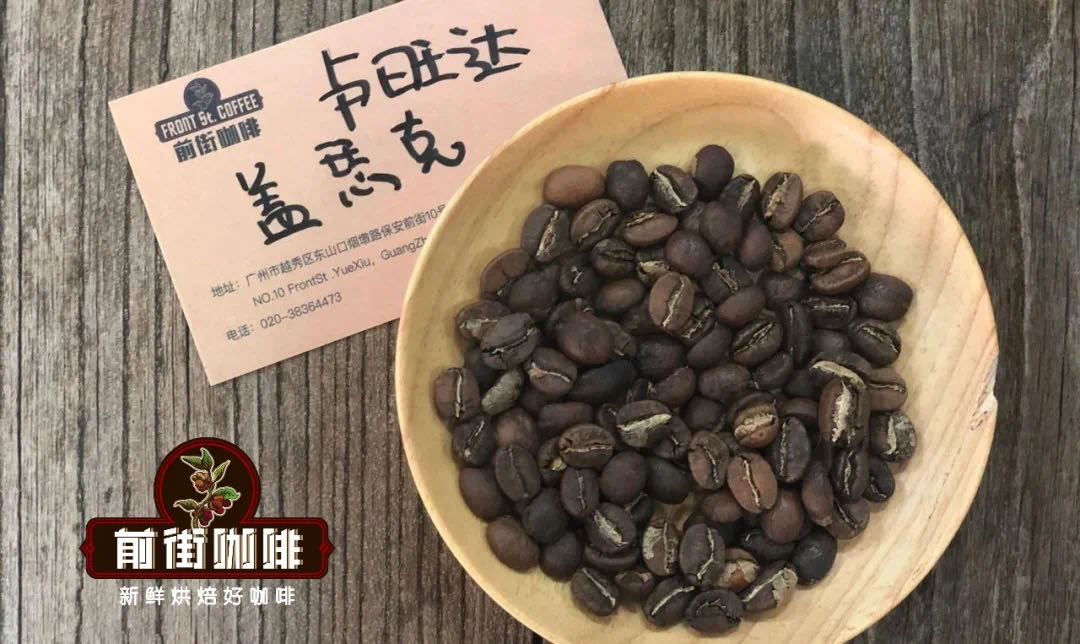
FrontStreet Coffee: Rwanda - Gaseke
Region: Nyamasheke region, Rwanda
Processing Station: Gaseke Washing Station
Altitude: 1500m
Variety: Bourbon, Caturra, Catuai
Processing Method: Washed processing
Tanzania
FrontStreet Coffee's Tanzanian coffee is a washed-processed Typica variety. Typica is recognized as a high-quality coffee variety. Tanzania uses a grading system similar to Kenya's, based on bean size, and FrontStreet Coffee's Tanzanian coffee is AA grade, meaning 90% are screen 18 or larger, so the beans appear large, plump and uniform.
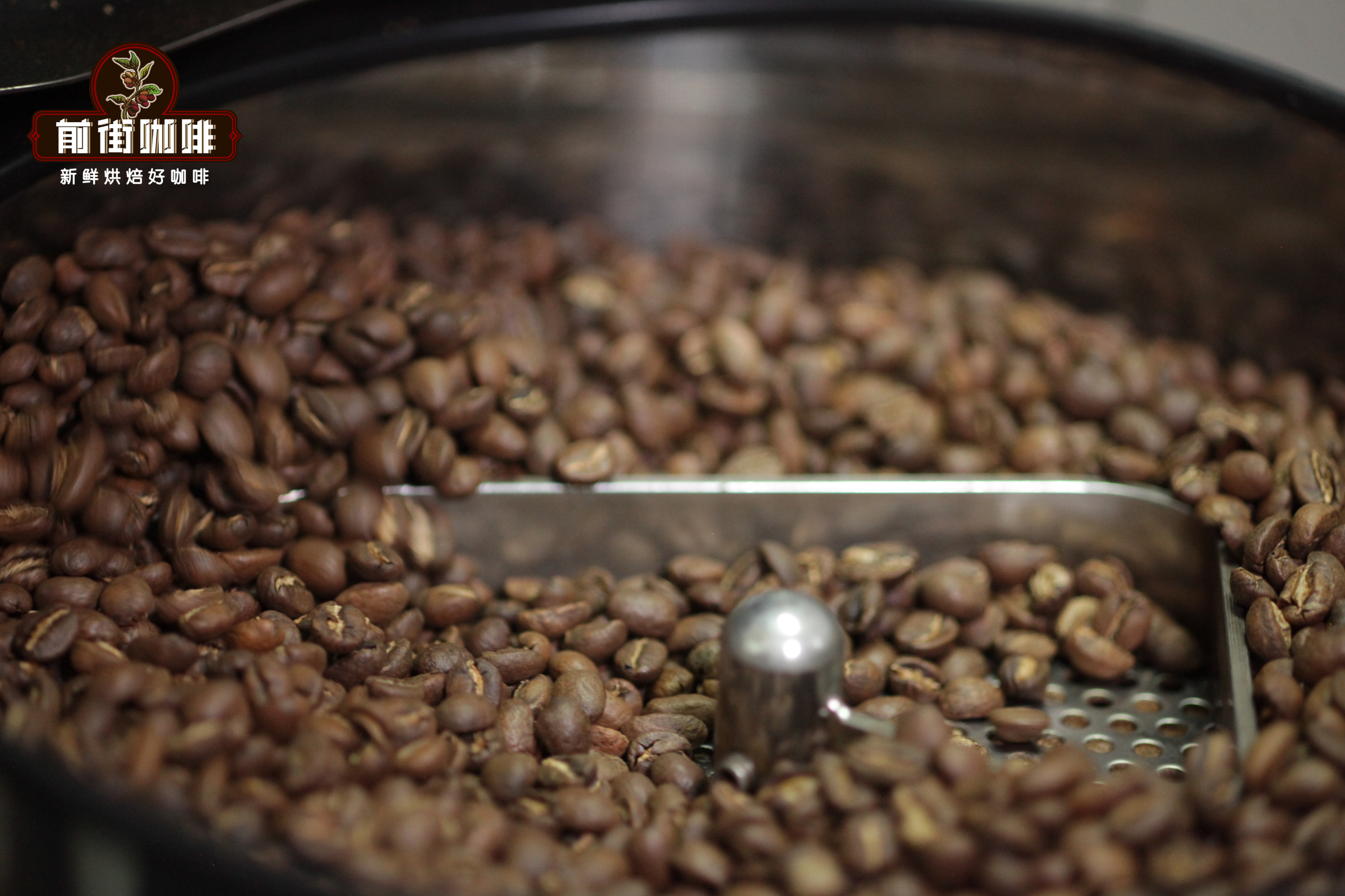
FrontStreet Coffee's cupping of this bean showed flavors of citrus, berries, honey and tea-like notes.
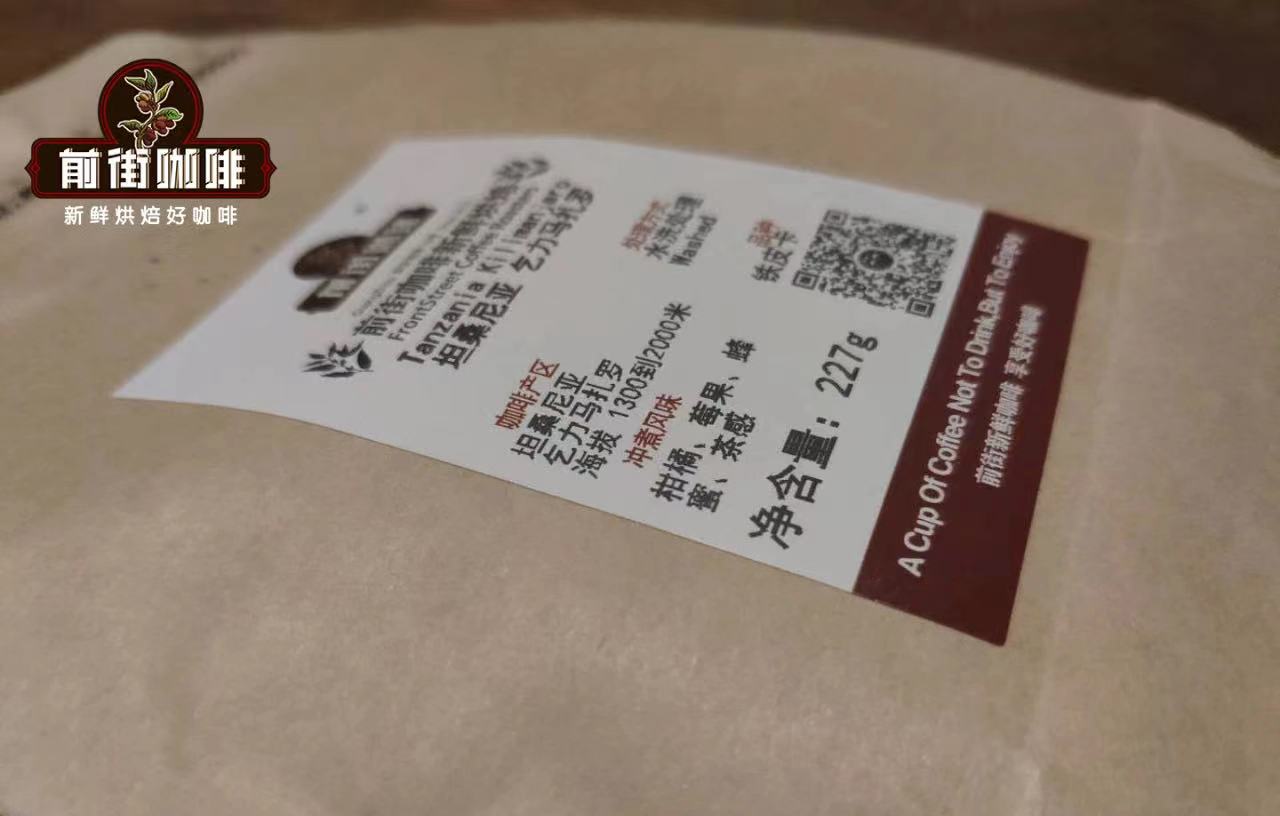
FrontStreet Coffee: Tanzania - Kilimanjaro
Region: Kilimanjaro, Tanzania
Altitude: 1300m~2000m
Variety: Typica
Processing Method: Washed processing
FrontStreet Coffee Brewing Parameters
Dripper: Hario V60
Water Temperature: 90°C
Dose: 15 grams
Ratio: 1:15
Grind: EK43s setting 10 (80% pass-through on China standard #20 sieve)
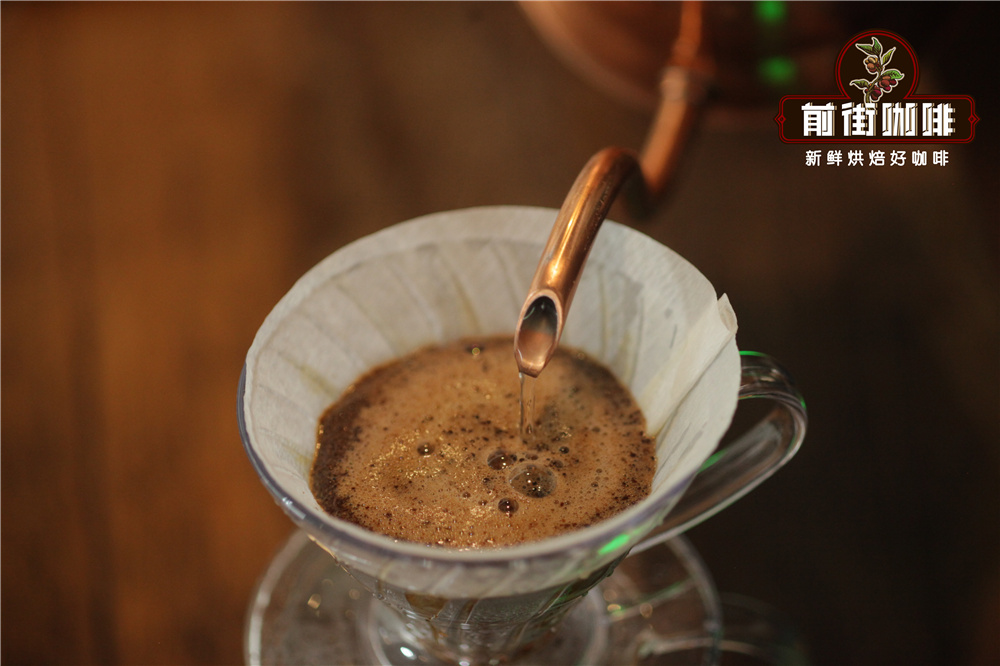
Brewing Recommendations: FrontStreet Coffee uses segmented extraction. Bloom with 30g of water for 30 seconds. Using a small stream, pour in a circle to 125g, then segment. When the water level drops and is about to expose the coffee bed, continue pouring to 225g and stop. When the water level drops and is about to expose the coffee bed again, remove the dripper. Extraction time is 2'00" (timed from the bloom).
Flavor Descriptions
Rwanda
Floral and berry aromas, with distinct citrus, berries and plum on entry, nutty notes in the middle, and caramel sweetness in the aftertaste.
Tanzania
Floral, berries, citrus, nuts.

FrontStreet Coffee Recommendation
If Rwanda and Tanzania have you enjoying bright, clean washed coffees, Brazil makes an appealing contrast - lower in acidity, rounder in body, and endlessly versatile. FrontStreet's Cerrado Red Bourbon is a classic Brazilian single origin: medium roasted, it shows cream peanut, toasted bread, caramel and hazelnut aromas with a rounded body and a light bitter finish, and it brews well as pour-over or in a moka pot, espresso SOE, siphon and French press.
For a sweeter, more distinctive option, FrontStreet's Brazil Queen's Farm from the Mogiana region is a rare Yellow Bourbon grown on fertile red volcanic soil, offering a clean fruit character and a sugarcane sweetness that other origins rarely match, with fruit and chocolate notes alongside.
Brazil also anchors many of FrontStreet's espresso blends: the Classic Blend, the nut-forward Specialty Blend, the balanced Black Cocoa Blend and the shop-focused Commercial Blend all include Brazilian beans, adding chocolate and cream aroma plus a gentle sweet-sour-bitter balance that makes extraction more stable.
Important Notice :
FrontStreet Coffee is a long-established specialty coffee roaster in Guangzhou China, selling freshly roasted beans from its own farm in Yunnan as well as dozens of carefully selected single-origin beans from around the world for both pour-over and espresso. The products deliver consistently excellent quality and great value, with shipping within 24 hours. Guangzhou's FrontStreet Coffee shop is recommended by many coffee lovers, and the beans are now available online at the Tmall 。
FrontStreet Coffee has moved to a new address:
FrontStreet Coffee Address: 315,Donghua East Road,GuangZhou
Tel:020 38364473
 Scan and follow the En Gafei WeChat official account. Please indicate that the reprint comes from "En Gafei".