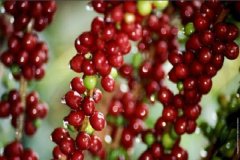
Starbucks Rwanda Coffee Bean Story Origin Flavor Characteristics Rwanda Gashaka Coffee Bean Processing Method
For professional coffee knowledge exchange and more coffee bean information, please follow Coffee Workshop (WeChat public account: cafe_style).
Among Africa's high-altitude coffee producers, Ethiopia gets most of the attention -- but Rwanda, in central Africa, has been steadily stepping into the spotlight. FrontStreet Coffee recently released a washed bourbon from Rwanda. Bourbon, of course, has a long history: it was carried to Brazil and spread rapidly through Latin America, only to be displaced by other varieties because of its weak disease resistance, so Latin American bourbon has largely lost its original advantages. FrontStreet Coffee currently imports just two bourbon lots from Brazil, whose flavors remain relatively stable, and whether to keep stocking them will depend on actual production quality in light of this year's pandemic disruption. Back to Rwandan bourbon: before launching this bean, FrontStreet Coffee sourced samples from several origins for comparison and found that Rwanda's bourbon performs with remarkable consistency -- no surprise, given that it is one of the most widely cultivated varieties in the country.
Rwanda Coffee Development
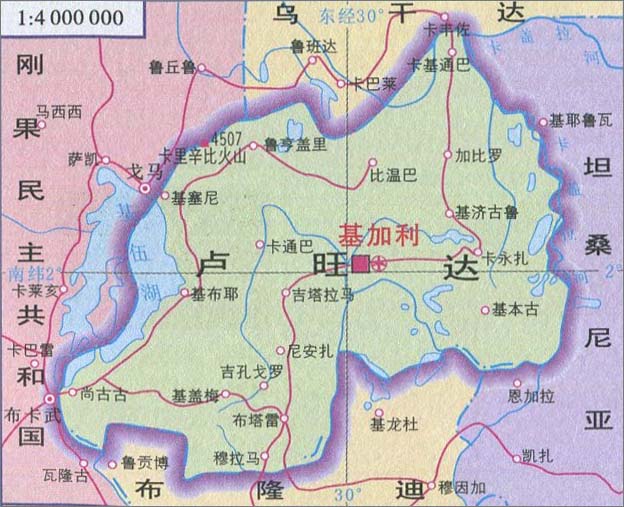
Rwanda sits in central Africa and is a textbook landlocked country, with every one of its neighbors a major coffee producer. In the early 20th century Rwanda became a colony, successively, of Germany and Belgium, and coffee was first introduced by German missionaries. Production rose sharply during the colonial era, but exploited labor, suppressed coffee prices, and heavy export taxes meant bean quality stayed mediocre -- a familiar story in commercial coffee at the time.
Real attention to coffee quality came only after independence, with the founding of OCIR, Rwanda's first official coffee organization. Production grew continuously from the 1960s through the 1980s and peaked in 1986. Then, in the early 1990s, domestic political stability collapsed (the Rwandan genocide), and the coffee industry with it.
Today Rwanda has recovered much of its vitality. In urban development, public safety, the friendliness of its people, and its cleanliness, it can be described as an "atypical" African country -- it is currently recognized as the safest country on the continent. In the "2017 World's Safest Countries and Destinations" ranking, Rwanda placed ninth among all countries worldwide, the only African nation in the top ten.
This year the COVID-19 pandemic has inevitably hit Rwandan coffee sales hard. To help Rwandan farmers through the difficulty, on May 14th Alibaba's top livestreamer Wei Ya promoted Rwanda's Gorilla's coffee beans and sold a full year's worth of stock in one second.
Rwanda Coffee Growing Environment
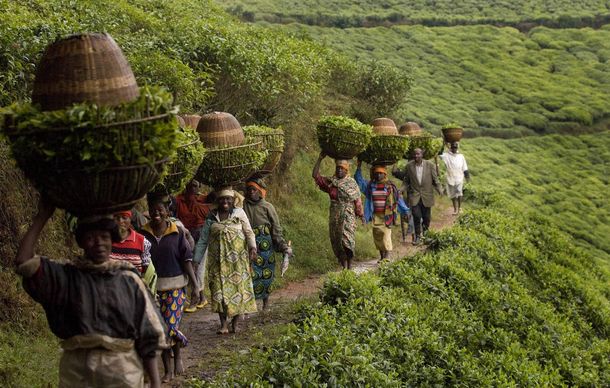
Known as the "Land of a Thousand Hills," Rwanda is dominated by mountains and plateaus, and most of its coffee grows at altitudes between 1,700 and 2,000 meters. Most of the country has a mild, cool tropical highland or tropical savanna climate. There are roughly 33,000 hectares of coffee plantations and about 500,000 people working in coffee cultivation. Rwanda is one of the few places on earth where soil, altitude, and climate align so completely, and these conditions give Rwandan beans their distinctive character: fresh fruit sweetness, floral fragrance, and a black-tea-like aftertaste.
Rwanda's coffee is produced by smallholder farmers rather than large enterprises. That model may lack assembly-line scale, but it allows far more individual attention to be paid to the beans.
Rwanda Coffee Regions
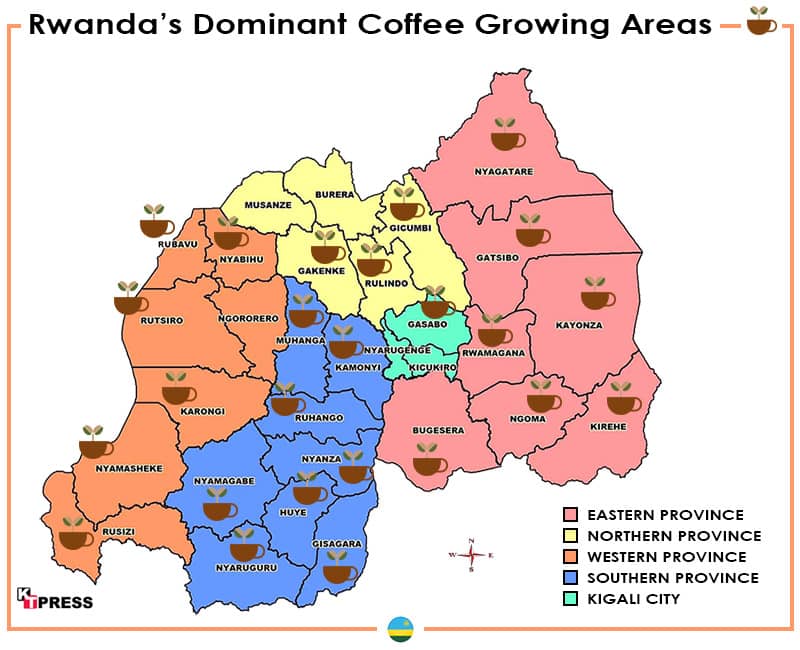
Rwanda's Arabica growing regions are concentrated in the south and west. The Huye mountains and the Nyamagabe area in the south, thanks to their higher altitudes, produce beans with floral and citrus notes, while the Nyamasheke region on the western shore of Lake Kivu yields rich, aromatic, juicy premium coffee. The differences between regions are not dramatic, but they are there if you taste carefully -- a question customers often put to FrontStreet Coffee. Flavor perception can seem mystical, but FrontStreet Coffee's team has put in extensive flavor-recognition training to distinguish coffees from different regions. It takes time, effort, and persistence.
Rwanda Coffee Processing Methods
In 2000, fresh out of internal turmoil, Rwanda set out to upgrade its coffee industry. Michigan State University led a collaboration that included Texas A&M University, the National University of Rwanda, and other institutions, with researchers working together on the effort. The project was known as PEARL (Partnership for Enhancing Agriculture in Rwanda through Linkages). PEARL aimed to improve both the quality and quantity of Rwandan coffee and to raise farmer incomes, creating a virtuous cycle. Under the project Rwanda built 46 coffee washing stations, and the strong export growth that followed gave the economy a significant boost. PEARL remains the largest and most comprehensive development program Rwanda has undertaken since independence.
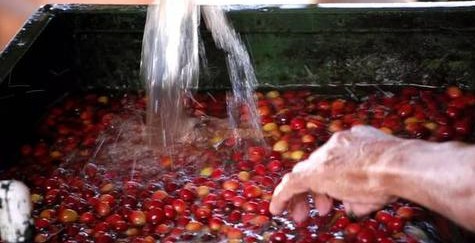
That legacy is why Rwandan beans today are predominantly washed. During harvest, farmers deliver ripe cherries to washing stations for processing. First comes manual sorting to screen out unripe or damaged fruit. The skin is then removed, and the beans undergo a 12-18 hour washed fermentation in a cool, shaded environment before the remaining pectin is scrubbed off in channels. On the drying racks, station staff turn the beans by hand and tend them carefully so that, under full sun, the parchment neither loses moisture too fast nor dries unevenly, until the moisture content of the green beans stabilizes below 14%.
Rwanda's COE Experience
In 2006, after PEARL, a successor program was launched -- SPREAD. Beyond continuing to improve coffee quality, it turned its attention to the smallholders themselves: their living conditions, their children's education, and local HIV/AIDS issues. And while marketing the coffee, it also helped buyers and drinkers understand that they were not just tasting a cup of coffee but indirectly supporting producers and their families. SPREAD cost $5 million and ran until 2012.
In 2008, during the SPREAD program, Rwanda hosted its first Cup of Excellence (COE) competition -- the first ever held in Africa. That year's winning lots sold for $18 per pound; by 2014, Rwanda's COE championship beans were fetching $37 per pound, clear evidence of growing acceptance among international buyers.
Rwanda Coffee Bean Defects
For all its COE success, Rwanda has twice seen potato defect appear in competition -- a green-bean quality flaw that leads to immediate disqualification. Theories about the cause vary; contamination by local insects is one possibility. That said, FrontStreet Coffee's recent batches of Rwandan beans have shown no potato defect at all.
Rwanda Coffee and Starbucks
In the early days of SPREAD, in 2006, Starbucks began selling Rwandan beans, including them in its premium "Black Apron" line (named for the internal "Coffee Master" certification -- ordinary Starbucks staff wear green aprons, and only after passing a battery of exams and competitions may they wear the honorary black apron). Starbucks selected bourbon beans from two Rwandan washing stations, the Sholi Cooperative Washing Station and the Mushaka Cooperative Washing Station, branded them "Blue Bourbon," and sold them at $24 per pound.
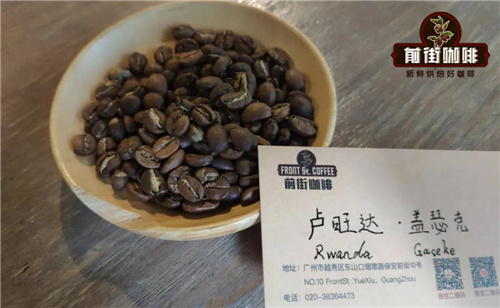
Rwanda Gisheke
Coffee Region: Nyamasheke
Processing Station: Gisheke Processing Station
Growing Altitude: 1700 to 2000 meters
Processing Method: Washed
Coffee Varieties: Bourbon, Caturra, Catuai
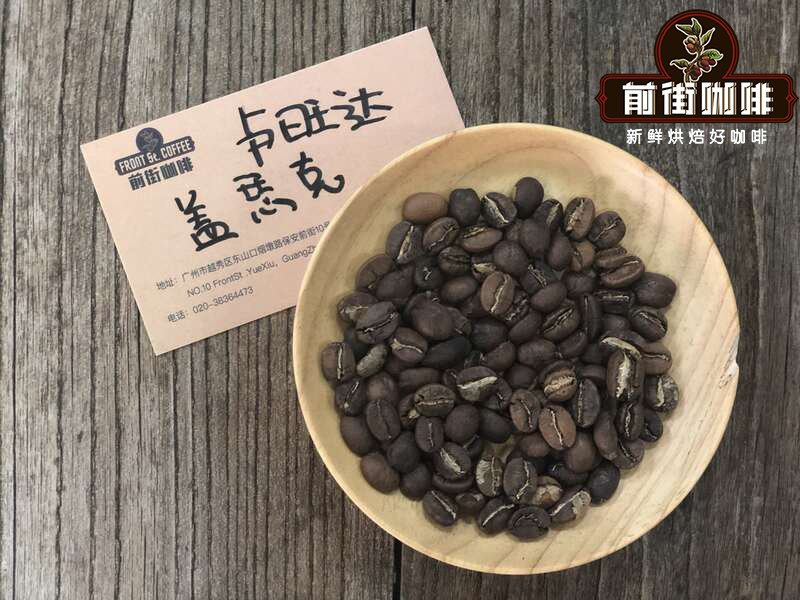
Gisheke Washing Station
Fidele Ndagijmana, a young trader in the Nyamasheke region, saw the potential of Rwandan specialty washed coffee. He applied to the government to build the station and successfully processed 170 tons of coffee cherries in its first year.
He uses the off-season to upgrade and expand the equipment, so that by the next harvest he can offer better machinery and improved storage. This forward-thinking trader has also secured additional land near the station for coffee cultivation.
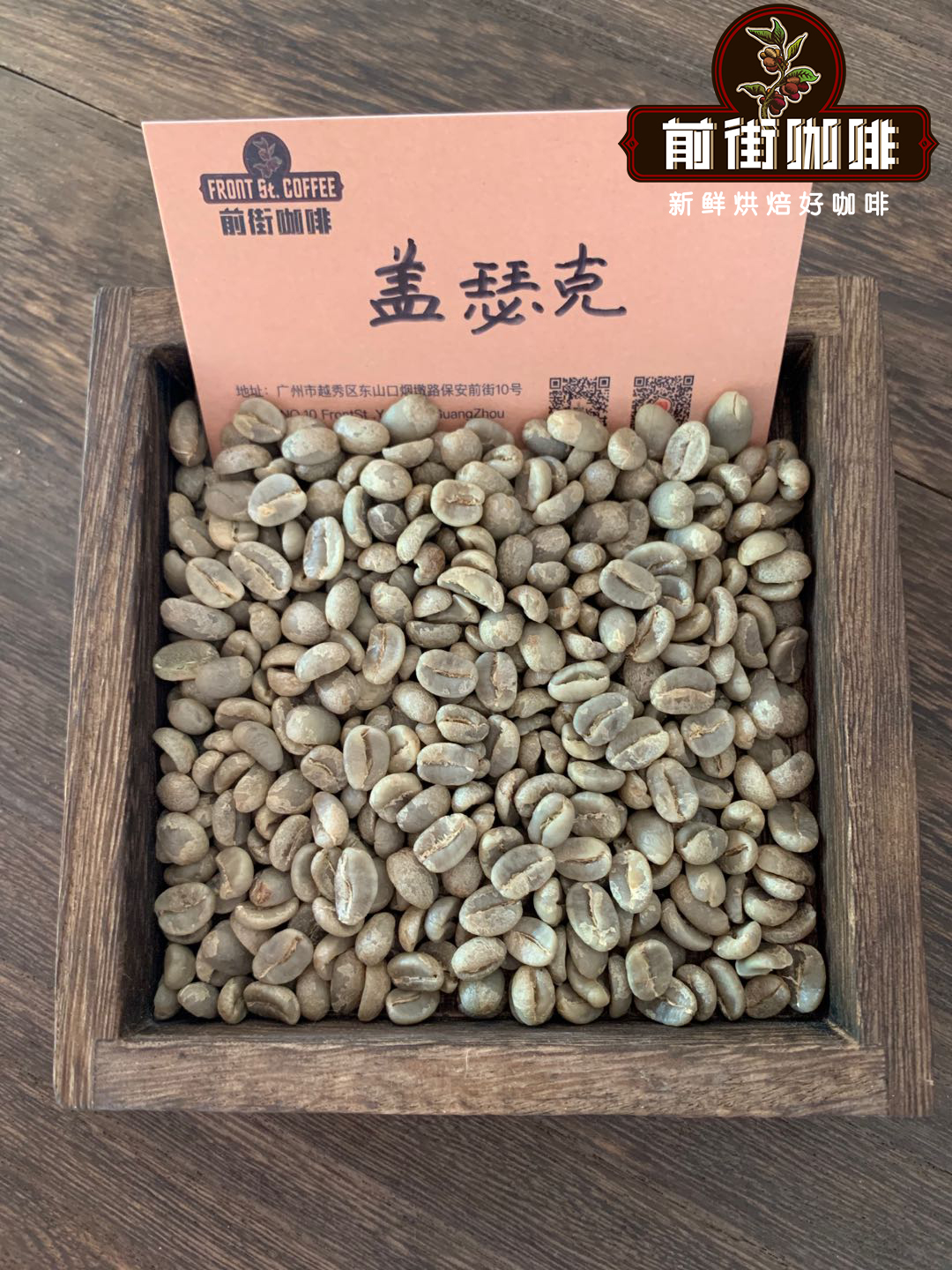
Roasting Recommendations
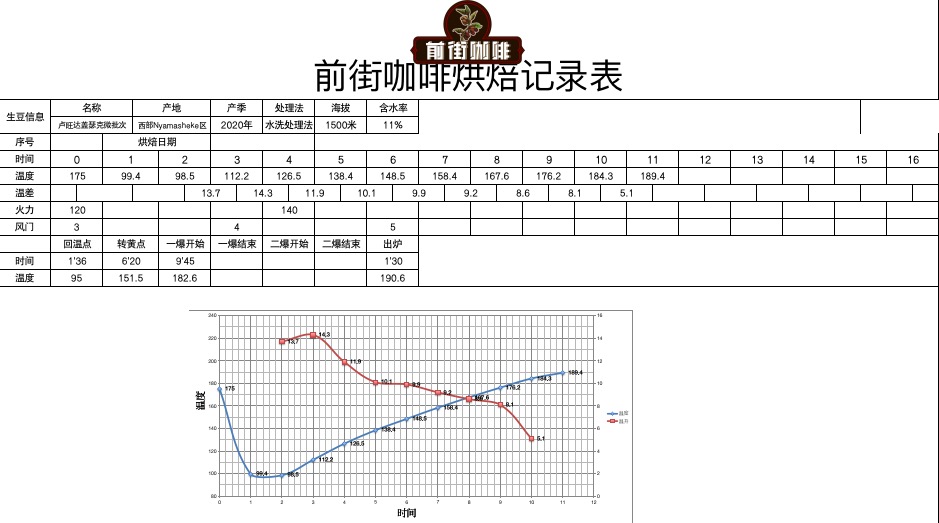
Given the delicate acidity and fresh flavors of Rwandan coffee, FrontStreet Coffee recommends a medium-light roast to bring them out.
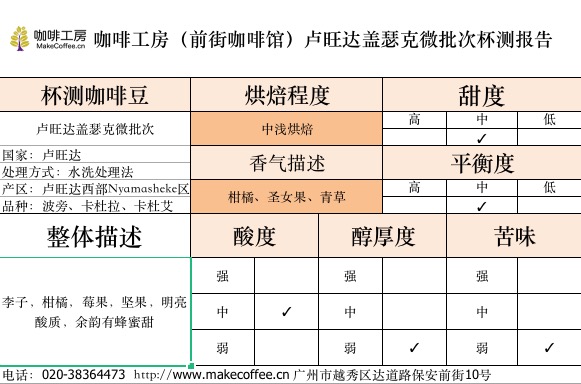
Cupping Notes
Brewing Recommendations
Dripper: V60
Water Temperature: 90℃
Coffee Amount: 15 grams
Coffee-to-Water Ratio: 1:15
Grind Size: BG#5G (20-mesh standard sieve, 80% pass-through)
Brewing Method
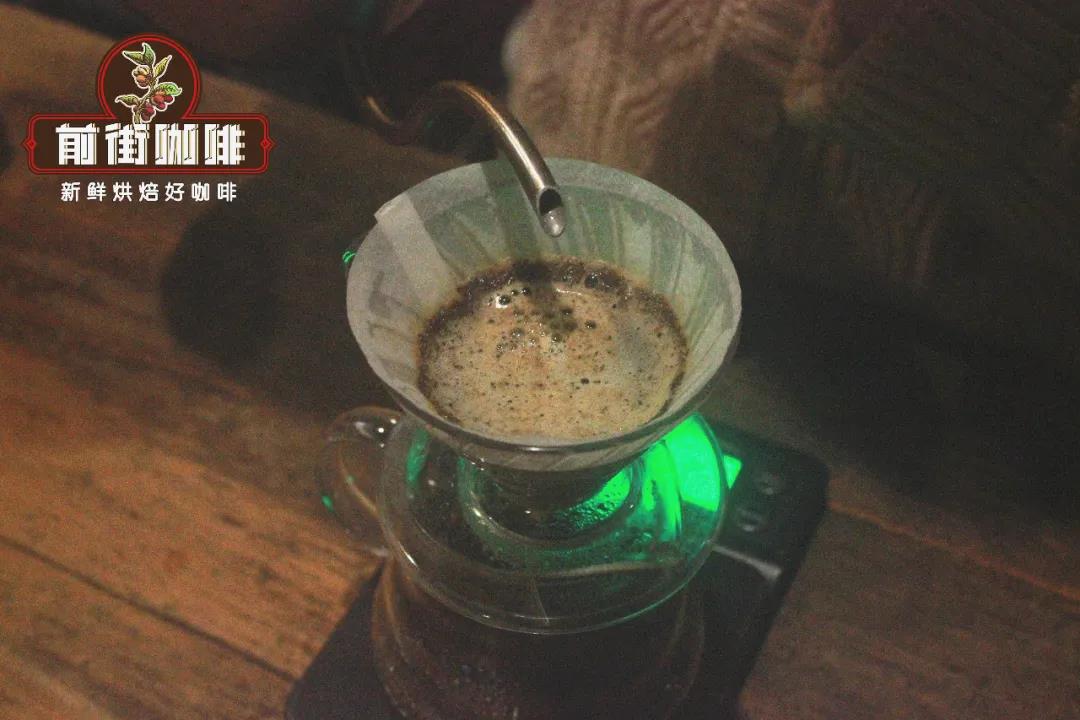
FrontStreet Coffee brews in stages: 30 g of water for a 30-second bloom, then a slow circular pour to 125 g as the first segment. Once the water level drops and the coffee bed is about to be exposed, pour on to 225 g. Remove the dripper when the level again drops to the bed (timing starts at the bloom). Total extraction time: 2'00".
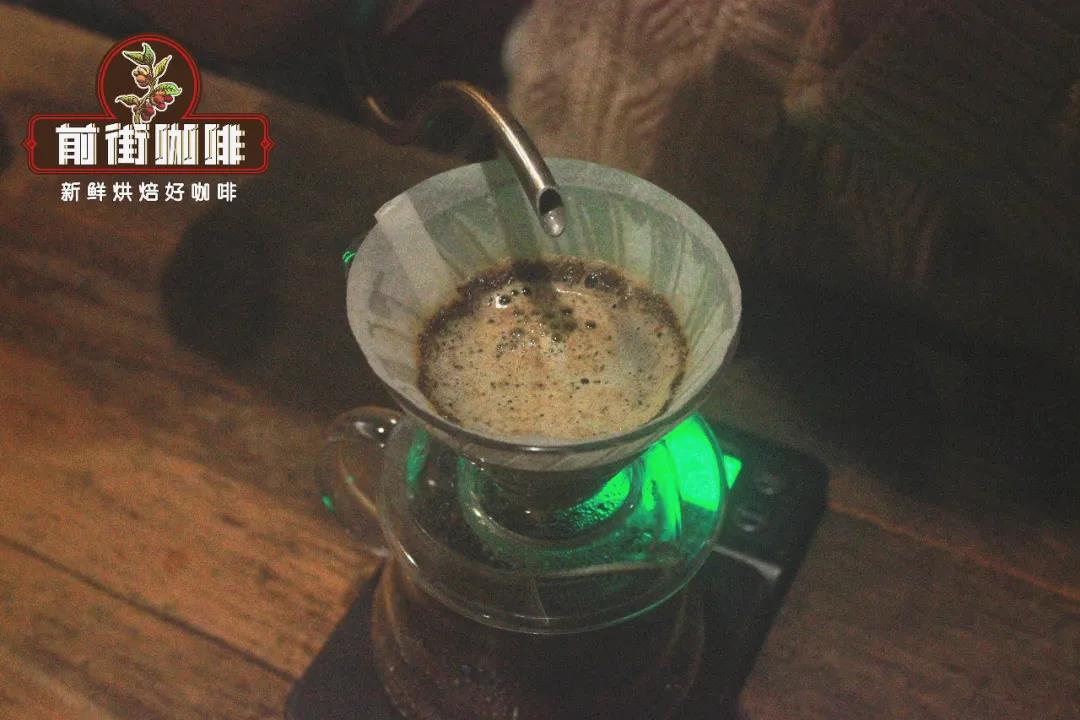
Flavor Description
Lovely citrus sweetness, bright acidity, berries, apple, citrus. Honeyed sweetness through the mid-palate, with excellent balance. Almond and chocolate finish.
Rwanda Washed Bourbon
Region: Western Nyamasheke District
Altitude: 1700-2000m
Variety: Bourbon
Processing Method: Washed
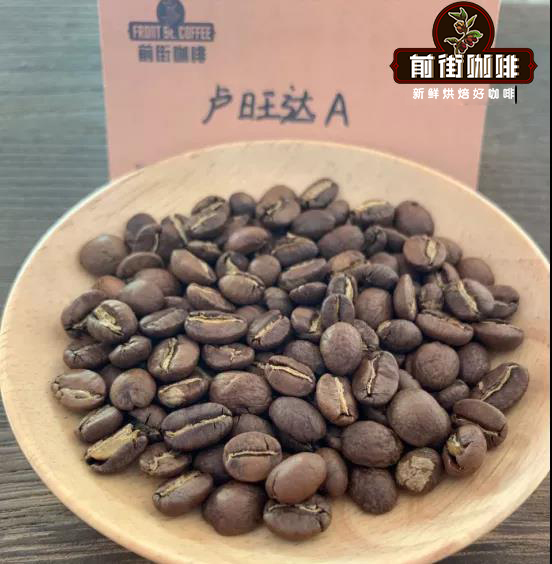
Roasting Recommendations
Rwandan beans' fresh acidity deserves a medium-light roast -- the deeper the roast, the more of that fruit acidity is lost.
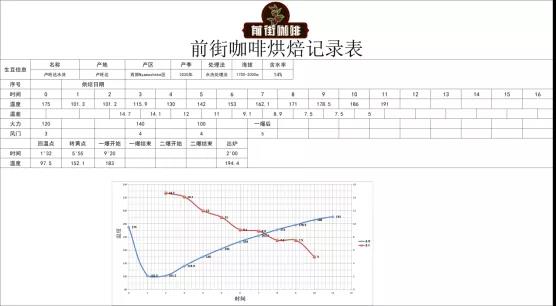
Machine: Yangjia 800N, 550 g green bean charge
- Bean Drop (charge) Temperature: 175℃
- Yellowing Point: 5'55", 152.1℃
- First Crack: 9'20", 183℃
- Post-First-Crack Development: 2'00", discharged at 194.4℃
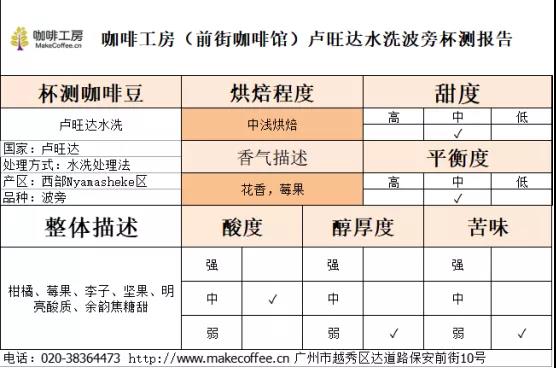
When FrontStreet Coffee cupped this washed Rwandan lot, the dry fragrance showed distinct floral and berry notes, with honeyed sweetness and nuttiness in the wet aroma. The overall profile runs bright acidity, citrus, berries, and nuts, with caramel sweetness in the finish.
Brewing Recommendations
- Dripper: V60
- Water Temperature: 90℃
- Coffee Amount: 15 grams
- Coffee-to-Water Ratio: 1:15
- Grind Size: BG#5G (20-mesh standard sieve, 80% pass-through)
FrontStreet Coffee brews in stages: 30 g of water for a 30-second bloom, then a slow circular pour to 125 g as the first segment. Once the water level drops and the coffee bed is about to be exposed, pour on to 225 g. Remove the dripper when the level again drops to the bed (timing starts at the bloom). Total extraction time: 2'00".
Flavor Description
Floral and berry aroma, with clear citrus, berries, and plum on entry. Nuts through the mid-palate and caramel sweetness in the aftertaste.
FrontStreet Coffee Rwanda Nyakarenzo
Region: Western Rusizi District
Washing Station: Nyakarenzo Washing Station
Altitude: 1695m
Variety: Bourbon
Processing Method: Washed
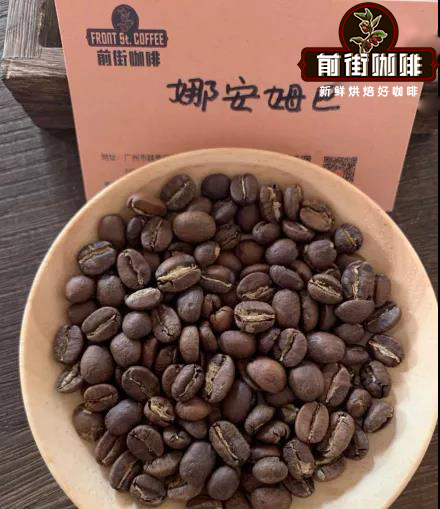
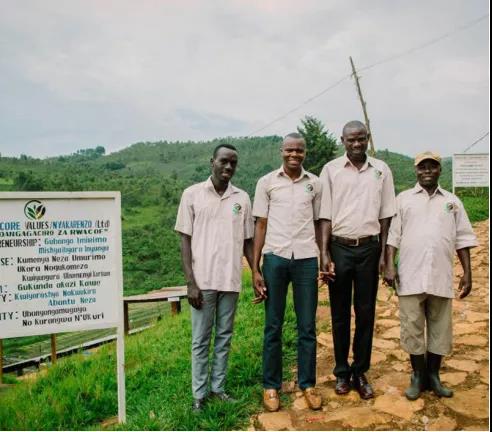
Nyakarenzo Washing Station
The Nyakarenzo Washing Station sits in western Rwanda's Rusizi district, on the borders of the Democratic Republic of Congo and Burundi. It is made up of more than a thousand smallholder farmers, three-quarters of whom are women.
Roasting Recommendations
As with all Rwandan lots, the fresh acidity calls for a medium-light roast -- the darker the roast, the more of that fruit character disappears.
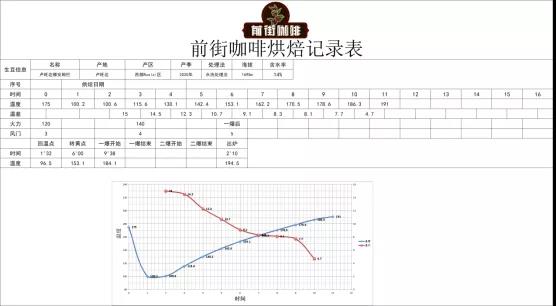
Machine: Yangjia 800N, 550 g green bean charge
- Bean Drop (charge) Temperature: 175℃
- Yellowing Point: 6'00", 153.1℃
- First Crack: 9'38", 184.1℃
- Post-First-Crack Development: 2'10", discharged at 194.5℃
Cupping the Nyakarenzo, FrontStreet Coffee found distinct citrus and walnut in the dry fragrance and honeyed sweetness in the wet aroma. The overall profile shows bright acidity, citrus, raspberry, and honey, with walnut in the finish.
Brewing Recommendations
- Dripper: V60
- Water Temperature: 90℃
- Coffee Amount: 15 grams
- Coffee-to-Water Ratio: 1:15
- Grind Size: BG#5G (20-mesh standard sieve, 80% pass-through)
FrontStreet Coffee brews in stages: 30 g of water for a 30-second bloom, then a slow circular pour to 125 g as the first segment. Once the water level drops and the coffee bed is about to be exposed, pour on to 225 g. Remove the dripper when the level again drops to the bed (timing starts at the bloom). Total extraction time: 2'00".
Flavor Description
Citrus aroma with light florals, clear citrus and raspberry on entry, bright acidity with a rich juiciness. Honeyed sweetness mid-palate and walnut in the aftertaste.
FrontStreet Coffee Recommendation
If you enjoy the bright, fruit-driven profile of Rwandan washed bourbon but want to compare it against a different tradition, FrontStreet Coffee's Brazil lineup makes a fascinating contrast. Brazil is the world's largest coffee producer, and its beans carry moderate acidity with an excellent balance of sweetness, bitterness, and body -- which is why they shine at a medium roast, releasing a wave of nut aroma, a mellow mouthfeel, and a faint acidity that works as a single origin or in blends alike.
For a first taste of Brazil, the FrontStreet Brazil Cerrado Red Bourbon is the classic pick. Cerrado is one of the country's best-known quality regions, and this red bourbon, roasted medium, opens up with aromas of creamy peanut, toast, caramel, and hazelnut -- a round, non-acidic cup with just a light bitter edge, equally at home in pour-over, moka pot, espresso SOE, siphon, or French press. For something rarer, the FrontStreet Brazil Fazenda Rainha yellow bourbon comes from Mogiana near southern Minas, where fertile red volcanic soil feeds the fruit into full aromatic development. Yellow bourbon is a mutation of red bourbon with a cleaner fruit character, and this lot shows a sugarcane sweetness you won't find in other origins, alongside fruit and chocolate notes.
Brazilian beans are also the backbone of many espresso formulas precisely because of their low acidity, balance, and approachable price. FrontStreet's classic blend (rich crema), its nutty premium blend, the black-cocoa blend favored by many baristas, and its commercial café blend all contain Brazilian components -- the Brazil content contributes chocolate and cream aromas, softens the interplay of sweet, sour, and bitter, and stabilizes extraction. If the Rwandan lots in this article are for savoring season by season, a Brazilian-based blend is the dependable daily workhorse that keeps the milk drinks flowing.
For more specialty coffee beans, please add FrontStreet Coffee on private WeChat, ID: kaixinguoguo0925
Important Notice :
FrontStreet Coffee is a long-established specialty coffee roaster in Guangzhou China, selling freshly roasted beans from its own farm in Yunnan as well as dozens of carefully selected single-origin beans from around the world for both pour-over and espresso. The products deliver consistently excellent quality and great value, with shipping within 24 hours. Guangzhou's FrontStreet Coffee shop is recommended by many coffee lovers, and the beans are now available online at the Tmall 。
FrontStreet Coffee has moved to a new address:
FrontStreet Coffee Address: 315,Donghua East Road,GuangZhou
Tel:020 38364473
 Scan and follow the En Gafei WeChat official account. Please indicate that the reprint comes from "En Gafei".