Why is Italian Coffee Dark Roasted? Why Are Italian Roast Coffee Beans Nearly Carbonized?
FrontStreet Coffee's Roasting Philosophy
FrontStreet Coffee considers many factors when selecting the roast level for a coffee. What processing method was used for the coffee being roasted? How will that processing method affect the roasting curve? FrontStreet Coffee's roasting goal is to reflect the flavor characteristics of the coffee's growing region. While any coffee bean can be roasted in various ways, FrontStreet Coffee believes the roasted flavor must embody the characteristics of its origin. Yirgacheffe, for example, should taste like Yirgacheffe, and other possibilities can then be developed on that foundation. This is FrontStreet Coffee's sole standard for determining coffee roast levels.
The brewing method is an important consideration as well. You would roast differently depending on whether the coffee is intended for espresso or pour-over. But why must roasting also consider brewing methods? And how should roasting techniques be adjusted?
Why Are Italian Roast Coffee Beans Nearly Carbonized? What Are Their Benefits?
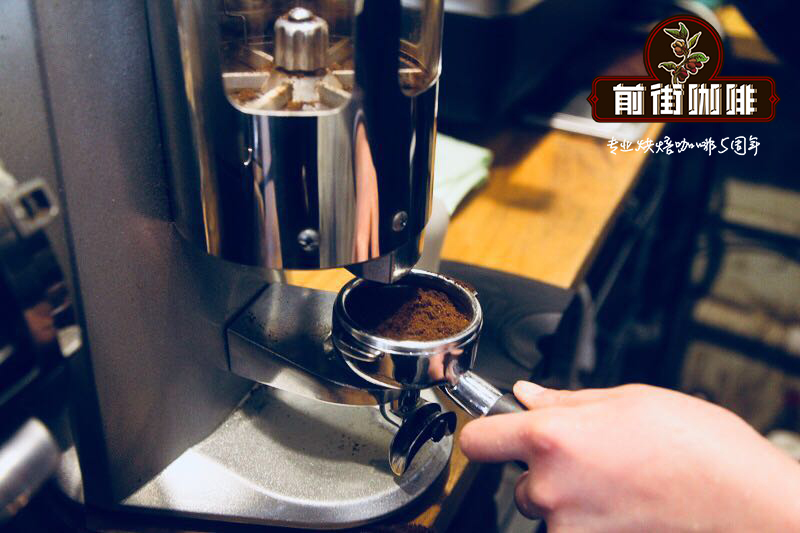
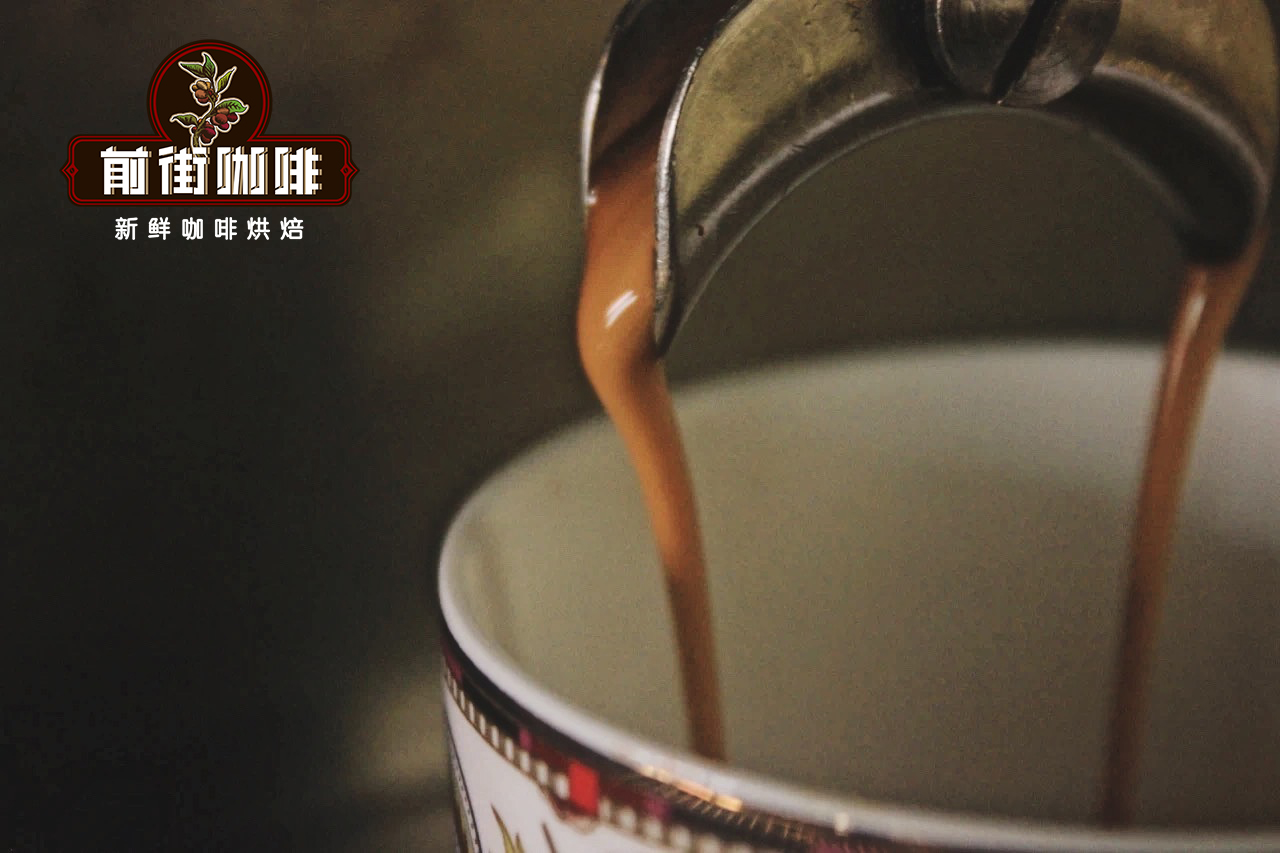
It turns out that these beans are blend beans. Artisanal roasting shops blend various uniquely flavored Robusta beans, of course including some Arabica as the base, with the goal of creating the shop's signature rich, thick espresso. The intoxicating, fascinating part is the rich coffee crema.
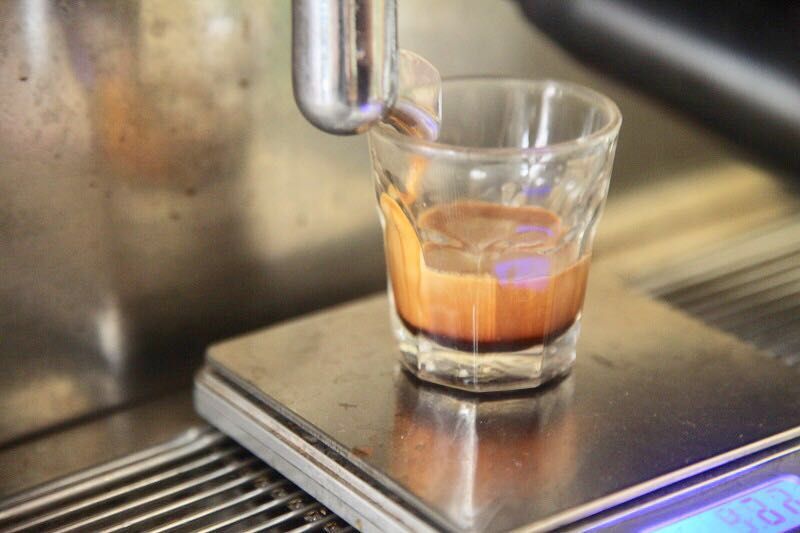
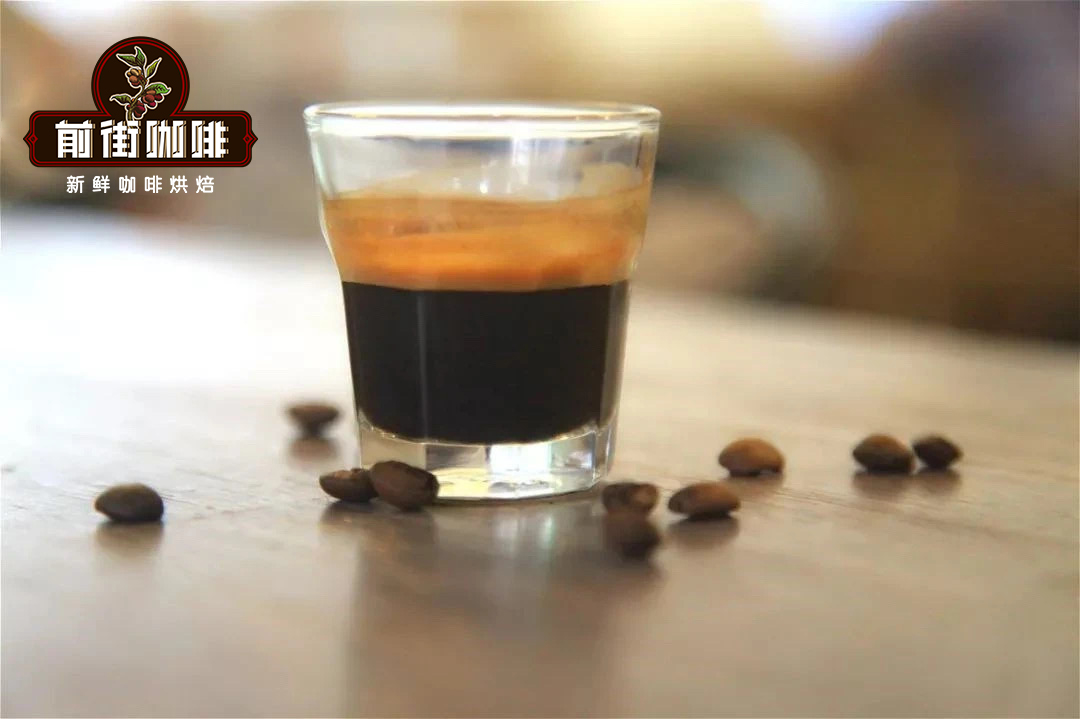
Careful analysis reveals that the crema comes from the coffee's natural oils. These oils result from roasting green coffee beans at high constant temperatures until, after the second crack, they become dense. Typically, such beans, when dropped from the roaster to cool, have a deep color but have not yet released oils. Because of continuous heat dissipation from the beans themselves, you will gradually see specks of oily sheen on the surface as they cool. Beans like this diffuse aroma strongly, with intense, powerful fragrances that are hard to resist. Only dark-roasted beans can force out these coffee oils, but their relative freshness and shelf life are also shortened.
Italian roast beans are best enjoyed within approximately five to seven days after roasting. After the seventh day or up to ten days, the oils gradually transform and an unpleasant rancid smell emerges. When extracted with an espresso machine at nine pounds of steam pressure, the crema will occupy 80% of the extraction cup. The taste when drunk straight is unforgettable. If you add coffee brown sugar to enhance the flavor, it becomes another taste experience altogether. FrontStreet Coffee suggests remembering to drink plenty of water when enjoying this type of coffee, to dilute the extraction liquid in your stomach, and we do not recommend drinking it on an empty stomach.
Roasting Espresso Beans
For espresso, coffee beans with relatively strong flavors are usually chosen, so acidic espressos are rare. Most beans are Italian-style blends with low acidity, or have their acidity removed through darker roasting. Because they need to pair with fragrant, rich milk, the coffee's bitterness and body must be sufficient.
As you can imagine, dark-roasted beans have higher weight-loss rates and slightly stronger bitterness. People therefore seek green beans with stronger bitterness for blending. Robusta variety green beans can increase coffee's bitterness, and Robusta also has more caffeine than Arabica and lower acidity.
Beans used for espresso need to release substances more easily than pour-over beans, but how is this achieved? FrontStreet Coffee's roasters use longer roasting times than for pour-over beans, though they do not necessarily need to raise the temperature or roast to dark levels.
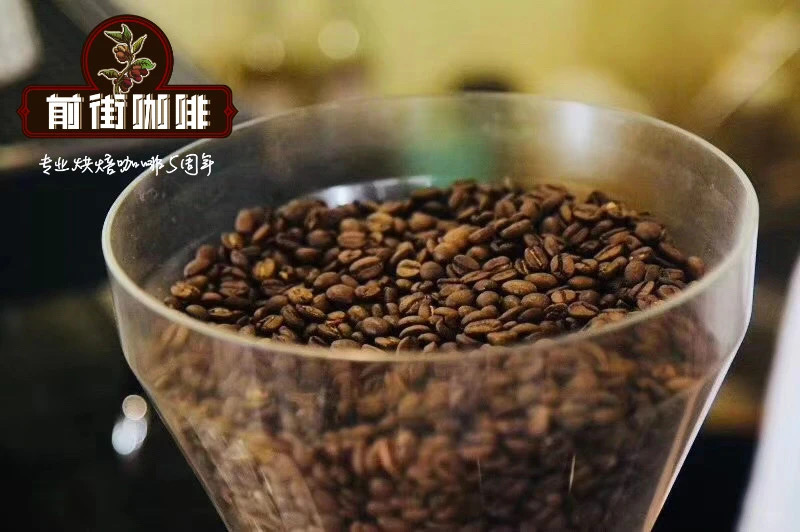
When roasting espresso beans, FrontStreet Coffee wants the beans to achieve ideal extraction results through solubility, and to create bright acidity. This often requires longer roasting times to make the bean structure looser. Perhaps the development phase after first crack, or even before first crack, or both phases, are crucial, but we believe the latter (before first crack) is the more critical phase.
When FrontStreet Coffee's partners cup such beans, they might not taste perfectly balanced, but as long as sweetness dominates, we find that these beans perform very well as espresso, highlighting acidity and achieving an ultimately balanced taste.
Extending the roasting development time makes coffee flavor more refined and easier to extract in a short time. Because it changes the coffee's characteristics, this roasting feature is easily identifiable during cupping, but if brewed well you can enjoy a cup that is well-developed in both roasting and extraction.
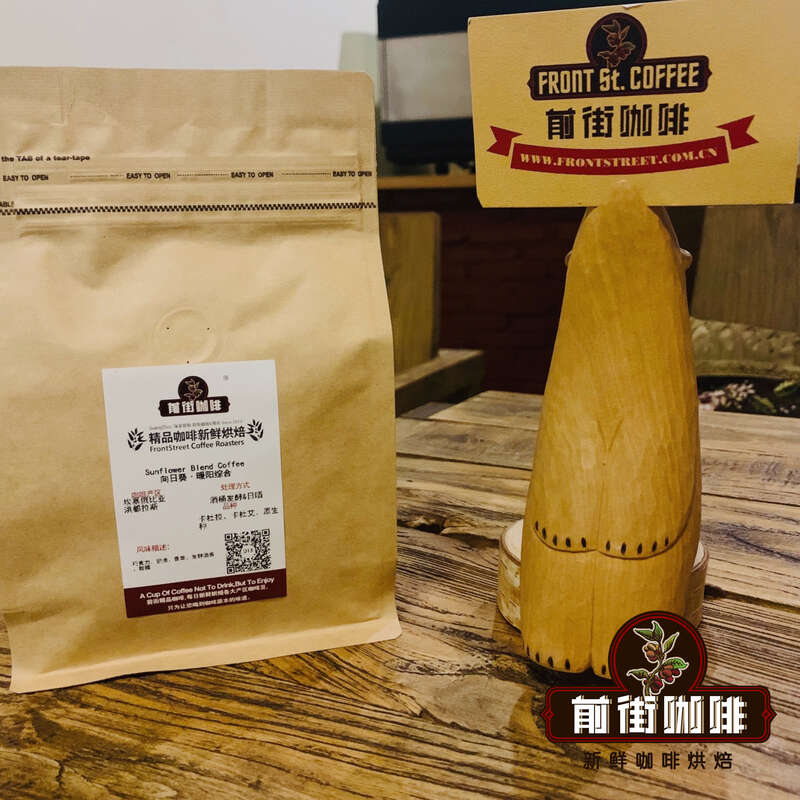
FrontStreet Coffee's Espresso Blend
FrontStreet Coffee has chosen blending as the approach for its store's espresso coffee. It currently uses a blend of sherry barrel-processed coffee beans and natural-processed Yirgacheffe Red Cherry Project coffee beans.
The ratio is 6:4, with 60% Honduras sherry barrel coffee beans providing flavor and body to the blend, and 40% natural Yirgacheffe providing more aroma and acidity.
Roasting Recommendations
When roasting this coffee bean, use a gradual heat-reduction method so the beans develop more synchronously during roasting.
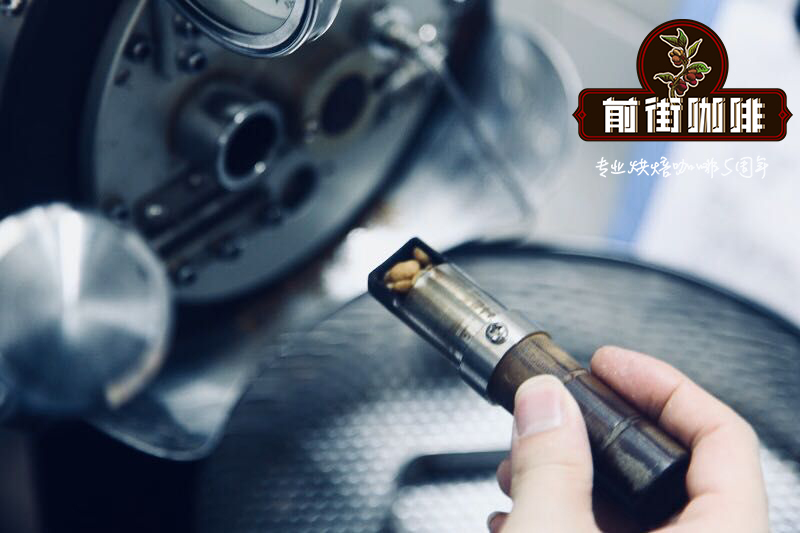
Preheat to 210°C, air damper at 4, heat at 200, temperature return point at 1'30" and 92°C; when the roaster temperature reaches 140°C, open the air damper to 6. At this point the bean surface turns yellow, the grassy smell disappears completely, and the coffee enters the dehydration phase. When the roaster temperature reaches 180°C, adjust the heat to 10 and open the air damper to maximum, 10.
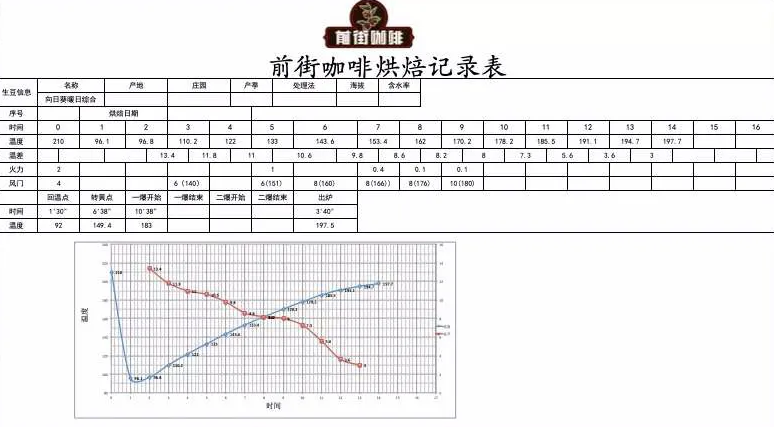
At 9'30", ugly wrinkles and black spots appear on the bean surface, and the toast aroma clearly transitions to coffee aroma, which can be defined as the prelude to first crack. At this point listen carefully for the sound of first crack, which begins at 10'38". After first crack, develop for 3'40" and drop at 197.5°C.
Roasting Pour-Over Beans
Pour-over coffee enhances the unique flavor characteristics of coffee, so FrontStreet Coffee's roasting goal is to preserve specific regional flavors. Generally, the longer the development phase during roasting, the higher the body, but this also sacrifices some acidity and fruit flavor.
Usually, longer development times produce more caramelized flavors and sweetness. If you want to emphasize fruit flavors, you can shorten the development time. If you want caramelized flavors like chocolate, you can try extending the development time.
Many customers judge our coffee based on brewing methods such as pour-over or coffee machine. Our goal is to achieve coffee with balanced acidity and sweetness and a full body. FrontStreet Coffee prefers multi-layered flavors, providing different experiences on the front, middle, and back palate during tasting.
FrontStreet Coffee believes that no single roasting method can create beans perfect for pour-over. We want coffee to provide a good experience for drinkers from hot to cold, rather than coffee that lacks follow-through and whose flavor collapses as it cools. Although each coffee will have flavor differences, we can usually achieve our expected goals.
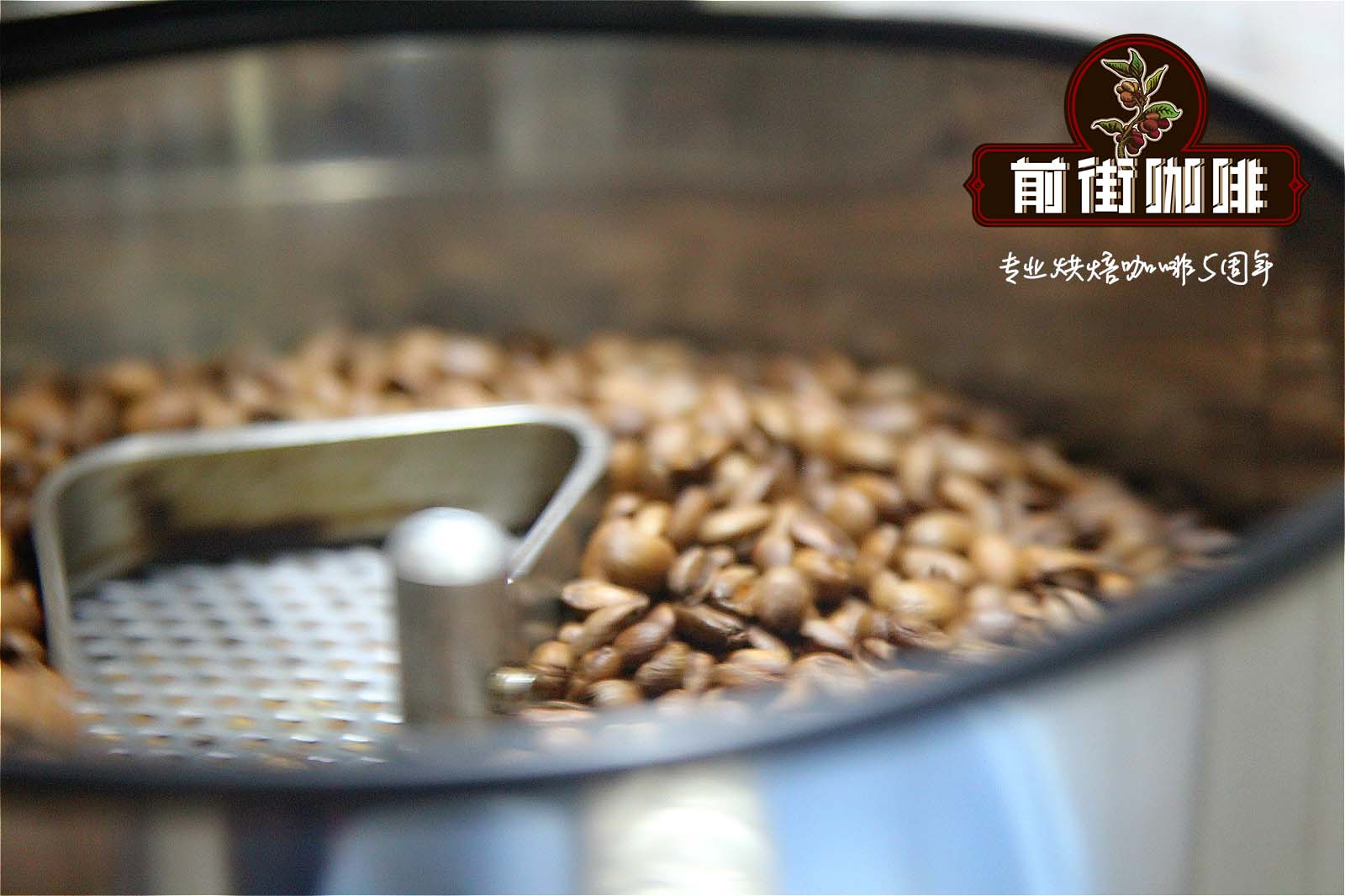
What Is Omni-Roasting?
Omni-roasting means the roasted beans are suitable for any brewing method. This does not mean the coffee tastes the same regardless of how it is brewed; brewing methods still affect flavor and body. But theoretically, omni-roasted beans are suitable for both pour-over and espresso.
In omni-roasting, more time is needed for flavor development during roasting, which makes the beans more soluble for use as espresso while preserving a range of flavor compounds that make the coffee suitable for other brewing methods as well.
All roasting is the same in this respect: each coffee has its characteristics, and sample testing should be conducted when evaluating roast levels. When using omni-roasting, try different brewing methods to express different flavors.
FrontStreet Coffee believes that omni-roasting may not bring out the best quality of a coffee. It may not satisfy some customers and baristas who particularly prefer certain brewing methods, since the flavors may not be prominent enough to leave a lasting impression.
Eight Roast Levels
The well-known coffee roast levels in American terminology are light roast, medium roast, and dark (heavy) roast, which can be further divided into 8 stages. The differences in roast levels vary by region. Below is a brief introduction to the roast levels and their flavors:
1. Light Roast: Extremely Light Roast
Drop time: Around the beginning of first crack
Flavor: The bean surface appears light cinnamon color, with a strong grassy smell, insufficient taste and aroma; generally used for testing, rarely for tasting.
2. Cinnamon Roast: Light Roast
Drop time: From the beginning of first crack to dense
Flavor: The bean surface appears cinnamon color, the grassy smell is gone, with strong acidity and slight aroma; often used for American coffee.
3. Medium Roast: Medium Roast
Drop time: Between first crack dense and ending
Flavor: The bean surface appears chestnut color, light taste, acidic with slight bitterness, moderate aroma, preserving the original coffee bean flavor; often used for American coffee or blended coffee.
4. High Roast: Medium-Dark Roast
Drop time: End of first crack
Flavor: The bean surface appears light reddish-brown, refreshing and rich taste, balanced acidity and bitterness without being harsh, with slight sweetness; both aroma and flavor are excellent. Blue Mountain and Kilimanjaro coffees suit this roast level, favored by Japanese and Northern or Central European drinkers.
5. City Roast: Medium-Dark Roast
Drop time: After first crack, between first and second crack
Flavor: The bean surface appears light brown, bright and lively taste, balanced acidity and bitterness with lighter acidity, releasing excellent flavors from the coffee; a standard roast level and the most popular among the public. Brazilian and Colombian coffees suit this roast level, often used for French coffee.
6. Full City Roast: Dark Roast
Drop time: Second crack
Flavor: The bean surface appears brown, steady and full taste, stronger bitterness than acidity, sweet aftertaste, full aroma; a Central and South American roasting method, often used for iced coffee and black coffee.
7. French Roast: Very Dark Roast
Drop time: From second crack dense to second crack ending
Flavor: The bean surface appears dark brown with black, strong and intense taste, stronger bitterness, light acidity almost imperceptible, with rich chocolate and smoky aroma; popular in Europe, especially France, often used for café au lait and Vienna coffee.
8. Italian Roast: Extremely Dark Roast
Drop time: From second crack ending to the bean surface turning black and oily
Flavor: The bean surface appears black with an oily sheen, the coffee bean fibers on the verge of carbonization, strong and complex taste, powerful bitterness, with rich roasting and burnt aroma; mainly popular in Latin countries and Italy, often used for espresso.
There is no standard method for roasting espresso or pour-over beans, and each batch of green beans has different characteristics and qualities. FrontStreet Coffee believes, however, that understanding the relationship between extraction and flavor development lets us choose roast levels more correctly for espresso or pour-over.
Whether choosing the most suitable roast level for each individual bean or omni-roasting, regular cupping is necessary, and coffee must be brewed according to the established method. Through close attention to the roasted coffee, different roasting methods suitable for each brewing method can be identified.
FrontStreet Coffee Recommendation
If you enjoy the powerful, crema-rich style of a dark Italian roast, FrontStreet Coffee also roasts beans that show how roast level changes a coffee's identity. Their washed Yirgacheffe, usually offered at a lighter roast, shines with jasmine and bright citrus acidity instead of heavy bitterness, and their natural Red Cherry adds berry and honeyed sweetness. Tasting them side by side is a simple way to see how development time, not just darkness, shapes flavor.
Important Notice :
FrontStreet Coffee is a long-established specialty coffee roaster in Guangzhou China, selling freshly roasted beans from its own farm in Yunnan as well as dozens of carefully selected single-origin beans from around the world for both pour-over and espresso. The products deliver consistently excellent quality and great value, with shipping within 24 hours. Guangzhou's FrontStreet Coffee shop is recommended by many coffee lovers, and the beans are now available online at the Tmall 。
FrontStreet Coffee has moved to a new address:
FrontStreet Coffee Address: 315,Donghua East Road,GuangZhou
Tel:020 38364473
 Scan and follow the En Gafei WeChat official account. Please indicate that the reprint comes from "En Gafei".