Detailed Introduction to Brazil Santa Lucia Estate Micro-Lot Pulped Natural Yellow Bourbon from South Minas Region
For professional barista exchange, follow Coffee Workshop on WeChat (official account: cafe_style).
The History of Brazilian Coffee
Coffee was first introduced to Brazil in the early 18th century. In 1727, the Brazilian government dispatched a charismatic army officer who, under the pretext of mediating a border dispute, secretly brought coffee seeds back from French Guiana. Legend has it that the governor's wife of French Guiana was so taken with the officer that, at the farewell banquet, she hid coffee tree seeds in a bouquet and gave them to him. Today, Brazil has two million hectares of land dedicated to coffee cultivation, over 70% of it Arabica, the largest share by far. These beans eventually reach major roasters around the world as what is commonly known as Santos, named after the export port rather than a growing region.
Brazil's Premium Coffee Production
Brazil has also proven capable of producing exceptional coffee and small-batch lots. Local specialty coffee is not necessarily limited to smallholders. Brazil's main coffee-producing regions include Sul de Minas, Matas de Minas, Cerrado, Chapadas de Minas, Mogiana, Paraná, and Bahia. There are both traditional and cultivated varieties, such as Bourbon, Mondo Novo, Icatú, Catuai, Iapar, and Catuai.
Fazenda Santa Lucia Yellow Bourbon
Name: Brazil Fazenda Santa Lucia Yellow Bourbon
Region: Sul de Minas
Variety: Yellow Bourbon
Altitude: 1,080-1,200 meters
Processing: Pulped Natural
Flavor Notes: Nuts, Cream, Caramel
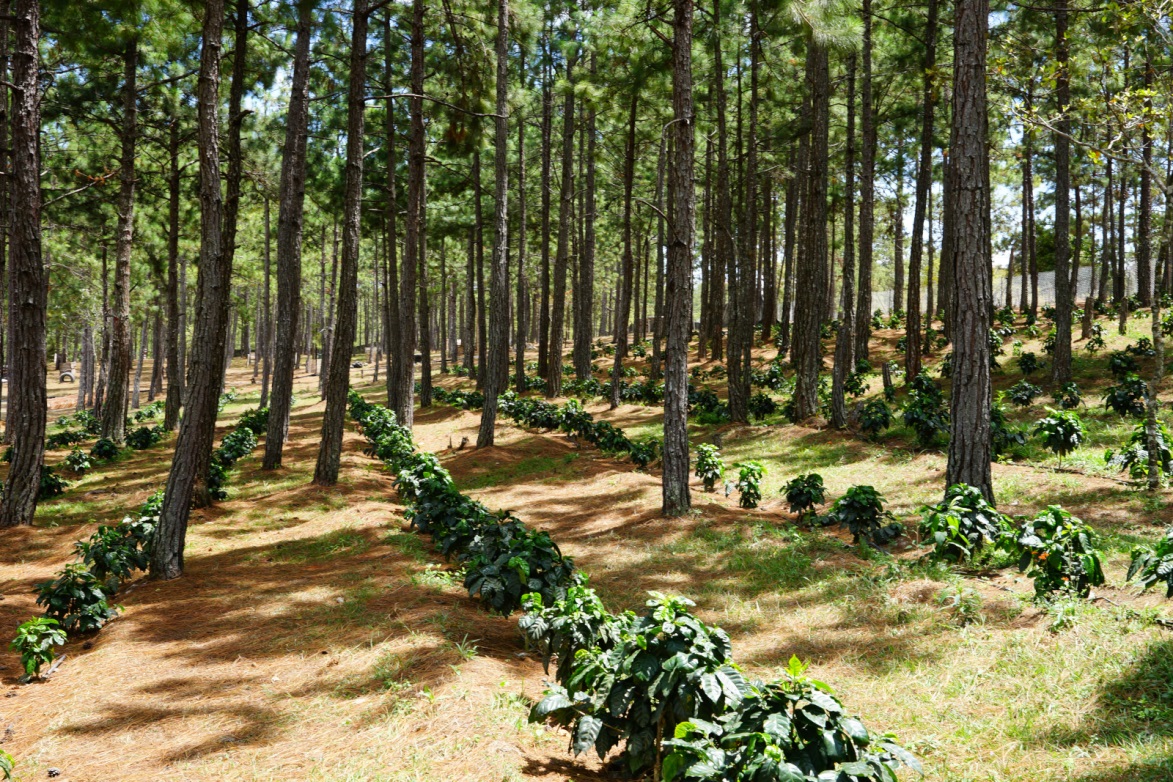
Fazenda Santa Lucia is located in the Carmo de Minas area of Sul de Minas, owned by the Helcio Carneiro Pinto family and now managed by their sons. The family has been growing coffee for 100 years. Of their current 740 hectares, 83 are used for coffee: 9 hectares of Yellow Bourbon, 18 of Catuai, 18 of Acaia, and 25 of Mundo Novo, with an annual production of 2,800 bags of 60 kg each.
Fazenda Santa Lucia is one of the more technologically advanced estates in the Carmo de Minas area and is currently expanding its coffee area to increase annual production to 5,600 bags of 60 kg each. The family business is managed by The Sertão Group. Besides coffee, other land is used for livestock, corn, and soybeans. This particular batch was processed by COCARIVE (Carmo de Minas Cooperative), a small farmers' cooperative in the region that is enthusiastic about promoting high-quality coffee cultivation and processing research.
This micro-batch from Fazenda Santa Lucia uses pulped natural processing, with natural sun-drying at harvest. Experts describe the flavor as excellent clarity, nuts, dates, peanut, chocolate, lemongrass, cane sugar sweetness, cocoa, and nuts: clean and sweet.
What is a Micro-Batch?
FrontStreet Coffee is here to explain the term.
Micro-batch
This type of coffee comes from a specific block within a farm, sometimes from a very small plantation, or possibly from a small plot shared by many producers.
The coffee is harvested and processed in small batches. Because labor costs are higher, the backend prices are higher, so micro-batch coffees typically have excellent quality. Terra mentions that O'coffee's micro-batch coffees have cupping scores of approximately 87-89 points, with production of about 40 bags of 60 kg jute sacks.
This coffee from Brazil's Fazenda Santa Lucia is of the Yellow Bourbon variety, which your editor quite likes.
Yellow Bourbon traces its origins to Bourbon's birthplace on Reunion Island, near Madagascar. In the 18th century, French explorers first brought coffee there, so this variety also has another name: French Missionary. In the 20th century, it was brought to the African continent and then introduced to Brazil. Its derived varieties now spread across Africa and the Americas. The Bourbon variety grown in Brazil displays yellow fruit due to the influence of recessive genes.
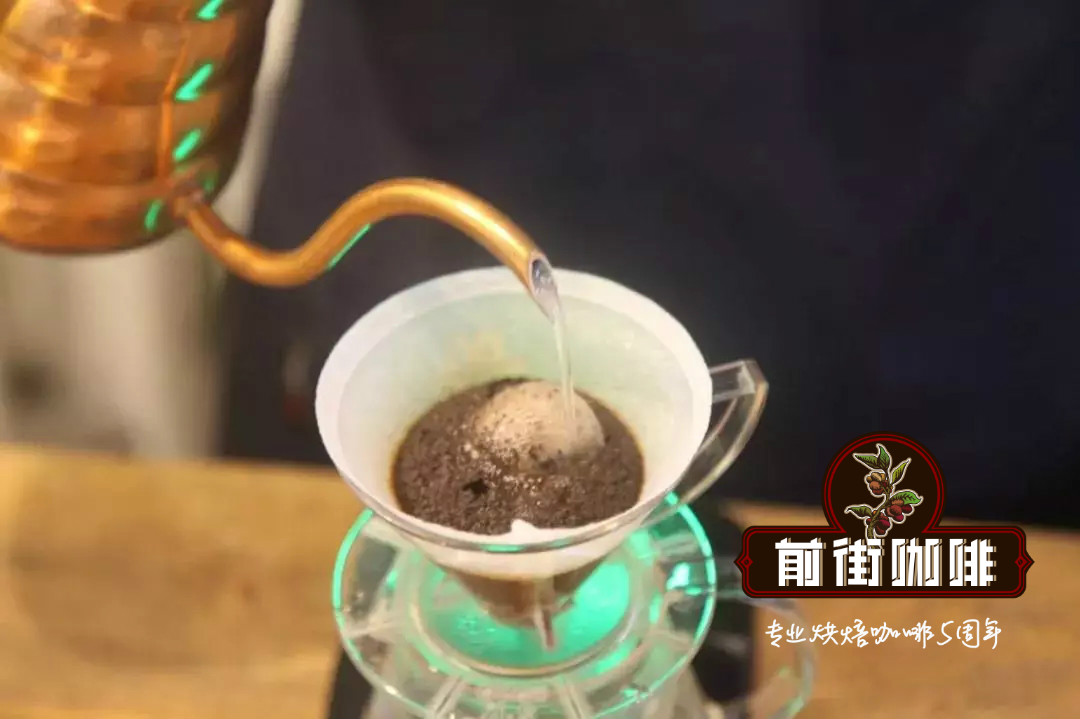
Brazilian coffee beans are relatively soft, so FrontStreet Coffee suggests using high heat with low airflow to accelerate dehydration when roasting. After the dehydration phase ends, use medium airflow and medium heat for the Maillard reaction, but don't rush the timing; finish near the end of the first crack. When brewing, FrontStreet Coffee recommends a medium grind, 86-88°C water temperature, and a 1:13-1:14 coffee-to-water ratio, paired with a slow-flow drip brewer.
END
FrontStreet Coffee Recommendation
If you would like to taste the Brazilian profile at its most classic, FrontStreet's half-sun Cerrado Red Bourbon is a very approachable single-origin. Cerrado is a well-known Brazilian region celebrated for high-quality beans, and this Red Bourbon is medium roasted to deliver creamy peanut, toasted bread, caramel, and hazelnut aromas with a rounded, smooth body, gentle bitterness, and almost no acidity. It works as a pour-over and also suits a moka pot, espresso SOE, siphon, or French press.
For a more distinctive expression of the same country, FrontStreet Brazil Queen Estate is grown in Mogiana, where fertile red volcanic soil helps the fruit develop concentrated aromatics. Its rare Yellow Bourbon variety, a natural mutation of Red Bourbon, offers a cleaner fruit character and a sugarcane sweetness that other regions rarely match, along with soft fruit and chocolate notes whether you brew it as a pour-over or pair it with milk.
Important Notice :
FrontStreet Coffee is a long-established specialty coffee roaster in Guangzhou China, selling freshly roasted beans from its own farm in Yunnan as well as dozens of carefully selected single-origin beans from around the world for both pour-over and espresso. The products deliver consistently excellent quality and great value, with shipping within 24 hours. Guangzhou's FrontStreet Coffee shop is recommended by many coffee lovers, and the beans are now available online at the Tmall 。
FrontStreet Coffee has moved to a new address:
FrontStreet Coffee Address: 315,Donghua East Road,GuangZhou
Tel:020 38364473
 Scan and follow the En Gafei WeChat official account. Please indicate that the reprint comes from "En Gafei".