Introduction to the Two Main Goals of Espresso Coffee Blends and How to Adjust Flavor Profiles
For professional barista discussions, please follow Coffee Workshop (WeChat public account: cafe_style)
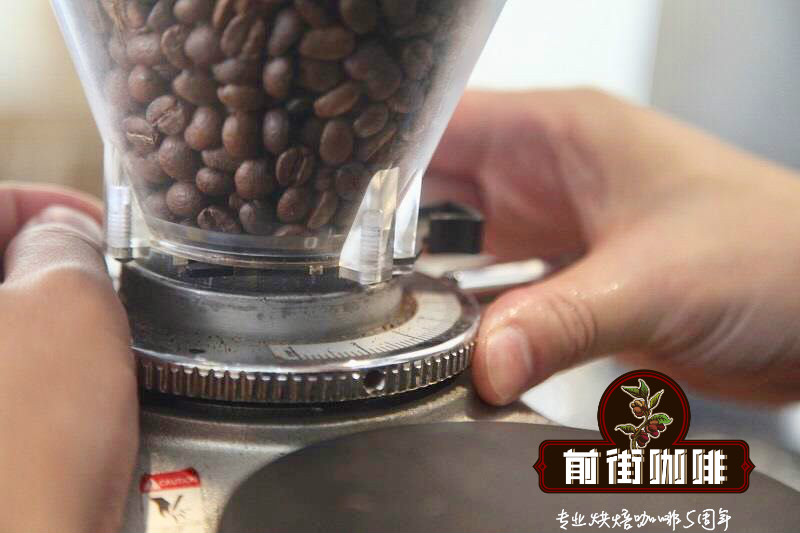
Understanding Espresso
Espresso is a beverage made by forcing near-boiling, high-pressure water through finely ground coffee. It is generally thicker than coffee brewed by other methods, with higher concentrations of suspended and dissolved solids, such as the crema on the surface - a creamy-textured foam. Because of the pressurized brewing process, espresso has an intense flavor with extremely high concentrations of chemical compounds. It is often used as the base for drinks like latte, cappuccino, macchiato, mocha, and Americano.
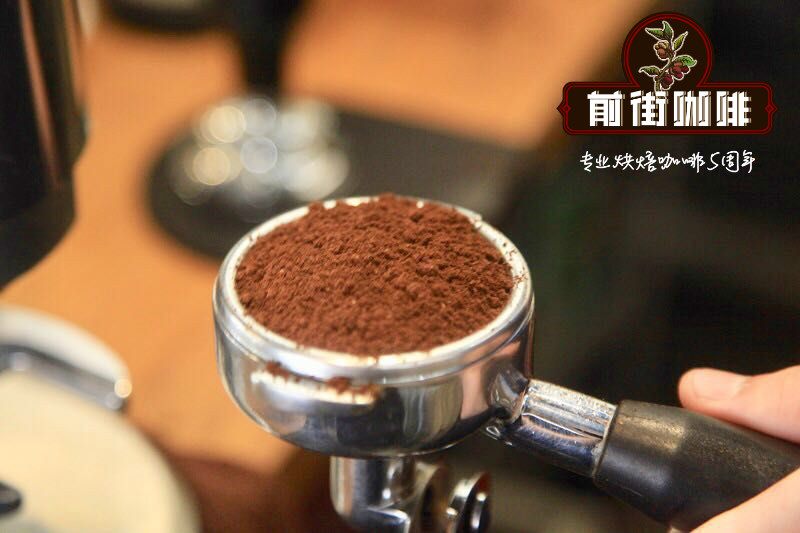
Beneath the foam, espresso holds particles with emulsified microscopic oil droplets, dissolved sugars, acids, protein-like substances, and caffeine. Espresso also holds a high status in the hearts of enthusiasts, not only for its rich taste and pure Italian heritage but also as a solution of suspended bubbles and solids. Because humidity and storage time constantly change, and grinder blades wear over time, we adjust the grind daily to keep espresso flavor consistent. So how do we make a perfect espresso?
Understanding Coffee Blends
Blended coffee - coffee blending - means mixing various single-origin beans to fully leverage the strengths of each. Blends are made by mixing beans from different origins to reach a more balanced flavor. If one bean is smooth but lacks aroma, for example, a bean rich in fragrance can be added to complement it, creating coffee with complementary or enhanced flavors and a richer new taste experience. Sometimes beans are mixed first and then roasted - raw blending; sometimes they are roasted separately and then mixed - post-roast blending.
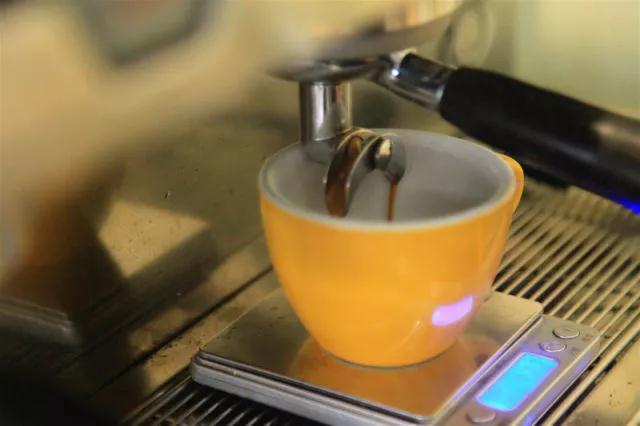
The Espresso Formula
The ideal Italian-style espresso has very low acidity, high body, and a rich, velvety, thick reddish-brown crema carrying the coffee's aroma and flavor. Crema is the single most important indicator of a complete espresso - it must capture the coffee's intense flavors. The steam produced during extraction is contained in fine oil foam, and when you drink espresso those foam bubbles burst and release volatile aromatic molecules that travel from the mouth up to the nasal olfactory receptors. This foam also adheres to the taste buds, creating a lingering aftertaste that can last up to an hour.
Some people prefer single-origin coffee for SOE (Single-Origin Espresso). That may be the simplest approach, but the results, I believe, require compromise, because no single-origin coffee provides all the physical and flavor characteristics in the right balance. High-quality espresso must combine two or more coffees.
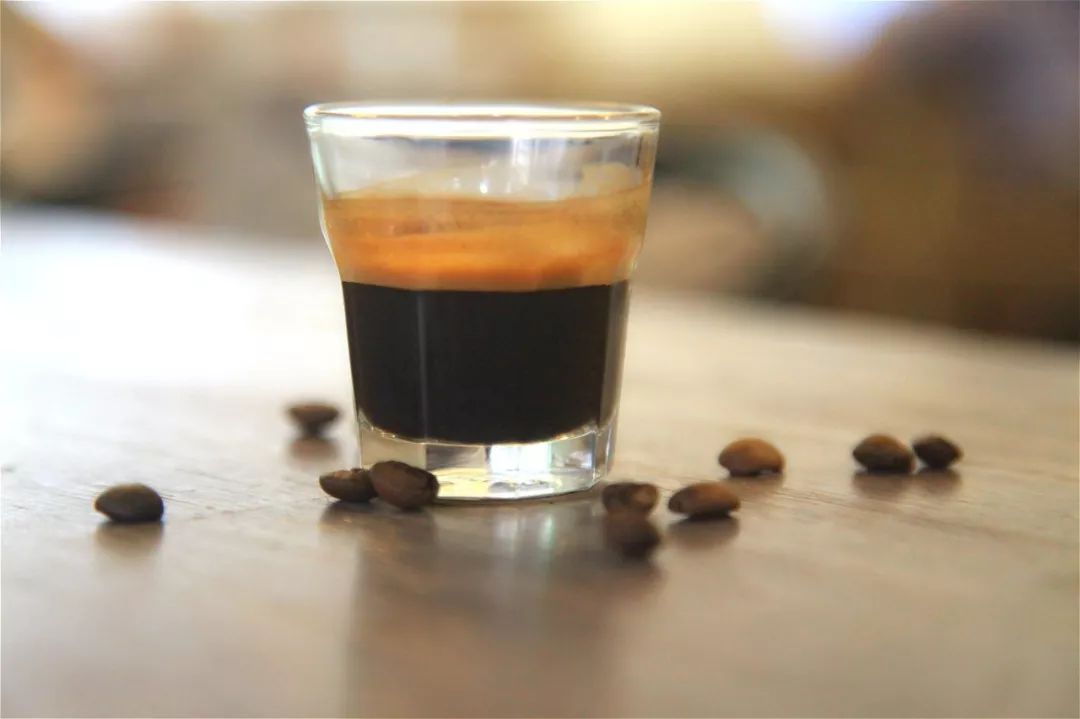
Put simply, I believe espresso characteristics can be described along two broad, different directions. Physical characteristics: color, thickness, crema. Flavor characteristics: aroma, taste, aftertaste. Physical characteristics come from one group of coffees and flavor characteristics from another. Although the two aren't truly separable, choices must be made, so that coffees supplying thick texture for color, thickness, and crema perform less in aroma and taste, and vice versa. In practice, the variables of these two groups can be adjusted independently.
Natural-processed coffees often have more crema than washed coffees. If you can find a natural-processed coffee with low acidity and high body, it makes an excellent espresso base. Asian coffees, especially those from India and Indonesia, plus Brazilian coffees, offer low-acidity options. After selecting the base bean, we must evaluate whether the formula suits adding high-quality Robusta. High-quality Robusta is difficult to obtain and expensive, often more expensive than many Arabica beans, but espresso can use clean-textured, mild specialty Robusta.
Unlike general grades, higher-priced Robusta can create a smoother, milder, softer mouthfeel without a rubbery aftertaste. It also raises the caffeine content in espresso, an extra benefit many people seek. The Robusta share in espresso blends varies with the bean's aging degree, grade, and roast level, and, more importantly, with the other coffee components. Considering that most espresso-based beverages sold in North America are milk drinks, high-quality Robusta is an effective way to help coffee gain acceptance - fused with milk, it helps Arabica deliver more flavor.
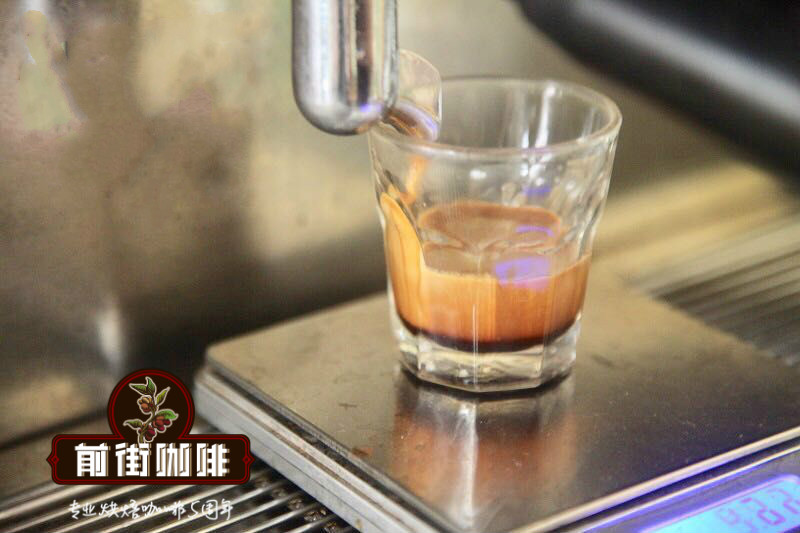
Perhaps the most significant impact of quality Robusta is its ability to increase crema richness and persistence without affecting the most important quality of a great espresso - balance. It also adds unique flavors to the profile, typical European-style espresso flavors that I believe Arabica cannot achieve alone.
To add flavor components to the formula, choose one or two coffees whose aroma and taste you truly enjoy. I call them "focal coffees." These can have medium or lower body, even some acidity. Start with one coffee, and add a second if necessary.
The next step is balance. All characteristics must blend together without any one overpowering the others. It must be smooth, mild, and thick, without uncomfortable bitterness and without noticeable acidity. The crema should be rich, smooth, velvety, and not easily dissipating. Pay special attention to the aftertaste - the aroma must be very pleasant, so that when the oil foam bursts, steam fills the nasal receptors for a genuinely enjoyable experience.
Pre-Roast vs. Post-Roast Blending
Whether to pre-mix raw beans or mix after individual roasting depends on the characteristics of the coffees in the formula. Both methods are acceptable. Post-roast blending allows different roast degrees for each bean so each component performs at its best, and it also gives non-home roasters a way to create exclusive formulas. Its most obvious disadvantage is that, if the roastery cares about freshness, it requires multiple roasts and causes waste.
When the roasting characteristics of the coffees in the formula are compatible, pre-roast pre-mixing can be feasible. But when beans differ in size, density, moisture content, thermal conductivity, and roast development curve, pre-mixed roasting becomes difficult and, in most situations, impossible.
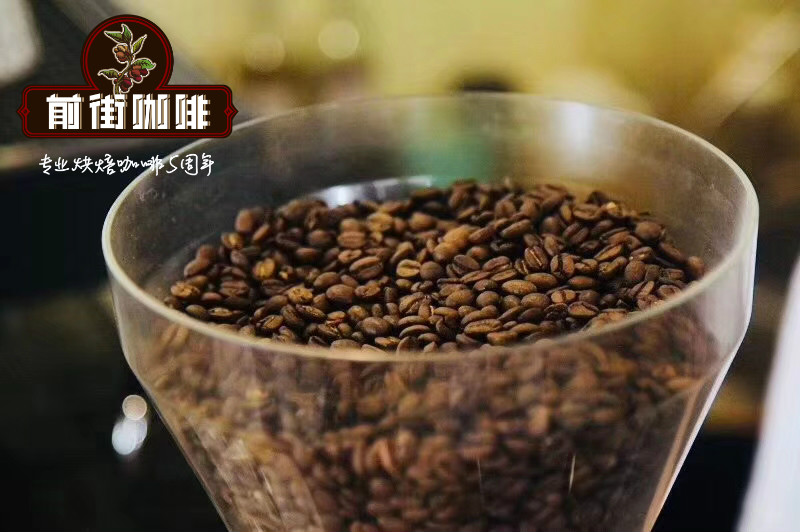
FrontStreet Coffee Premium Espresso Blend
Coffee Beans: Colombia : Brazil, ratio 3:7
Colombia Huila Region
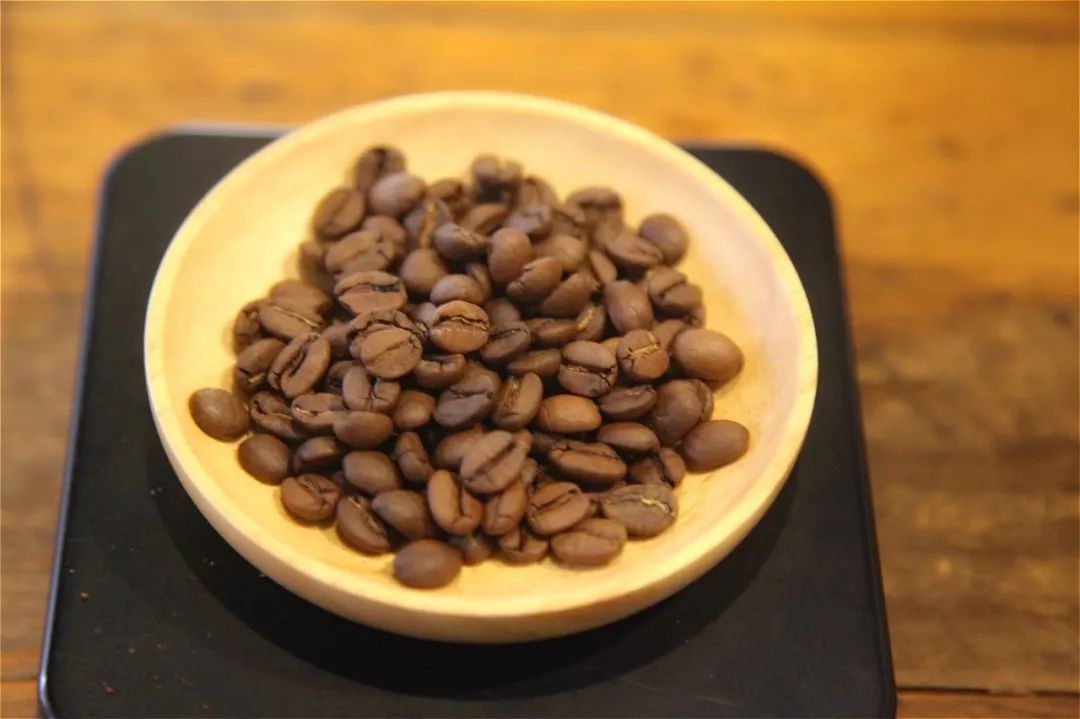
Located in southwestern Colombia, Huila is one of the main coffee cultivation areas. Colombian coffee generally grows at altitudes of 1500-1800 meters, mostly Bourbon and Caturra, processed by the washed method. It has high density, uniform bean size, and plump beans (thicker from the bean core to the surface). Because the Huila region is dotted with famous coffee areas, the names of various sub-regions have become brand names in circulation. Though the growing conditions here are also very good, the farms and surrounding infrastructure are not well developed, and raw bean drying equipment and washed processing facilities are not yet complete - a real pity. Coffee from Huila has strong flavor and a heavier texture.
In particular, the nutty, chocolate, and caramel aromas and suitable acidity of Huila coffee are worthy of being called high-end specialty coffee.
Flavor Profile: A rich and solid mouthfeel with pleasant acidity, a fragrant aroma, moderate acidity, and a rich, intriguing sweetness. Because of its affordable price and small beans, it is well suited to blending. The coffee has strong flavor and a heavier texture. Its nutty, chocolate, and caramel aromas and suitable acidity are worthy of being called high-end specialty coffee, and it works as a single origin or an espresso blend base.
Brazil Cerrado Region
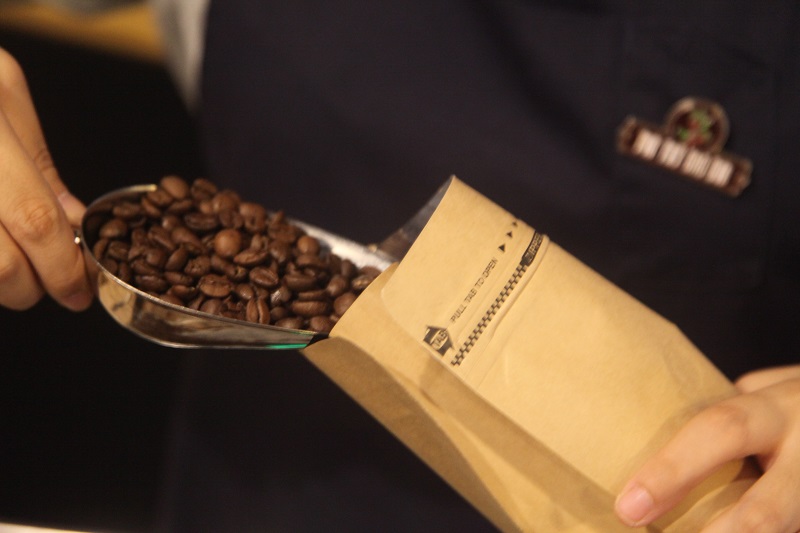
Brazilian coffee generally grows at altitudes of 1000-1300 meters, so its density is relatively low. Mostly Bourbon, processed by the semi-natural method. It has moderate moisture content, a softer bean texture, and thinner thickness from bean surface to core, so it is not suited to high-temperature roasting - the temperature of the roasting chamber wall can scorch the bean surface and create bitter, burnt flavors.
At the same time, to express the notes of nuts, milk chocolate, and good body, and to serve as a blend base, we use a medium-heat charge, hold heat until the dehydration stage, then make fine adjustments as the temperature rises after first crack begins, promoting a more complete caramelization reaction, and discharge the beans as they approach second crack.
Flavor Profile: A comfortable sweet-bitter taste and an extremely smooth entry; a light grass aroma, a fresh fragrance with slight bitterness; sweet and smooth, with a refreshing aftertaste.
Blended Flavor: A sweet, fragrant mouthfeel. With a medium-dark roast, the espresso has soft, slight acidity, clear sweetness, and a nutty aftertaste, overall feeling not too stimulating and well balanced, with moderate crema - suitable for the daily beverage production needs of coffee shops.
FrontStreet Coffee Recommendation
A good espresso blend is judged first by its crema, and that is exactly where FrontStreet Classic Blend excels. Made for espresso and moka pot, it produces outstanding crema: even a beginner on a non-professional home machine can pull a dense, silky shot. Built on the traditional Mamba recipe with a full, mellow body, it suits the latte, cappuccino, and Dirty that dominate café menus.
If you are just starting out or want to keep costs under control, FrontStreet Black Cocoa Blend uses 100% Arabica for abundant crema and a rich body at a friendly price - a practical choice for a home bar or a new shop. Both follow the same logic you would use with the Colombia-to-Brazil 3:7 formula: a body-forward base bean plus a flavor-focused bean, balanced so nothing dominates.
Important Notice :
FrontStreet Coffee is a long-established specialty coffee roaster in Guangzhou China, selling freshly roasted beans from its own farm in Yunnan as well as dozens of carefully selected single-origin beans from around the world for both pour-over and espresso. The products deliver consistently excellent quality and great value, with shipping within 24 hours. Guangzhou's FrontStreet Coffee shop is recommended by many coffee lovers, and the beans are now available online at the Tmall 。
FrontStreet Coffee has moved to a new address:
FrontStreet Coffee Address: 315,Donghua East Road,GuangZhou
Tel:020 38364473
 Scan and follow the En Gafei WeChat official account. Please indicate that the reprint comes from "En Gafei".