How to Blend Espresso Coffee Beans? Analysis of Espresso Bean Blending Techniques and How to Drink Espresso

Friends who follow FrontStreet Coffee know that it specializes in fresh roasted coffee. Freshly ground is not the same as fresh — and fresher is not always better. FrontStreet Coffee typically ships beans that are two to three days from the roast date, because beans rested for a few days reveal their true flavors better during brewing. FrontStreet Coffee sells both single-origin and espresso beans, and for both, freshness comes first: only coffee roasted within the last 5 days is shipped.
FrontStreet Coffee's espresso beans are blend coffee beans. Customers often ask for rich crema and full-bodied, intense flavor — and the two elements that most determine the flavor of an espresso blend are the blend formula and the roast degree. That is the biggest difference from single-origin beans. When the goal is thick crema and a full body, many commercial espresso beans on the market lean on Robusta, followed by deep roast levels.
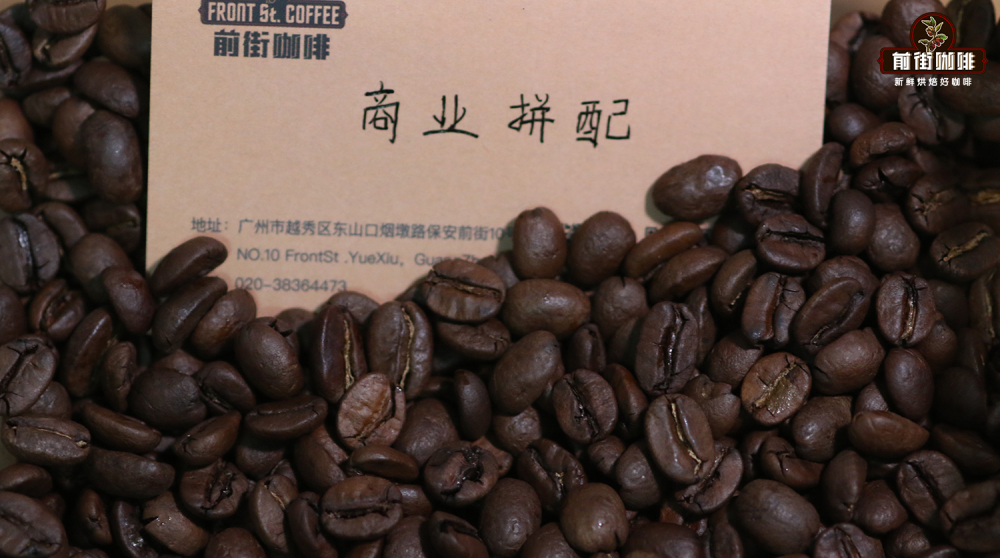 Picture shows FrontStreet Coffee's commercial blend espresso beans (containing 10% Robusta)
What Are Espresso Beans? FrontStreet Coffee's Blending Formula?
Espresso beans, also called blend coffee, are the primary beans behind specialty coffee drinks, usually paired with milk or water. Nearly all the popular espresso drinks today — latte, Americano, flat white, cappuccino — are built on blended beans.

Generally, espresso or blend beans mean coffee made by combining two or more different varieties — or the same variety at different roast degrees. A good blend is far more than simple addition: through the blender's understanding of coffee flavor, different beans complement each other's strengths and weaknesses, creating a perfectly balanced espresso bean.
FrontStreet Coffee's approach is to balance acidity, bitterness, sweetness, aroma, and body to create a coffee with its own character. A finished blend should have a refreshing fragrance, a smooth and lively mouthfeel, and a golden color — genuinely premium coffee. Made into a latte, the sweetness of the milk and the richness of the espresso sit in perfect balance, neither overpowering the other.
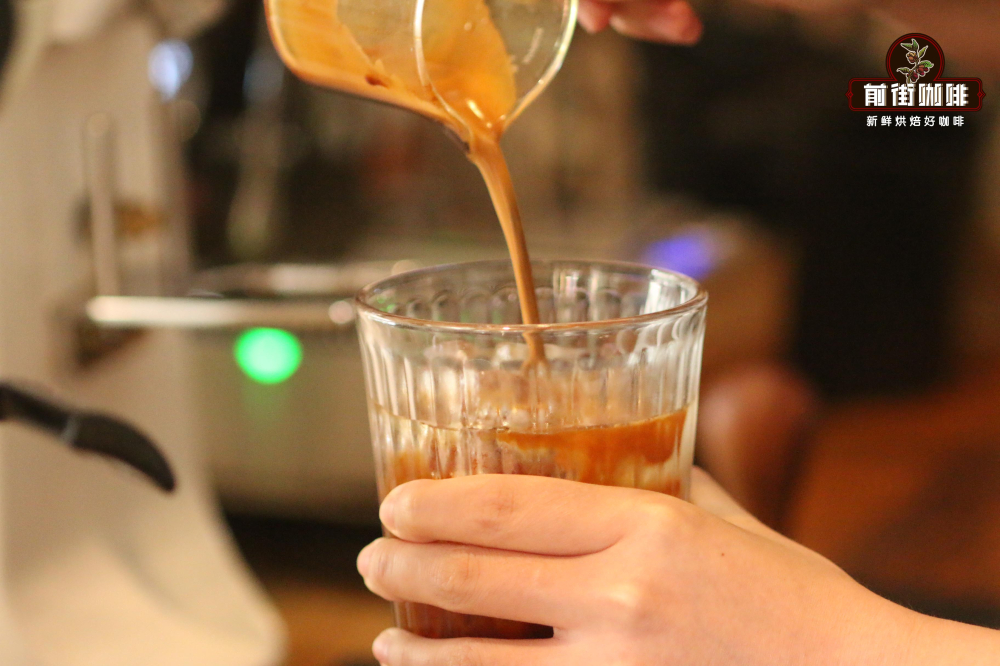
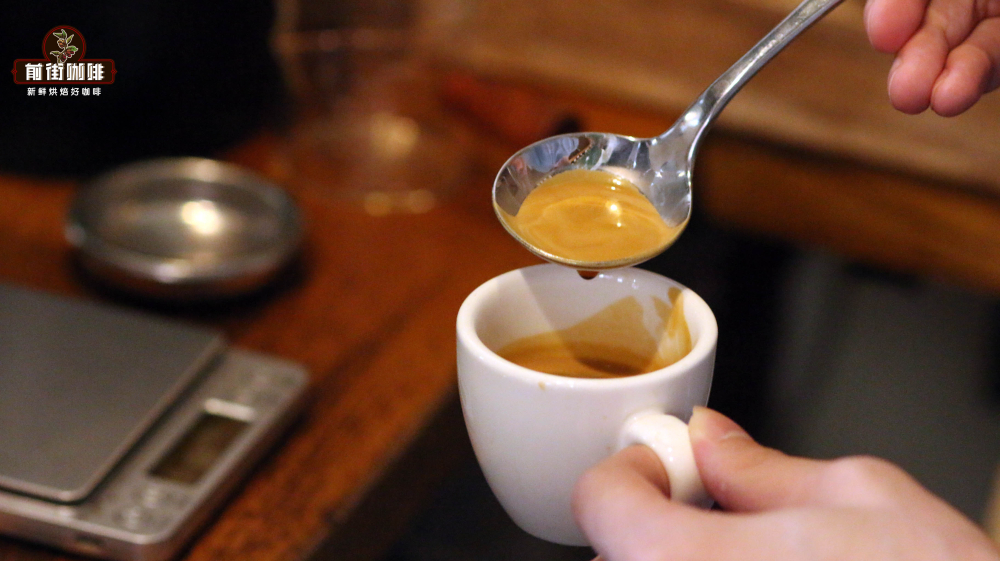
When pouring latte art, the espresso's crema should be just right — not so thick that it hinders the fusion of milk and coffee, and not so thin that the pattern scatters as they blend. That is the perfect foundation for latte art.
FrontStreet Coffee's Espresso Bean Blending Formulas
Different coffee varieties give blended espresso beans different flavor characteristics.
1. Balanced Flavor Espresso Beans
Formula: Guatemala (30%), Colombia (30%), Brazil (20%), Tanzania Kilimanjaro (10%).
This FrontStreet Coffee blend shows balanced acidity, bitterness, and aroma — neither too bright nor too heavy, making it suitable for people new to espresso. The highly acidic Tanzania Kilimanjaro beans, the rich, fruity, smoky-toned Guatemala beans, Colombia beans with both acidity and full body, and the mildly bitter Brazil beans are combined in proportion to create a blend with balanced flavor and moderate concentration.

2. Bitterness-Focused FrontStreet Coffee Commercial Espresso Beans
Formula: Colombia (30%), Brazil (60%), Robusta (10%).
Considering the diversity of its audience, FrontStreet Coffee selects intensely flavored beans for bold-tasting blends: Colombia beans with rich nutty chocolate flavors, mildly bitter Brazil beans, and Robusta known for its heavy body and abundant crema. The result has a prominent bitterness, is deeply loved by coffee enthusiasts, and suits daily café production well.
3. Sweet and Fruity Espresso Beans
Formula: Costa Rica + Ethiopia + Colombia
To create a fruity espresso, medium-roasted beans should form the base. FrontStreet Coffee recommends its Strawberry Candy espresso beans for this purpose. The blend features honey-processed Costa Rica Tarrazú and Ethiopian beans from the birthplace of coffee, combined with Colombia beans — an espresso that is never harsh, extracting under the machine with good crema and dense texture while delivering sweet-and-sour strawberry candy flavors.

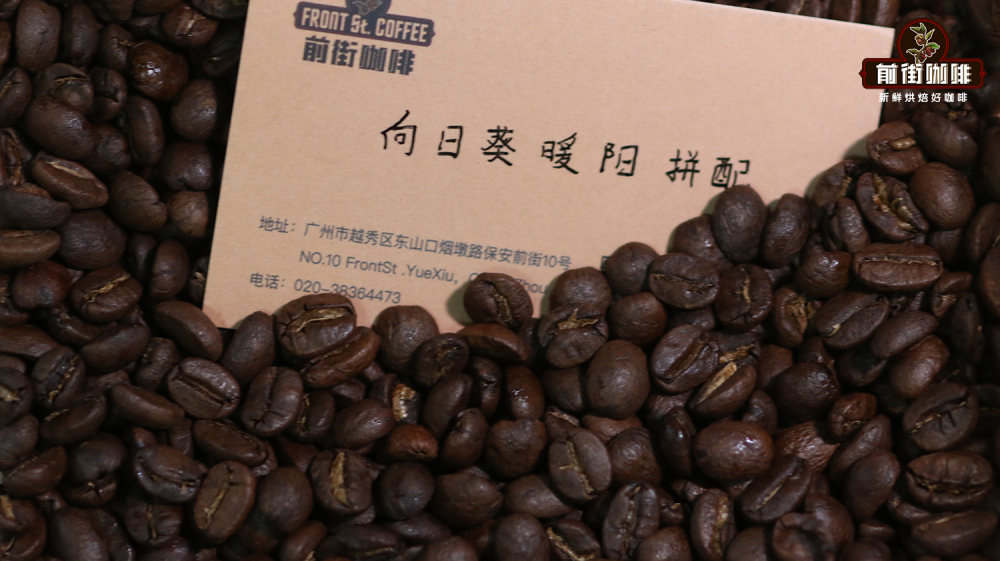
4. Wine-Aroma-Focused FrontStreet Coffee Sunflower Warm Sunshine Espresso Blend
Formula: FrontStreet Coffee Honduras Sherry (60%), FrontStreet Coffee Yirgacheffe Red Cherry (40%).
FrontStreet Coffee named this uniquely flavored espresso bean "Sunflower Warm Sunshine," and true to its name it smells as comforting as warm sunshine, with a flavor profile that opens your eyes. Built around the richly wine-fermented Honduras Sherry beans and complemented by the acidity-driven Yirgacheffe Red Cherry, it creates an intensely aromatic blended coffee.
5. FrontStreet Coffee Premium Espresso Blend
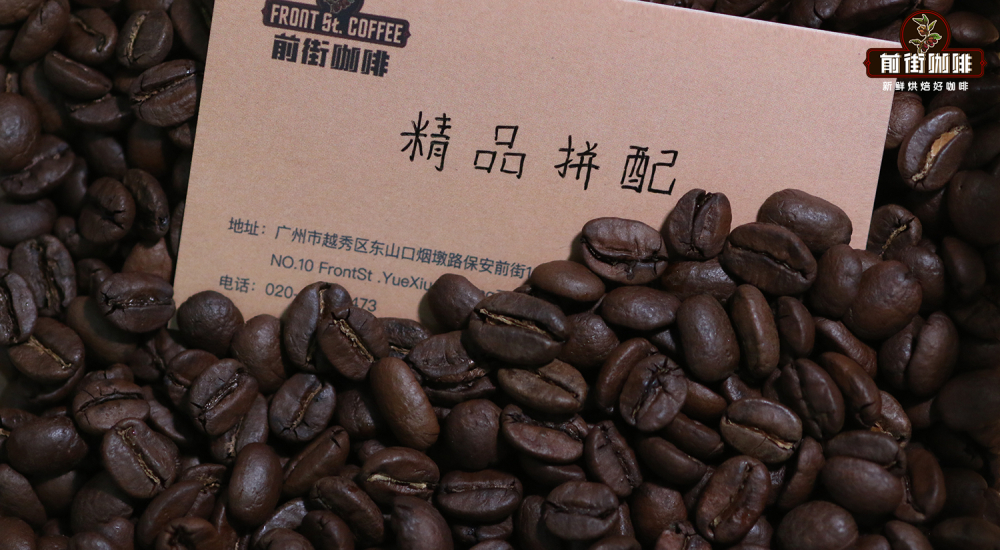
Formula: Brazil (70%), Colombia (30%).
For those who dislike extreme flavors, don't care for single-origin coffee, but still pursue quality, the premium espresso blend is the first choice. It uses medium-dark roasted beans, built on balanced Brazil beans and complemented by Colombia beans with soft fruit acidity and a nutty aftertaste. The flavor is both classic and intriguing, well suited to daily café operations.
6. FrontStreet Coffee Basic Espresso Blend
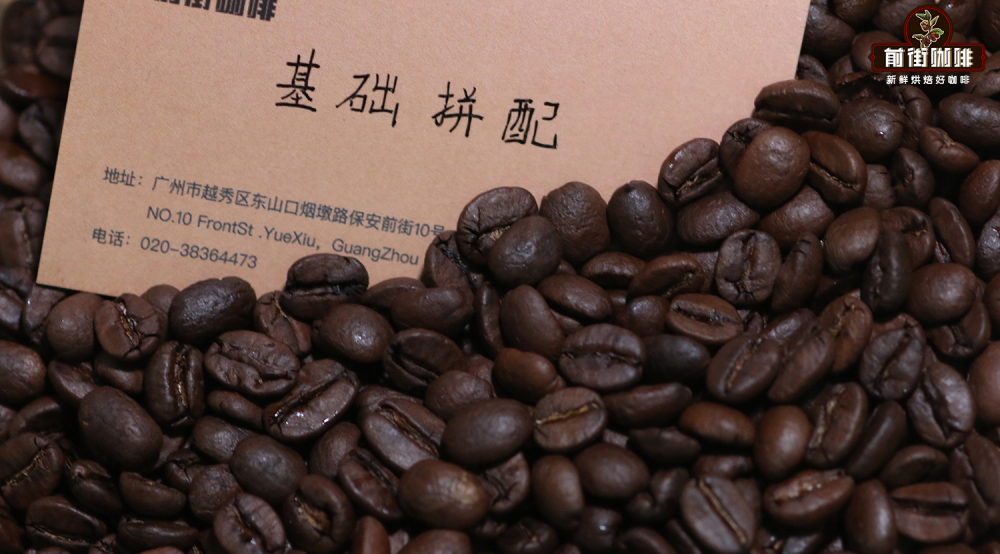
Formula: Yunnan coffee beans (40%), Brazil (60%).
The basic blend offers excellent cost-effectiveness while presenting the most popular flavor profile. Whether for newcomers or serious enthusiasts, it is easily approachable. It is built on balanced Brazil beans, adjusted with Yunnan beans whose flavor is milder than Brazil's — suited to businesses and home users who prioritize cost and have moderate flavor demands.
What Should You Watch Out For When Blending Espresso Beans?
The uniqueness of espresso beans lies in the blend formula — every coffee shop's espresso tastes different. Having shared the specific blend data for several of FrontStreet Coffee's espresso beans, here are several things to consider before blending.
1. Choose High-Quality Coffee Beans
This may seem obvious. Poor-quality beans will greatly diminish the coffee's flavor; even blended with excellent beans, delicious coffee is impossible. Choosing high-quality beans is the most crucial step.
2. Remove Defective Beans
When defective beans slip in, the taste deteriorates. Insect-bored beans with holes, abnormally developed beans, empty shells without kernels — all must be removed. Of course, if the beans you select contain too many defects, that itself signals poor quality.

3. Understand the Characteristics of the Coffee Beans
If you don't understand the beans you are blending, you will struggle to make good espresso. Think of yourself as a team manager: you must know your team members well to use their strengths. Give blind orders without understanding, and everything descends into chaos.
4. Understand Different Roast Degrees
Different beans have different optimal roast degrees — which is why FrontStreet Coffee insists on in-house roasting. When a roaster fully understands a bean's quality characteristics, they naturally know which roast parameters suit it best, so the final coffee matches both its regional character and its essential taste. Brazil beans, for example, need medium-dark roasting to highlight their rich body and nutty chocolate flavors.

How FrontStreet Coffee Makes Its Selection
After comprehensive consideration, FrontStreet Coffee chose an exclusively designed blend as the base for its store's espresso: the "Sunflower Warm Sunshine Blend," composed of Honduras Sherry barrel-fermented beans and natural Yirgacheffe Red Cherry in a 7:3 ratio. The seventy percent Sherry barrel provides aroma and richness, while the thirty percent natural Red Cherry lends light fruit acidity and subtle floral notes.
FrontStreet Coffee Recommendation
The flat white is a milk coffee from the Southern Hemisphere — shorter in history than the latte or Americano, with Australia and New Zealand still debating its true birthplace. Whatever its origin, every café's "secret recipe" comes back to three essentials: less milk, thinner foam, stronger coffee. Baristas reduce the milk and keep the microfoam thin to let the espresso shine, so compared with a latte a flat white is smaller, more coffee-forward, and fuller-bodied — an "upgraded latte," if you like. A great flat white starts with a bean that has a strong flavor signature: for home brewing FrontStreet Coffee recommends the Classic Blend, with its butter-and-cheese richness, full-bodied low acidity, and plump, fine crema; and for fans of floral-fruity espresso, the low-bitterness Strawberry Candy Blend, whose extraction carries full grape and blueberry notes — steamed with fresh milk it tastes like a strawberry milkshake.
Milk matters just as much: milk that is too thin makes the drink watery, and milk that is too strong masks the bean's aroma, so FrontStreet recommends cold fresh milk first. When pulling the shot, use only the front-and-middle Ristretto as the base — 20g of coffee extracting 32g of espresso over 22-25 seconds — paired with 160ml of fresh milk. For the foam, aim for 0.3cm: aerate for just 1-2 seconds (two brief "chirps"), then sink the steam wand and swirl the milk into dense microfoam at 50-55°C. When swirling the pitcher shows bubbles with a reflective sheen, the milk is ready. Pour the milk gently into the espresso, then raise the pitcher to a thin stream and stir circles through the crema, drop the pitcher low, and push out the white line — one fluid motion, and a flat white is born.
Important Notice :
FrontStreet Coffee is a long-established specialty coffee roaster in Guangzhou China, selling freshly roasted beans from its own farm in Yunnan as well as dozens of carefully selected single-origin beans from around the world for both pour-over and espresso. The products deliver consistently excellent quality and great value, with shipping within 24 hours. Guangzhou's FrontStreet Coffee shop is recommended by many coffee lovers, and the beans are now available online at the Tmall 。
FrontStreet Coffee has moved to a new address:
FrontStreet Coffee Address: 315,Donghua East Road,GuangZhou
Tel:020 38364473
 Scan and follow the En Gafei WeChat official account. Please indicate that the reprint comes from "En Gafei".