Pour Over Coffee Beginner's Guide: Professional Barista's Recommendations for Equipment Pairings
As a former barista, I'm delighted to see more and more people around me getting into specialty coffee. I've also noticed a problem, though: many casual observers seem to think specialty coffee must be expensive, and that drinking pour-over at a café or taking selfies at Starbucks is just showing off. Then there are those who buy commercial beans to brew at home, only to complain that pour-over is too bitter and unpleasant.
Well, if you love coffee (instant or specialty) and are curious about pour-over, read on — this is a sincere recommendation from a FrontStreet Coffee practitioner. I'll explain in plain terms how to make specialty coffee at home, to help beginners who truly love pour-over.

Please remember first: coffee itself isn't only bitter — it can have citrus acidity and honey-like sweetness.
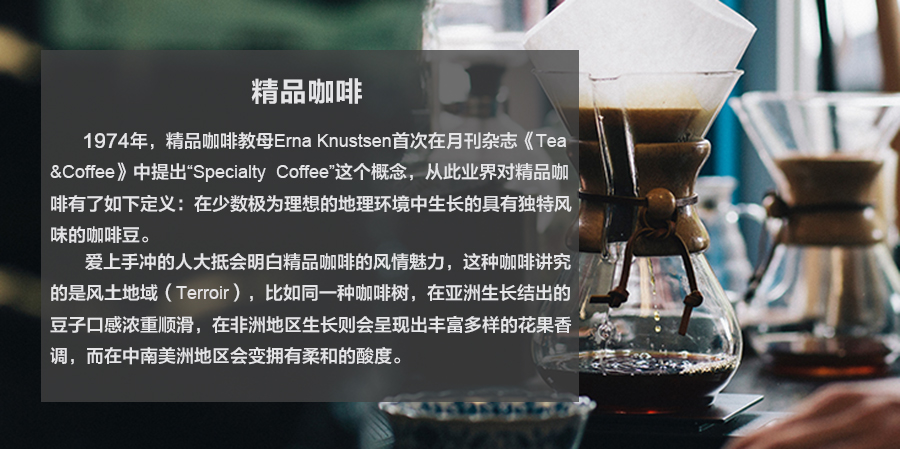
The Difference Between Commercial and Specialty Coffee
Understanding the difference between the two will greatly help when selecting beans, which I'll discuss later.
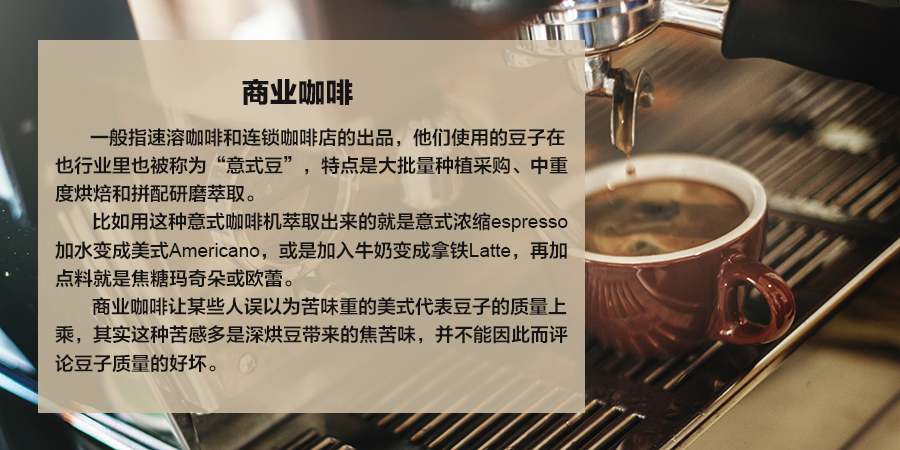
Promise me: don't buy Starbucks beans in bulk for pour-over at home — it will make you miserable.
The Origin of Pour-Over Coffee
Pour-over coffee uses the typical drip brewing method, currently the most common filter-paper drip method for home use. It was invented in 1908 by the German housewife Melitta Bentz and became widely popular because of its simple operation. In reality, making a consistently high-quality cup of pour-over takes repeated practice.
Factors Affecting Pour-Over Flavor
① The size of the coffee grounds: generally, larger particles result in more pronounced bitterness during extraction, without affecting acidity.
② The contact time between water and grounds: the longer the pour, the more pronounced the bitterness.
③ The temperature when water contacts the grounds: lower water temperature reduces the proportion of bitterness in the cup.
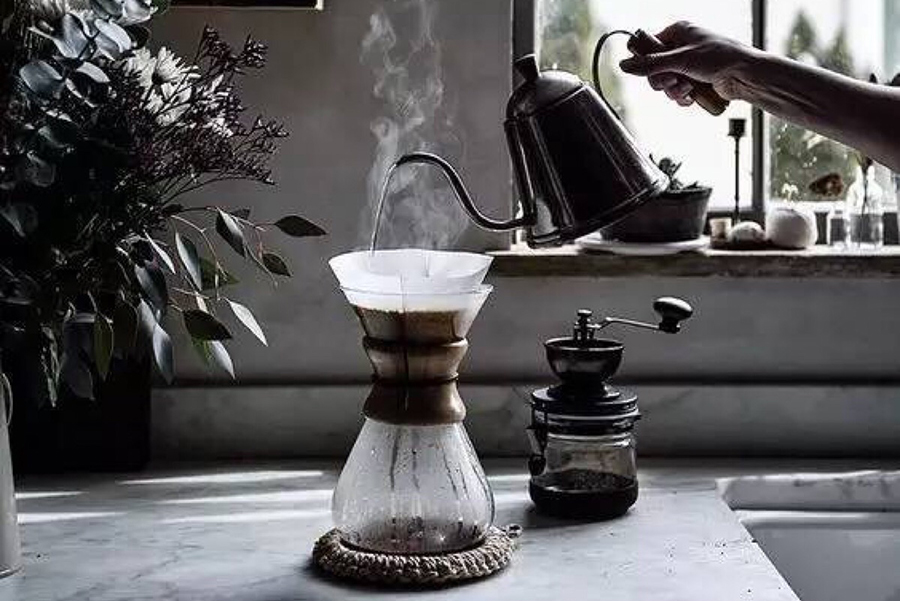
Today's Focus: How to Make Pour-Over Coffee at Home
Step 1: Preparation
Basic necessities: a coffee grinder, a pour-over kettle, a filter cup, and a server. Other accessories: an electric kettle, a timer, a scale, and a measuring spoon. For a more advanced setup, add a thermometer.
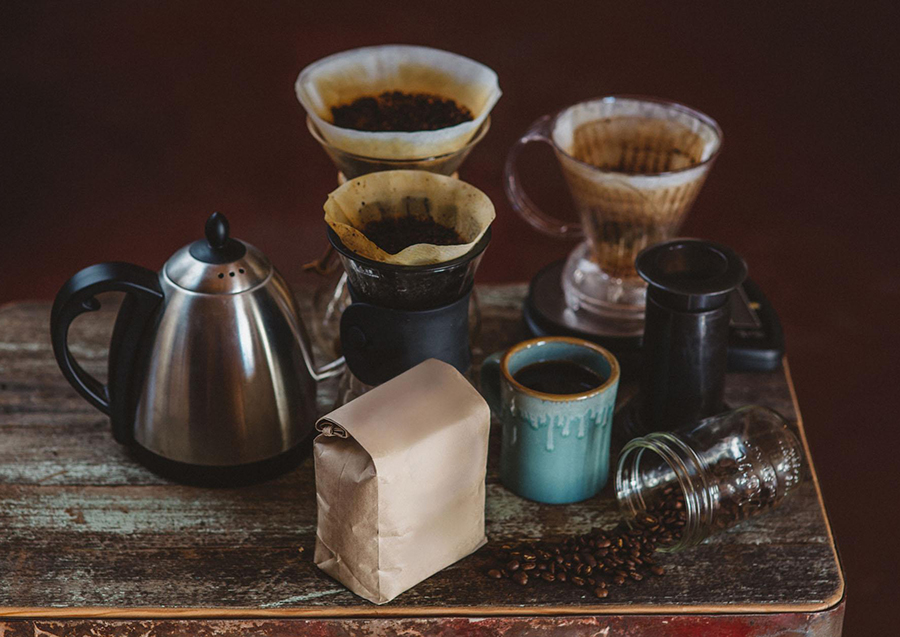
Step 2: Grinding Beans
Before brewing, you need to grind the beans into powder. Before worrying about how to choose a grinder, first understand grind fineness and the tools suited to each.
○ Coarse grind: particles larger than granulated sugar, suitable for a French press.
○ Medium grind: particles the same size as fine sugar, suitable for pour-over and siphon.
○ Fine grind: between granulated and fine sugar, suitable for pour-over and hang-drip bags.
○ Very fine grind: smaller than fine grind, suitable for espresso.
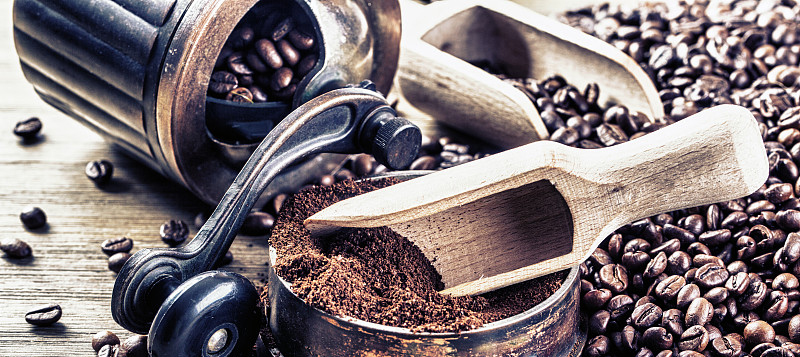
How to Grind Beans?
Two methods: 1. Have the shop grind for you — the advantage is professional service, the disadvantage reduced freshness; 2. Buy beans and grind at home — this requires a grinder, generally divided into electric and manual types, chosen by budget and usage environment (number of people and frequency).
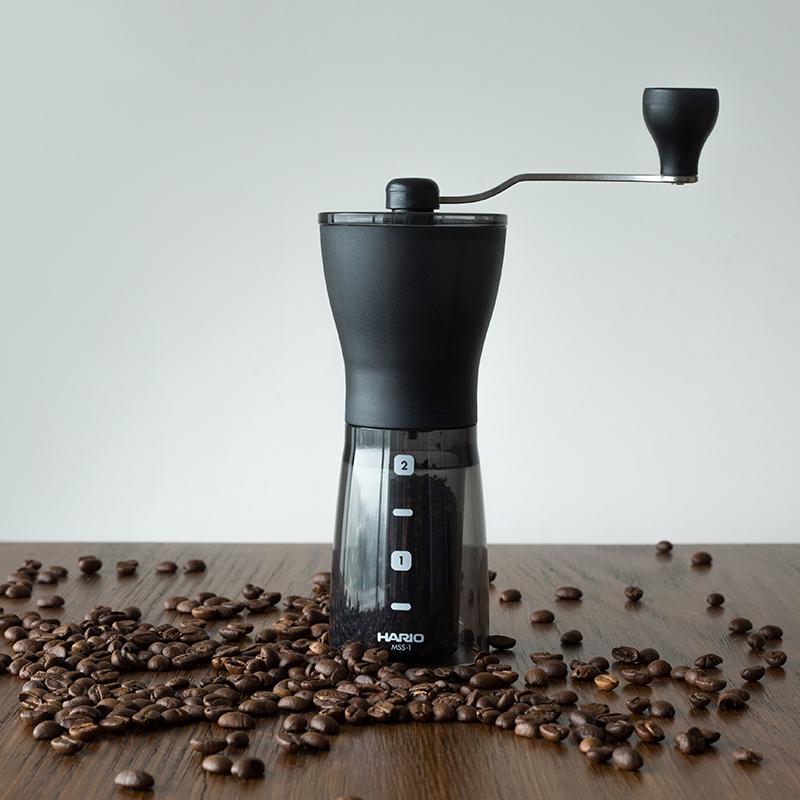
HARIO Manual Grinder
Manual Grinder
Advantages: ① No residual odors — a ceramic grinding core adds no metallic taste, and it can be rinsed directly with water without worrying about flavor transfer between beans; ② Controllable capacity — basically 24g full capacity, enough for two cups; ③ Space-saving — easy to store and portable; ④ Freely adjustable grind — you can directly observe the coarseness and adjust via the nut to suit different beans.
Disadvantages: suited to single-variety grinding; smaller capacity; requires manual effort.
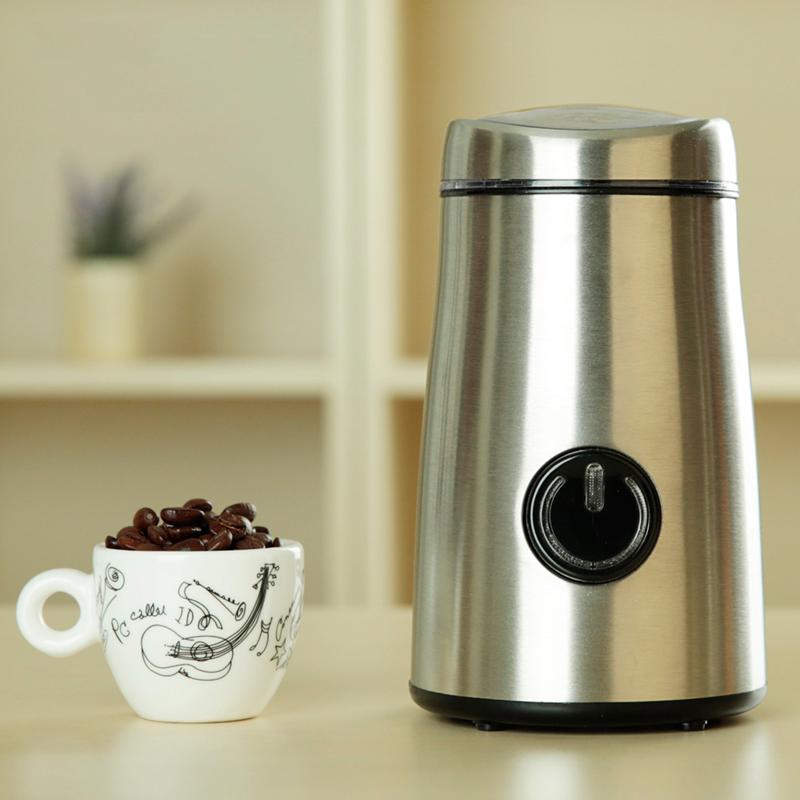
Hero Electric Grinder
Electric Grinder
Advantages: ① Fast grinding speed with a powerful, high-wattage motor; ② Versatile — stainless steel is quite effective and can grind spices and grains; ③ Large capacity; ④ Saves time and effort.
Disadvantages: mixed-ingredient grinding easily transfers flavors; not suited to small batches.
Grinding Tips
1. Confirm the desired grind size: most grinders come with test beans — adjust the scale and speed to confirm the output. Once you've dialed in the scale, try not to change it.
2. Dark versus light roast: dark roasted beans can be ground coarser — too fine easily extracts bitterness.
3. Clean immediately after use: clean after use, especially when changing beans!
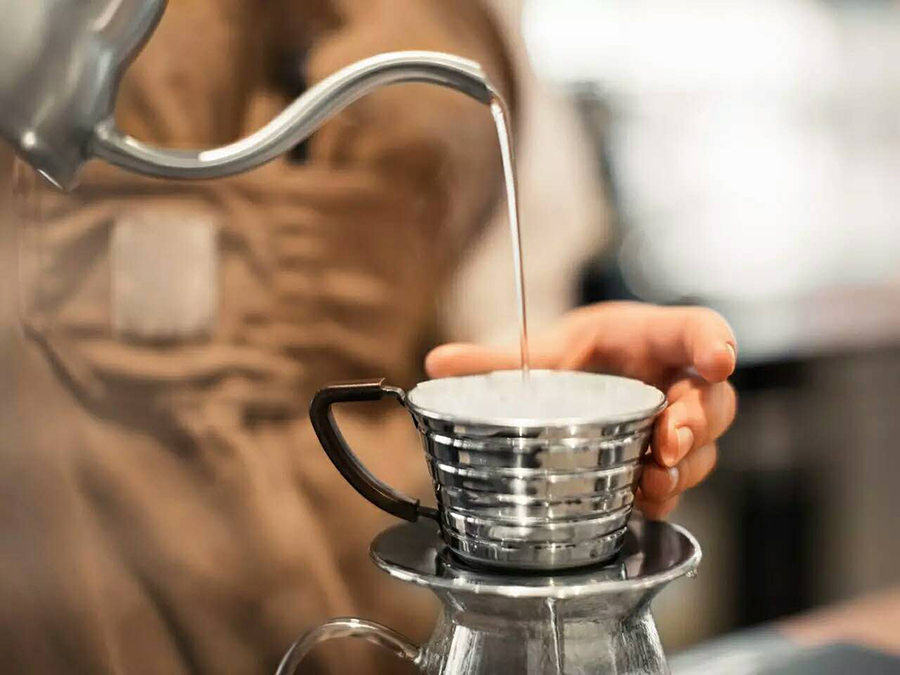
Step 3: Wetting the Filter Paper
After grinding, place the filter paper in the filter cup. Pour hot water evenly over the paper until it is completely wet and clinging to the cup, then pour out the water from the server. This helps the paper fit better, removes any paper taste, and warms the cup.
Step 4: Pouring Water
After wetting the paper, set the water temperature according to the bean's brewing recommendation, then pour when the temperature is right. Pour hot water in a circular motion, avoiding pouring in one direction, to ensure even extraction.
How to Choose a Pour-Over Kettle?
Water temperature and flow rate both affect flavor, so the spout design should have a certain curvature; kettles split into narrow-spout and bottom-wide, top-narrow types.
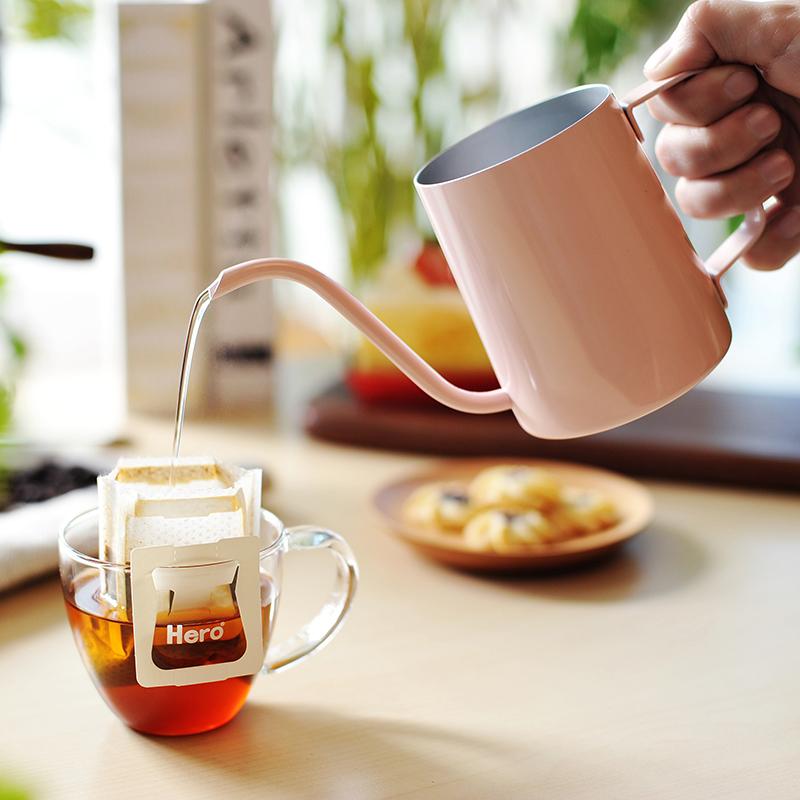
Hero Pour-Over Coffee Kettle
Stainless Steel Narrow-Spout Kettle
Advantages: ① Stable flow control — the curved narrow spout allows even extraction with a 90° vertical pour; ② Durable and sturdy — stainless steel Teflon material is scratch-resistant and easy to clean; ③ Compact and easy to carry.
Disadvantages: small capacity, suited to a single person.
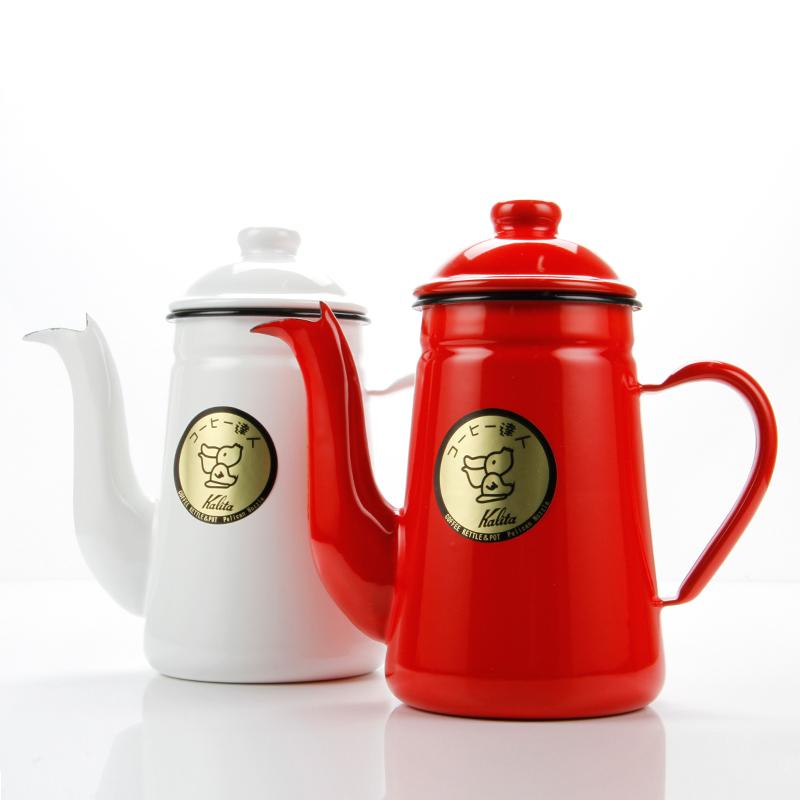
Japanese Kalita Pour-Over Coffee Kettle
Enamel Long-Spout Kettle
Advantages: ① Beautiful appearance — enamel porcelain is lovely and especially popular among women; ② Fine, sturdy texture — the unique crane-beak spout effectively controls flow speed and volume, much more stable than expected; ③ Large capacity, convenient for sharing.
Disadvantages: not suited to carrying out; enamel porcelain detail work can be somewhat rough.
Pouring Tips
1. Watch flow stability and temperature control: just like different tea brewing methods, water flow speed and temperature have significant effects on flavor.
2. Don't draw circles randomly: the motion should be steady, circling at a uniform speed in one direction, and try not to stray too far to the sides.
3. Learn timing: different coffees need different brewing times because of their roast levels — generally marked, so follow the recommended time for the best flavor.
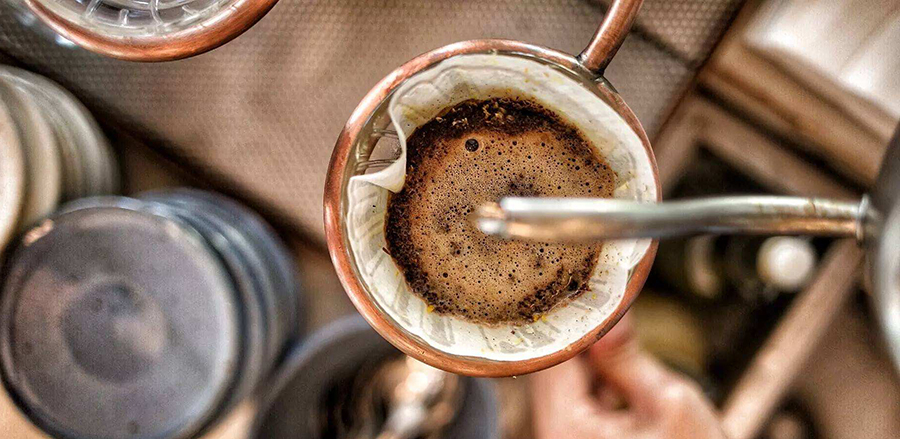
Step 5: Blooming
When water hits the grounds, a lot of "foam" appears. This gas that makes the bed expand is carbon dioxide produced during roasting. During the first bloom, keep pouring until the powder is fully expanded; when the expanded powder settles, do the second pour before the water in the dripper has completely drained. Estimate the number of pours from the bean's brewing recommendation — generally twice — and don't wait for the coffee to finish dripping before removing the dripper.
How to Choose a Filter Cup?
Common filter cup (drip) materials include ceramic, stainless steel, and heat-resistant glass. They use built-in filter paper or flannel. Japanese old-school cafés prefer flannel filter cups, paired with handmade narrow-spout kettles and home-roasted beans — absolutely cool, and delicious. Personally, though, I recommend beginners start with filter-paper cups.
Hole size and brewing effect: small holes (1 hole) filter slowly and are less affected by pouring technique, giving stable extraction quality; large holes (1 or 3 holes) filter quickly, and the grounds dissolve unevenly, so avoid pouring hot water onto the dripper's edges.
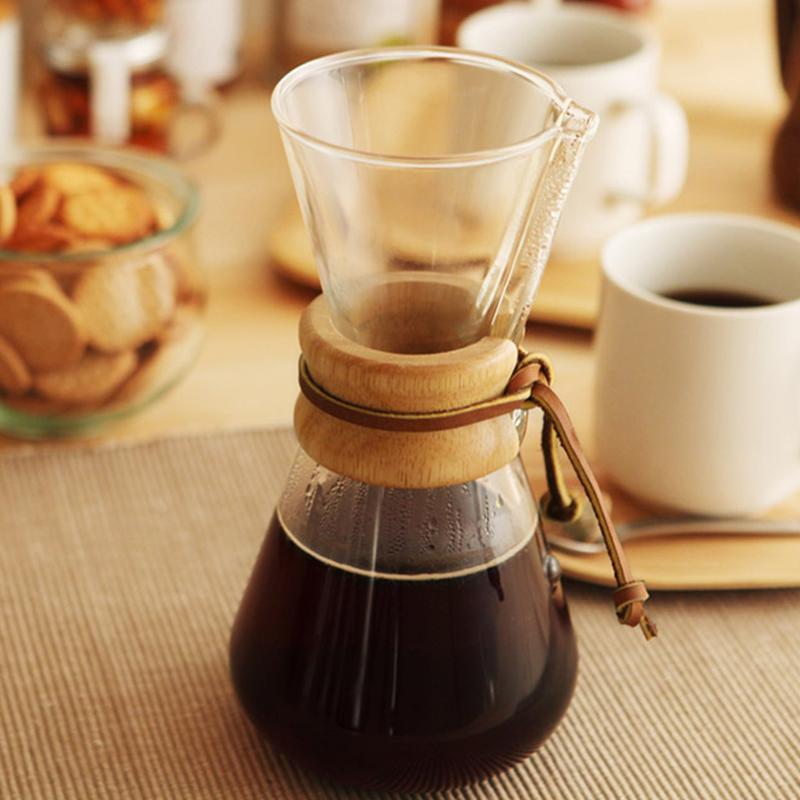
Chemex Drip Coffee Pot Filter Paper
Glass Filter Cup with Filter Paper
Product features: ① V-shaped design gradually increases the grounds' height for full extraction; ② disposable filter paper and a filter cup that disassembles for easy cleaning; ③ durable and easy to clean.
Disadvantages: sometimes gaps appear between the paper and the cup wall, and improper operation affects blooming; some papers shed fibers or carry odors.
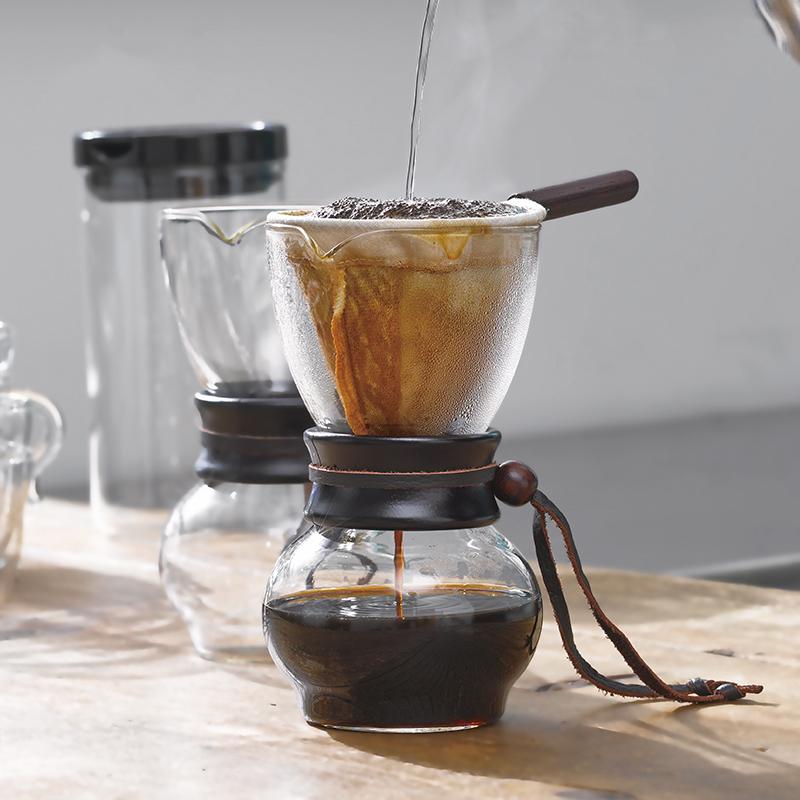
HARIO Drip Flannel Coffee Pot
Flannel Integrated Filter Cup
Product features: ① retro appearance, drawing on Japanese craftsmanship aesthetics; ② flannel gives more stable blooming, so the coffee has a richer aroma and a smoother texture than filter-paper brewing.
Disadvantages: cleaning and storage are troublesome — a used filter cloth must be rinsed with clean water, then soaked in water and stored in the refrigerator.
Blooming Tips
1. Watch the fit: with filter-paper cups, pour hot water over the paper before adding grounds so it clings to the walls, then level the grounds evenly for a full bloom.
2. Watch the material: natural paper is organic but has flavor and needs a hot-water rinse to remove the odor; bleached paper has relatively less odor, but pay attention to processing quality.
3. Watch the flow rate: if extraction is too fast or stalls, consider whether the dripper opening is the issue — you can trim the filter paper.
4. Watch the bubbles: dark roasted or fresh grounds easily produce bubbles — if you worry about too many bubbles affecting extraction, let freshly ground coffee sit for a day.
Step 6: Sharing
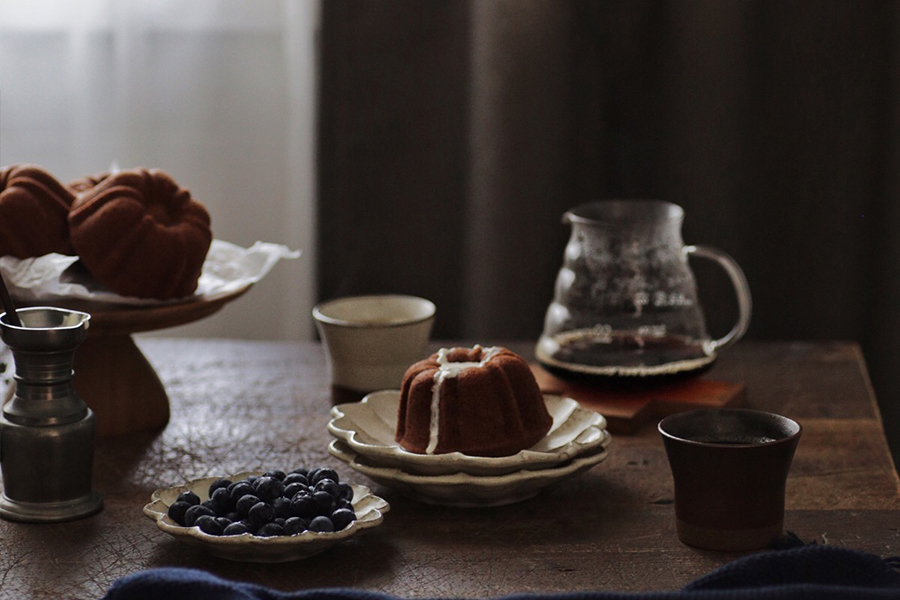
After blooming is complete, pour the freshly extracted coffee into cups and share the deliciousness with friends, according to preference (add ice if you like).
How to Blind-Select Coffee Beans?
What affects the final flavor of a cup? Generally, bean variety accounts for 60%, roasting method for 30%, and extraction for only 10%. For beginners who haven't tried many beans, you can blind-select based on processing method. Let me briefly introduce three common ones.
Natural Process
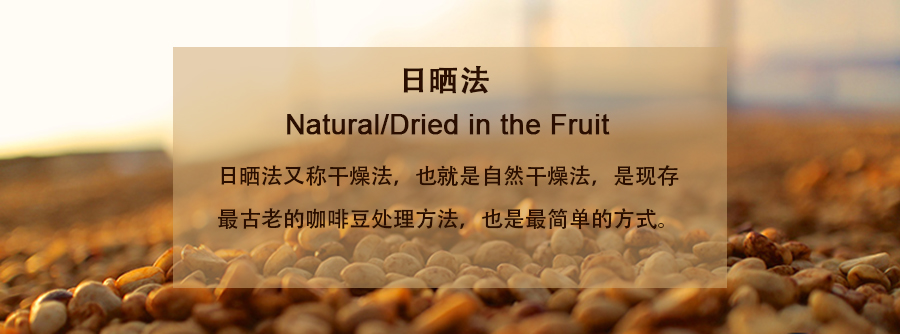
Flavor characteristics: natural processing completely preserves the fruity aroma and rich pectin of the coffee fruit, with lower acidity and a more natural, mellow flavor.

90+ Candamda Sidamo Natural Coffee Beans
Characteristics: Sidamo beans from Ethiopia, natural processed and light roasted to preserve freshness and mellowness, with high sweetness and body. A G1 grade 90+ Candamda, it shows lively berry and pineapple aromas along with a hint of golden rum fermentation.
Brewing recommendations: grind setting 6-6.5, water-to-coffee ratio 1:16, water temperature 92°C, brewing time approximately 1'45".
Washed Process
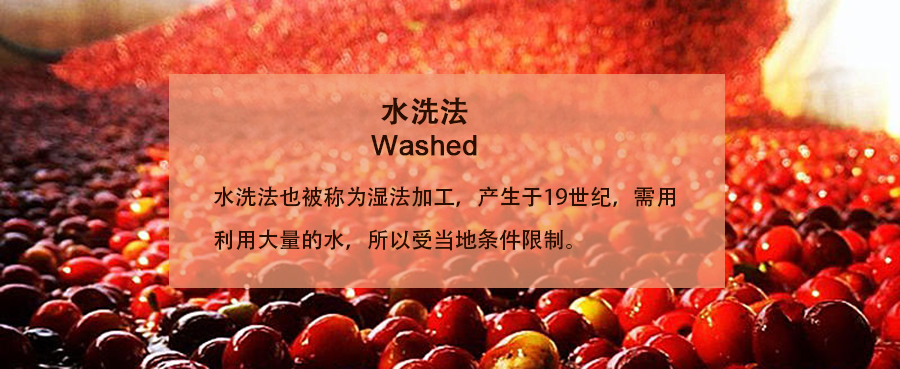
Flavor characteristics: presents multiple flavors of the beans, with lively and bright acidity.
Ethiopia Yirgacheffe Kochere
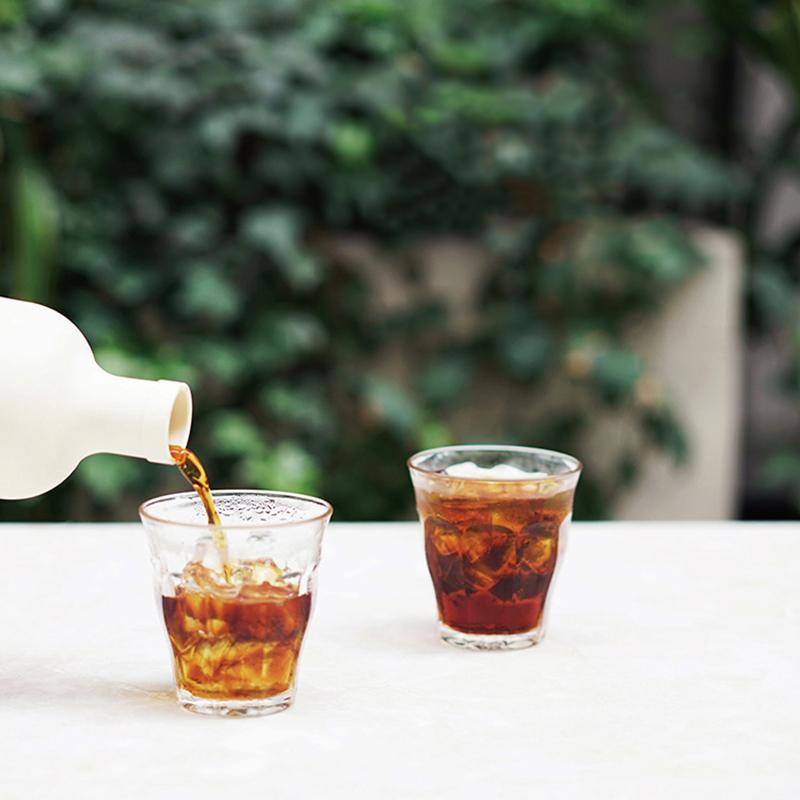
Characteristics: this Kochere comes from the famous specialty region of Yirgacheffe. With washed processing and a light roast, it retains rich floral and apricot flavors, with bright acidity and outstanding sweetness that is even better as cold brew.
Brewing recommendations: 13g powder, ratio 1:16, water temperature 91-94°C.
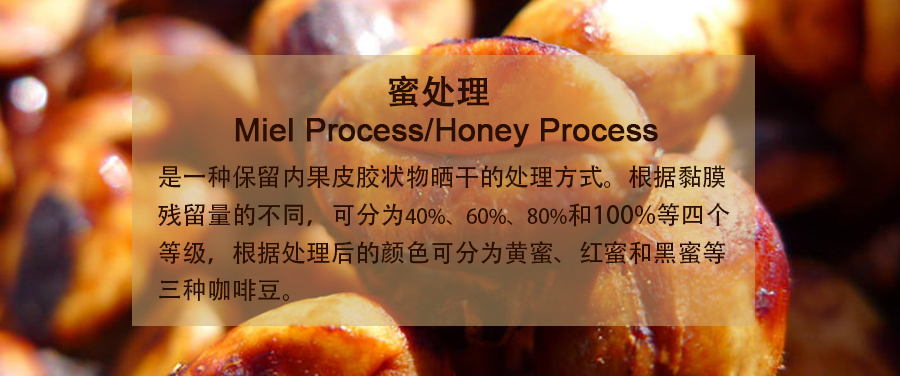
Honey Process
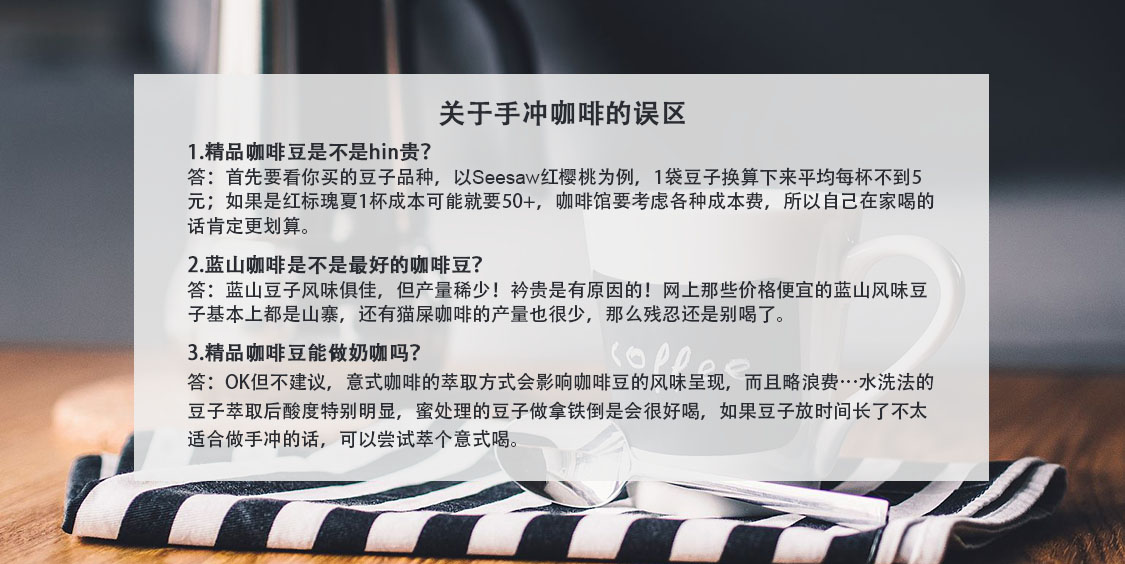
Flavor characteristics: better restores the bean's inherent sweetness, with prominent caramel notes and a unique red wine aroma, making it very suitable for espresso extraction.
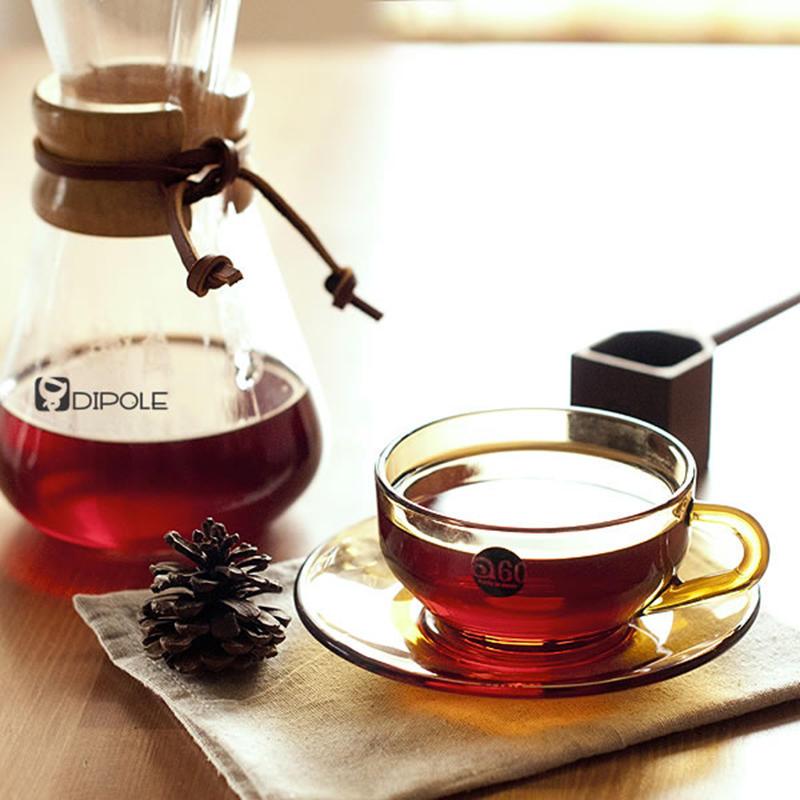
Hartmann Estate Red Wine Process Coffee Beans
Characteristics: from one of the most famous estates in Panama's Volcán region, using a unique red-wine processing method that showcases red berry and red wine aromas, with relatively gentle acidity and an overall clean, balanced taste.
Brewing recommendations: 15g powder, 240ml water, temperature 92°C, brewing time 2'30".
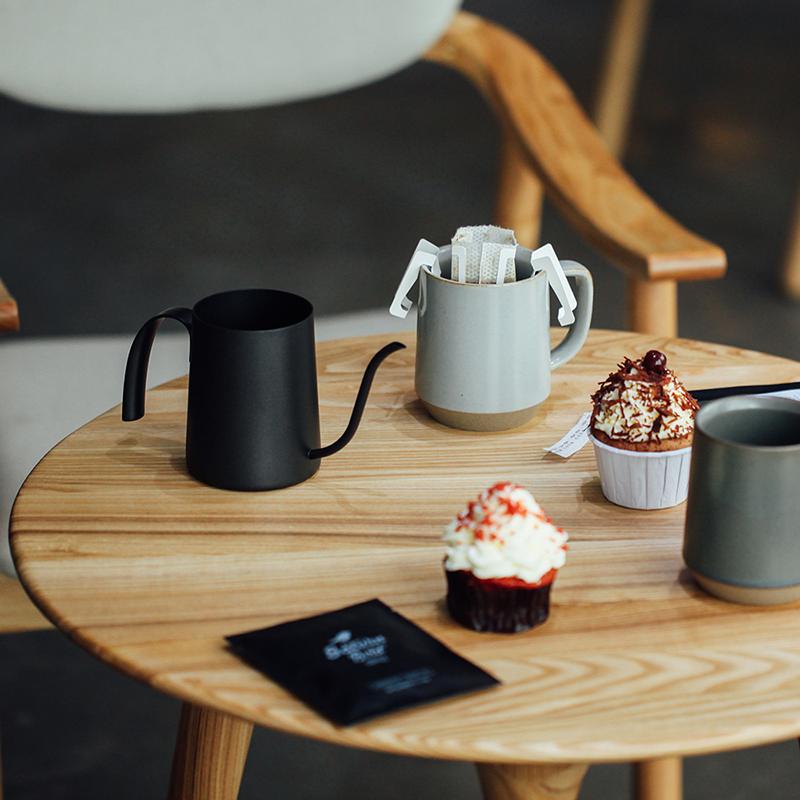
Pour-Over Hang-Drip Coffee Set
If you're too lazy to buy beans and want pour-over at the office, I recommend a hang-drip coffee set. FrontStreet Coffee's pour-over kettle works quite well for both hang-drip bags and coffee powder, with just-right flow speed and volume control. The set includes 5+ different flavored hang-drip coffees, convenient for home and office.
Summary
I usually prefer buying beans at local cafés — it's such a joy to catch freshly roasted beans. For online shopping, I suggest stores with a physical location; they basically all include brewing instructions, so just follow the steps. Once you've mastered basic pour-over skills, why not try cold brew or ice-drip coffee — you'll discover the different charms of coffee beans.
If you also love pour-over coffee, welcome to share your favorite single-origin beans and experiences!
FrontStreet Coffee Recommendation
For a beginner's first bag, FrontStreet Yirgacheffe Gedingding is a safe and rewarding start. Its vivid citrus, berry and floral notes with a green-tea sweetness come across as gentle rather than sharp, and it is a very forgiving bean to learn on. Once your pour is steady, FrontStreet Ethiopia Huakui opens the door to the fruitier side of East Africa: strawberry, passion fruit, jackfruit and lychee, obvious sweetness, very low bitterness and a juicy, smooth body.
When you're ready for the top of the mountain, FrontStreet's Panama Esmeralda Red Label Gesha is the legendary floral cup — jasmine, citrus and bergamot with a fine black-tea note, a clean, transparent body and a long finish — while the Green Label offers the estate's signature high-altitude Gesha character at a more accessible price. For a signature V60 cup that shows off fruit and florals together, FrontStreet Strawberry Candy, a Gesha blend of a Costa Rica honey-process coffee and a Panama washed Gesha, is a delicious everyday option.
Pour-over is where these beans show their best. Pair them with a V60 and a steady narrow-spout kettle, keep the grind medium-fine, and adjust water temperature to the bean's recommendation — a 1:16 ratio at around 92°C is a reliable baseline to start from.
Important Notice :
FrontStreet Coffee is a long-established specialty coffee roaster in Guangzhou China, selling freshly roasted beans from its own farm in Yunnan as well as dozens of carefully selected single-origin beans from around the world for both pour-over and espresso. The products deliver consistently excellent quality and great value, with shipping within 24 hours. Guangzhou's FrontStreet Coffee shop is recommended by many coffee lovers, and the beans are now available online at the Tmall 。
FrontStreet Coffee has moved to a new address:
FrontStreet Coffee Address: 315,Donghua East Road,GuangZhou
Tel:020 38364473
 Scan and follow the En Gafei WeChat official account. Please indicate that the reprint comes from "En Gafei".