Guatemala Pour-Over Coffee Notes: Introduction to Five Major Coffee Growing Regions
For professional barista discussion, follow Coffee Workshop (WeChat official account: cafe_style).
FrontStreet Coffee's Guatemala coffee beans have a distinctive aroma reminiscent of peanut cookies. This time I brewed two rounds, and the second round won. The notes are below.
Guatemala 1
First Round
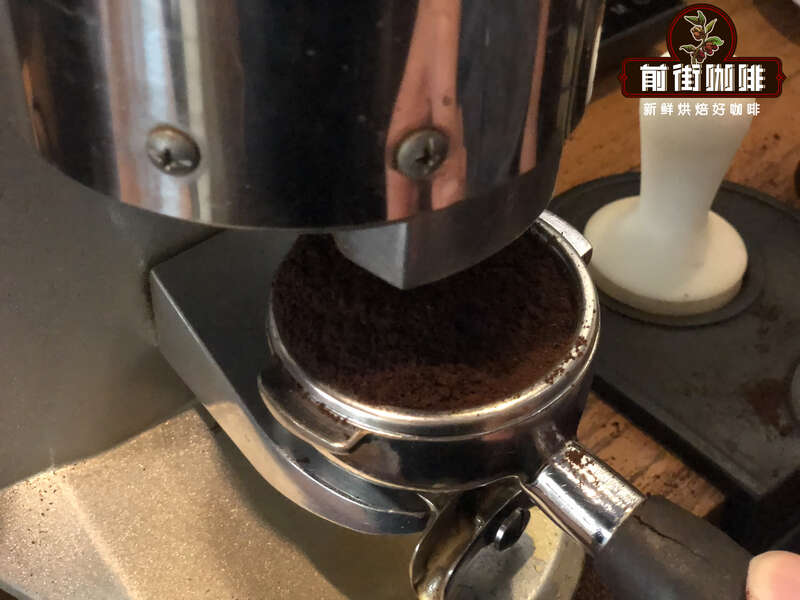
Using the Tiamo 700S grinder at setting 4, I ground 16 grams of coffee. With 200CC of water at 88°C, I poured the water into the upper chamber of the Clever Dripper, then added the coffee grounds. Using a stir stick, I mixed everything within about 10 seconds, gave it a second stir at 25 seconds, and a third at 40 seconds. At 45 seconds, I drained the coffee.
Result: The mouthfeel was less full-bodied, with citrusy acidity and malt aroma on entry. The flavor faded in the aftertaste, though, and the layers were less distinct. Perhaps the temperature could be raised to around 90°C for another attempt.
Guatemala 2
Second Round
Using the Tiamo 700S grinder at setting 3.5, I ground 15 grams of coffee. With water at 90°C, I placed the coffee grounds in the Clever Dripper and poured 40CC of water in a clockwise motion. After letting it steep for 30 seconds, I continued pouring 225CC of water, then let it steep for 2 minutes. Finally, I drained 195CC of coffee.
Result: The mouthfeel was fuller than the first round, with citrusy acidity on entry and a pleasant sweet aftertaste when swallowed.
This week's brewing of FrontStreet Coffee's Guatemala went to the second round. We'll keep experimenting with different coffee beans in the future.
Guatemala: Introduction to the Five Major Coffee Growing Regions
Population: 15,438,000
Guatemala has been more successful than most countries at defining its coffee growing regions and developing markets with distinctly different sales models. In my experience, coffee from each region has consistent flavor characteristics, though these have not yet been strictly codified.
SAN MARCOS
San Marcos is both the warmest and the rainiest coffee growing region in Guatemala. On the slopes facing the Pacific Ocean, the rainy season arrives early, so flowering occurs earlier than usual. Rainfall heavily affects the drying process after harvest, so some farms use both sun-drying and mechanical drying. Agriculture is the economic pillar of the region, which also produces food grains, fruits, meat, and wool.
Altitude: 1,300-1,800m
Harvest: December-March
Varieties: Bourbon, Caturra, Catuai
ACATENANGO
The coffee production areas of this region are centered on the Acatenango valley, named after the volcano. In the past, many producers sold their coffee to middlemen who transported the cherries to the Antigua region for processing, because Antigua coffee enjoyed a better reputation and could be sold at higher prices. This practice is now less common, since the Acatenango specialty region has produced excellent beans and gained wider recognition, making the region's coffee both profitable and traceable.
Altitude: 1,300-2,000m
Harvest: December-March
Varieties: Bourbon, Caturra, Catuai
ATITLAN
In Atitlan, coffee farms sit around Lake Atitlan. The lake lies at 1,500 meters (4,900 feet) above sea level and has captivated writers and tourists for years with its stunning beauty. Strong winds are common here in late morning and early afternoon, which locals call "xocomil," meaning "the wind that carries away sins." Private nature reserves have been established here to protect the region's biodiversity and help prevent deforestation. Rising labor costs and competition for labor put pressure on coffee production, and urban expansion adds pressure on land use, with some farmers finding it more profitable to sell their land than to keep growing coffee.
COBAN
Before World War II, German coffee producers controlled this region, and the name of Coban town comes from that history of growth and prosperity. The dense tropical rainforest climate creates very humid conditions, which makes coffee drying difficult. The region also faces difficult and expensive transportation because of its geography. Even so, remarkable coffee comes from this area.
Altitude: 1,300-1,500m
Harvest: December-March
Varieties: Bourbon, Maragogype, Catuai, Caturra, Pache
ANTIGUA
Antigua is perhaps Guatemala's most famous coffee-producing region, and one of the best known in the country. It takes its name from Antigua Guatemala, which features famous Spanish architecture and is a UNESCO World Heritage site. In 2000, the region's coffee received official origin designation as "Authentic Antigua Coffee," because the market had been flooded with counterfeit beans that devalued the genuine product. That has not entirely stopped counterfeit beans made from cherries brought in from outside the region and processed locally. Even so, setting aside overpriced imitations, it is still possible to find excellent, traceable coffee that genuinely comes from Antigua, and it is worth seeking out.
Altitude: 1,500-1,700m
Harvest: January-March
Varieties: Bourbon, Catuai, Caturra
FrontStreet Coffee Recommendation
Guatemalan coffee like this one is balanced and easy to enjoy, which makes it a good benchmark for tuning your pour-over technique. If you want to brew a clean, aromatic cup next, FrontStreet Yirgacheffe Gedeb is a natural next step: a washed Yirgacheffe with jasmine, lemon acidity, and berry notes, and a green-tea-like finish, soft and bright rather than sharp.
For a fuller, juicier contrast, FrontStreet Ethiopia Huakui is a sun-dried bean whose tropical fruit aromas, strawberry, passion fruit, jackfruit, and lychee, come through clearly, with high sweetness and almost no bitterness. If you prefer structure and a savory fruit edge, FrontStreet Kenya Small Tomato brings bright cherry tomato and smoked plum acidity with mid-palate sweetness and a clean brown-sugar and green-tea finish.
Use a Hario V60 for any of them. As the notes above show, the same bean can swing from thin to full with just a small change in grind and temperature, so keep the water temperature and grind consistent and adjust one variable at a time as you dial in the cup.
Important Notice :
FrontStreet Coffee is a long-established specialty coffee roaster in Guangzhou China, selling freshly roasted beans from its own farm in Yunnan as well as dozens of carefully selected single-origin beans from around the world for both pour-over and espresso. The products deliver consistently excellent quality and great value, with shipping within 24 hours. Guangzhou's FrontStreet Coffee shop is recommended by many coffee lovers, and the beans are now available online at the Tmall 。
FrontStreet Coffee has moved to a new address:
FrontStreet Coffee Address: 315,Donghua East Road,GuangZhou
Tel:020 38364473
 Scan and follow the En Gafei WeChat official account. Please indicate that the reprint comes from "En Gafei".