Is Costa Rica Geisha Coffee Bean Delicious? Is Geisha Blend Coffee Bean a Single-Origin Coffee Bean?

Mention Geisha and everyone thinks of Panama. Yet Panama's Geisha actually arrived by way of neighboring Costa Rica. What distinguishes the Geisha of these two countries? FrontStreet Coffee compares the two origins.
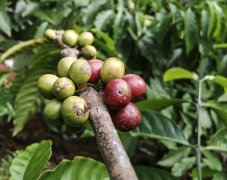
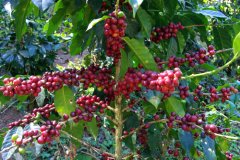
Geisha was collected in 1931 in the Geisha forest of Ethiopia, taken to Kenya's coffee research institute, introduced to Uganda and Tanzania in 1936, and to Costa Rica in 1953. In 1963, Don Pachi Serracin carried the variety from Costa Rica into Panama. Because yields were low — directly limiting harvests — farmers showed little interest in cultivating it.

It was not until Daniel Peterson, owner of Panama's La Esmeralda, discovered by chance that beans from Geisha trees planted as windbreaks at the estate's highest point carried the citrus and floral character of African beans that things changed. He separated those beans and entered them in the 2004 Best of Panama competition — an instant sensation. From then on Geisha was unstoppable, winning Panama's cupping competition year after year. To today's specialty enthusiasts worldwide, Geisha is the ultimate treasure. So how does Costa Rica, the previous stop on Geisha's road to fame, measure up?
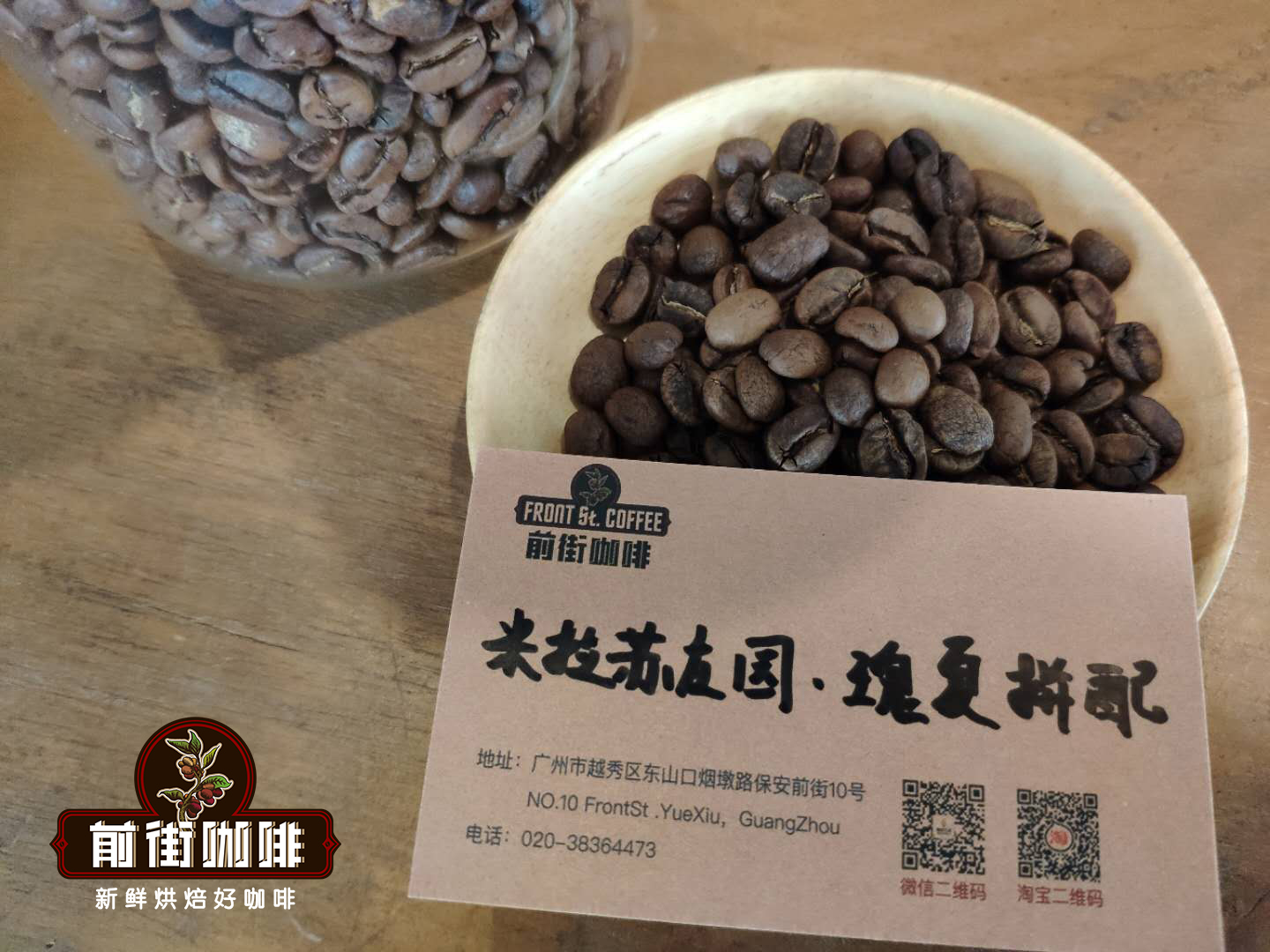
FrontStreet Coffee · Costa Rica Mirasoul Estate Strawberry Candy Geisha Blend
Region: Tarrazú, Costa Rica
Estate: Mirasoul Estate
Altitude: 1,700m
Varieties: Geisha, ET47, SL28, Maico
Process: Raisin Honey
Mirasoul Estate sits in Tarrazú, Costa Rica's famed specialty coffee region in the fertile volcanic highlands of Central America. Humid climate, rich volcanic soil, year-round rainfall, high altitude and dense natural forest shade make it an exceptionally advantageous home for coffee. Many estates operate within Tarrazú, yet each expresses its own microclimate, soil and varietal character distinctly — a gift from nature that is precisely why FrontStreet Coffee keeps seeking out and comparing different beans from the same region.

Estate owner Esteban Sanches graduated from the coffee program of Costa Rica's agricultural university — professionally trained and possessed of a strong experimental spirit. On one hand, the estate cultivates varieties like the Ethiopian-native ET47 and trials many processing methods; on the other, the small wet-processing machines at the estate's mill, from design to assembly, were built by Esteban Sanches himself.
The Varieties
Geisha — familiar to everyone by now. Collected from Ethiopia's coffee forests in the 1930s, it reached the Tropical Agricultural Research Center (CATIE) in Central America in 1953 and was logged as T2722. But its branches were fragile and farmers showed no enthusiasm, so it was never widely planted.

ET47 — in the 1990s, the Costa Rica Coffee Research Institute distributed many rust-resistant research varieties to farmers in Tarrazú. ET47 was laboratory number 47; so many varieties were released at once that numbers served as identification. Esteban Sanches obtained ET47 and devoted himself to studying it. The variety is something of a marvel, carrying many excellent traits: fruity sweetness, a round and clean mouthfeel, and elegant, pleasant acidity.
SL28 — according to the record, senior officials from Scott Laboratories (A.D. Trench) noticed a variety growing in Tanzania's Modi region that seemed tolerant of drought, disease and pests. Seeds were collected and returned to Scott Laboratories, where its drought resistance was confirmed. Genetic testing has since placed SL28 in the Bourbon genetic group, so the beans are round and thick like Bourbon.

Maico — no official information has been published on this variety. FrontStreet Coffee's Mirasoul Strawberry Candy Geisha Blend consists of 50% Geisha and 50% of the ET47, SL28 and Maico mix. The Geisha contributes jasmine aroma, while the other varieties supply the richer strawberry and berry flavors; the raisin honey process lifts the sweetness throughout.
The Processing Method
Raisin honey processing retains 100% of the mucilage and uses zero water, which raises the difficulty considerably — timing must be strictly controlled. The estate owner first sorts the harvested cherries, then lays them on raised beds to dry for at least three days before removing the skin. Interestingly, the pulping machine he designed himself differs from any other: it can process two different types of beans at once.

After de-pulping with the mucilage intact, drying begins — and climate becomes the key to success. The beans must be turned constantly for even drying, yet the turning frequency must be tuned so drying stays slow enough for proper fermentation but not so slow that it over-ferments. FrontStreet Coffee has found through cupping that raisin honey processing, sun-drying the beans with all their mucilage, produces coffee of full sweetness with a preserved-fruit, fermented sweetness.
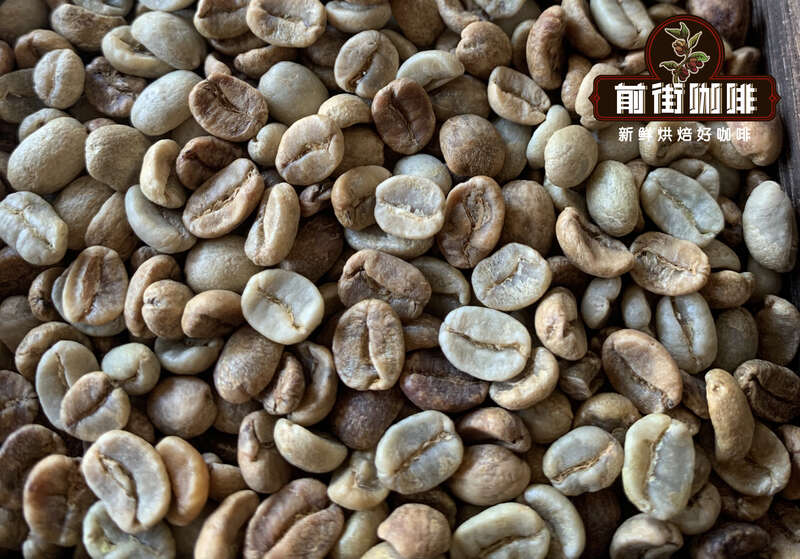
FrontStreet Coffee Roasting Analysis
This four-variety, raisin-honey blend posed a roasting challenge: our roaster noticed that the fermentation level of the Geisha beans was markedly lower than that of the other three varieties. After three different roasting curves, the general flavors emerged but never felt clear and bright enough. Through repeated fine adjustments — managing heat application for stable delivery, using high heat during development to build energy, and opening the air damper fully at first crack — the coffee's character finally came through.

Yangjia 800N roaster, bean charge: 480g. Preheat to 200°C, then drop to 175°C for loading; heat set to 120, air damper at 3, turning point at 1'32", heat maintained; at 114°C, heat unchanged, damper opened to 4.
6'15" — turning yellow, grassy aroma gone, entering the dehydration stage; at 140°C heat reduced to 100, damper held at 4. 9'00" — dehydration complete, bean surface wrinkled with dark patterning, toast aroma turning to coffee aroma, the prelude to first crack; listen carefully now. 10'25" — first crack begins, damper fully opened to 5, heat unchanged. Post-crack development of 1'30", dropped at 193.5°C.
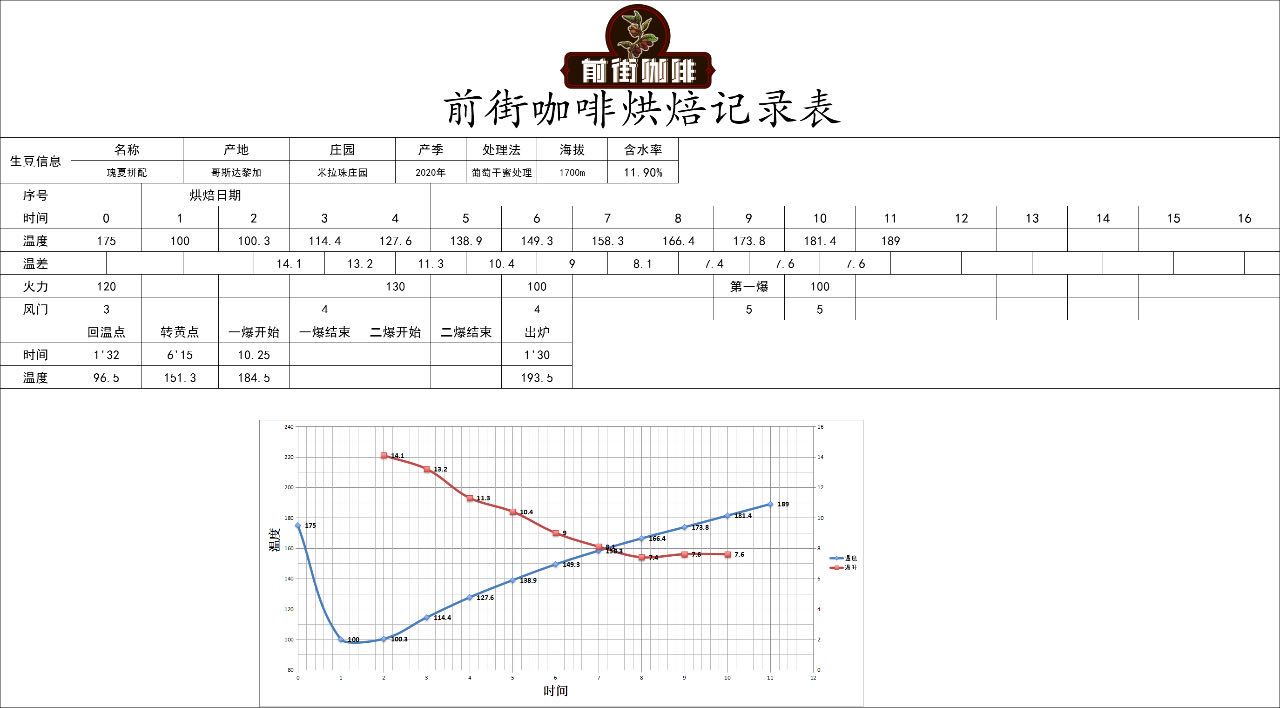
FrontStreet Coffee Cupping Report
FrontStreet Coffee cups within 8–24 hours of roasting, using 200ml ceramic bowls, standard anti-static metal cupping spoons, and 94°C water. The cupping grind is set to a 70–75% pass rate on a #20 standard sieve (0.85mm), at a ratio of 1:18.18 (11.1g of coffee to 200ml of hot water) — landing extraction concentration exactly within the 1.15%–1.35% Golden Cup range. First grind and smell the dry aroma, fill the bowl with water, confirm the wet aroma, break the crust and scoop off the grounds after 4 minutes, then taste.
Dry aroma: floral
Wet aroma: dried fruit, berries
Flavor: raisins, berries, nuts, cream

FrontStreet Coffee Brewing Suggestions
Dripper: V60 #01
Dose: 15g
Ratio: 1:15
Temperature: 90°C
Grind: medium-fine (80% pass-through on a China standard #20 sieve)

Brewing method: first wet the filter paper and preheat the dripper and server. Bloom with 30g of water for 30 seconds, pour in small circles to 125g and pause. When the water level drops and the bed is about to be exposed, pour on to 225g and stop. Remove the dripper when the bed is about to be exposed again (timer starts at the bloom). Extraction time: 2'01".

Brewed flavor: jasmine florals, raisin sweetness and strawberry-candy flavors on entry, with a nutty, cream-like mouthfeel.
FrontStreet Coffee Recommendation
To answer the question in the title: no — the Strawberry Candy Geisha Blend is not a single origin. It is a deliberate composition: 50% Geisha lending jasmine elegance, and 50% ET47, SL28 and Maico supplying the strawberry and berry richness, all unified by the raisin honey process. It works beautifully as a pour-over, a moka pot brew, an espresso at home, or even a refreshing cold brew.
If you prefer to stay with pure Panamanian Geisha, FrontStreet's Esmeralda Red Label (Esmeralda Special, grown at 1,600–1,800 meters and cupping above 90 points, each batch from a single named plot) and the Green Label (a blend of high-altitude plots at a more accessible price) remain the benchmark expressions of the variety's orange-blossom honeyed tonality.
And for an Ethiopia-rooted alternative, FrontStreet's Geisha Village Gold Label — the Gesha 1931 variety, refined natural-processed, representing just 10% of the estate's output — offers competition-grade complexity that baristas regularly choose for international events.
Important Notice :
FrontStreet Coffee is a long-established specialty coffee roaster in Guangzhou China, selling freshly roasted beans from its own farm in Yunnan as well as dozens of carefully selected single-origin beans from around the world for both pour-over and espresso. The products deliver consistently excellent quality and great value, with shipping within 24 hours. Guangzhou's FrontStreet Coffee shop is recommended by many coffee lovers, and the beans are now available online at the Tmall 。
FrontStreet Coffee has moved to a new address:
FrontStreet Coffee Address: 315,Donghua East Road,GuangZhou
Tel:020 38364473
 Scan and follow the En Gafei WeChat official account. Please indicate that the reprint comes from "En Gafei".