Colombian Decaf Coffee Beans Flavor Characteristics - Is Decaf Coffee Harmful to Health, Safe, and Can It Help with Weight Loss?
Regular coffee drinkers know that coffee's ability to boost energy comes mainly from caffeine. Too much caffeine, however, is not good for you, which is why Starbucks introduced decaffeinated coffee. So what exactly is decaf coffee? Is it healthy? In this article, FrontStreet Coffee looks at these questions one by one.
The Origin of Decaf Coffee
Legend has it that the famous German poet Goethe loved coffee but could not sleep after drinking it. That love-hate relationship led Goethe to ask his friend Runge to analyze the components of coffee beans and find out what was interfering with his sleep. Around 1820, Runge identified caffeine as the culprit and developed a way to separate it from the beans, making him the pioneer of decaf coffee.
Runge found the cause, but the extraction technology of the day could not mass-produce low-caffeine coffee. It was not until 1903, when the German coffee importer Ludwig Roselius noticed that beans soaked in seawater had far less caffeine, that things changed. He hired a team of chemists to develop caffeine-extraction technology and achieved a major breakthrough, after which low-caffeine coffee could finally be produced at scale.
Starbucks most likely introduced decaf coffee to let coffee lovers enjoy a good cup without losing sleep, meeting the needs of a certain group of customers.
What is Decaf Coffee?
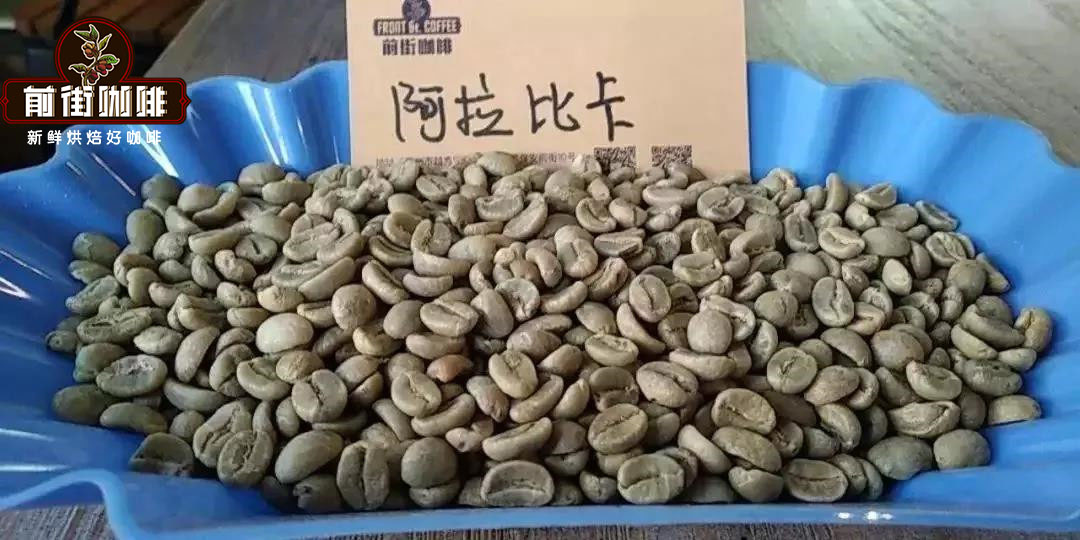
As FrontStreet Coffee understands it, caffeine content in beans is measured by weight ratio. Arabica beans contain 0.9%-1.4% caffeine (averaging 1.2%), while Robusta beans contain 1.8%-4% (averaging 2.2%). Decaf coffee falls into two types: naturally low-caffeine coffee, and coffee that has been artificially decaffeinated. The EU standard for artificially decaffeinated coffee is a post-processing caffeine content no higher than 0.1% of the green bean, while the US FDA standard is a reduction to below 3% of the original caffeine content.
What is Caffeine?
Caffeine is an alkaloid found in natural drinks such as hot cocoa, energy drinks, cola, coffee, and tea, all of which contain certain amounts of it. Most plants contain the substance in nature. Caffeine stimulates the central nervous system and temporarily restores physical energy.
Caffeine is both a central nervous system stimulant and a metabolic stimulant. It is used as a beverage and as a medicine, and its effects are to refresh and relieve fatigue. The precise dose needed to produce an effect varies from person to person, depending mainly on body size and tolerance.
Caffeine can begin to work in the body in under an hour, and at a mild dose its effects disappear within 3 to 4 hours. Consuming caffeine does not reduce the sleep you need; it only temporarily weakens the feeling of drowsiness. Because of this, caffeine acts as a performance enhancer, improving the brain and body's resistance to fatigue.
So as long as you do not drink large amounts of coffee, it will not harm your body. FrontStreet Coffee currently offers a decaf bean from the Colombian coffee region, which we introduce next.
FrontStreet Coffee Colombian Huila Decaf Coffee Beans
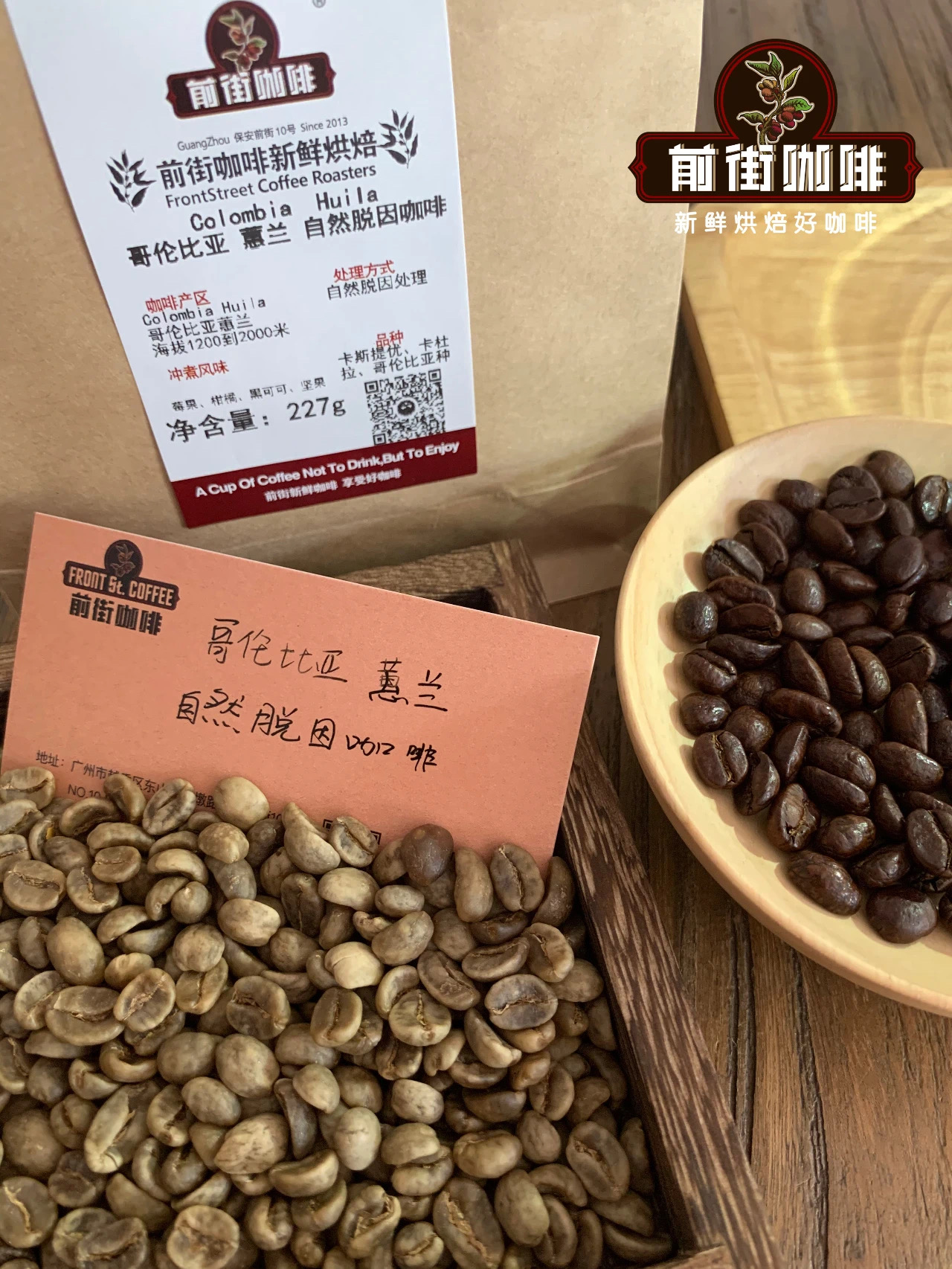
Region: Colombia, Huila
Altitude: 1750 meters
Varieties: Typica, Caturra, Castillo
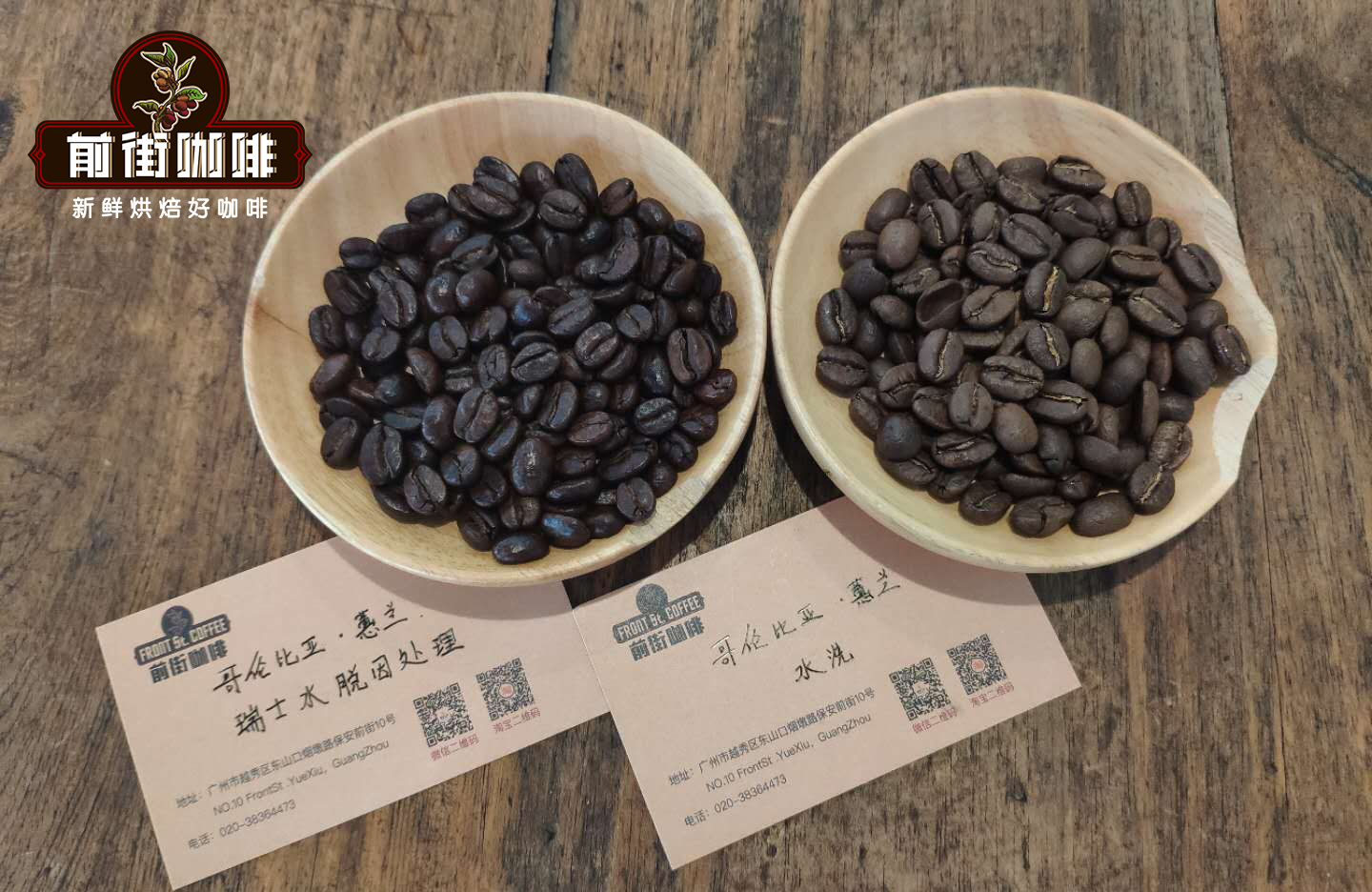
Processing: Swiss Water Process
Grade: Supremo
Is Colombian Decaf Coffee Good?
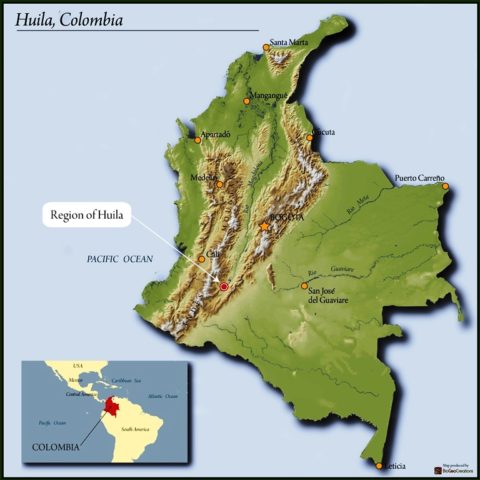
FrontStreet Coffee's Colombian decaf beans come from Huila, Colombia's most famous and highest-altitude coffee region. The beans grown there are high-mountain lots selected by Colombia's national company, often called the country's national treasure.
That Huila origin sets this decaf up for good flavor, because a bean's flavor depends on region, variety, and processing method. Even within one region, beans are graded again. If a high-quality bean has passed multiple rounds of screening, the flavor is unlikely to disappoint. When you encounter bad-tasting coffee, it is that particular lot that is poor, not the whole category. If the decaf you tasted was bad, you simply have not found the right one.
FrontStreet Coffee believes that bad-tasting decaf is not the fault of the decaffeination process. Most decaf coffee uses cheap commercial-grade beans as raw material. Modern decaffeination is complex, and in most cases the companies making decaf naturally prefer varieties with higher caffeine content, such as Robusta. Those beans already tasted poor before decaffeination. As with any other coffee sold in a cafe, if a decaf starts from high-quality Arabica beans, it can still perform very well after processing.
How is Caffeine Extracted from Decaf Coffee?
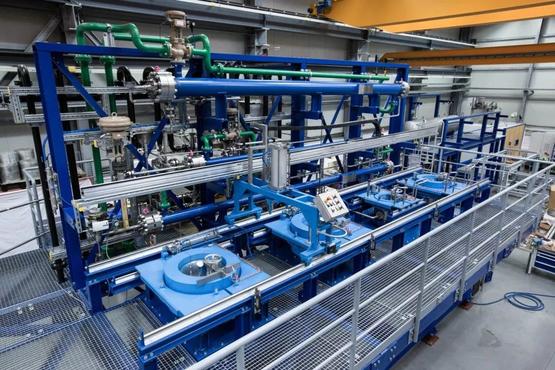
FrontStreet Coffee's decaf beans use the Swiss Water Process to extract caffeine and lower the content in the beans. Other methods include the indirect solvent process, the supercritical carbon dioxide process, and the mountain spring water process, but the most common and longest-used are the Swiss Water Process and the indirect solvent process.
Swiss Water Process
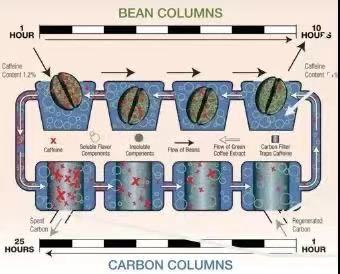
FrontStreet Coffee understands the process as follows. Green beans are soaked in hot water, during which some caffeine is already partially removed. The soaking solution is then filtered through activated carbon, and finally returned to the beans. This sequence removes caffeine more effectively. Besides avoiding chemical solvents, the solution can be reused across batches. The drawback is that the coffee loses some flavor during filtration.
The caffeine removal rate of this method can reach 99.9%, making it the most efficient option. Although the Swiss Water Process costs some flavor, it is popular because of its low cost, easy operation, and high efficiency. That is why most decaf beans today use it.
Direct Solvent Process
The direct solvent process uses chemical solutions such as dichloromethane and ethyl acetate to dissolve caffeine. First, steam opens the pores of the green beans; then dichloromethane is added directly to the beans. Once the solvent binds with the caffeine, the caffeine-laden solvent is washed away and the beans are steamed again to remove any residual solvent.
Since this method appeared, many people have worried that long-term exposure to dichloromethane raises cancer risk. FrontStreet Coffee looked into it and found that dichloromethane boils at 39.8°C. Both steam and roasting temperatures are more than enough to evaporate it completely, so there is no need to worry about cancer risk.
That covers the background on decaf coffee compiled by FrontStreet Coffee. Does decaf have disadvantages, then? The description above does not seem to mention any. Of course there are some, and next FrontStreet Coffee will lay out the advantages and disadvantages of decaf coffee so coffee lovers can understand it more directly.
Advantages and Disadvantages of Decaf Coffee
Caffeine is actually the largest source of antioxidants in the Western diet; decaf coffee typically contains similar amounts of antioxidants to regular coffee, though they may be 15% lower. This difference is likely due to the small loss of antioxidants during decaffeination. This is why more and more people choose decaf: it provides antioxidant benefits without affecting sleep.
The difference between regular and decaf coffee lies in the main antioxidants of caffeine: hydroxycinnamic acids and polyphenols. Antioxidants are very effective at neutralizing reactive compounds called free radicals. This can reduce oxidative damage and may help prevent conditions such as heart disease, cancer, and type 2 diabetes.
Beyond antioxidants, low-caffeine coffee also contains small amounts of nutrients. One cup of brewed decaf provides 2.4% of the recommended daily magnesium intake, 4.8% of potassium, and 2.5% of niacin, or vitamin B3. That may not seem like much nutrition, but if you drink 2-3 cups (or more) daily, these amounts add up quickly.
In summary, decaf coffee has many advantages, and its only likely drawback is a slightly weaker flavor compared with regular coffee. Choose good-quality beans, though, and the flavor will not be too far behind.
That covers the advantages and disadvantages of decaf coffee. FrontStreet Coffee runs extensive brewing and cupping tests on every new bean to make sure it can show its most delicious side. Next, FrontStreet Coffee shares the brewing parameters and flavor description for this Colombian Huila decaf bean.
How Does FrontStreet Coffee Brew Decaf Coffee Beans?
FrontStreet Coffee suggests using freshly roasted beans to get the fullest flavor. Beans shipped by FrontStreet Coffee are roasted within 5 days, because FrontStreet understands how much freshness affects flavor. FrontStreet's roasting philosophy is "Freshly Roasted Good Coffee," making sure every customer receives the freshest coffee. The rest period is about 4-7 days, so by the time the coffee reaches you it is at peak flavor.
Because decaf beans have released caffeine through soaking, their fiber structure differs from regular beans. They absorb water strongly, which slows extraction, so the brewing parameters need adjusting.
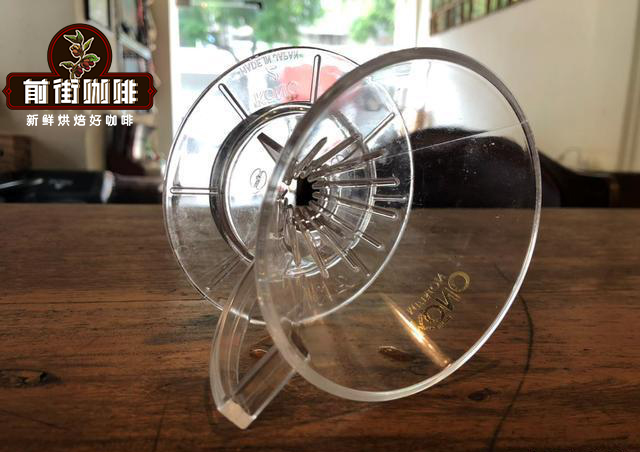
Dripper: Kono dripper
Water Temperature: 88.8°C
Coffee Dose: 15g
Coffee-to-Water Ratio: 1:15
Grind Size: Coarse grind (70% pass-through on a China standard No. 20 sieve)
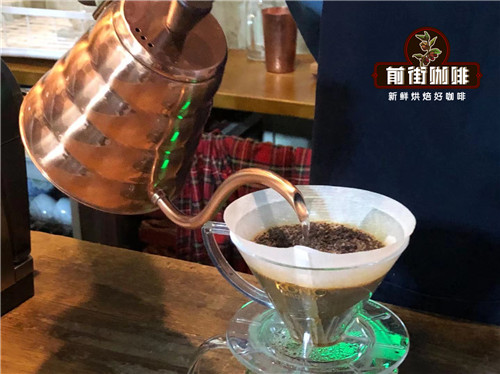
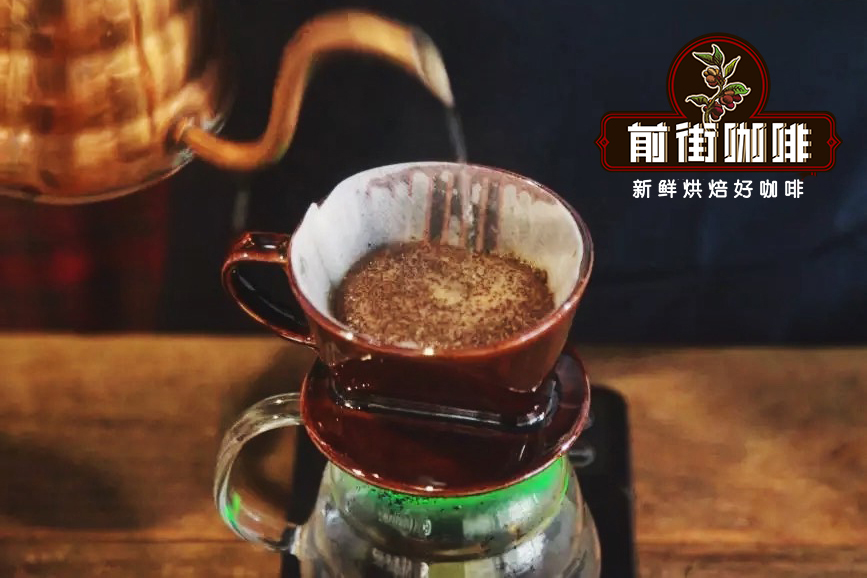
FrontStreet's segmented brewing: add the grounds, inject twice the water amount (30ml), and bloom for 30 seconds. Then begin the second pour, gently pouring 150ml of hot water in circles to lift the coffee bed and create a golden foam surface. Wait for the water level to drop slightly, then inject the final 45ml. Once all the coffee has flowed into the lower pot, remove the dripper to finish extraction. Total extraction time is 2 minutes 10 seconds.
Colombian Decaf Coffee Bean Brewing Flavor: Dark chocolate, caramel, and nuts, with a rich, full-bodied texture.
For professional coffee knowledge exchange and more coffee bean information, please follow Coffee Workshop (WeChat public account: cafe_style). For more specialty coffee beans, please add FrontStreet Coffee on WeChat: kaixinguoguo0925
FrontStreet Coffee Recommendation
If you enjoy the chocolate-and-nut side of Colombian coffee without the caffeine, FrontStreet Coffee's Colombia Huila decaf is the direct match: Huila-grown, washed, and Swiss Water processed, with dark chocolate, caramel, and nut flavors in a rich, full body. It brews well as pour-over, and the same Huila profile works in a French press, moka pot, or espresso machine for an americano or latte.
For a bolder, modern take on Colombia, FrontStreet Coffee's Colombia Sidra from the Finca La Divisoria uses anaerobic natural processing and a medium-light roast, showing passion fruit, grape, apricot, and dried fruit over bright, soft acidity - great for pour-over, cold brew, drip bags, and the moka pot. And if you want a dependable espresso base for milk drinks, FrontStreet Coffee's house espresso blend marries Brazil's creamy nut character with Colombia's dark chocolate bittersweetness and pulls a fine golden crema, making lattes, americanos, cappuccinos, and mochas easy.
Important Notice :
FrontStreet Coffee is a long-established specialty coffee roaster in Guangzhou China, selling freshly roasted beans from its own farm in Yunnan as well as dozens of carefully selected single-origin beans from around the world for both pour-over and espresso. The products deliver consistently excellent quality and great value, with shipping within 24 hours. Guangzhou's FrontStreet Coffee shop is recommended by many coffee lovers, and the beans are now available online at the Tmall 。
FrontStreet Coffee has moved to a new address:
FrontStreet Coffee Address: 315,Donghua East Road,GuangZhou
Tel:020 38364473
 Scan and follow the En Gafei WeChat official account. Please indicate that the reprint comes from "En Gafei".